
The Coworker Who Only Ever Existed on Fridays
Dale sat with us every Friday for a year. Friendly, funny, part of the team. Then we realized none of us had ever seen him Monday through Thursday, and it got very strange.

Office life is never as ordinary as it looks from the outside. Here you’ll find first-person Workplace Stories about bizarre office legends, HR nightmares, eerie late shifts, and those “you won’t believe what my coworker did” moments that sound completely made up—until you’re halfway through the confession. Every tale is told by someone who swears it happened to them, from cubicle drama to payroll mysteries and unsettling things that happen long after closing time.
On this page, nothing is fact-checked, and everything is up for debate. Readers become the jury, weighing in on each workplace horror story and creepy work confession, deciding which feels authentic and which sounds like pure fabrication. Dive into these on-the-job confessions, cast your vote on what’s real or ridiculous, and see how your verdict compares.

Dale sat with us every Friday for a year. Friendly, funny, part of the team. Then we realized none of us had ever seen him Monday through Thursday, and it got very strange.
A twenty-year-old summer intern built a dashboard that made my whole team look redundant. Three weeks later four of us were gone and he had a full-time offer and my parking spot.
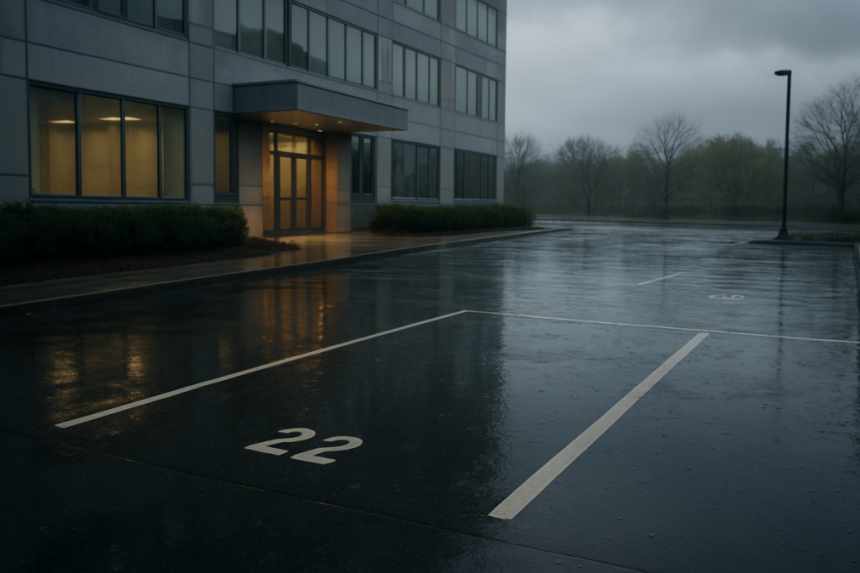
Every floor plan showed it. Nobody had a key. Facilities said it was HVAC, HVAC said it was storage, and once a month, something inside it hummed for exactly one hour.
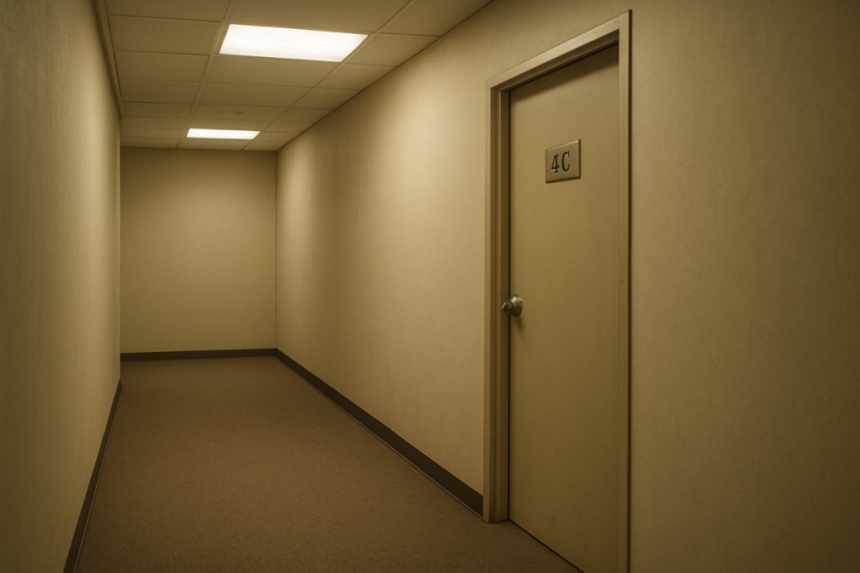
He sat two feet from me for a year with a jam jar of human teeth on his desk. When I finally reported it, I was the one who got a talking-to about being a team player.

My timesheet showed hours I never worked. Late nights, weekends, all under my login. The truth got me fired for fraud I did not commit, and I still do not know who did.
A payroll glitch terminated me on a Friday. By Monday a recruiter from my own company was cold-calling me about my exact old job, with no idea who I was.
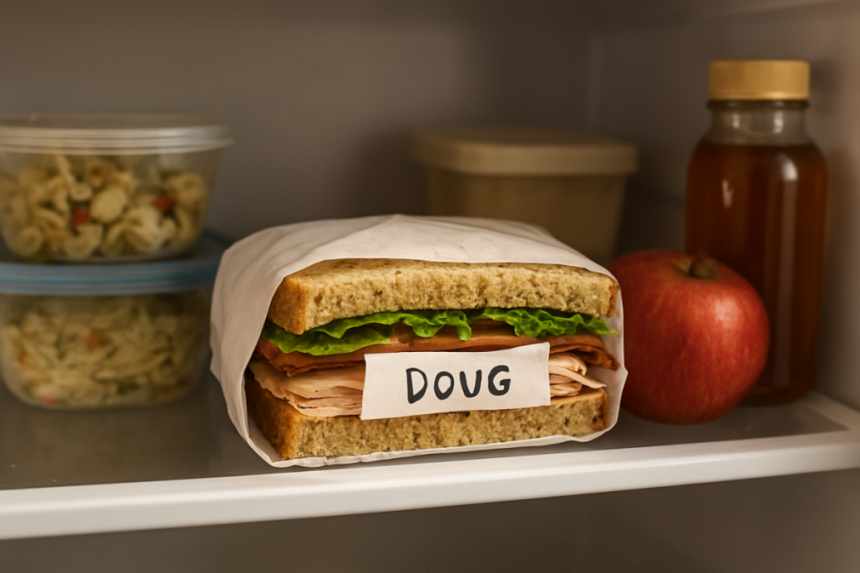
Eleven years of clean reviews, gone because a turkey club went missing from the fourth floor fridge and my badge was the last one to open the kitchen door.
Our petty cash was always exactly forty dollars over. Every month, no matter what we spent. Someone was putting money in, and figuring out who nearly broke the whole office.

A man showed up at our office in a grey cardigan, took the empty desk by the window, and worked there for three months. HR had no record of him. Neither did payroll.

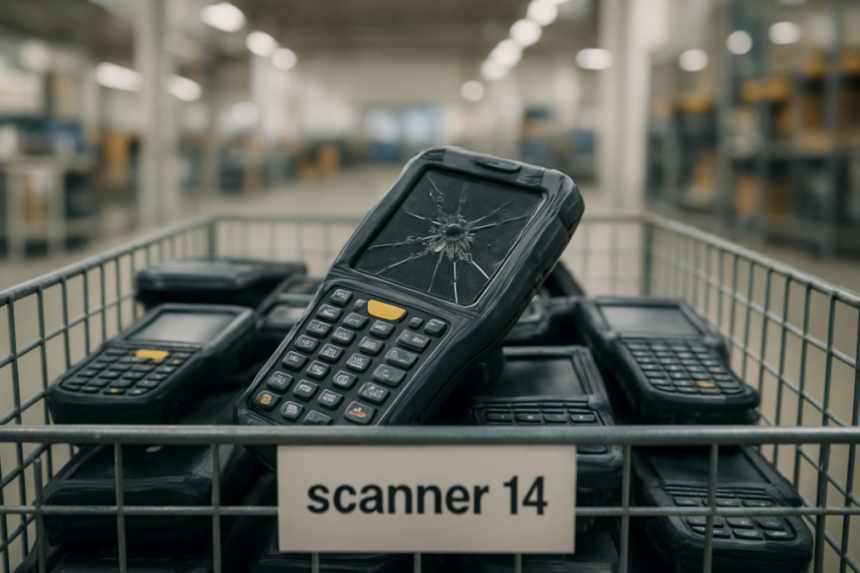
The warehouse logs showed someone clocking pallets at 3am on nights we had no crew. When I asked too many questions about it, I was quietly let go for a policy nobody could name.
The hall of fame: the best Workplace Stories of all time
A few shapes recur across this section often enough to be worth naming. There is the payroll error that nobody will admit to authorising. There is the colleague who appears in a team photo and on no org chart. There is the resignation that took a whole department with it inside a fortnight. Anyone who has held a job can invent bad boss stories, which is precisely why the convincing entries are the dull ones — the form number, the wording of the policy, the three-week gap before anything happened. Drama is cheap to fabricate; procedure is not. Readers here have become unusually good at spotting the difference.
Managers who earned their own genre are filed under horrible bosses, and the unexplained end of things — missing files, a locked office, a badge that still works — under office mysteries. Workplace stories keep arriving because most people only ever tell theirs once, at a leaving do. If you left a job with an anecdote nobody believed, it belongs here.
It can be either. Some first-person accounts are true as written, while others are exaggerated, mistaken, or based on events that were misunderstood in the moment. On this site, the reader jury vote is a good clue to how convincing each account feels, but it does not prove what really happened.
Workplaces bring together routines, pressure, shifting power dynamics, and a lot of people who do not know each other well. That combination can create miscommunication, office rumors, odd behavior, and situations that feel almost unbelievable afterward. Reading the stories and the jury reactions can help show whether a bizarre event seems more like a real workplace mishap or a tall tale.
Start by writing down what happened while it is still fresh, including dates, names, and any messages or documents you have. If the issue affects your job or safety, raise it through the normal workplace channels you have available. For readers browsing these account collections, the jury votes often reflect that same tension between a shocking story and the evidence behind it.
More common than most people expect, though not usually as dramatic as the most memorable examples. Small misunderstandings, awkward mistakes, and rule-bending can pile up and make an ordinary job feel surreal. That is part of why these workplace anecdotes are so compelling to read and judge.
Yes, because a convincing voice, specific details, and a familiar setting can make a story feel authentic. People can also leave out context without meaning to, which changes how the event looks to readers. That is why the jury vote matters: it shows whether the audience finds the account believable, not just entertaining.
Some want validation, some want advice, and some simply enjoy telling a dramatic tale from a strange shift or bad boss situation. These stories can also capture feelings that are hard to explain in a normal conversation, like being ignored, blamed, or replaced. In a jury-based format, that mix of emotion and evidence makes the vote especially interesting.