
The Compass Points at Something That Follows
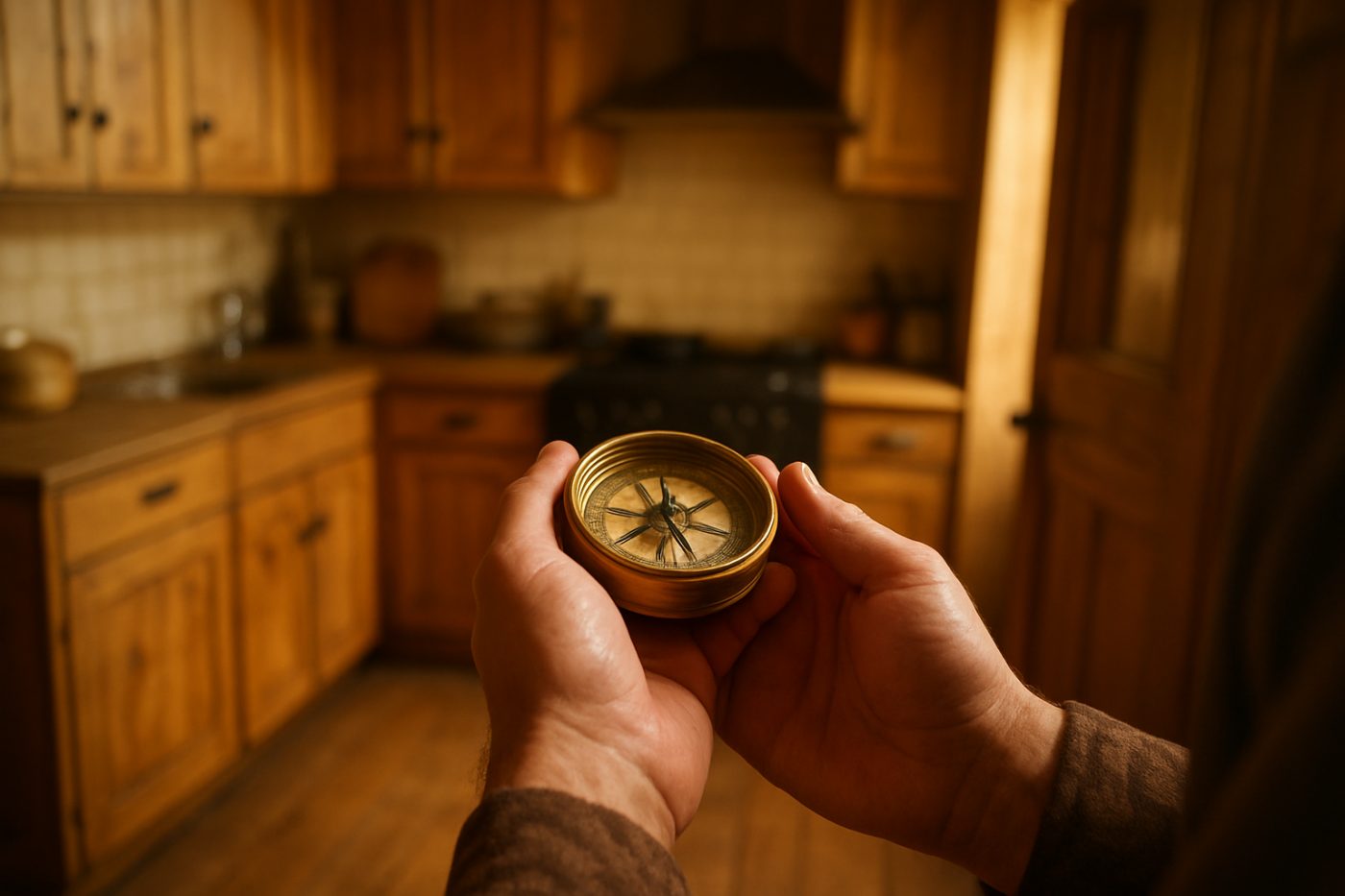
An antique compass from a boot sale doesn't point north. It points at a fixed spot in every room — and when I move, the spot moves with me, always about six feet away, always at my back.
Some things shouldn’t be picked up, bought, or brought home—and these are the confessions from people who did it anyway. In this collection of cursed object stories, you’ll find first-person accounts about items that seem to think, remember, or want something: heirlooms that change on their own, antiques and haunted dolls that track your movements, jewelry that chooses its wearer, and household possessions that respond to moods, deaths, or dates on the calendar. Every narrative is told as it supposedly happened, straight from the person who owned the thing that wouldn’t stay ordinary.
Nothing here is verified; everything here is claimed. Some tales feel like supernatural case files, others like guilt, grief, or obsession attaching itself to an object. On this page, you’re the jury: read each story, decide how real it sounds, and cast your vote.
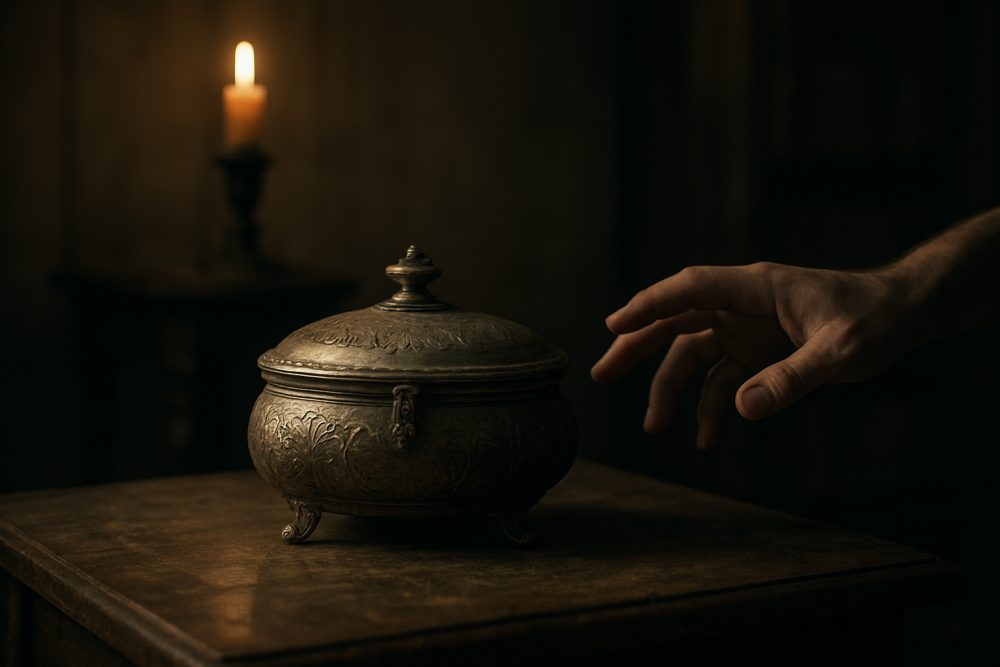
An antique compass from a boot sale doesn't point north. It points at a fixed spot in every room — and when I move, the spot moves with me, always about six feet away, always at my back.
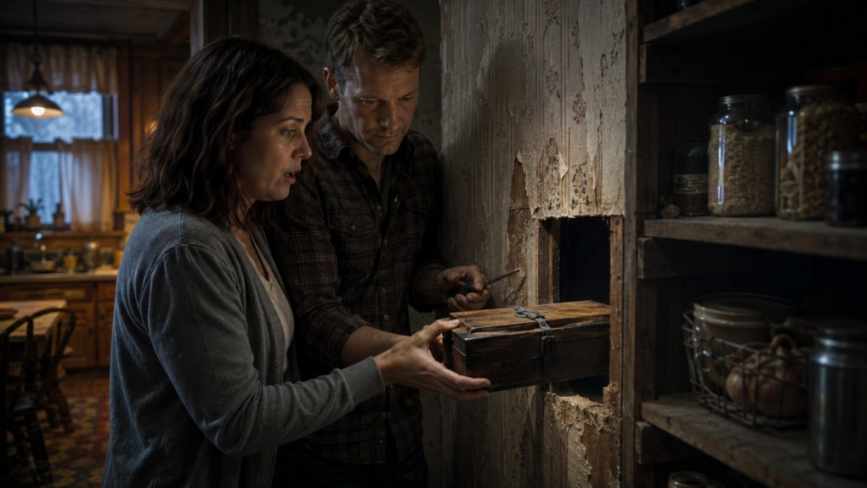
While restoring an old house, I found a sealed wooden box hidden in the pantry. Moving it was the worst mistake I made there.
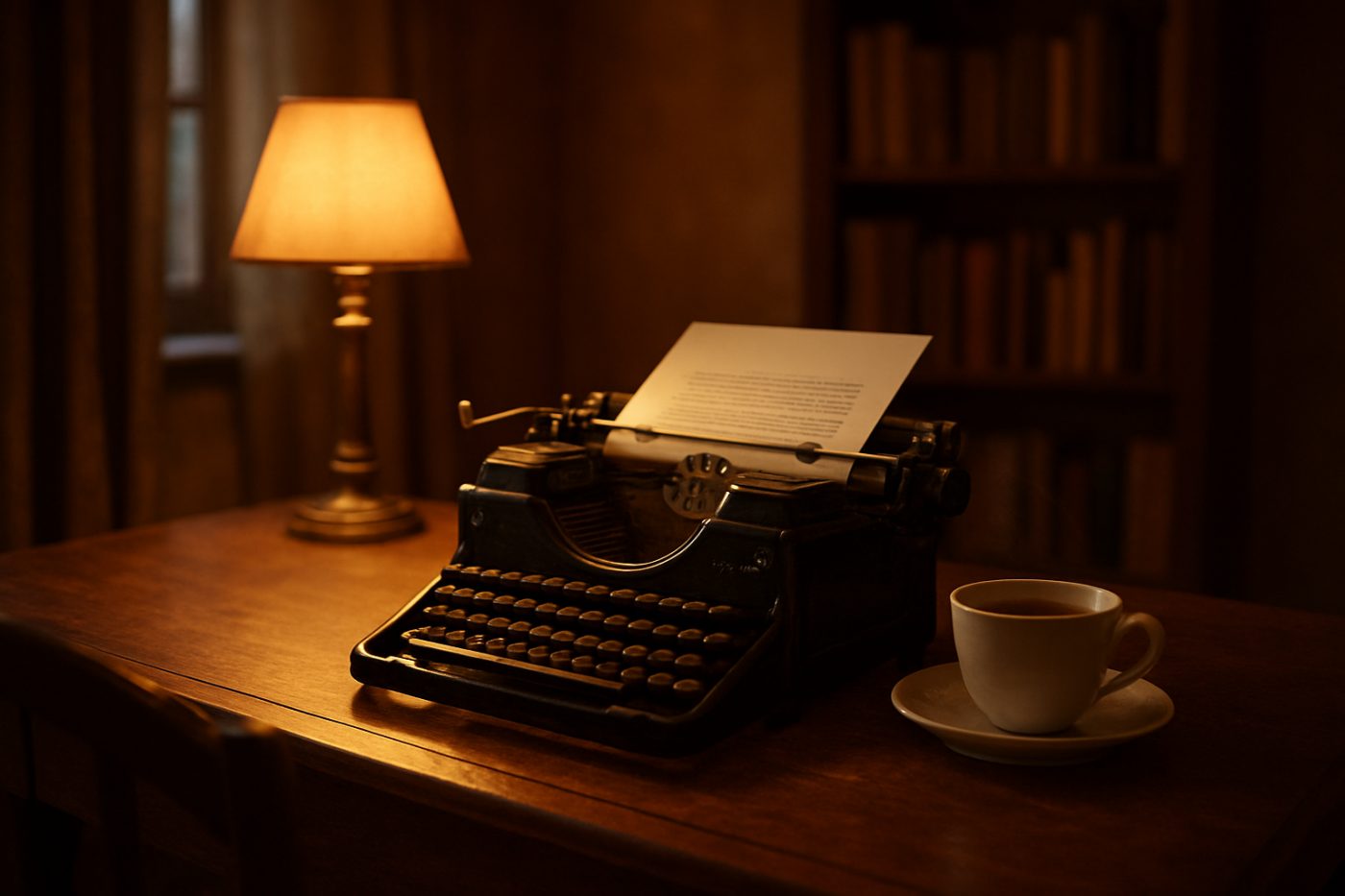
I collect old typewriters. One, from a house-clearance, types a line of its own after I stop — always continuing my sentence, always in a voice that isn't mine, always about a woman waiting for a letter.
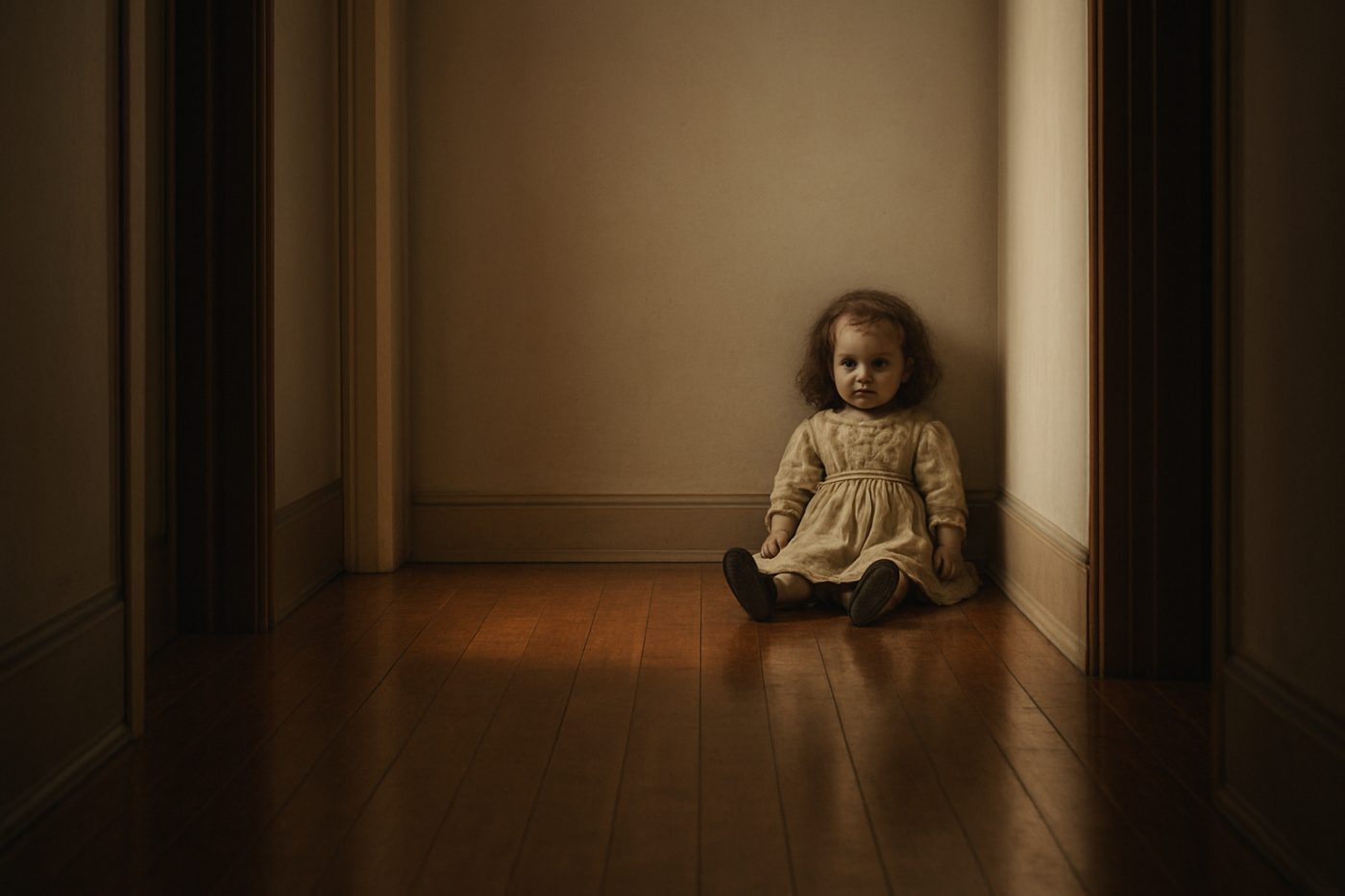
An heirloom doll sits in my mother's hall. At every family gathering it ends up facing one person. We laughed about it for years. We've stopped, because the doll has never once been wrong.
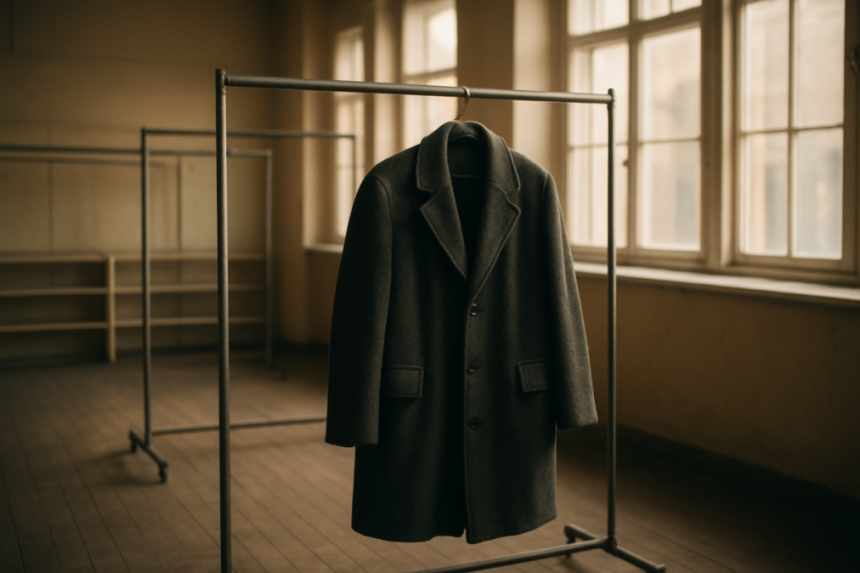
I bought a heavy wool coat from a thrift shop. It's warm — too warm — except for one patch over the heart that stays ice-cold, and wearing it, I feel a fear that isn't mine, always outdoors, always at night.
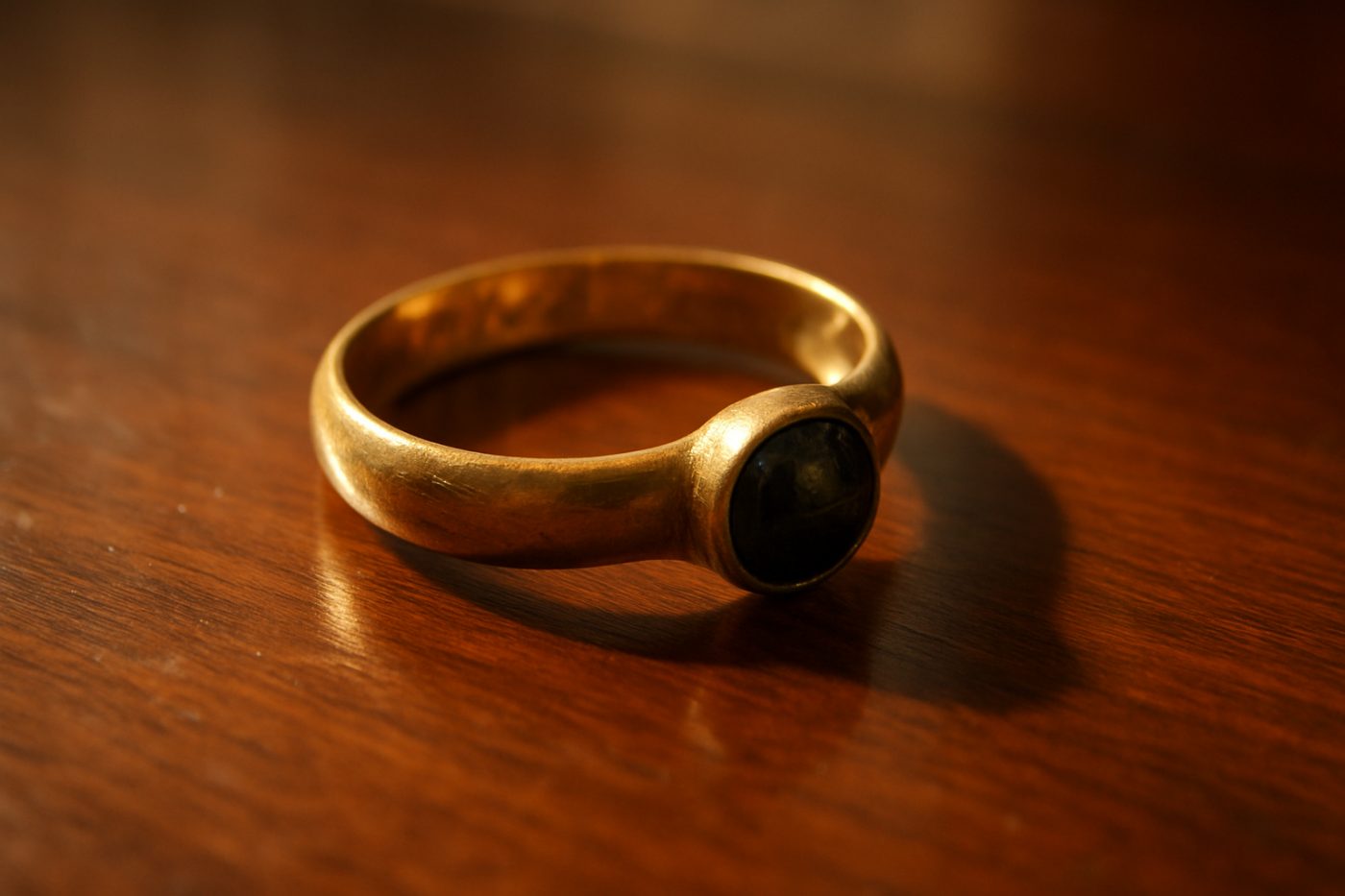
I bought a lovely old ring cheap. I started dreaming of a house I had never seen, more detail each night. Awake, I found myself driving toward it. The ring was engraved inside with an address. Someone was waiting.
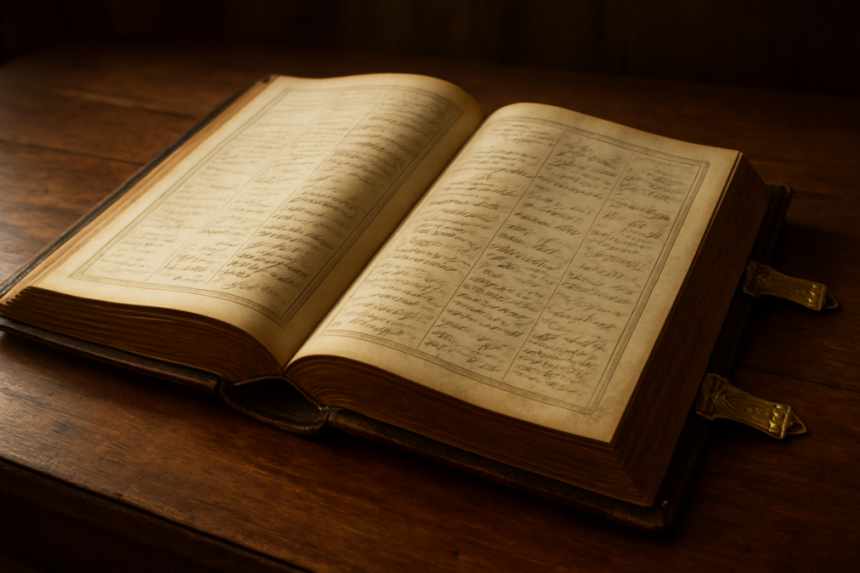
Our inherited family Bible lists births and deaths in generations of handwriting. A new entry appeared last month, in ink, in no hand we know — recording a death that hadn't happened yet. It has now.
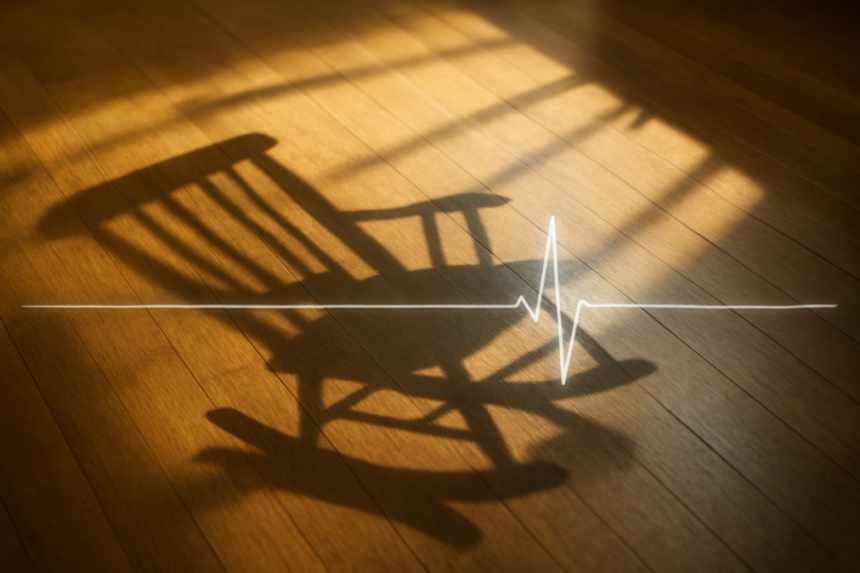
An estate-sale rocking chair rocks by itself — but only gently, only in the evenings, and only, we realised after months, at the exact pace of a heartbeat. A slow, resting, dying heartbeat.
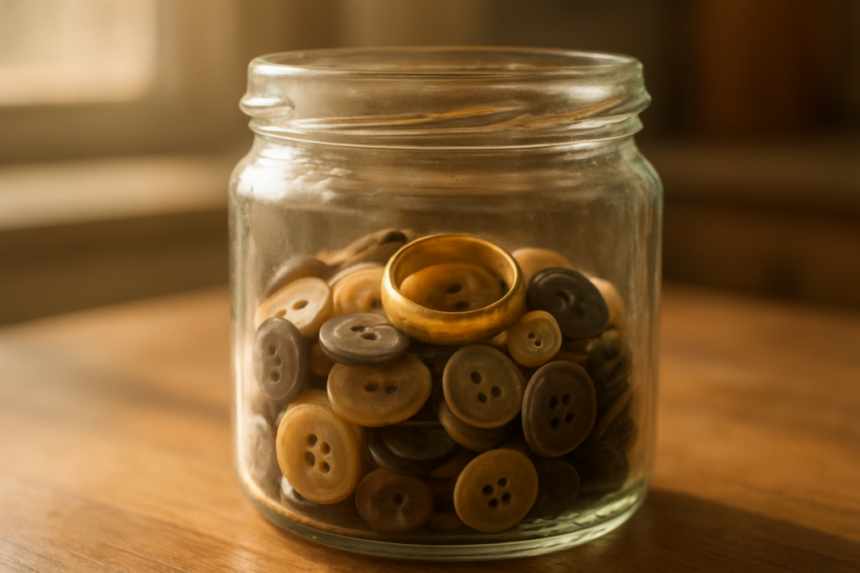
I bought a jar of old buttons at a thrift store. A gold wedding band was mixed in. I can't get it off — it sized itself to my finger overnight — and I dream, now, of a marriage I never had.
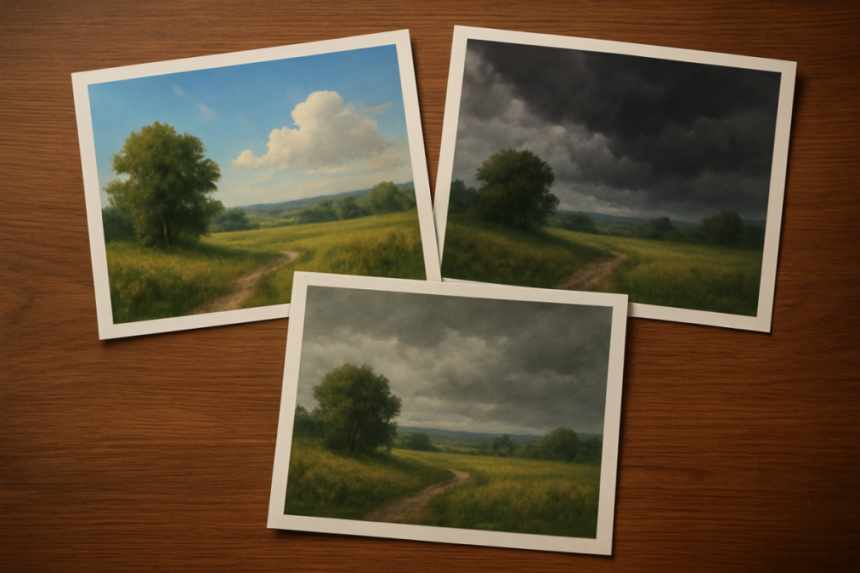
An inherited landscape hangs in my study. Its painted sky changes — clear when it's clear out, storming when it storms — and once, a small painted figure appeared on the road, walking toward the house.
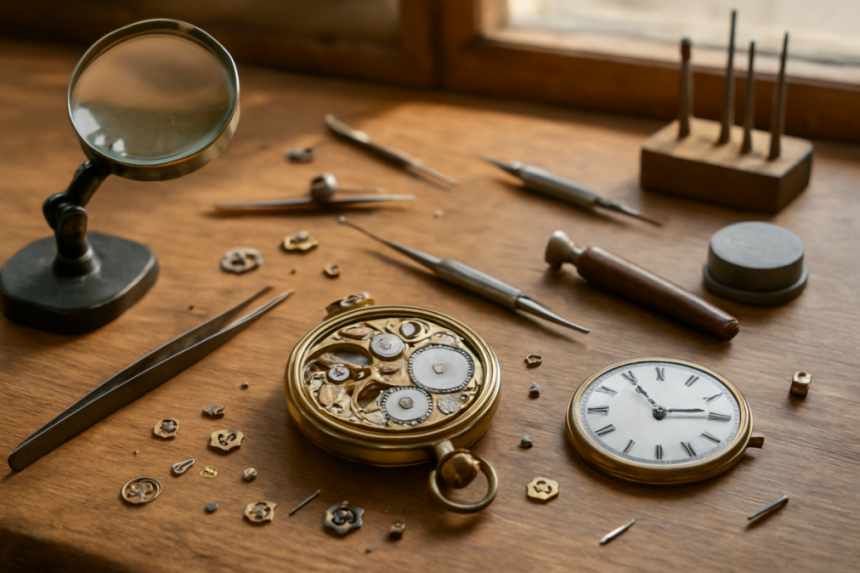
I inherited my grandfather's pocket watch, stopped at his death for forty years. It started when I wore it — and every night at 4 a.m., for exactly one minute, the hands run backward.
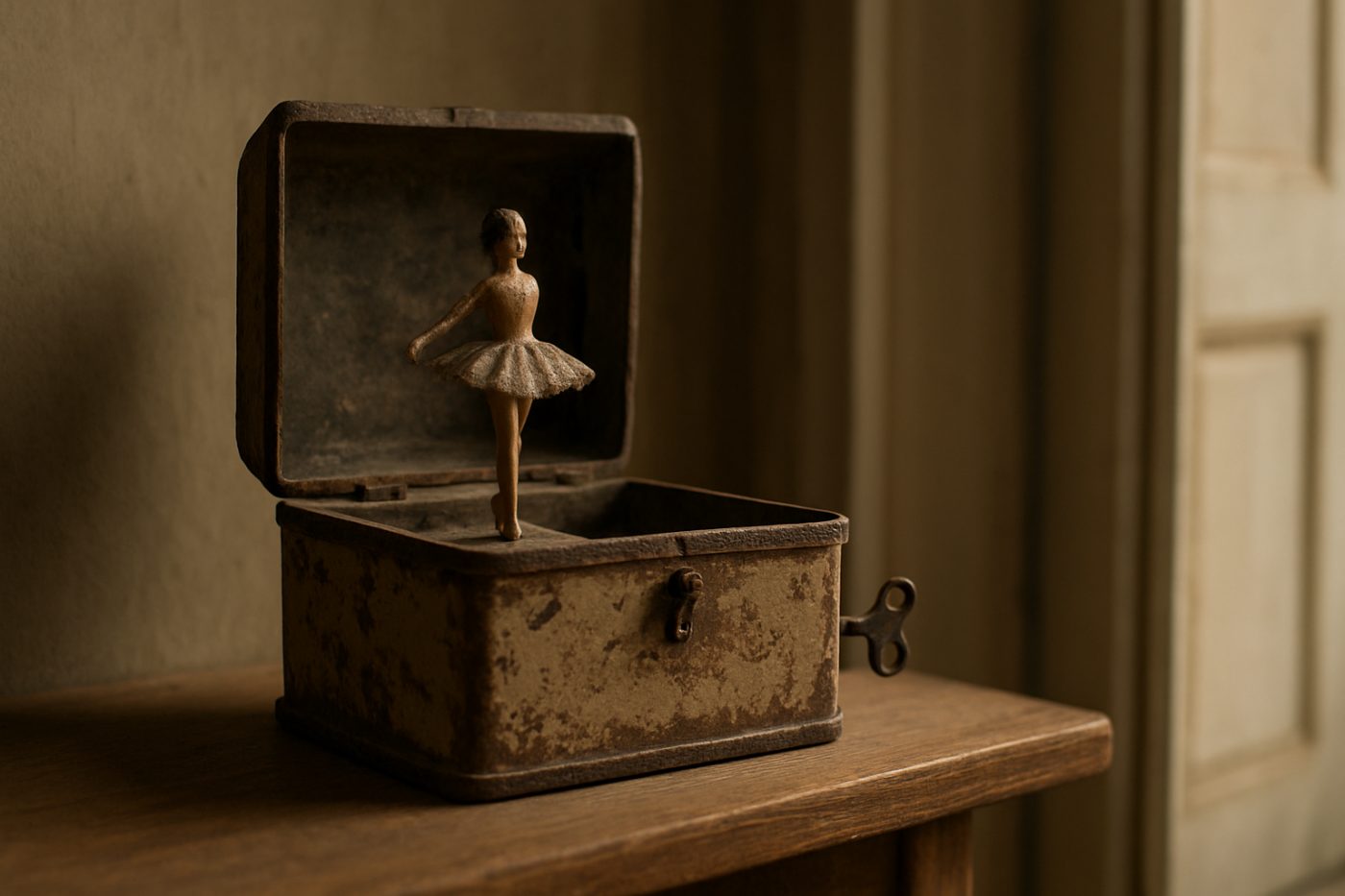
A thrift-shop music box plays a few notes on its own — always the night before a death in the family. Four times now. My wife wants it gone. I'm afraid of what silence would mean.
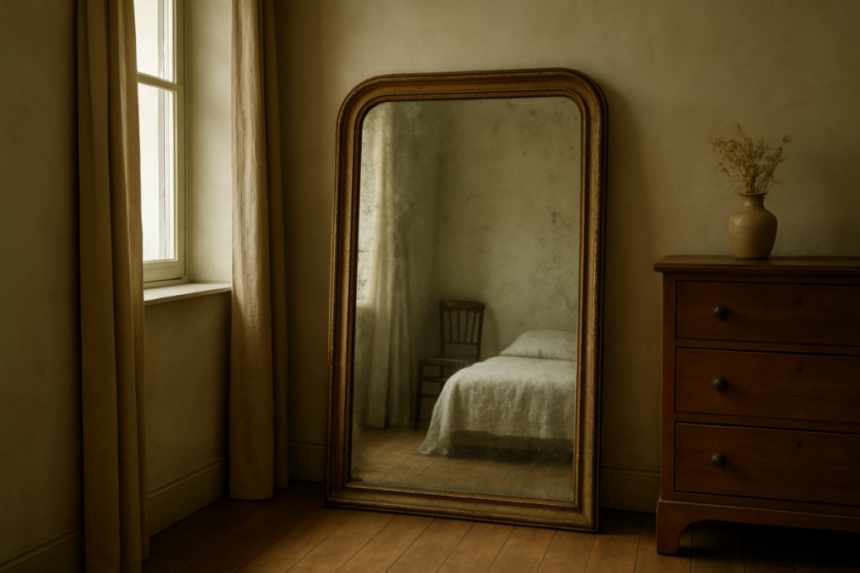
I bought a foxed antique mirror at an estate sale. In certain light it reflects a version of my hallway with different wallpaper — and, twice now, a woman's shape hurrying past a door that isn't there.
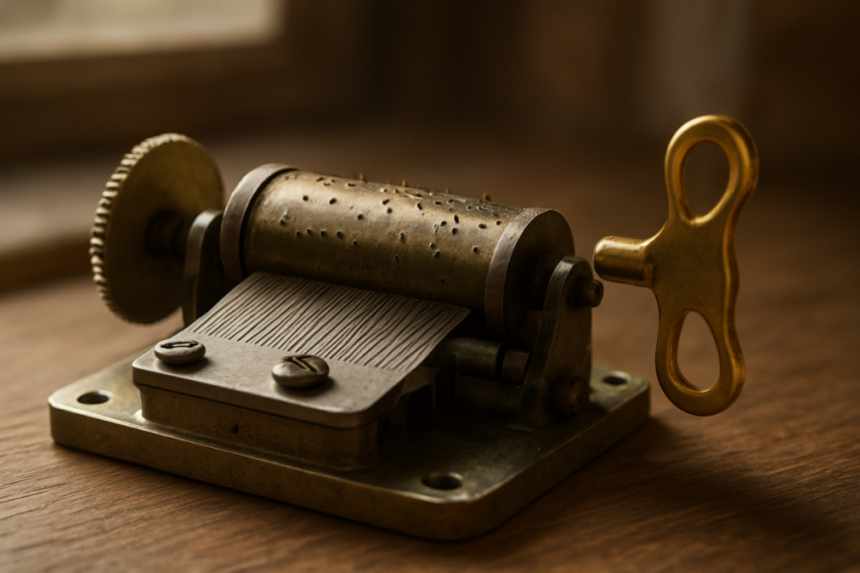
My aunt left me a music box she warned me never to let finish its song. I laughed. It began playing on its own at night, from a locked drawer, always stopping one note before the end, as if waiting for me to let it.
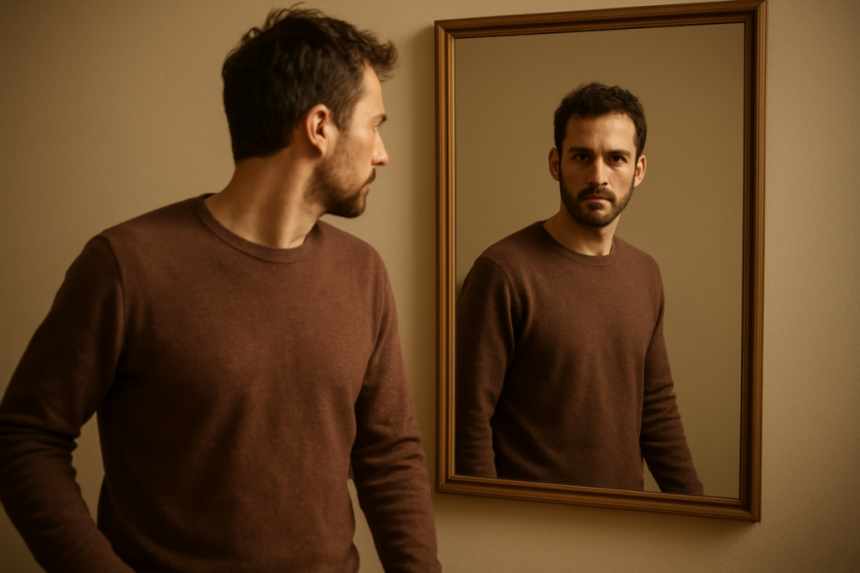
I bought a beautiful old mirror at an estate sale. Movement in it lagged, a heartbeat behind the real room. One night my reflection stayed still after I turned away. I covered it. I still hear it under the sheet.
The hall of fame: the best Cursed Objects Stories of all time
Read these cursed object stories closely and you notice how much of the fear is really about ownership. The object arrives cheaply — a house clearance, a skip, an aunt's estate — and the narrator knows almost nothing about where it has been. Anthropologists call this contagion thinking: the sense that a thing carries something of its previous handler, which is also why people will not wear a murderer's coat for any money. The stories that stay with readers are the ones where nothing dramatic happens at all. A clock keeps decent time. A ring fits. And the owner still drives it forty miles out of town before letting go of it.
Items bought from the dead are grouped under estate sale finds, and the cheaper, stranger acquisitions under thrift store finds. If you are writing one of these up, the useful detail is not the curse. It is the price, the shop, the date, and the exact point at which you decided the thing had to leave the house.
People have believed in haunted or “cursed” items for centuries, but there is no scientific proof that an object can be supernatural on its own. On this site, the first-person accounts are presented as true stories, and the reader jury votes on whether each one feels believable. That mix of testimony and public judgment is part of what makes these tales so compelling.
A strange object can feel cursed when bad events keep happening around it, especially if the timing feels too exact to ignore. Fear, coincidence, and suggestion can all make an ordinary thing seem ominous. Reading these accounts and the jury verdicts can help you see how people interpret the same details in very different ways.
The safest first step is usually to stay calm and look for ordinary explanations before assuming anything supernatural. Many people choose to stop interacting with the item, store it away, or remove it from the home if it makes them uncomfortable. Stories about strange heirlooms, secondhand finds, and objects that seem to “choose” their owners are common in this category.
They are more common in folklore and personal storytelling than in verified records, because people are drawn to incidents that feel personal and hard to explain. Items such as rings, clocks, dolls, books, and furniture often show up in these narratives because they fit naturally into everyday life. On this page, the jury votes give each account an added layer of public reaction.
Family possessions carry memory, grief, and history, so they can feel emotionally charged even before anything unusual happens. When something like a watch, Bible, or wedding ring seems to behave oddly, the story instantly feels more intimate and unsettling. That emotional weight is one reason readers often find these accounts believable or at least memorable.
There is no reliable evidence that objects have memory in the human sense, but people often describe repeating patterns that make it seem that way. In storytelling, that effect can be powerful because it gives a normal item an almost living presence. The reader jury on this site helps show whether others interpret the account as coincidence, symbolism, or something stranger.