
Giving Birth I Floated to the Ceiling and Nearly Stayed
A hemorrhage after my daughter was born nearly took me. I rose to the ceiling and watched them fight for me, then a tunnel of light offered peace -- but I could not leave her behind.

These near-death experience stories bring you first-person accounts from people who say they came frighteningly close to the edge and returned with memories they can’t forget. Inside this category you’ll find brush-with-death stories sparked by childbirth, surgery, accidents, the cold grip of water, sudden allergic reactions, and moments when the body quit but awareness seemed to continue. Expect out-of-body moments, life reviews, tunnels, luminous presences, and uncanny voices—told in the raw, in the moment, and in the storyteller’s own words.
These narratives are submitted by readers and aren’t presented as verified fact; they’re here to be weighed by the crowd. After each account, our jury of fellow visitors votes on whether it sounds like a genuine close call or a tall tale. Read, decide, and cast your vote.

A hemorrhage after my daughter was born nearly took me. I rose to the ceiling and watched them fight for me, then a tunnel of light offered peace -- but I could not leave her behind.
Recovering from pneumonia, my heart went into an arrest at 3 a.m. I rose to the corner of the ward, watched them work, moved through a tunnel of light, and saw the whole shape of my life.
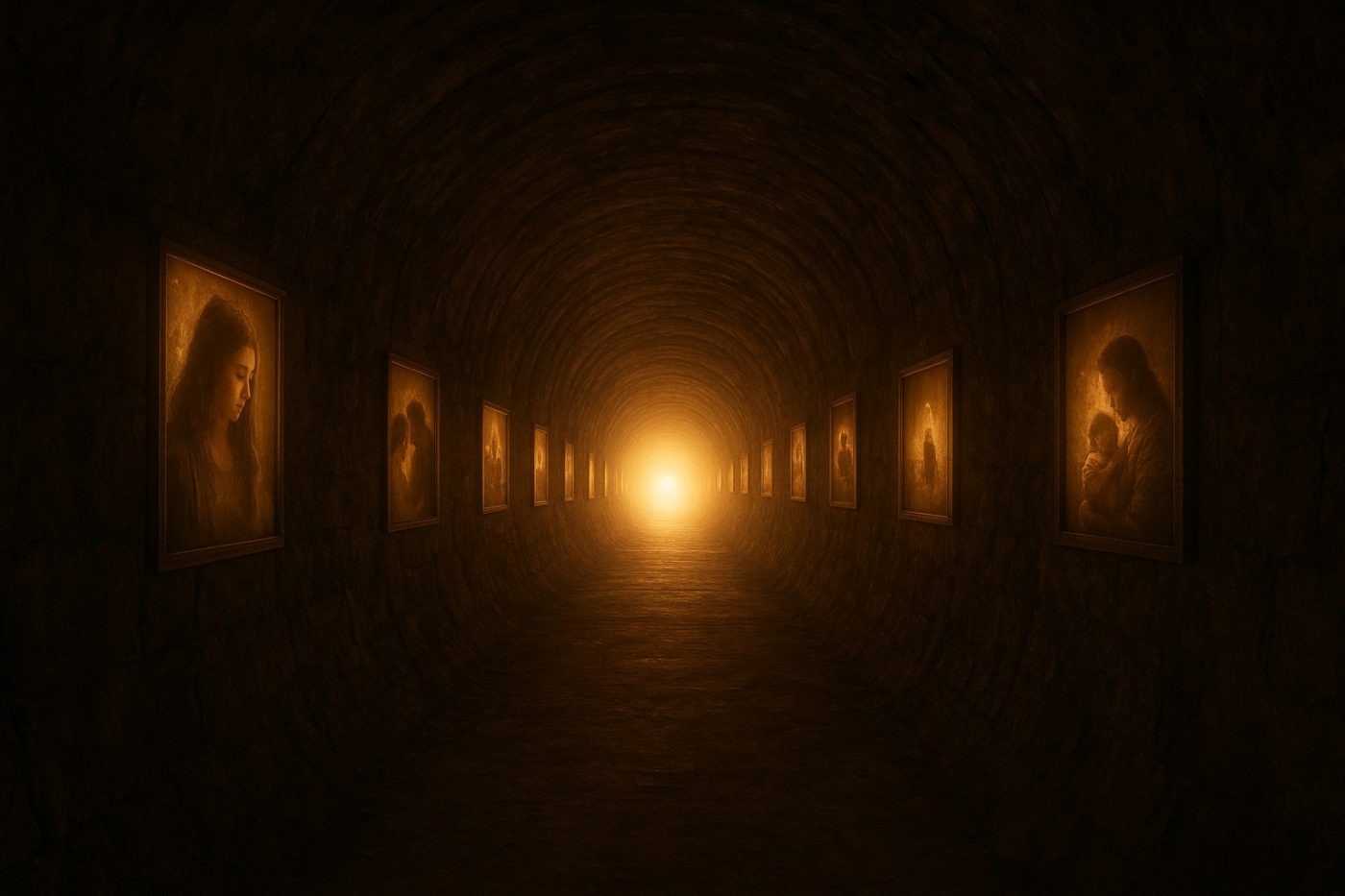
I fell through a frozen pond and was under for forty minutes. There was a tunnel, a light, a full reckoning of my life, and then, against every medical odd, a warm hand pulling me back.
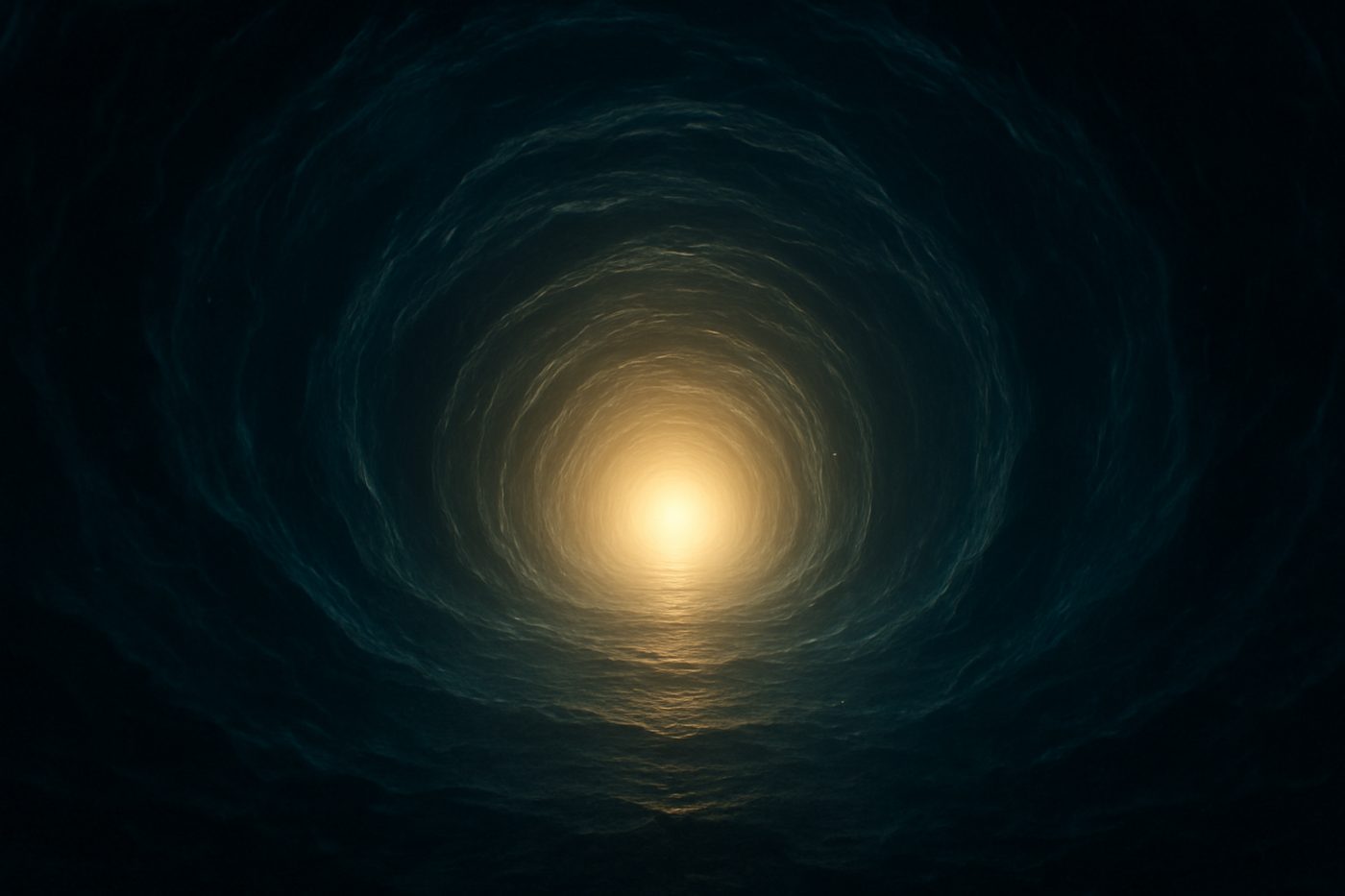
A routine gallbladder surgery went wrong and my heart quit on the table. I felt myself lifted out, and then every year of my life unfolded at once, and I was asked, kindly, what I had learned.

One sting in the garden and my throat closed in minutes. As my body shut down, my whole life opened up in front of me, and I was gently shown the good I had not finished doing.

I trained a year for that marathon. At mile twenty my heart quit and I fell on the course. What I found in the dark was a tunnel, a light, and a review of a life I thought I understood.
I went under at the reservoir and stopped fighting. There was a dark tunnel and a light, and my grandmother, gone twelve years, told me it was not my turn. Then hands pulled me up.
A truck ran the light and my car was gone in an instant. I found myself in a warm tunnel with no pain at all, and a presence turned me around and told me my son still needed me here.
My heart stopped over a sink of dirty dishes. What came next was a tunnel, a warmth I have no words for, and a review of every small kindness I had forgotten I ever gave.

A live wire knocked me flat on a job site and my heart stopped. In the stillness that followed, my whole life unfolded, and my grandfather, gone fifteen years, told me to go back.

The hall of fame: the best Near-Death Experiences of all time
Readers arrive to find out what people see when they die, and stay for what comes next. A large share of these accounts spend more time on the aftermath than on the event: a job left within the month, a marriage that did not survive the new person who came back, an odd flatness about dying that relatives found harder to sit with than the near-death experience itself. Clinicians have solid ground here — oxygen debt, anaesthetic, a brain assembling a story out of fragments. The claim that resists that ground is the small one, when a narrator repeats a sentence spoken in the room while they had no pulse.
Accounts built around a rapid replay of a whole life are tagged life review, and the returns themselves — resuscitations, revivals, the long walk back — sit under came back. Verdicts in this category run gentler than elsewhere on the site; whatever readers decide about the light, very few are willing to call someone a liar about the worst night of their life.
Many people report vivid encounters during life-threatening events, and the experiences themselves are real to the person who had them. What remains debated is what they mean and whether they come from the brain, memory, or something beyond that. On this site, you can read first-person accounts and see how the reader jury votes on each one.
There is no single agreed-upon explanation. Researchers and readers often point to oxygen loss, stress, medication, or the brain’s response to trauma, while others believe the experiences may have a spiritual meaning. The stories in this section show how different the accounts can be, even when the situations sound similar.
Common details include leaving the body, seeing a tunnel or bright light, meeting deceased relatives, and feeling calm or detached. Not every account includes the same features, and some people remember only fragments. Reading the stories can help you compare the patterns before the jury weighs in.
They are reported often enough to be widely discussed, but they do not happen to everyone in a crisis. Some accounts describe watching the scene from above, while others involve silence, movement, or a strong sense of presence. The variation is one reason readers like to compare multiple witness-style narratives.
Yes, some people say the memory stays sharp for a long time, especially if the event felt intense or life-changing. Others remember only parts, or the details change over time. When you read the submissions here, you’ll see both vivid recollections and more uncertain retellings.
Pay attention to specific details, consistency, and whether the account sounds firsthand rather than copied from common tropes. It also helps to notice emotional tone and whether the storyteller explains the experience in a grounded way. That is exactly what the reader jury considers when voting on each story.