
My Dog Grabbed My Toddler by the Diaper Right at the Edge of the Pool
I looked away for fifteen seconds. In that time my two-year-old made it to the deep end. Our old lab, who could barely walk anymore, got there before the water did.

Welcome to our true pet stories, where unforgettable dog stories and cat stories take center stage. Here you’ll find first‑person accounts of dogs dragging toddlers from danger, barn cats steering families toward safety, and watchful companions refusing to settle until their humans notice a hidden threat. From sudden heroism and eerie intuition to everyday loyalty that turns out to be life‑saving, these narrative confessions explore how our four‑legged friends sometimes sense what we can’t yet see.
Each testimony on this page is submitted by a storyteller and judged by a reader jury, who decide whether it feels like a genuine experience or pure imagination. Nothing here is independently verified; every tale lives or dies on your instincts and your vote. Dive into these animal encounters, follow your gut, and cast your verdict on each one.

I looked away for fifteen seconds. In that time my two-year-old made it to the deep end. Our old lab, who could barely walk anymore, got there before the water did.
Our barn cat had never once come inside the house. The afternoon the sky turned green, she scratched at the door like she was possessed, and led us straight to the cellar.
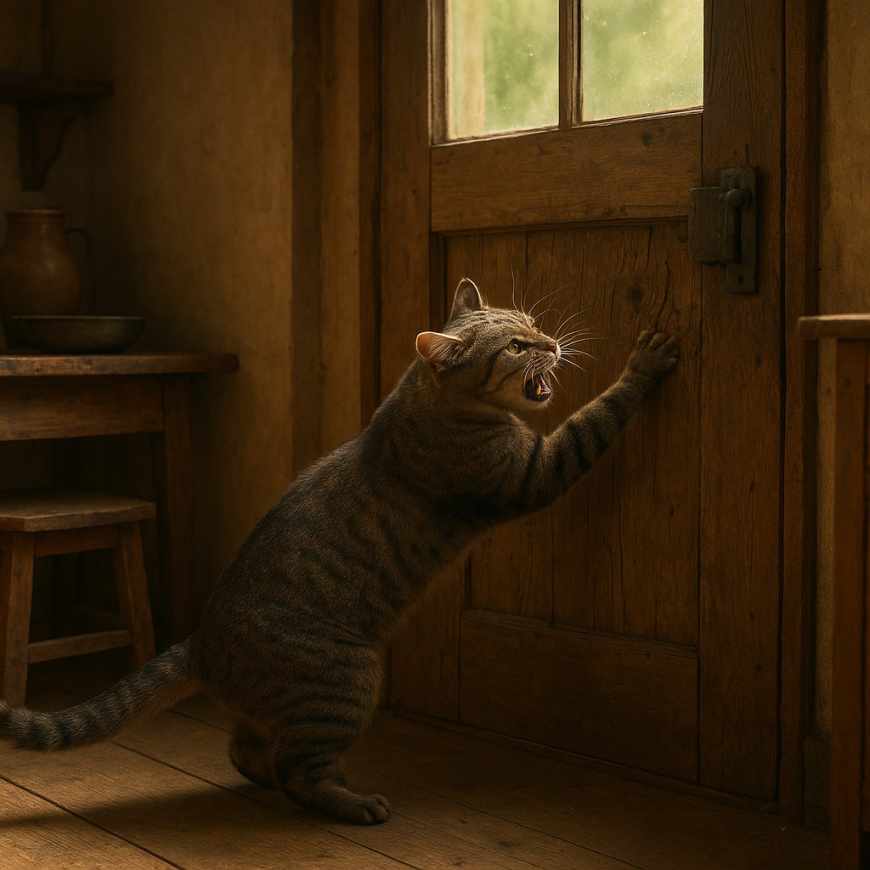
I chalked up the chest pressure to indigestion and went to bed. My cat clawed at me, knocked things off the nightstand, and yowled until I finally called for help.

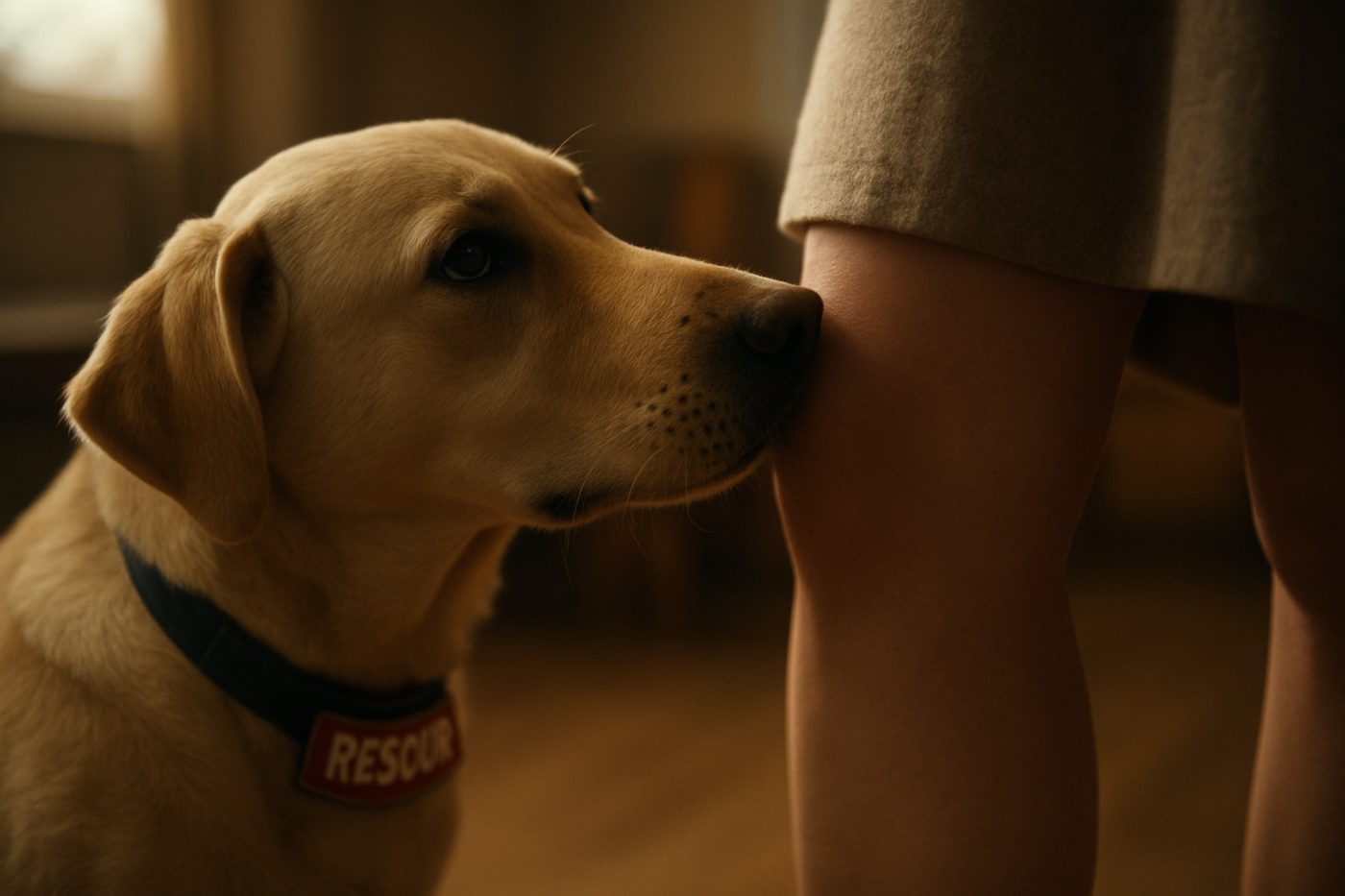
For two months our rescue dog obsessively sniffed and licked one spot on my wife's calf. We thought it was a quirk. A doctor thought it was melanoma. He was right.
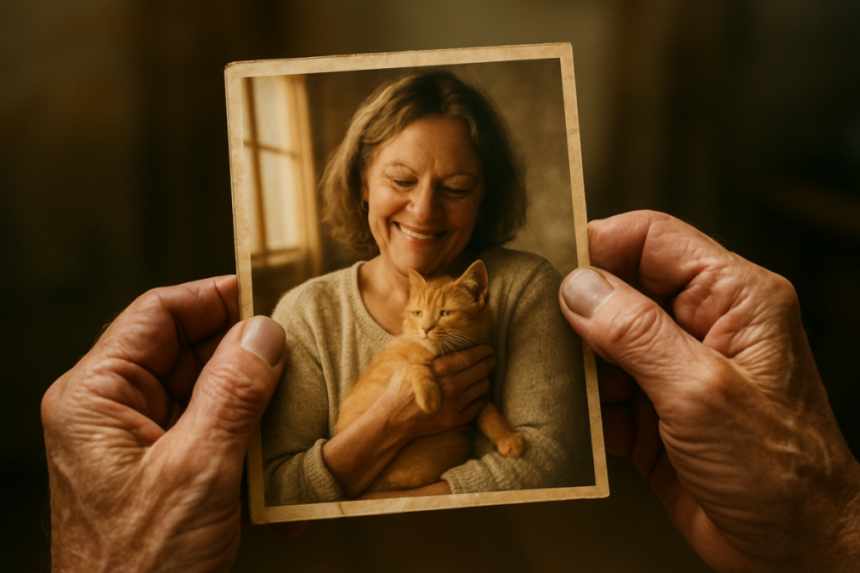
The night my grandmother died two states away, her old cat sat facing the front door and cried until dawn. He had never done it before. He never did it again.
Duke was a shelter mutt, not a service dog. But ten minutes before every seizure, he would press against my legs and refuse to move. He was never once wrong.
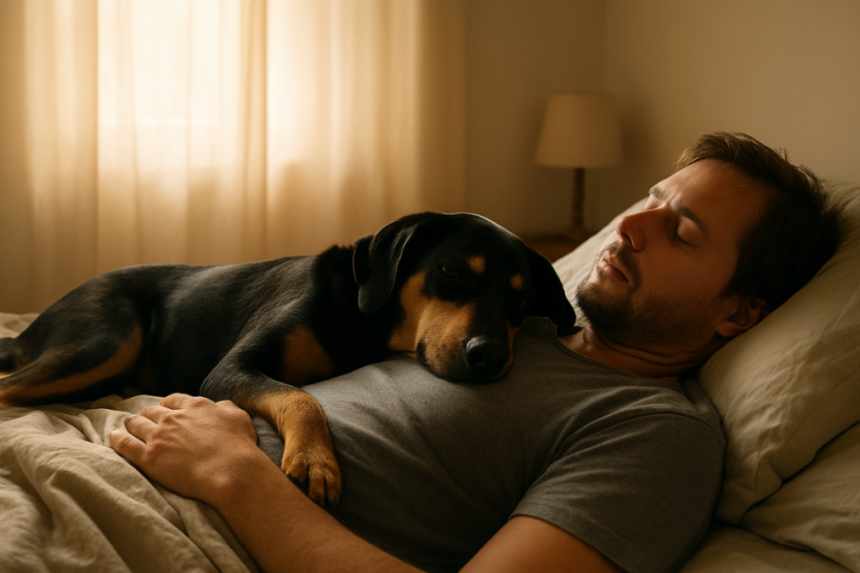
For a week my aloof greyhound would not leave my stomach alone. She pressed her nose to it, rested her head there, followed me everywhere. Then the test came back positive.

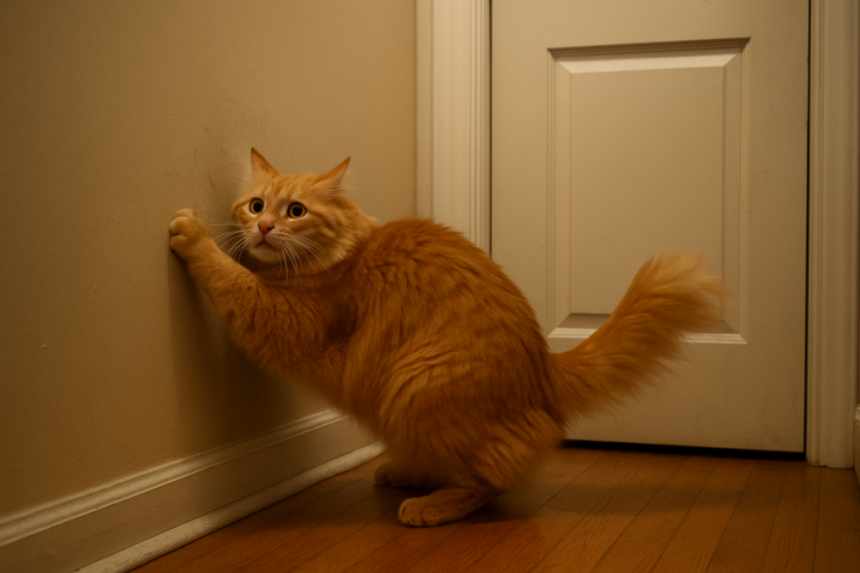
Marmalade was the laziest cat alive until the night he clawed my face and howled at a spot on the wall. I nearly threw him outside. Instead I called the gas company.
I live alone. At three in the morning I woke to my little rescue terrier making a sound I had never heard. There was a stranger standing in my kitchen doorway.

Our beagle never barked at night. The one time she did, she pulled all four of us out of a house that was already filling with smoke. I still owe her everything.

The hall of fame: the best Pet Stories of all time
The hardest question under any of these pet stories is how often the animal did the same thing on an ordinary day. A dog that plants itself in front of a cupboard once is a warning; a dog that does it every Tuesday is a dog. Narrators rarely have that baseline, and the honest ones say so. What lifts a submission is a third party arriving later and independently finding something — a gas fitter, a vet, a doctor who ordered a scan nobody had asked for. The household usually carries on in the background — someone doing homework, someone unloading the car — while the animal is the only one paying attention.
The rescues sit under hero pets, and the quieter cases — a cat that stopped sleeping on one side of the bed, a horse that would not enter a field — under pet premonitions. Voting on pet stories runs warmer than elsewhere, which the jury knows and occasionally corrects for. If an animal of yours was right before you were, write it down.
Sometimes they’re completely true, and sometimes they’re hard to verify from the outside. On a true-stories site, the jury votes are there to help readers weigh how believable and detailed each account feels. The best approach is to read the full story, look for specific observations, and notice whether the timing and reactions make sense.
Animals often notice small changes in smell, sound, movement, and routine that humans miss. That can make it look like they “knew” something was wrong, even when they were reacting to subtle cues. Reading these accounts can be fascinating because many of them show how observant pets can be in everyday life.
They’re common enough that many people say they’ve had at least one odd experience with a dog or cat that seemed unusually alert. What’s less common is having enough clear details to know whether the pet responded to a real threat, a health change, or just a strange environmental cue. That’s why readers often compare the details before casting a jury vote.
In some cases, animals may notice changes in behavior, scent, or movement linked to illness. That doesn’t mean every unusual pet behavior is a sign of disease, but it helps explain why some stories feel so convincing. The most compelling accounts are usually the ones where the pet’s behavior happened repeatedly and matched a later discovery.
They combine emotion, surprise, and a sense that a pet may have saved someone from harm. People also relate to their own experiences with dogs, cats, and other companions, so the stories feel easy to share. On a reader-voted site, the discussion often becomes part of the appeal because different people notice different clues.
Look for specific details, a clear sequence of events, and whether the animal’s actions connect to something later confirmed. Vague claims are harder to judge than stories with a setting, a timeline, and an outcome. If you enjoy Pet Stories, comparing those details is one of the best ways to understand why the jury votes fall the way they do.