
The House Sparrows Battered the Window for an Hour Before the Call
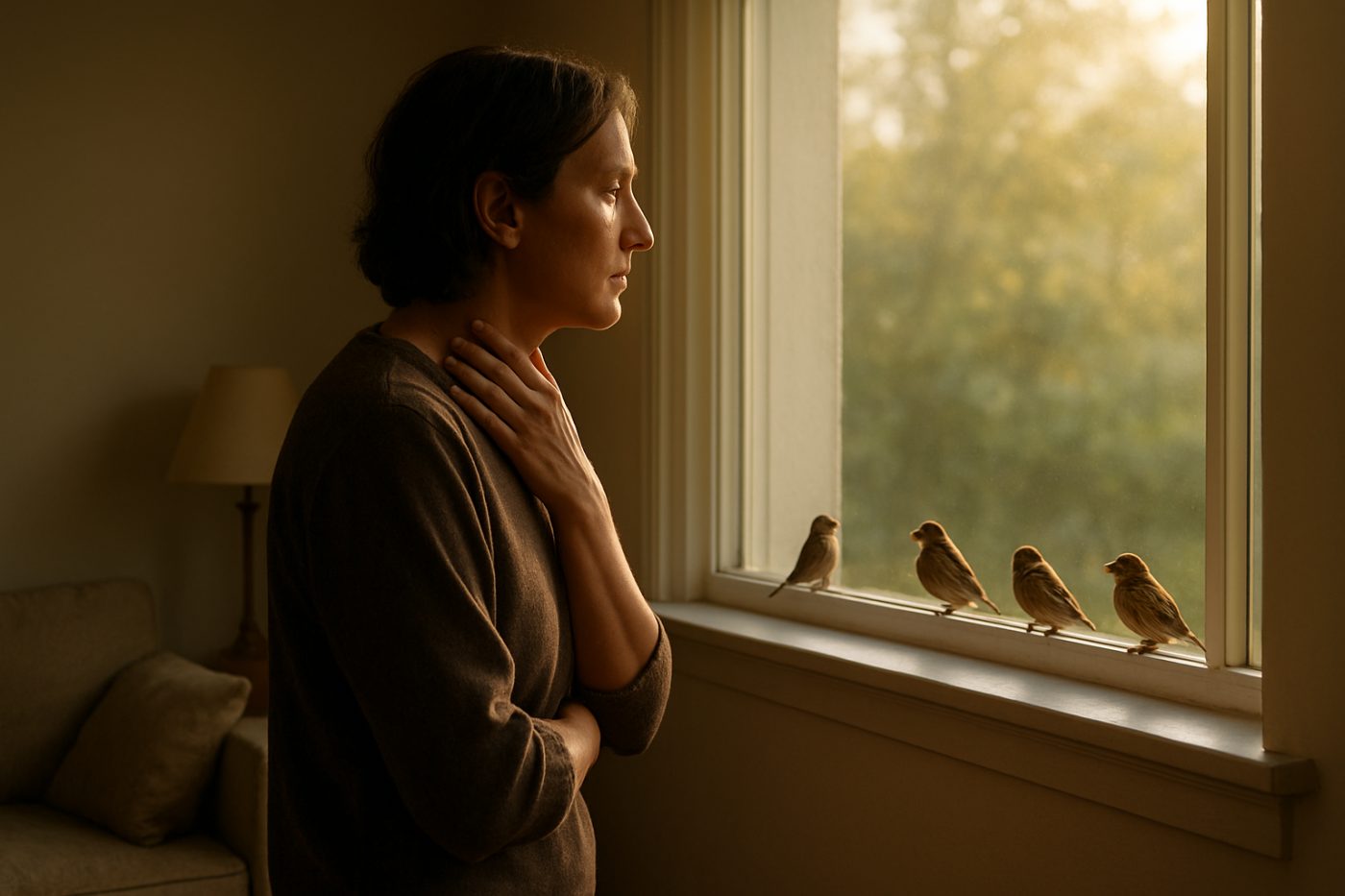
A gut feeling had kept me home from work. Then the sparrows came at the glass, a dozen of them, throwing themselves at the pane over and over. Then the phone rang about my son.
Strange moments with creatures and pets fill this collection of reader-submitted animal omen stories. Here you’ll find personal accounts of eerie animal signs, uncanny instincts, and unsettling encounters with birds, dogs, cats, farm stock, and more, all circling around loss, crisis, danger, and turning points in everyday life. Each narrator tells their side of a mysterious coincidence: a presence at the window, an animal acting oddly, a flock behaving in a way that seemed to foreshadow what came next. Can dogs sense death before it arrives, and do animals sense death at all? Every account here is one reader’s answer.
None of these tales are proven or authenticated; they’re intimate testimonies where instinct, superstition, and coincidence collide. On this page, the audience becomes the jury: every story is open to your vote on whether you think it really happened or not. Start reading, follow the signs, and cast your vote.
A gut feeling had kept me home from work. Then the sparrows came at the glass, a dozen of them, throwing themselves at the pane over and over. Then the phone rang about my son.
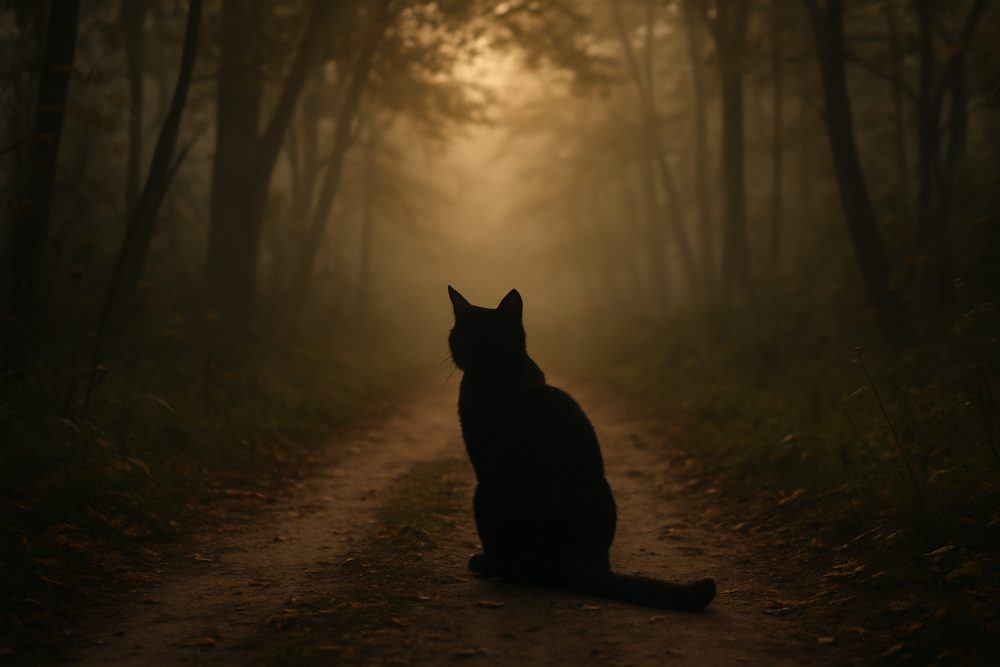
It fell into step at the end of my street, a big black dog with no collar, and stayed at my heel the whole mile home. It vanished at my gate. My brother had gone an hour before.
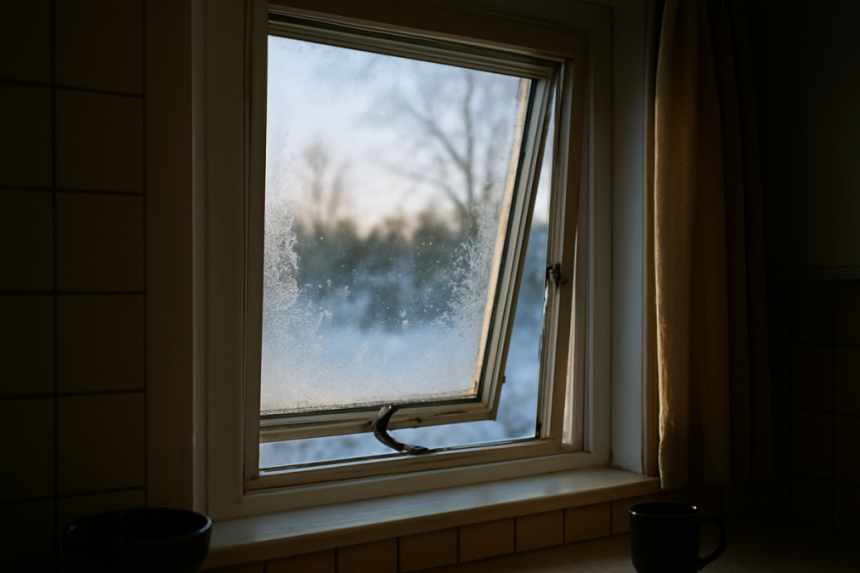
It came each afternoon and tapped the glass by her deathbed with its beak, patient and unhurried. On the day she died it tapped once and flew off, and never returned.

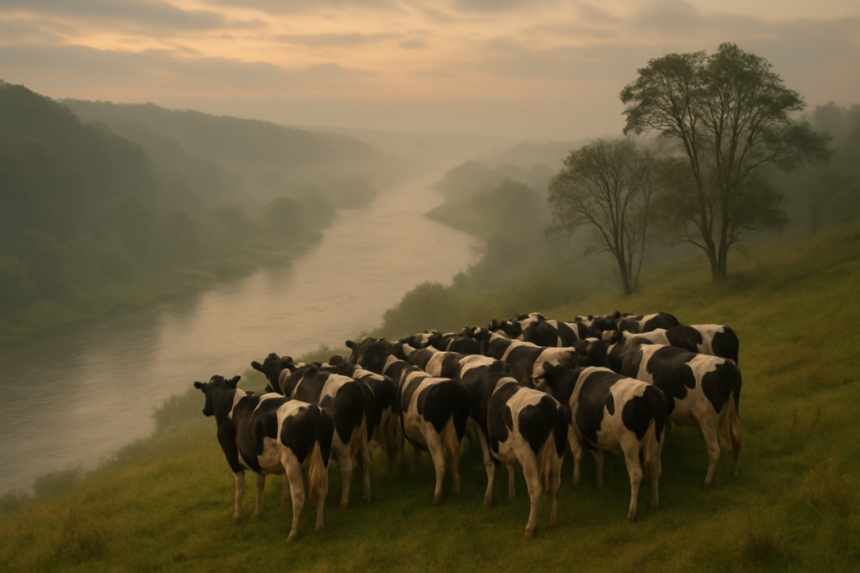
For twenty years the herd walked to the water at dawn without fail. The one morning they refused, bunched and bawling on the high ground, the valley flooded by noon.
A barn owl came to the same fence post outside my uncle's window three nights running. On the third night it turned its head to look inside. He was gone by dawn.
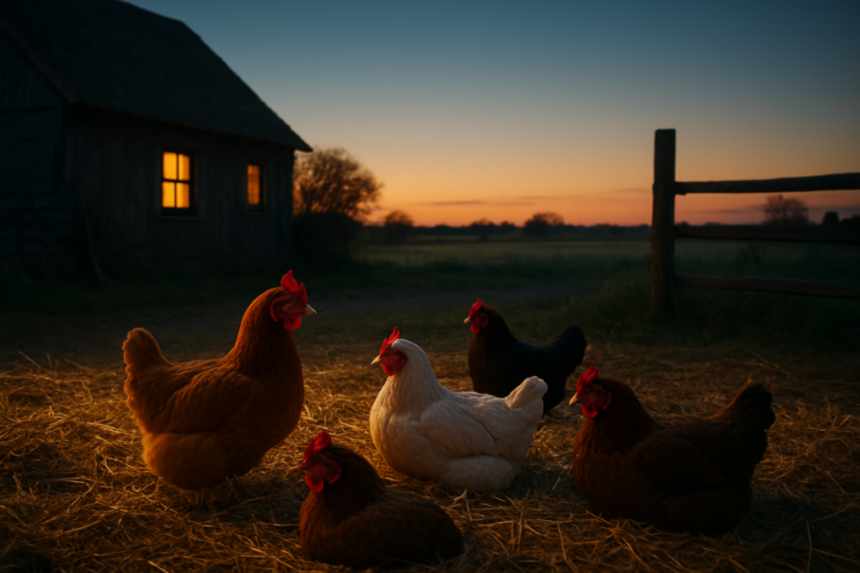
The window had been shut all winter. Yet a robin was sitting on the back of my father's chair when I came downstairs, calm as anything, waiting.
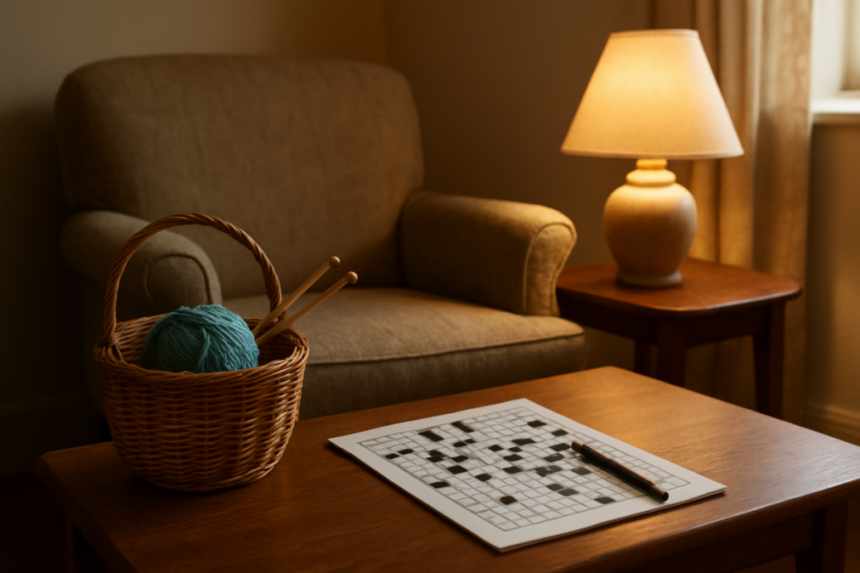
Pip had sung every single morning for six years. Then he went silent, sat pressed to the bars nearest my nan's chair, and would not eat. Three days later she collapsed.
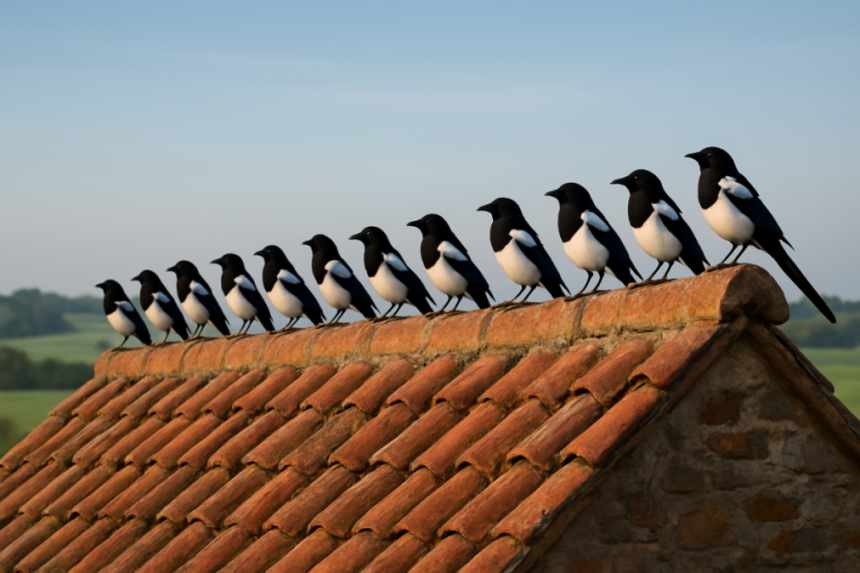
I counted eleven magpies on the ridge tiles before breakfast. My grandmother went white and told me to unplug everything. That afternoon our kitchen caught.
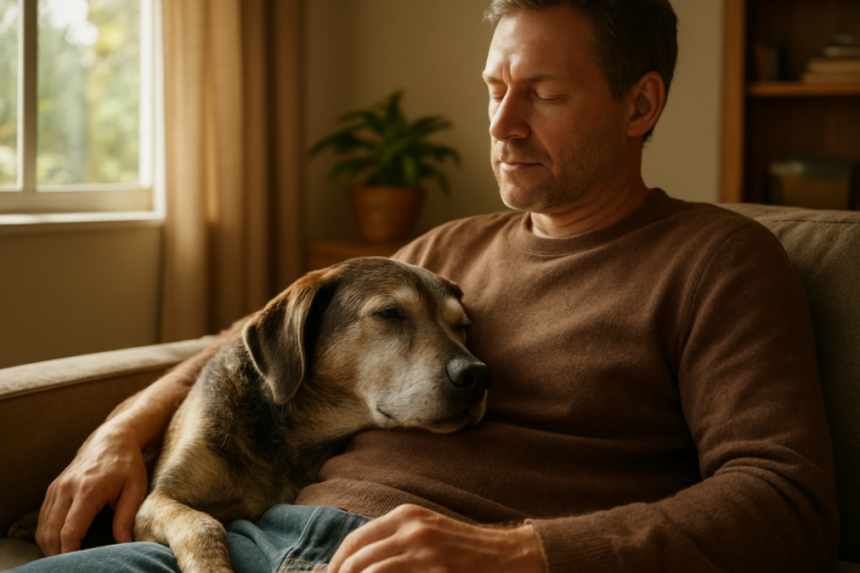
Bruno started nosing the same place under my left arm, again and again, week after week. I told him to stop. Six months later a scan found what he had been pointing at.
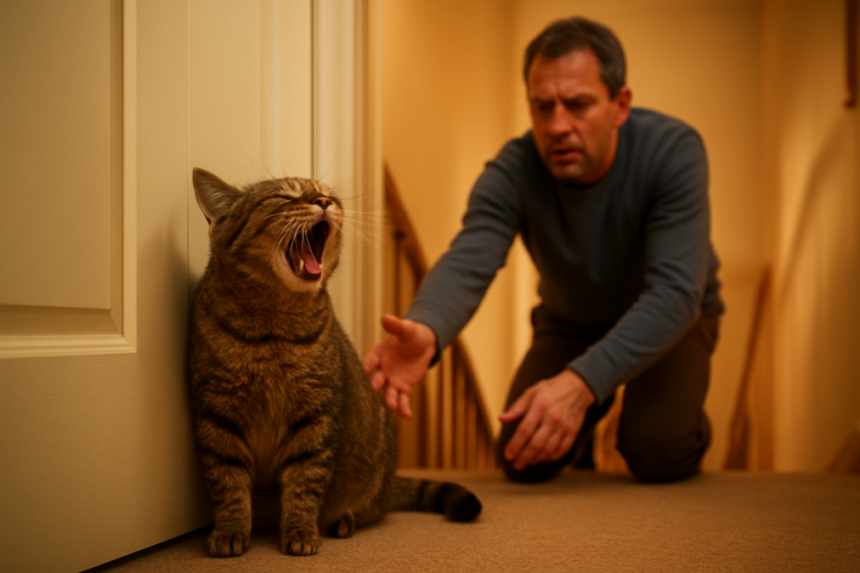
For fourteen years our cat ignored my mother. Then one ordinary Tuesday she sat outside her bedroom and cried until dawn. By morning we understood why.
The hall of fame: the best Animal Omens of all time
Read fifty of these animal omen stories in a row and the species start to repeat. Magpies and robins turn up at kitchen windows; a dog plants itself in a doorway and will not be moved; horses go quiet in a field for no weather anyone can name. What changes is the interval — some narrators record a gap of minutes before the phone rang, others a fortnight. Ethologists put most of it down to barometric pressure, scent, and the way grief rewrites a timeline afterwards. The submissions that hold up under scrutiny tend to be the ones where somebody else in the house noticed the animal first.
Cases where the sign arrived before a death are gathered under death omens, and the odder daytime behaviour — birds indoors, cattle facing the wrong way — sits under strange animal behaviour. The jury splits hard on animal omens, usually along the line of whether the narrator wrote down the date at the time. If a creature ever gave you notice, file it.
Many people see them as meaningful signs, while others think they are ordinary events that feel significant after a major loss or change. There is no single scientific proof that an omen predicts the future, but the stories can still feel powerful and personal. On this site, you can read the accounts and see how the jury votes on whether each one sounds convincing.
People often notice patterns more strongly during stress, grief, or anticipation, which can make a bird call, a dog’s behavior, or a sudden silence feel loaded with meaning. In some cases, there may be practical explanations such as changes in weather, routine, or the environment. The stories here explore both the eerie timing and the everyday details that might be involved.
You do not need to act on it as a prediction. Many readers simply note what happened, compare it with other experiences, and decide for themselves whether it felt like an omen or a coincidence. Reading similar accounts and the jury verdicts can help you see how other people interpret the same kind of event.
They are common in folklore, family memories, and personal testimony, especially around illness, death, or major life changes. What varies is how people interpret them: some treat them as meaningful warnings, while others see them as emotionally memorable but natural events. The reader jury on this site reflects that range of opinions.
No, not necessarily. Birds, dogs, cats, and other animals behave for many reasons, and a strange moment does not automatically point to a bad outcome. These first-person stories are compelling because they sit right between coincidence, symbolism, and belief.
Strong emotions make certain details stand out, especially when the event seems to line up with a loss or family crisis. A tapping window, a dog refusing to move, or a bird arriving at the wrong time can become part of a lasting memory because the moment felt charged. That is one reason these accounts invite so much debate from readers and jurors alike.