
The House Sparrows Battered the Window for an Hour Before the Call
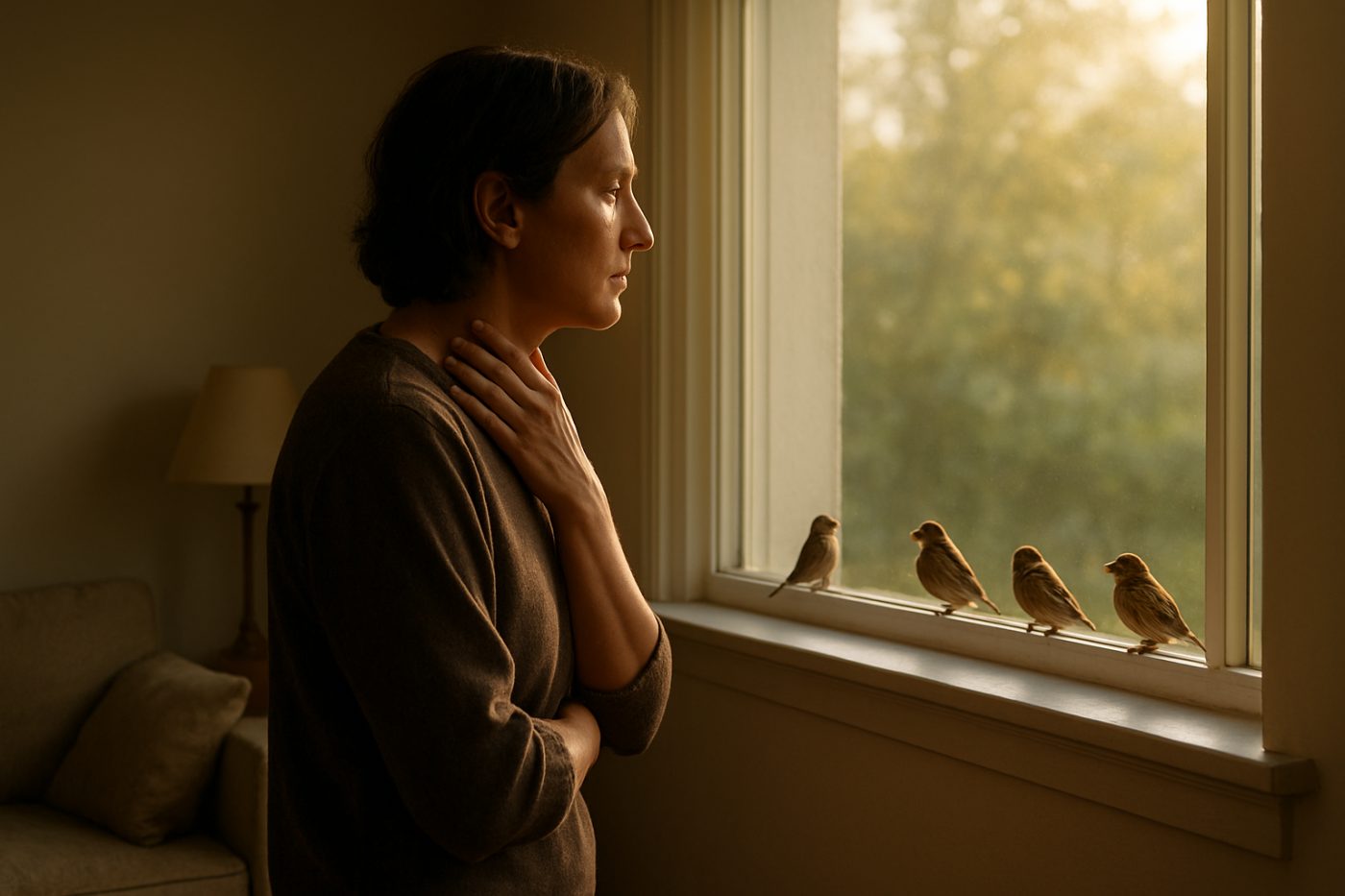
A gut feeling had kept me home from work. Then the sparrows came at the glass, a dozen of them, throwing themselves at the pane over and over. Then the phone rang about my son.
In this collection, ordinary people share unsettling moments when nature, animals, and strange coincidences seemed to foreshadow a loss. From persistent birds at the window to restless livestock and lone creatures appearing at odd hours, these first-person accounts explore death omens, eerie warnings, premonitions of passing, and uncanny signs that something — or someone — was about to cross over. Each story is told by the experiencer, in their own words, as they try to make sense of what happened around the time of a death.
Nothing here is verified; these are personal experiences, not proven paranormal evidence. On this page, the reader jury decides which tales of fatal portents, final signs, and foreboding encounters feel authentic, and which sound like coincidence, memory, or myth. Read the stories, weigh the testimony, and cast your vote.
A gut feeling had kept me home from work. Then the sparrows came at the glass, a dozen of them, throwing themselves at the pane over and over. Then the phone rang about my son.
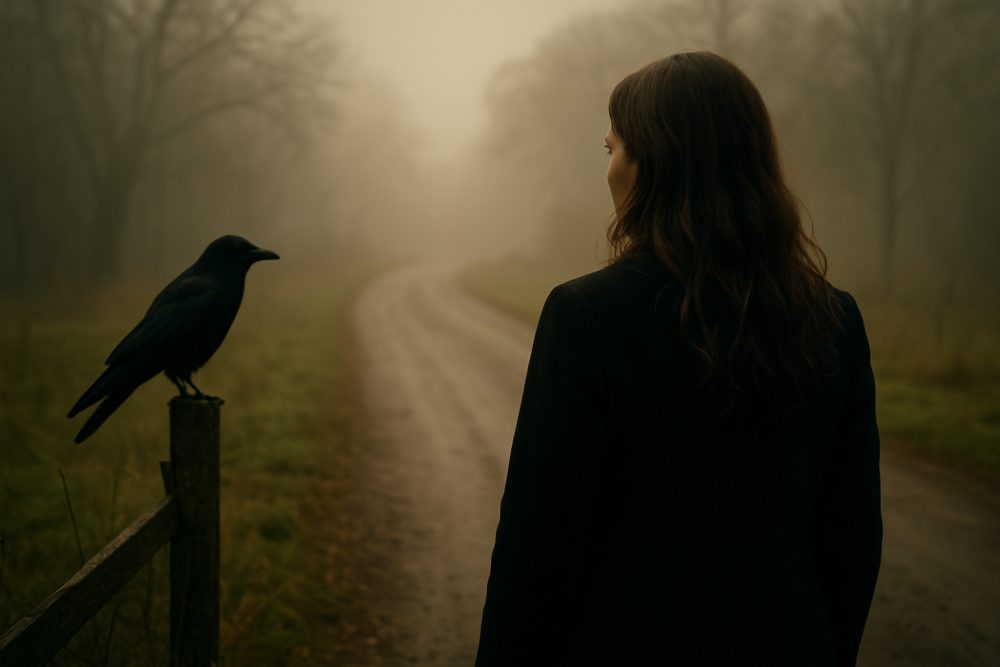
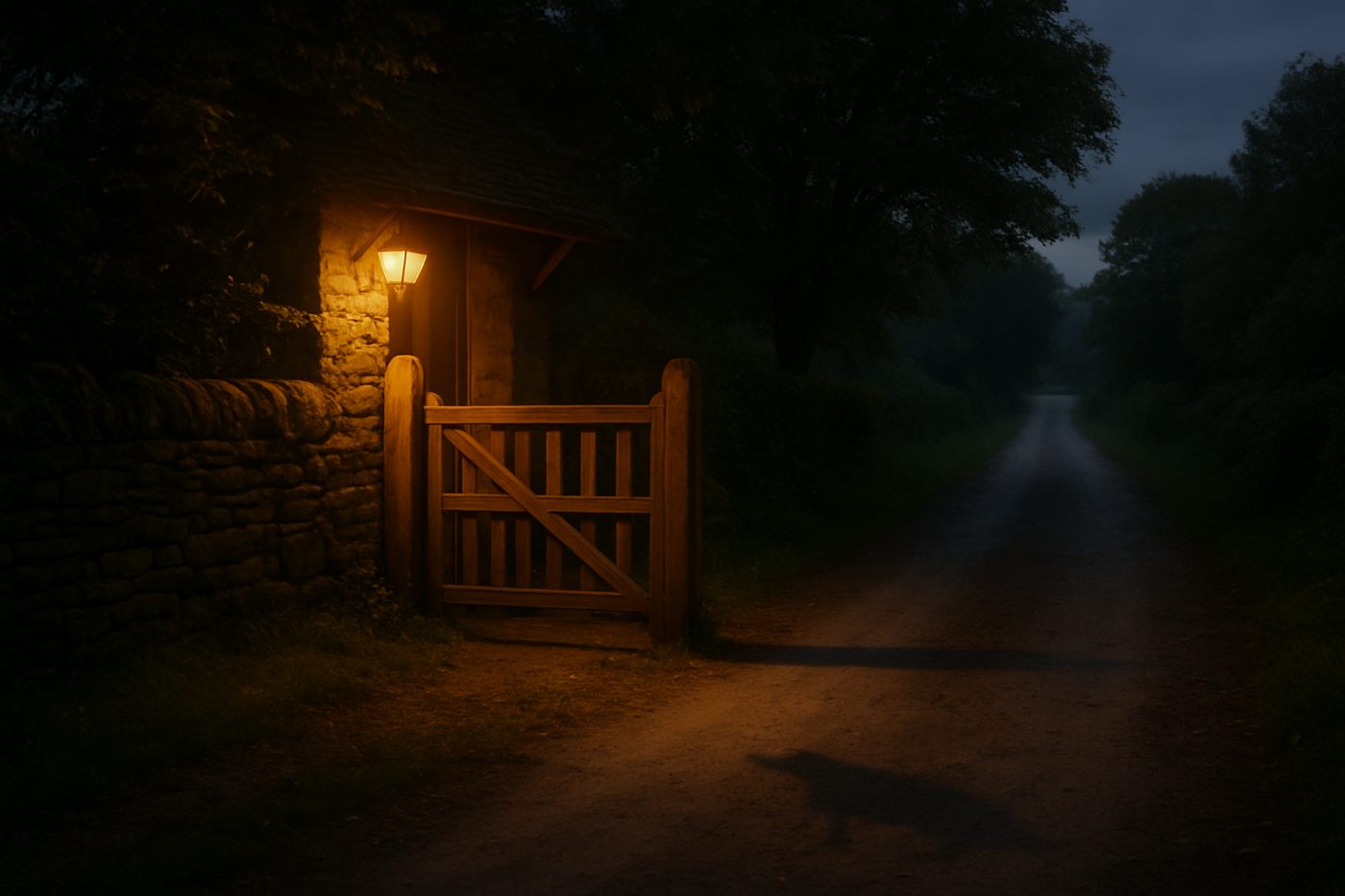
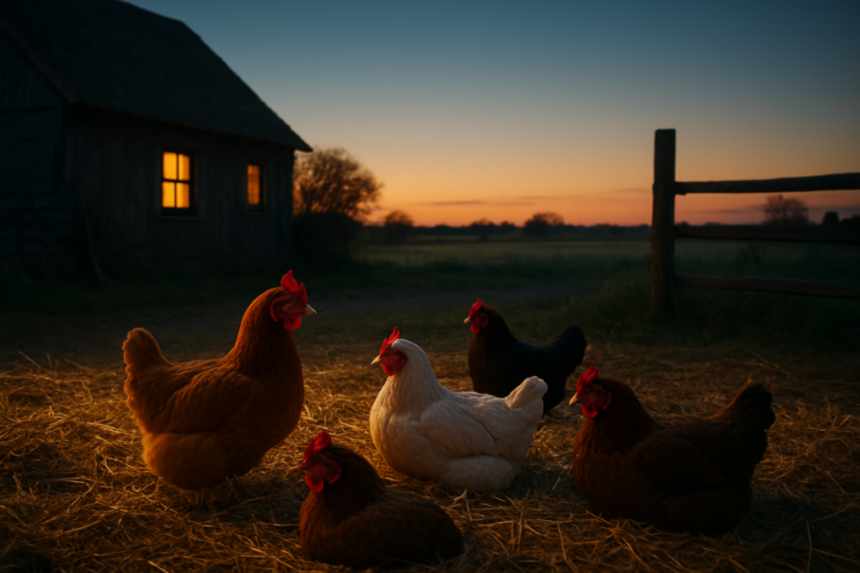
It fell into step at the end of my street, a big black dog with no collar, and stayed at my heel the whole mile home. It vanished at my gate. My brother had gone an hour before.
It came each afternoon and tapped the glass by her deathbed with its beak, patient and unhurried. On the day she died it tapped once and flew off, and never returned.
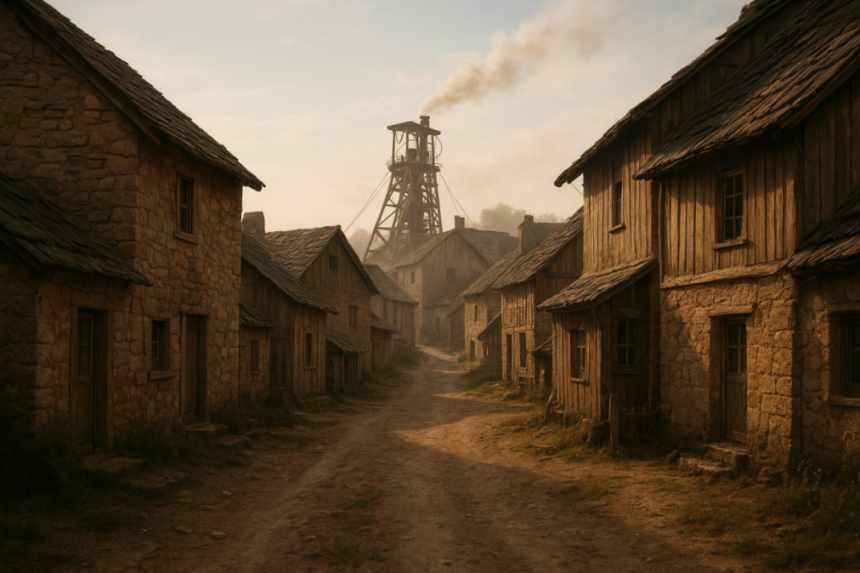
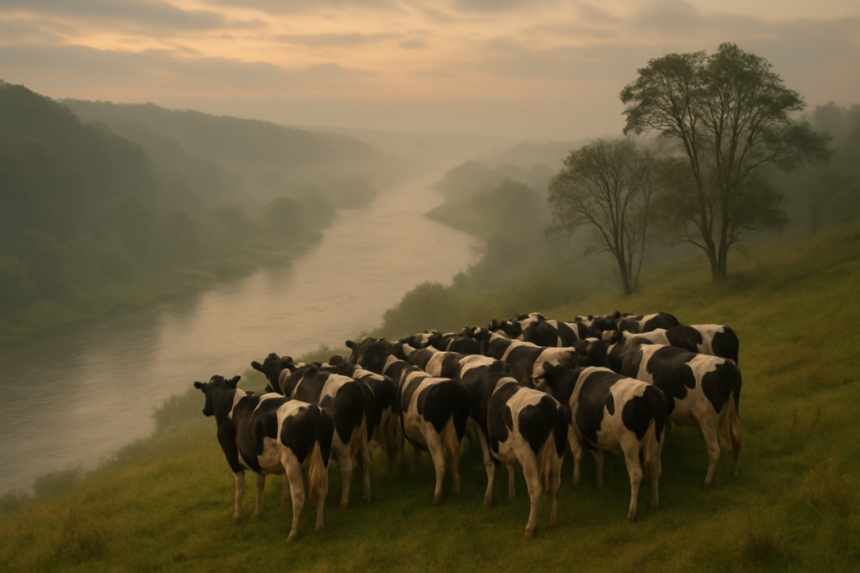
For twenty years the herd walked to the water at dawn without fail. The one morning they refused, bunched and bawling on the high ground, the valley flooded by noon.
A barn owl came to the same fence post outside my uncle's window three nights running. On the third night it turned its head to look inside. He was gone by dawn.
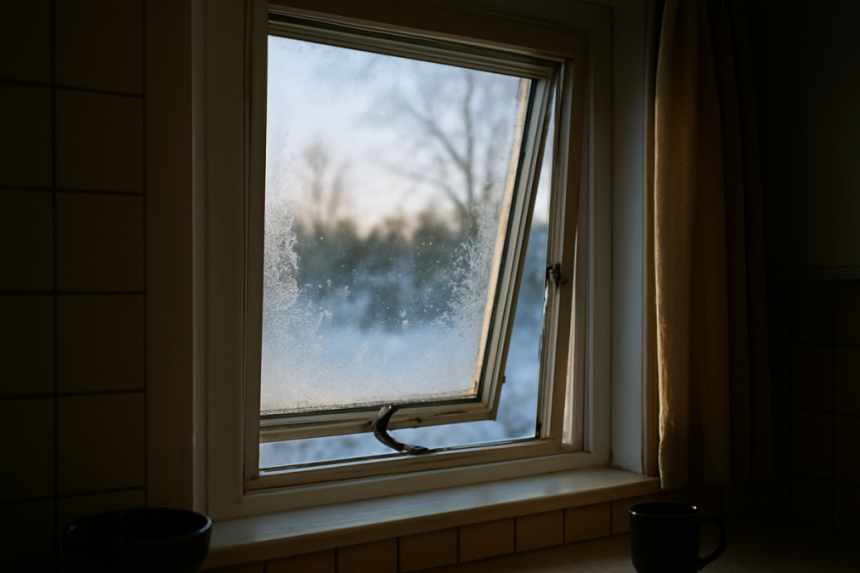
The window had been shut all winter. Yet a robin was sitting on the back of my father's chair when I came downstairs, calm as anything, waiting.
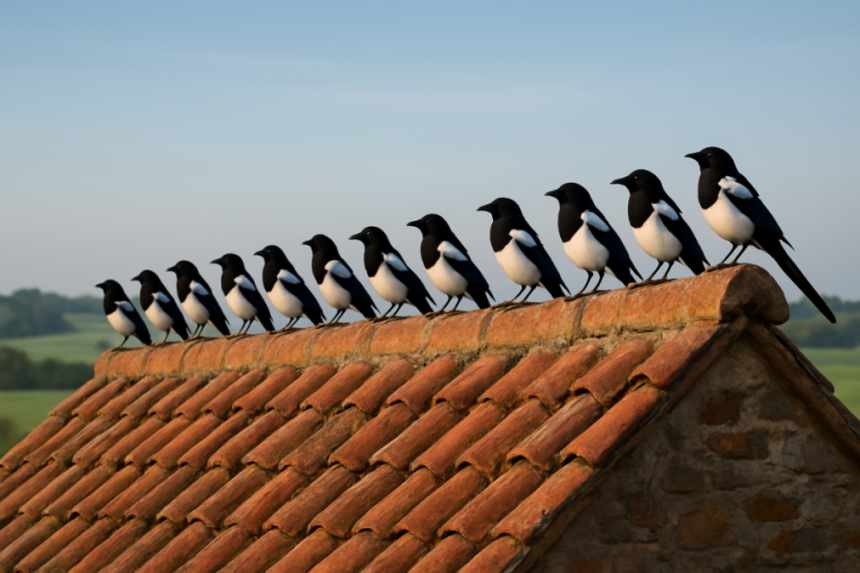
I counted eleven magpies on the ridge tiles before breakfast. My grandmother went white and told me to unplug everything. That afternoon our kitchen caught.
Death omens, in this archive, are almost never identified as such while they are happening. A bird gets in, a picture falls, a clock stops, and the household deals with it as a nuisance. The reading comes later, in the week of the funeral, when somebody says out loud what everybody had been privately assembling. Several of these families already had a sign of their own, handed down and half-believed, which makes the later interpretation almost inevitable. Sceptics have the easier argument: houses are full of small failures, and grief is very good at sorting them. What survives that argument tends to be the account where somebody rang a relative at the time.
Accounts from the bedside itself are gathered under deathbed visions, and the wider category of animal omens collects the crows, moths and stray dogs that turn up in so many of these. Voting on a death omen is difficult and readers here generally treat it that way, arguing about evidence in one comment and offering condolences in the next.
Many cultures have long traditions about signs that seem to herald a death, especially involving birds and animals. Science tends to explain these moments as coincidence plus our brain’s tendency to find patterns after a loss. When you read the stories here and see how the jury votes, you can decide for yourself whether each account feels like fate, intuition, or chance.
From a scientific view, animals are following their usual instincts, and we remember the strange ones that happen around big life events. Culturally, though, people often interpret unusual animal behavior as a message or warning. The first‑person stories on this page capture that eerie feeling, and the reader jury weighs in on whether it seems like a meaningful sign or random timing.
A lot of people informally report strange dreams, animal encounters, or a “sense of dread” before a death, but there’s no solid data showing how frequent this really is. It may feel common because the experiences are so emotionally intense that they stick in memory. Reading the accounts and the jury responses can show you how often others say they’ve felt something similar.
Yes, many psychologists point to grief, anxiety, and pattern‑seeking as explanations for why people notice certain events around a death. Our minds are very good at connecting dots, especially during stressful times. The stories here let you see how the narrators interpret what happened, and you can compare that with the more skeptical reactions of some jurors.
It can help to ground yourself in practical actions: check on loved ones, drive carefully, and pay attention to your surroundings, while remembering that odd events usually don’t mean anything mystical. If your fear lingers, talking with someone you trust about it can ease the anxiety. Browsing the site’s stories and verdicts might also reassure you that many eerie signs never lead to anything tragic.
Different traditions give specific meanings to creatures like crows, owls, dogs, or black cats, but those meanings vary widely from place to place. There’s no evidence that any particular species reliably predicts death. In the stories here, similar animals show up in very different ways, and the jury often disagrees on whether they’re true portents or just memorable encounters.
When someone dies or is dying, we naturally look for meaning and order in a painful, chaotic experience. Interpreting unusual events as messages or warnings can make us feel less helpless, even if there’s no proof of a deeper force at work. The narratives and reader votes on this page show how powerful that search for meaning can be, whether you’re a believer or a skeptic.