
The Stranger Returned the Watch I Hadn't Noticed Losing
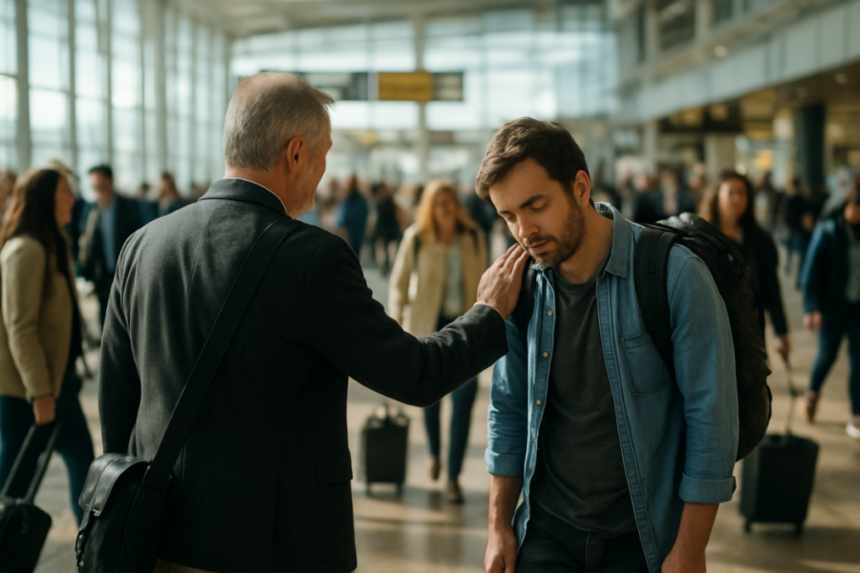
A man tapped my shoulder in a foreign airport, held out my late father's watch, and said 'you dropped this in Rome.' I had not been to Rome. I checked my wrist. The watch was on it.
These are synchronicity examples told by the people they happened to — synchronicity stories where names, numbers and dates line up far past the point of comfort. Welcome to the corner of the site where chance gets weird, patterns line up too neatly and the universe seems a little too on-the-nose. Here you’ll find first-person accounts of eerie coincidences, impossible overlaps and head‑tilting “that can’t be right” moments: strangers who know your past, objects that reappear against all logic, timelines that don’t quite add up and meetings that feel fated rather than random. Every piece is told by the person who lived it, exactly as they remember it.
Nothing here is fact-checked or proved; it’s all about what people swear actually happened to them. On this page, the reader jury decides what feels authentic, wishful thinking or outright impossible by voting on each story. Dive in, follow the threads between unlikely events, and cast your vote on which tales you believe.
A man tapped my shoulder in a foreign airport, held out my late father's watch, and said 'you dropped this in Rome.' I had not been to Rome. I checked my wrist. The watch was on it.
In a routine work meeting, I realised I'd sat through it before — every point, every interruption, Priyanka's spilled coffee. So I tested it: I predicted, in a note, the last thing my boss would say. Exactly right.
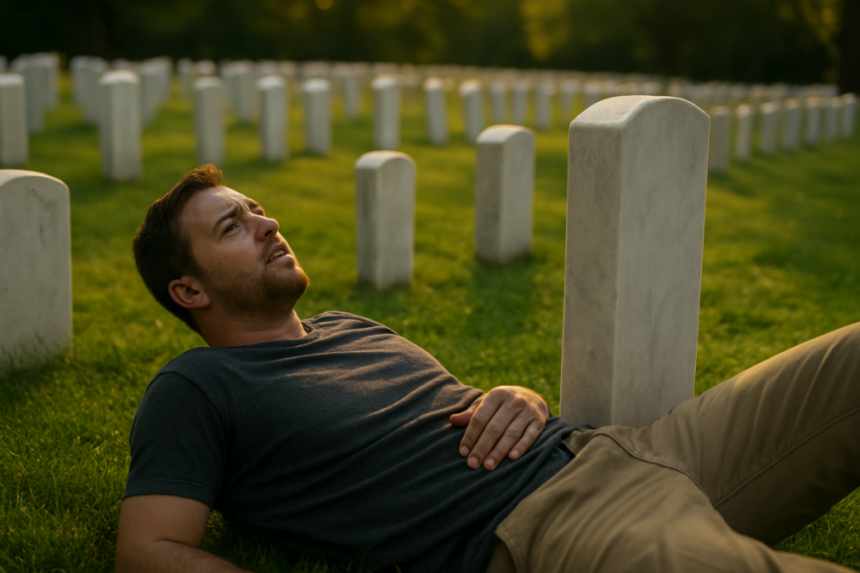
Visiting a war cemetery abroad, I got lost among thousands of identical stones and stopped at random to rest. The name in front of me was my own surname — my great-uncle, whose grave we'd never found.
My estranged sister and I hadn't spoken in six years. On the same night, hundreds of miles apart, we each wrote the identical sentence in our journals — down to a rare, private word only our mother used.
New city, new restaurant, first visit — yet I ordered without the menu, corrected the waiter's mistake before he made it, and knew a plate would smash in the kitchen ten seconds early.
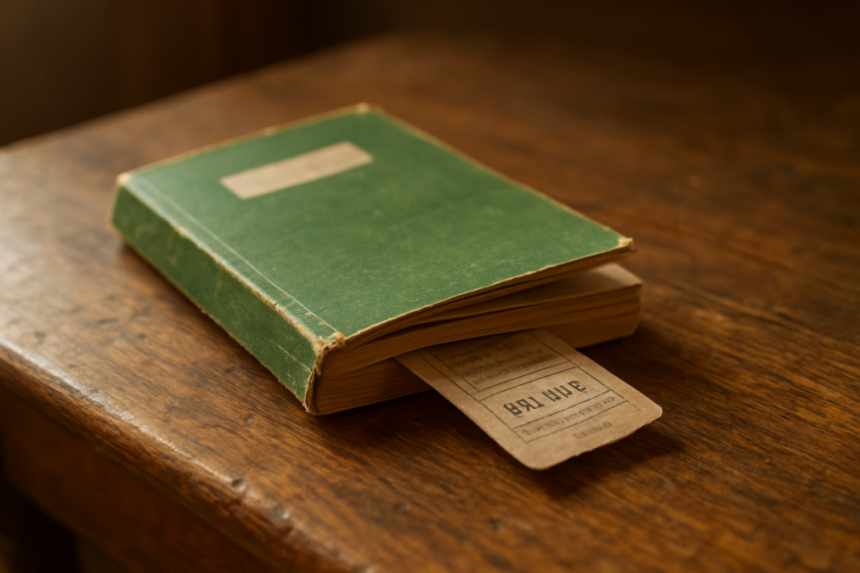
I borrowed a used novel from a charity shop three cities from home. Inside was a bus ticket — my bus ticket, from my town, from a journey I took the week I lost that exact book years before.
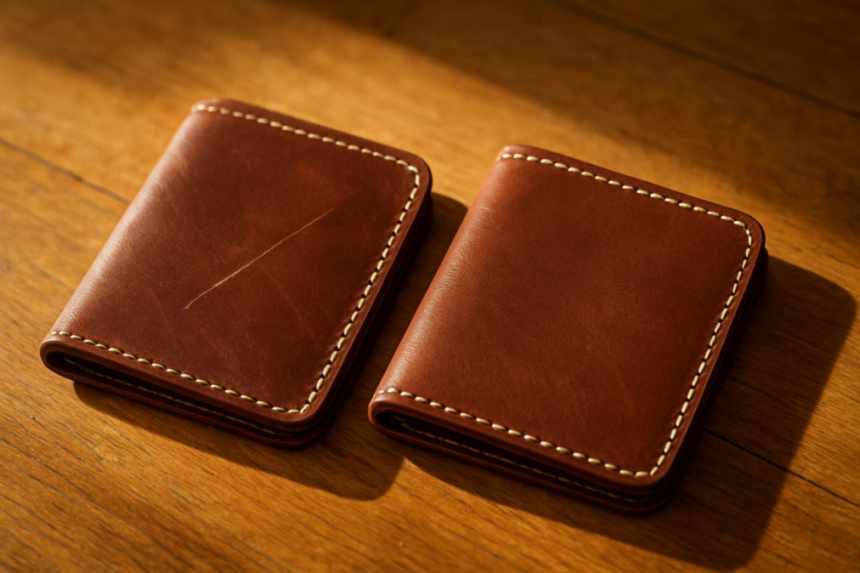
A stranger pressed my wallet into my hands at the market — 'you dropped this' — while my wallet sat at home. That evening I lost it for real, and opened the double.
My grandmother and I could hold whole conversations without speaking much. One rainy afternoon it went further than either of us had ever admitted, and it left me quietly changed.
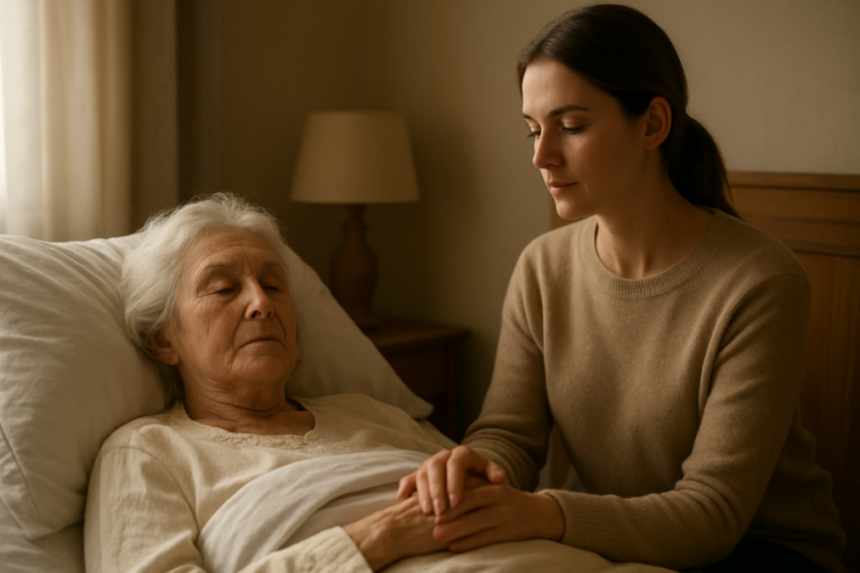
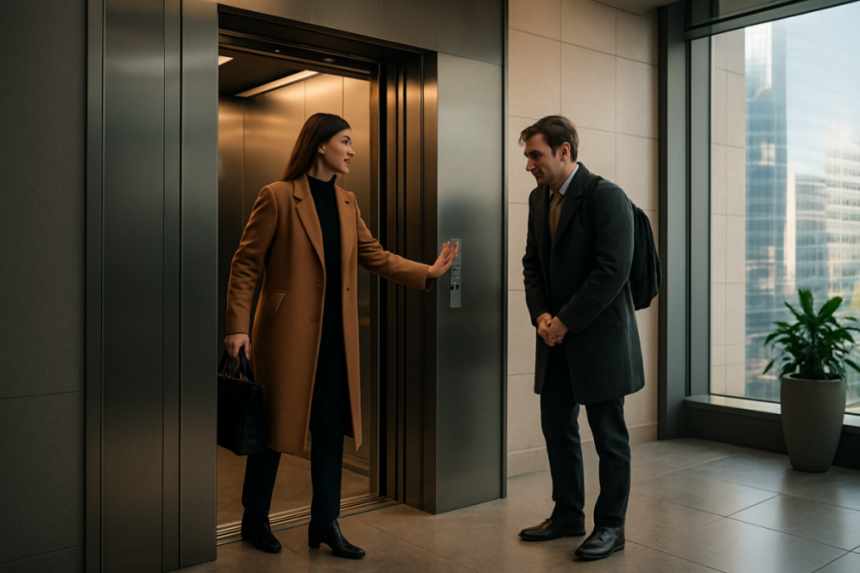
She did not speak. She pressed the button for my floor without being asked. And she was a stranger, and she was not.
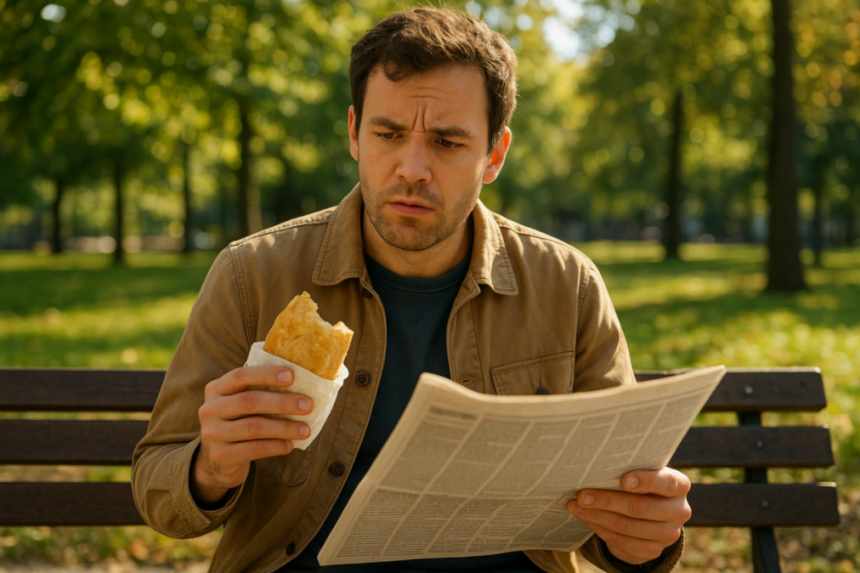
I read it on a bench. The football results were wrong. Eight days later they were right.
She sat down opposite me and talked for ten minutes. I answered. She remembers what I said. I was four hundred miles away and I can prove it.

My wife and I honeymooned in a tiny remote cabin. Ten years later, choosing a random anniversary getaway from hundreds of listings, we booked one we loved on sight — the same cabin, renamed, re-listed.

At a dog park, two strangers discovered their rescues answered to the same odd name — the name of a tiny village that turned out to hold both their birth secrets.
The email said the position was filled, so I took the train home defeated — and spent forty minutes next to a stranger whose company had 'just lost a candidate.'
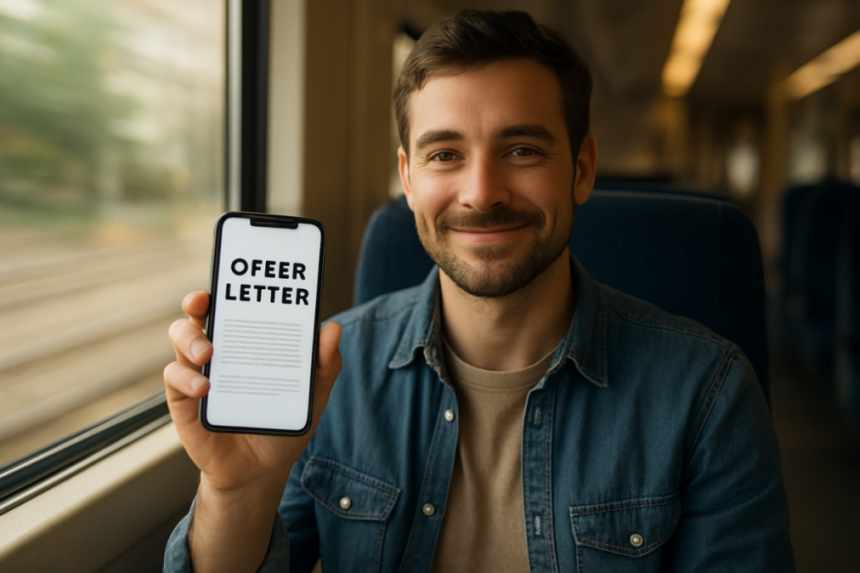
At a flea market three hundred kilometres from my childhood, I bought an old frame — and found, used as its backing paper, a crayon drawing signed by six-year-old me.
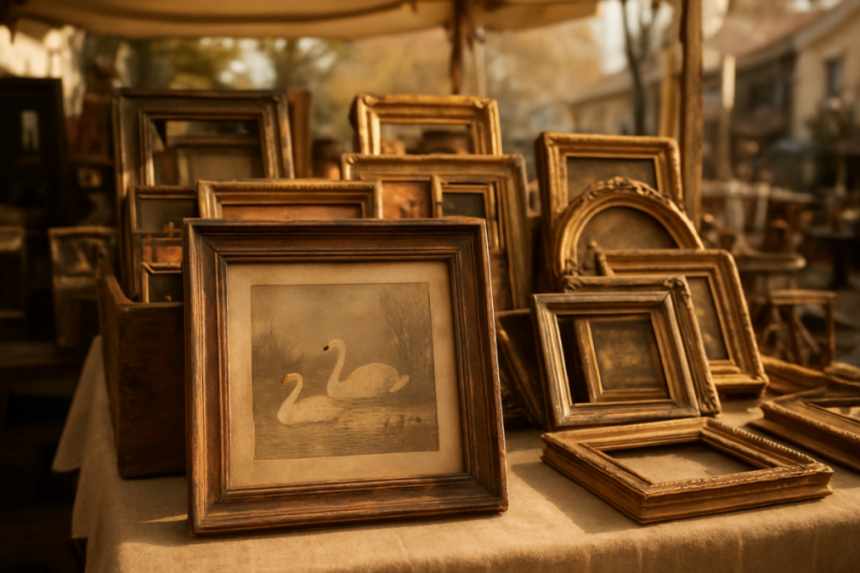
Making small talk at 4 a.m., my airport taxi driver mentioned his old job and the strangest night of it — the night, it emerged over three red lights, that he had helped deliver me.
Furious with a garage, I misdialled and delivered my tirade to a stranger who heard me out and said 'I can fix your gearbox, but I'm in Aberdeen' — I married him anyway.
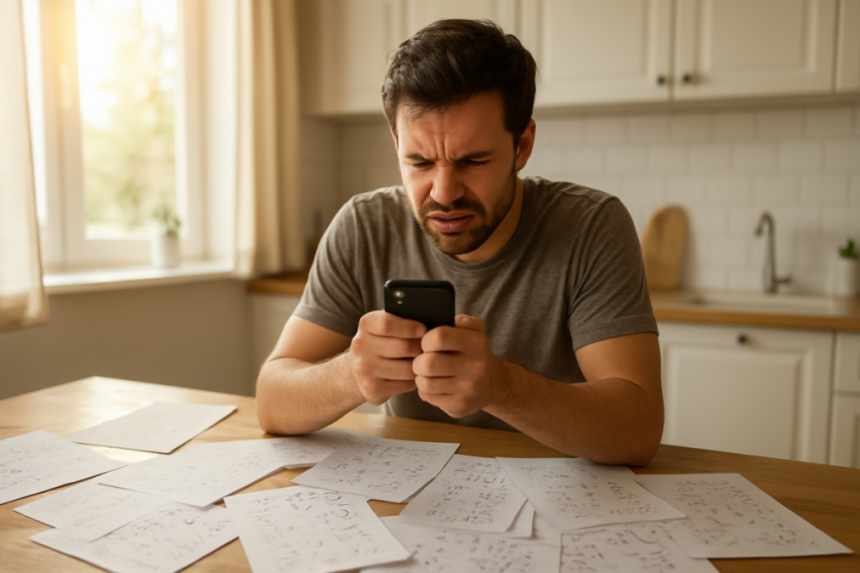
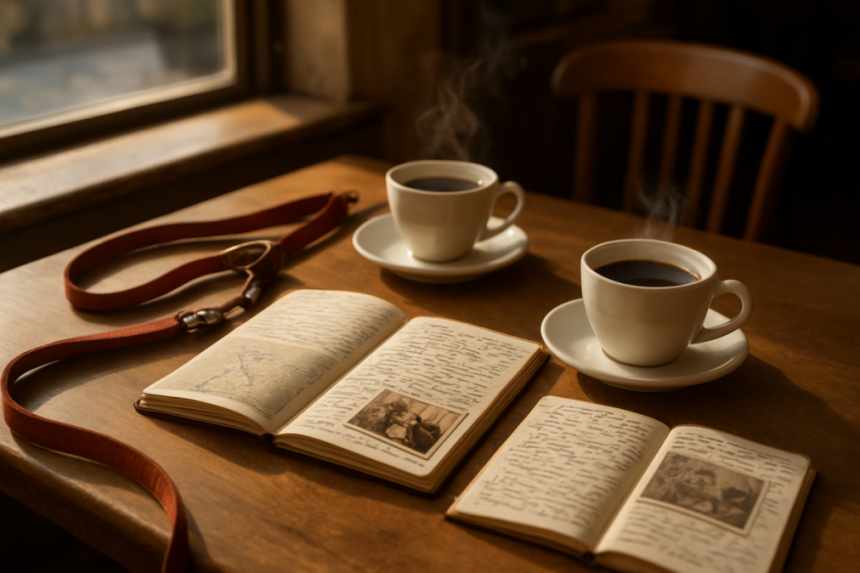
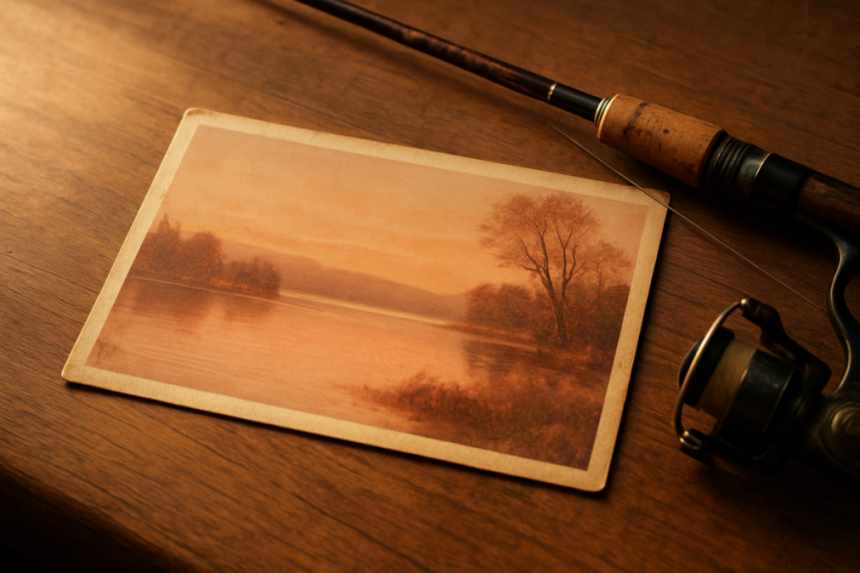
A postcard my father mailed from a fishing trip thirty years ago arrived the morning of his funeral — with the sentence the family had spent all week trying to write.
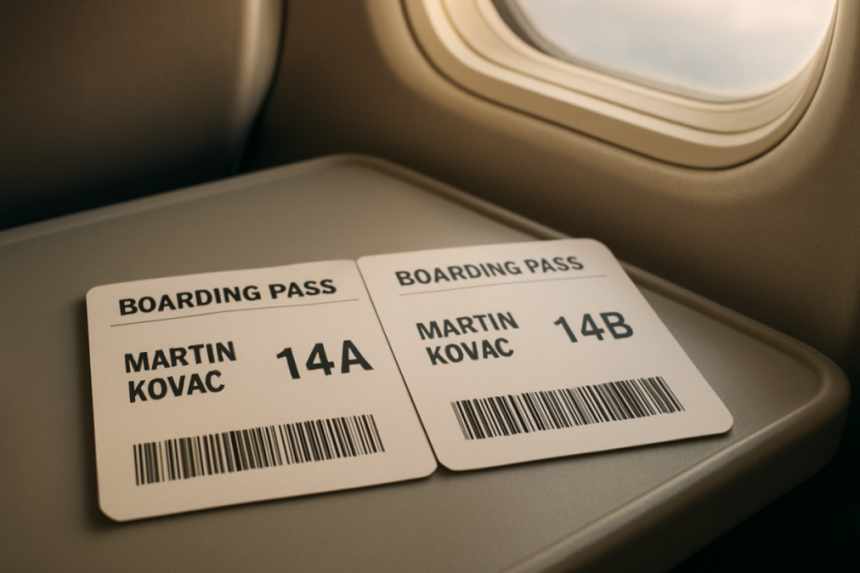
Same name, same birthday, seats 14A and 14B on a flight neither of us was originally booked on — the airline's apology podium gave the universe its stage.
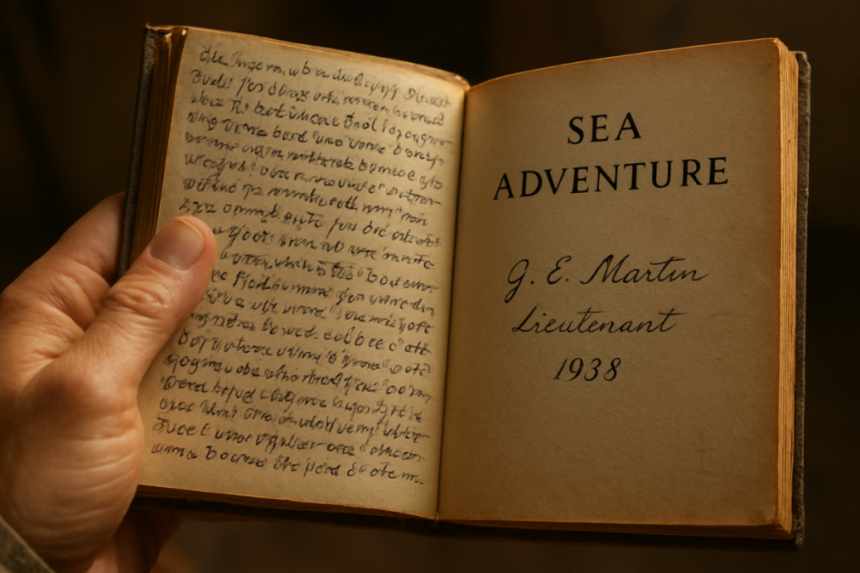
In a secondhand bookshop two countries from home I opened a battered novel to find marginalia in a hand I knew — and a name, rank and date that made the shop go quiet.
The strongest synchronicity examples survive being retold to a sceptic, including the 11 11 synchronicity reports that arrive here every week. Three shapes turn up again and again in this pile. The first is the name: a word nobody has spoken in twenty years arriving three times before lunch. The second is the object — a book, a coin, a photograph — that leaves one life and reappears in another, usually by way of a charity shop. The third is timing, where two people reach the same doorway after decades apart. Statisticians will point out that a life containing millions of small events is bound to produce a handful of absurd overlaps, and that nobody keeps score of the empty days. The argument is correct and does very little for the feeling.
Longer chains of the same kind live in coincidence stories, and the ones that arrive by handset are filed under wrong number and texts. What lifts a synchronicity above a shrug, for most jurors, is a date or a document — something that existed before the meaning did. Bring that and the vote usually follows.
Uncanny coincidences are real in the sense that people genuinely experience and report them, but how we interpret them varies. Our brains are wired to notice patterns and meaning, especially around emotional events. On this site, you can read detailed first‑person accounts and see how the reader jury votes on whether each one feels like a true event or a shaped story.
Many psychologists think they feel frequent because we notice and remember striking overlaps more than all the times nothing lines up. Life also generates countless combinations of people, places, and timings, so occasional rare matches are statistically inevitable. When you read multiple stories together, their similarities can make the world seem even more interconnected.
These experiences are widely reported in everyday life, but no one can measure exactly how often they occur. Some people say they rarely notice them; others feel their lives are full of them, often because they pay closer attention. The story collection here shows a range of such reports, with jury votes giving a sense of how believable each one seems to different readers.
Start by writing it down with concrete details: dates, places, and what happened before and after. That helps you separate emotional impact from what can be checked or compared later. Some contributors choose to share their experiences as stories, where the reader jury can weigh in on whether it sounds like a plausible event or something more like a crafted tale.
They are not proof of fate in any scientific sense, but they also don’t have to be dismissed entirely as “just chance.” Probability explains how rare overlaps can still occur naturally, while personal belief and culture shape whether someone sees guidance, destiny, or simple randomness. Reading different accounts, plus the jury reactions, shows how varied people’s interpretations can be.
Yes, it’s very common to feel unsettled when events seem too perfectly timed or personally targeted. That reaction comes from your brain trying to protect you by asking, “Is there something I’m missing here?” Seeing how others describe similar episodes in their stories—and how the jury evaluates them—can make the feeling less isolating.
There’s no solid evidence that anyone can reliably cause these events to happen, but paying attention and keeping records will make you notice them more. Some people use journaling or sharing stories as a way to reflect on what these episodes mean to them, whether psychologically, spiritually, or just as remarkable anecdotes.