
We Both Wrote the Same Sentence That Night
My estranged sister and I hadn't spoken in six years. On the same night, hundreds of miles apart, we each wrote the identical sentence in our journals — down to a rare, private word only our mother used.
Some moments line up so perfectly they feel scripted. These are the crazy coincidences that outrun every explanation. This page gathers personal accounts of freak chance, uncanny timing, and surreal overlaps: strangers crossing paths twice in a lifetime, lost objects circling back years later, names and dates echoing across generations, and tiny choices that rearrange entire futures. Every narrative is told in the first person, with no fact-checking or outside confirmation—only the storyteller’s memory and your judgment.
Here, you’ll find eerie synchronicity, jaw-dropping twists of fate, and everyday situations that suddenly feel loaded with meaning. As you read through these brushes with randomness and baffling serendipity, you become the jury: each tale is rated by readers who decide whether it feels authentic, exaggerated, or flat-out impossible. Dive in, follow the threads, and cast your vote on which Impossible Coincidences Stories you believe.
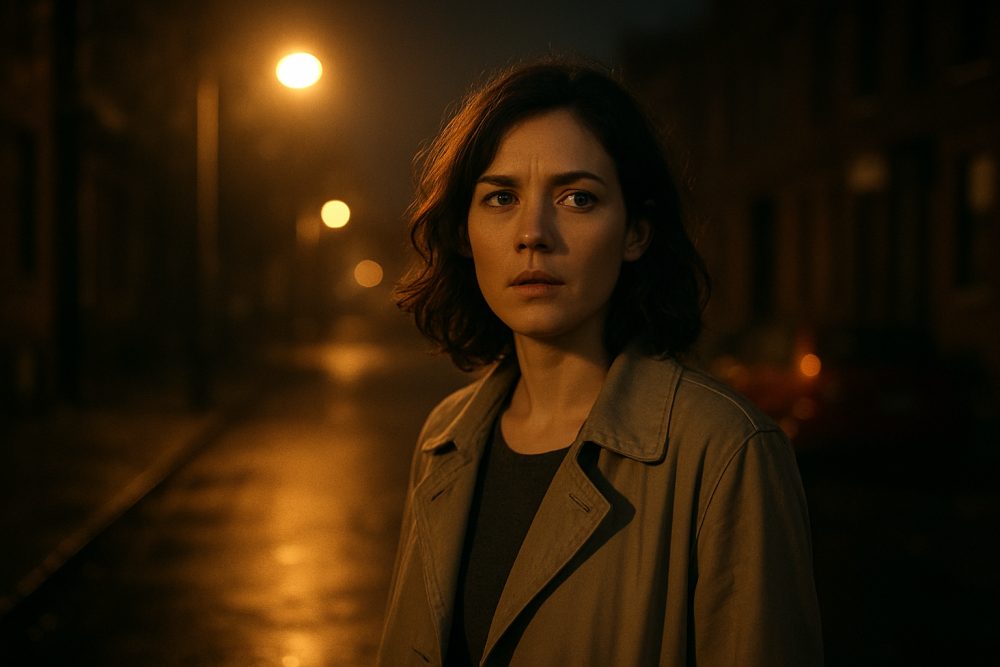
My estranged sister and I hadn't spoken in six years. On the same night, hundreds of miles apart, we each wrote the identical sentence in our journals — down to a rare, private word only our mother used.
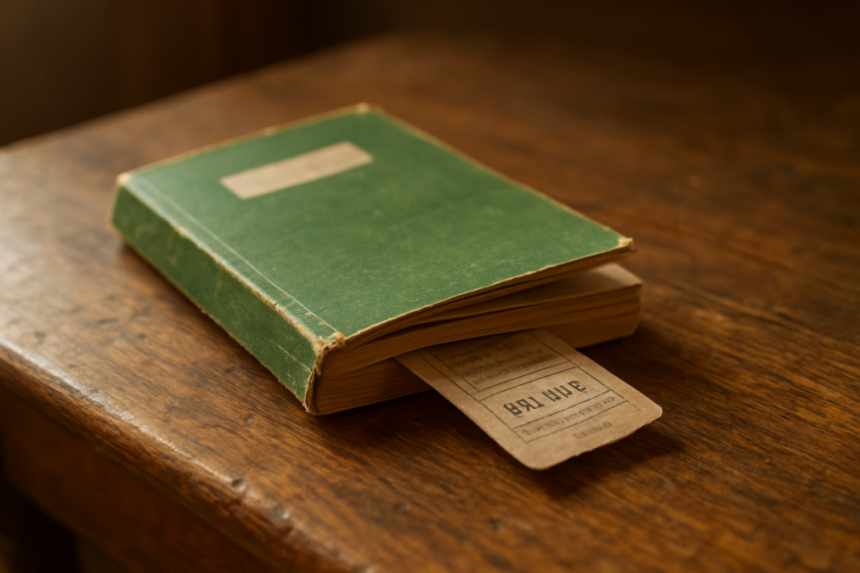
I borrowed a used novel from a charity shop three cities from home. Inside was a bus ticket — my bus ticket, from my town, from a journey I took the week I lost that exact book years before.
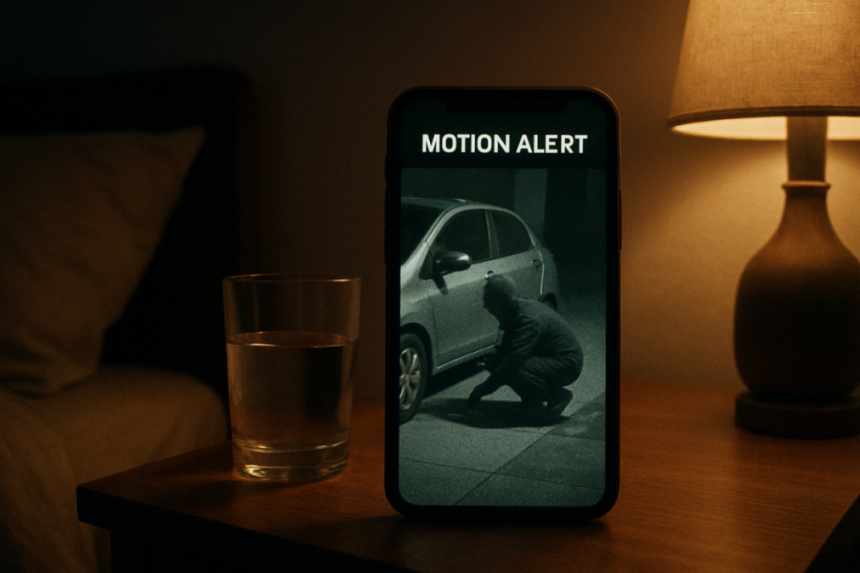
A cheap hidden camera, a bad feeling, and a delayed road trip with my roommates lined up in a way I still cannot explain.
My wife and I honeymooned in a tiny remote cabin. Ten years later, choosing a random anniversary getaway from hundreds of listings, we booked one we loved on sight — the same cabin, renamed, re-listed.

At a dog park, two strangers discovered their rescues answered to the same odd name — the name of a tiny village that turned out to hold both their birth secrets.
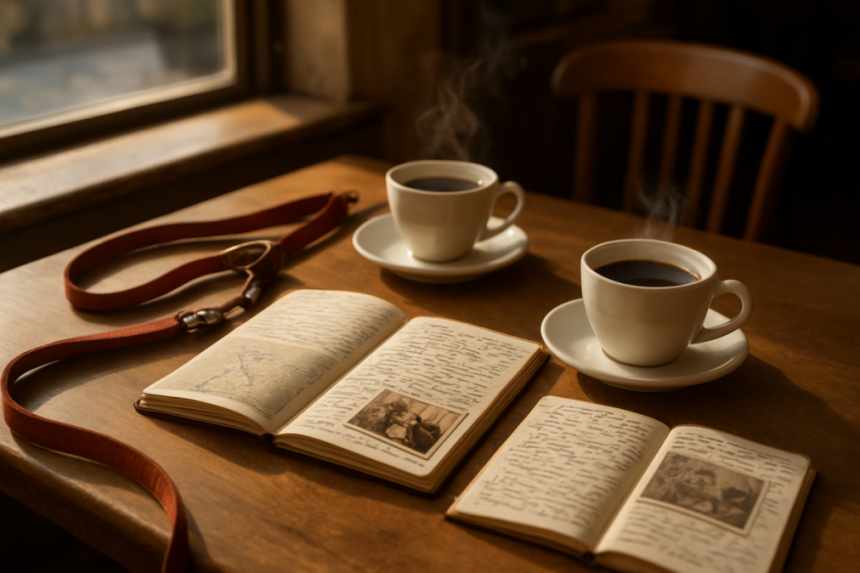
The email said the position was filled, so I took the train home defeated — and spent forty minutes next to a stranger whose company had 'just lost a candidate.'
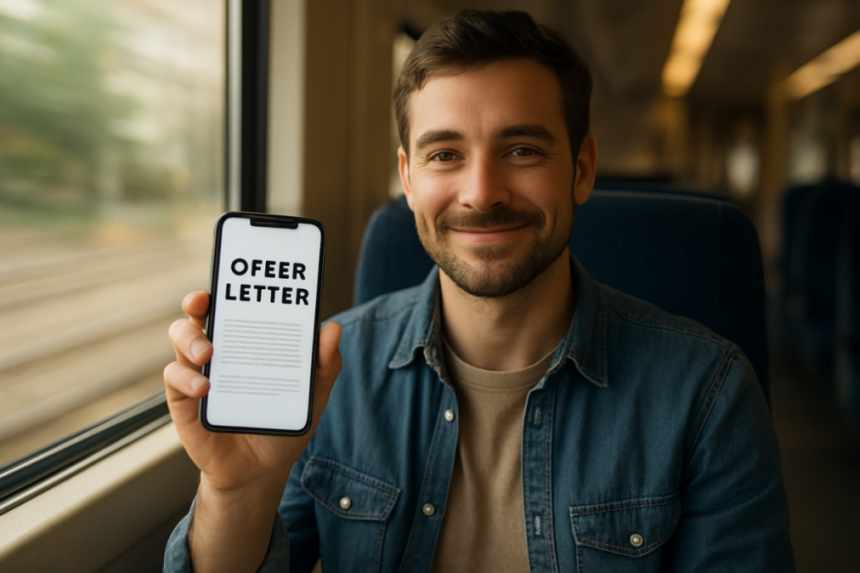
At a flea market three hundred kilometres from my childhood, I bought an old frame — and found, used as its backing paper, a crayon drawing signed by six-year-old me.
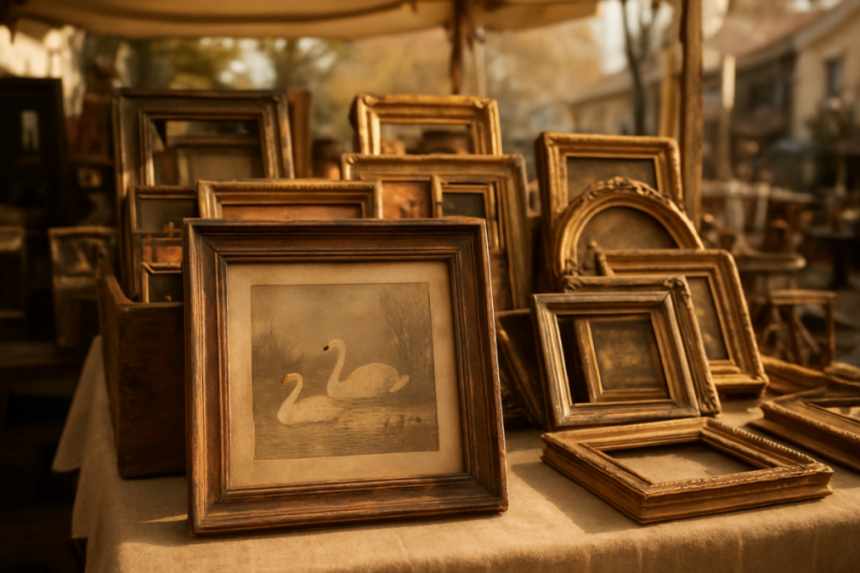
Making small talk at 4 a.m., my airport taxi driver mentioned his old job and the strangest night of it — the night, it emerged over three red lights, that he had helped deliver me.
Furious with a garage, I misdialled and delivered my tirade to a stranger who heard me out and said 'I can fix your gearbox, but I'm in Aberdeen' — I married him anyway.
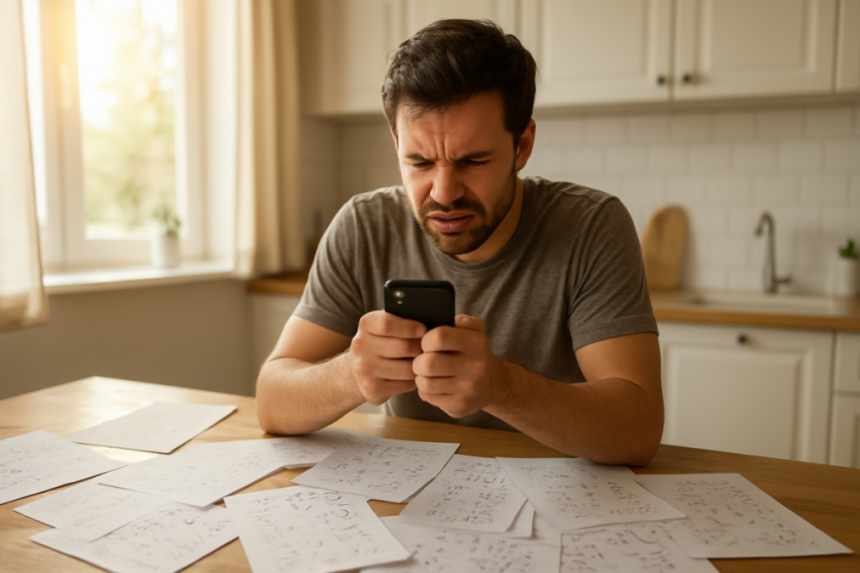
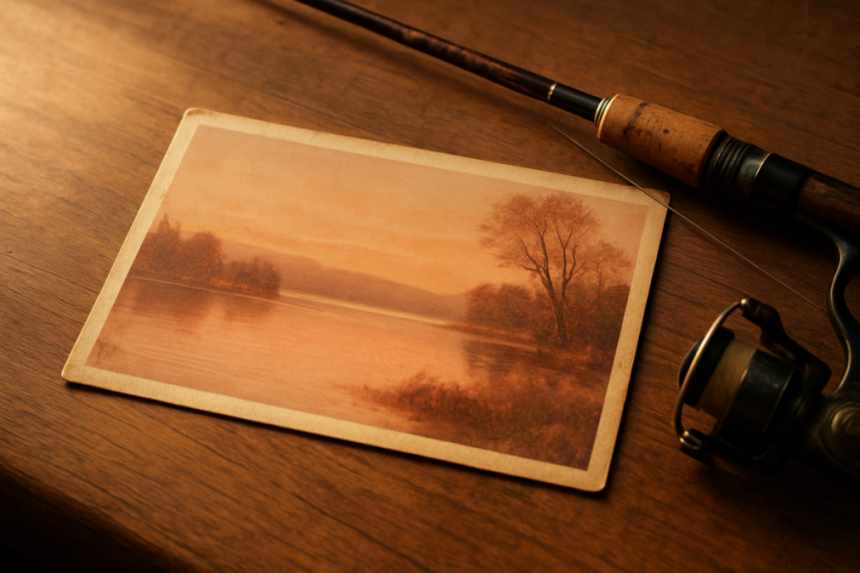
A postcard my father mailed from a fishing trip thirty years ago arrived the morning of his funeral — with the sentence the family had spent all week trying to write.
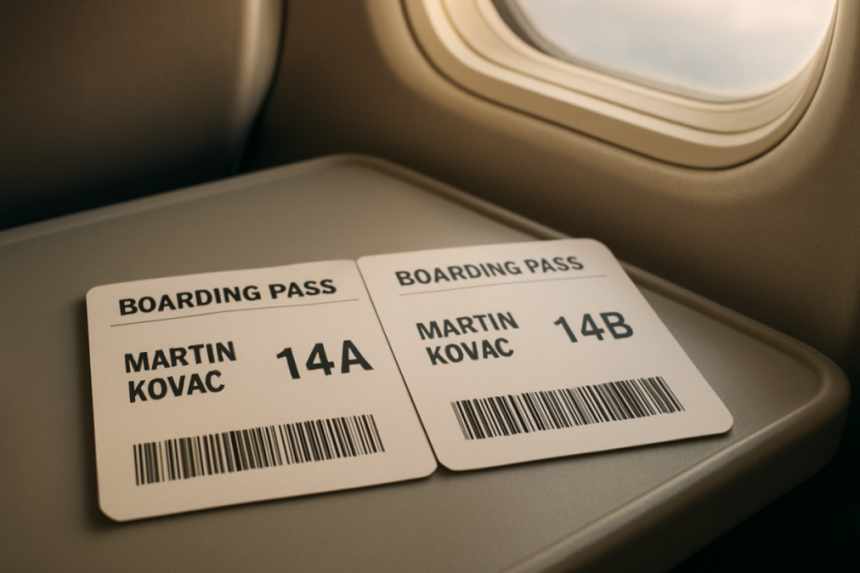
Same name, same birthday, seats 14A and 14B on a flight neither of us was originally booked on — the airline's apology podium gave the universe its stage.
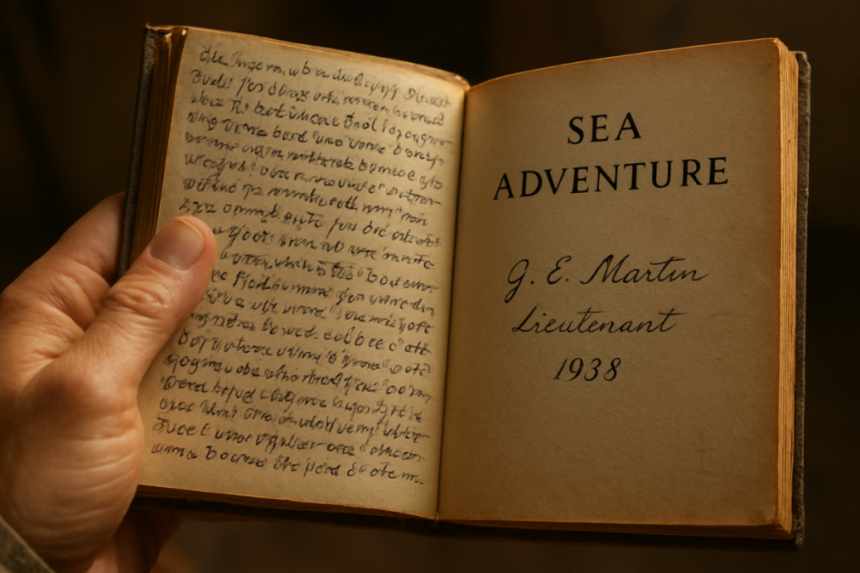
In a secondhand bookshop two countries from home I opened a battered novel to find marginalia in a hand I knew — and a name, rank and date that made the shop go quiet.
I flew nine thousand kilometres to Tokyo, checked into a capsule hotel at 2 a.m., and the cough from the next capsule belonged to the man from the flat next to mine back home.
My mother's wedding band vanished in 2003 somewhere in our garden. Twenty years later my daughter pulled a carrot for a school project — wearing the proof around its middle.

I was desperate to find my late father's birthplace, a village name he never told anyone. A random library book slid off a shelf, fell open at my feet, and there it was, circled in faded pencil.
I sat down for a job interview in a new city. The woman across the desk had my exact hairline, my mother's nose, and a birthday one day from mine. A DNA test later confirmed it: half-sister.
The hall of fame: the best Impossible Coincidences Stories of all time
A borrowed book that turns out to belong to your grandfather. Two strangers on a night train carrying photographs of the same house. The phone ringing with the exact person you were describing mid-sentence. These weird coincidences are the friendliest cases in our archive — no ghosts, no lost hours, just probability behaving like a prankster. Statisticians call it the law of truly large numbers: give randomness enough chances and it will look like fate. The narrators here, having lived the punchline, tend to prefer the word synchronicity.
The synchronicity tag follows that thread across the whole site. Read a few, check the believe scores, and then be honest: what were the odds of the strangest thing that ever happened to you?
Sometimes they are, and sometimes details get exaggerated or remembered differently over time. On a true-stories site, the reader jury votes can be a useful clue, but they are not proof either way. The best approach is to read the account closely and look for specific, checkable details.
Some odd overlaps are just the result of chance, especially when many people, places, and dates are involved. Our minds also notice patterns very strongly, so events can feel more meaningful than they looked in the moment. That mix of randomness and pattern-seeking is a big reason these stories spread.
Look for concrete details, a clear timeline, and a story that stays consistent from beginning to end. It also helps if the account includes ordinary, unglamorous facts rather than only dramatic turns. After reading, see how the jury voted and whether the comments point to anything that supports or weakens the story.
Write down the date, place, names, and sequence of events while they are still fresh. If there are messages, photos, tickets, or other records, keep them with the account. That makes it easier later to compare your memory against evidence, and it can help if you decide to share the story for a reader vote.
They can feel rare because the human brain highlights the parts that line up and forgets all the near-misses. In a large enough world, shared names, similar routines, and overlapping travel plans are more likely than they first appear. That is why coincidence stories often sound impossible even when they may have ordinary explanations.
They combine suspense, pattern, and the feeling that life briefly broke its own rules. Readers also like comparing their own instincts with the jury’s verdict and debating whether the account sounds genuine. On a story page, that mix of personal judgment and shared reaction is part of the appeal.