
When My First Date Turned Into a Comedy of Errors and Instant Karma
A first date with all the wrong moves, messy drinks, and unexpected surprises—proving sometimes instant karma delivers its funniest lessons.

Some days, payback is right on time. This collection of instant karma stories and petty revenge stories brings together first-person tales where actions boomerang fast: cheaters get exposed, bullies trip over their own schemes, greedy people lose what they grabbed, and everyday jerks meet swift consequences in parking lots, offices, neighborhoods, and even family events. These are dramatic, funny, and painfully relatable moments when the universe seems to clap back almost immediately.
Every account here is submitted by readers, told from their own point of view, and judged by a crowd of armchair jurors who vote on whether each twist of fate really happened. Nothing is formally fact-checked; it’s all about how believable, satisfying, and entertaining the turnaround feels. Dive into the stories, decide if justice was truly served, and cast your vote.

A first date with all the wrong moves, messy drinks, and unexpected surprises—proving sometimes instant karma delivers its funniest lessons.
My manager blamed me for a ruined shipment in front of everyone, then tried to prove it using the office printer. The printer had other plans.
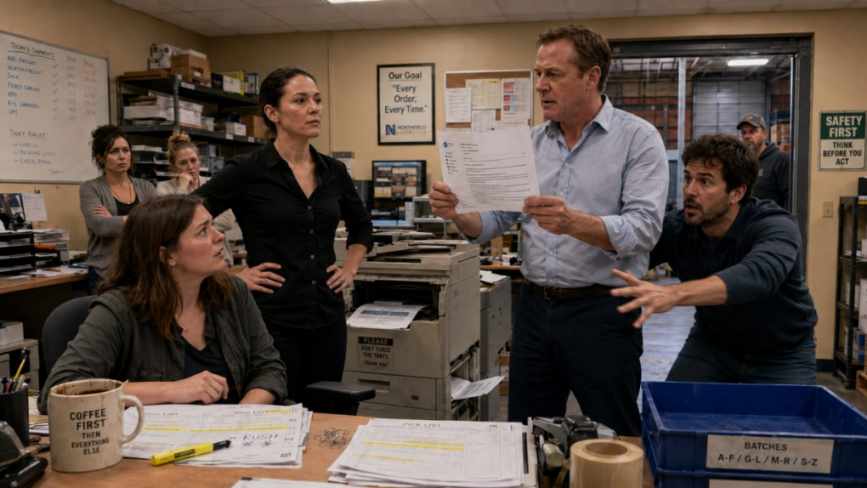
I laughed at the safety rules after a boozy lunch, then needed every one of them to survive.

A neighbor reported my brand-new fence as six inches over the property line to force me to tear it down. The survey he demanded found that his own garage had been on my land for years.

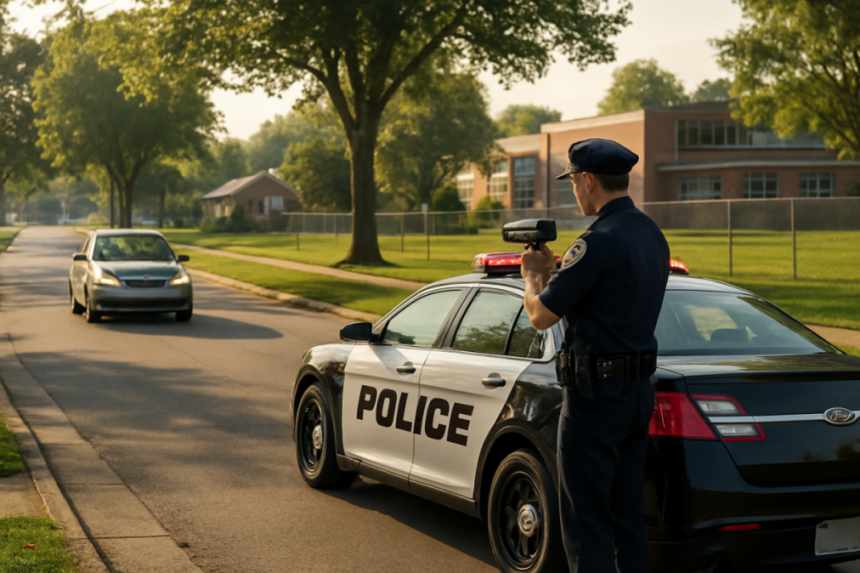
A driver roared through the crosswalk where I walk kids to school, laughing at the crossing guard. He did it every morning. He did not know the guard had started writing down the plate.
My manager fired me by text at 5 p.m. Friday to avoid a conversation. He did not realize I was the only person who knew how to run the payroll system. Monday morning was educational.

My roommate ate my labeled groceries for a year and denied it every time. So I made him one special batch of very clearly labeled leftovers, and let his own confidence do the rest.

A cousin dropped me from her wedding to save a seat, in a cruel little message. Three weeks before the date her venue fell through, and the only barn in the family was mine.
A man ignored the painted fire lane and the honking to park right at the store doors. He came out to find a fire truck had needed that exact spot, and had treated his car accordingly.

A colleague copied my entire analysis, put his name on it, and presented it to the executives as his own. He did not know I had left one deliberate mistake in the version I shared with him.

My landlord invented damage to keep my whole deposit and laughed me off. He did not know I had photos, or that the city inspector I had already called was standing on his porch that afternoon.
A loud man shoved to the front of the bank queue, waving papers, demanding to close a big deal ahead of everyone. The manager he insulted on the way in turned out to be the one signing it.

A guy rode my bumper for miles, flashing his lights, laid on the horn, and finally roared past me flipping me off — directly into the mirror of the unmarked police car I had been letting merge.

The hall of fame: the best Instant Karma Stories of all time
The suspicious thing about payback, and every regular reader here knows it, is the timing. Real life spreads consequences out over months and usually forgets to deliver them at all. The instant karma stories in this section compress everything into ninety seconds: the queue-jumper, the space-stealer, the man who shouted at a cashier and then discovered the cashier was the owner's daughter. Add the malicious compliance stories, where somebody simply did exactly as instructed. Sceptics call it survivor bias with a satisfying edit — nobody writes up the day the rude driver got away with it. The stronger entries here admit that, and win people over precisely because the narrator gets nothing out of it beyond a good view.
The specific breed of public confrontation that ends badly is filed under karen encounters, and the broader collection of people who believed the rules were for other households sits in entitled people. A word of advice for submissions: leave the moral out. Describe what happened, in order and without the commentary, and let the readers supply the satisfaction themselves.
Some are based on real events, while others may be embellished for entertainment or written to fit the tone of the site. On a true-stories site, the reader jury votes can give you a sense of how believable each account feels to other readers. The best approach is to read the details and look for the small, grounded moments that make a story feel authentic.
People often enjoy them because they feel satisfying, surprising, and easy to understand: someone acts unfairly, then faces consequences right away. That mix of tension and payoff makes these tales very readable. It’s also fun to see how different readers respond when they cast jury votes on whether the story seems genuine.
Believable accounts usually include ordinary details, a clear sequence of events, and a reaction that feels human rather than over-the-top. When a story includes specific workplace, neighbor, or family context, it can read more naturally. On a reader-voted site, those details often influence how the jury judges the claim.
You usually can’t know for sure from the text alone, especially on the internet. Clues like vague timing, too-perfect outcomes, or inconsistent details can make a story feel less convincing, but they do not prove anything. That is why many readers compare their impressions with the jury votes and discussion around the story.
In real life, consequences are often delayed, but stories are usually selected or written because the timing feels especially dramatic. That’s part of what makes the pattern appealing: the cause and effect are easy to follow. Reading several examples together can show how often people notice everyday consequences and frame them as karma.
Small moments of irony and backlash happen all the time, but not every one becomes a memorable story. People are more likely to share the cases where the outcome feels unusually neat or satisfying. That’s why browsing a collection of these narratives can feel familiar even when each one is different.
Look for consistency, realistic dialogue, and whether the emotional reaction matches the situation. It can also help to compare your own reading with the jury votes, since other readers may notice things you missed. Treat the stories as personal accounts first, then decide how convincing they seem.