
The HOA Voted To Ban My Wheelchair Ramp As "Non-Traditional"
My father lost a leg in March. In June we built a ramp. In July it was a "non-traditional exterior modification" by a vote of 6 to 1.

Some people meet everyday rudeness; these are the crazy Karen stories where it goes spectacularly off the rails. On this page, you’ll find outrageous clash-of-entitlement tales from HOAs, youth sports sidelines, flights, moving days, babysitting gigs, and more: first-person accounts of neighbors overstepping, parents demanding special treatment, and strangers insisting rules don’t apply to them. Each story is told by the person who lived it, sharing the eye-rolling details exactly as they remember them.
All of the narratives here are submitted by readers and have not been independently confirmed, so you become the jury. As you scroll through these over-the-top run-ins with unreasonable behavior, decide for yourself which ones feel authentic, exaggerated, or completely made up. Dive into the chaos, pick your side, and cast your vote on every story.
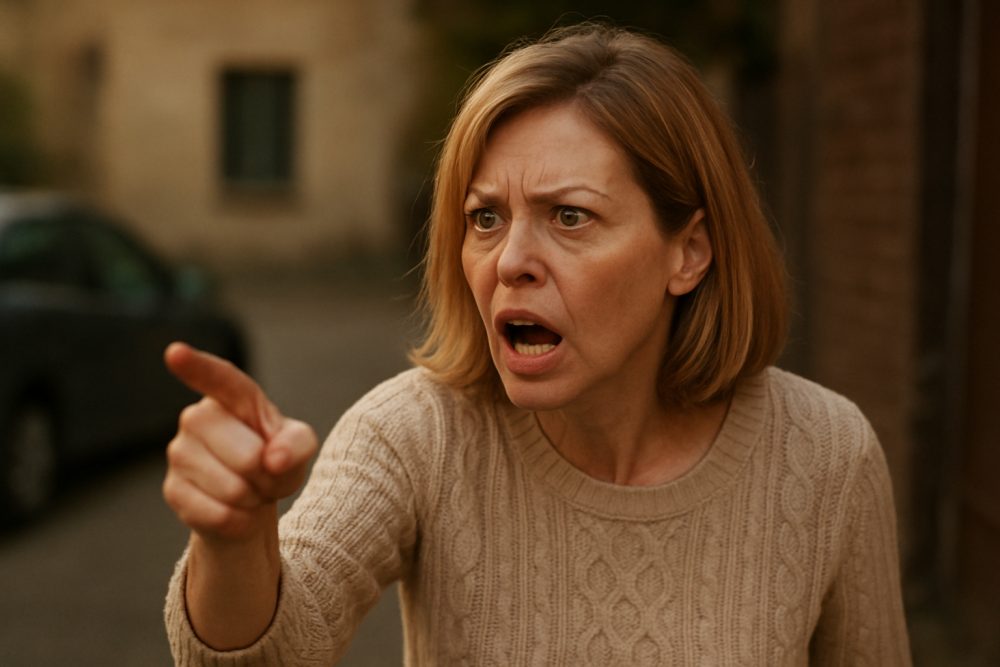
My father lost a leg in March. In June we built a ramp. In July it was a "non-traditional exterior modification" by a vote of 6 to 1.
Three notices. Photographs attached. The dog in the photographs is standing in my drive, and the dog belongs to a board member.

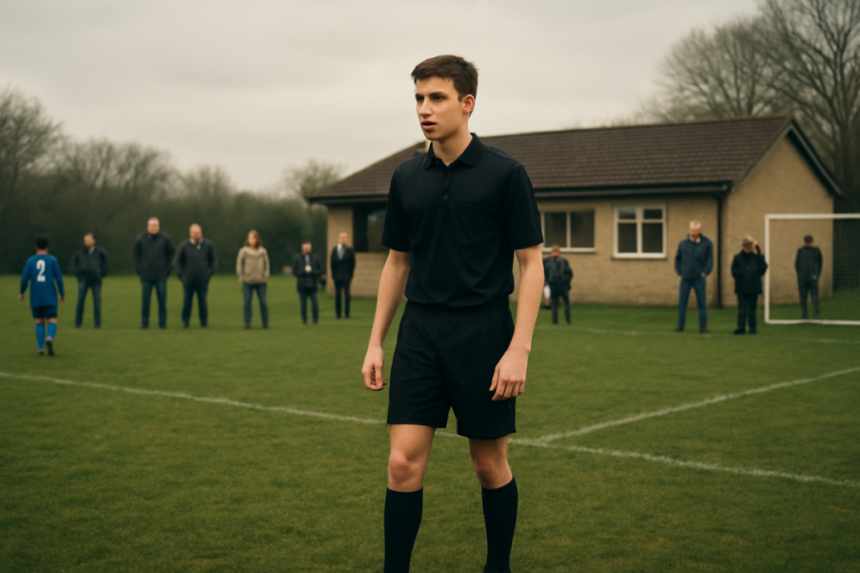
The referee was fifteen. He was doing it for six pounds and a sausage roll. The dad wrote a two-page letter to the county FA.
He had a lanyard from a maritime trade show. He wore it for the entire crossing. He got very drunk and very specific about my failings.

She rang the company pretending to be me. She had my name from the group chat and my slot from watching my drive.

She posted on the neighbourhood page that "the girl at number 12 does Fridays". I had never met her, and I do not do Fridays.
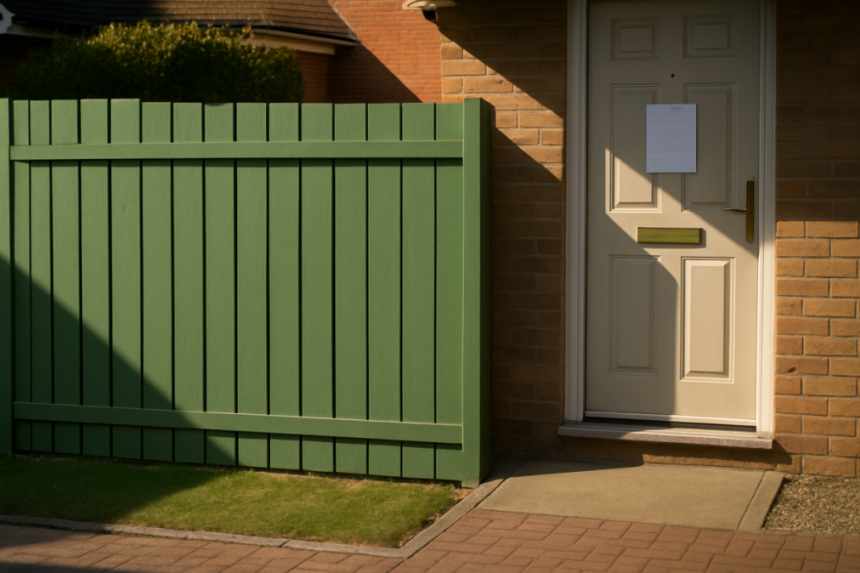
She did not ask. She did not have a key. She had, apparently, a colour she preferred, and a contractor, and my invoice.
The boy was nineteen. He was mortified. She was not.

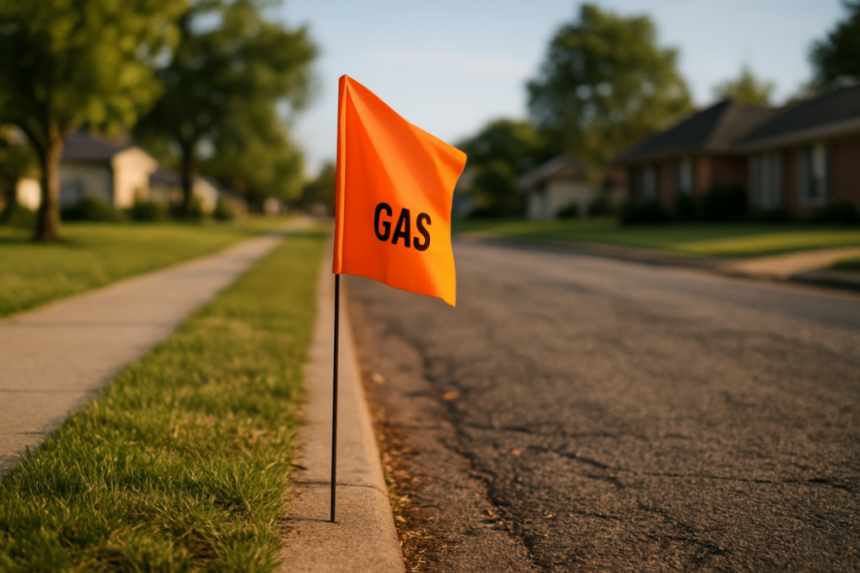
Ninety dollars a day for a "non-conforming decorative item" — which was the gas company's locate marker, put there by law, before they dug up my street.
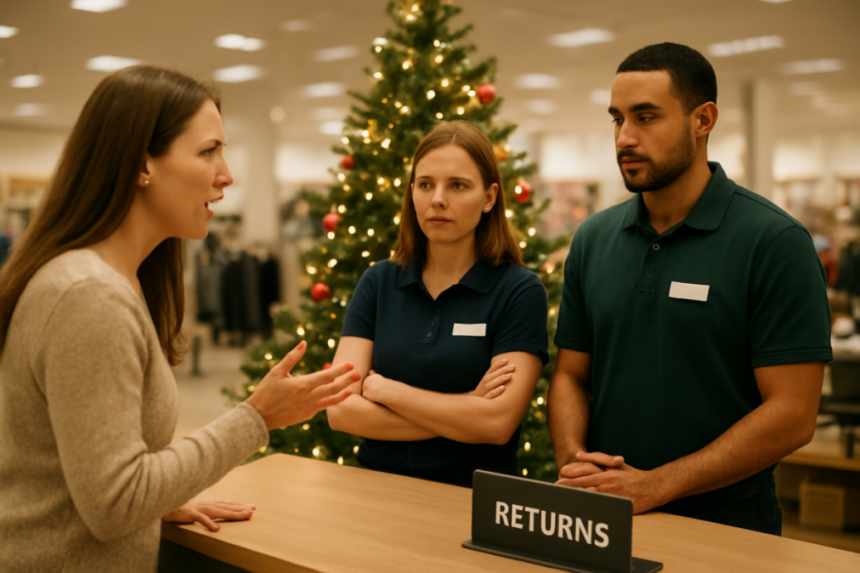
She wheeled a fully decorated, still-lit Christmas tree up to my returns desk in March and demanded her money back. There was tinsel. There was a candy cane. There was no receipt.
Almost every one of these Karen moments starts partway through, and that is the first thing to notice. By the time anyone thinks to write it down, or to lift a phone, the argument is already at full volume and the original request has been lost somewhere behind it. That gap is where the jury does most of its work. Readers ask what came first, whether the staff member being defended wanted defending, and how much the narrator was enjoying himself. Voters also point out that the label has drifted from a specific behaviour into a general insult, which is why the strongest entries avoid it entirely and simply report what was said.
The full range of the behaviour is catalogued in entitled people stories, and the view from behind a till is collected in customer service stories. Entitled Karen stories are believed when the writer quotes rather than summarises, fixes the time of day, and owns up to their own worst line. Accounts in which the narrator wins cleanly and the queue applauds are voted down almost every time.
The stories on this site are submitted as true first-person accounts, but nobody can verify every detail of someone’s private experience. That’s why there’s a reader jury: you can see how other people voted on whether they think an incident really happened and decide for yourself. Reading the comments and verdicts often gives extra context about how believable a story feels. Treat them as personal narratives, not as court evidence.
Entitled behavior can come from stress, insecurity, cultural norms, or just thinking rules don’t apply to them. In many of these accounts, people are clinging to a sense of control or status, and it comes out as demanding, rude, or unreasonable. The stories and jury reactions can help you see patterns in this behavior and how others interpret it. It’s usually more complex than someone simply being “evil.”
Most people will occasionally run into someone who is aggressive, self-centered, or unreasonable, especially in customer service, housing, or shared spaces. What’s unusual about the stories here is how extreme or memorable the behavior becomes, which is why people write them down. The jury votes give a rough sense of how plausible readers think each situation is compared with their own experiences.
It usually helps to stay calm, keep communication in writing where possible, and stick to clear rules or agreements instead of arguing emotionally. You can read similar accounts on this page to see how others responded and what seemed to escalate or defuse the situation. For serious or ongoing disputes, it’s better to seek local guidance rather than copying a dramatic story response.
Try to listen briefly, set firm but polite boundaries, and avoid matching their level of anger or sarcasm. Many narrators in these stories find that calmly repeating policy or offering limited choices keeps things from spiraling. The jury’s comments often highlight when someone handled a situation well versus when they unintentionally stirred it up.
The term is often used for genuinely bad behavior, but it can also become an easy insult for anyone who complains or makes a mistake. The stories here are one-sided accounts, so it’s wise to remember we’re mostly seeing one narrator’s perspective. Looking at the jury verdicts and discussions can show where readers think the storyteller may also share some blame.
Many people like them because they’re cathartic: you get to witness outrageous behavior and imagine what you’d do, without being personally involved. They also highlight everyday power struggles around rules, fairness, and manners that most of us recognize. The jury element adds a layer of participation, letting readers weigh in on who was reasonable and who wasn’t.
These accounts can help you spot early warning signs of escalating conflict and see which responses tend to make things better or worse. By comparing your own instincts to the narrator’s choices and the jury’s verdict, you may refine how you handle tense situations. They’re also a reminder that you’re not alone in facing unreasonable demands or boundary-pushing behavior.