
The Dad At Under-9s Who Wanted The Referee Sacked For "Bias" Against His Son Certified True by readers
The referee was fifteen. He was doing it for six pounds and a sausage roll. The dad wrote a two-page letter to the county FA.

Welcome to the wild world of entitled parents stories, where everyday situations spiral thanks to overbearing moms, pushy dads, and boundary-stomping caregivers who think the rules don’t apply to them. In this tag, you’ll find first-person accounts of adults hijacking kids’ activities, pulling power moves in public spaces, and treating other people’s time, bodies, and property as if they own them. From overprotective guardians to outrageously indulgent mothers and fathers, these personal stories reveal what happens when parental ego goes unchecked.
Every tale here is submitted by real people and shared as subjective experiences, not confirmed truths. Our community acts as the jury, reading each scenario and voting on whether it feels believable, exaggerated, or completely made up. Dive into the chaos, decide what you think really happened, and cast your vote on every story.
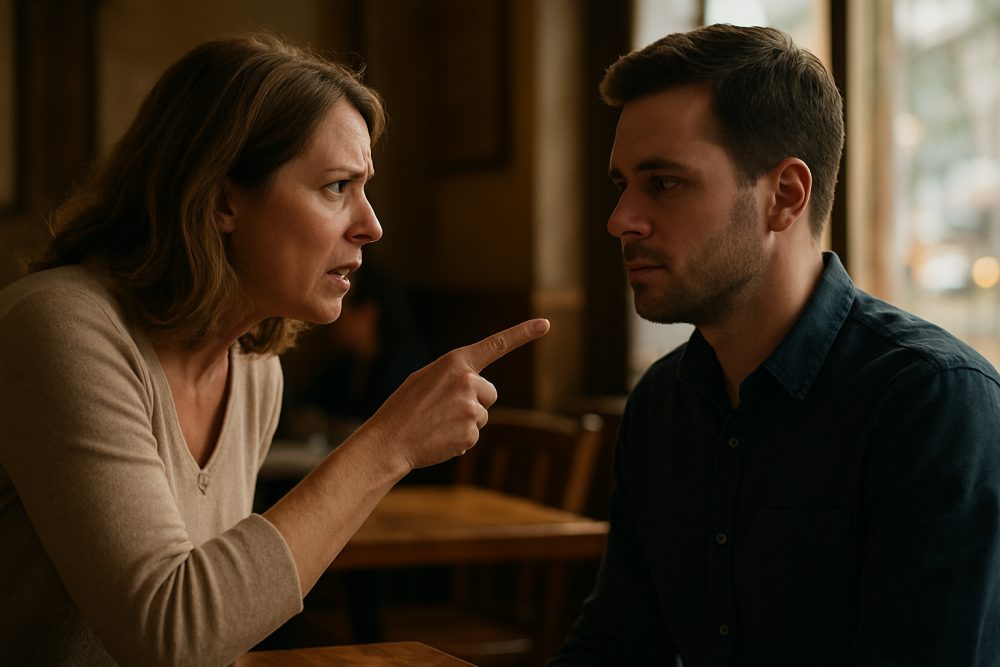
The referee was fifteen. He was doing it for six pounds and a sausage roll. The dad wrote a two-page letter to the county FA.
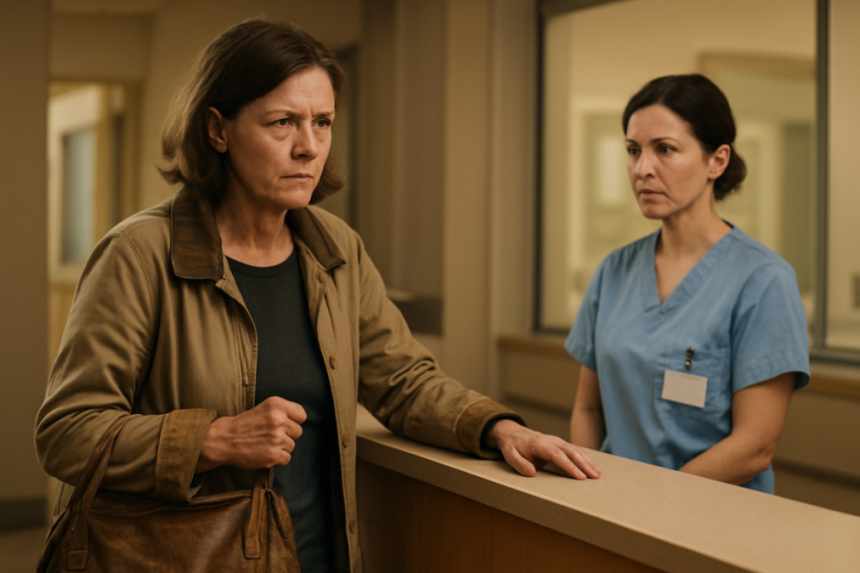
She was my mother-in-law. My actual mother had died in February. The nurse did what nurses do, which is check.
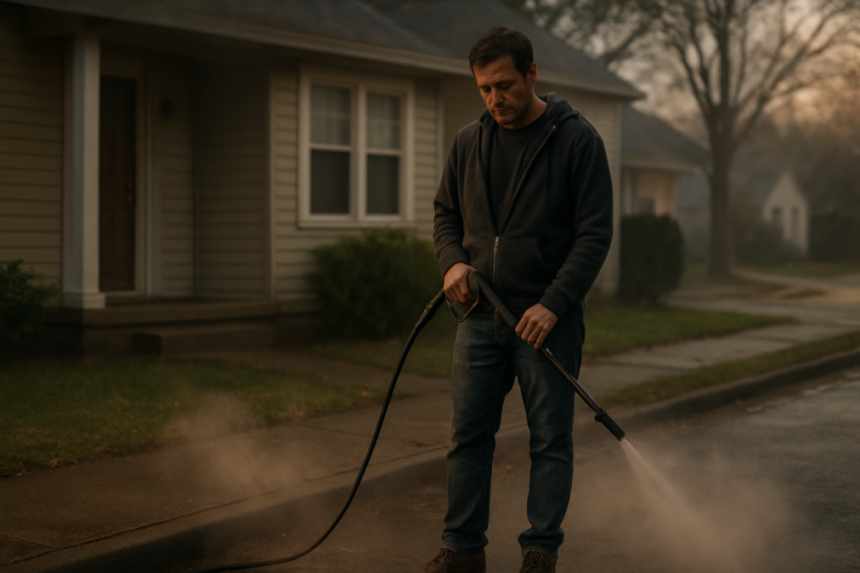
Rule 14(c): no "temporary surface markings" on shared paths. Enforcement: a man with a pressure washer and a grudge, at 7am, on a Saturday.
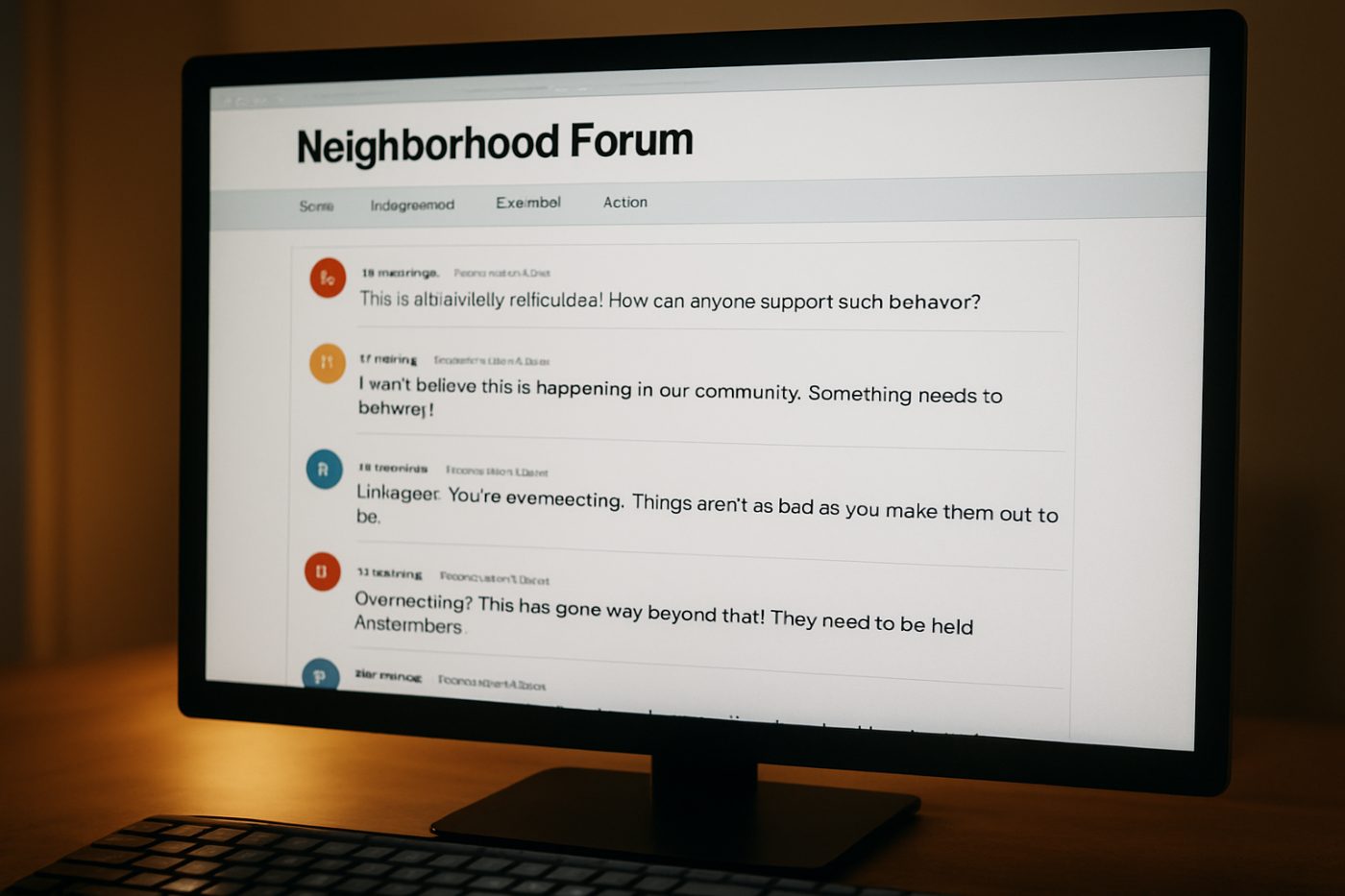
She posted on the neighbourhood page that "the girl at number 12 does Fridays". I had never met her, and I do not do Fridays.
The boy was nineteen. He was mortified. She was not.

The mechanism in these entitled parent stories is nearly always assumption rather than aggression. Something has been arranged inside one person's head — a seat, a weekend, the use of a car, three hours of somebody else's Saturday — and it reaches the narrator as a settled fact, the negotiation having apparently taken place off the page. Refusal is then treated as a change of plan rather than an answer. Sceptics reasonably observe that we hear nothing of the other household's circumstances, and that plain exhaustion produces a good deal of this behaviour without any sense of entitlement behind it. Writers who allow for that are the hardest to dismiss.
The same pattern without the family framing sits under entitled people stories, and its loudest public form is filed as karen encounters. Entitled parents submissions do best when the writer records what they said in reply, including the part they regret. Readers turn sharply against any narrator who describes every other person in the story as unreasonable.
Some accounts are exaggerated for humor, but many are based on genuine conflicts and misunderstandings. On this site, each story is told in the first person and readers vote as a jury on how believable it seems, which helps you gauge what might have really happened.
A lot of over-the-top behavior comes from stress, fear for their kids, or a strong sense of being “owed” special treatment. That can mix with poor boundaries or social skills, leading to scenes like the ones you’ll see in the stories and in how the jury reacts to them.
Most parents are reasonable, but pushy or self-centered behavior is common enough that many people have at least one story. Reading multiple accounts and the jury’s votes can give you a sense of how often others have witnessed similar situations.
Look for realistic details like timing, dialogue, and consequences, and ask whether the behavior fits known patterns of human conflict. The community voting here provides another check, as many readers flag stories that feel inconsistent or too convenient.
Setting calm, clear boundaries and sticking to them is usually more effective than arguing or trying to change their personality. You can pick up practical ideas from how storytellers here handled things and from which choices the jury thinks were reasonable.
Parenting can be exhausting, and some caregivers come to believe their effort entitles them to priority over everyone else. When that belief isn’t balanced by empathy or respect, it can turn into the kind of demanding behavior you see described in many of these accounts.
Yes, they can give you perspective, show you you’re not alone, and offer examples of what to do—or what to avoid. The jury votes also highlight which responses other readers consider fair, petty, or over the top in similar situations.