
The Seating Plan Was a Blood-Feud Map
The bride's estranged family and the groom's estranged family were, unknown to the couple, the two halves of a decades-old village feud. The seating plan sat them alternately, boy-girl, like a fuse.

The mother in law stories here are not one-off arguments: this tag collects mother in law drama and toxic mother in law stories that ran for years. Discover our most unforgettable Mother-in-Law confessions: chaotic weddings, boundary-crashing hospital visits, shock outfits, and jaw-dropping meddling in relationships, family plans, and big life milestones. Here you’ll find first-person tales of difficult in-laws, overbearing parents of the spouse, and new-family power struggles that test patience, loyalty, and love. Every narrative is told by someone who swears it happened to them, from outrageous etiquette violations to subtle emotional sabotage—and everything in between.
Each account on this tag is a personal story, not an investigated report, and the truth is decided by you. Our community of readers acts as the jury, voting on whether each scenario feels real, exaggerated, or completely made up. Dive into the dramas, compare them to your own experiences, and cast your vote on which stories you believe.
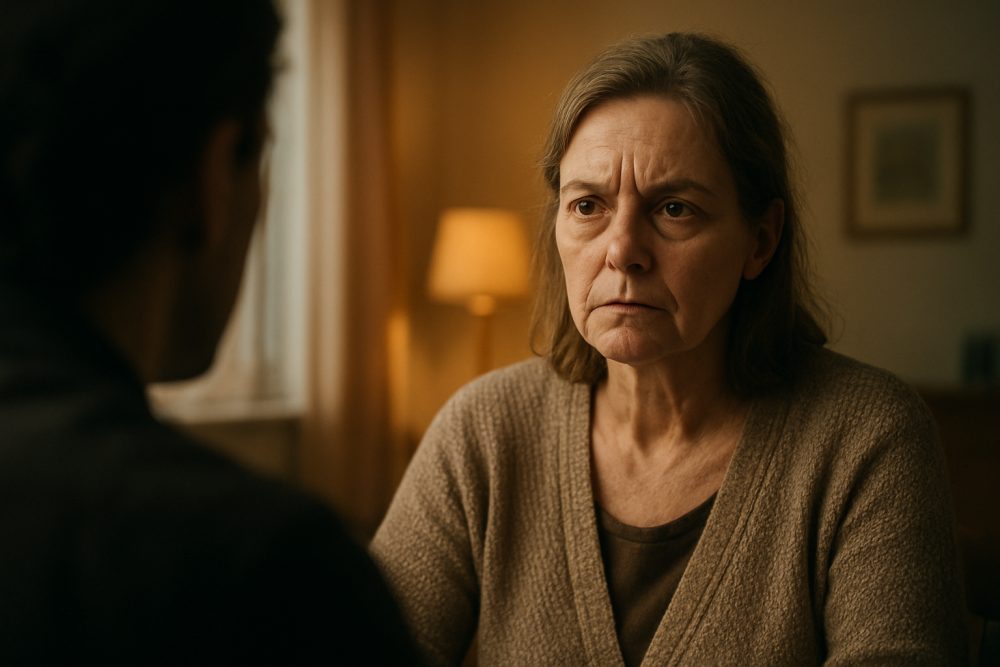
The bride's estranged family and the groom's estranged family were, unknown to the couple, the two halves of a decades-old village feud. The seating plan sat them alternately, boy-girl, like a fuse.
Nobody vetted the caterer the mother-in-law booked. Halfway through the meal the bride recognised the woman plating desserts: the groom's ex, hired, she later admitted, 'to see what she'd lost.'
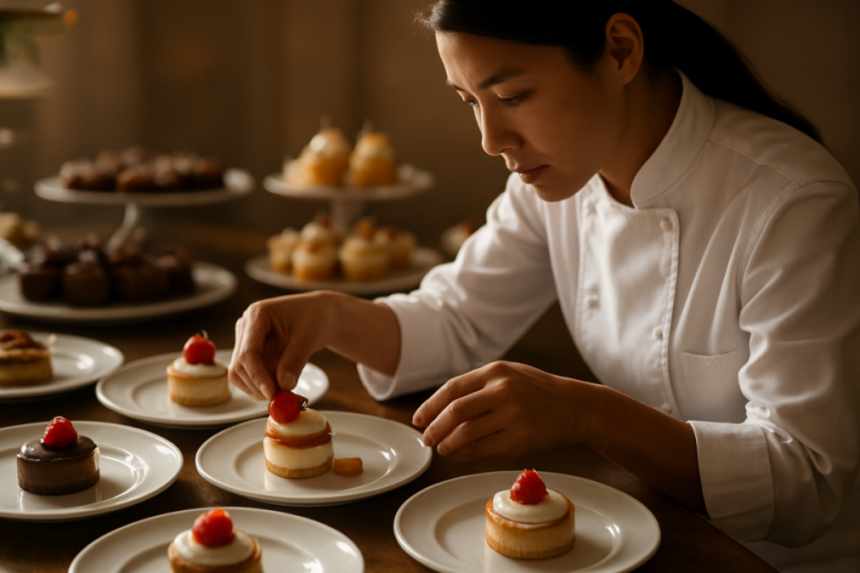
At 6 p.m., a coach pulled up and the father of the groom unloaded forty extra relatives he'd invited personally — to a wedding catered, seated and budgeted for ninety.
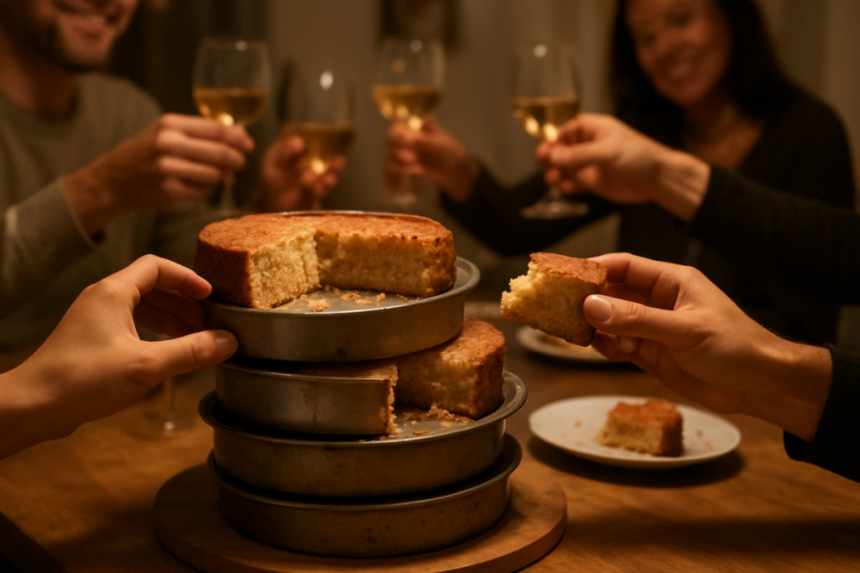
The groom's mother arrived at the ceremony in a full-length white gown with a train — a replica, we slowly realised, of the bride's own dress, sourced from a leaked fitting photo.
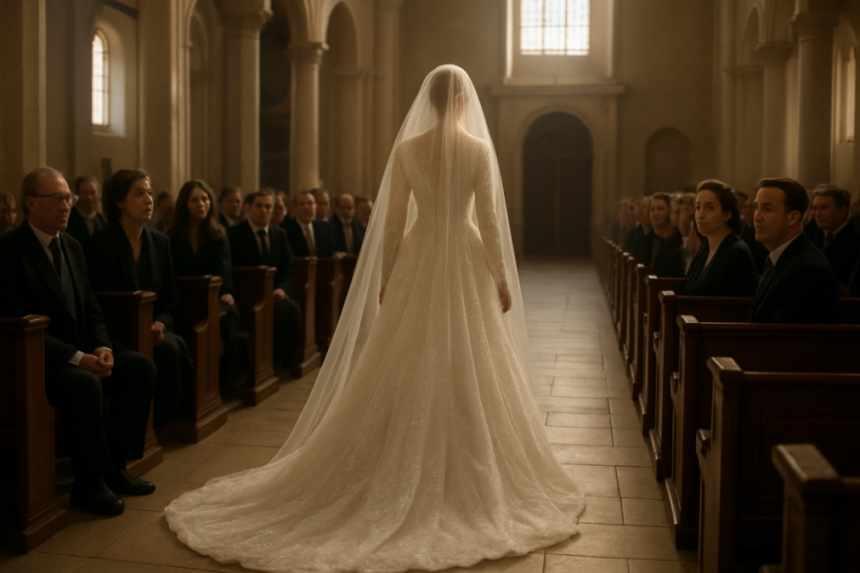
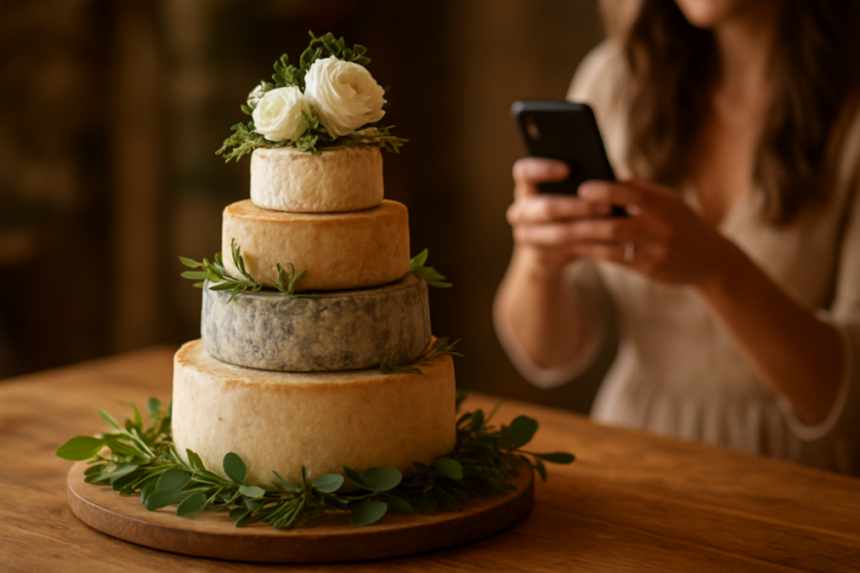
She brought a full three-tier cake. In a car. To someone else's wedding. And she asked the venue to put it on the cake table.
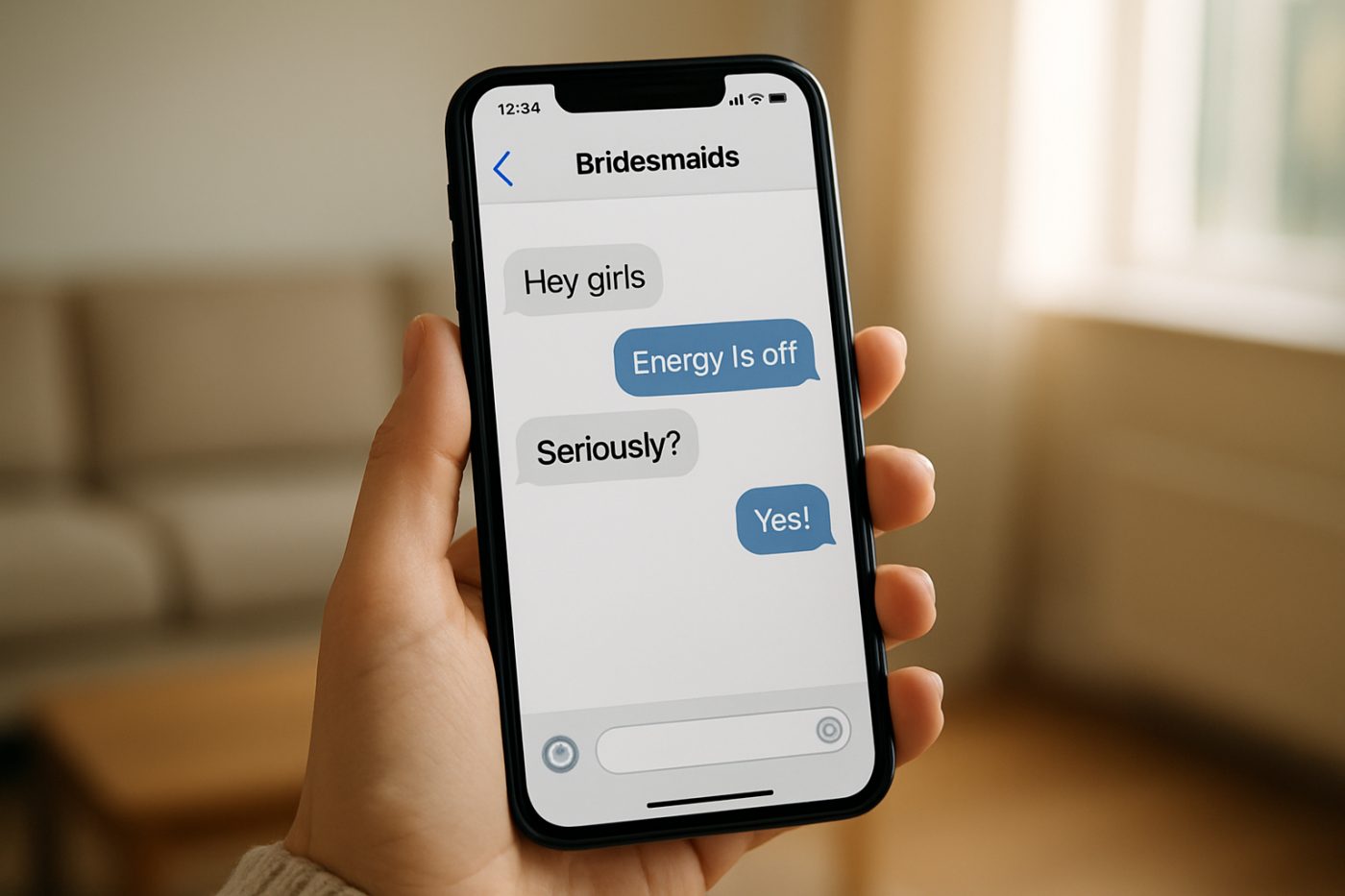
The reason given: "your energy is off". The actual reason arrived, by accident, forty minutes later.
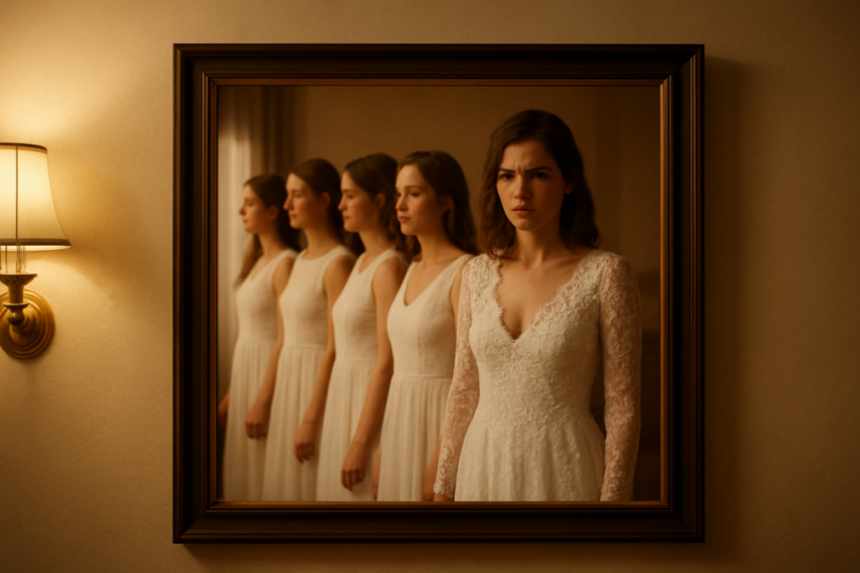
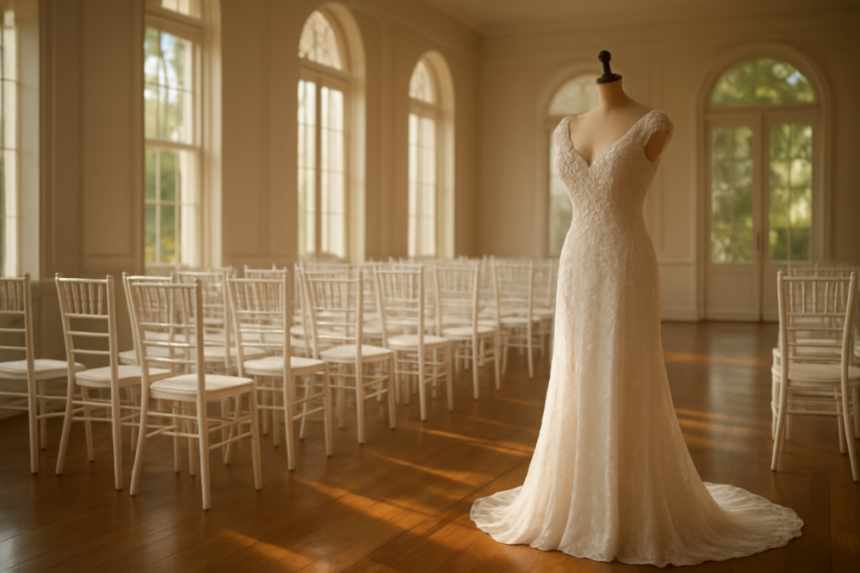
It was white. It was floor-length. It had a small train. She called it oyster and dared the room to argue.
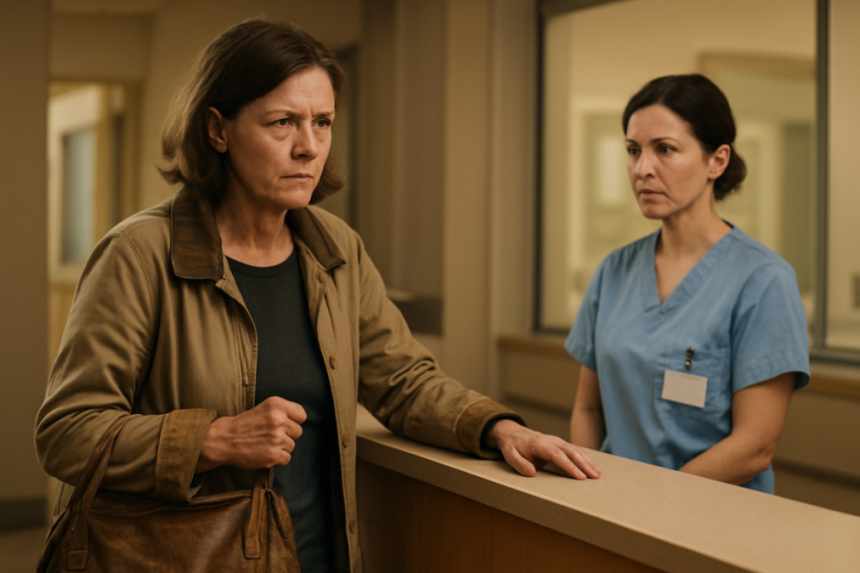
She was my mother-in-law. My actual mother had died in February. The nurse did what nurses do, which is check.
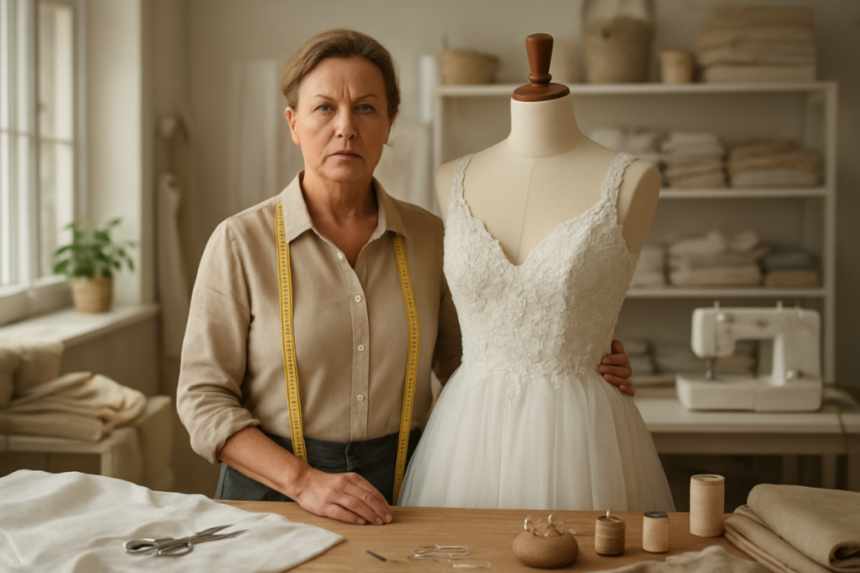
She meant to send it to her sisters. She sent it to the group with me, my mother, and the dressmaker in it.
My father kept one desk drawer locked my whole childhood. After he died I finally opened it. Inside: a second wallet, a second ID with his photo and another name, and a key to an apartment across town.

She said her dress was "cream." It was a floor-length white gown with a small train. She arrived early for photos, positioned herself beside the aisle, and told guests she was "the other bride."
The mother in law drama that lasts is never the loudest kind. The dramatic incidents get the headlines — the outfit, the hospital visit, the announcement made at somebody else's dinner — but read across the archive and a slower pattern turns out to be far more common. It works by increments: a key retained, a nickname that never quite lands, a tradition invented last spring and described as ancestral. Each item is too small to raise without sounding petty, which is precisely what makes it effective. Narrators often say they only saw the shape of it once they wrote the list down. The other consistent finding is that these accounts rarely turn on the relative alone; they turn on a partner who would not choose.
The same behaviour outside a family setting is catalogued under entitled people stories, and its inherited, generational form under family curses. If you write up a mother-in-law of your own, include the boundary you did manage to hold. Accounts that end with one clear sentence finally being said draw the warmest verdicts from readers, whatever happened at the next family lunch.
Each story on the site is a first-person account submitted by a real user, but no one can independently verify every detail. Instead, a reader jury votes on how believable each situation feels, based on the writer’s description and the reactions of others involved. Reading the comments and the vote breakdown can help you decide what rings true to you.
Weddings often trigger strong emotions about control, money, family roles, and loss of influence, especially for parents. When boundaries were already shaky, the stress of planning, expectations, and social pressure can magnify difficult traits like entitlement or jealousy. The stories and jury reactions show a wide range—from genuinely toxic behavior to simple misunderstandings that got out of hand.
Dramatic incidents are less common in everyday life than they appear on a site that collects extreme anecdotes, but difficult in-law dynamics are far from rare. People are more likely to submit and share stories when something outrageous or hurtful happens, so what you read represents the high-drama end of the spectrum. The voting helps highlight which situations readers see as plausible versus over-the-top.
Start by talking privately with your partner so you present a united, calm front about what matters most to you both. Set clear, specific boundaries—what you appreciate help with, and what is non‑negotiable—and repeat them consistently. Many storytellers on the site found that getting on the same page as their spouse-to-be mattered more than “fixing” the interfering relative.
Look at patterns, not one-off incidents: do they regularly ignore your boundaries, or do they apologize and adjust when told they’ve crossed a line? Motive and impact both matter—some relatives are clumsy or traditional but willing to learn, while others use guilt, drama, or surprises (like uninvited guests or outfits) to stay in control. Jury comments on the stories often debate this line, which can help you see how different people interpret similar behavior.
Relationships can shift a lot over time, especially as everyone settles into new roles and daily life replaces wedding stress. Some story writers describe things getting worse, but others report that clear limits, time, and small positive interactions slowly improved mutual respect. Reading a range of stories—and how voters judge them—shows that outcomes vary widely rather than following one fixed pattern.
Jealousy can come from feeling replaced, losing emotional intimacy, or fearing less influence in family decisions. If a parent has tied their identity to caretaking or being “number one,” a new partner can feel like a threat rather than an addition. Many narratives on the site revolve around that shift, and the jury votes often reflect whether readers see the jealousy as understandable insecurity or outright unreasonable.