
The Message in the Steam on the Mirror
Every morning for a week after my sister died, the same three words appeared in the steam on my bathroom mirror as I showered — in her handwriting, which loops the way mine never has.

In this collection of Visits From Beyond Stories, ordinary people share eerie, comforting, and sometimes unsettling moments when they felt the dead had somehow reached across the divide. You’ll find firsthand accounts of strange coincidences after funerals, uncanny warnings, phantom scents, visitation dreams, heard-but-unseen visitors, and symbolic signs that appeared just when someone was grieving or in danger. Each tale is narrated by the person who lived it, describing the setting, the emotion, and the inexplicable detail that convinced them a loved one wasn’t entirely gone.
Nothing here is fact-checked or proven; these are unverified personal testaments, presented exactly as the storytellers experienced them. Some readers see spiritual encounters, others see grief and memory playing tricks, and that tension is the heart of this category. Read the stories, trust your own instincts, and cast your vote on whether you think each encounter really happened.
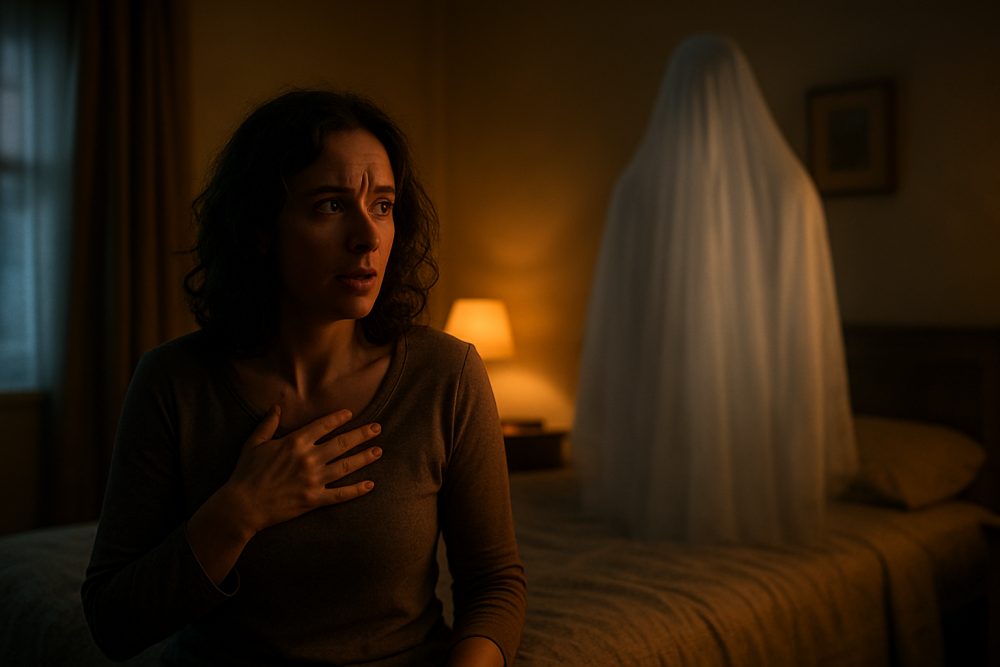
Every morning for a week after my sister died, the same three words appeared in the steam on my bathroom mirror as I showered — in her handwriting, which loops the way mine never has.
My dying father kept greeting his late wife by the window. To humour him a nurse 'noted the visitor' on his chart — and the ward's motion-activated night light, all week, kept switching on by that window at 3 a.m.

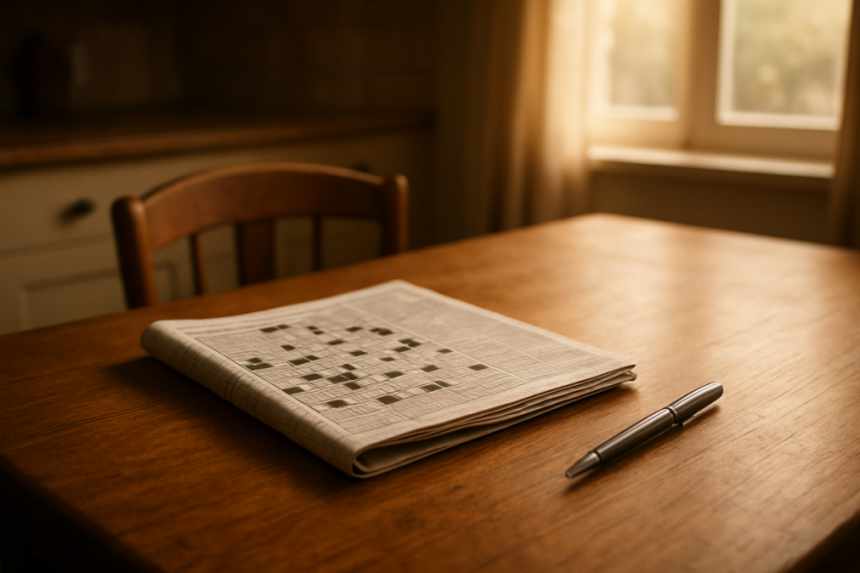
My grandfather and I did the newspaper crossword together every Sunday. The Sunday after he died, the paper on his kitchen table had three answers filled in — in his hand — that hadn't been there the night he passed.
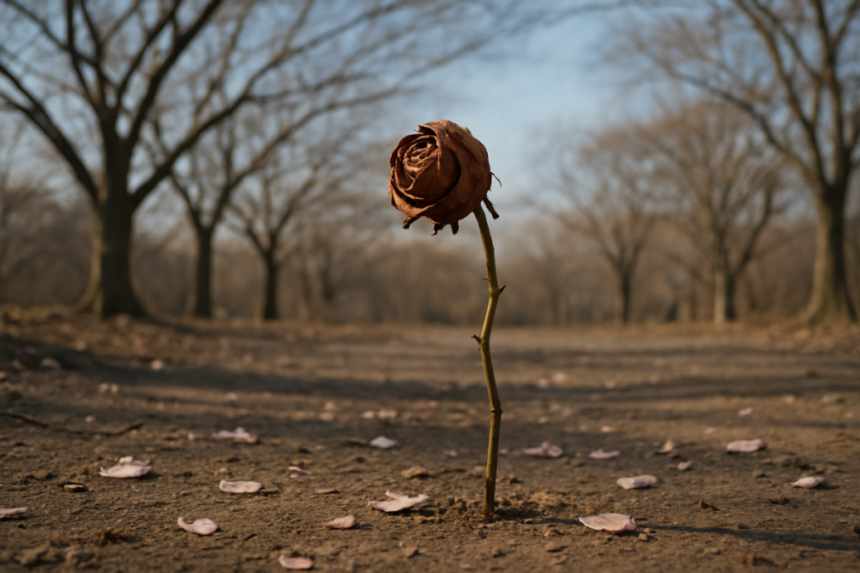
My mother's rose, dead and brown for two winters, opened a single perfect flower on the morning of her funeral — and closed, and browned again, the day after we scattered her ashes there.
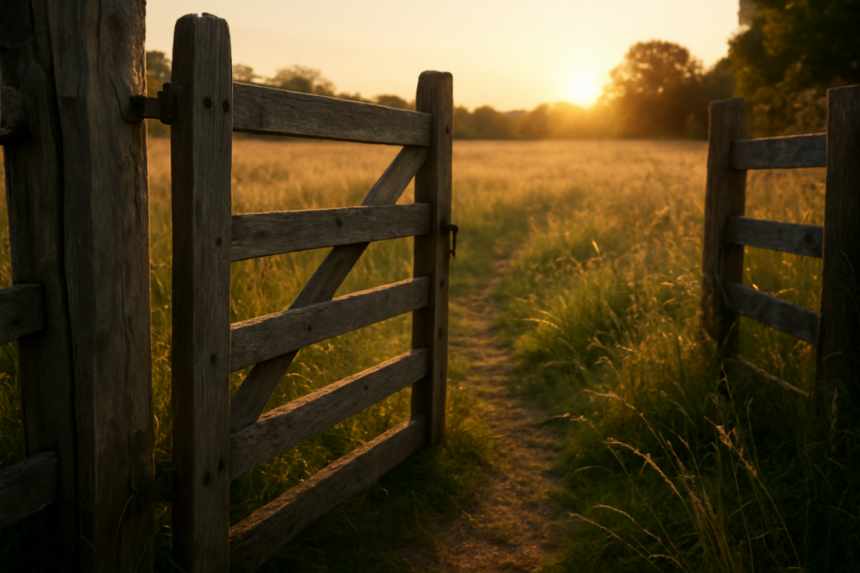
I put the phone down, walked out to lock up, and he was at the gate in his usual place, doing the thing he always did with the bolt.
After my mother died we sold her house. On the final walkthrough, in the stripped and empty living room, the whole family stopped at once: her perfume, thick in the air, in a house with nothing left in it.

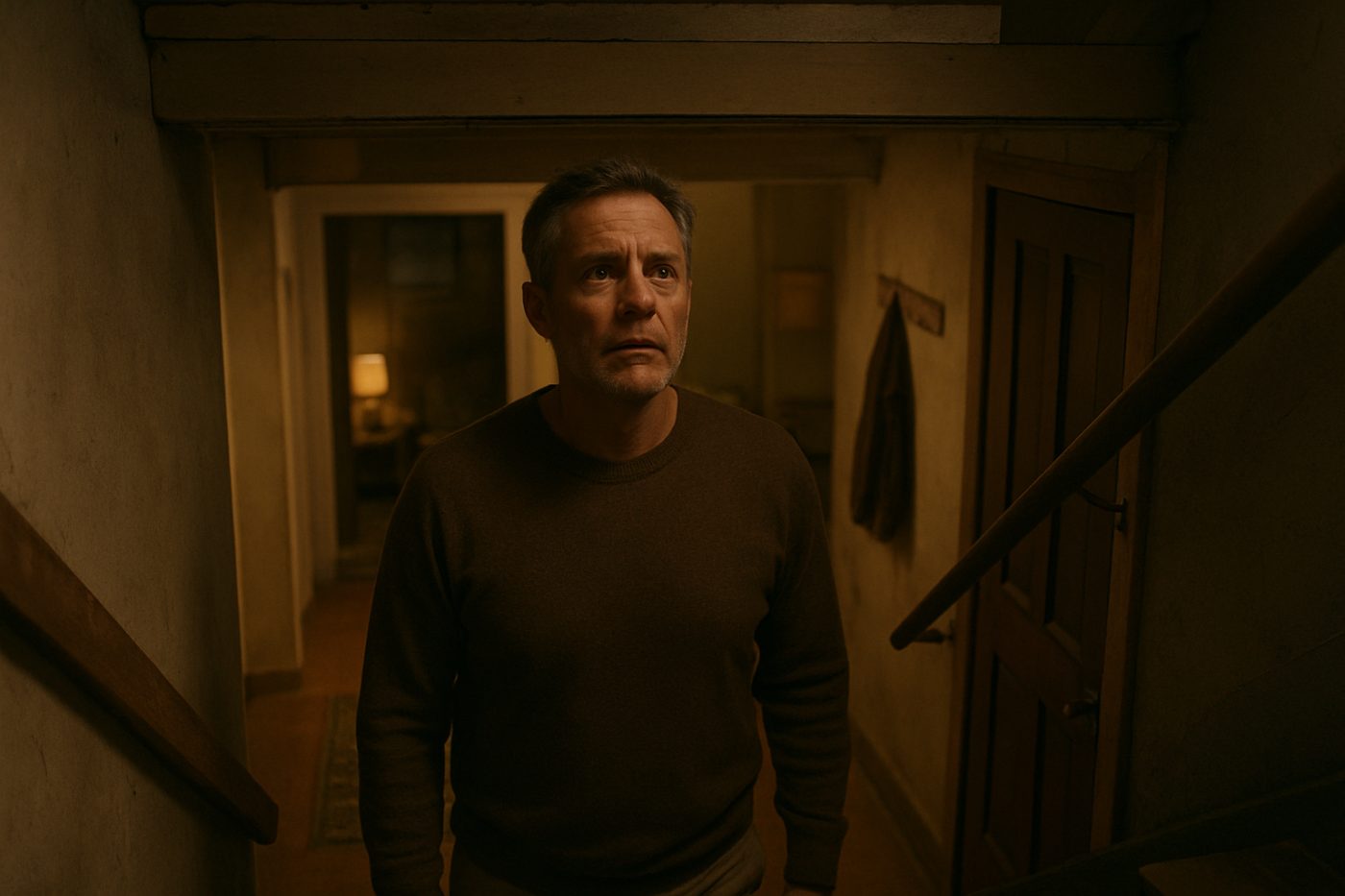
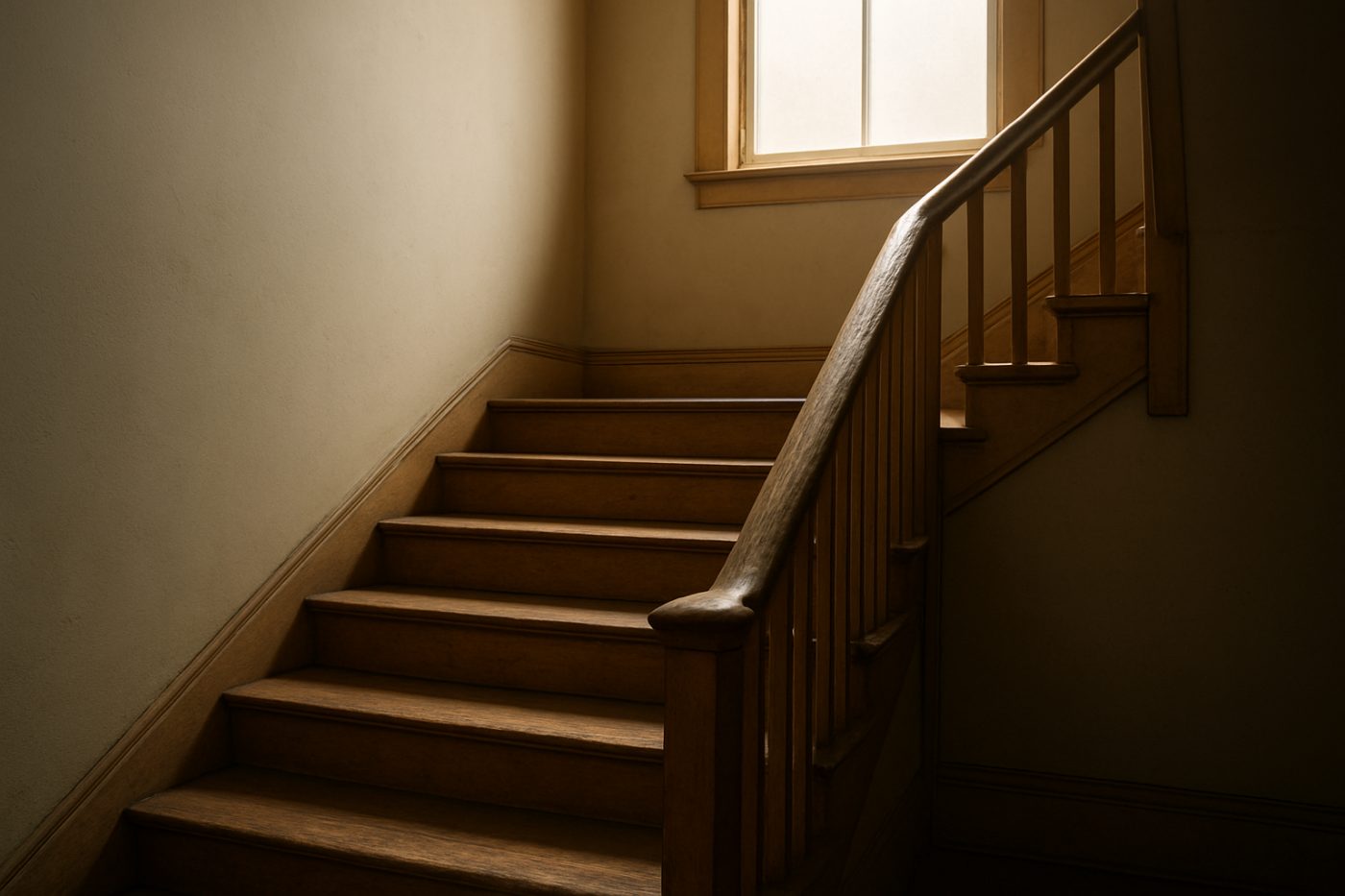
A year after my dad passed, I dreamed him standing at the bottom of the basement stairs, saying "not tonight, not those stairs." I skipped them the next morning. The top step had come loose overnight.
For 'Grandpa's birthday in heaven', my daughter drew a house — green door, crooked chimney, a swing on the left. His childhood home, demolished in 1969, unphotographed in our family.
My father announced himself with a two-note whistle his whole life. At his wake, with forty witnesses and no explanation, it came from the garden — twice, in his exact pitch.
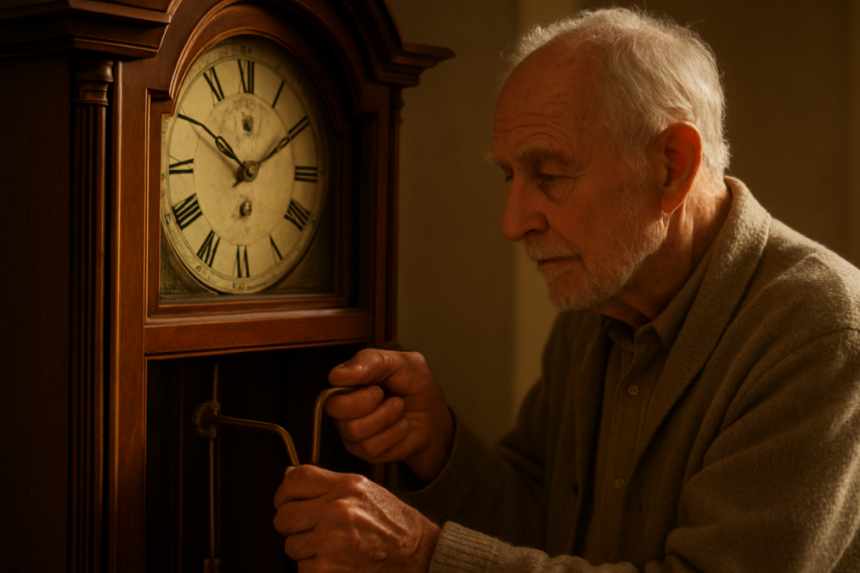
The hallway clock my grandfather wound daily stopped at 4:52 — we learned by phone he'd died at 4:50. It refused repair for a year, then restarted on its own, the morning my daughter came home.
Three weeks after Mum died, she walked me through her garden in a dream, tapped the third brick under the kitchen window, and said 'your father's stubbornness is in there.'
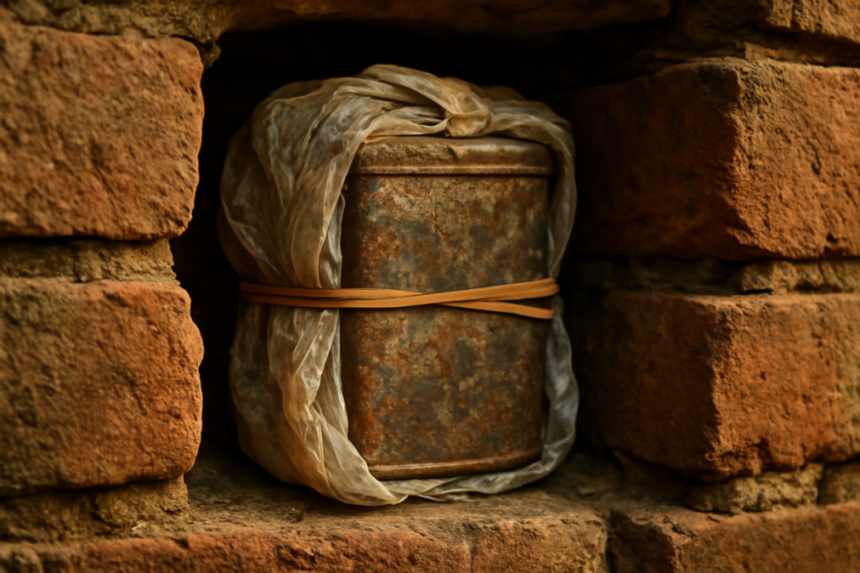
Eight months after my husband's death — five months after his number was recycled — my phone logged a voicemail from it: eleven seconds of his kitchen sounds and one sentence.
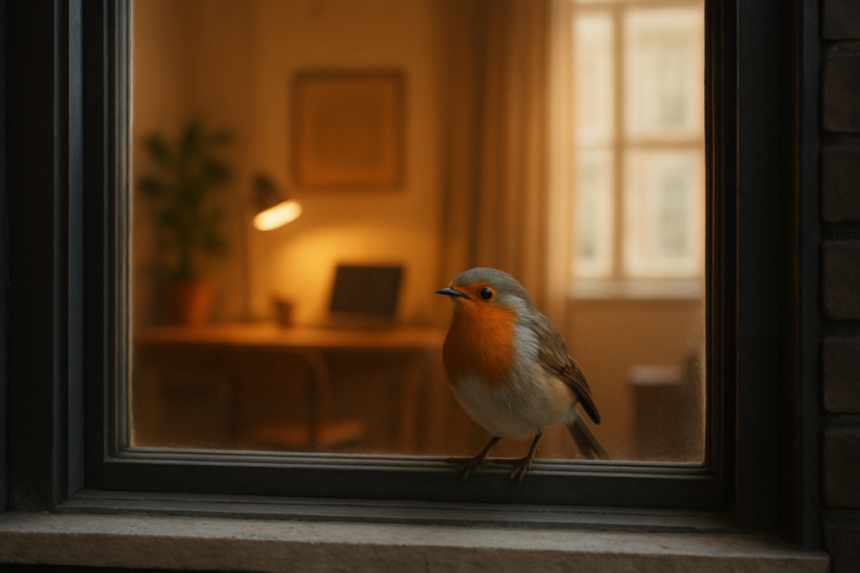
At Dad's funeral we joked he'd 'send a robin like the mugs say.' Within a week, one robin took up residence at each of his four children's homes — four cities, same behaviour.
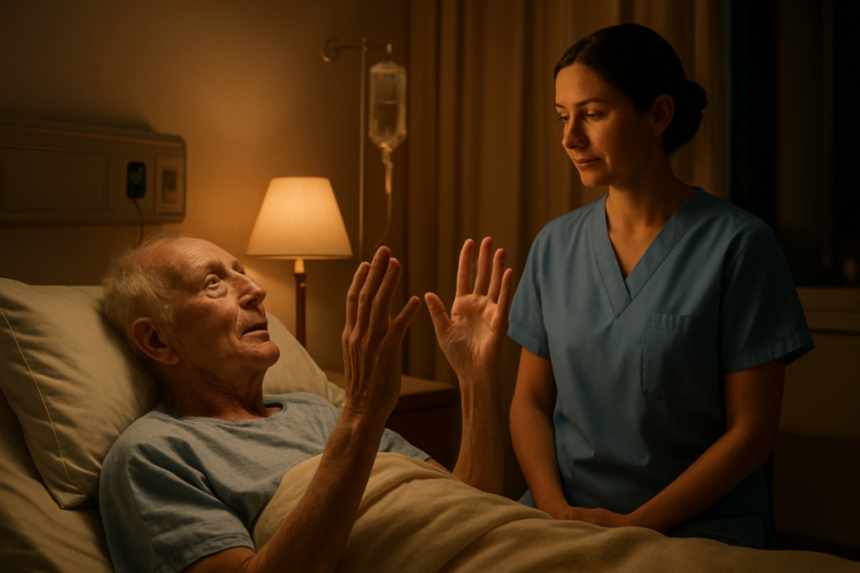
As a new night nurse I was told: 'when they reach up with both hands, call the family.' I've now seen the reach eleven times. It has never once been wrong.
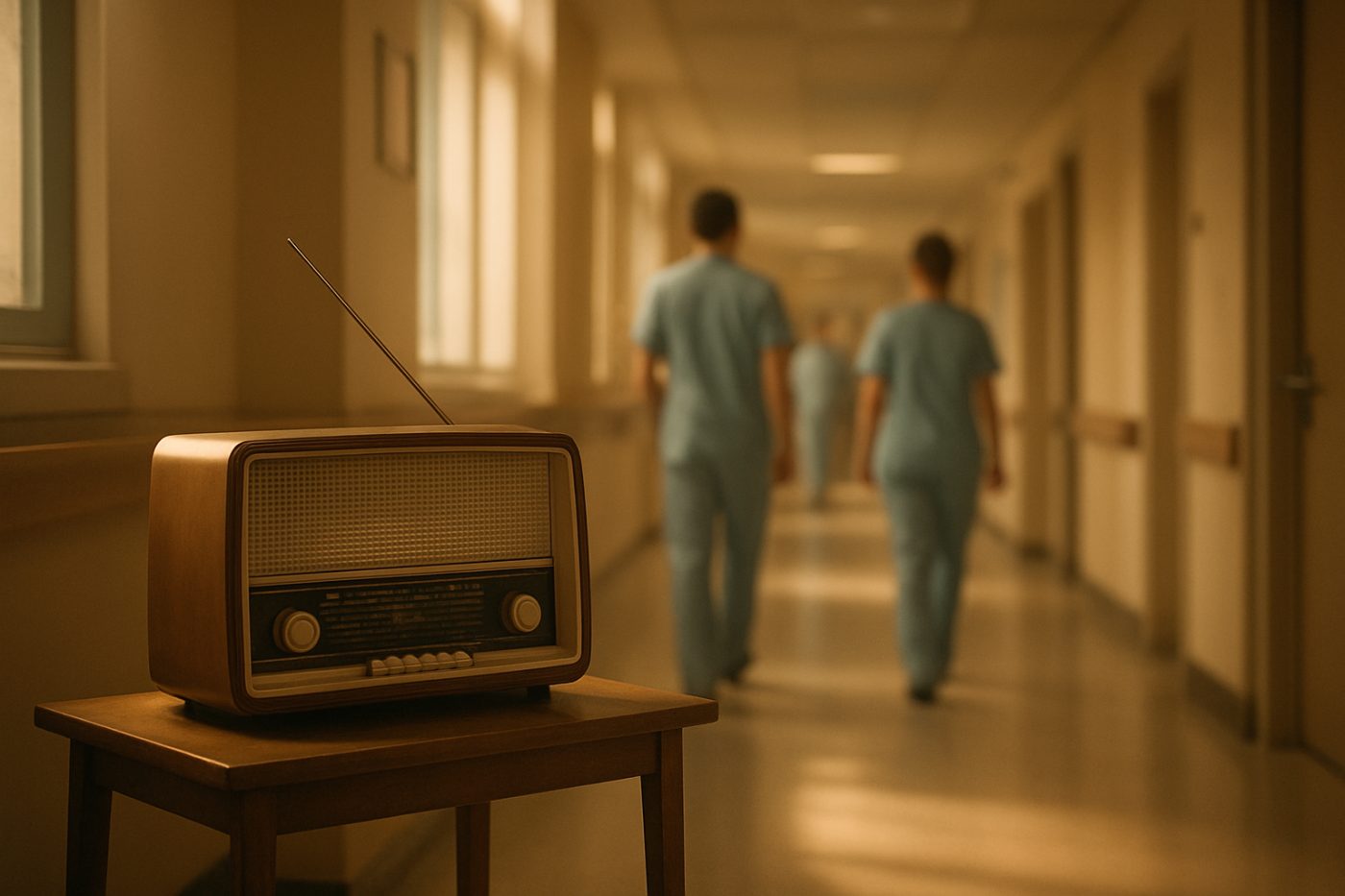
My parents had one song. It played on the hospital radio as Dad died — and it interrupted programming, wrong and unannounced, as Mum's funeral car turned into the cemetery.
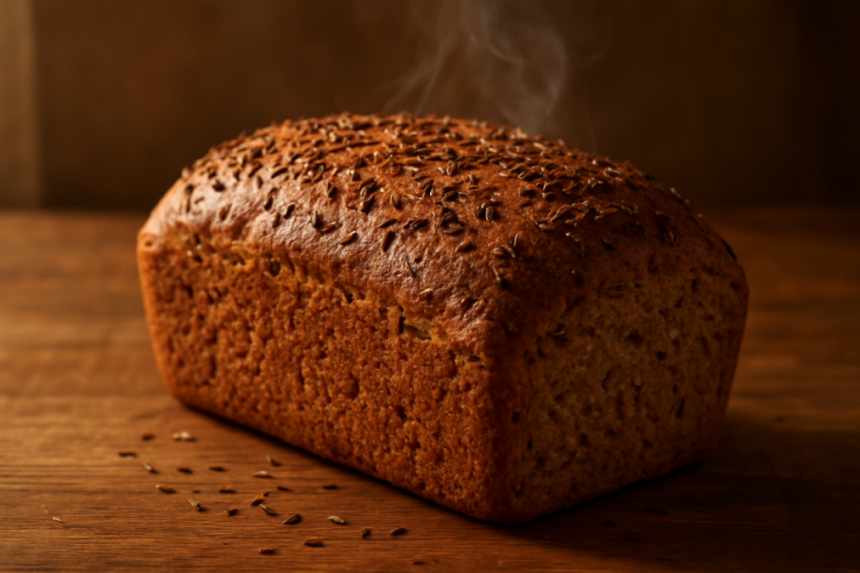
Every year on my grandmother's birthday our house fills with the smell of her caraway bread — and last year, the neighbours across the street asked what we'd been baking.
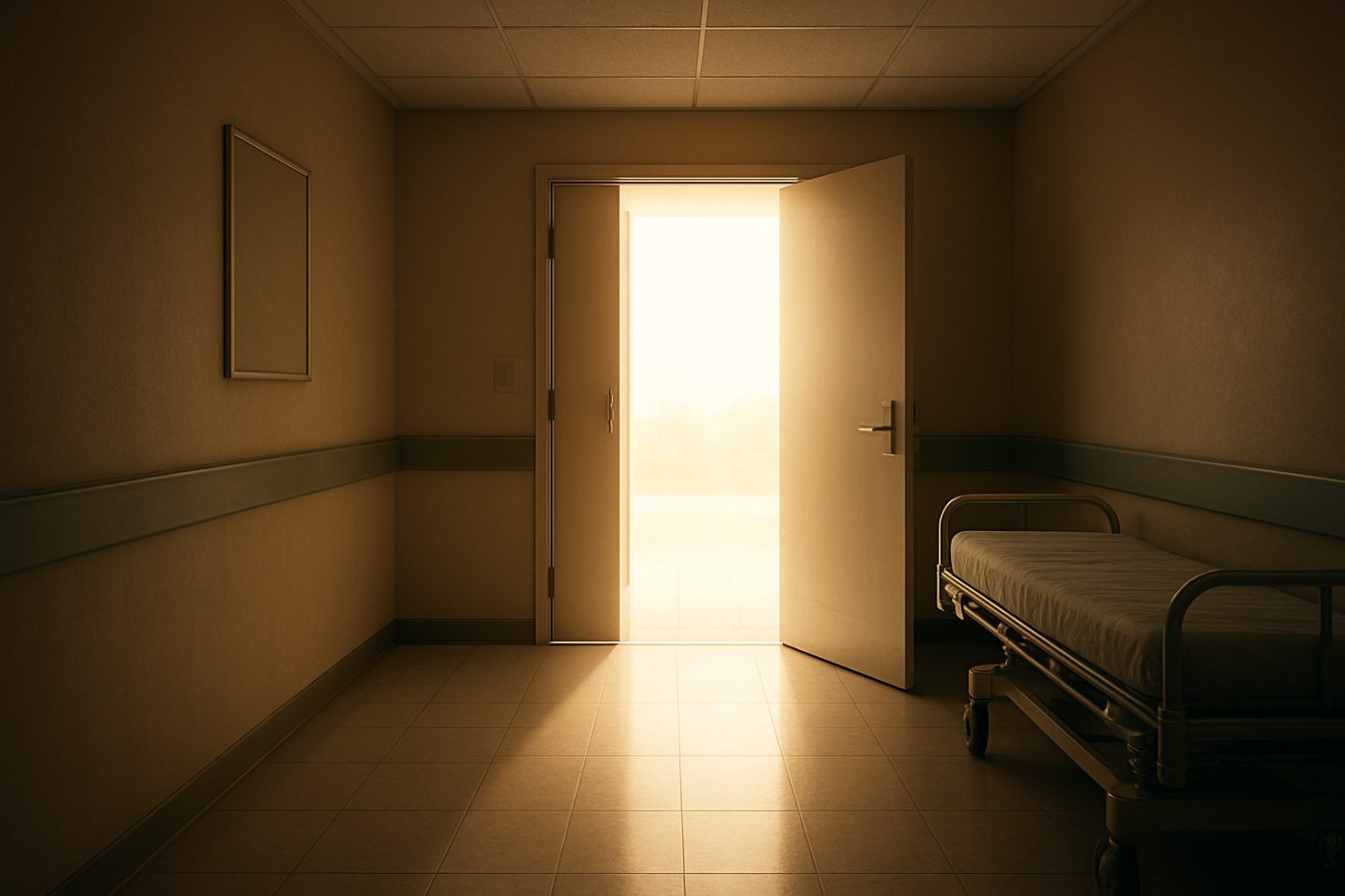
My father, lucid to the end, spent his last morning talking to the doorway — and greeted, by name, the brother we hadn't yet told him had died two days earlier.
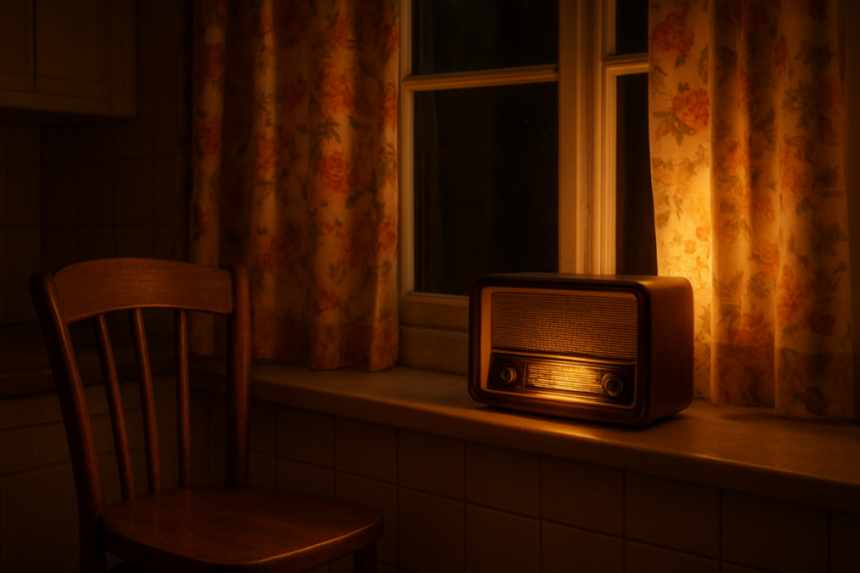
The day after my grandmother's funeral my phone rang from her number, disconnected a week earlier. I answered. There was her kitchen radio, her chair creaking, and one word in her voice before it cut out.
The hall of fame: the best Visits From Beyond Stories of all time
There is a rhythm to these signs from deceased loved ones that becomes obvious once you have read twenty of them. The event almost never happens at the graveside; it waits three weeks, until the casseroles have stopped and the house is quiet. Then a clock, a scent of tobacco, a song on a shop radio at the precise wrong moment. Grief researchers describe this as continuing bonds — the mind keeping a relationship running on very little fuel — and note that the bereaved are primed to spot meaning. What the narrators offer in return is specificity: the phrase only he used, the flower she hated.
Accounts from the last hours of a life are gathered under deathbed visions, and the people who came back with something to report are filed in near-death experiences. Voting on this category tends to be gentler than elsewhere; readers who mark a story fake still say so quietly. If a sign ever found you weeks too late, there is room for it here.
Some people feel sure they are, while others see them as coincidences, grief-driven meaning, or ordinary events that become powerful after a loss. The stories on this page are first-person accounts, so readers can compare the details and then look at the jury votes to see how convincing each one felt to other people. There is no single explanation that fits every case.
Grief can make small things feel charged with meaning, especially when they happen around anniversaries, dreams, or places tied to the person who died. People often notice patterns they would have overlooked before, and some interpret those patterns as comfort or warning. Reading different stories can show how similar events are understood in very different ways.
Reports of sensing a presence, hearing a voice, or noticing an unusual sign are not rare in grief narratives, but the experience itself is not the same for everyone. Some accounts sound emotional and ordinary, while others are vivid and hard to explain, which is why reader voting on these stories can be so interesting. Common does not automatically mean supernatural, but it also does not make the experience meaningless.
Start by noting exactly what happened, when it happened, and what was going on around you, because context matters. It can help to share the experience with someone calm and trustworthy, then compare it with similar accounts in this collection to see how others interpret the same kind of event. If the experiences feel overwhelming or unsettling, it is okay to take a break from focusing on them.
They can be sincerely told and still be hard to verify, especially when they depend on memory, emotion, or private moments. On a reader-jury site, the vote often reflects whether the account feels consistent and detailed rather than whether it can be proven outright. That makes the stories useful for discussion even when the final explanation stays open.
Those settings are already tied to memory, so they can intensify grief and make a moment feel deeply personal. A dream, an empty house, or a family home can also bring up details that seem too specific to ignore. That is one reason many of these accounts are remembered as warnings, visits, or small acts of reassurance.
Yes, because seeing many different accounts side by side helps readers notice patterns, doubts, and emotional cues they might miss in a single story. The jury votes add another layer, showing how believable or ambiguous each account seemed to others. That mix of testimony and judgment is part of what makes this kind of page engaging.