
The Fifth Man On A Four-Man Observation Post
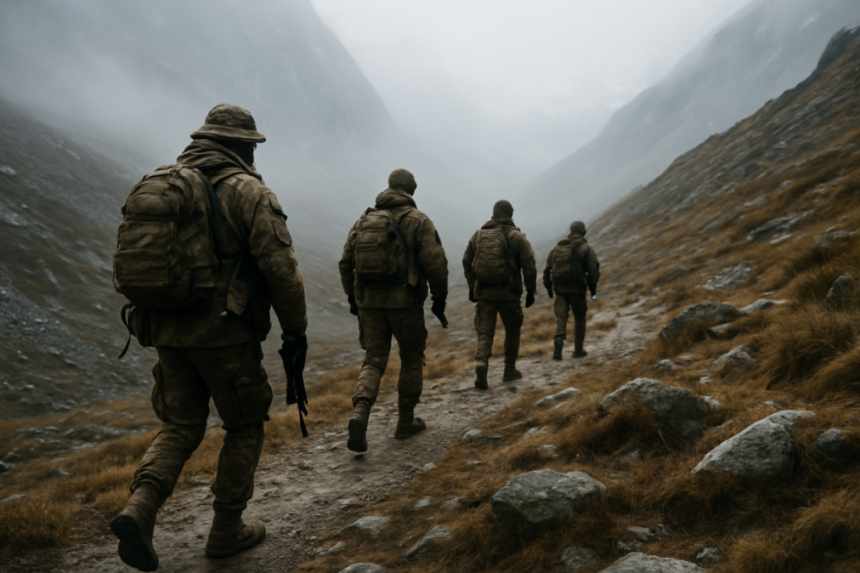
Four soldiers snowed in on a mountain outpost survived six days on short rations and one broken ankle. Every count afterwards came out to five.
War zones, boot camp barracks, midnight watch, and long, lonely deployments—this collection of military stories gathers first‑person veteran stories from people who say they’ve worn the uniform and lived through the moments that never leave you. Here you’ll find raw memories from basic training, strange things seen on guard duty, near‑misses in combat, unexplainable encounters on base, and the quiet psychological battles that happen far from any official report. Every narrative is told in the “I” voice, as remembered by the person who claims it happened.
None of these service narratives are investigated or confirmed; they stand as personal recollections, and the final word on whether they feel authentic belongs to you. As you move through these soldier confessions, eerie barracks tales, deployment memories, and stories from the front line, read closely—and cast your vote on what you believe really went down.
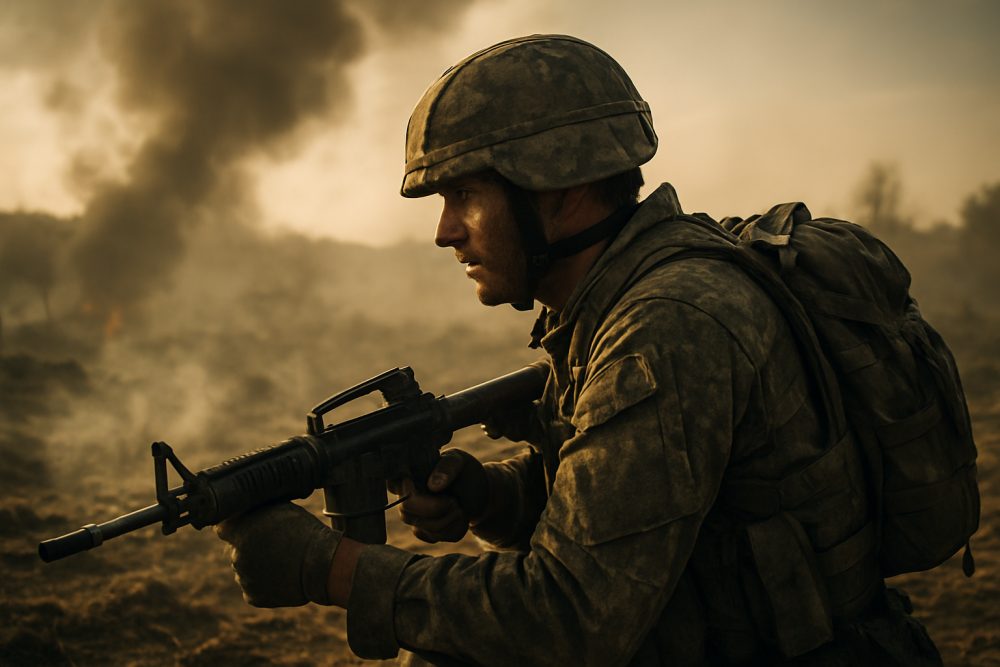
Four soldiers snowed in on a mountain outpost survived six days on short rations and one broken ankle. Every count afterwards came out to five.
Twenty-one years Navy, radar. One midwatch our scopes tracked returns dropping forty thousand feet in a sweep, three consoles agreeing with each other and with nothing else on earth. The order came down to reclassify them as weather, and I was the one who typed it.

He was one push-up away from walking out of basic training forever. Then a platoon of exhausted strangers did something no drill sergeant ordered them to do. Years later, he pulled me out of a fire. Funny how that works.
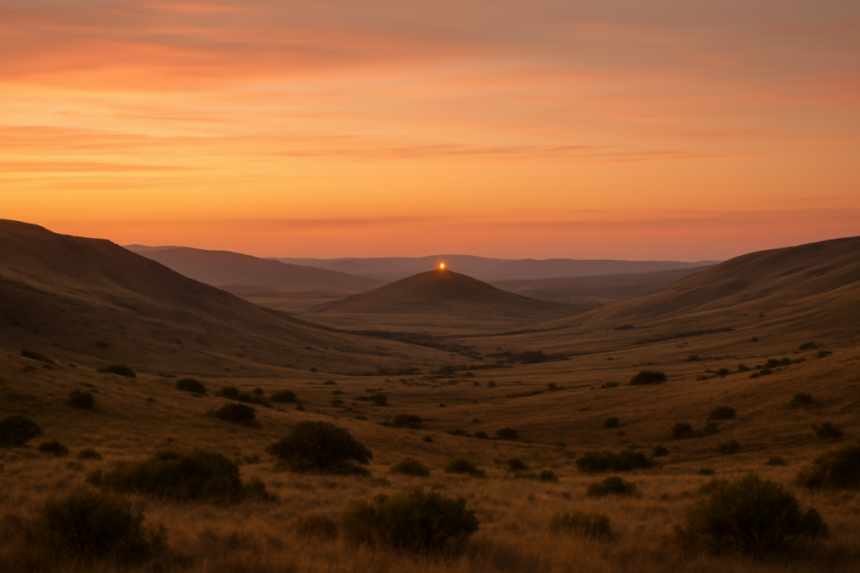
Every night on watch at our outpost, a single light appeared on a hill where no light should be. For a month we tried to explain it away. What we finally learned about that light changed how I think about the people on the other side of any line.
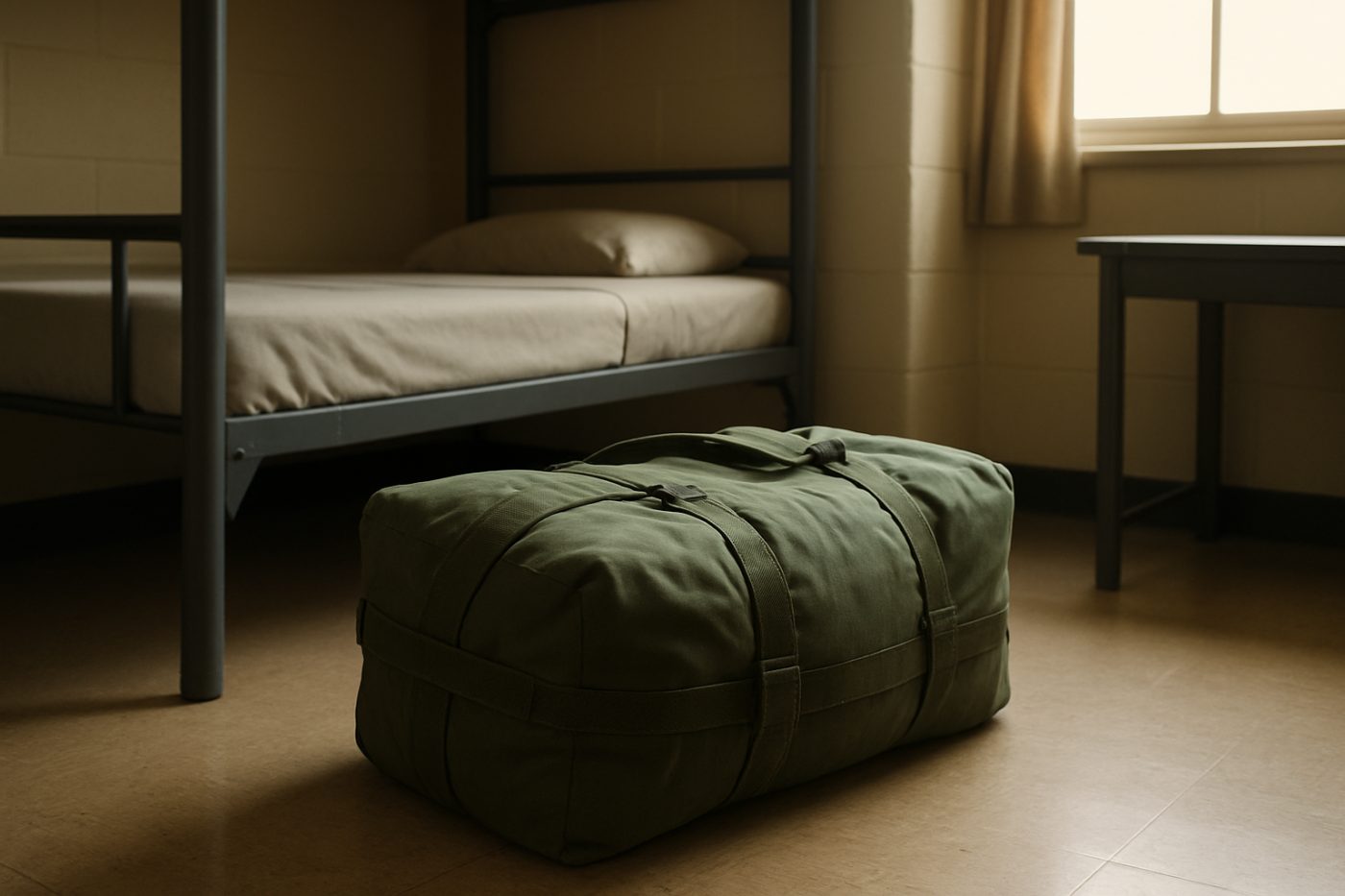
Fresh out of basic and stuck pulling gate guard on the loneliest post on base, I learned that the boring jobs are where you actually find out what you are made of. One frozen night, a stalled car, and a decision I still stand by.
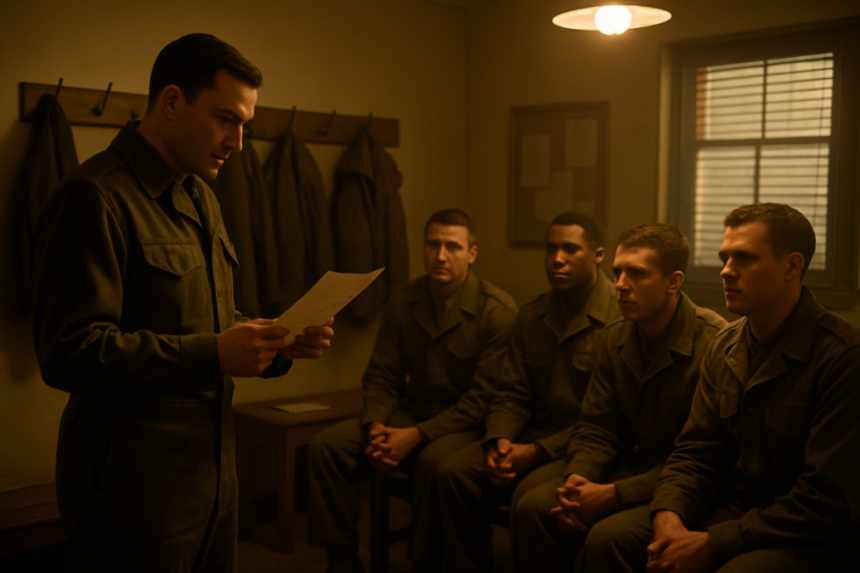
For three weeks on deployment, I would come back from the midnight radio shift to find my rack made tighter than I ever could and my boots squared away. Nobody would admit to it. The answer, when it came, undid me.
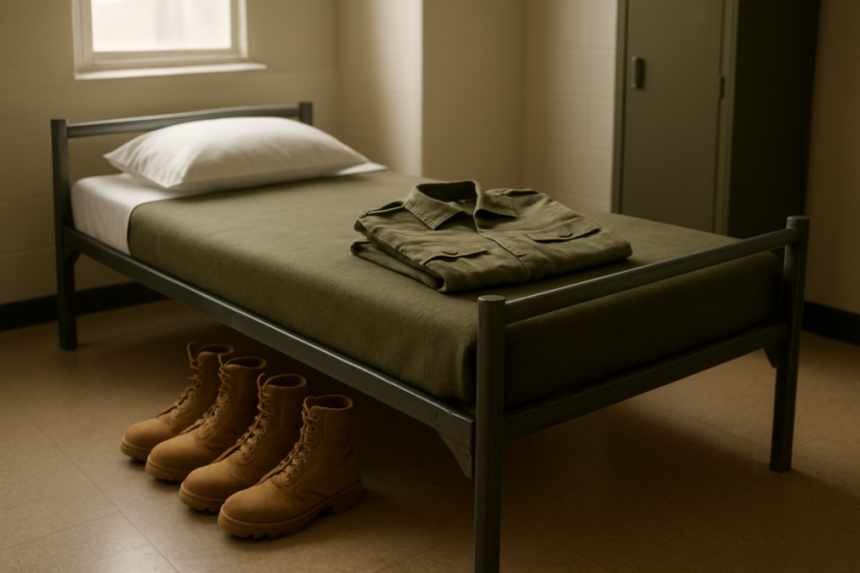
A recruit with no family to write him gets swept into a letter-writing program, and a retired schoolteacher he never met becomes the voice that carried him through basic and, years later, through a deployment far worse.
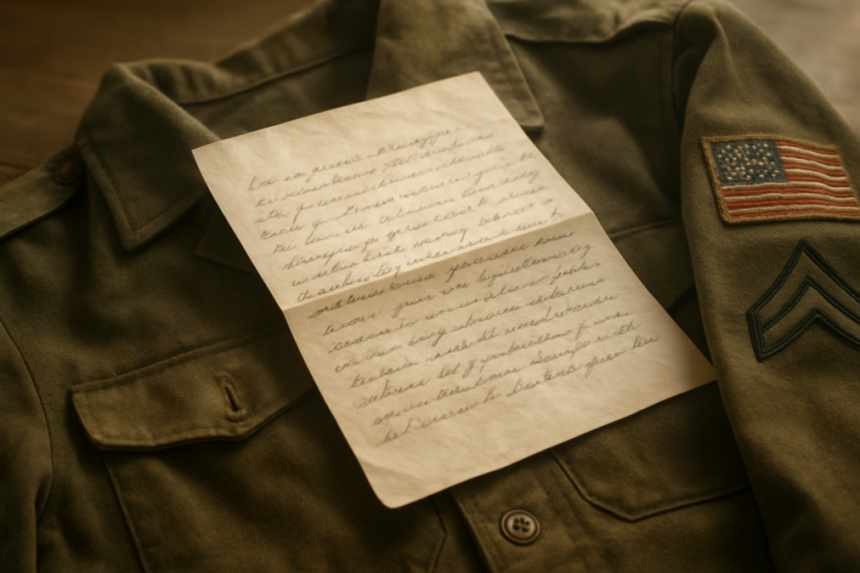
A routine road, a bad feeling, and a driver who trusted his gut over the map. This is the closest I have ever come, and the reason I still call a man I served with every single year on the same date.
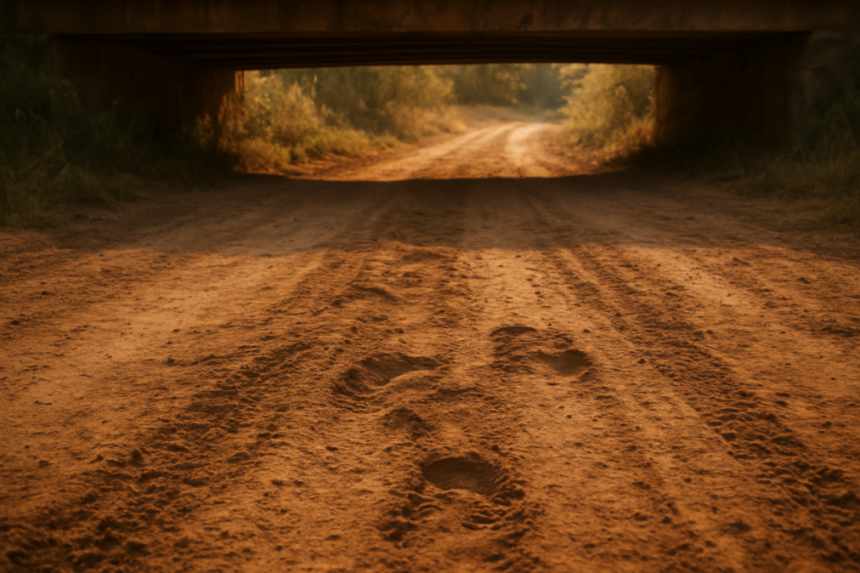
It started as a joke to keep our spirits up in the worst week of basic training. It ended with sixty recruits doing push-ups in the sand while a drill sergeant interrogated a bath toy. I regret nothing.
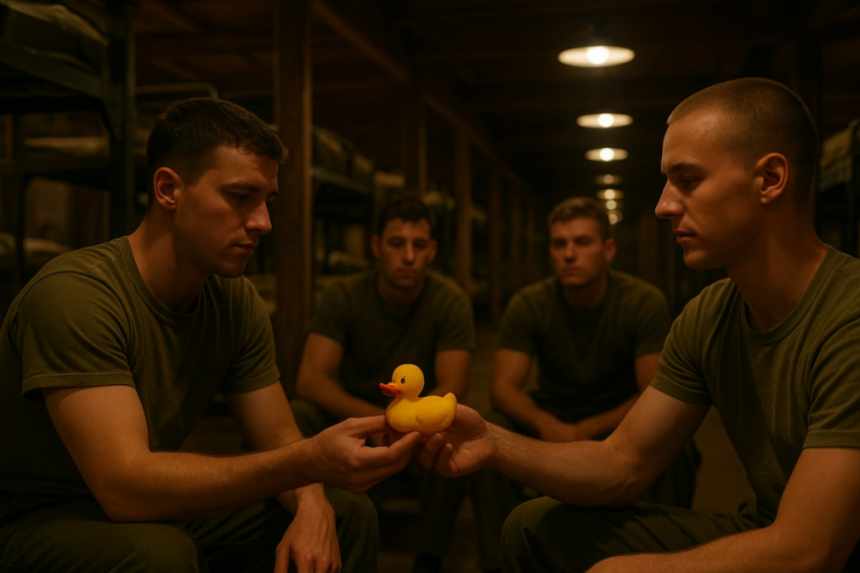
Deployed to an old base built over an even older one, we slept in barracks that housed men before us -- and, some of us swear, still did. I did not believe in ghosts until the night the third bunk answered back.
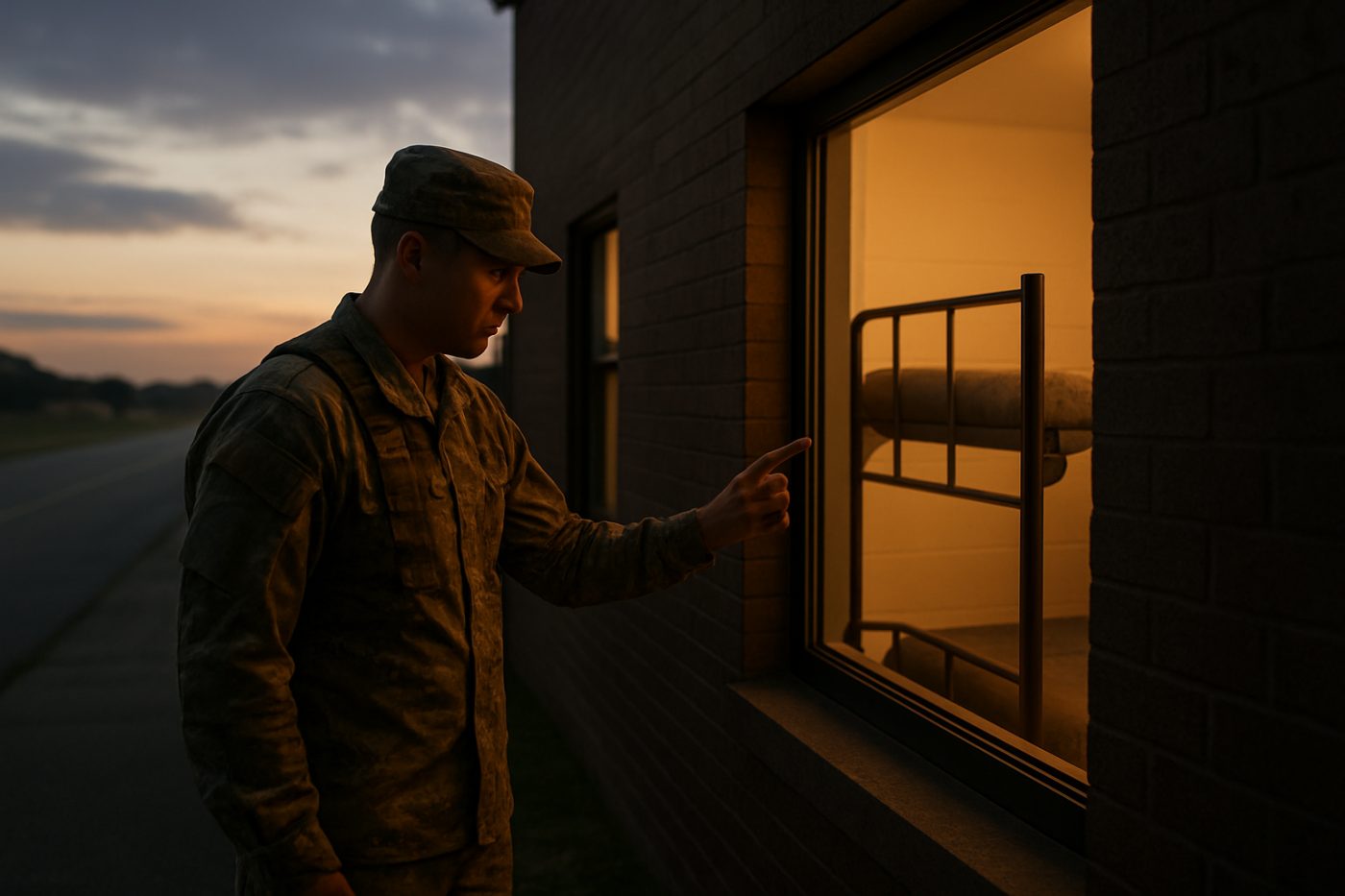
In basic I hated the drill sergeant who screamed about hydration and boot socks. Two years later, in a place I will not name, his stupid little rule was the reason I walked away from something that should have broken me.
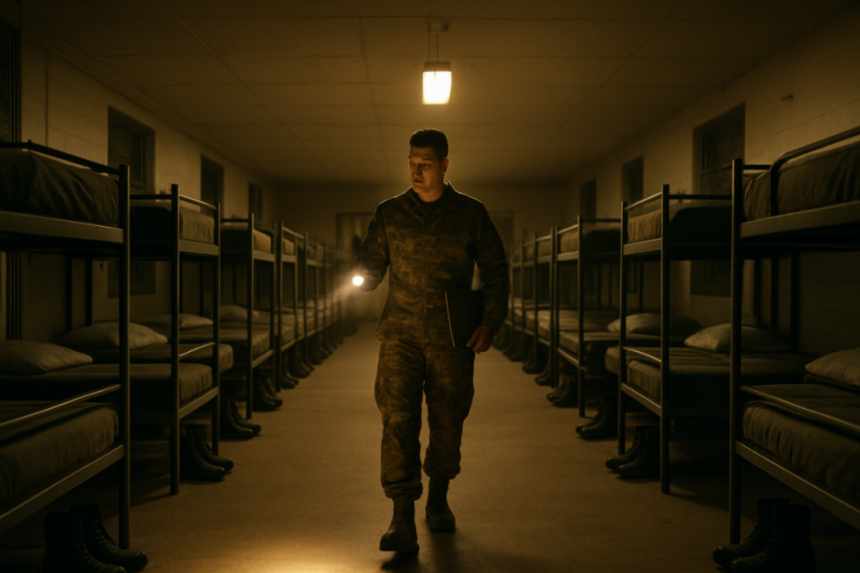
A scared recruit pulls his first fire watch shift and discovers the strange comfort of guarding forty sleeping strangers in the dark. Was it duty, or the first night they became my family?
The hall of fame: the best Military Stories of all time
An unusual number of these army stories come with a second witness attached, which is rare for this site. Duty is rostered in pairs, someone else signed the same logbook, and narrators can often name the person who saw it too — even if that person has never spoken about it since. The other recurring feature is understatement. Writers who have been trained to file reports tend to describe a genuinely alarming night in flat, sequential sentences, which readers sometimes misread as indifference. Where sceptics push back hardest is on the physiology: sleep debt, cold, poor lighting and buildings with acoustics designed for nothing in particular.
Accounts from training itself are gathered under boot camp, and the ones written from overseas postings under deployment. Military stories draw a noticeably more forgiving jury than most categories, though the vote turns quickly when a rank, a piece of kit or a date does not sit right. If you carried something out of service that you have only ever told sideways, the court will hear it.
Some are completely real, some are exaggerated, and some mix memory, stress, and hindsight in ways that make them hard to verify. On this site, readers can compare the account, notice details that feel consistent or shaky, and see how the jury votes on whether the first-person story really happened.
Military life can be intense, repetitive, and strange enough that ordinary events sound unreal to people who have never lived them. A story may feel wild because of fear, sleep loss, boredom, or the pressure of training and deployment, not necessarily because it is false.
Look for specific details, a consistent timeline, and small realistic touches rather than perfect drama from start to finish. It also helps to read several accounts and compare how the jury responds, since crowd judgment can reveal which parts feel grounded and which sound uncertain.
Those small details often matter most because daily military life is built around routine, discipline, and long stretches of waiting. The most memorable moments are not always big battles; sometimes they are the quiet, eerie, or unfair events that stick with someone for years.
Believable accounts usually include ordinary language, imperfect memory, and consequences that fit the situation. When you read these stories, notice whether the writer admits uncertainty and whether the jury’s vote matches your own sense of how the events unfold.
Very common in the sense that long hours, fatigue, and isolation can make ordinary situations feel unsettling. That does not mean every odd experience is paranormal or exaggerated; often it is simply what tired people notice when they are on guard or under stress.
It is better to stay open-minded than to accept or dismiss everything at once. Read carefully, compare details, and pay attention to the jury votes, which can help show whether a story feels convincing to a wider group of readers.