
The Fifth Man On A Four-Man Observation Post
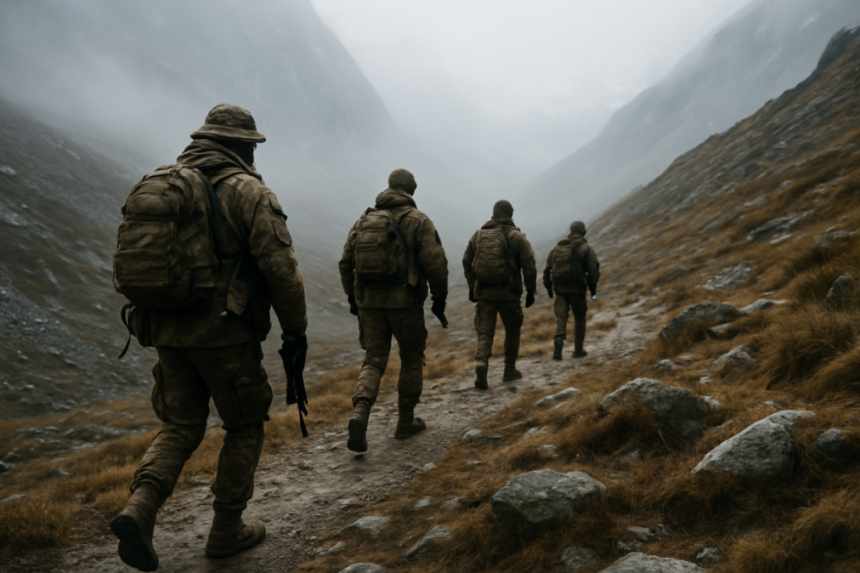
Four soldiers snowed in on a mountain outpost survived six days on short rations and one broken ankle. Every count afterwards came out to five.
Deployment isn’t just dates on a calendar; it’s midnight shifts, cramped bunks, flight lines, forward operating bases, and the strange quiet between missions. These are stories from the war as the people inside them tell it. In this section, you’ll find first-person accounts from people living out tours overseas, basic training memories that echo into combat zones, and life in the barracks when the lights go out and the runway never really sleeps. Some stories focus on the split-second choices that change everything, others on the letters, rituals, and superstitions that keep you going far from home.
Every story here is told by the person who claims to have lived it, from boot camp to downrange rotations to long nights on post, but none of these experiences are independently confirmed. Instead, the reader jury decides: you vote on whether each account feels true, exaggerated, or impossible. Dive in, trust your gut, and cast your vote.
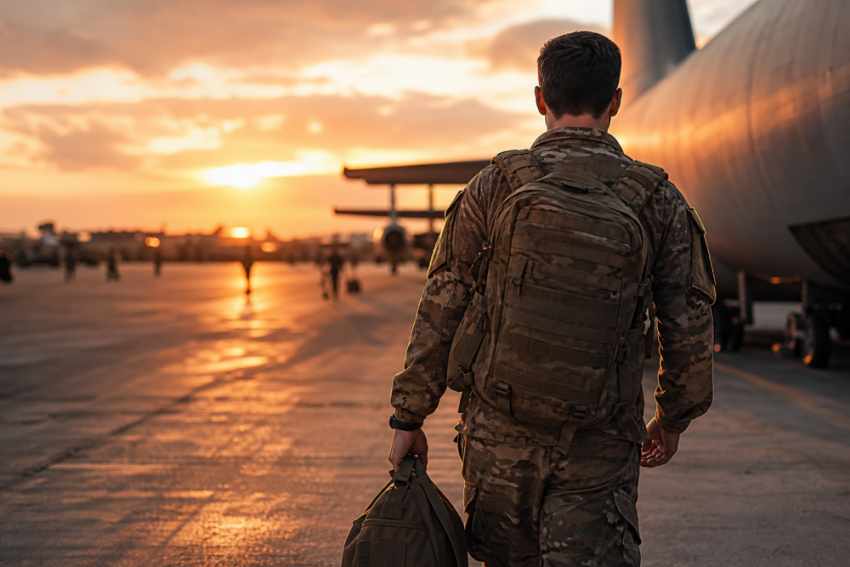
Four soldiers snowed in on a mountain outpost survived six days on short rations and one broken ankle. Every count afterwards came out to five.
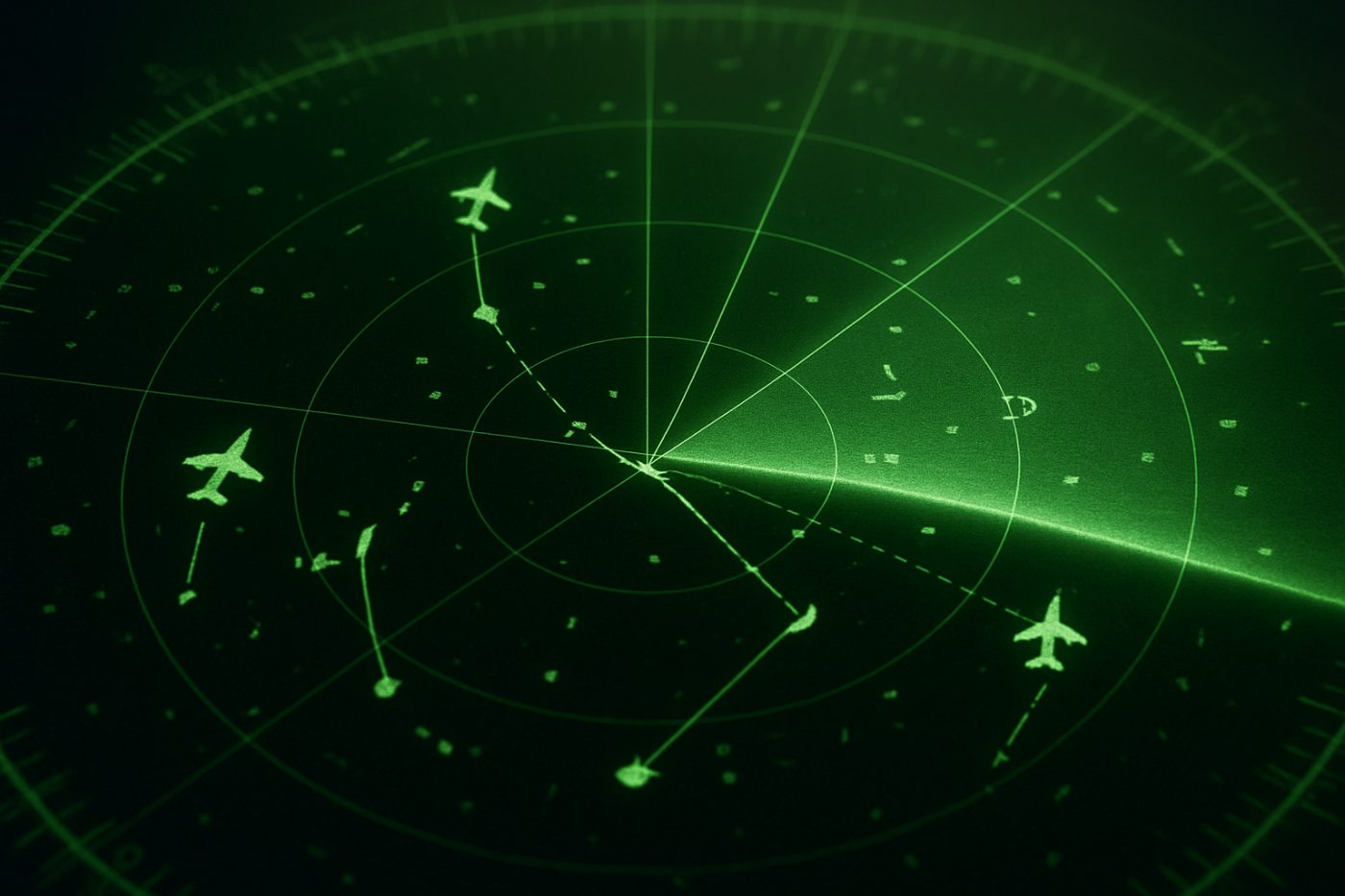
Twenty-one years Navy, radar. One midwatch our scopes tracked returns dropping forty thousand feet in a sweep, three consoles agreeing with each other and with nothing else on earth. The order came down to reclassify them as weather, and I was the one who typed it.
He was one push-up away from walking out of basic training forever. Then a platoon of exhausted strangers did something no drill sergeant ordered them to do. Years later, he pulled me out of a fire. Funny how that works.
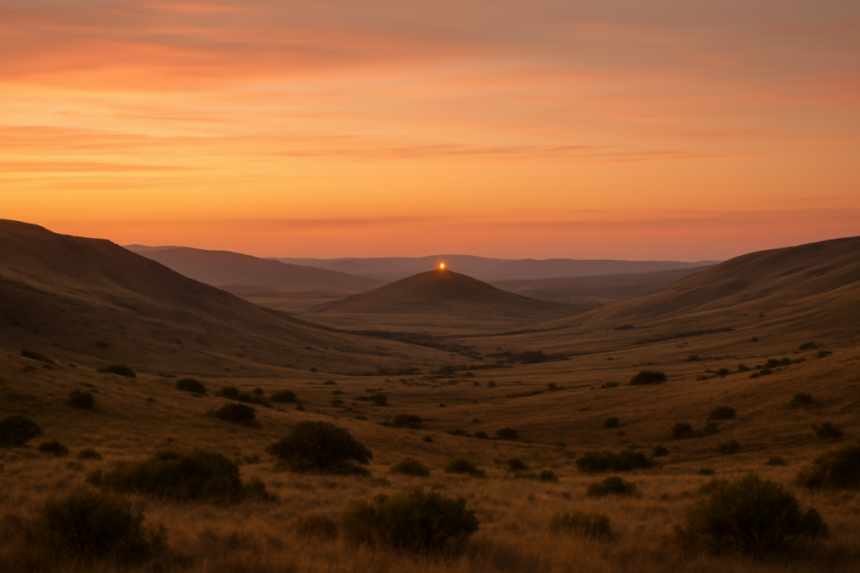
Every night on watch at our outpost, a single light appeared on a hill where no light should be. For a month we tried to explain it away. What we finally learned about that light changed how I think about the people on the other side of any line.
For three weeks on deployment, I would come back from the midnight radio shift to find my rack made tighter than I ever could and my boots squared away. Nobody would admit to it. The answer, when it came, undid me.
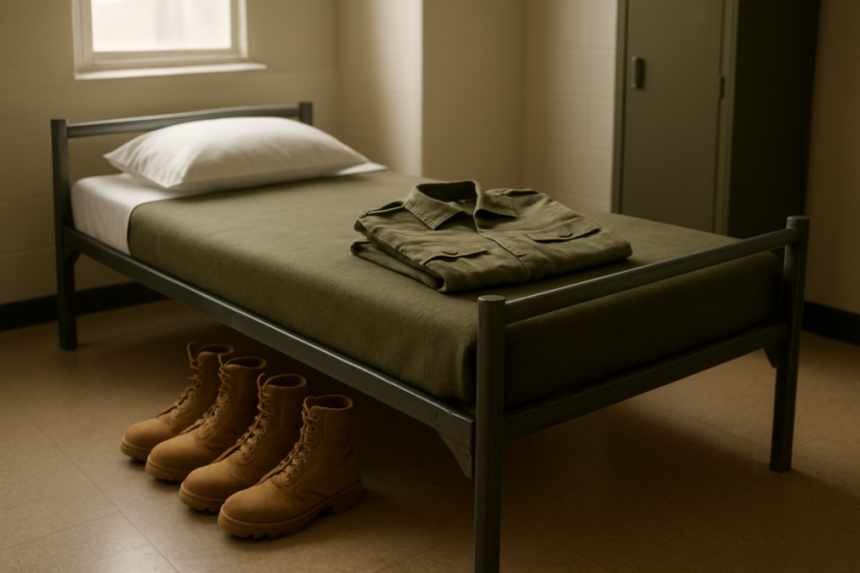
A recruit with no family to write him gets swept into a letter-writing program, and a retired schoolteacher he never met becomes the voice that carried him through basic and, years later, through a deployment far worse.
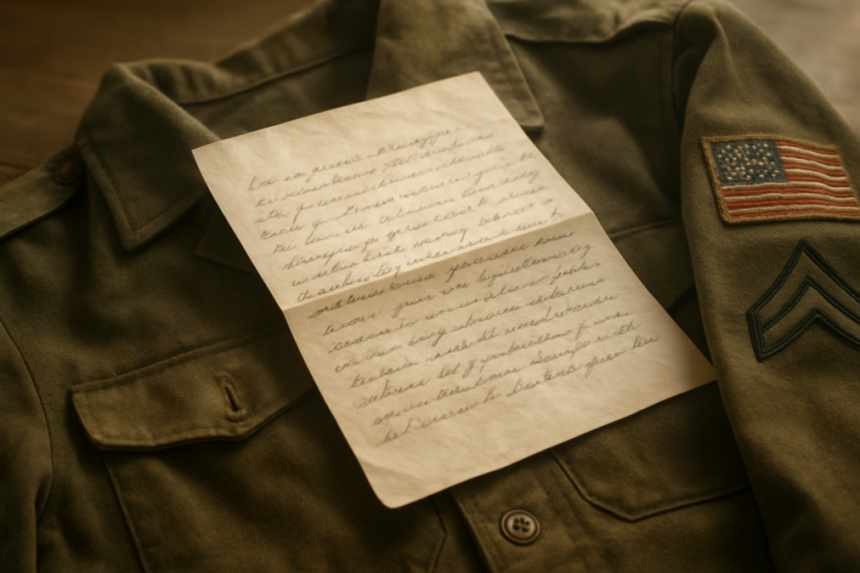
A routine road, a bad feeling, and a driver who trusted his gut over the map. This is the closest I have ever come, and the reason I still call a man I served with every single year on the same date.
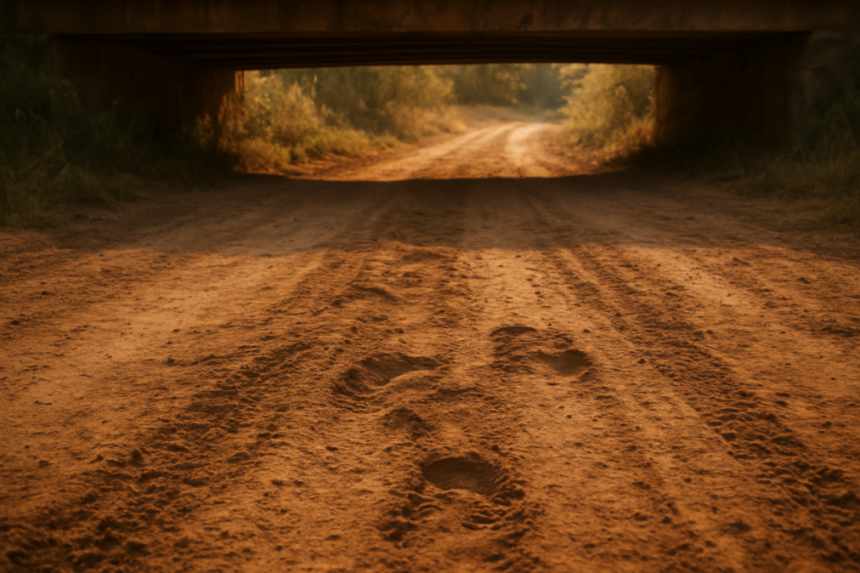
Deployed to an old base built over an even older one, we slept in barracks that housed men before us -- and, some of us swear, still did. I did not believe in ghosts until the night the third bunk answered back.
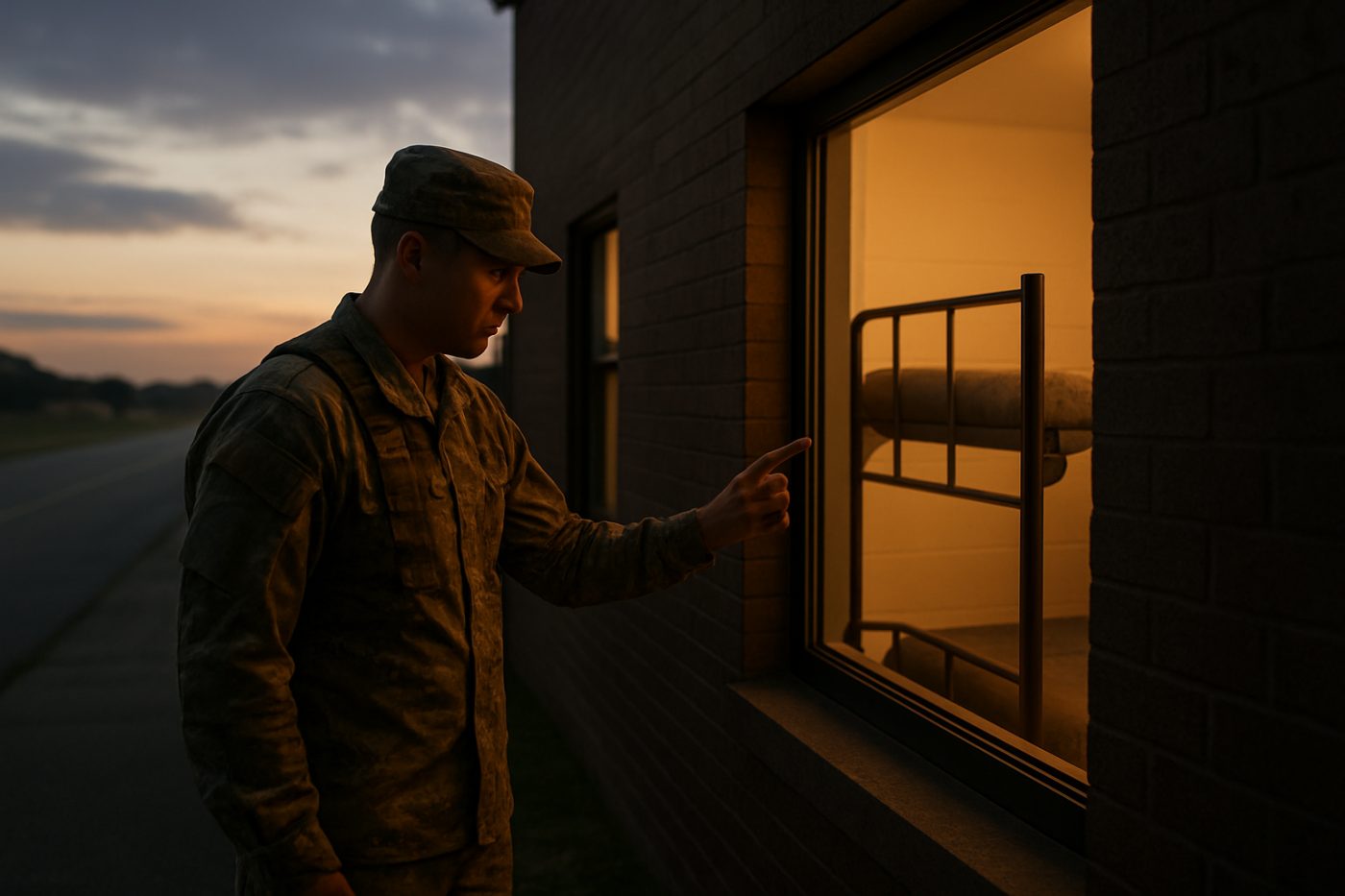
In basic I hated the drill sergeant who screamed about hydration and boot socks. Two years later, in a place I will not name, his stupid little rule was the reason I walked away from something that should have broken me.
A tour abroad compresses time, and the stories from the war collected here keep circling back to it. Weeks of nothing, described in a paragraph. Then four minutes that get three pages and a decade of thinking about. The recurring material is not combat but logistics and superstition: the order things go into a bag, the seat nobody takes, the habit of checking a strap twice that later turns out to have mattered. Post arrives in the wrong order, so news is read out of sequence and a birthday is celebrated a month late. Psychologists would call much of the ritual described here a reasonable response to having no control over anything.
The wider service archive is military stories, and the accounts that turn on one decision going the right way are gathered under survival stories. If you write up a deployment of your own, the quiet weeks are worth including. Almost nobody does, and the ones who do are the easiest to believe. The drama looks after itself.
Every story is submitted as a true first-person account, and our reader jury votes on whether they believe it really happened. Some tales may sound unbelievable, but you can see how other readers judged each one and weigh the details for yourself.
High-stress environments, isolation, and long hours can make ordinary events feel surreal or magnify small details. Reading these accounts, along with the jury’s skepticism or belief, shows how different people interpret the same kind of pressure-cooker situations.
People serving away from home often report odd sounds, coincidences, or moments they can’t fully explain, especially on night shifts or in old barracks. Whether you think they’re rationally explained or not, the jury votes help highlight which stories feel plausible to most readers.
In hazardous environments, simple habits—like how you pack, where you stand, or what you always check—can make a huge difference in rare but critical moments. Many stories here focus on those seemingly minor choices, and the jury responses reflect how believable that chain of events seems.
Yes, it’s very common for people to replay a few sharp, vivid memories, especially ones involving fear, close calls, or big turning points. When you read these narratives and the accompanying votes, you’ll see how often a few seconds can define someone’s entire tour in their mind.
Long hours, fatigue, and shared stories can make buildings or remote posts feel charged with presence, even when nothing is there. The accounts on this site capture that atmosphere, and the jury’s reactions can help separate possible misperceptions from experiences that many find convincing.
It can help to pace yourself, step away when a story hits too close to home, and focus on ones that feel manageable or hopeful. You can also use the jury votes as a guide, choosing accounts that readers marked as calmer or more reflective rather than the most disturbing ones.
For some, seeing similar experiences written down can normalize what they went through and put words to feelings they haven’t described before. Comparing your reactions to the jury’s comments and votes may also offer perspective on how others interpret events like yours.