
Ecologists Watched A Silent Craft During Night Wildlife Survey
Three ecologists on a night bat survey watched a soundless object cross the moor. Their instruments recorded eleven minutes of complete silence.
Real UFO stories rarely begin with a spaceship. Some nights it’s a strange light over a field, other nights it’s something silent pacing a plane at altitude, or a shape hanging over a harbour while everyone swears they saw nothing. Here you’ll find first‑person encounters with unexplained aerial phenomena: odd glows that keep perfect time with anniversaries, objects slipping into wedding photos and traffic footage, craft that appear on screens and then vanish from the record, and rural skies that suddenly hum with impossible technology. Every account is told in the writer’s own words, with all the fear, wonder, denial, and small‑town secrecy left in.
These narratives aren’t investigated, certified, or debunked by experts; they live or die on what you, the reader jury, believe. Read each one, weigh the details, decide whether it really happened, and cast your vote.
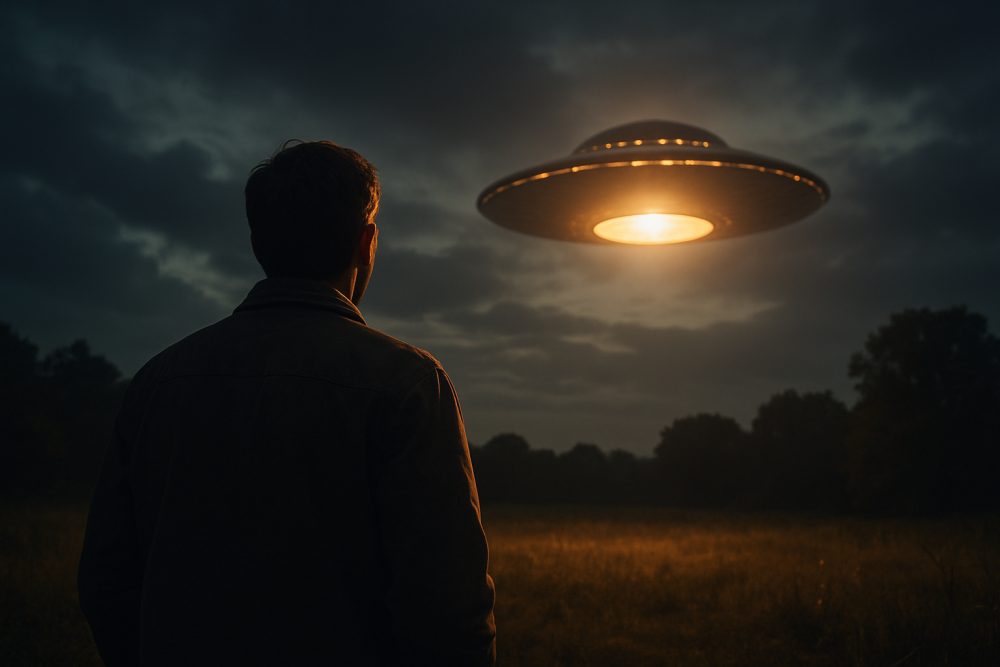
Three ecologists on a night bat survey watched a soundless object cross the moor. Their instruments recorded eleven minutes of complete silence.
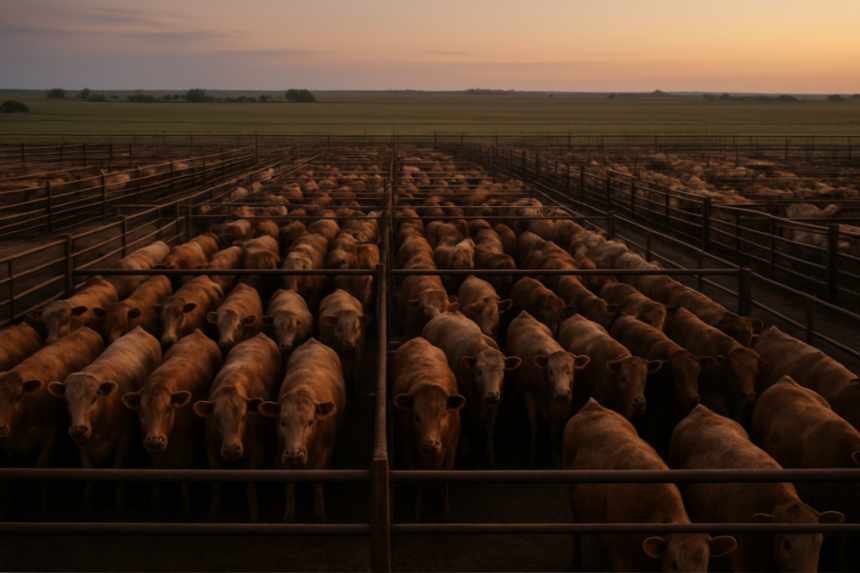
I've ridden pens at a Texas Panhandle feedyard for thirty years. I know every light a night can make. On three nights in October 2016, forty thousand head of cattle went silent and faced the east pens, and what hung there wasn't any of them.
I only noticed because I visit my mother on her birthday, and the light was there all three times, doing the same slow circuit.
Between 02:14 and 02:31 the chat went from "is anyone else seeing this" to "please stop taking photos". Then someone deleted the group.
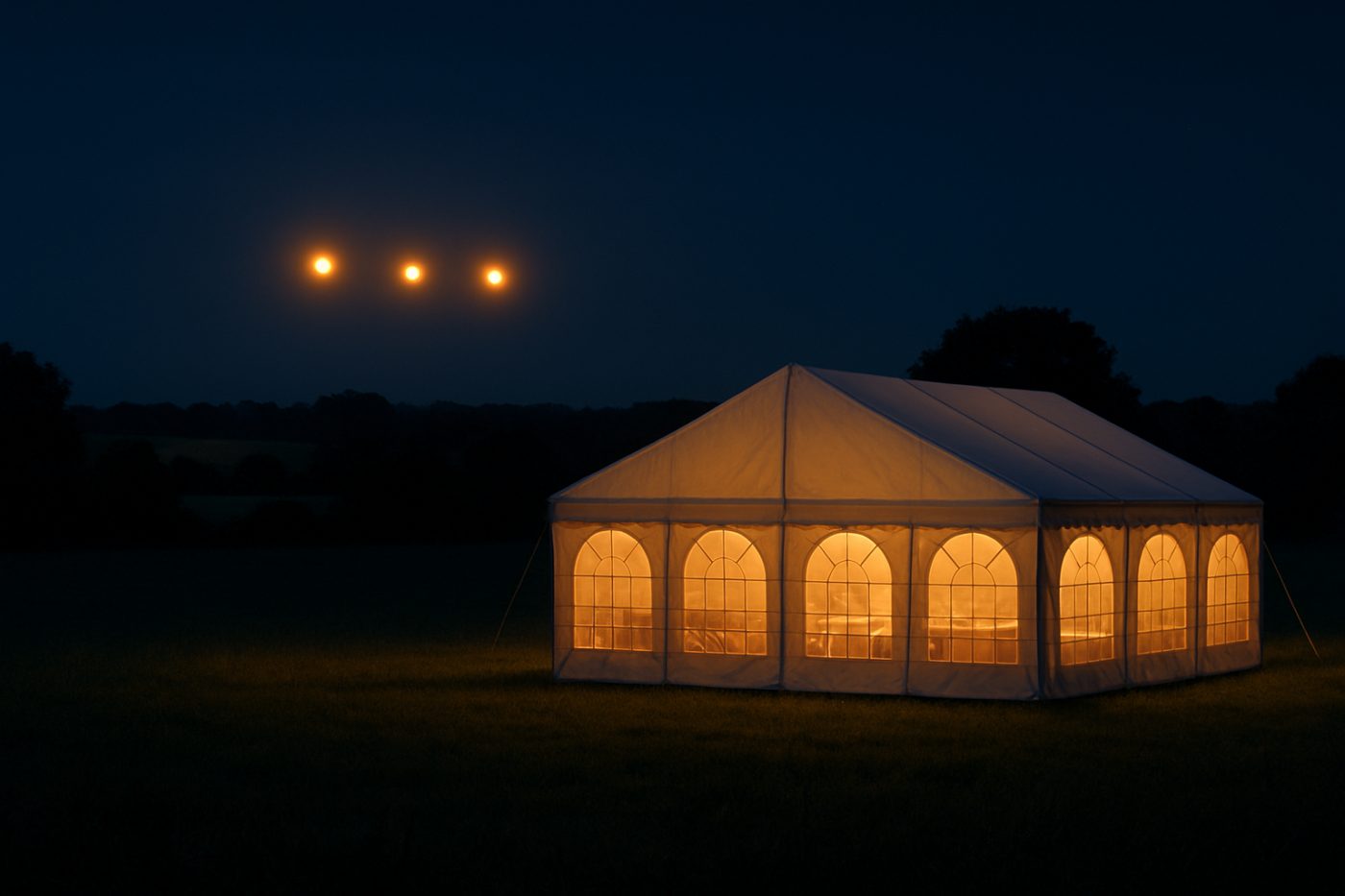
She showed me the shot once, on the back of the camera, at 11pm behind the marquee. Then she deleted it and told me she needed the review.
A quarter of a million pounds of machinery went dead in a field at 01:20, and my father would not talk about it for the rest of his life.
She barks at bin lorries, hot air balloons and the moon. That night she sat down in the wet grass and simply watched.
I FOI-ed the footage after twelve drivers reported the same thing on the same night. Then the FOI came back with a gap.
The light came out of the water, not down into it. That is the detail we agreed, in a boat shed, never to give to the newspaper.
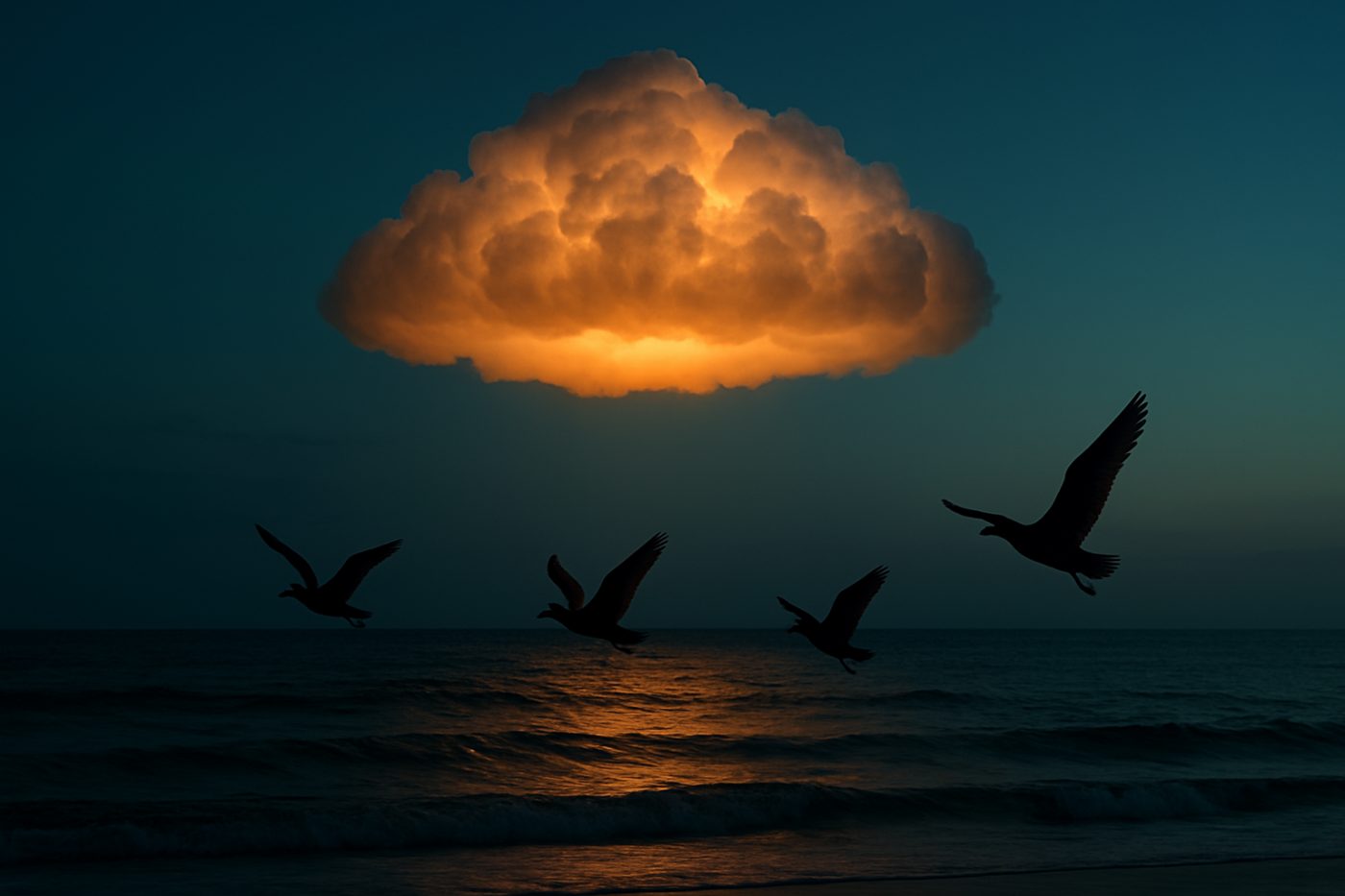
He was not drunk and he was not joking. He said: "Whatever you think you saw over the ranges, you did not see it, and I did not see it on my screen for eleven minutes."
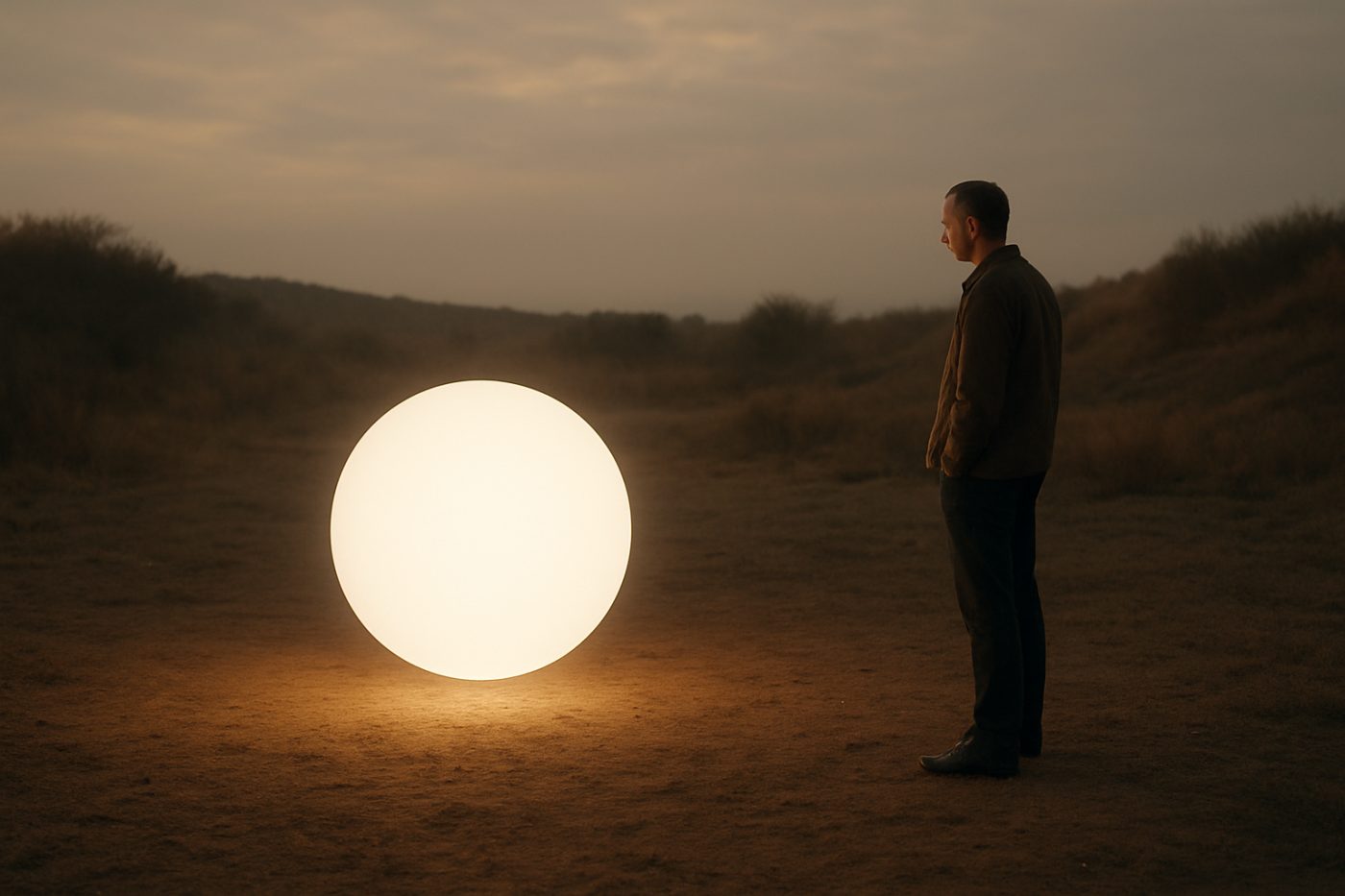
Forty of us were outside for the fireworks. Everybody saw it. By Monday it was a weather balloon, by Christmas it had never happened.
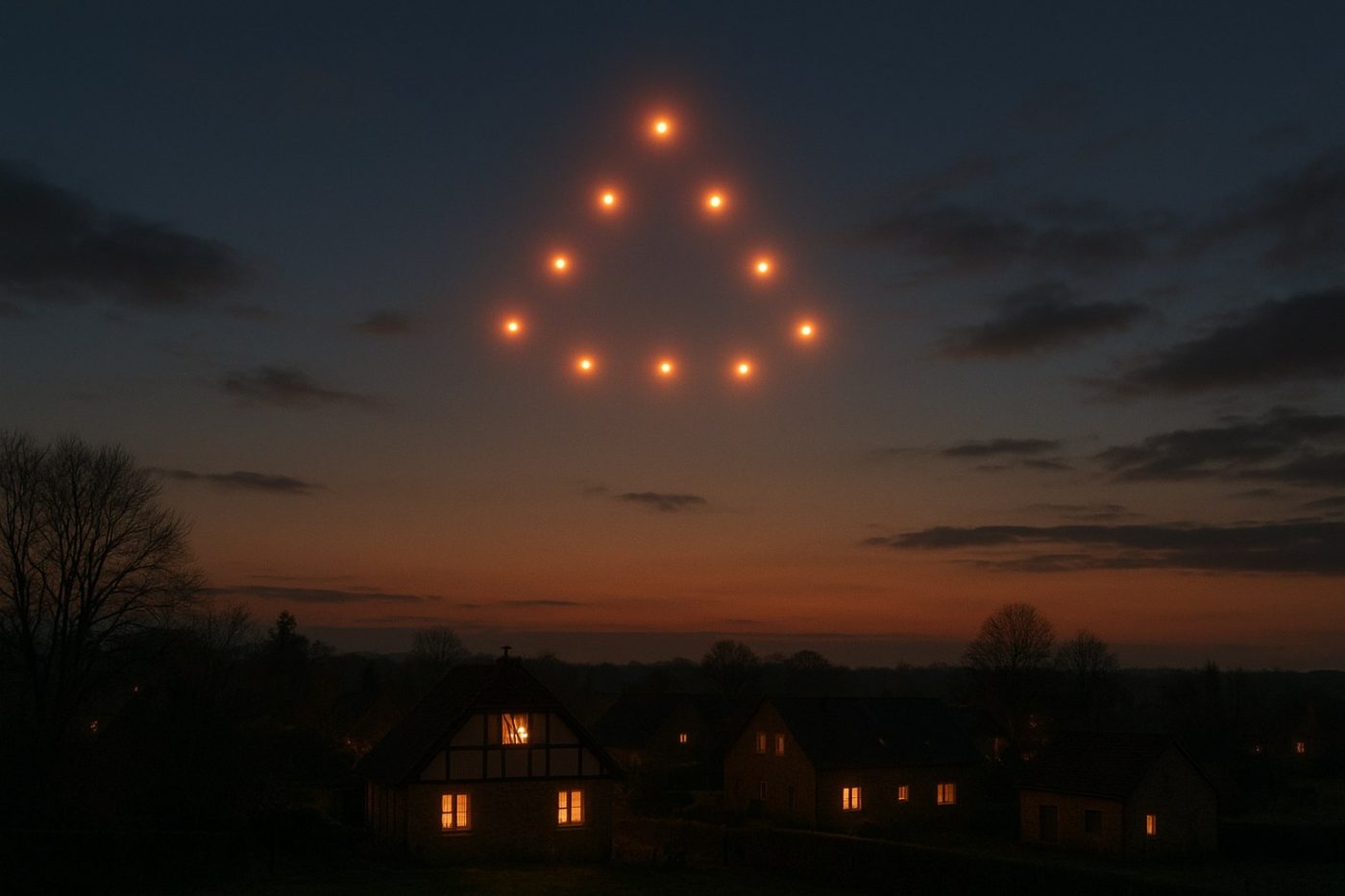
I am not a controller. I clean the tower. But I was in the room, and I heard three professional pilots take turns being polite about something that was not on the screen.
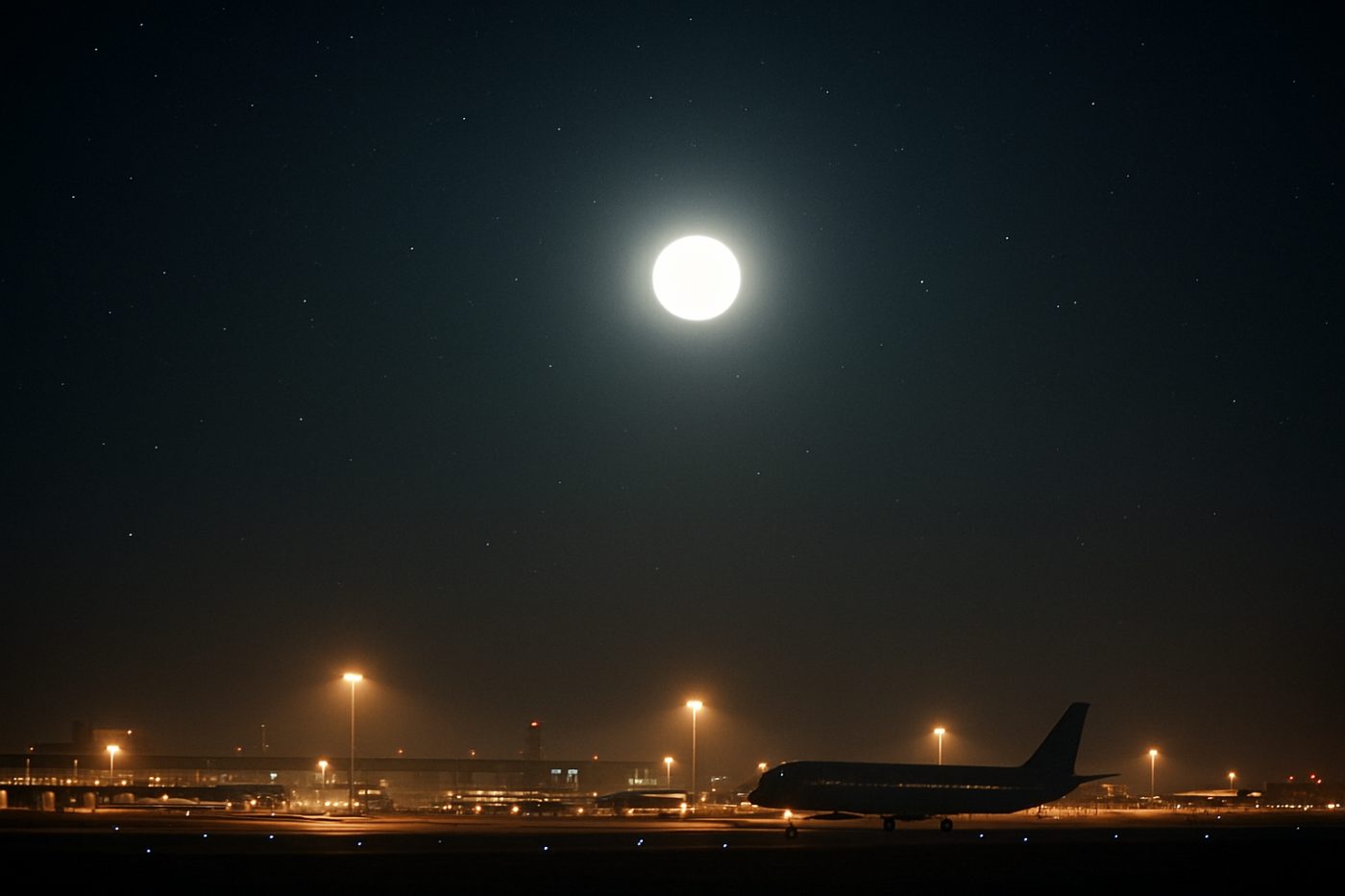
The hall of fame: the best UFO Stories of all time
The strongest UFO sighting stories on this page tend to involve more than one pair of eyes, and that is also where it gets awkward. Two people watch the same object for four minutes and afterwards describe different shapes, different colours, a different number of them. Air traffic accounts for a great deal — landing lights on approach, a satellite catching sun, a drone with an owner who never came forward. What the sceptical reading handles badly is the silence witnesses keep mentioning, and the odd social aftermath: the neighbours who saw it too and would rather not discuss it, ever again.
Reports that never get past a glow on the horizon collect under lights in the sky; the ones where someone claims contact belong next door with the alien stories. Readers here draw that border more sharply than you might expect, staying with the modest accounts and turning cold the moment a narrator claims to know what was flying.
Some sightings are based on genuine experiences, but that does not always mean the cause was extraterrestrial. Many reports end up having ordinary explanations such as aircraft, weather, misidentification, or lighting effects. In the story list and the jury votes, you can see how often people disagree on what counts as proof.
Strange lights can come from many sources, including drones, satellites, aircraft, planets, reflections, or atmospheric conditions. At night, distance and darkness can make familiar objects look very unusual. That is one reason eyewitness accounts in this area are so compelling, but also so hard to verify.
Try to note the time, location, direction, weather, and how long it lasted while the memory is fresh. If possible, save any photos, video, or radar-related details, but avoid jumping to conclusions right away. Reading similar accounts and the jury responses can help you compare your experience with other reports.
They are common enough that many people have at least one odd sky-watching story, but far fewer remain unexplained after review. A report can stay mysterious simply because there is not enough evidence to identify it. That uncertainty is part of what makes these first-person narratives so interesting.
Yes, cameras can capture details that the eye overlooks, especially with motion, distance, or low light. At the same time, cameras can also create misleading images through blur, glare, or reflections. That is why jury votes on these accounts often weigh both the witness story and the quality of the evidence.
Often they do, even when the witness is completely sincere. Misread aircraft, celestial objects, and atmospheric effects can all create convincing but ordinary sightings. The best accounts are the ones that include enough detail for readers to judge them carefully.
People notice different details, and memory can vary after the fact, especially in stressful or surprising moments. Position, attention, and expectation can all shape what someone thinks they saw. That is why reading multiple accounts together, plus the jury verdicts, can be more revealing than a single statement.