
The Headstones Past the Tree Line
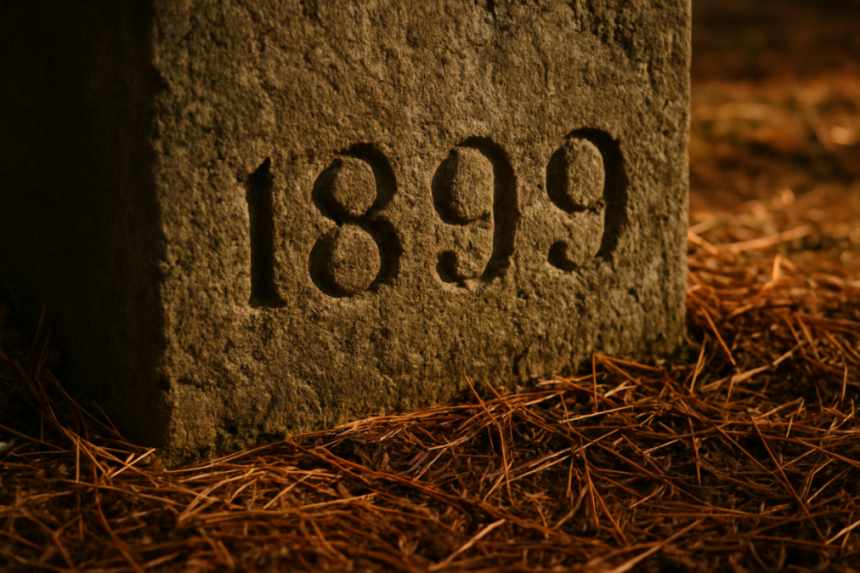
A gravel road runs to a trailhead nobody uses. Past the tree line there is a graveyard on no map, and every stone has the same year, and one of them had my grandmother's maiden name before she was ever born.
Welcome to our haunted places stories, a collection of reader-submitted, first-person accounts set in scary abandoned places and eerie locations where something feels off: quiet back roads, abandoned workplaces, lonely trails, forgotten floors, and buildings that seem to watch back. Expect unsettling atmospheres, unexplained sounds, wrong-footed sightings, and the slow realization that a familiar spot has turned uncanny—told by people who were there and still can’t quite explain what happened.
These are personal experiences, not verified reports, and that’s where you come in. After each story, the community acts as the jury and votes on whether it reads as a true encounter or a well-told scare from a supposedly paranormal site, ghostly hotspot, or other eerie locale. Dive in, trust your instincts, then read and vote.
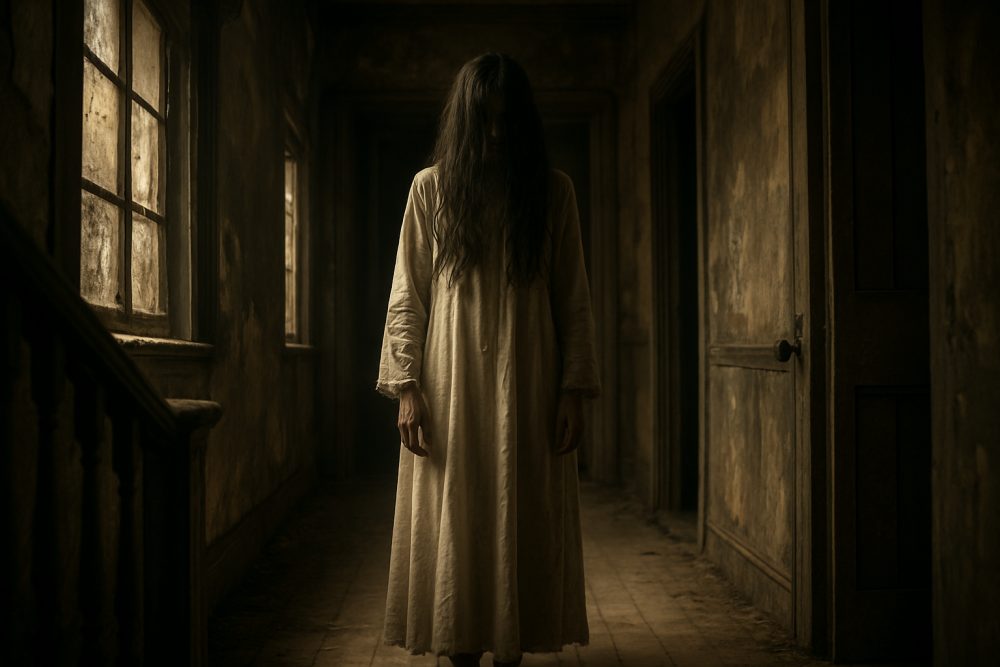
A gravel road runs to a trailhead nobody uses. Past the tree line there is a graveyard on no map, and every stone has the same year, and one of them had my grandmother's maiden name before she was ever born.
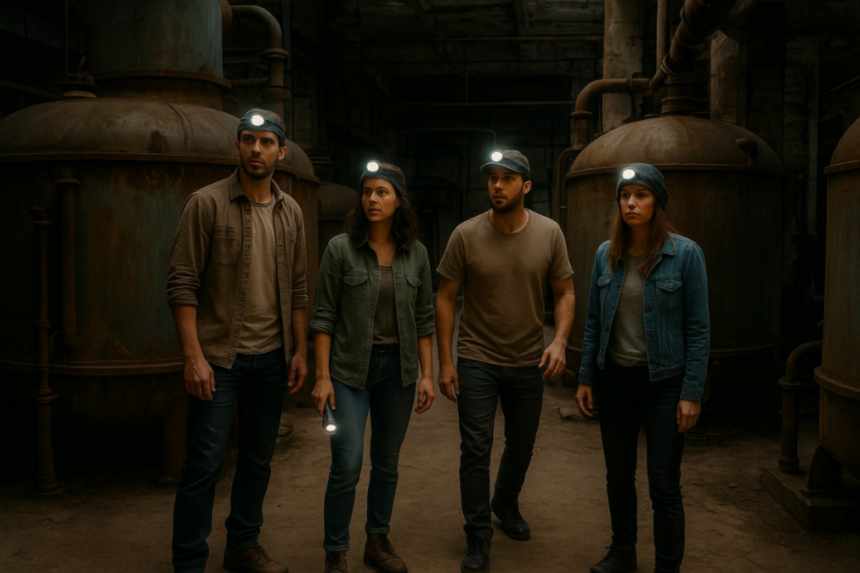
The old textile mill has had no power for forty years. So none of us could explain why, deep in the basement, one of the great dyeing drums was slowly turning, or why the water in it was still warm.
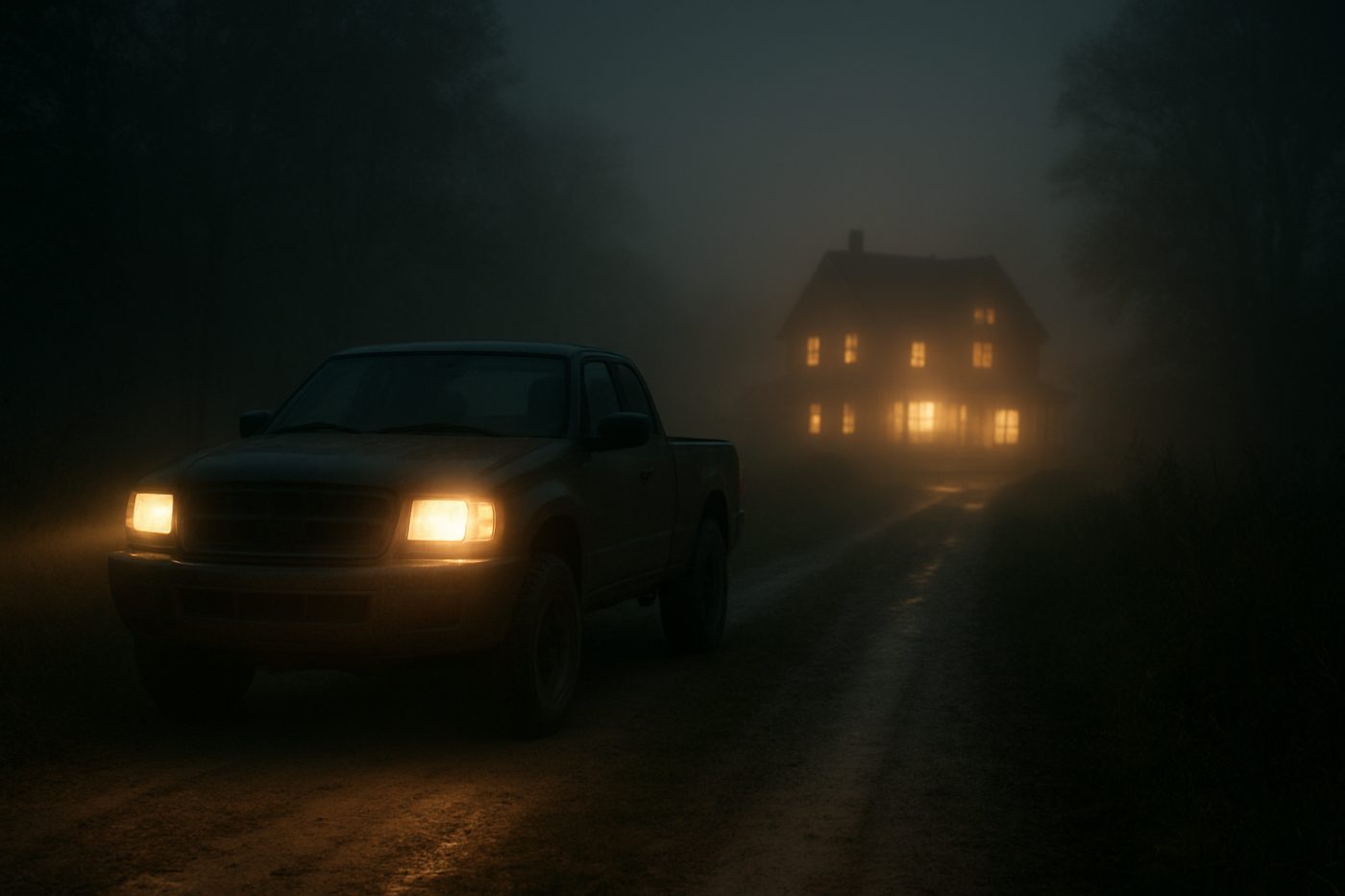
Miller Lane is a dead-end dirt track off the county road with one house at the end, abandoned since before I was born. The night my headlights swept its windows, every one of them was lit, and a light was coming down the lane to meet me.
The forest road home has a hundred deer crossing signs. I have hit exactly zero deer in fifteen years. What stepped into my headlights that November night stood up on two legs and was too tall for the signs to warn me about.
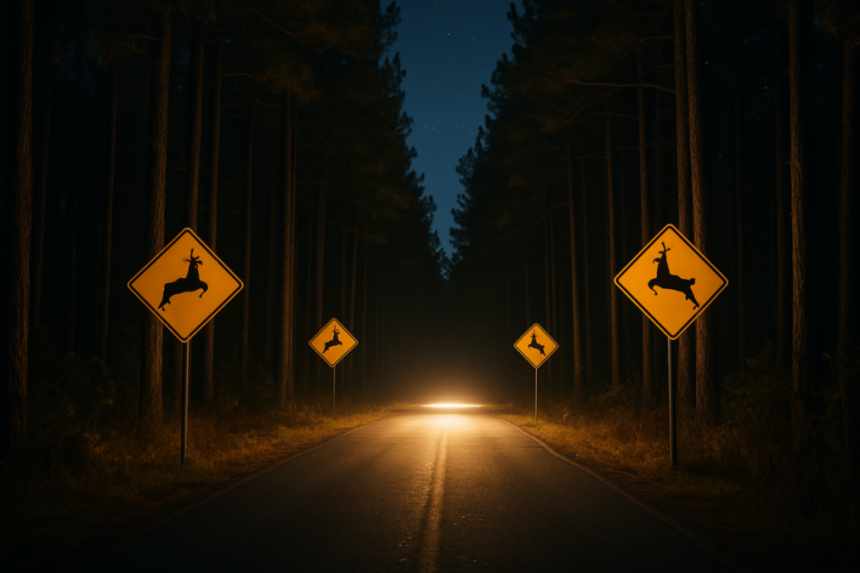
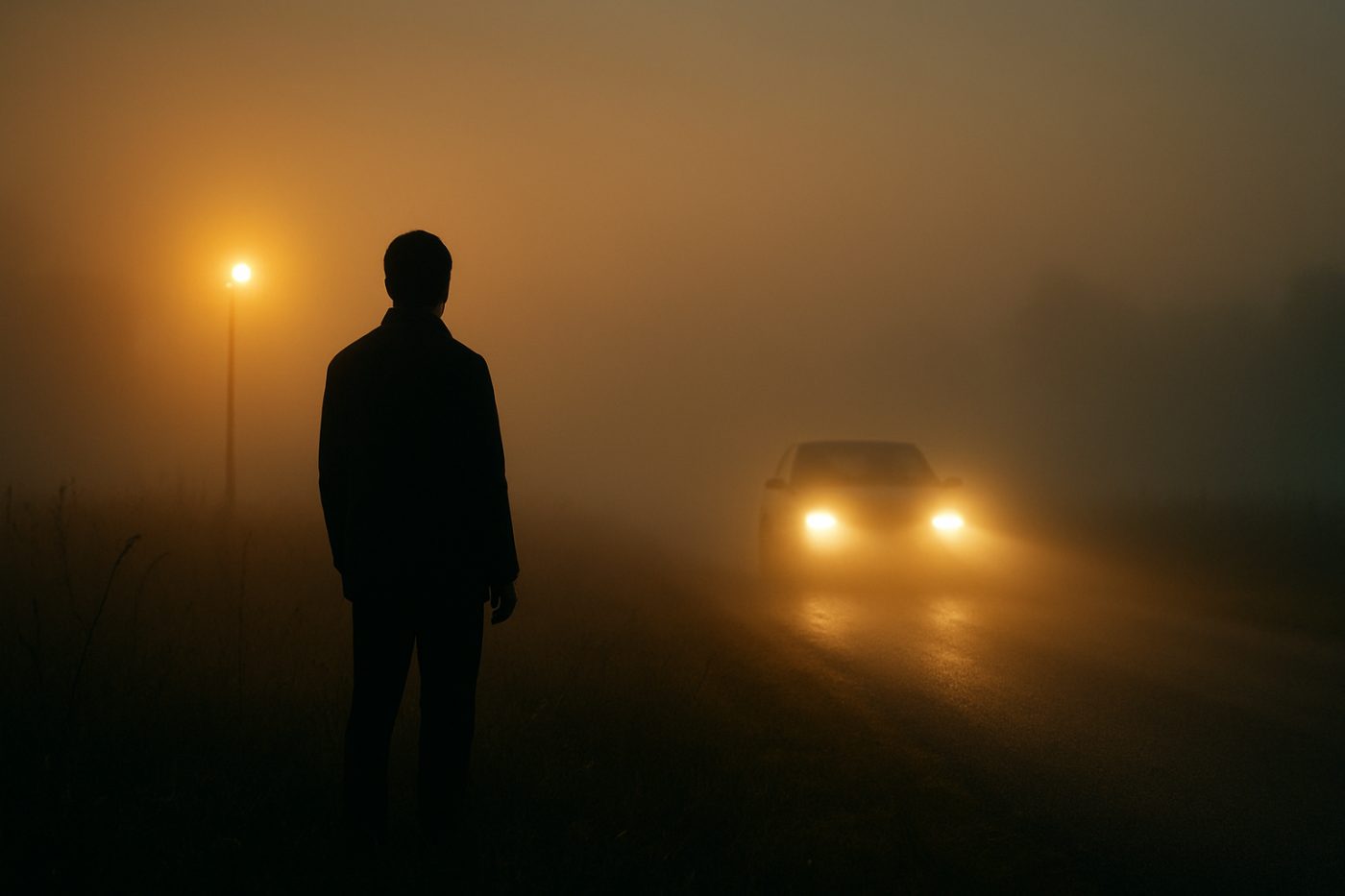
The stretch between the two towns is nineteen miles with nothing on it. I have driven it a hundred times at night. Only once did the same porch light appear three separate times, each time farther ahead of me.
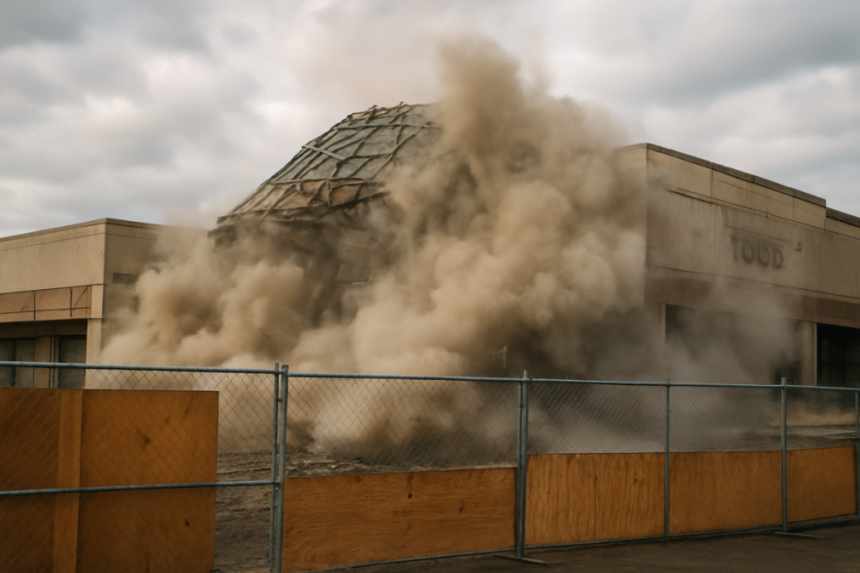
The dead mall closed in 2009. We slipped in through a loading dock to photograph it. In the food court, under a skylight full of moonlight, a woman in a store uniform was waiting by a register that had no power to ring.
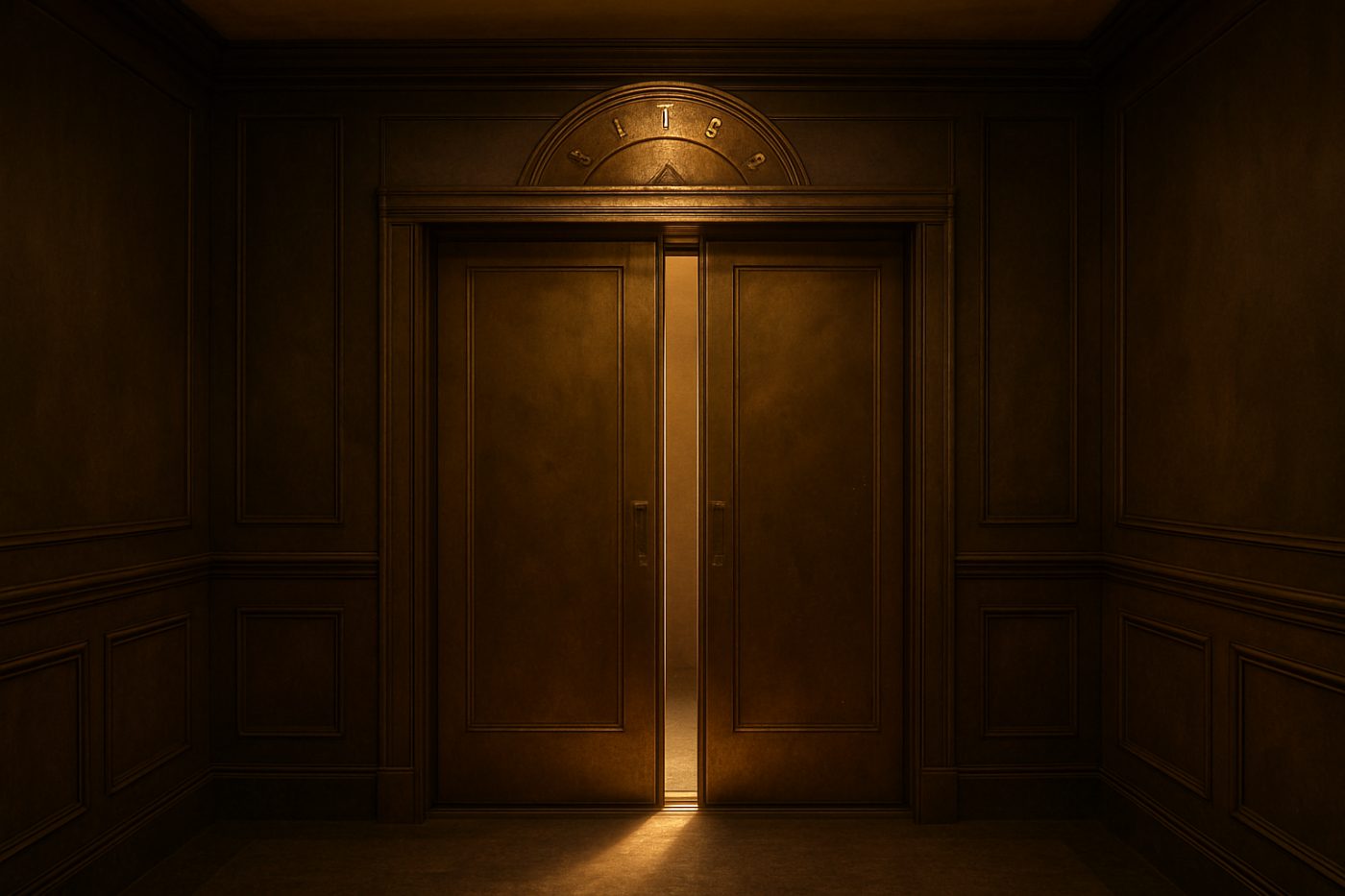
We had permission to photograph three floors of the old county hospital. The problem was the fourth, where the elevator kept stopping on its own and the visitor log had names in it that predated the building.
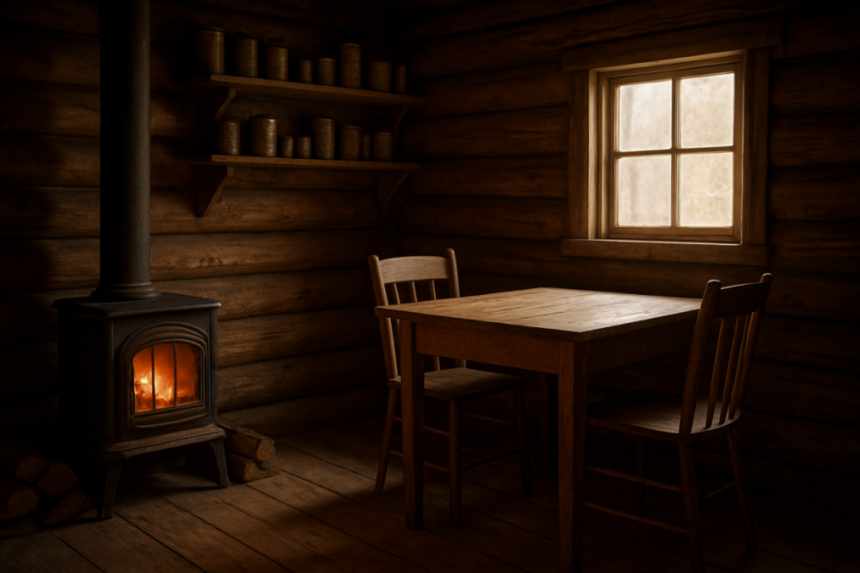
Deep off-trail in the national forest we found a cabin that should not exist -- no road, no ruin, fully furnished, a fire still warm in the stove. We took nothing. Something followed us out anyway.
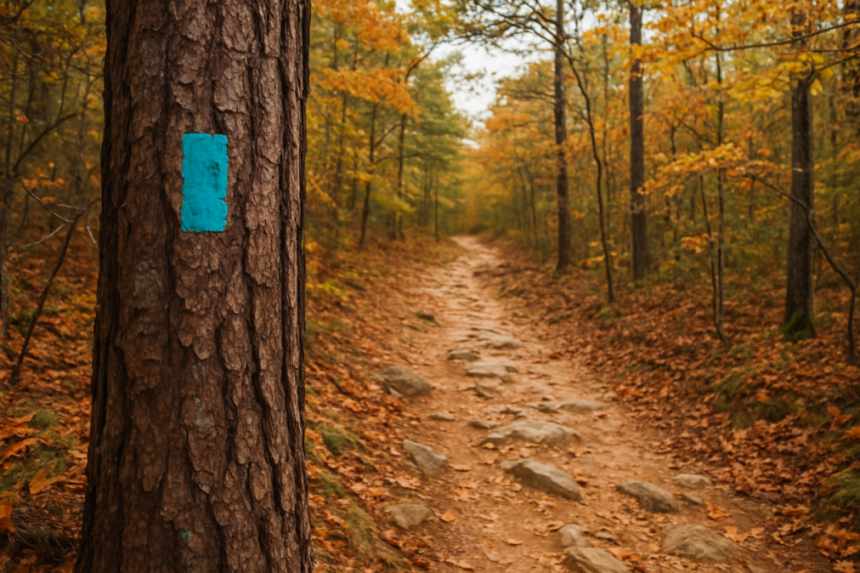
The loop through Hollow Pines is exactly 4.2 miles. My watch has counted it a dozen times. The day we found the old ranger cabin, it counted 6.8, and we never left the trail.
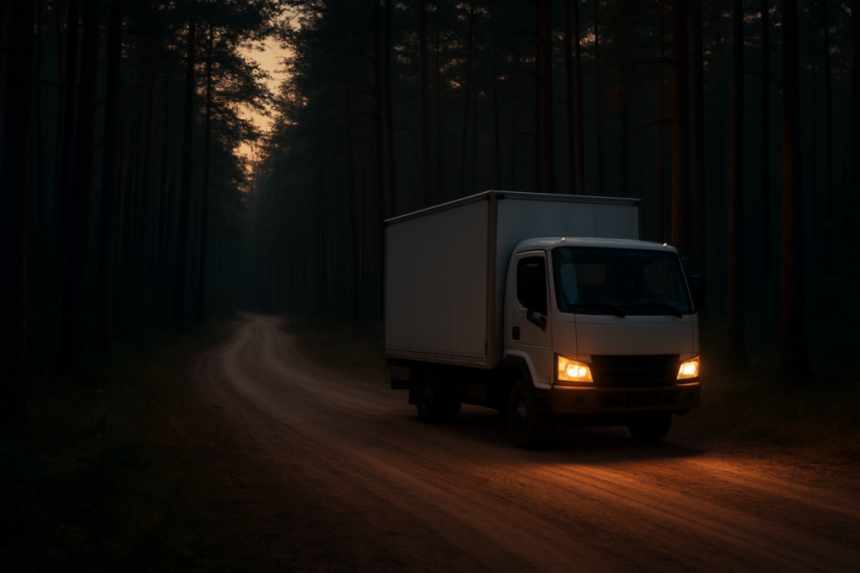
The Blackpine Cutoff saves twenty minutes if you do not mind six miles of dirt through the woods at night. Locals do mind. After what kept pace with my truck outside the passenger window, I mind too.
The hall of fame: the best Haunted Places of all time
There is a useful split running through these haunted places stories. On one side are the visitors — a night in a derelict wing, a dare, a weekend let with a reputation. On the other are the people who had shifts there: cleaners, porters, security, staff who dealt with the same corridor four hundred times and can say precisely which night was different. The second group tends to write more plainly and get taken more seriously. They also tend to look up the building's history afterwards rather than before, which readers here treat as a point in their favour rather than against.
Empty sites with their doors still open are filed under abandoned places, and the stretches of tarmac that keep producing the same figure are collected as haunted roads. A haunted place is easy to claim and hard to describe well; the reports that hold up give the floor plan, the hour and the reason the writer was there at all.
People disagree on that, and the site lets the jury vote on each first-person account. Some readers see the stories as evidence of unexplained events, while others think they reflect stress, memory gaps, or ordinary causes that felt eerie in the moment. The best way to judge is to read the accounts carefully and see how the votes break down.
Old buildings, isolated roads, abandoned mills, and dark trails can all make normal sounds and shadows feel unusual. Fear, expectation, and shared storytelling can make a place seem more active than it really is. That is why many readers compare the details in each account before deciding how convincing it sounds.
Stay calm, leave if you feel unsafe, and avoid trespassing or forcing anything. If you are only reading about it, pay attention to repeated details across different stories and how the jury responds to them. A careful read often tells you more than the spooky headline alone.
Reports are common enough that almost every region has local legends, but that does not make every report true. Many accounts can be explained by lighting, fatigue, misidentification, or a vivid atmosphere. On a true-stories site, the reader jury helps separate a compelling tale from one that feels less reliable.
Specific details, consistent timing, and a clear sequence of events usually make a story feel stronger. Vague claims, big gaps, or changing descriptions can weaken it. That is why readers often focus on the small details before casting a vote.
Night reduces visibility and makes ordinary sounds seem louder and stranger. People are also more alert to threats when it is dark, which can sharpen fear and imagination. In many of these accounts, the setting matters almost as much as what the writer says they saw.