
What Still Runs at the Dye Works Mill
The old textile mill has had no power for forty years. So none of us could explain why, deep in the basement, one of the great dyeing drums was slowly turning, or why the water in it was still warm.
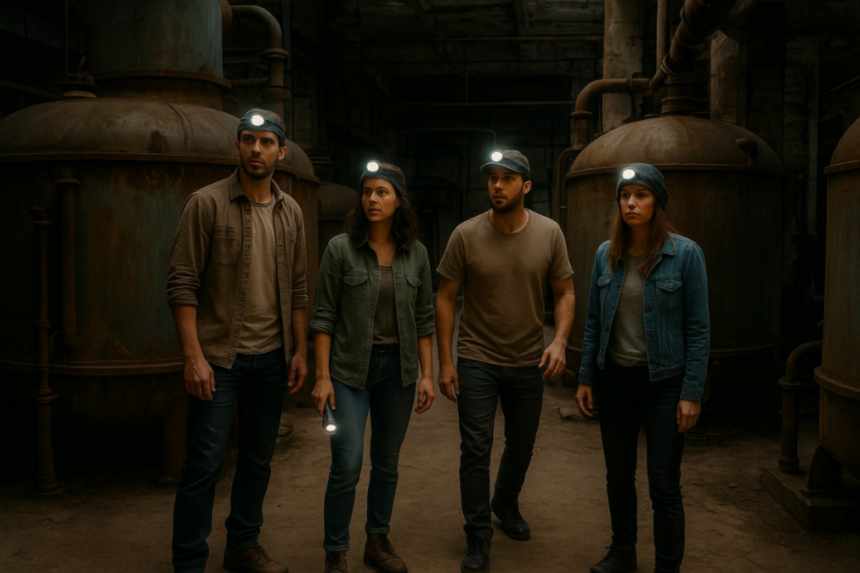
Somewhere beyond the last streetlight, in shuttered buildings, boarded-up farmhouses, forgotten malls, and derelict cabins, people still swear strange things are happening. This tag gathers first‑person encounters with creepy abandoned buildings: late‑night explorations of deserted properties, trespasses into crumbling industrial ruins, and visits to long‑vacant homes where something seems to linger. Every story here is told as it was remembered by the writer, with no claim of proof—only their own voice, their own night, their own nerves.
You’ll find eerie shifts in empty corridors, sounds in condemned structures, and unsettling discoveries inside long‑silent rooms. After each account, it’s up to you and the rest of the reader jury: decide whether it really happened, or if it’s just a well‑told tale. Dive in, follow the footsteps into the dust, and cast your vote.
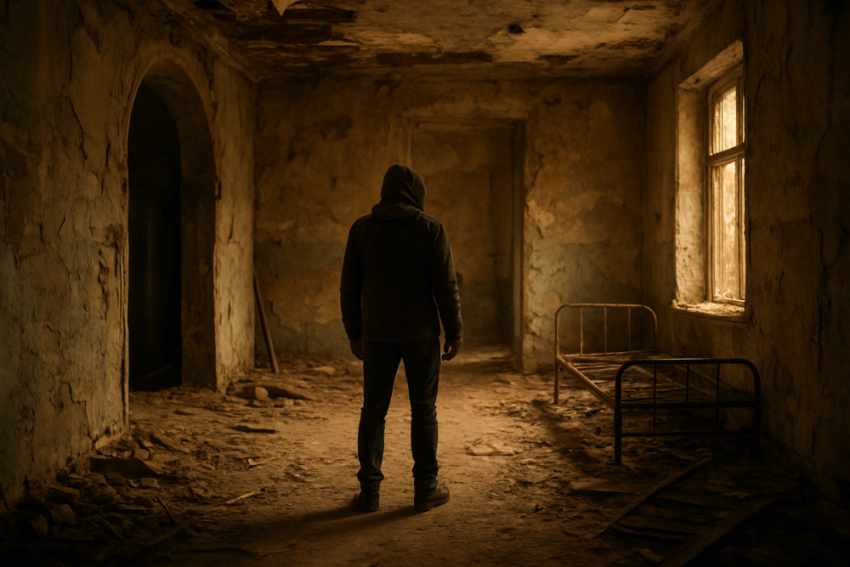
The old textile mill has had no power for forty years. So none of us could explain why, deep in the basement, one of the great dyeing drums was slowly turning, or why the water in it was still warm.
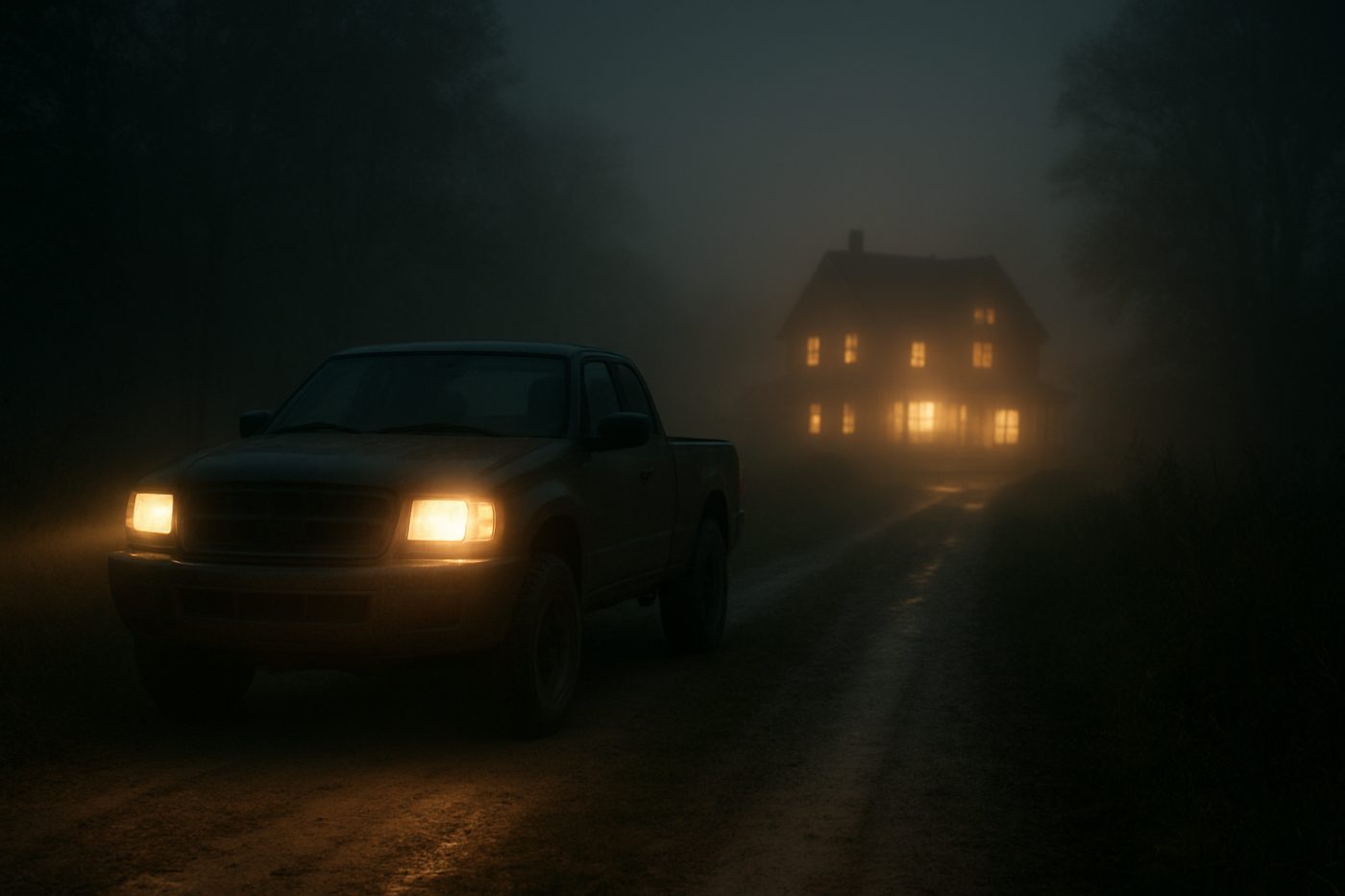
Miller Lane is a dead-end dirt track off the county road with one house at the end, abandoned since before I was born. The night my headlights swept its windows, every one of them was lit, and a light was coming down the lane to meet me.
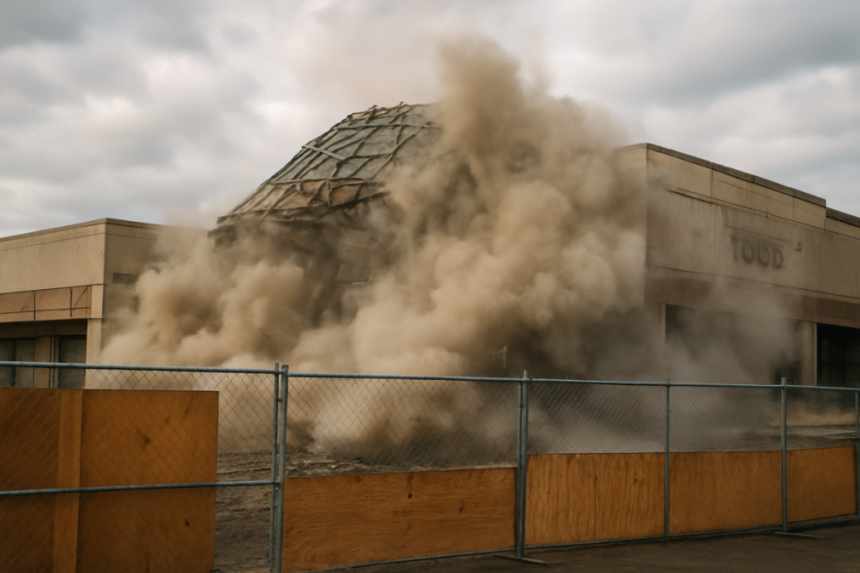
The dead mall closed in 2009. We slipped in through a loading dock to photograph it. In the food court, under a skylight full of moonlight, a woman in a store uniform was waiting by a register that had no power to ring.
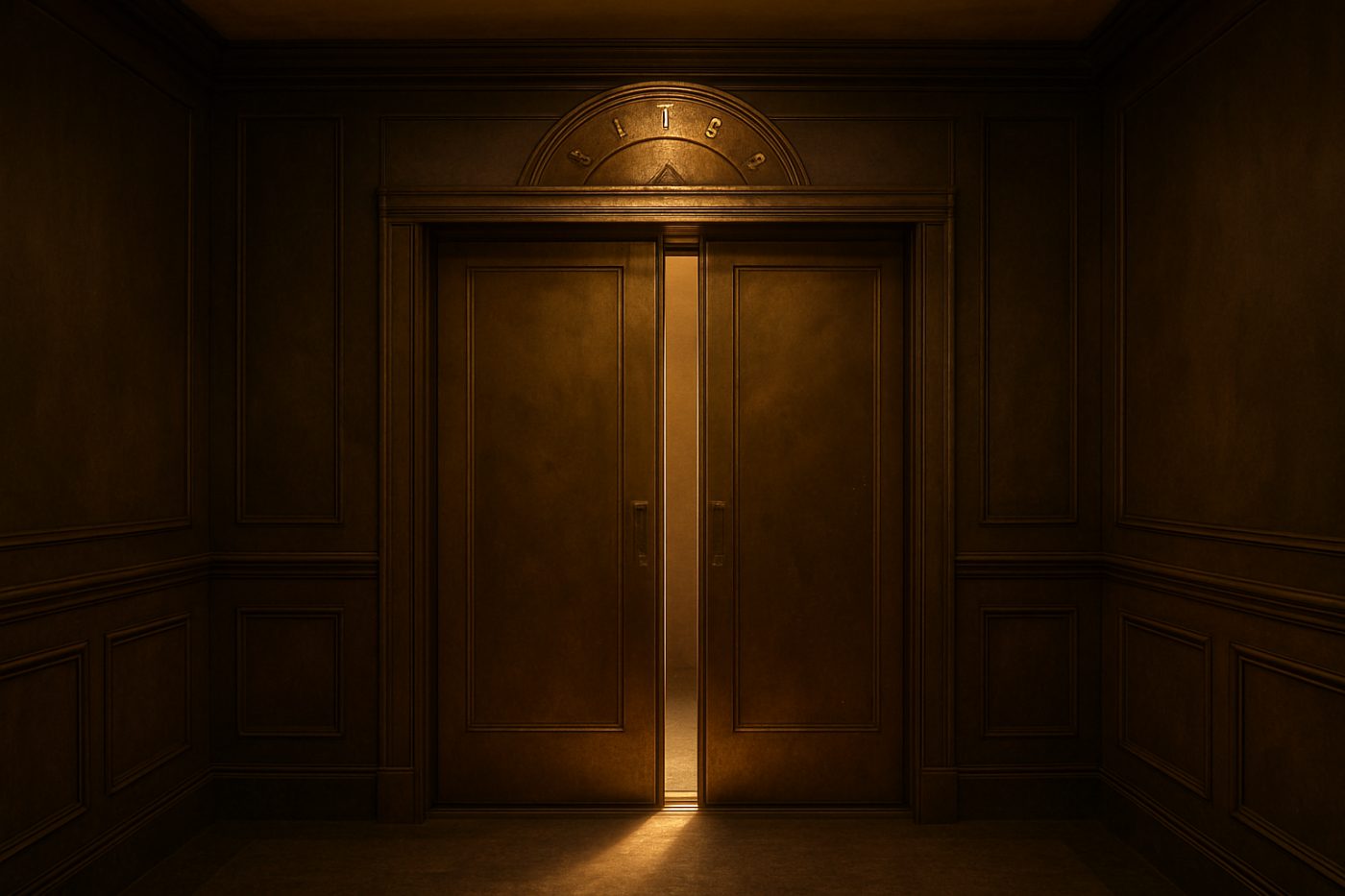
We had permission to photograph three floors of the old county hospital. The problem was the fourth, where the elevator kept stopping on its own and the visitor log had names in it that predated the building.
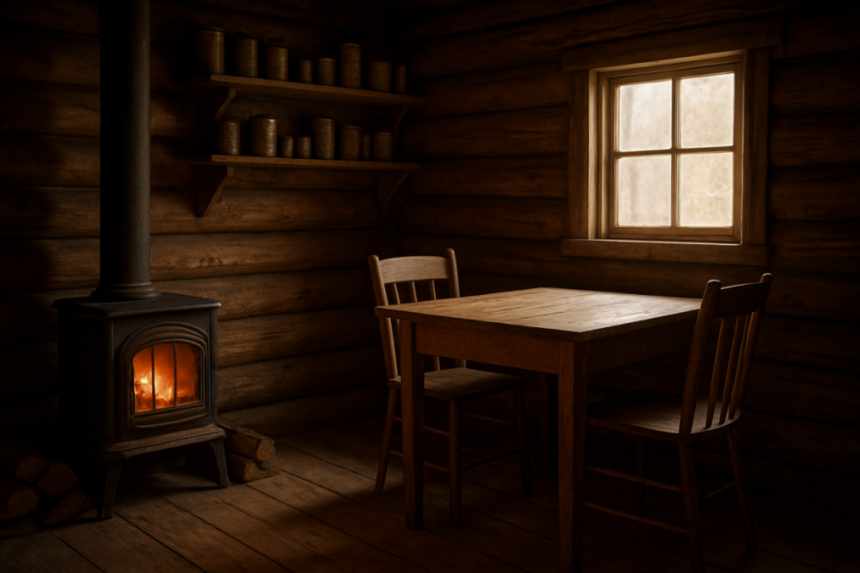
Deep off-trail in the national forest we found a cabin that should not exist -- no road, no ruin, fully furnished, a fire still warm in the stove. We took nothing. Something followed us out anyway.
Two things happen in nearly every account of exploring abandoned buildings on this page. First, the narrator stops describing the building and starts describing what was left in it — a calendar stopped on a particular month, a kettle, a coat still on a peg, plates stacked by a sink. Second, somebody in the group decides it is time to go, and the argument about that decision takes up more space than whatever caused it. The frightening bit is often a single sound. What holds the reader is the twenty minutes of negotiation in a stairwell afterwards, and the fact that one person always wants to carry on.
Accounts written by people who go looking on purpose are gathered under urban exploration, and the buildings with an actual reputation attached sit in haunted places. Regular readers are quick to notice when a derelict site sounds too tidy. A floor that gives, a smell, a door that should not have been locked — those are the details that make an account stay with people.
Every story here is a first-person account submitted by a writer who says it really happened to them. Our reader jury votes on how believable each story feels, so you can see at a glance whether most people think it’s true, exaggerated, or pure fiction. Ultimately, you decide what to believe after reading.
Human brains are wired to notice danger in unfamiliar or decaying environments, so silence, darkness, and signs of neglect can trigger anxiety. Old factories, shut-down malls, and remote cabins also suggest that something went wrong or was suddenly left behind, which can make ordinary sounds and shadows feel threatening. Many of our stories lean into that feeling, and jury votes often reflect how convincing that unease is.
It can be risky because of unstable structures, hidden holes, rusted metal, mold, or leftover chemicals, and there may also be issues like trespassing laws or security patrols. Real-world urban explorers usually plan carefully, go with others, and stay alert; our stories sometimes show what happens when people don’t. Reading the accounts here, along with how the jury judges them, can give a sense of what’s realistic and what’s dramatized.
Exploring forgotten industrial sites and shuttered shopping centers is a popular niche hobby often called urban exploration, but there’s no reliable count of how many people actually do it. Online photos, videos, and first-person stories make it seem widespread, even if most visitors never tell anyone what they’ve done. On this site, you can see how often readers believe these kinds of adventures could really happen by checking the jury votes.
Isolated houses, cabins, and farmsteads are perfect backdrops because help feels far away and the setting itself suggests secrets or a hidden past. The contrast between a place meant for safety and the sense that you “shouldn’t be there” adds tension to even small, everyday events. Our jury often debates whether these setups feel like real trips gone wrong or classic horror setups.
Yes, many odd experiences in decayed structures come from wind, animals, loose metal, bad lighting, or the way sound echoes in big empty rooms. Fear can also make people misinterpret shadows and noises, especially when they already expect something spooky. When you read the stories here, comparing your own explanation with how the jury voted can be half the fun.
Stay cautious: keep your distance from collapsing roofs, broken glass, and unsecured wells or basements, and avoid entering if you’re not sure it’s safe or allowed. It’s usually smarter to observe from outside, take note of the location, and leave it as you found it. Many of the accounts on this site start with a “we just wanted a quick look,” and the jury often weighs in on whether those choices felt sensible.
These places offer a glimpse into everyday life that suddenly stopped, which can stir curiosity, nostalgia, or a fascination with decay and time passing. For some, exploring them is a way to feel like an archaeologist of the recent past. The stories here tap into that pull, and reader votes help reveal whether the experiences described feel like something people really do.