
What Still Runs at the Dye Works Mill
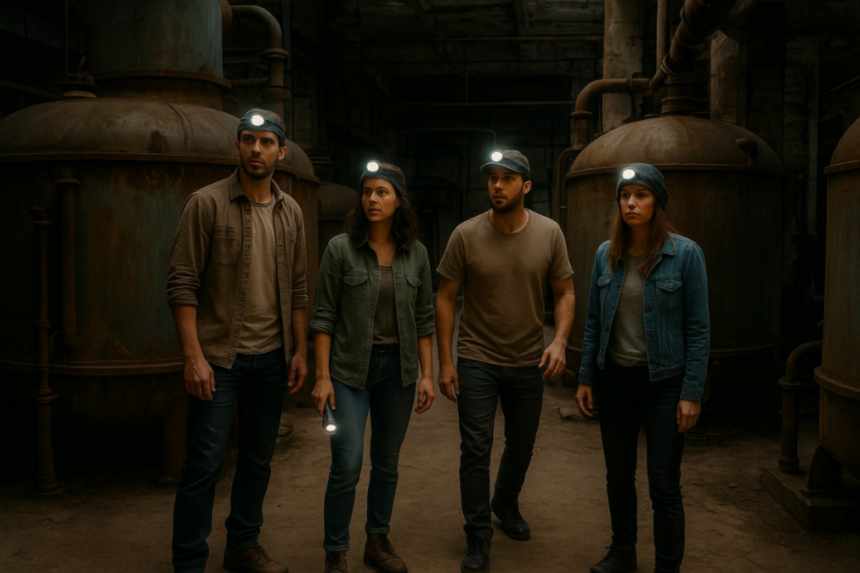
The old textile mill has had no power for forty years. So none of us could explain why, deep in the basement, one of the great dyeing drums was slowly turning, or why the water in it was still warm.
Abandoned factories, forgotten malls, off-limits rooftops, and hidden trails—this tag is where urbex lives, and with it every first-person encounter with the off-limits and overlooked. Every account here comes from someone who swears they slipped past the NO TRESPASSING signs, crept through dead escalators, or followed a derelict service corridor just to see what was on the other side, and then wrote down exactly what they believe happened. From derelict industrial relics to lost cabins and half-finished towers, these are intimate, boots-on-the-ground forays into the world’s neglected corners.
Each narrative is a personal recollection, not an authenticated report, and the truth of what really went on in these forbidden spaces is left entirely up to you. Read with a skeptic’s eye, follow the dust and echoes, and cast your vote on whether each story of Urban Exploration actually took place.
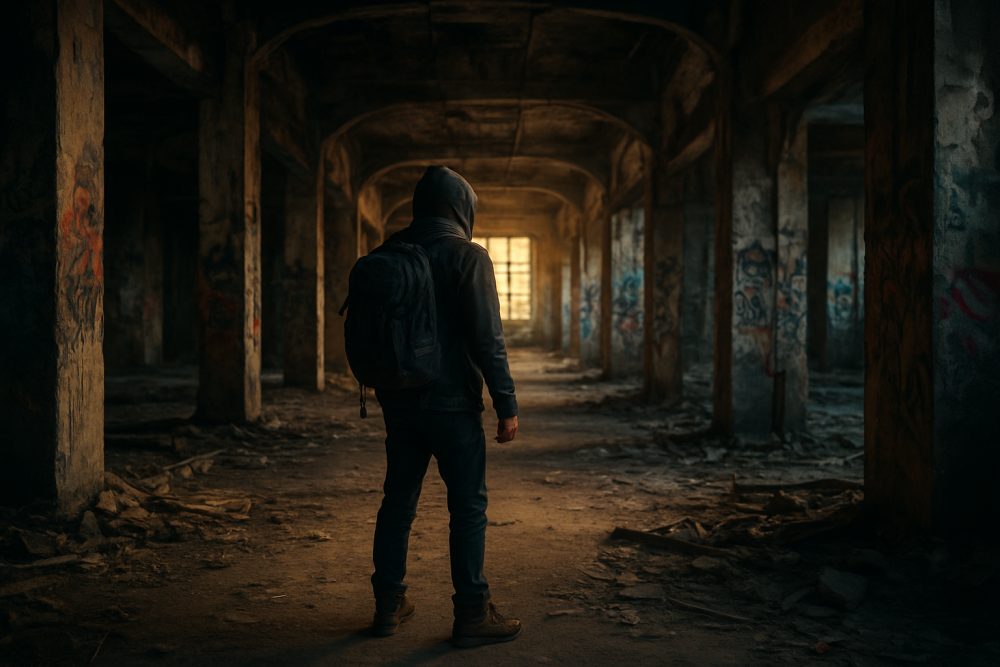
The old textile mill has had no power for forty years. So none of us could explain why, deep in the basement, one of the great dyeing drums was slowly turning, or why the water in it was still warm.
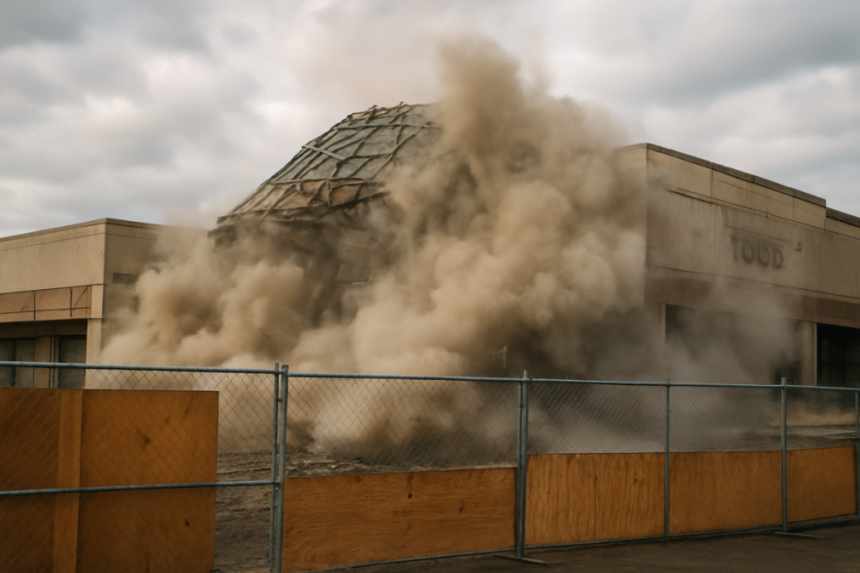
The dead mall closed in 2009. We slipped in through a loading dock to photograph it. In the food court, under a skylight full of moonlight, a woman in a store uniform was waiting by a register that had no power to ring.
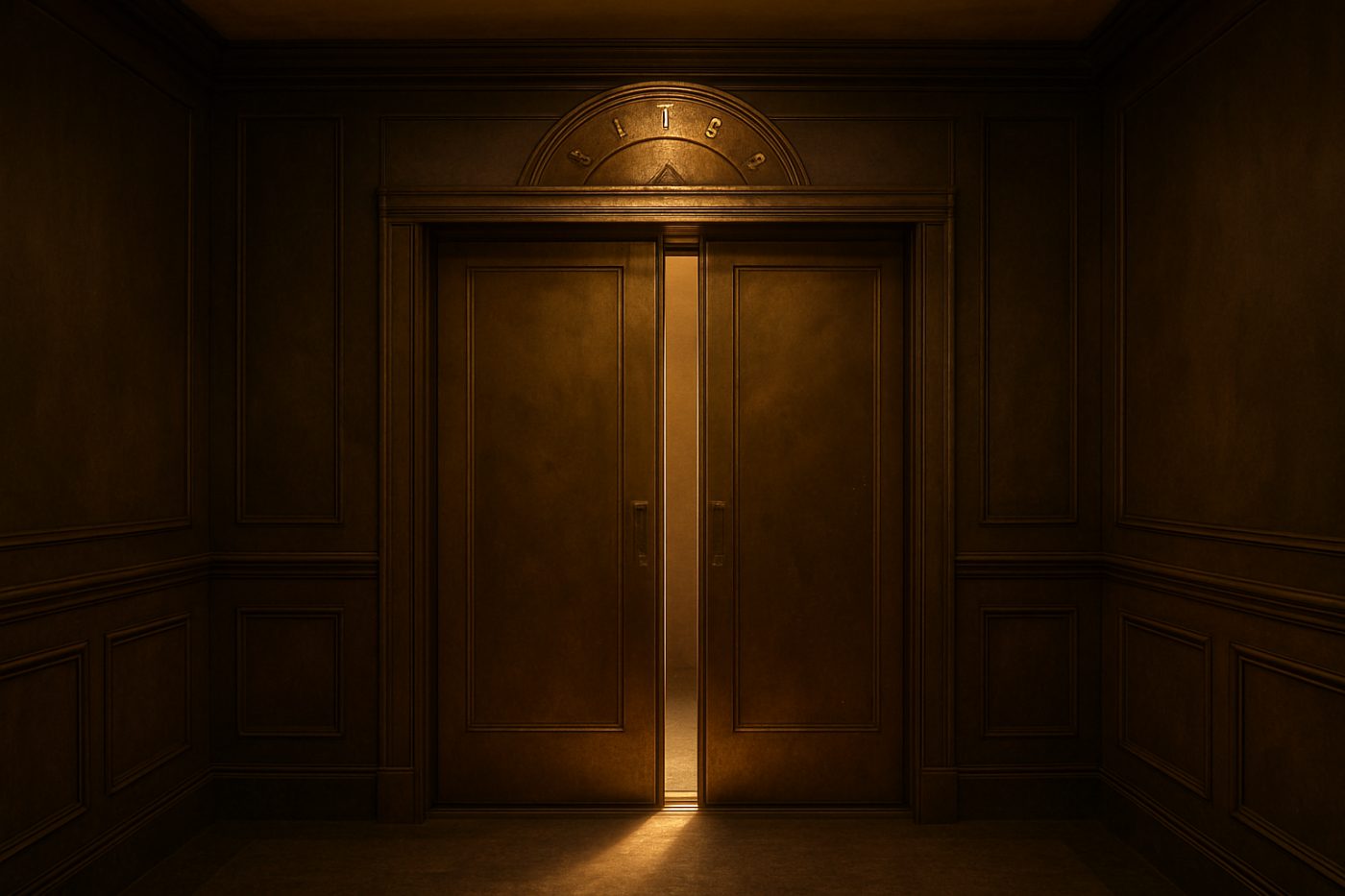
We had permission to photograph three floors of the old county hospital. The problem was the fourth, where the elevator kept stopping on its own and the visitor log had names in it that predated the building.
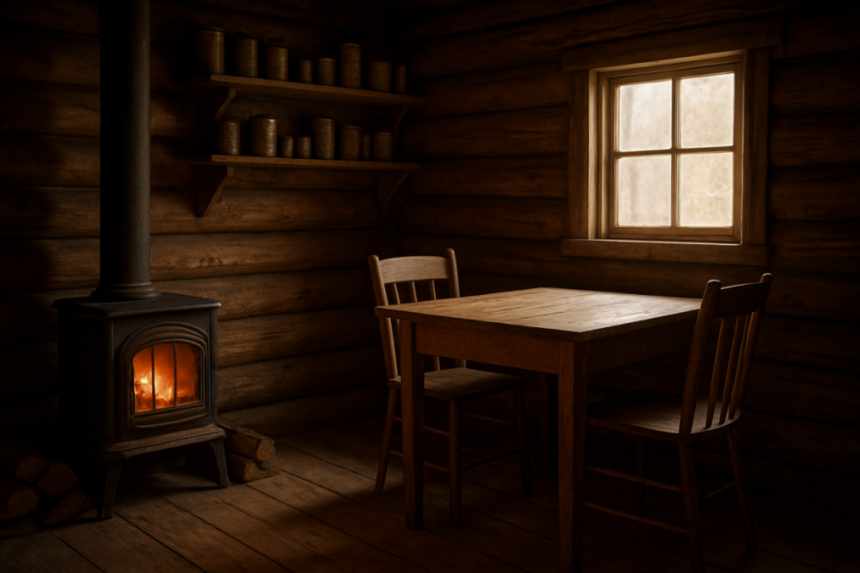
Deep off-trail in the national forest we found a cabin that should not exist -- no road, no ruin, fully furnished, a fire still warm in the stove. We took nothing. Something followed us out anyway.
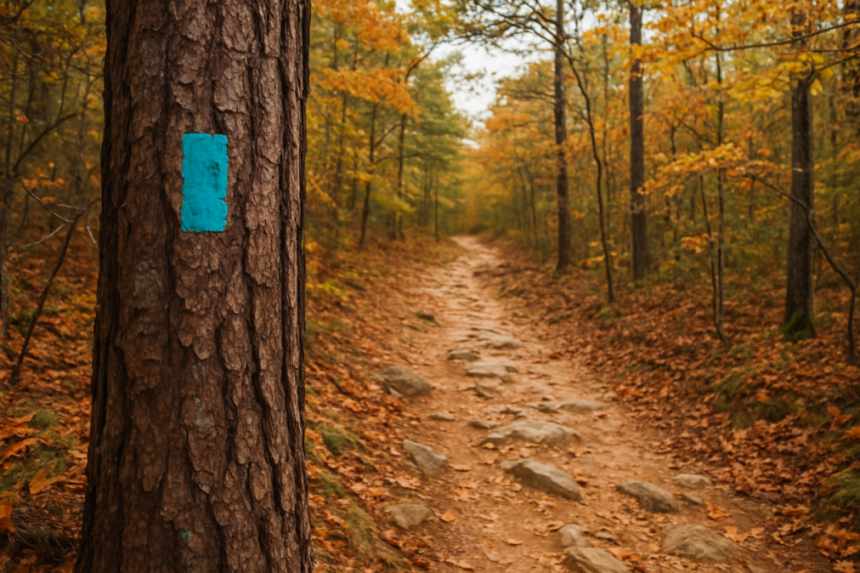
The loop through Hollow Pines is exactly 4.2 miles. My watch has counted it a dozen times. The day we found the old ranger cabin, it counted 6.8, and we never left the trail.
Read a run of these urbex accounts and you notice how much of each one is logistics. Torches, a spare battery, who parked where, which fence had already been cut by somebody else. The planning is usually meticulous right up to the point where it stops, and that point is where the writing gets good. The other pattern is that the frightening encounter is very often with a living person: a caretaker, a rough sleeper, another group with the same idea. Ghosts come third, behind security and structural collapse. Several narrators say outright that they never believed in anything until a particular corridor, then decline to explain further.
Sites nobody meant to visit are filed under abandoned places, and the people paid to keep everyone out tell their side under security guards. A submission that admits the risks it took tends to be believed. One that describes a flawless night in a derelict hospital, with clean boots and no arguments, gets picked apart within the hour.
On this site, every first-person account is presented as something that actually happened to the writer, but there’s no way to verify them like a news report. That’s why the reader jury votes on whether they believe each incident really occurred. Reading across multiple tales can help you notice patterns, embellishments, and details that feel more or less credible.
Our brains expect busy, lived-in places to have people, noise, and movement; when those cues vanish, it feels “wrong,” which can trigger unease. Peeling paint, echoing footsteps, and half-forgotten objects all suggest sudden interruption, and the stories here often lean into that feeling. Seeing how the jury reacts can show how much that atmosphere alone can convince people something paranormal happened.
Physical risks like unstable floors, sharp debris, and hidden drops are very real, even if many trips end uneventfully. The accounts here focus on the rare, memorable incidents—strange sounds, locked rooms, encounters with security or other people. Pay attention to what the jury flags as plausible hazards versus what they think crosses into fiction.
Often they can: shifting beams, loose metal, animals, and wind rattling windows can all create eerie sounds that feel personal in the moment. Some narrators in these stories interpret every creak as meaningful, while jurors may vote that the more mundane explanation is likely. Comparing the details across different accounts helps separate classic building noises from truly unusual patterns.
It’s common for storytellers to heighten mood, compress timelines, or focus on the scariest details, especially when a place already has a reputation. On this site, some readers vote “real” even when they suspect mild exaggeration, while others are strict about what they consider believable. Checking the comments and verdicts can highlight where people think the line between honest memory and embellishment has been crossed.
Those areas are naturally liminal: they’re meant to connect or hide things, so they carry a sense of going deeper into the unknown. Darkness, poor visibility, and confusing layouts also make it harder to trust your senses, which shows up again and again in the narratives here. The jury votes often reflect whether readers see those locations as realistic hazards or just classic horror set pieces.
Remember that the site is designed to highlight the most intense, uncanny experiences, not ordinary, uneventful trips. Treat each account as one person’s perspective, filtered through emotion and memory, then look at how split or unanimous the jury is about its reality. Stepping back to analyze the patterns—what details recur, what feels embellished—can make the stories feel more like puzzles than threats.
In real life, finding truly unknown spaces is relatively rare, but in certain regions with old infrastructure or large tracts of land, it does happen. The collection here naturally emphasizes the most remarkable discoveries, so it can create the impression that it’s common. Jury votes can be a useful guide to which “hidden place” accounts strike readers as likely versus cinematic.