
The Recipe Card Was a Confession
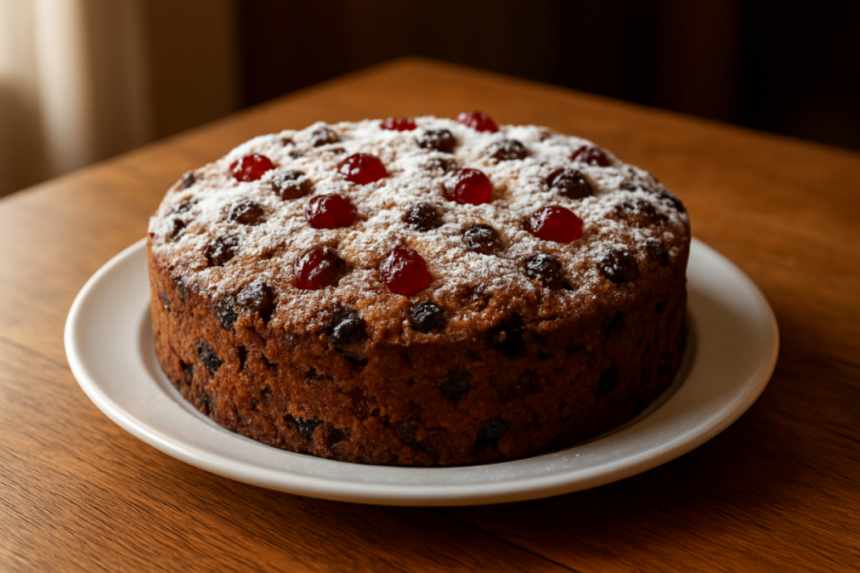
Transcribing my late grandmother's recipe box for the family, I found a card that wasn't a recipe. Under 'Christmas Cake,' in her hand, was a paragraph naming my father's real father — and asking forgiveness.
Discover a captivating collection of Family Secrets Stories that delve into hidden truths, unexpected revelations, and genealogy surprises uncovered through DNA tests and heartfelt confessions. These firsthand DNA test stories explore tangled family ties, long-buried mysteries, and astonishing discoveries that challenge what people thought they knew about their own bloodlines. Readers share their deeply personal experiences involving mistaken identities, adoption surprises, secret relatives, and shocking ancestry twists, inviting you into the complex world of family revelations.
Each story is a reader-submitted account open to public judgment, where you become part of the jury deciding whether these compelling tales truly happened or not. This curated anthology of genealogy and kinship mysteries offers a unique chance to explore real-life emotional journeys and family drama through the eyes of those who lived them. Dive in, enjoy the unexpected, and cast your vote on each intriguing entry.
Transcribing my late grandmother's recipe box for the family, I found a card that wasn't a recipe. Under 'Christmas Cake,' in her hand, was a paragraph naming my father's real father — and asking forgiveness.
My brother and I are 'twins' — same birthday, raised together, told we were fraternal. A curiosity DNA test said we share no more DNA than strangers. Our parents' faces, when we asked, told the rest.
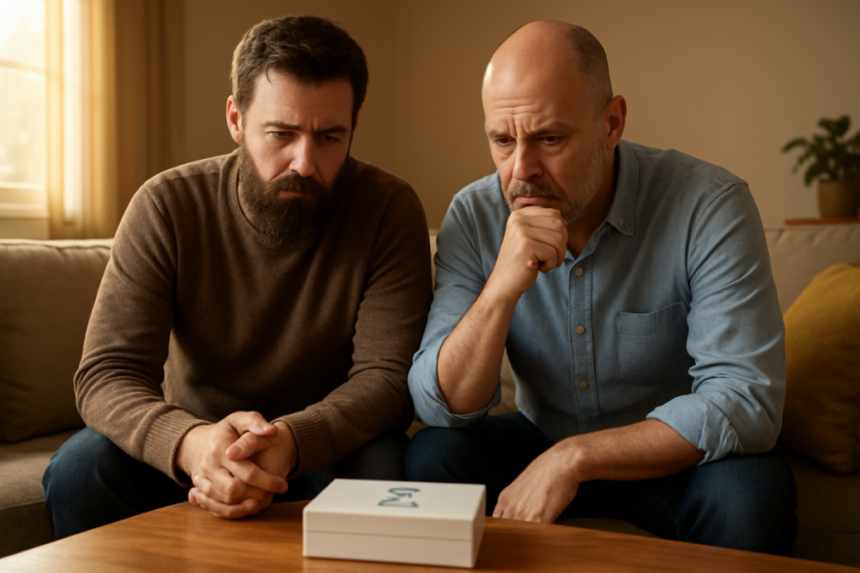
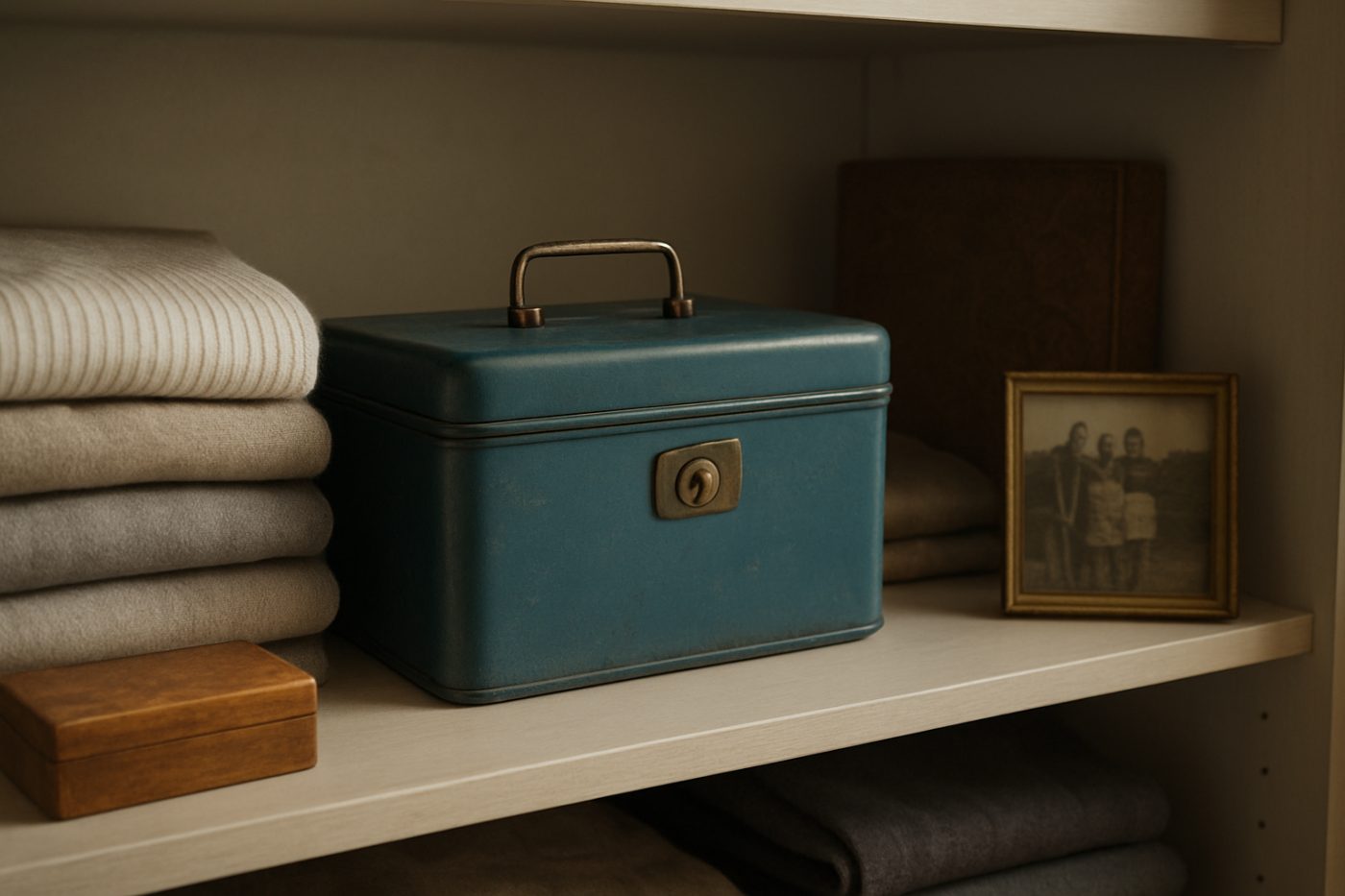
At the end, my grandmother gripped my hand and whispered that my mother could never have children, and that I had been "chosen," and to check the blue box in her closet. My mother has never confirmed it.
A distant DNA match, following up on our shared tree, mentioned a great-uncle who 'disappeared' in 1971. The records I already had named exactly where he went — and why nobody looked.
My half-siblings and I spent two years triangulating our anonymous donor. We finally confirmed him not with a spit kit he'd never take, but with a coffee cup he left on a park bench.

Clearing my late grandmother's attic, I found letters that made no sense — until a DNA test confirmed the woman who raised my father wasn't his mother, but her sister, who'd stepped in without a word.
A donor-conception discovery is common now. Mine came with a twist the clinic never disclosed: the anonymous donor whose DNA fills half of mine was the fertility doctor who treated my parents.
Tracing our 'secret family recipe' to its origin through DNA and old letters, I discovered the dish — and half my genes — came from a housekeeper the family had written out of its own story.
When four adult siblings tested together 'for a laugh', two of us matched Dad and two of us didn't — and the pattern, once we saw it, explained a decade of things nobody had ever said aloud.
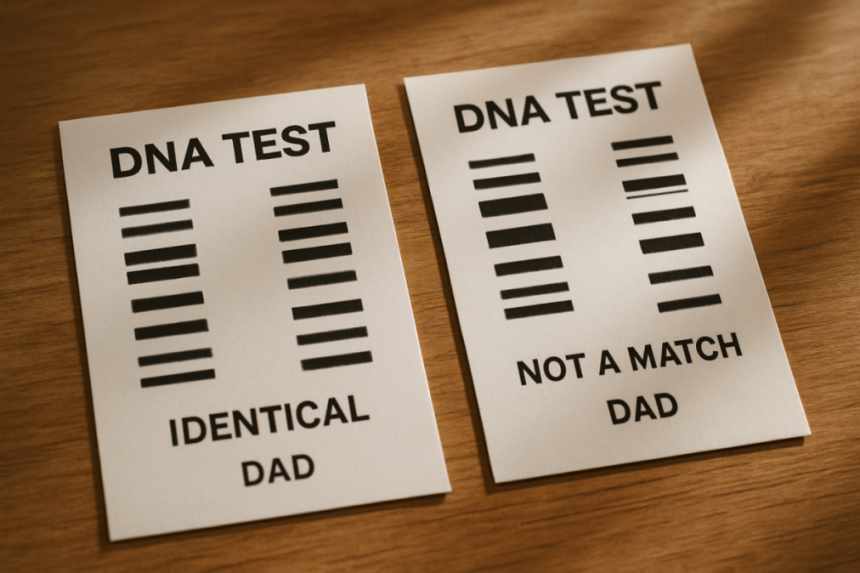
I gifted my parents matching ancestry kits as a jolly stocking filler. My mother opened her results, excused herself, and made a phone call that ended a fifty-year silence and started a war.
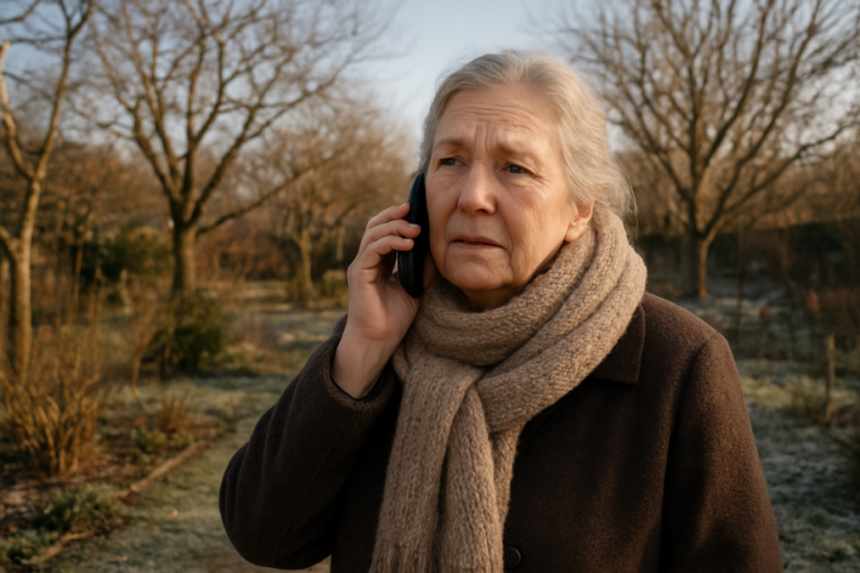
Researching my grandfather's medals, I ordered a test to connect with his side. It connected me to no one on his side — because the quiet hero we buried had, decades earlier, quietly become someone else.
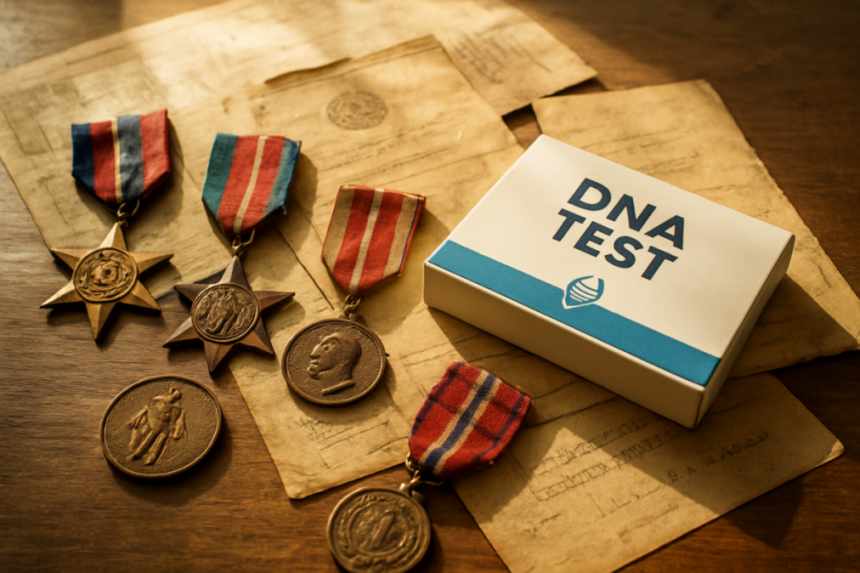
The girl I grew up calling my cousin, best friends since nappies, matched me on a DNA site as a full sibling. Our mothers — sisters — had a secret arrangement no one was meant to uncover.
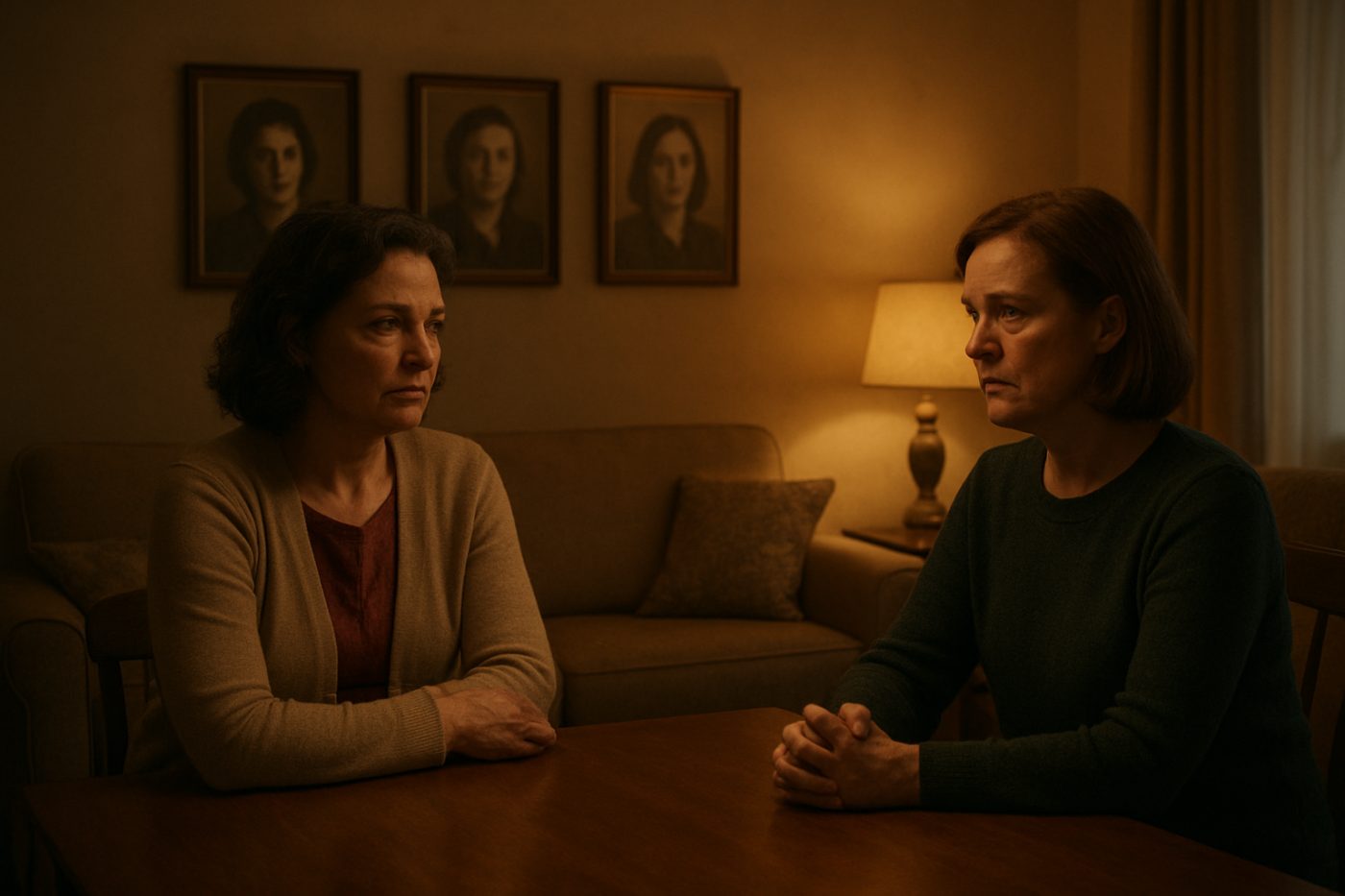
I bought the ancestry test to map my Irish side. It matched me, instead, to a 'close family — uncle' I'd never heard of — and my father went white, then told the truth for the first time.
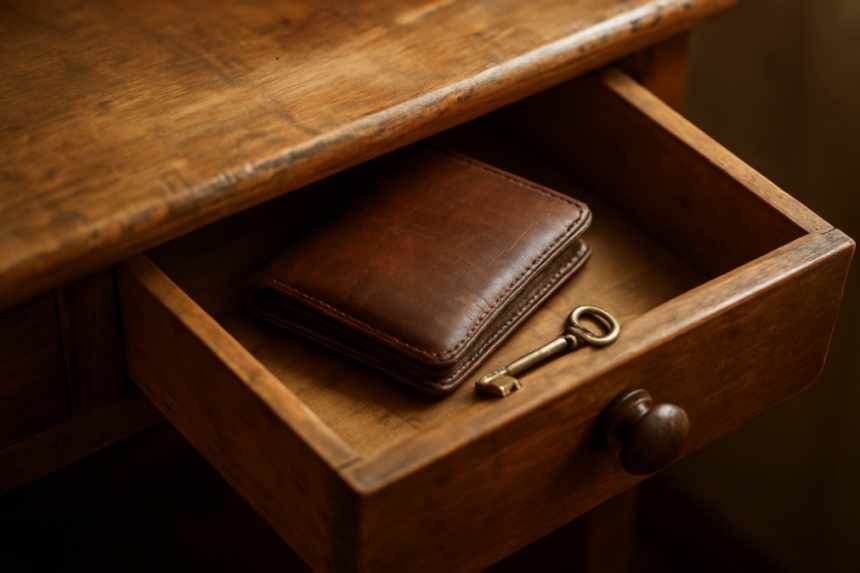
My father kept one desk drawer locked my whole childhood. After he died I finally opened it. Inside: a second wallet, a second ID with his photo and another name, and a key to an apartment across town.
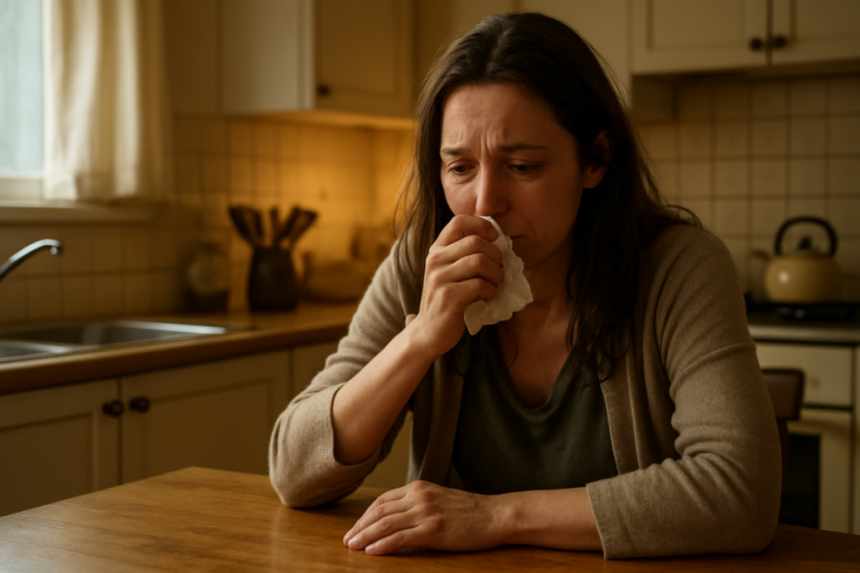
I did a DNA kit for fun. It matched me to a woman marked "sister" I had never heard of, two years older, given up before I was born. My mother went white when I said the name. My father left the room.
The hall of fame: the best Family Secrets Stories of all time
The pattern in this section is rarely the discovery itself. Someone orders a kit for a laugh, or to settle an argument about a great-grandmother, and the surprise arrives in a Tuesday email. What the accounts actually dwell on is the fortnight afterwards: who to tell, in what order, and whether an eighty-year-old woman needs to know at all. NPE stories — not-parent-expected results — fill most of this shelf. Genealogists have watched this become routine — misattributed parentage turns up far more often than the family Bible suggests — and the emotional arithmetic is always the same. Half the narrators in these DNA test stories say they would order the kit again. The other half are very clear that they would not.
Cases where a stranger turns out to share a parent are collected under secret siblings, and the stories that were only ever passed down at the table live in family legends. A good submission here includes the boring parts — the dates, the wording of the message, who stopped replying. Those are the details that make the rest of it land.
Yes, they can be real. DNA tests, old documents, and long-buried family records can reveal unexpected relatives, hidden adoptions, or mistaken identities. On this page, the jury votes help show which accounts readers find most believable.
They can expose things that were never written down, misremembered, or intentionally hidden. A test may connect people to unknown relatives, different biological parents, or branches of the family no one expected. That is why these stories often feel so dramatic when the truth finally comes out.
Start by confirming the result and comparing it with more than one source, like records, family memories, and other matches. It can help to take time before confronting anyone, because these discoveries can be emotionally charged. Reading similar true accounts and the jury reactions may help you see how others handled the shock.
They are more common than many people assume, partly because old family secrets can stay hidden for decades. DNA testing has made it easier for people to notice when a relative does not fit the expected family tree. The stories here show many different ways those discoveries can surface.
Sometimes, yes. Letters, photographs, birth records, military papers, and old conversations can also reveal clues about identity and relationships. In the story collection, several accounts show that a single document or memory can be enough to change everything.
Families often hide painful events, social stigma, affairs, adoption, or simply the fear of upsetting loved ones. Over time, those secrets can become part of the family’s silent history. That is why readers are often fascinated by accounts where the truth only appears years later.
Specific details, consistent timelines, and supporting evidence usually make a story feel more convincing. Readers also look for whether the account includes reactions, records, and follow-up discoveries rather than just a big twist. The jury votes on this page reflect how real the story seems to other readers.