The Recipe Card Was a Confession
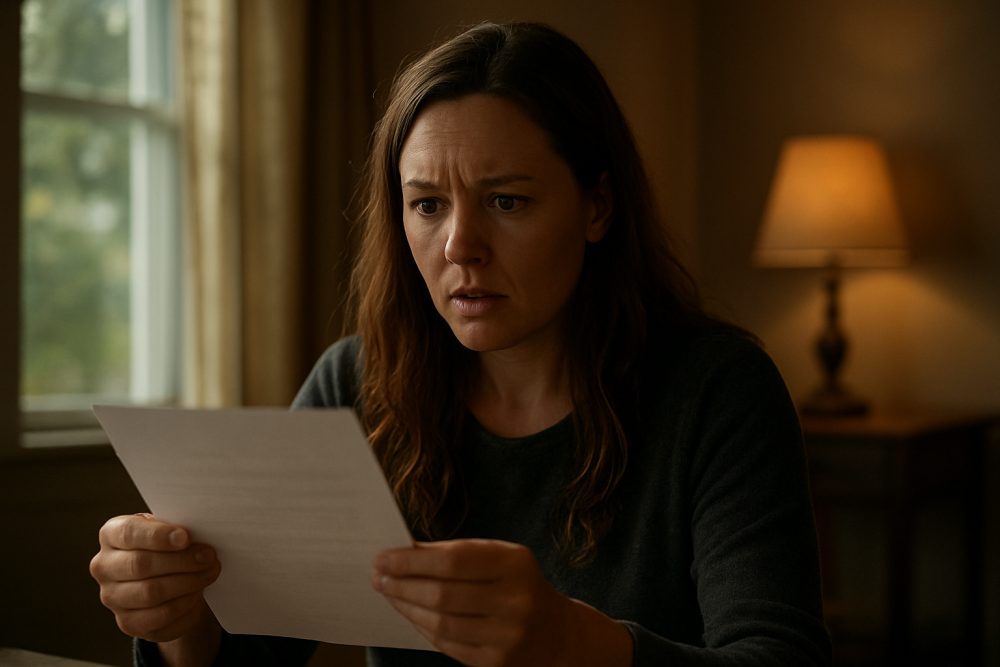
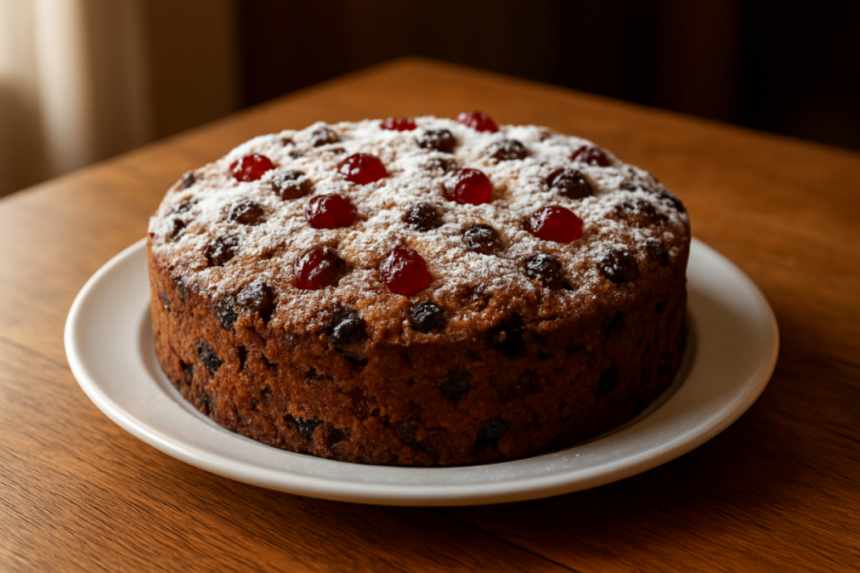
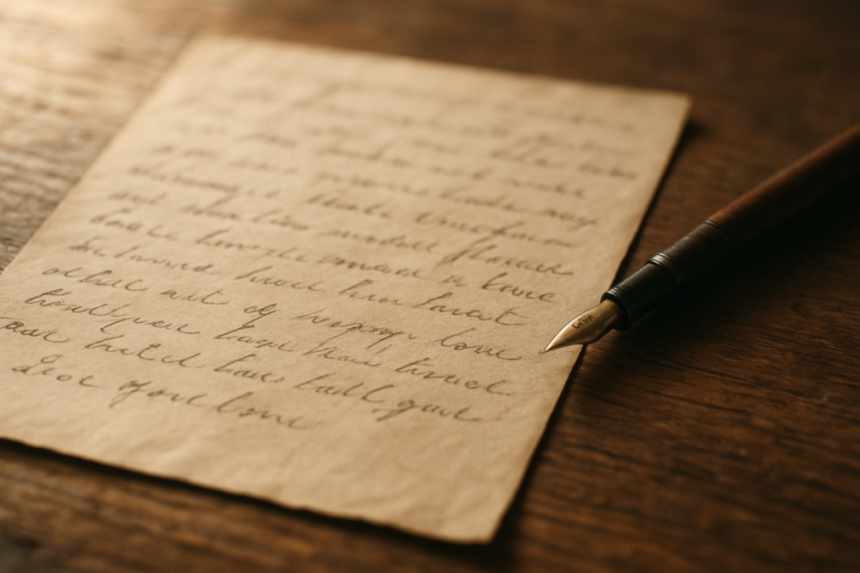
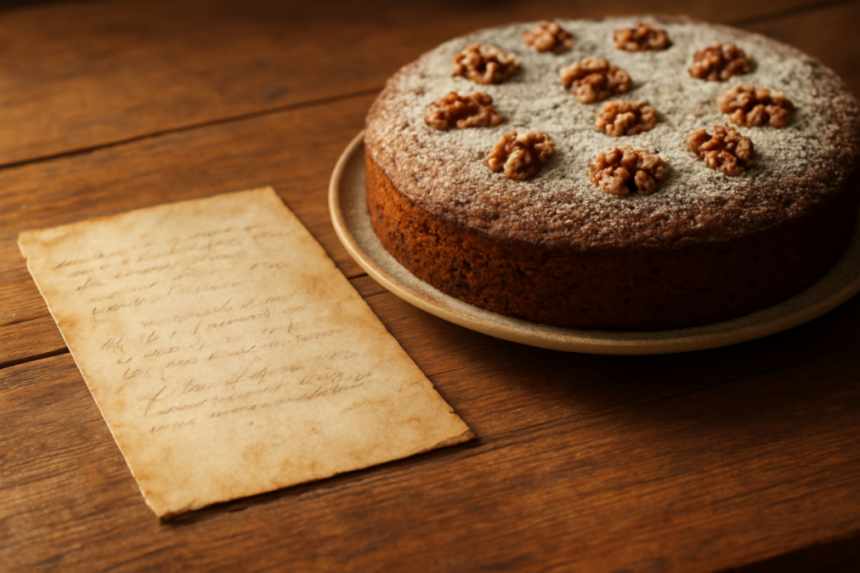
Transcribing my late grandmother's recipe box for the family, I found a card that wasn't a recipe. Under 'Christmas Cake,' in her hand, was a paragraph naming my father's real father — and asking forgiveness.
Not parent expected is the phrase people learn the week their test comes back: these dna surprise stories are first-hand accounts of misattributed parentage. Families built on secrets, hidden parentage, unexpected half-siblings, and shocking ancestry test results all live here in the DNA Surprises category. These are intimate first-person accounts of long-buried adoptions, misattributed paternity, mystery relatives, medical betrayal, and identity-shaking revelations sparked by home genealogy kits, old letters, and last-minute confessions. Every narrative explores what happens when biology, paperwork, and family lore collide—and someone’s entire sense of self is suddenly up for debate.
On this page, storytellers share their most bewildering discoveries, and nothing is confirmed except their own perspectives. You are the jury: after reading each twist-filled experience, you decide whether it feels authentic or invented, and cast your vote accordingly. Dive in, follow the clues, and vote on what you believe really happened.

Transcribing my late grandmother's recipe box for the family, I found a card that wasn't a recipe. Under 'Christmas Cake,' in her hand, was a paragraph naming my father's real father — and asking forgiveness.
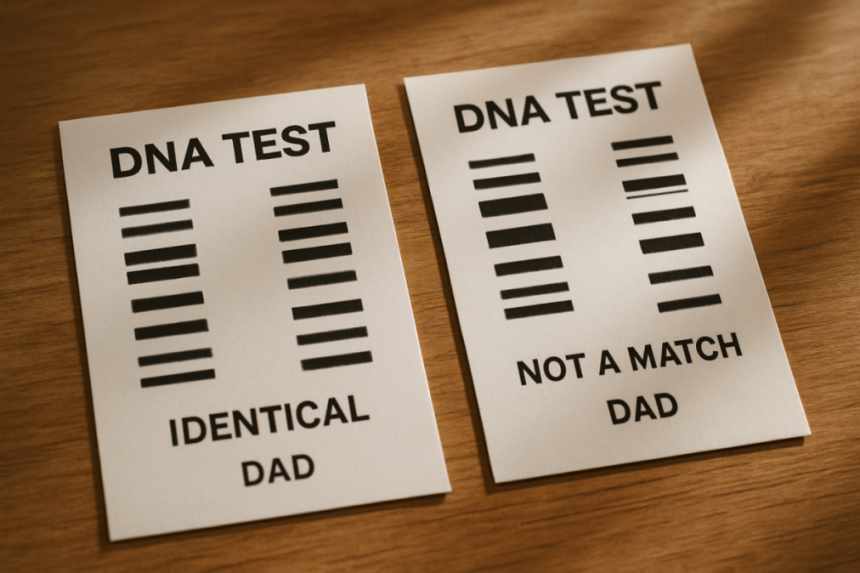
My brother and I are 'twins' — same birthday, raised together, told we were fraternal. A curiosity DNA test said we share no more DNA than strangers. Our parents' faces, when we asked, told the rest.
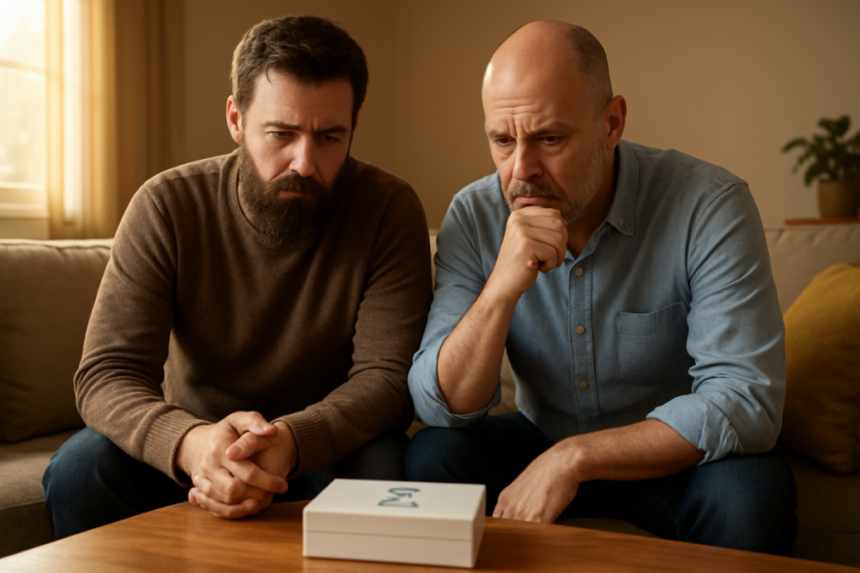
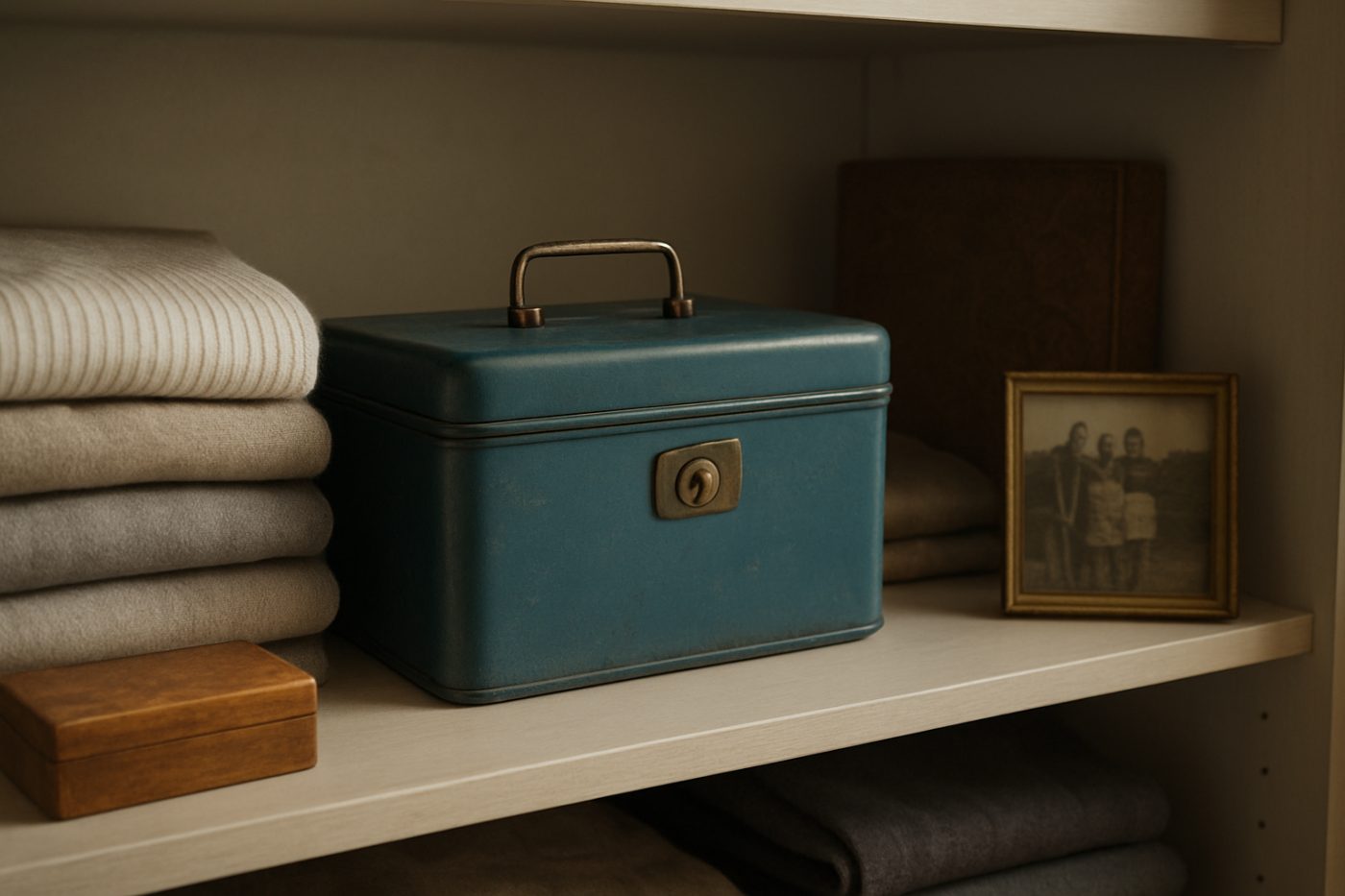
At the end, my grandmother gripped my hand and whispered that my mother could never have children, and that I had been "chosen," and to check the blue box in her closet. My mother has never confirmed it.
A distant DNA match, following up on our shared tree, mentioned a great-uncle who 'disappeared' in 1971. The records I already had named exactly where he went — and why nobody looked.
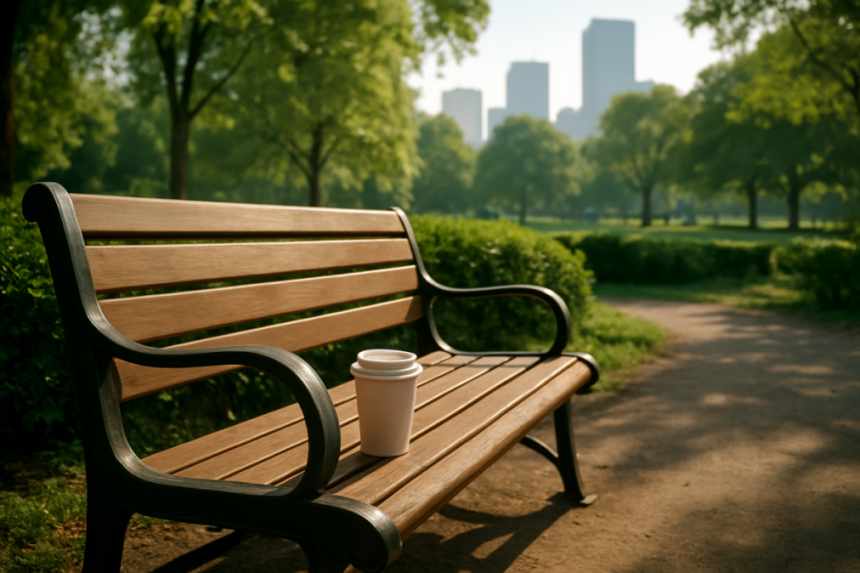
My half-siblings and I spent two years triangulating our anonymous donor. We finally confirmed him not with a spit kit he'd never take, but with a coffee cup he left on a park bench.
Clearing my late grandmother's attic, I found letters that made no sense — until a DNA test confirmed the woman who raised my father wasn't his mother, but her sister, who'd stepped in without a word.
A donor-conception discovery is common now. Mine came with a twist the clinic never disclosed: the anonymous donor whose DNA fills half of mine was the fertility doctor who treated my parents.
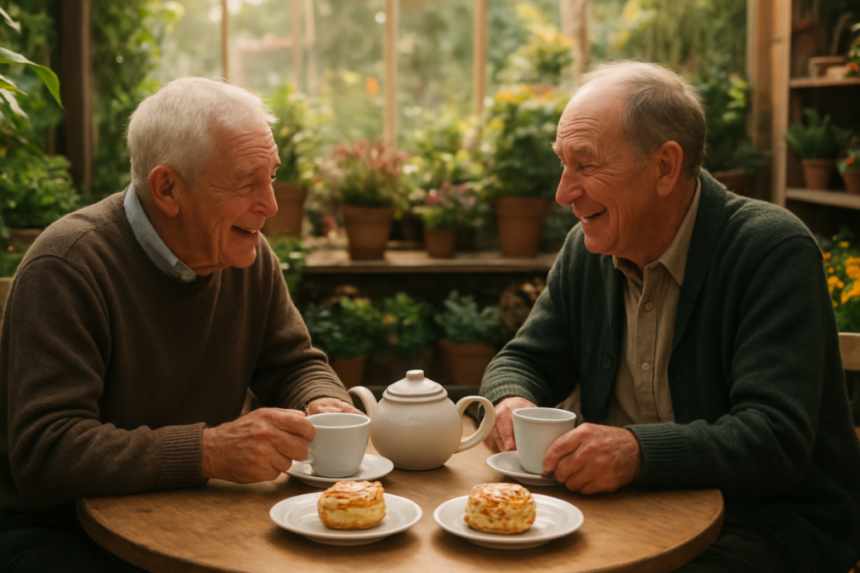
Tracing our 'secret family recipe' to its origin through DNA and old letters, I discovered the dish — and half my genes — came from a housekeeper the family had written out of its own story.
When four adult siblings tested together 'for a laugh', two of us matched Dad and two of us didn't — and the pattern, once we saw it, explained a decade of things nobody had ever said aloud.
I gifted my parents matching ancestry kits as a jolly stocking filler. My mother opened her results, excused herself, and made a phone call that ended a fifty-year silence and started a war.
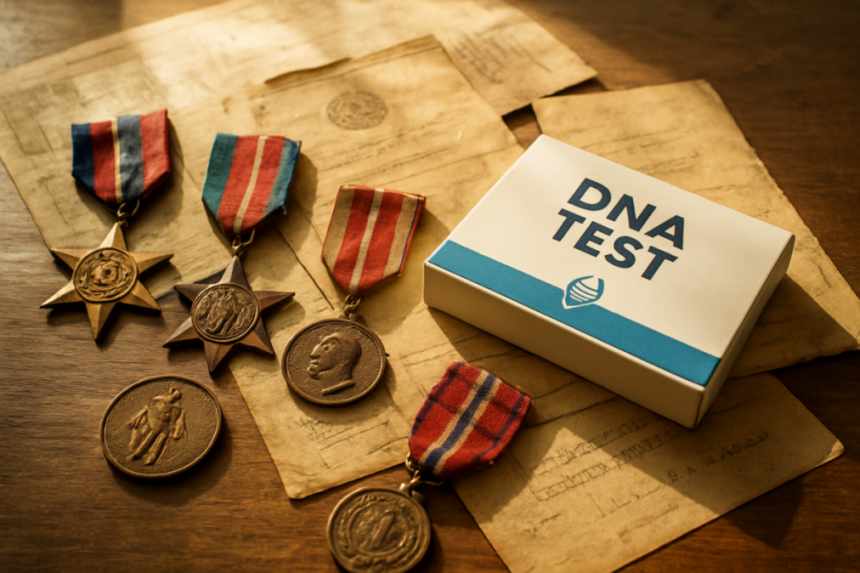
Researching my grandfather's medals, I ordered a test to connect with his side. It connected me to no one on his side — because the quiet hero we buried had, decades earlier, quietly become someone else.
The girl I grew up calling my cousin, best friends since nappies, matched me on a DNA site as a full sibling. Our mothers — sisters — had a secret arrangement no one was meant to uncover.
I bought the ancestry test to map my Irish side. It matched me, instead, to a 'close family — uncle' I'd never heard of — and my father went white, then told the truth for the first time.
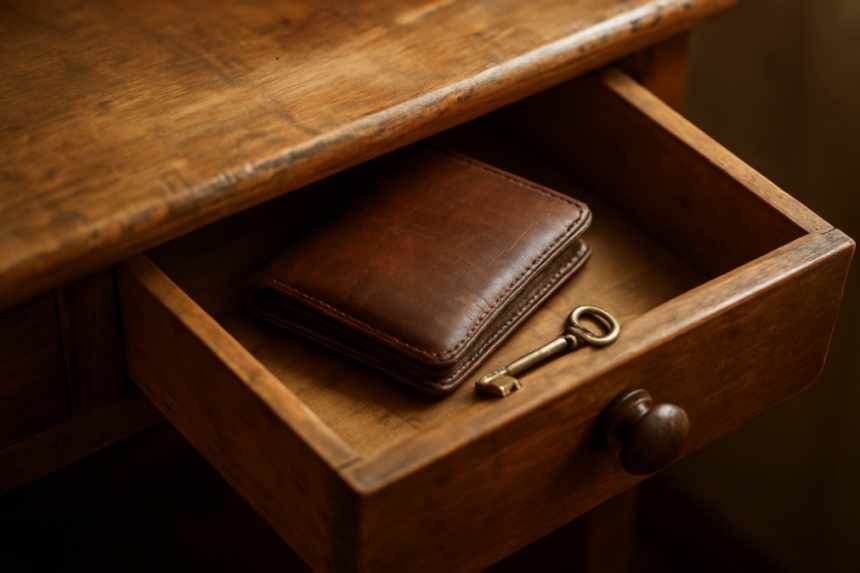
My father kept one desk drawer locked my whole childhood. After he died I finally opened it. Inside: a second wallet, a second ID with his photo and another name, and a key to an apartment across town.
I sat down for a job interview in a new city. The woman across the desk had my exact hairline, my mother's nose, and a birthday one day from mine. A DNA test later confirmed it: half-sister.
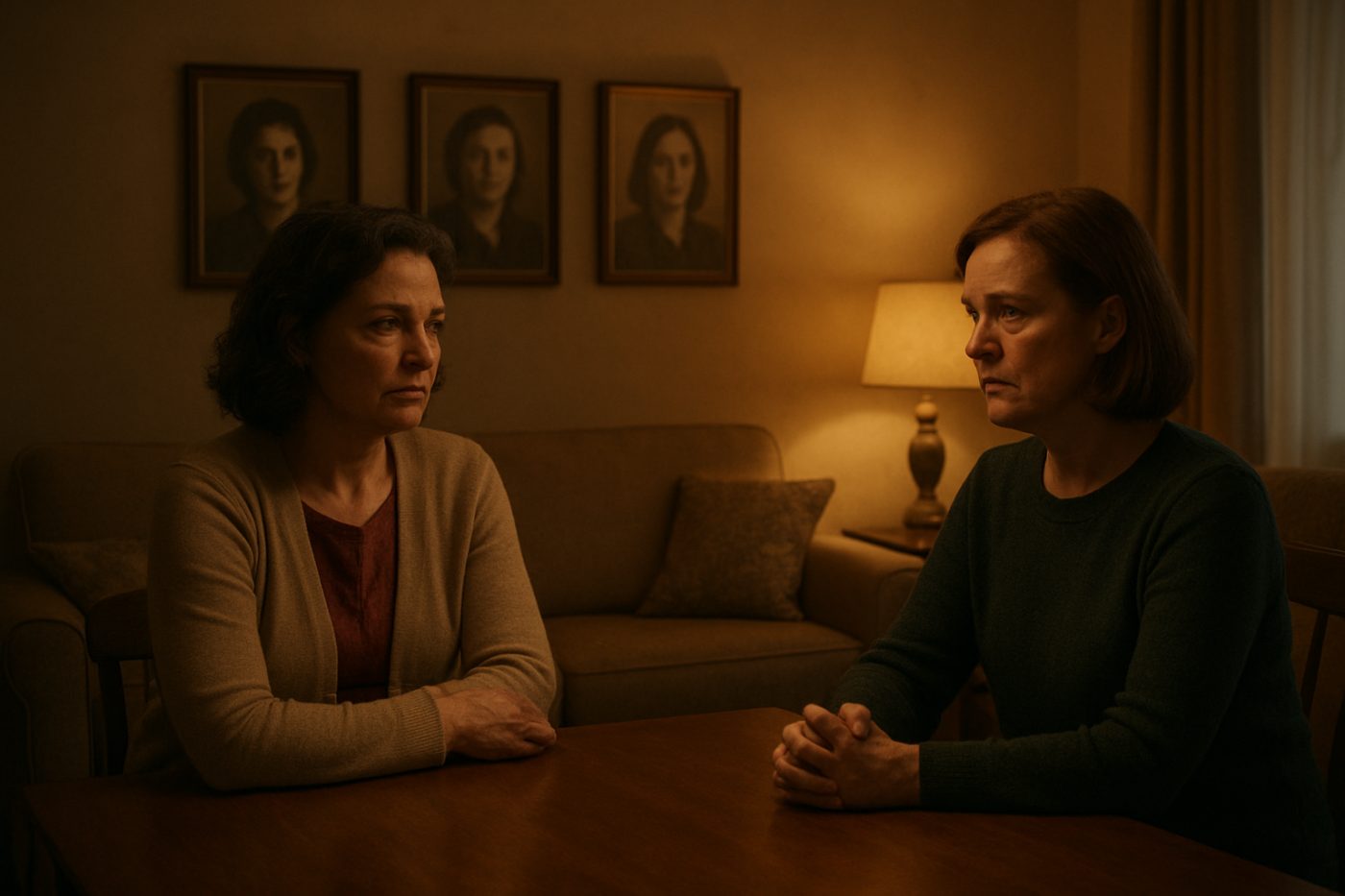
I did a DNA kit for fun. It matched me to a woman marked "sister" I had never heard of, two years older, given up before I was born. My mother went white when I said the name. My father left the room.
Misattributed parentage is a paperwork event and a family event, and they never land on the same day. Nearly every account here contains a gap. The result lands on a Tuesday, and the narrator sits on it — a week, a fortnight, in one case eleven months — before saying a word to anyone. That silence is where the writing gets interesting. People describe rereading the centimorgan figures until they stop meaning anything, ordering a second kit from a different company, phoning a cousin about something else entirely just to hear how she talks. Genealogists will point out that the science is the easy part; the hard part is deciding who is owed a conversation and in what order. Sceptics note how often the villain of the story turns out to be a hospital clerk in 1974.
The longer version of the same reckoning is collected in family secrets stories, and the relatives who arrive unannounced are gathered under secret siblings. A DNA surprise reads best when the author includes the dull mechanics — which company, which match percentage, who was told fourth. Jurors here are suspicious of tidy endings and generous towards anyone who admits the whole thing is still unresolved.
Some shocking test results do happen in real life, but not every dramatic story you see online is true. On this site, each first-person account is read by a jury of readers who vote on whether they believe it really happened, so you can see how convincing other people found it while you decide for yourself.
Nobody knows the exact numbers, but as more people test, more unexpected family connections get uncovered. Many readers come here to share and compare their own experiences, and you can see from the story list and jury votes that surprise parentage, half-siblings, or unknown cousins are far from rare in these accounts.
Matching your DNA against millions of other users can expose biological links that don’t match the official family story. Affairs, donor conceptions, informal adoptions, and simple record-keeping mistakes from decades ago can all surface when test results and shared matches are compared, as you’ll see in the stories and the outcomes the jury reacts to.
People often need time to process the shock before deciding whether to talk with family members or seek emotional support. You can read how different storytellers on this site handled similar discoveries, and use the jury’s responses as one way to reflect on possible reactions and outcomes, but your next steps will depend on your own circumstances and comfort level.
Test results themselves don’t go straight to the police, but when people upload their data to third-party matching sites or share it widely, unexpected links to old investigations can sometimes appear. Several stories here describe relatives identified from distant matches, and the reader jury’s votes show how believable they found those twists.
Modern tests are generally quite reliable at detecting close biological relationships, but they’re not perfect and can be misread or misunderstood. The stories on this page often turn on how people interpret matches and family trees, and seeing how the jury weighs the plausibility may help you think critically about what test results can and can’t prove.
Reactions can range from relief and curiosity to anger, grief, or feeling disconnected from family. Many of the first-person accounts here explore that emotional fallout in detail, and the jury’s comments and votes can highlight the different ways readers relate to, or question, those reactions.
Yes, simply appearing as a match to others can reveal connections you didn’t know about, especially if distant relatives are building detailed family trees. The narratives on this site show how one person’s test can ripple through a whole family story, and you can see from the jury’s verdicts which chain reactions they find most realistic.