The Test Said My Twin Wasn't My Twin
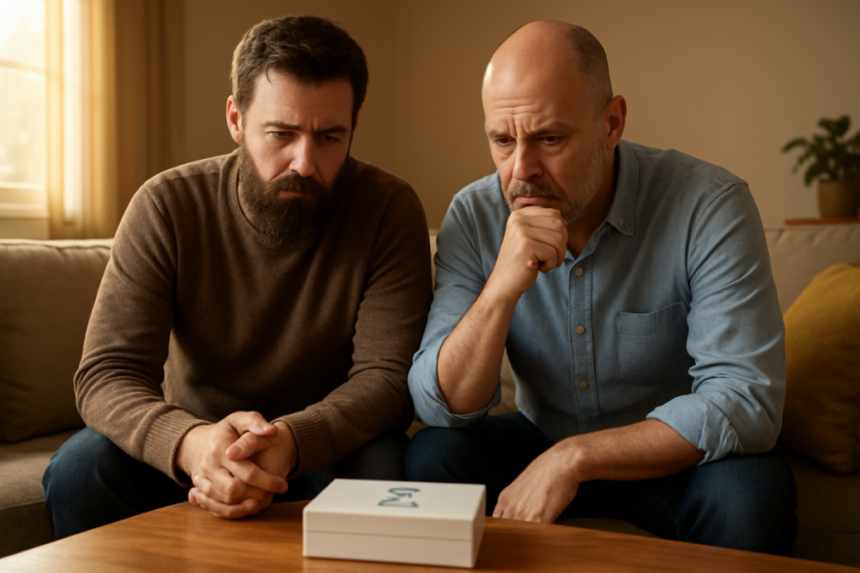
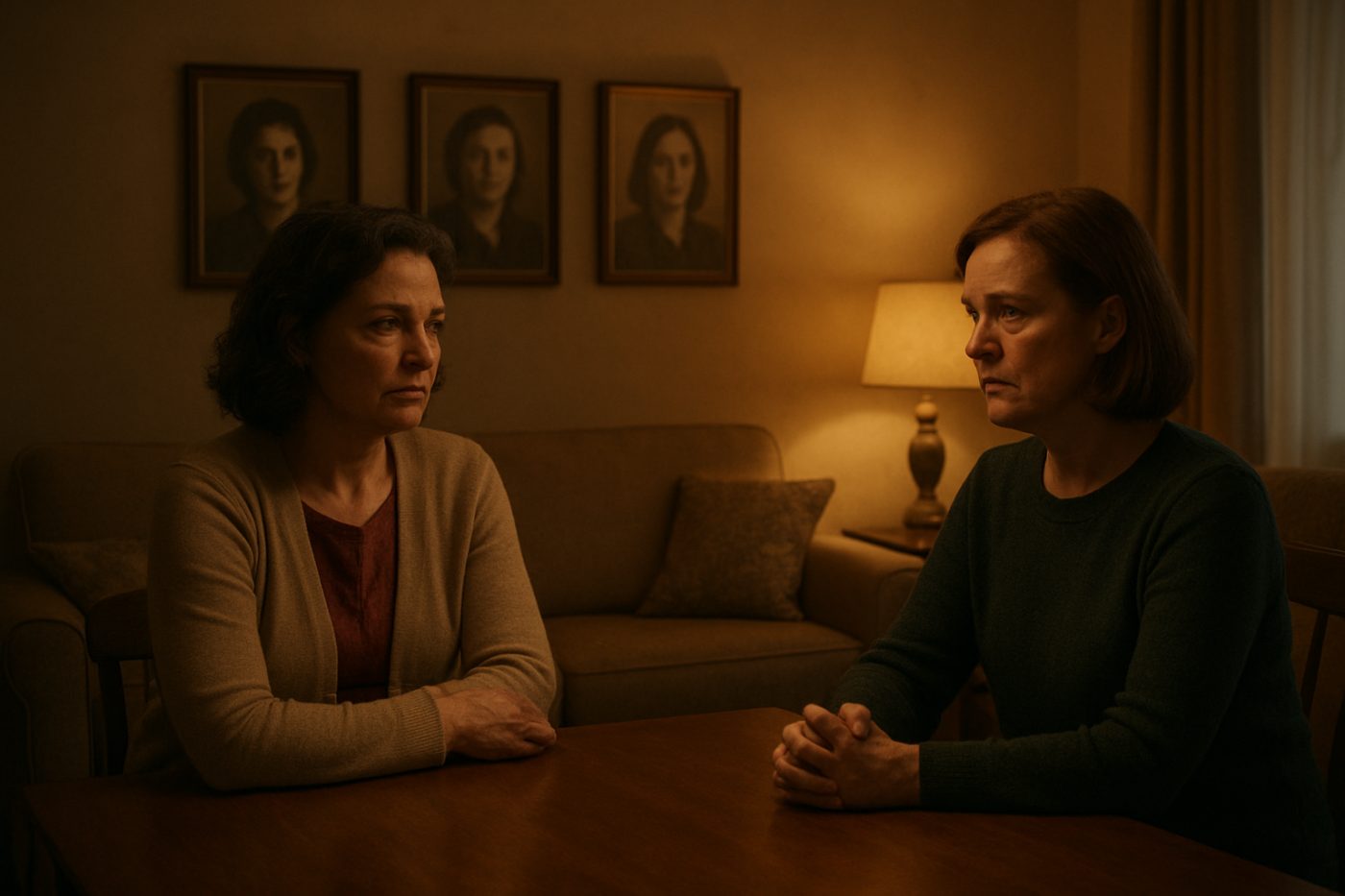
My brother and I are 'twins' — same birthday, raised together, told we were fraternal. A curiosity DNA test said we share no more DNA than strangers. Our parents' faces, when we asked, told the rest.
A long lost sibling can arrive by letter, by funeral, or by algorithm — most of the half sibling discovery accounts here begin with a dna test. Families hide more than old photos and awkward memories; sometimes they hide entire people. Here you’ll find confessions about undisclosed brothers and sisters, surprise DNA-test relatives, hidden adoptions, and late-life revelations that rewrite the family tree. These first-person accounts dive into shock, betrayal, relief, and dark humor as narrators piece together clues from ancestry kits, whispered hospital stories, locked drawers, and deathbed confessions to discover they were never quite who they thought they were.
Every narrative here is submitted by readers and judged by a jury of other visitors who vote on whether they believe it really happened. None of these tales are verified, but all of them feel unsettlingly possible—secret offspring, unexpected twins, misattributed parents, and long-lost kin colliding in everyday life. Start reading, follow the twists, and cast your vote on each story.

My brother and I are 'twins' — same birthday, raised together, told we were fraternal. A curiosity DNA test said we share no more DNA than strangers. Our parents' faces, when we asked, told the rest.
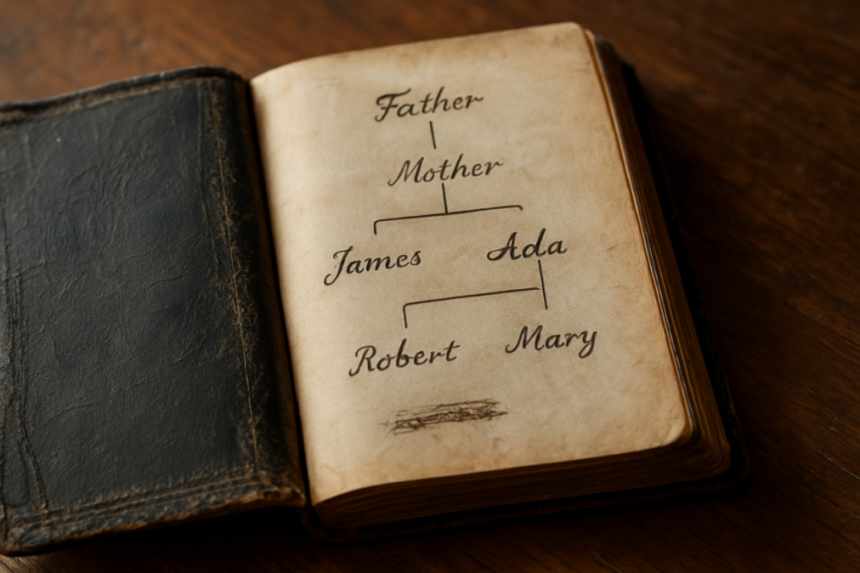
For three generations the women in my family have believed we were cursed with bad luck in threes. The real story was a girl left out of the family Bible on purpose.
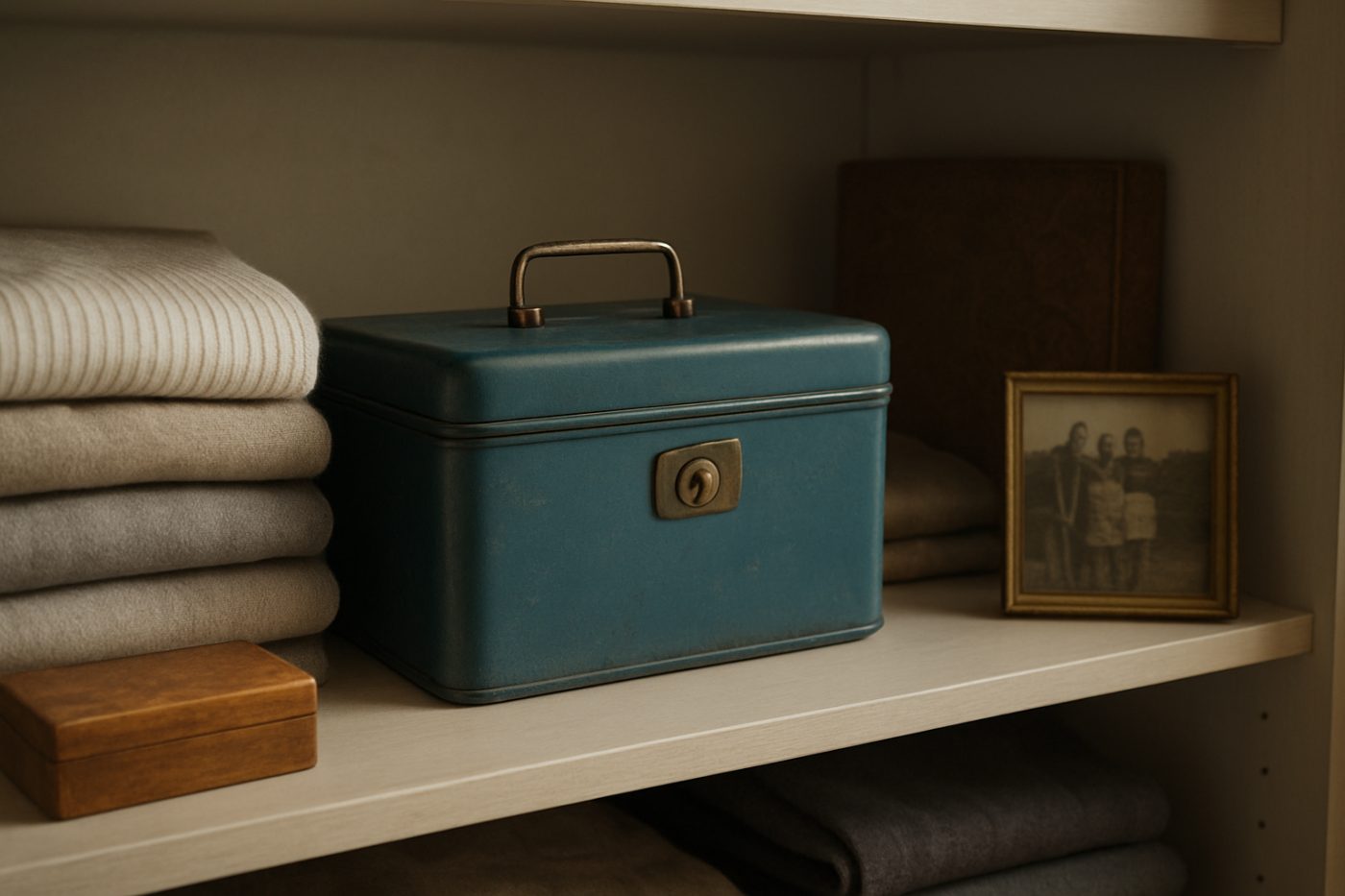
At the end, my grandmother gripped my hand and whispered that my mother could never have children, and that I had been "chosen," and to check the blue box in her closet. My mother has never confirmed it.
My half-siblings and I spent two years triangulating our anonymous donor. We finally confirmed him not with a spit kit he'd never take, but with a coffee cup he left on a park bench.
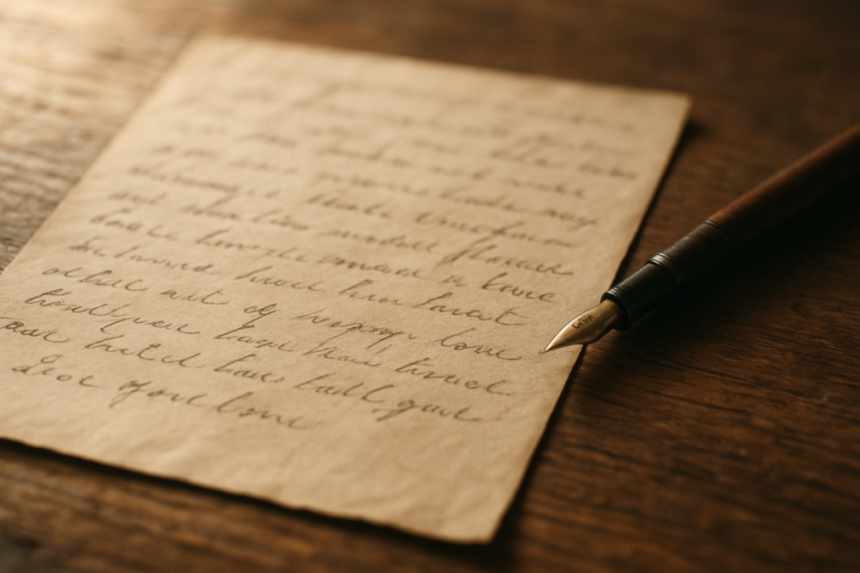
Clearing my late grandmother's attic, I found letters that made no sense — until a DNA test confirmed the woman who raised my father wasn't his mother, but her sister, who'd stepped in without a word.
A donor-conception discovery is common now. Mine came with a twist the clinic never disclosed: the anonymous donor whose DNA fills half of mine was the fertility doctor who treated my parents.
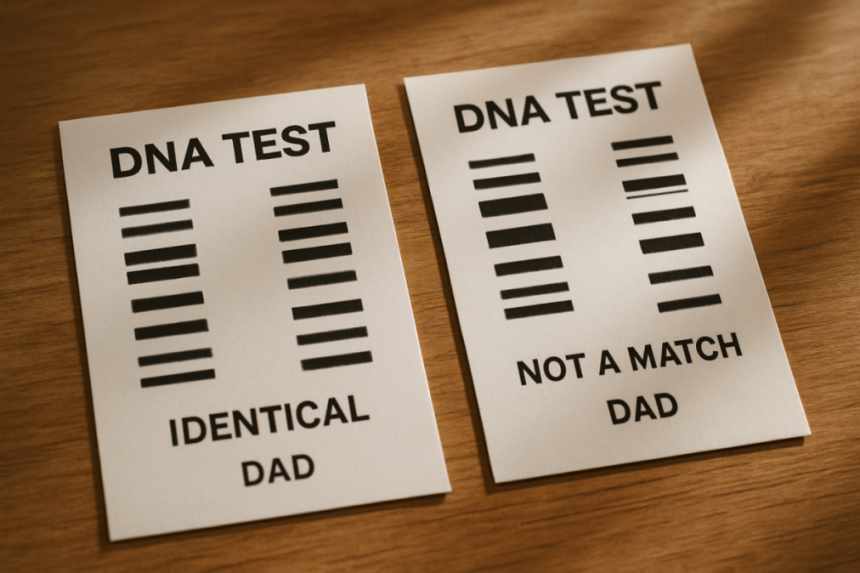
When four adult siblings tested together 'for a laugh', two of us matched Dad and two of us didn't — and the pattern, once we saw it, explained a decade of things nobody had ever said aloud.
I gifted my parents matching ancestry kits as a jolly stocking filler. My mother opened her results, excused herself, and made a phone call that ended a fifty-year silence and started a war.
The girl I grew up calling my cousin, best friends since nappies, matched me on a DNA site as a full sibling. Our mothers — sisters — had a secret arrangement no one was meant to uncover.
I bought the ancestry test to map my Irish side. It matched me, instead, to a 'close family — uncle' I'd never heard of — and my father went white, then told the truth for the first time.
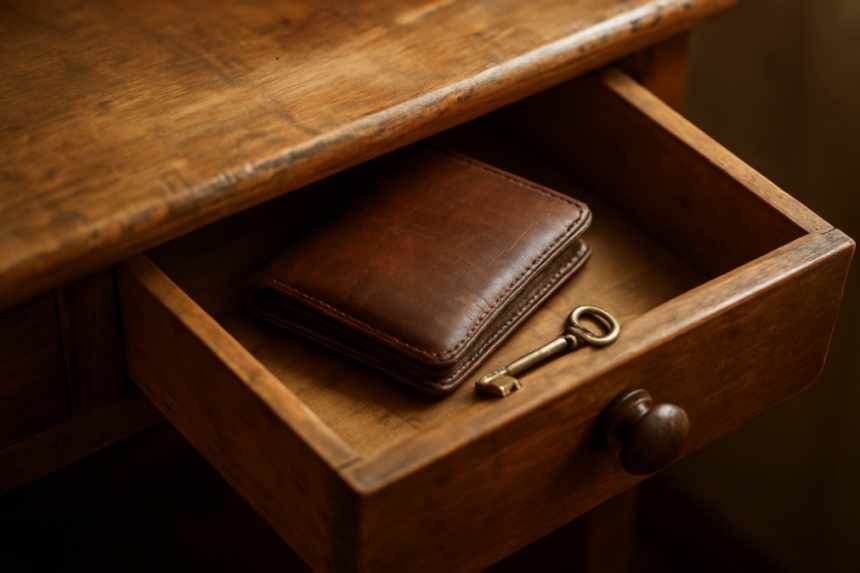
My father kept one desk drawer locked my whole childhood. After he died I finally opened it. Inside: a second wallet, a second ID with his photo and another name, and a key to an apartment across town.
I sat down for a job interview in a new city. The woman across the desk had my exact hairline, my mother's nose, and a birthday one day from mine. A DNA test later confirmed it: half-sister.
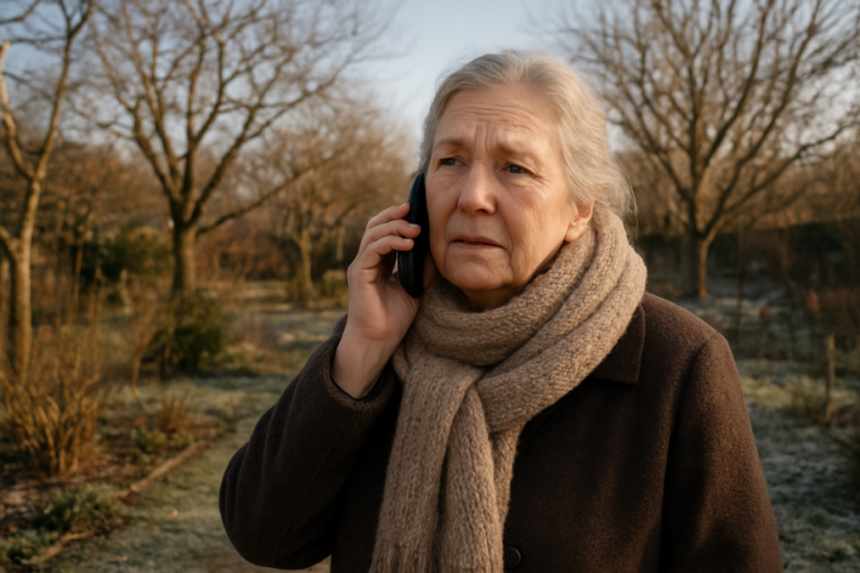
I did a DNA kit for fun. It matched me to a woman marked "sister" I had never heard of, two years older, given up before I was born. My mother went white when I said the name. My father left the room.
Nobody drafts the first message to a long lost sibling only once. Half of these accounts are written by the person who went looking, and half by the person who was found — and those two halves read nothing alike. The searcher's version is full of preparation: a draft message rewritten nine times, a decision about whether to mention the affair in the first paragraph or the fourth. The found sibling's version begins with a notification at half past seven on a weekday and no preparation at all. Counsellors who work in this area say the mismatch explains most of the wreckage that follows. The most affecting submissions come from people who got a polite refusal and had to decide what to do with it.
The test results that set all this in motion sit under DNA surprises, while the paperwork route — a christening card, a name on the back of a photograph — runs through old letters. Readers voting on a secret sibling account tend to look for the awkward bits: the sibling who wanted nothing, the parent who denied it flatly, the reunion that fizzled after two lunches.
Unexpected siblings discovered through DNA tests, old documents, or family confessions are being reported more often, largely because testing and social media make them easier to uncover and share. They’re still unusual on an individual level, but far from unheard of, especially in families with adoptions, donor conception, affairs, or wartime separations. Reading through the stories and seeing how the reader jury votes can give you a sense of how plausible different situations seem to others.
The most common triggers are consumer DNA kits, ancestry websites, and digging through papers after someone dies or moves. Sometimes a relative confesses on a deathbed, or a casual comment exposes inconsistencies in the family story. On the site, you’ll see all of these routes appear in different accounts, and the jury reactions highlight which explanations people find believable.
Older generations often faced intense stigma around unwed pregnancy, affairs, infertility, or sperm and egg donation, so relatives hid the truth to protect reputations or keep families together. Some thought secrecy was the kindest option; others were motivated by shame, control, or fear. The narratives on the page explore these motives in depth, and the jury votes often reflect how readers judge those choices.
Consumer DNA tests are generally reliable for close relationships, but errors in labeling, sample handling, or family assumptions do happen. Comparing results across more than one service, checking whether the predicted shared DNA range matches a half-sibling relationship, and calmly asking relatives for context can help. In the stories, you can see different ways people double-check surprising results and how the jury evaluates their reasoning.
Give yourself time to process the shock before deciding what to do next, and consider confiding in someone you trust or a neutral counselor. If you think about contacting the new relative, start with a low‑pressure message that respects their privacy and boundaries. Many accounts on the site walk through those first steps, and the jury comments can highlight pitfalls and thoughtful approaches others notice.
There’s no single definitive number, but as testing has become cheaper and more popular, cases of people finding unknown relatives have clearly increased. Even if the overall percentage of surprising matches is small, the absolute number is big enough that these stories keep surfacing. By browsing the collection and seeing the jury’s “real or not” votes, you can get a sense of how representative different scenarios might be.
The accounts are presented as first‑person true stories, but the site doesn’t claim to verify every detail. Instead, a reader jury votes on whether each story feels authentic or invented based on the evidence and tone. Looking at both the narrative and the jury breakdown lets you form your own judgment about what likely happened.