
She Ghosted Me For Eleven Months, Then Apologised About The Car
A woman cut all contact for eleven months. She reappeared beside a drained swimming pool at four in the morning, apologising about a car.
Think it’s bad when someone disappears mid-text? This tag collects the most jaw-dropping ghosting stories: vanishing lovers, elaborate online impostors, and dates that detour into full-blown identity mirages. Every piece here is a first-person account of romantic vanishings, digital deceptions, and situationships that dissolve without warning, often wrapped in lies so detailed they feel scripted. Expect sudden silence, fake personas, and brutal communication blackouts that leave the storyteller questioning what was ever real.
On this page, nothing is pre-verified or fact-checked; each narrative stands as one person’s side of the story, and the truth is up to you. Our reader jury weighs in on every disappearing act, voting on whether each saga feels authentic or totally made up. Dive into the stories, then cast your vote.
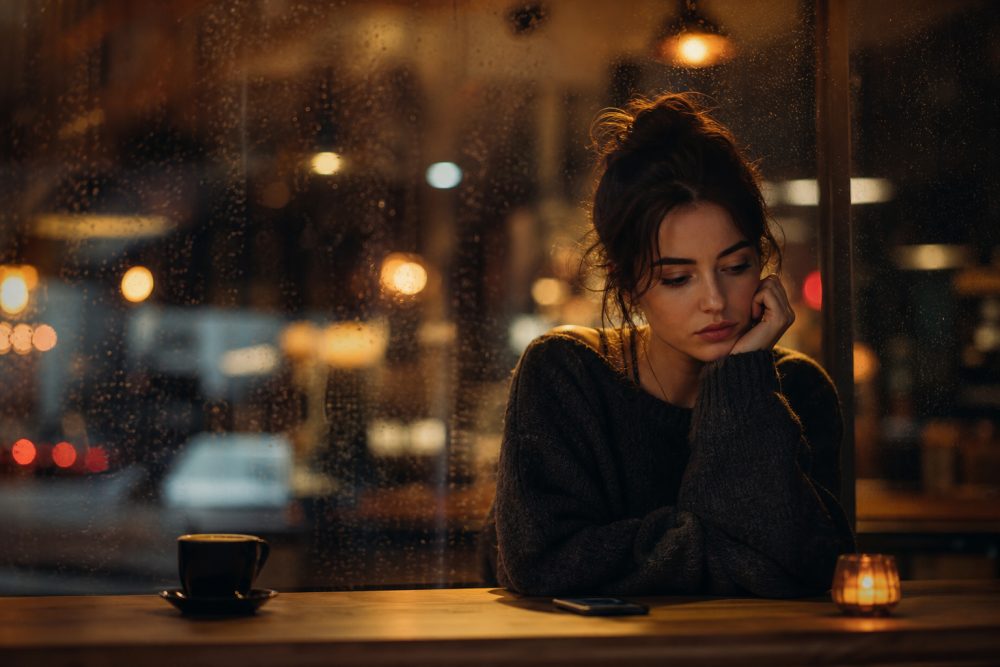
A woman cut all contact for eleven months. She reappeared beside a drained swimming pool at four in the morning, apologising about a car.
The dog was cute, the job sounded real, and he texted every day. Then I spotted a spreadsheet in the background of a photo, with my misspelled name in a grid of women. I was just a row.

One perfect first date, then total silence. Two weeks later a strange number told me the truth: her phone had been stolen, and a thief had been reading my hopeful texts and saying nothing.

Two-for-one wine made me brave enough to tell my date he was not the man in the photos. He confessed the face belonged to his cousin. Then the catfish ghosted me before I could ghost him.

He said a family thing came up and asked me to tag along. I walked into a church full of people in black and realized my first date was a funeral -- and then he asked me to give a eulogy.

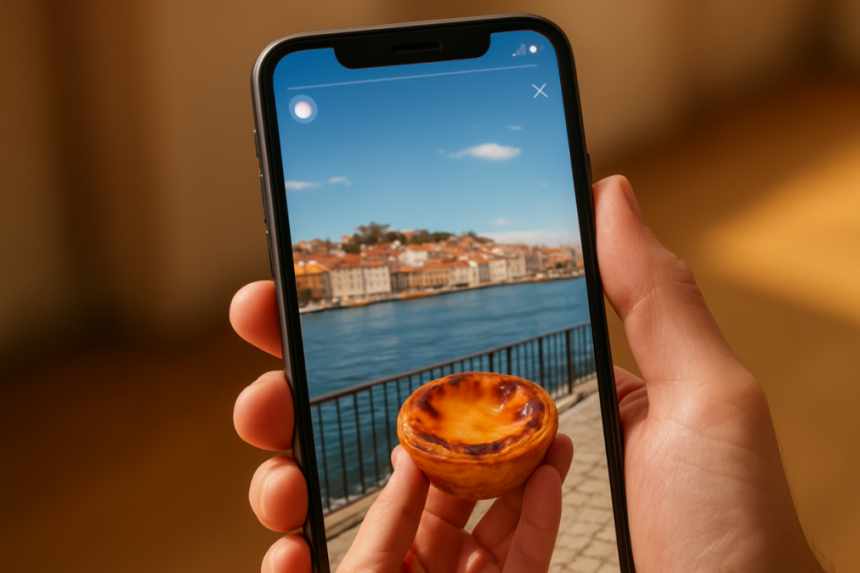
Ghosting is one thing. Faking a two-week emergency trip to Lisbon with recycled photos while buying rotisserie chicken nine minutes from his apartment is a whole other level of commitment.
The disappearance itself takes no time at all, so ghosting stories are mostly about the fortnight afterwards. Narrators describe the forensic phase in detail: rereading a thread for the message that caused it, checking whether the photograph changed, working out whether someone is dead or simply busy. Then comes the theory, and the theory is nearly always wrong. What makes this archive unusual is the number of writers who eventually found out — a mutual friend, a chance meeting, a message eight months later opening with an apology and no explanation. The reasons, when they surface, are duller than anything the narrator invented.
Cases where the person was never quite who they claimed sit under catfishing, and the wider mess of app-based courtship is at dating disasters. If you have been ghosted and want to write it up, the useful part is not the vanishing. It is the sentence you drafted and did not send, which almost everybody has and almost nobody includes.
Every story is a first-person account that the writer claims is real, and a reader jury votes on how believable it seems. Some tales sound outrageous, but others are painfully ordinary; reading through the comments and jury votes can help you gauge what feels authentic to you.
Vanishing without explanation can happen for many reasons: fear of confrontation, emotional immaturity, shame, or simply losing interest and not knowing how to say so. The stories here show patterns, like people juggling multiple lives or online personas, and the jury reactions can highlight what motives readers think are most likely in each case.
Sudden silence after intense texting or dates is very widespread in modern app-based dating, even though it still feels deeply personal each time. If you scroll through multiple accounts and their jury scores, you’ll notice how often similar experiences repeat with different details.
Being abruptly dropped says far more about the other person’s communication skills and values than it does about your worth. Reading a range of stories and seeing how the jury responds can be a good reminder that many people have gone through the same thing and that it happens to all kinds of personalities.
After a short, respectful follow-up, the healthiest option is usually to stop chasing and redirect your energy elsewhere, even if you still want answers. Some writers here share how they coped—blocking, journaling, or just waiting it out—and the jury votes often validate that moving on was the right call.
A gradual drop-off in messages, vague excuses, and no effort to reschedule plans often means the other person is backing away without saying so. Many narratives on the site describe this “soft vanish,” and reader juries frequently debate where normal busyness ends and a quiet exit begins.
Building a persona can give some individuals a sense of control, escape, or thrill they don’t get in their offline lives, but they often bail when the lie becomes hard to maintain. The more elaborate catfishing stories here, along with how the jury rates their plausibility, show how far some people will go to avoid real-world accountability.
It helps to name what happened, allow yourself to feel angry or sad, and then focus on your own routines, friends, and interests rather than on the person who left. For some readers, seeing similar experiences in these stories—and how others judge them—provides a sense of validation that makes moving forward easier.