
She Ghosted Me For Eleven Months, Then Apologised About The Car
A woman cut all contact for eleven months. She reappeared beside a drained swimming pool at four in the morning, apologising about a car.
This is where first‑person true ghost stories live: real ghost encounters told by the people who say they were there when the impossible slipped quietly into the ordinary. You’ll find late‑night visits in quiet bedrooms, uncanny animals that will not leave, figures waiting in doorways, and unsettling moments in churches, barracks, hotels, graveyards and family homes. Every incident is narrated as it was experienced, in the words of the witness, with no guarantees and no fact‑checking—only their conviction that it happened.
Here, eerie experiences, haunted rooms, lingering spirits, protective presences and unnerving coincidences are all laid out for you to judge. Some feel like classic apparitions, others like subtle nudges from somewhere just out of sight, but all are meant to be weighed by you. Read, decide what you believe, and cast your vote on each chilling account.
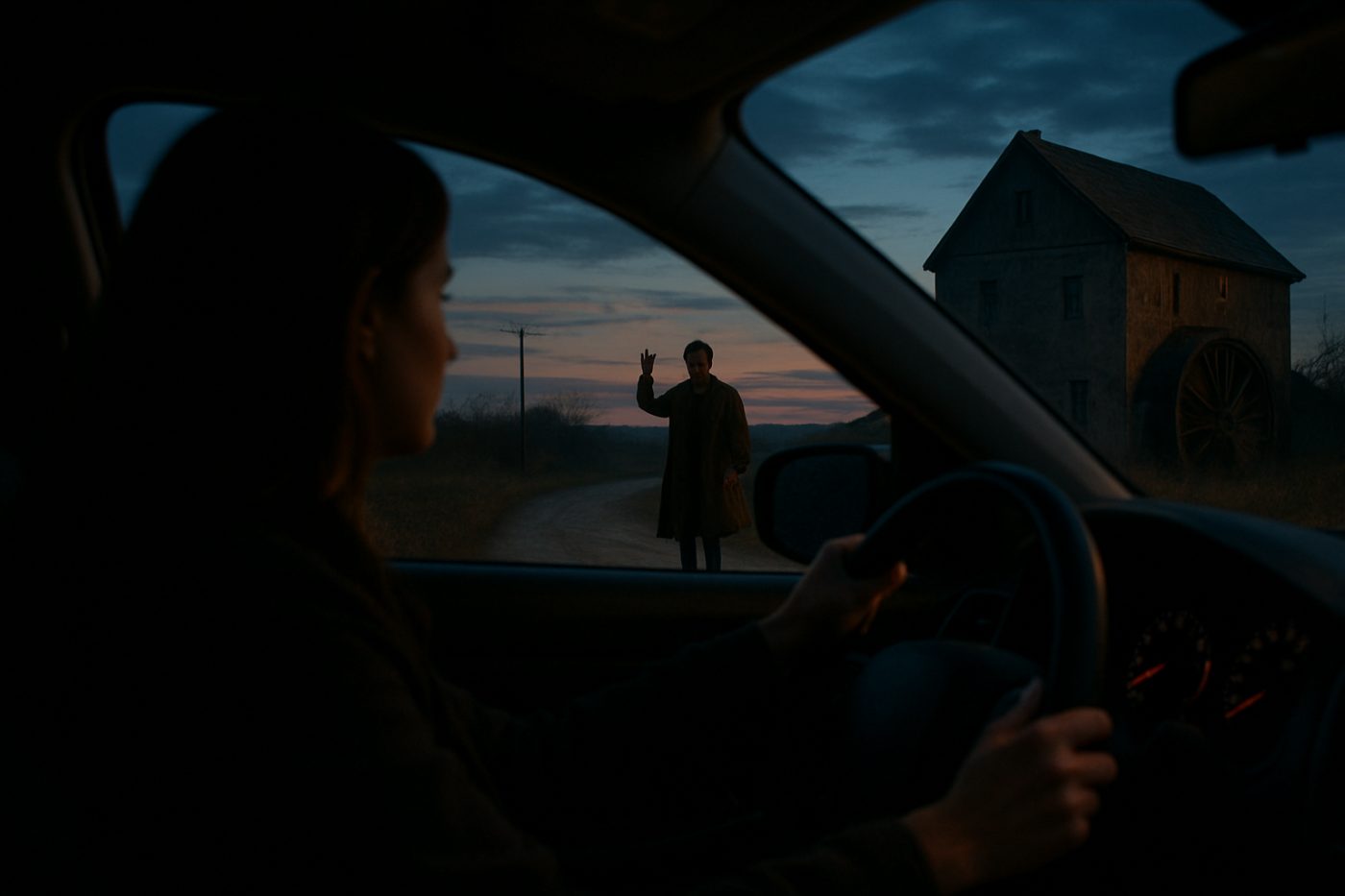
A woman cut all contact for eleven months. She reappeared beside a drained swimming pool at four in the morning, apologising about a car.
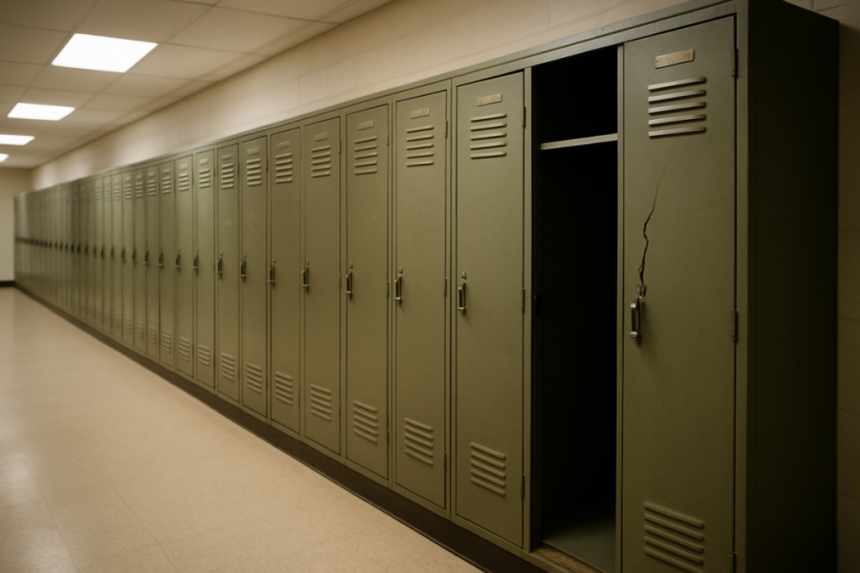
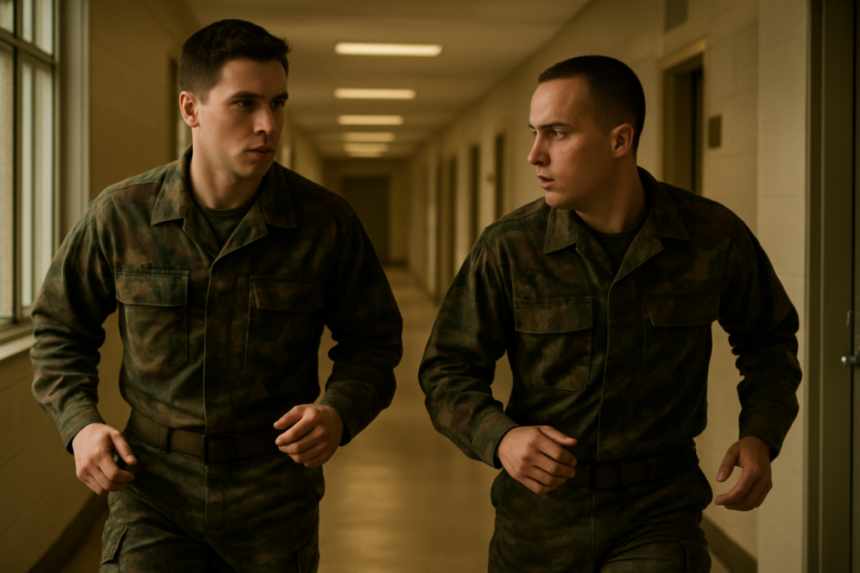
In our barracks there was one empty locker at the end of the row that opened itself every night. We welded it shut. In the morning it was standing open again, the weld cracked clean.
The old house came with a story about a cat. We laughed it off — until our newborn started sleeping through the night, and the motion camera caught a small shape circling her crib.
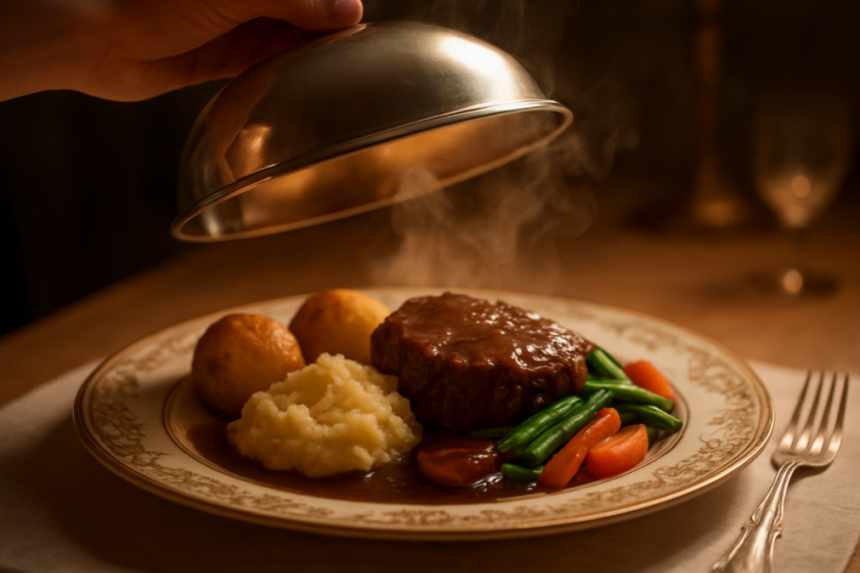
A cart of covered dishes arrived at my hotel door at 4 a.m. that I never ordered. The front desk had no record of it. Neither did the kitchen, which had been closed for hours.
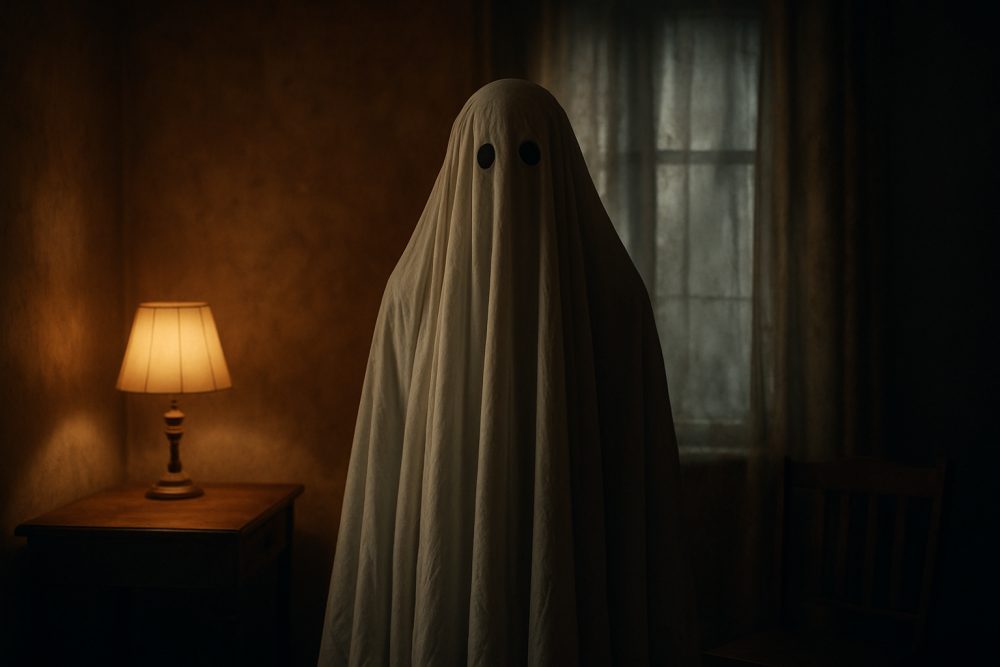
For three nights a tall figure in a wide-brimmed hat stood at the foot of my bed while I lay frozen. On the fourth night, my roommate described him before I said a word.
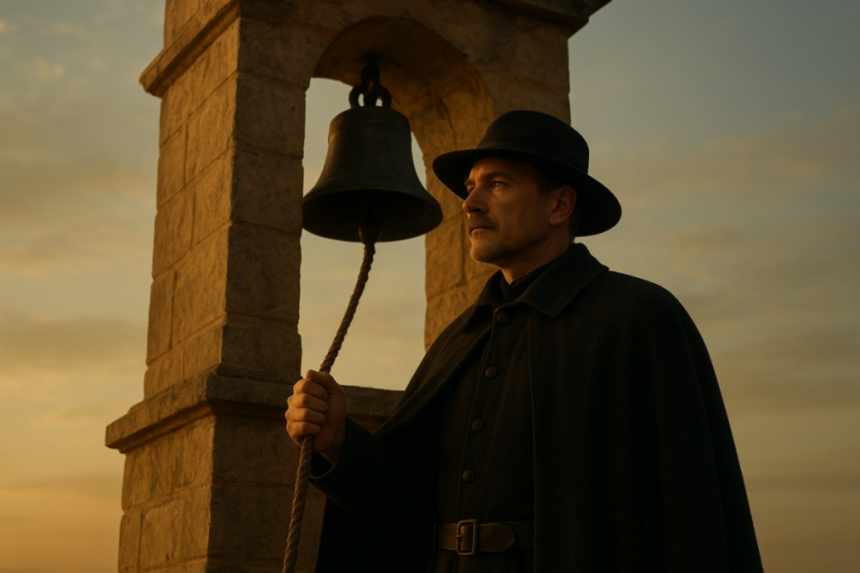
One ring, at 03:00, twice a year. The rope is tied off. He has been told to ignore it. He does not ignore it.
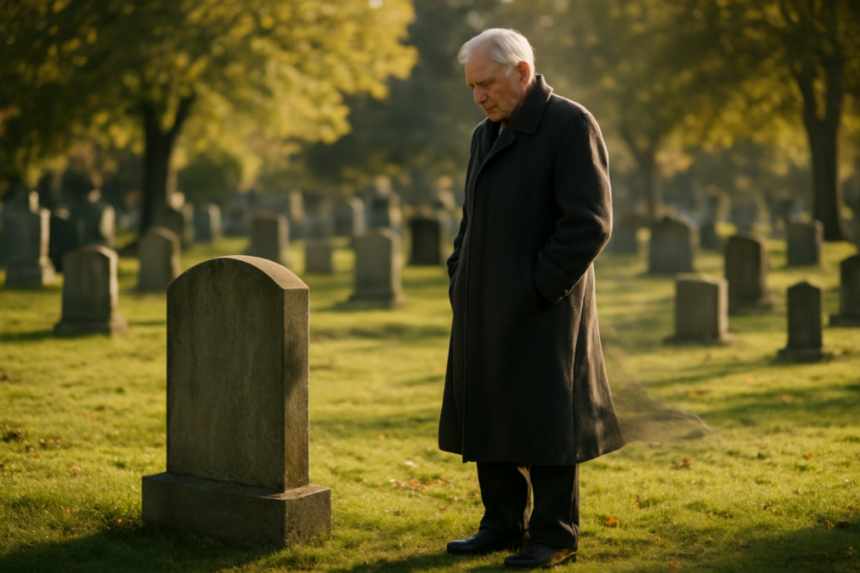
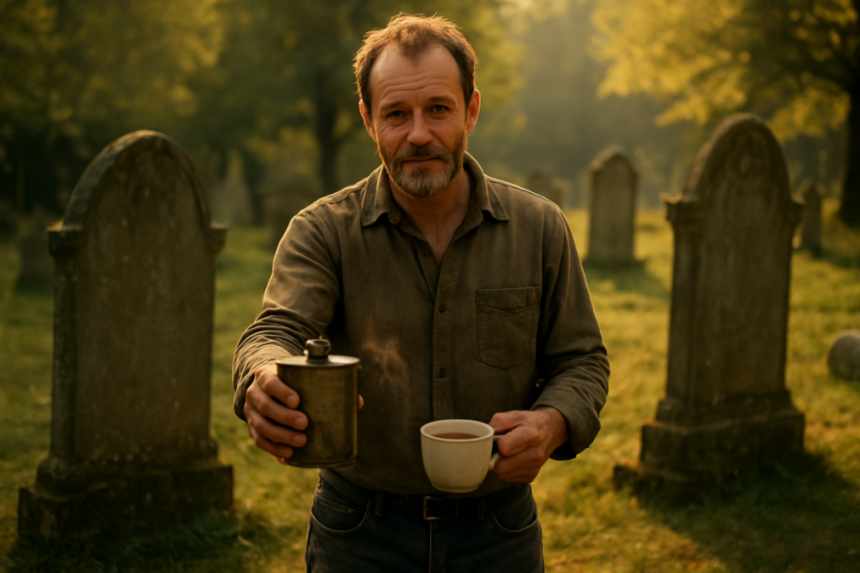
A volunteer transcribing headstones photographed a name that is not on any record. Two days later a man in an old coat told her the spelling.
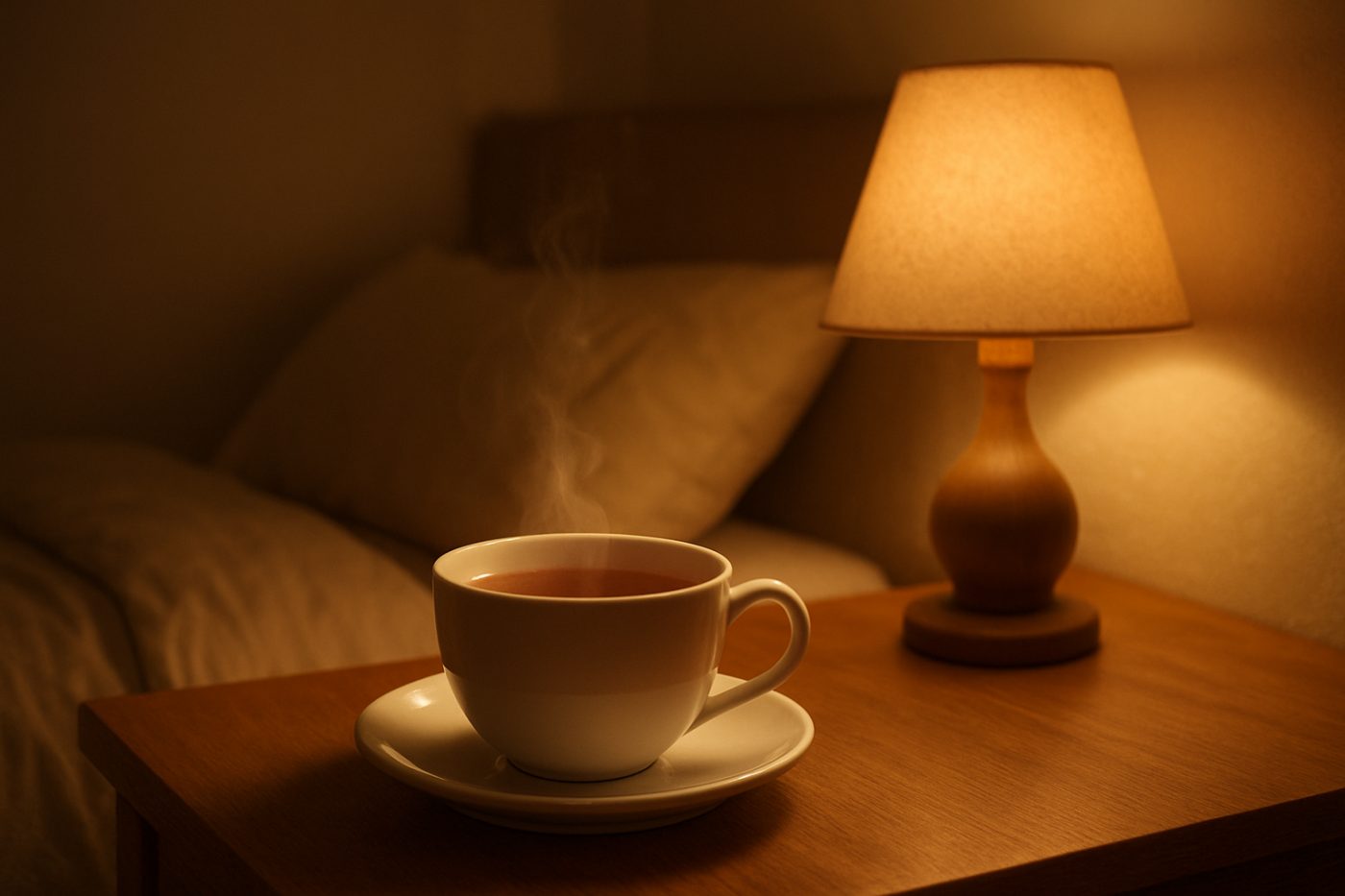
The dip in the duvet. The weight on the feet. The purring, which my wife heard first and which she did not tell me about for a year.
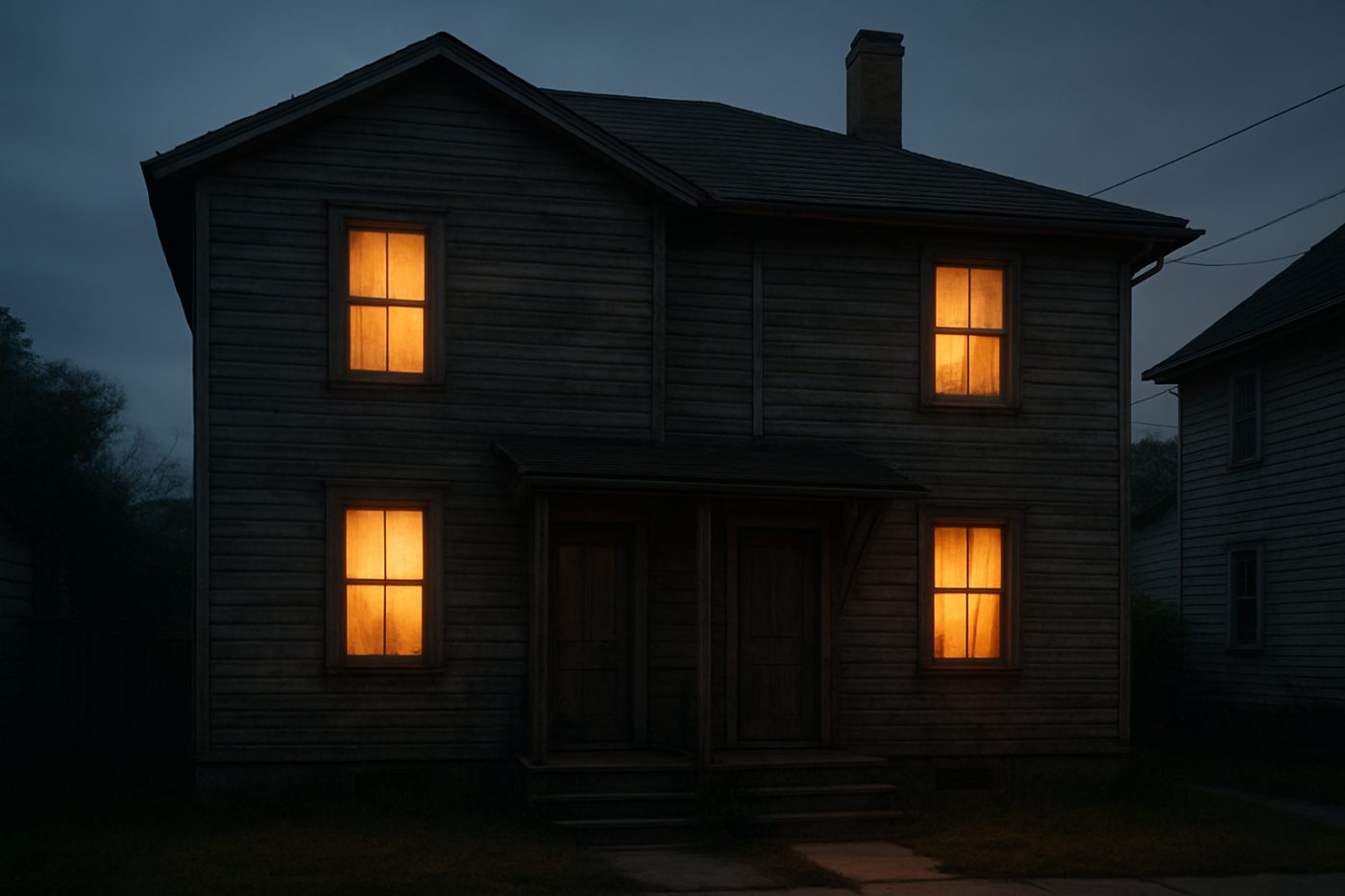
Same coat. Same bag. Twelve miles away. And, when I finally stopped, the same first sentence.
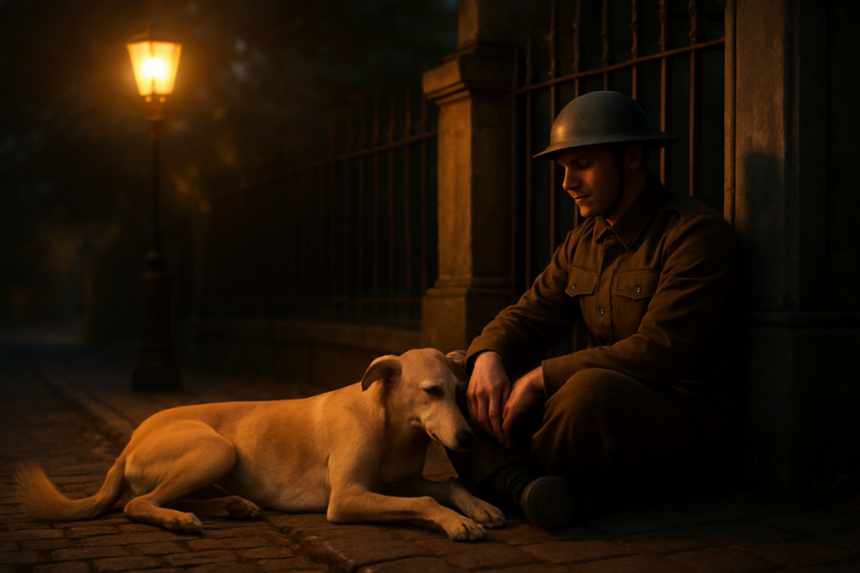
Every guard on that gate for sixty years has heard the same thing at the same hour: claws on concrete, going away from you.
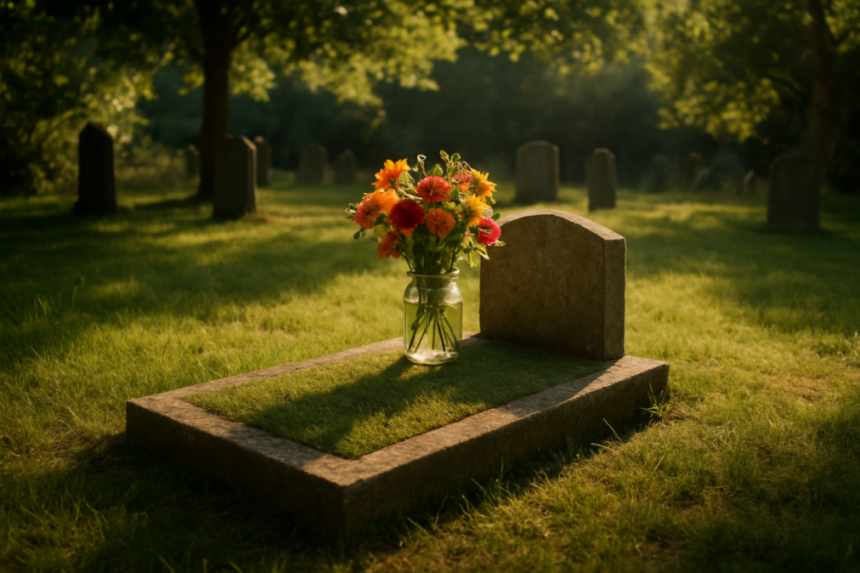
Fresh flowers. Weeds pulled. The glass jar washed. And nobody in my family does it, because there is nobody in my family left but me.
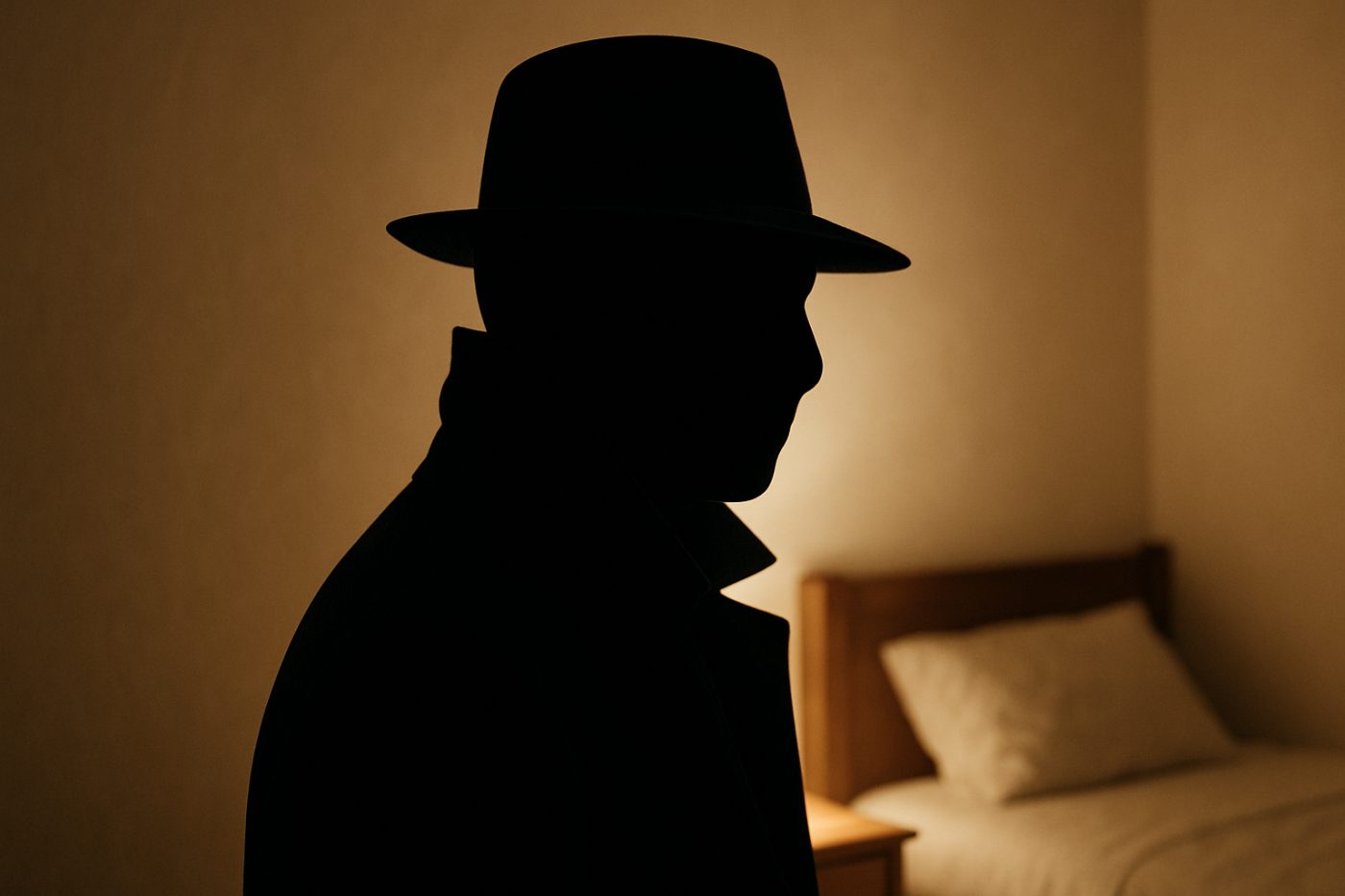
I was nine. I told my mother a man in a hat came at night. She went white and asked what kind of hat. I have never forgotten her face.
Block C, ground floor, the stretch between the drying room and the fire door. Two hundred men, one unspoken agreement.
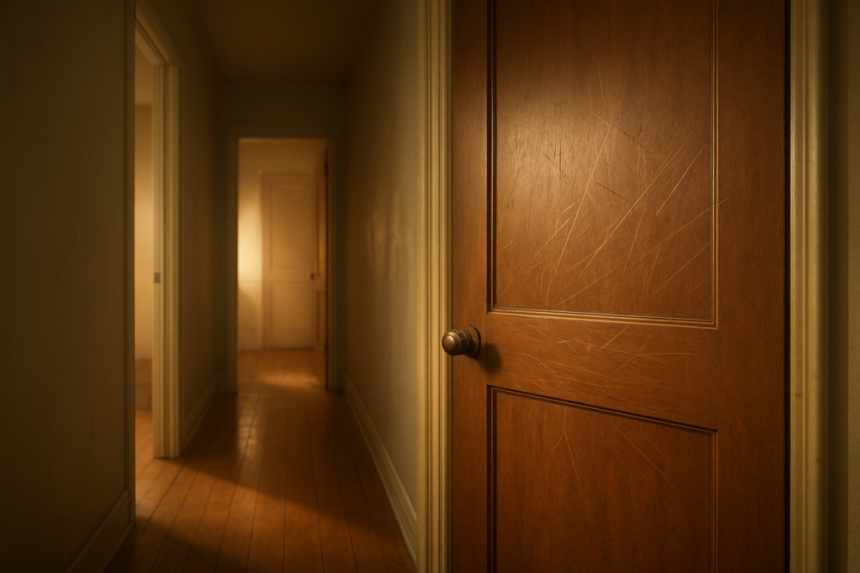
Three scratches, low down, at 05:40. That was his time. He did it for nine years and he did it for six weeks after he was gone.
He had done forty years. He was not superstitious. He had a list, and the list was in the back of his diary, in pencil.
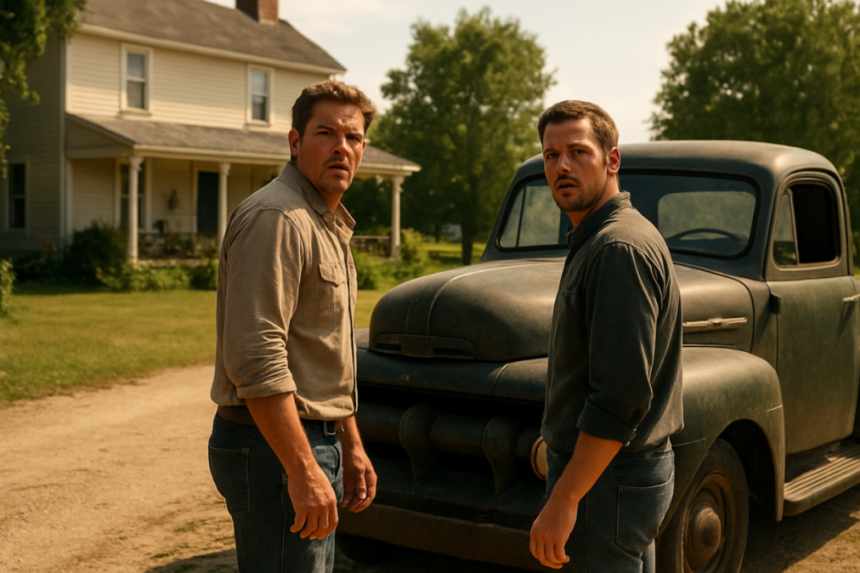
My brother and I lived alone in our late grandmother's farmhouse for a summer. Every night we counted two people going up the stairs, and every night we heard three.
The monitor in our new apartment kept picking up a voice that was not us — a soft, patient voice that used our son's name before we had told a single neighbour what it was.
I cut through the old cemetery every night after my shift. For years it was nothing. Then a woman in grey started waiting at the same grave, and started looking up.
On a quiet base at two in the morning I challenged a man in an old uniform walking the perimeter. He did not answer, did not stop, and left no tracks in the frost.
Two weeks after we buried Rooster, I heard his tags jingle down the hall and felt him jump onto the foot of the bed, exactly the way he had for nine years.
The hall of fame: the best Ghost Stories of all time
One thing you learn very quickly reading these real ghost stories: the classic apparition — full figure, unmistakable, standing still — is the rarest report of all. Most witnesses describe something far more inconvenient. A weight on the end of the bed. A voice that used their first name and got the intonation right. Someone in the doorway who was gone before the eyes finished adjusting. Sceptics have a long list ready: pareidolia, sleep-onset imagery, expectation doing the heavy lifting in a house with a reputation. And the narrators, almost without exception, apologise for how little they can prove before telling you anyway.
The full-figure sightings that do turn up are gathered under apparitions, and the encounters that belong to a location rather than a person sit in haunted places. The best entries in this section are short. They give the time, the light, the layout, and then stop — which is usually the point at which a reader starts scrolling back to check something.
People tell them as firsthand experiences, but whether each account is truly paranormal is something readers have to judge for themselves. On this site, the jury votes on each story, so you can compare the details, the tone, and the evidence the writer offers. Some accounts may have ordinary explanations, while others remain hard to pin down.
Experiences like footsteps, voices, sudden cold spots, and figure sightings can come from stress, expectation, sleep disruption, poor lighting, or a place with a strong emotional history. Sometimes there may also be mundane causes that the storyteller did not notice at the time. Reading the stories and the jury comments can help you see how different people interpret the same kind of event.
They are common in folklore and in personal accounts, especially when people are describing homes, hospitals, cemeteries, barracks, or other places with a strong atmosphere. What is less common is getting clear proof that satisfies everyone. That is part of why reader-voted true accounts are interesting: they show how often ordinary events and eerie experiences overlap.
First, stay calm and look for practical explanations such as sound, light, drafts, or fatigue. If you want to make sense of it later, write down exactly what happened while it is fresh in your mind. Then compare your experience with similar tales and see how the jury judged them.
Nighttime makes it easier to misread shadows, hear small noises, and feel unsettled, especially when you are tired or alone. That does not mean every nighttime account is false, only that the conditions can make ordinary events feel uncanny. Many readers enjoy comparing these stories because the same setting can produce very different interpretations.
They can be honest without being complete, because memory is shaped by emotion, attention, and later reflection. A storyteller may truly believe what happened even if there is another explanation. That is why the voting system matters: it lets readers weigh believability story by story.
The strongest accounts usually have specific details, a clear sequence of events, and a believable reaction from the narrator. They do not need dramatic language to feel convincing. On this page, the jury tends to respond to stories that leave room for doubt but still feel deeply personal.