
The Radio Turned Itself to Static Every Time I Woke Unable to Move
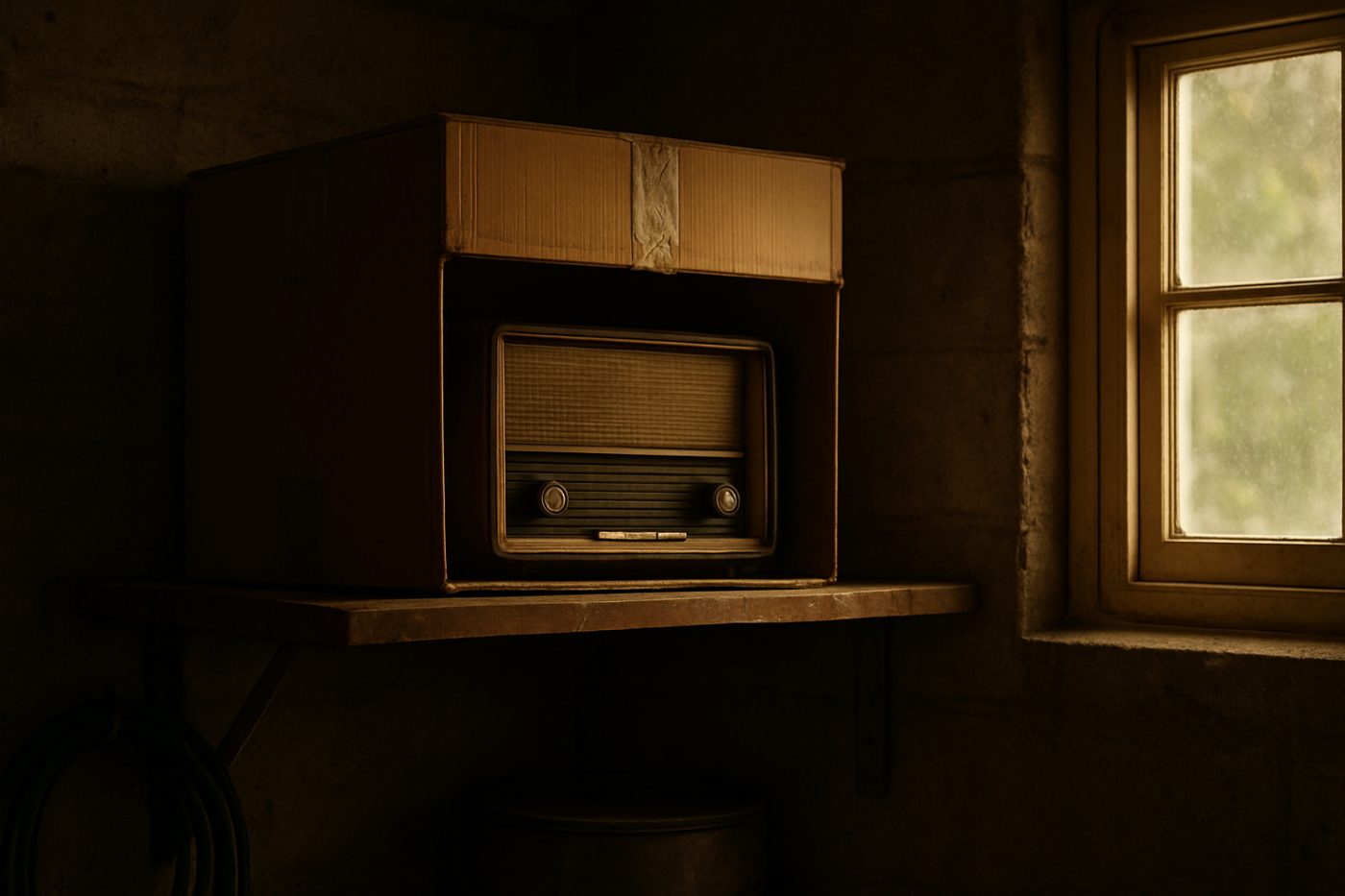
My father's old bedside radio only came on during the attacks, hissing static in a dark room, while I lay frozen listening for the voice I was sure was hidden inside it.
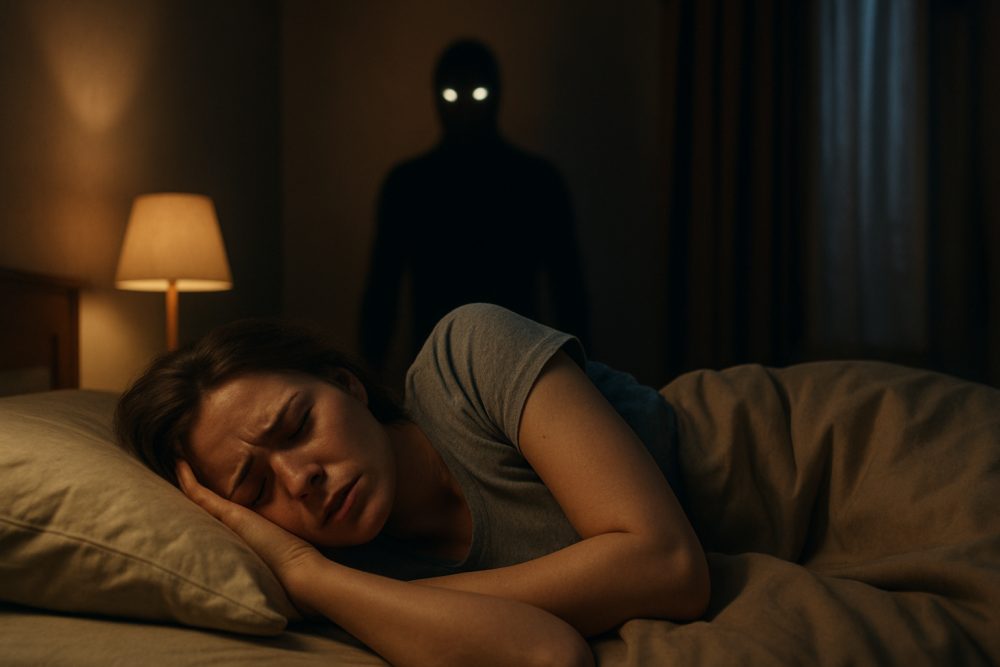
Frozen in your own bed, eyes wide open, lungs locked, something impossibly heavy on your chest or watching from the dark corner of the room—this page collects firsthand sleep paralysis stories exactly like that. Here you’ll find eerie experiences of waking up paralyzed, bedroom visitations, the sleep paralysis shadow figure, strange voices, and unexplained presences that blur the line between nightmare and waking reality. Every piece is a personal narrative, told in the writer’s own words, from quiet dread to full-blown panic. These are our community’s raw, subjective encounters, not confirmed events.
In this collection of Sleep Paralysis Stories, each confession is presented for you to judge. Read how others describe being pinned to the mattress, seeing entities at the edge of the bed, or hearing footsteps they cannot investigate—and then cast your vote on whether you think each account really happened.
My father's old bedside radio only came on during the attacks, hissing static in a dark room, while I lay frozen listening for the voice I was sure was hidden inside it.
To prove to myself the night attacks were only in my head, I set up a camera. The footage showed me lying perfectly still. And then it showed my lips moving.
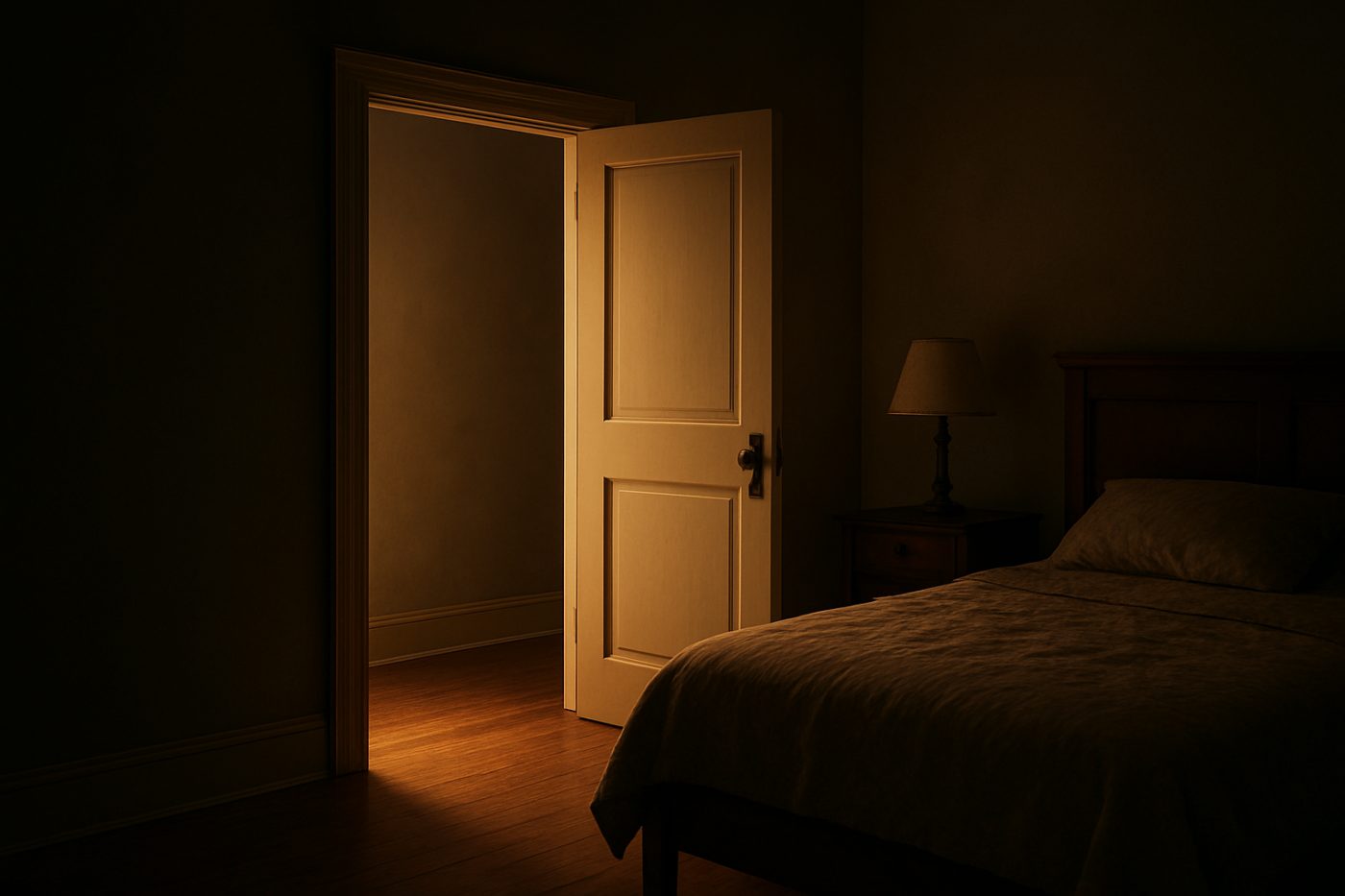
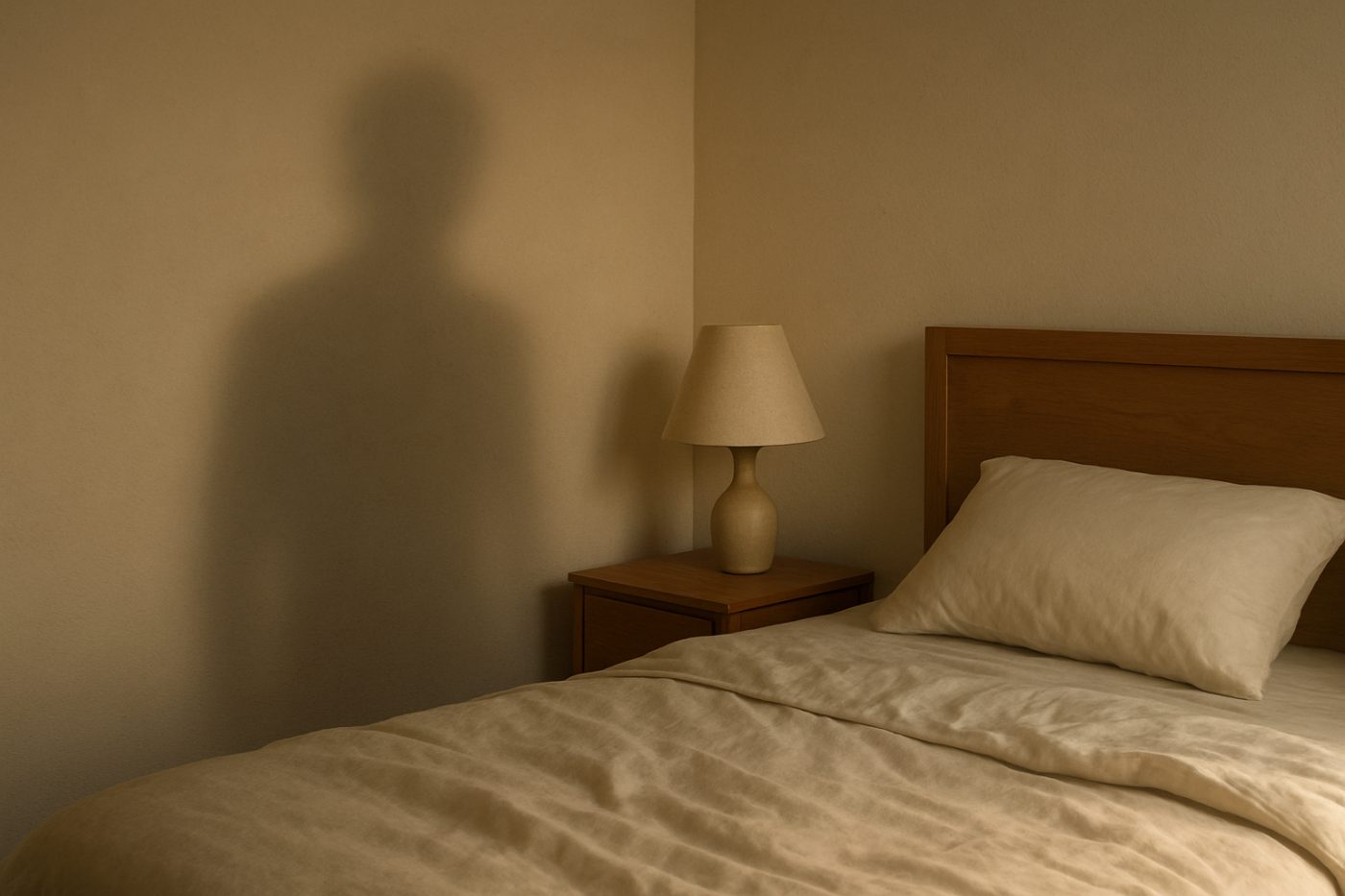
I never leave the hall light on. But when the paralysis takes me at 3:33 exactly, it is always burning, throwing a long shadow across my floor that has no one to cast it.
Grandma had a name and a ritual for the thing that sits on your chest at night. I laughed at her salt and her scissors. I am not laughing anymore. It found my room.

My four-year-old kept waking at night pointing at the corner, terrified of a lady only he could see. I told him it was a dream. Then I woke frozen, and she was there.
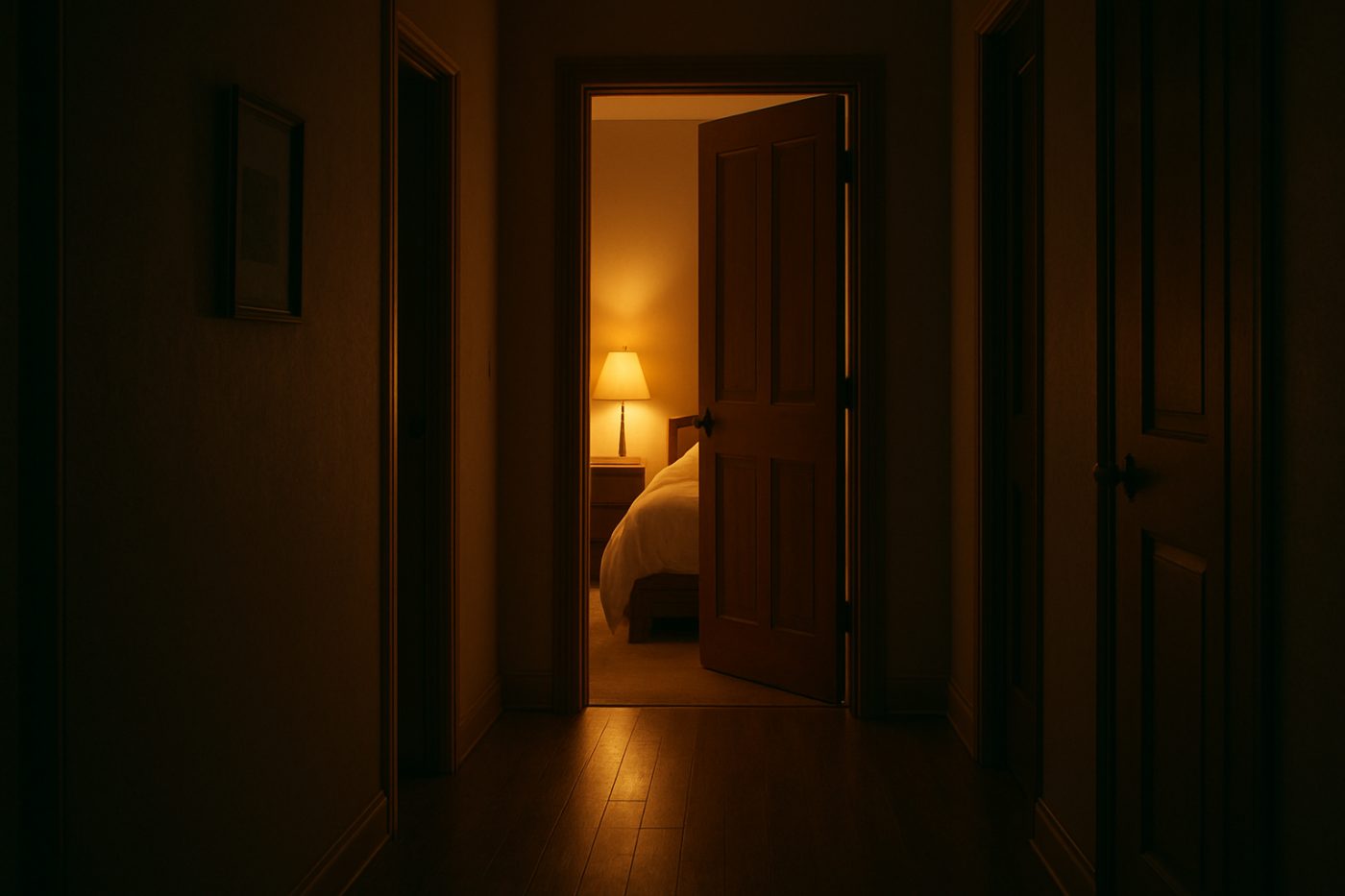
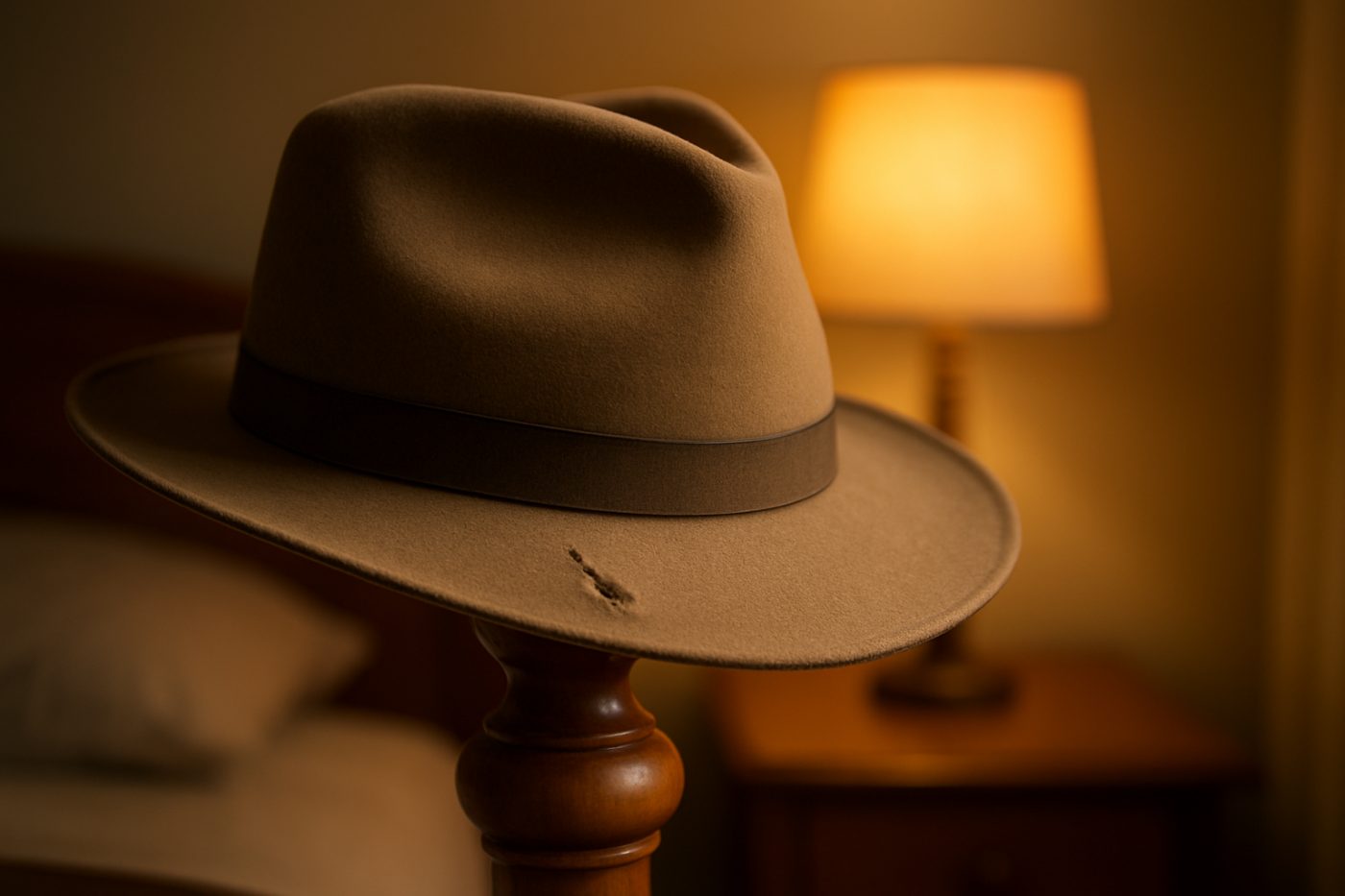
Every time I wake frozen he is in the same spot, a tall silhouette in a wide-brimmed hat, hands folded, waiting. I have never seen his face. I am not sure I want to.
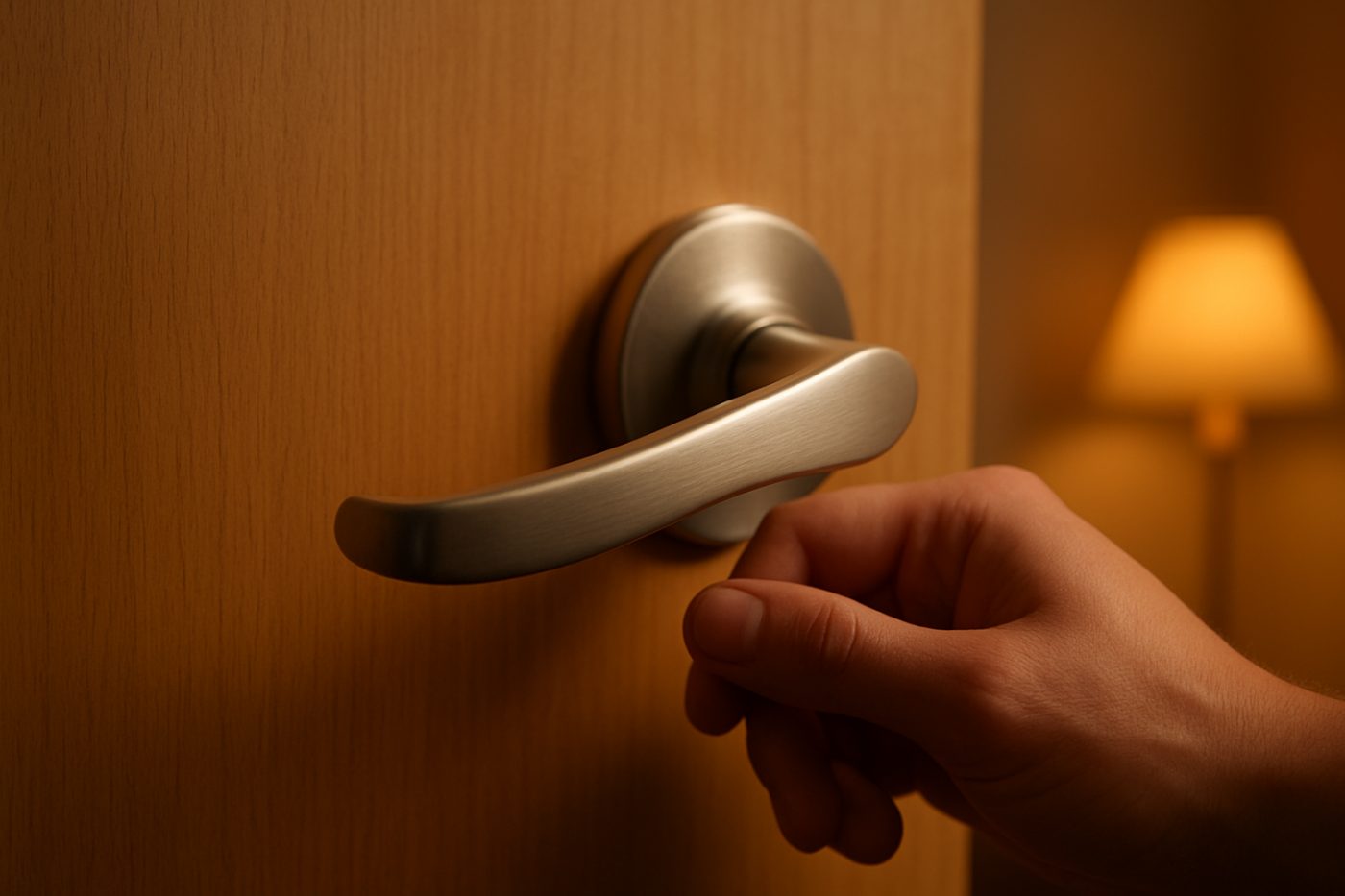
Six feet away my roommate slept soundly while I lay frozen, watching the door handle turn on its own. All I needed was to make one sound. My throat would not obey.
Rotating hospital shifts wrecked my body clock. I started waking paralyzed at odd hours, a weight crushing my chest. The doctor had a name for it. That did not help.

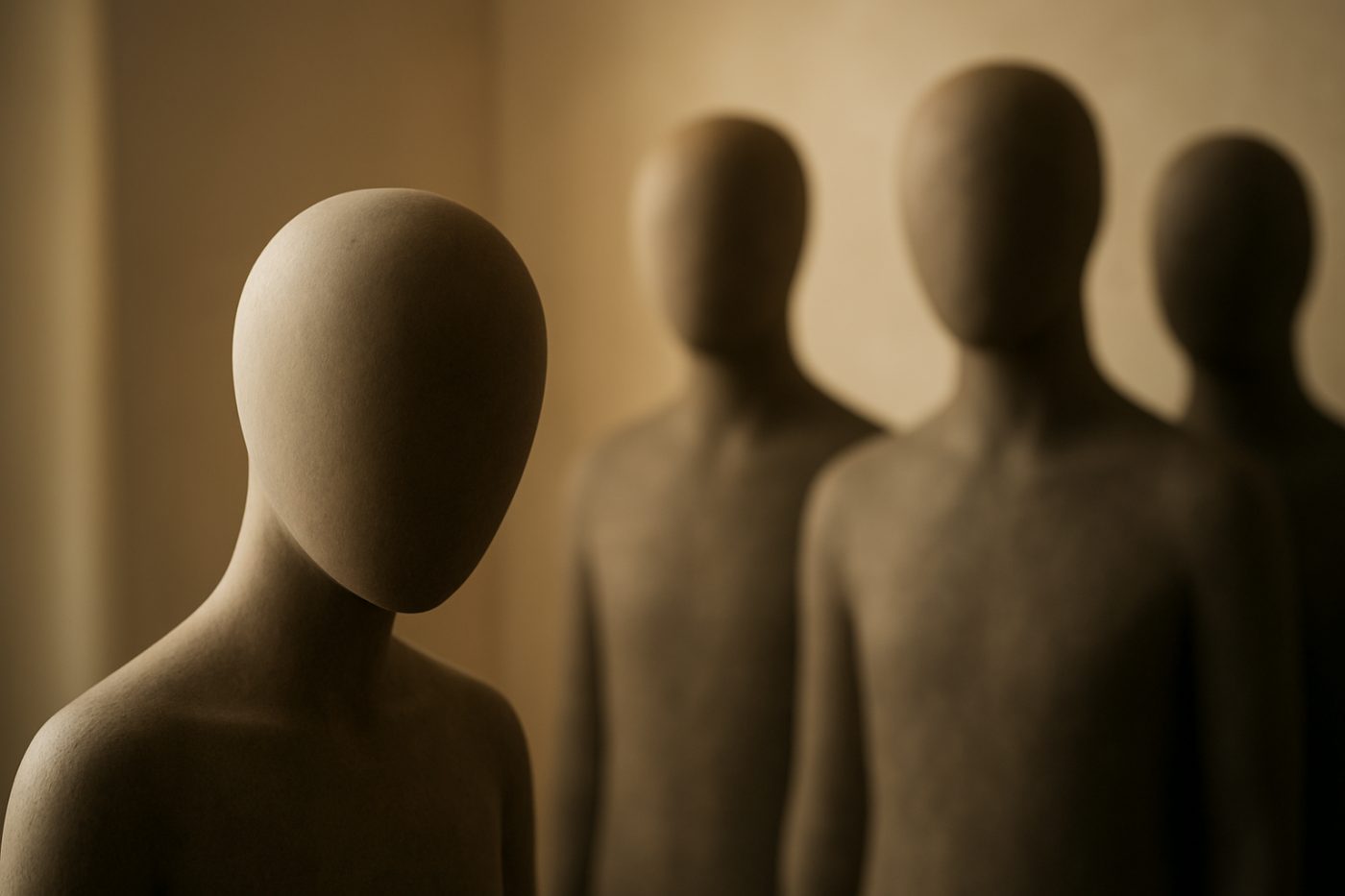
It was never just one figure. When I wake frozen there are several, thin and dark, crowded at the foot of the bed, leaning in together like mourners around a grave.
For three nights running I woke unable to move, a pressure on my ribs like a knee. On the fourth night, I heard it breathe. Was it stress, or something waiting?
The hall of fame: the best Sleep Paralysis Stories of all time
What unsettles readers here is not the fear, it is the repetition. Sleep paralysis demon stories written years apart, in different countries, put the figure in the same three places: the doorway, the chest, the corner nearest the wardrobe. Folklorists have collected versions of this for centuries under local names, which cuts both ways — it suggests a shared piece of human wiring, and it also suggests people know roughly what to expect before it happens to them. The narrators tend to be careful about it. Many open by saying they understand the medical explanation, and then spend a paragraph explaining why it did not feel like one.
The recurring figures have their own files: shadow people for the ones without features, and the hat man for the visitor an unnerving number of strangers describe identically. If you have been through a sleep paralysis episode, the useful details are the ordinary ones — what time it was, what you had done that evening, how long before you could move your hand.
The experience is real to the person having it, even when it happens during the border between sleep and waking. During an episode, people can feel awake but unable to move, speak, or fully trust what they are seeing. The stories on this page show how differently people interpret that same event, and the jury votes reflect that mix of belief, doubt, and uncertainty.
It’s usually linked to a disruption in the normal sleep cycle, especially when the brain wakes before the body does. Stress, irregular sleep, and sleeping on the back are often mentioned as possible triggers, though not every case has an obvious cause. That’s one reason these first-person accounts can feel so unsettling: the same episode can seem purely physical to one reader and deeply paranormal to another.
It’s more common than many people expect, and a lot of people experience it at least once in their lives. Some have only a single episode, while others notice it happens repeatedly over time. Reading other people’s accounts can be reassuring in a strange way, because it shows the experience is shared even when the details differ.
People often describe waking frozen, unable to move or call out, sometimes with a sense of pressure, buzzing, or a presence nearby. Hallucination-like details can happen too, which is why many stories include figures in the room, footsteps, or sounds that feel impossible to ignore. Those elements are common in the narratives here, and the jury votes often hinge on whether the reader sees them as sleep-related or something stranger.
Stress and sleep deprivation are often associated with more frequent episodes, and irregular sleep can make the experience more likely for some people. Even so, not every case has a clear trigger, and the pattern can vary from person to person. That uncertainty is part of what makes these accounts compelling to read and debate.
Many people start by paying attention to patterns, like when episodes happen and what was different about their sleep routine. Since the experience can feel intense, some readers find it helpful to learn how others describe it and compare that with their own episodes. On a story site like this, the jury votes can be useful too, because they show how often a report reads as believable even when the cause isn’t clear.
Not necessarily. Some people interpret them as paranormal encounters, while others see them as a known sleep phenomenon shaped by fear, memory, and the half-awake state. That tension is exactly what makes these true-account style narratives so popular: the same story can sound like a medical event to one person and a haunting to another.