
The Locker That Would Not Stay Shut Certified True by readers
In our barracks there was one empty locker at the end of the row that opened itself every night. We welded it shut. In the morning it was standing open again, the weld cracked clean.

Shadow people stories are remarkably consistent: a shadow figure in a doorway, no face, no footsteps, and a witness who was fully awake. Are you seeing things out of the corner of your eye, or is something really there? This tag collects first-person encounters with Shadow People in bedrooms, apartment hallways, attics, graveyards, even reflected back from mirrors and screens. Inside, you’ll find narrators describing hat-wearing silhouettes at the foot of the bed, pitch-black shapes lingering in doorways, watching figures that never quite step into the light, and inky presences tied to specific rooms, objects, or routines.
Every account here is a personal story, not a proven case, and the jury is you: readers read, react, and vote on whether each eerie experience feels like a genuine brush with something paranormal, a waking dream, or a perfectly ordinary moment gone wrong. Start exploring the stories and cast your vote on what you believe.
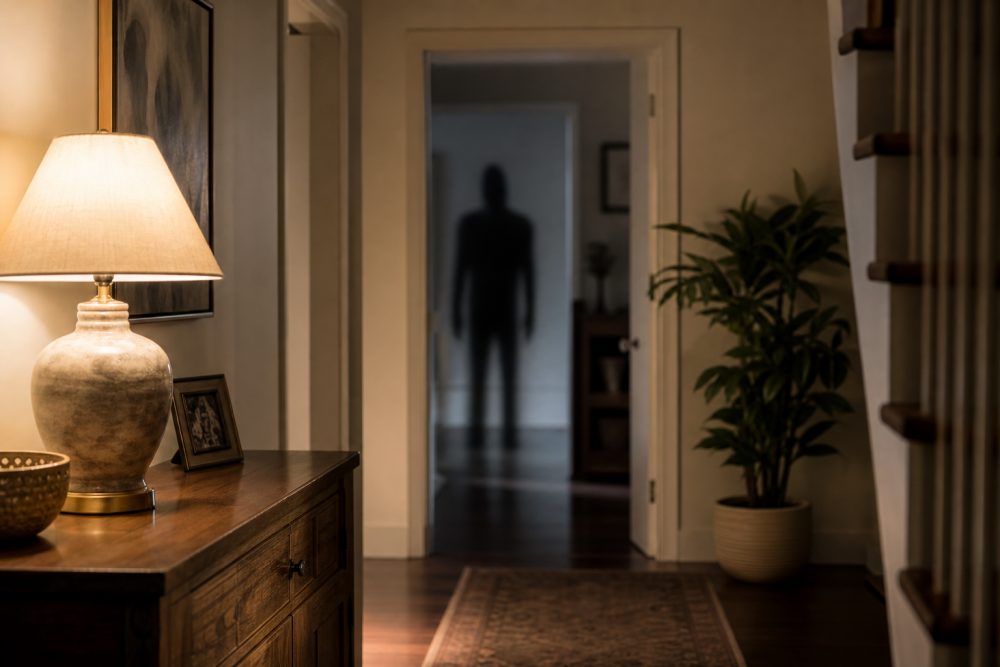
In our barracks there was one empty locker at the end of the row that opened itself every night. We welded it shut. In the morning it was standing open again, the weld cracked clean.
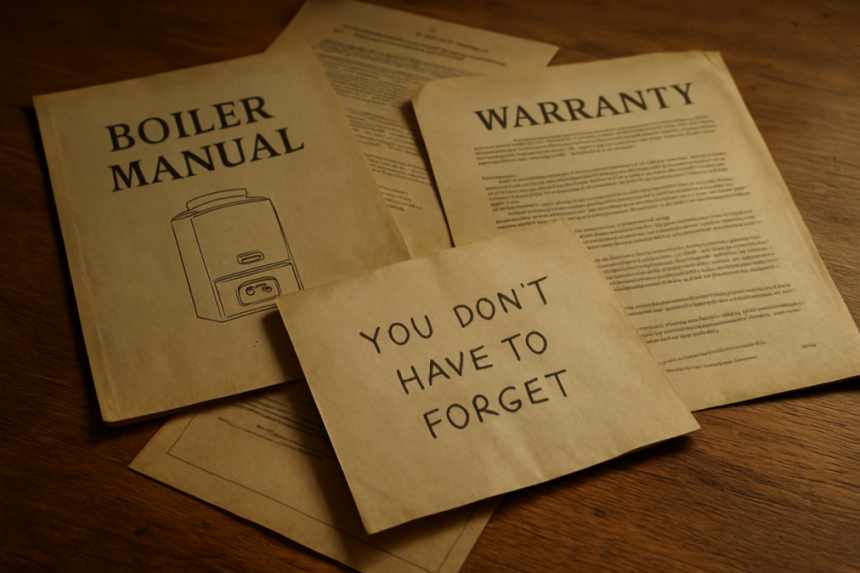
Laminated. Cable-tied to the pipe. Next to the stopcock instructions, in the same handwriting, like any other bit of household advice.
For three nights a tall figure in a wide-brimmed hat stood at the foot of my bed while I lay frozen. On the fourth night, my roommate described him before I said a word.
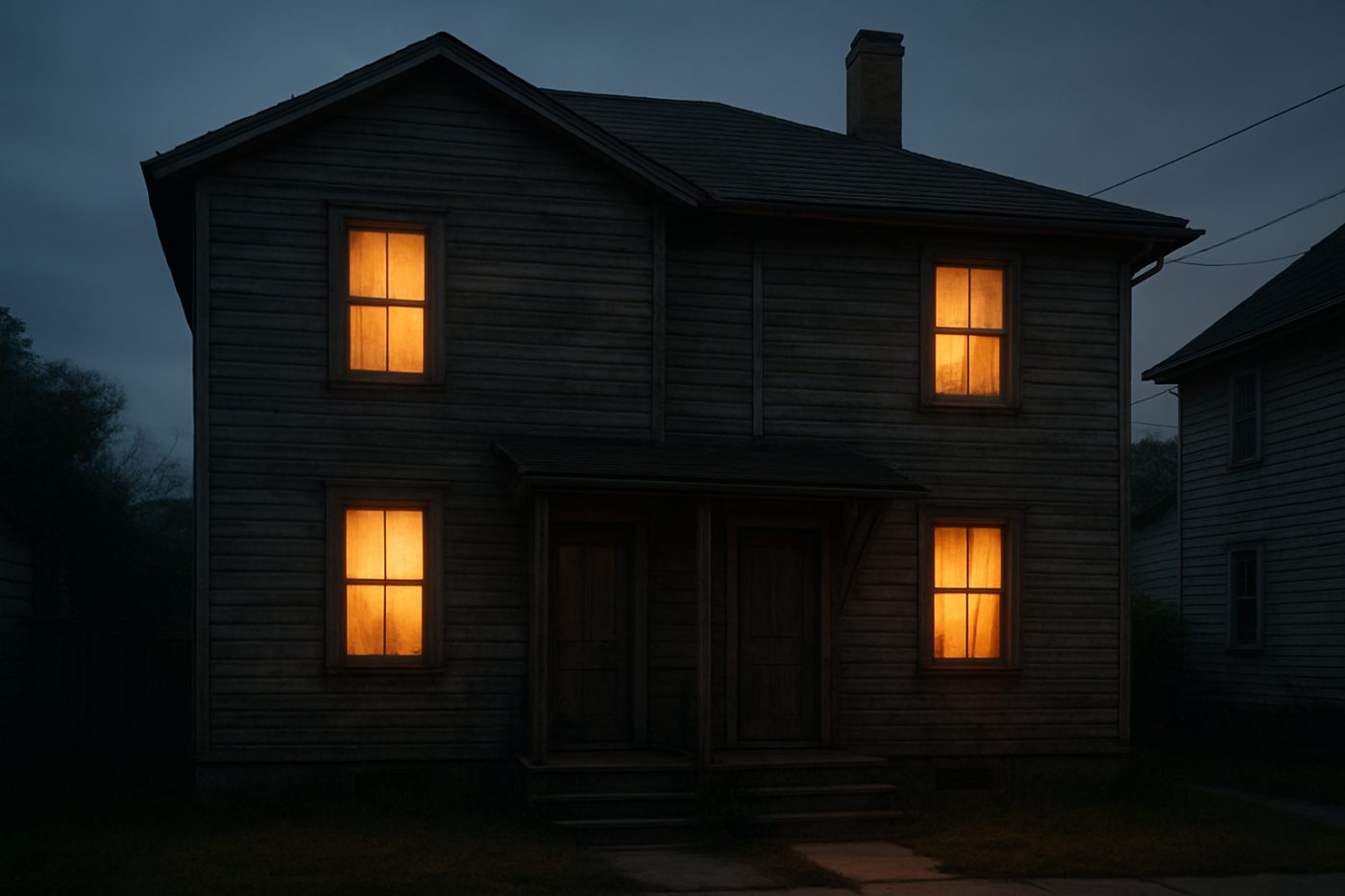
We came home at midnight. She was on the doorstep with her coat on, the door locked behind her, and our children asleep upstairs.
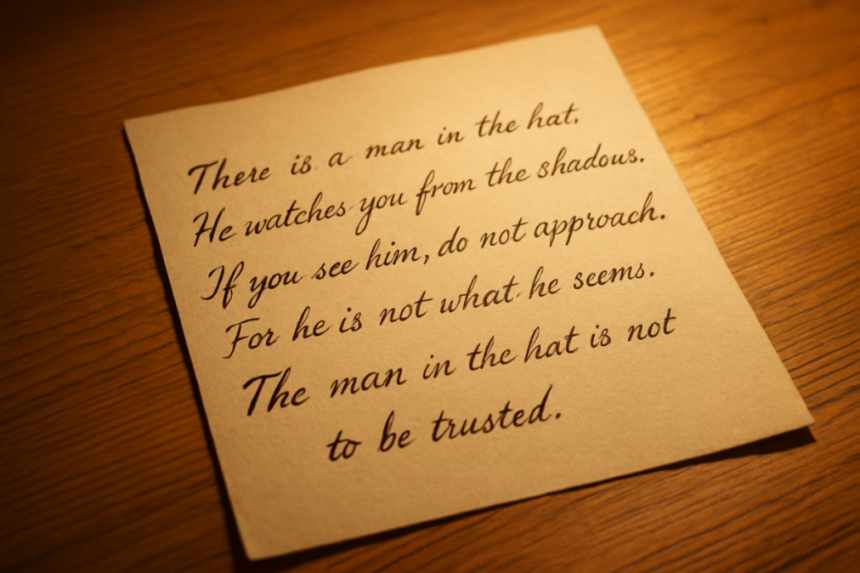
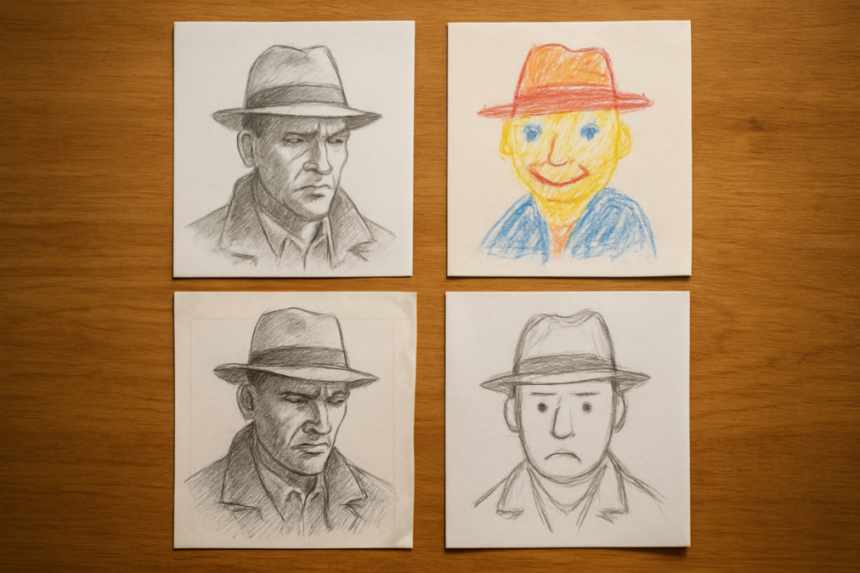
The landlord keeps the drawings. Four tenants, twenty years, four sheets of paper, one man in a wide-brimmed hat.
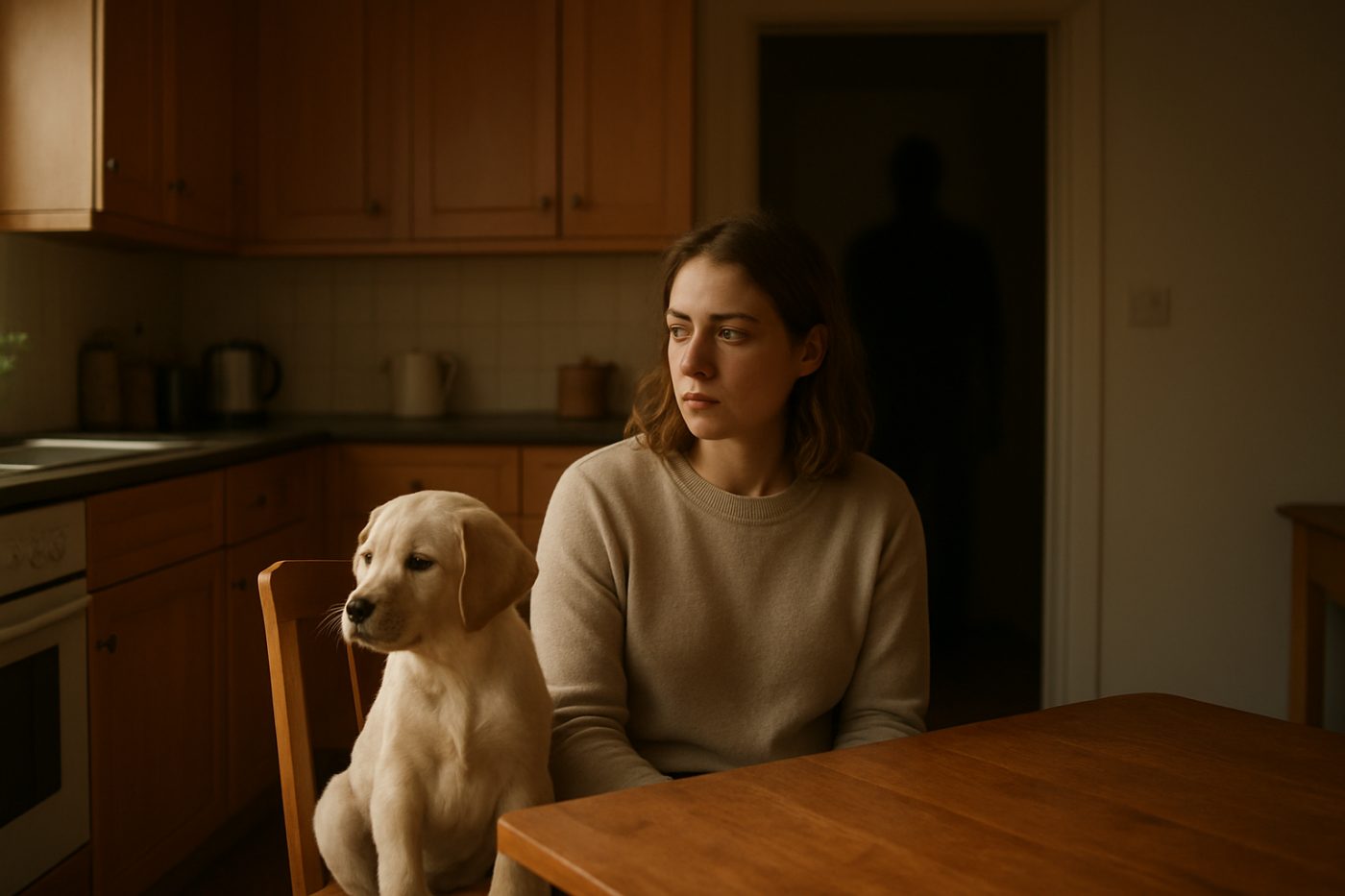
They gather in my peripheral vision — tall, dark, man-shaped, at the edges of every room. They freeze the instant I turn. For a year I ignored them. Then my new puppy started tracking them too.
My brother and I lived alone in our late grandmother's farmhouse for a summer. Every night we counted two people going up the stairs, and every night we heard three.

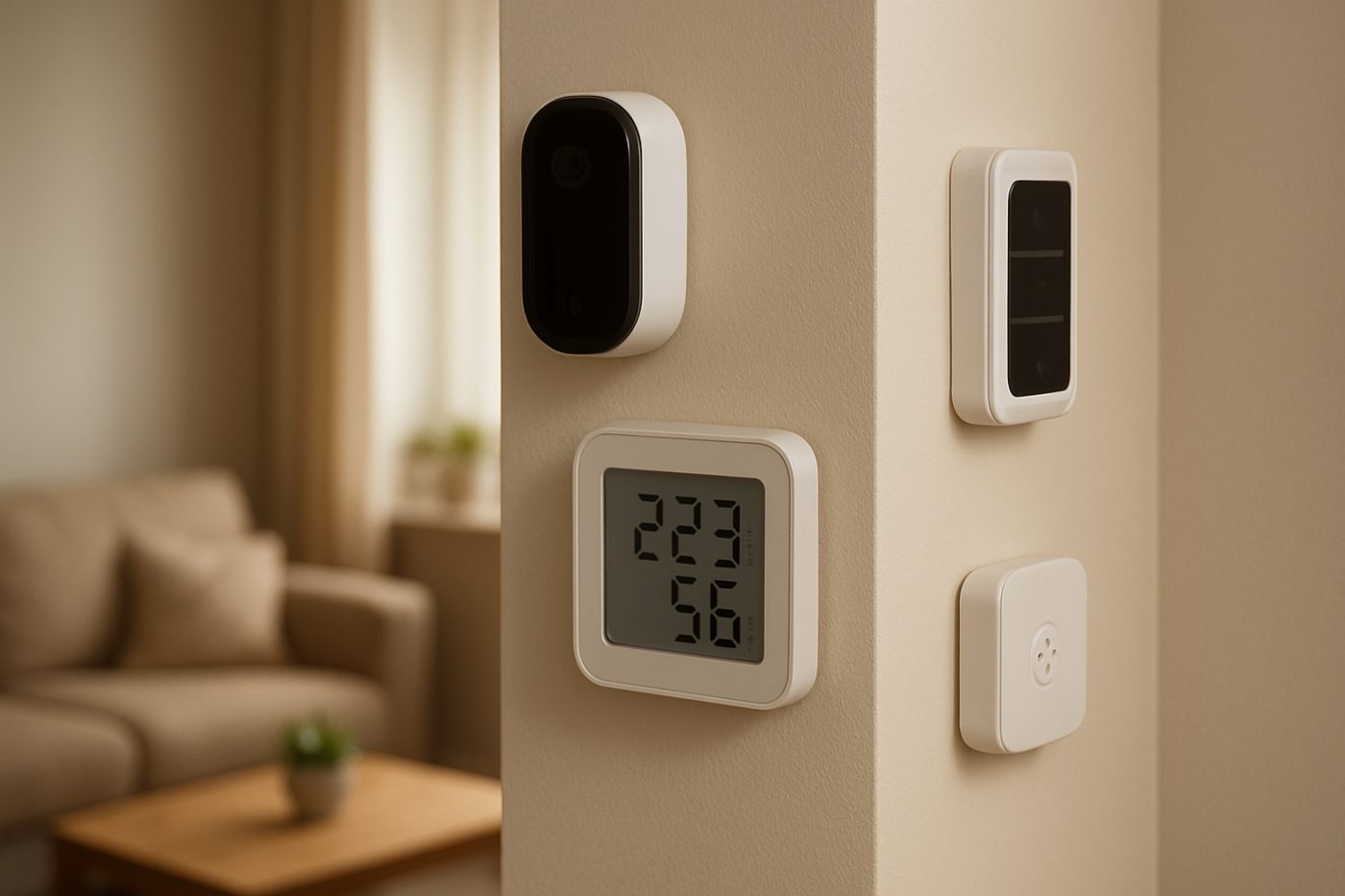
I'm a data engineer. I logged every sensor in my flat for a year to debug 'draughts.' The spreadsheet found a pattern: a heat signature the size of a person, moving room to room, at 3:33 a.m.
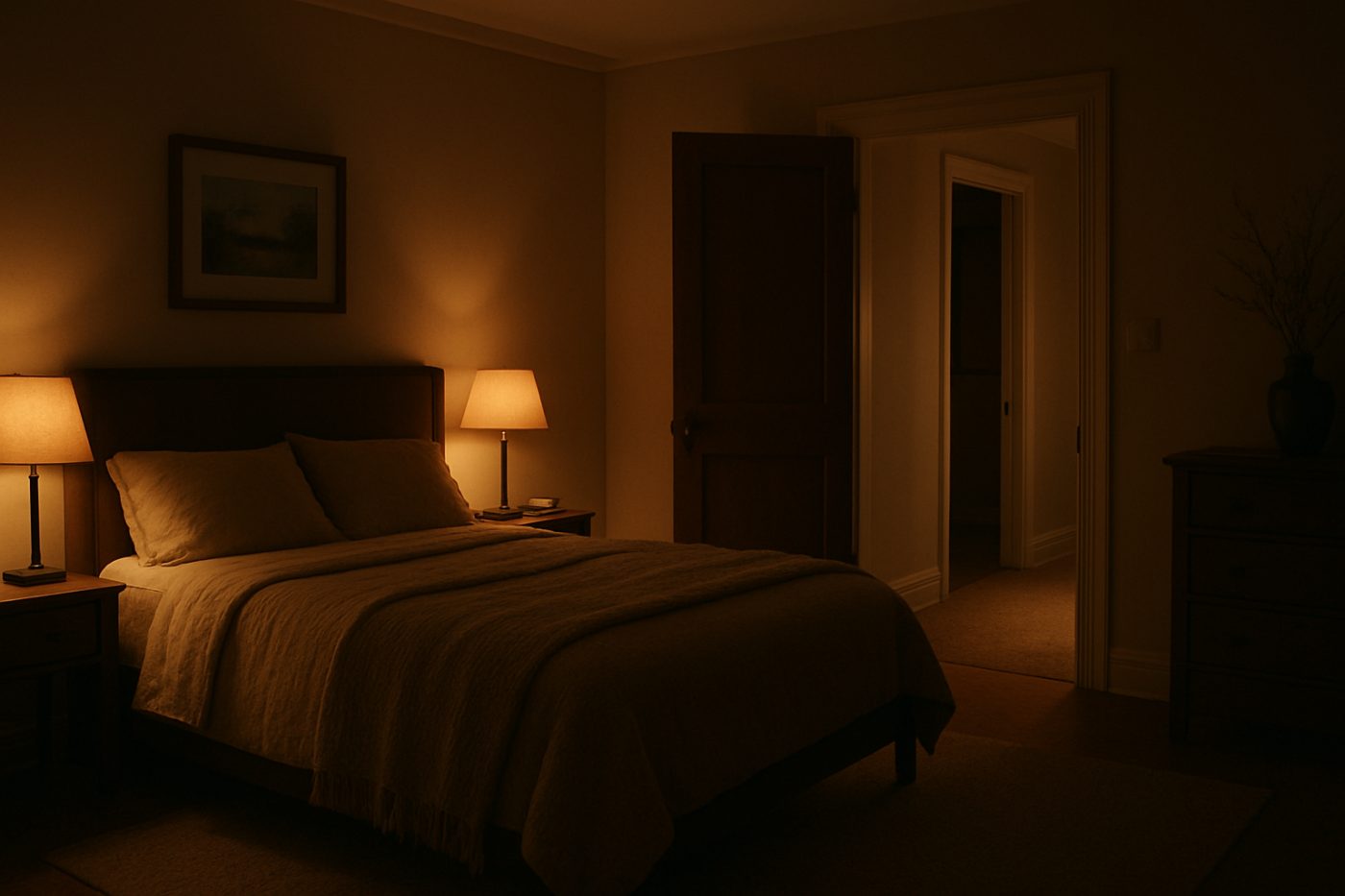
Since childhood, on the worst nights, a tall figure in a wide-brimmed hat stands in my bedroom doorway. I described him age seven. My daughter, now, has just described him to me. Word for word.
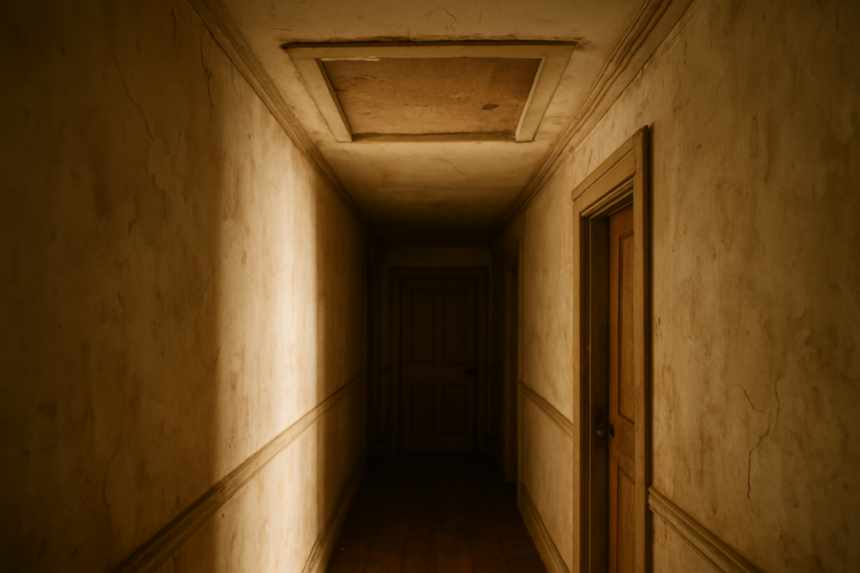
My four-year-old refused to sleep, saying the man in the attic was waiting to be let down. We had no attic access in her room. When we finally opened the old sealed hatch, we found a small chair facing it.
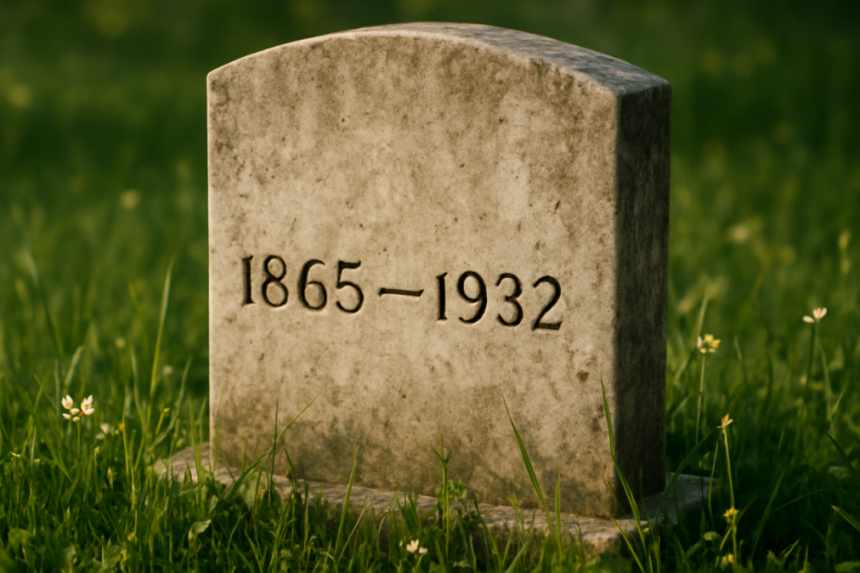
I cut through the old cemetery every night after my shift. For years it was nothing. Then a woman in grey started waiting at the same grave, and started looking up.
For about ten seconds one night, the person in my bathroom mirror copied everything I did — but late, a half-second behind, like a video buffering. Then it caught up and smiled first.

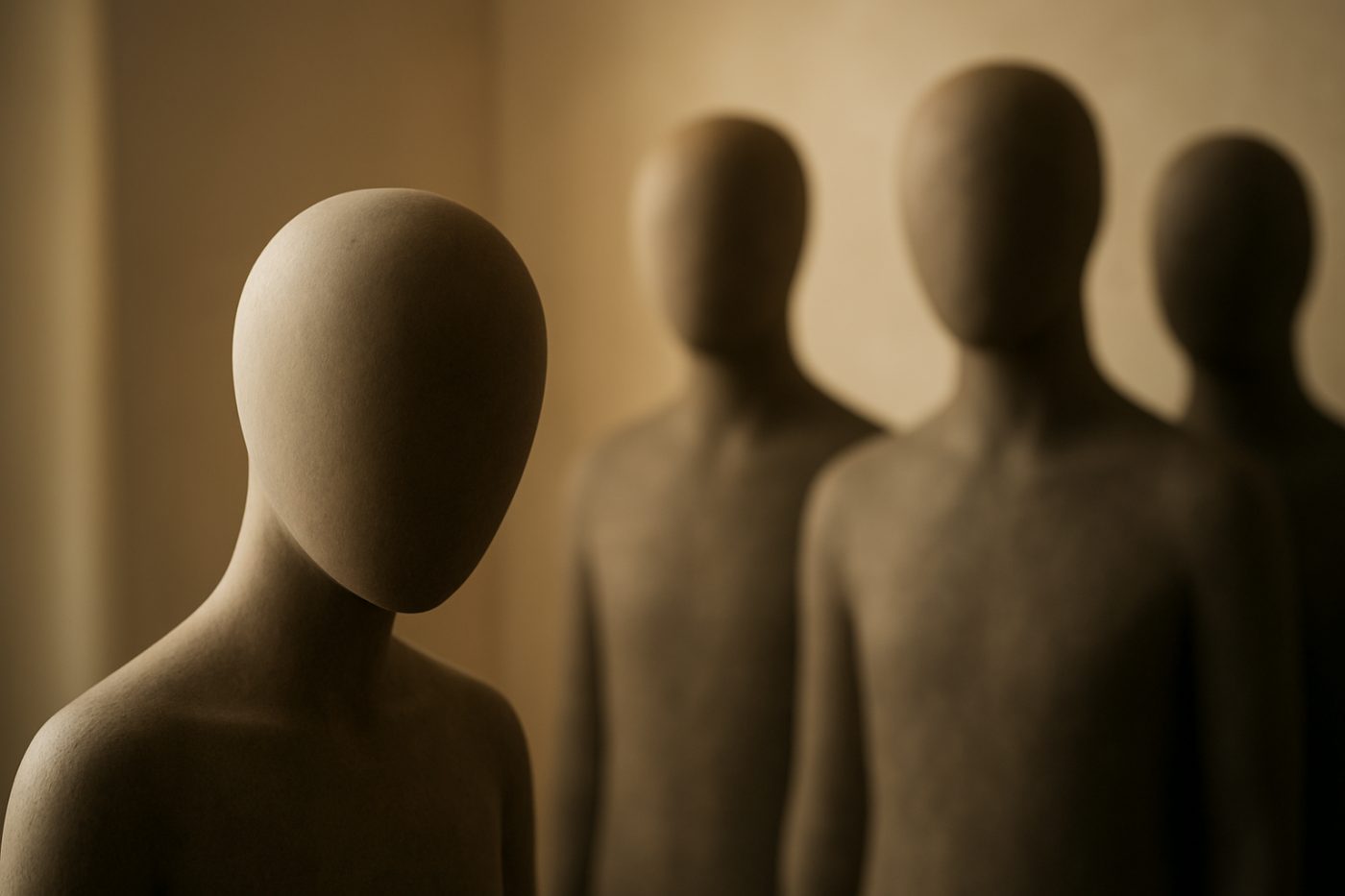
It was never just one figure. When I wake frozen there are several, thin and dark, crowded at the foot of the bed, leaning in together like mourners around a grave.
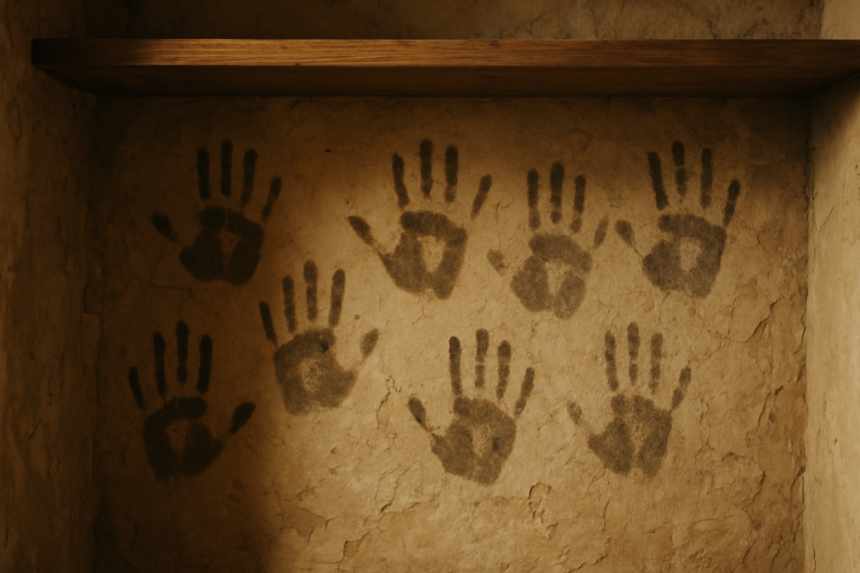
Every night, footsteps crossed the upstairs hall and stopped outside my daughter's room. Cameras showed nothing. Then she started leaving her closet door open "so he can get out," and I found the old handprints.
A shadow figure that does nothing at all unsettles readers more than one that moves. Read fifty of these and a rough taxonomy assembles itself. There is the doorway type, which stands and does nothing. There is the peripheral type, gone the moment the head turns. And there is the small third group that reacts — steps back when a light goes on, or appears to notice being noticed — which is the group that keeps readers arguing. What almost none of them have is detail. No face, no clothing beyond an outline, no sound of movement across a floor that creaks under everyone else. Vision researchers find that unsurprising: the edge of the visual field carries shape and motion and very little else, and the brain is happy to supply the rest.
The one witness after witness describes with a brim and shoulders is filed separately under the hat man, and the bedroom cases that come with paralysis and chest pressure belong with sleep paralysis stories. The accounts of shadow people that hold up longest are the ones set in daylight, in a kitchen, with someone else in the room — no darkness to blame and a second opinion available.
Some reports can be explained by sleep paralysis, which often involves waking up unable to move and seeing dark figures or “hat men.” Others happen when people are fully awake and moving around, which is harder to pin on paralysis alone. On this site, you can read first‑person accounts and see how the reader jury votes on whether each one feels like a genuine experience or a misinterpretation.
Dark shapes in low light are often linked to how our brains fill in visual gaps, heightened by stress, fear, or fatigue. In some cases, medical or psychological factors can play a role, so it’s worth talking with a professional if it’s frequent or distressing. Many storytellers here describe similar night‑time figures, and the jury votes reflect how plausible readers find each explanation.
Different belief systems interpret the “Hat Man” as everything from a guardian or omen to a negative entity feeding on fear. There’s no single agreed meaning, just patterns in how people describe feeling watched, judged, or threatened. Reading the Hat Man stories and the jury reactions can give you a sense of how others interpret that presence.
It’s more common than people admit to briefly noticing a form or movement at the edge of vision, especially in dim light, when tired, or in anxious states. Most episodes are fleeting and never turn into a clear figure. On this site, you’re only seeing the memorable cases people chose to write about, which the reader jury then weighs as “real” or not.
In most accounts, the figures don’t physically interact, though people feel intense fear, pressure on the chest, or the sense of being touched during episodes like sleep paralysis. Science tends to frame these as hallucinations or misperceptions, while some traditions see them as spiritual entities. The stories here range across that spectrum, and the jury votes highlight how divided people are on whether there’s anything dangerous there.
First, look after practical things: improve lighting, reduce sleep disruption, and note when and how often it happens. If it’s upsetting or affects your life, consider speaking with a mental health or medical professional who can rule out underlying issues. Some people also use personal rituals, faith practices, or simply acknowledging the fear out loud, and you can compare your experience with similar Hat Man stories and how the jury judged them.
Researchers often point to sleep paralysis, hypnagogic (falling‑asleep) hallucinations, pattern recognition in low light, and brain states triggered by stress or trauma. None of these fully explain every vivid account, but they do show how normal brains can create extremely convincing experiences. When you read the narratives here, you’ll notice some are clearly framed as psychological, while others leave the jury split on whether something more is going on.
Interpretations depend heavily on culture and personal belief. Some people see them as a form of haunting or a demonic presence, while others think they’re a separate kind of phenomenon or just the mind under strain. The stories on this site span all of these views, and the jury’s “real or not” votes give a snapshot of how readers lean on each case.