
Don't Get in the Lift, Said Nothing at All
At the office, about to step into a crowded lift I take daily, my body simply stopped at the threshold. I let it go without me. It stalled between floors for two hours with eleven people inside.
On this page, you’ll find premonition stories and gut feeling stories told in the first person: ordinary days interrupted by an odd tug of intuition, a gut feeling that refuses to be ignored, a sudden inner warning that flips everyday choices on their head. From last‑minute cancellations and strange hunches on the road, to uncanny urges to phone, check, stop, or turn back, these accounts explore those eerie moments when something inside insists, “Do it differently.”
Every narrative here is a personal experience, not a verified fact, and our reader jury decides how believable each one feels. You vote on whether that strange foresight was genuine second sight, coincidence, or hindsight talking. Dive into these uncanny premonitions, follow the split‑second decisions, and cast your vote on what you think really happened.
At the office, about to step into a crowded lift I take daily, my body simply stopped at the threshold. I let it go without me. It stalled between floors for two hours with eleven people inside.
The morning felt wrong in a way I couldn't name, so I strapped down every loose thing in the car before the school run. Two hours later a lorry went into us, and nothing became a missile.
I had a long-planned trip and woke the day before certain I must not go. I could not say why. I cancelled everything. The tour I would have joined was caught in a landslide that closed the road for a week.
All week a nagging certainty told me to back up my work and print my contracts — busywork I resented. Friday at 9:02, the building's power died with every server behind it.
With the taxi booked and my dress on, dread arrived like weather and would not lift until I cancelled our anniversary dinner — staying home put us upstairs at the exact right minute.
Mid-journey, an itch became a command: move one carriage back. Ninety seconds later, a container crane's cable did what cables should never do — to the seats I'd left.
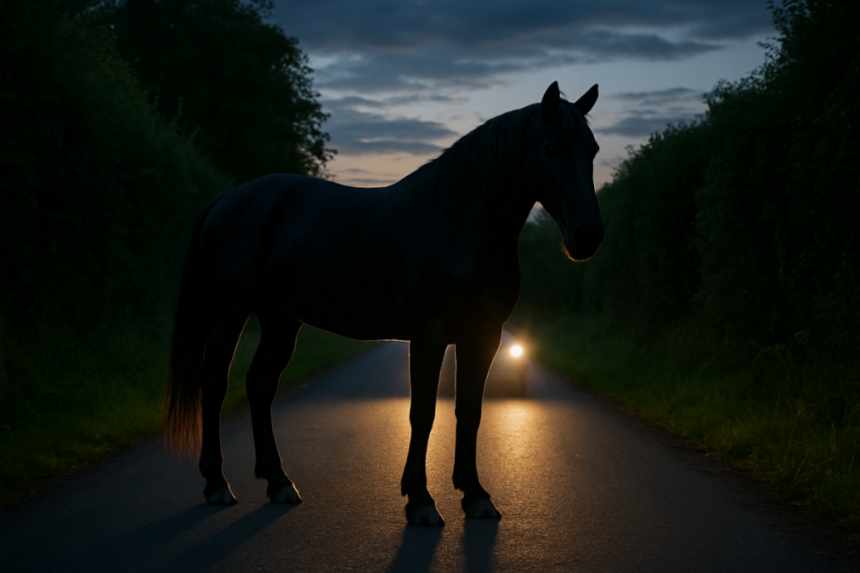
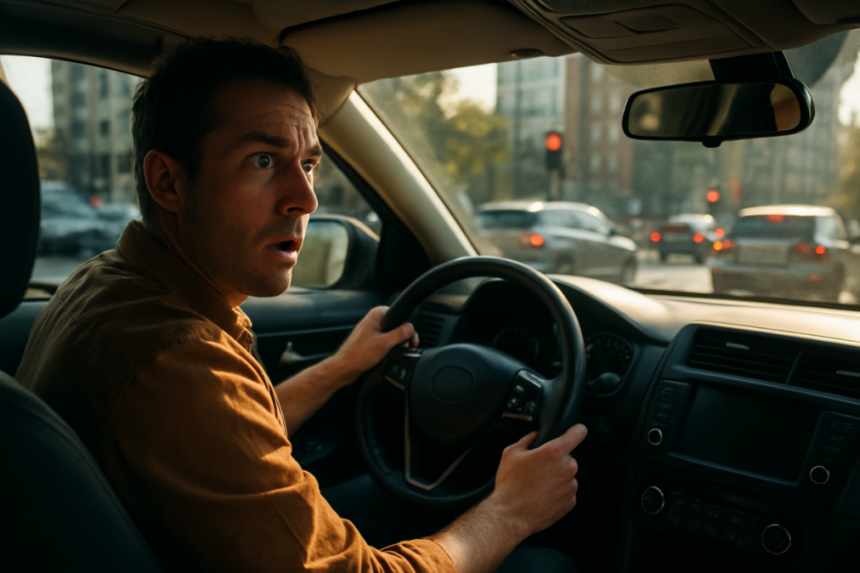
A voice that wasn't a voice said 'slow down now' on a road I drive nightly — three seconds before a horse, black as the dark itself, filled my headlights.
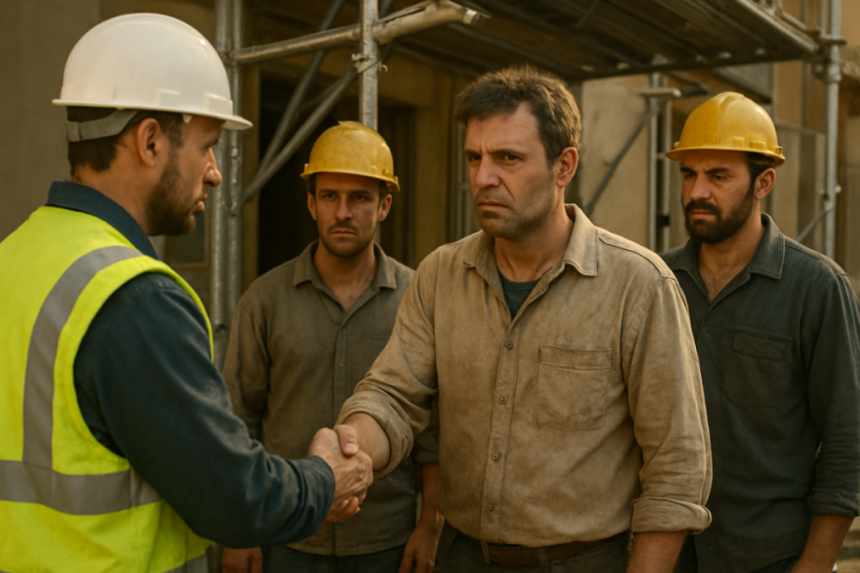
Fifteen years on sites and I'd never refused a task — until my hands started shaking at a scaffold ladder everyone had used all morning. The inspector's face told the rest.
For the first time in eight years I drove the long way home, wasting twenty minutes for no reason I could name — the reason was on every local news channel by six.
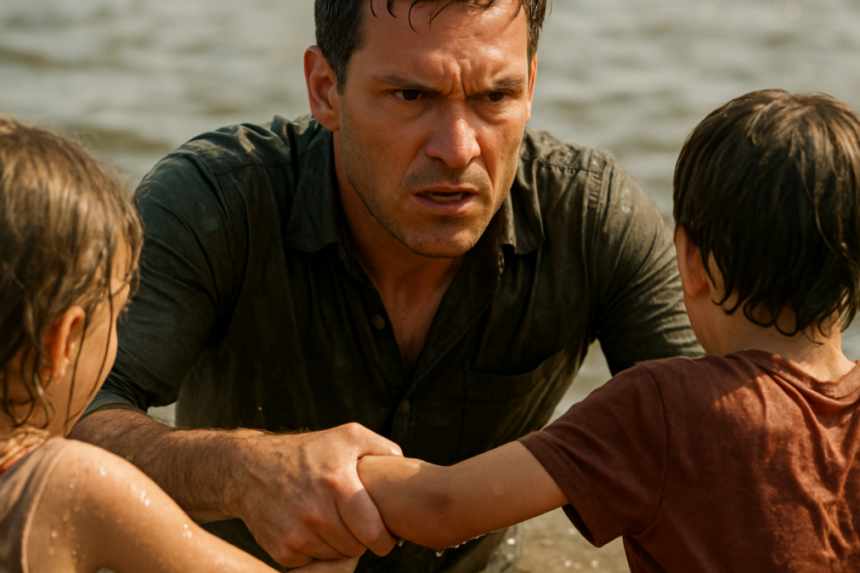
A perfect calm beach day, and suddenly I was hauling my kids out of the sea, barking at strangers to do the same — ninety seconds before the water turned into a machine.
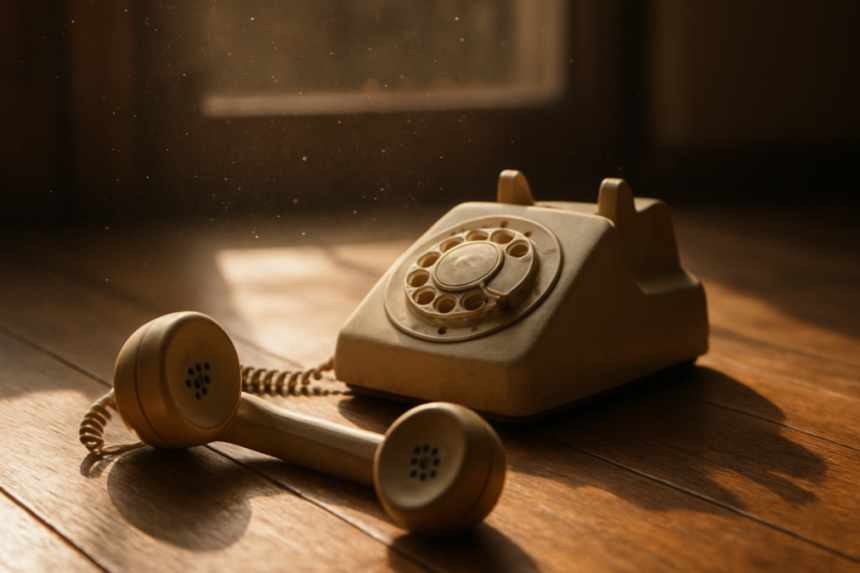
An ordinary Tuesday, an overwhelming urge to phone my mum 'before nine' — she laughed at me mid-call, then the line clattered, and my early call became the reason help arrived in minutes.
Halfway to work, a sentence arrived in my head like an order — turn around, check on your brother. I broke every traffic rule; his kitchen was already full of gas.
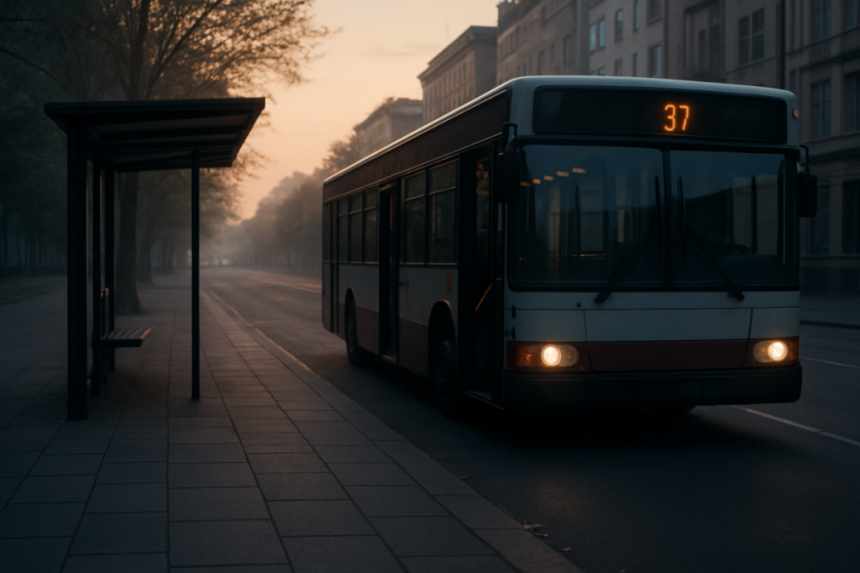
The 7:15 pulled up, the doors opened, and my legs would not move — a flat, physical no. I watched it leave, furious with myself, until the radio explained everything.
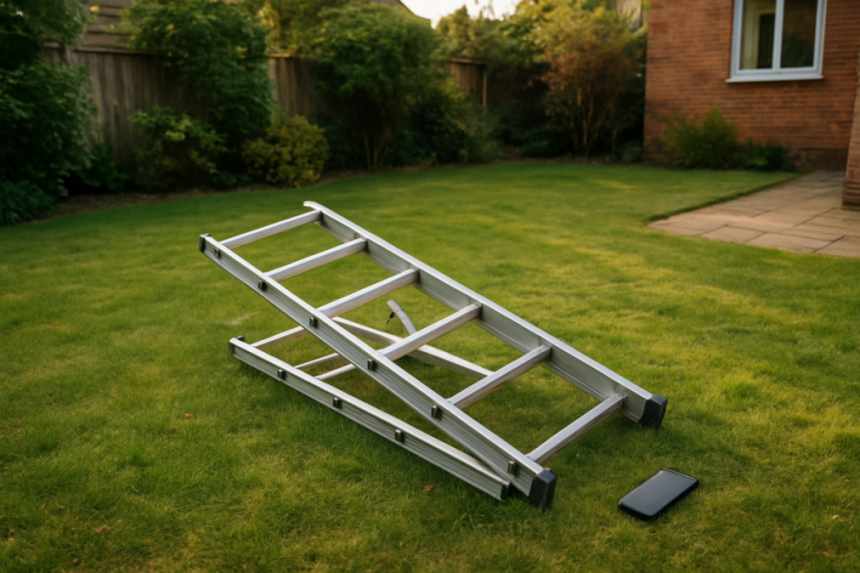
A wave of dread hit me at my desk so hard I called my brother without knowing why. He answered mid-fall from a ladder. My call is the only reason he was not alone at the bottom of it.
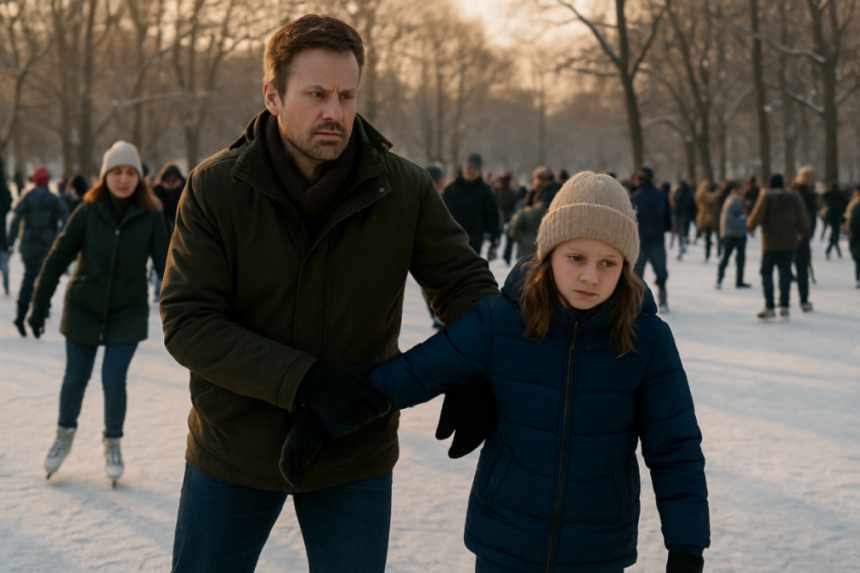
The pond was frozen solid and every kid was out on it. A cold certainty told me to get my daughter off, now. I did. Ninety seconds later the ice cracked open exactly where she had been standing.
The hall of fame: the best Premonition Stories of all time
A premonition rarely announces itself politely. In the premonition stories below it shows up as a sudden refusal to board, a cold weight in the chest at a green light, an urge to call home at 3 a.m. Sometimes the narrator obeyed and lived to write the story; sometimes they ignored it and the story is about the cost. Statisticians remind us that people have bad feelings every day and only remember the hits. Our authors answer with timestamps, witnesses and the kind of detail hindsight can't fake — and the jury sorts it out one verdict at a time.
The closely related gut feeling tag gathers the near-miss testimonies from every category. If an inner alarm ever changed your route, your day or your life — the court is in session.
People report premonitions in many different forms, but there is no simple way to prove a warning was supernatural or just a lucky guess. On this page, the jury votes are part of the experience, because readers decide whether each first-person account feels like a real warning or a hindsight pattern. Reading several stories back to back can help you notice how often ordinary intuition, timing, and memory overlap.
Some people describe a strong gut feeling, a sudden urge to change plans, or a sense that something is “off” before an event. That can come from subconscious pattern recognition, anxiety, or a real-life cue the person noticed without fully realizing it. The stories here explore those moments through personal accounts, and the jury judgment adds a layer of skepticism and discussion.
They are common enough that many people say they have had at least one, but rare enough that most days pass without anything unusual. What makes them hard to pin down is that people usually remember the hits more clearly than the misses. The reader-voted format helps show how different people interpret the same kind of story.
Many people choose to pause, double-check plans, or look for practical reasons behind the feeling before deciding. It is reasonable to treat a strong warning as a signal to slow down, without assuming it predicts anything definite. Stories on this page often center on that exact moment of hesitation, and the jury votes show how convincing those choices seem to others.
Once something happens, the earlier warning can seem clearer and more meaningful than it did in the moment. That is one reason these accounts are so compelling: the result can make ordinary details feel charged with significance. The jury is useful here because it captures how readers weigh the story before and after considering the outcome.
Some people believe a dream predicted a real event, while others see it as a coincidence or a memory that became meaningful later. Dream-based stories are especially tricky because details can shift when they are retold. In collections like this, readers tend to compare the dream, the timing, and the outcome before voting.
Specific details, clear timing, and an outcome that matches the warning often make a story feel more convincing. Vague feelings are harder to judge, while concrete actions like canceling a trip or changing a route are easier to evaluate. That is why the jury format works well for this kind of first-person account.