
Three Strangers Waiting in the Dark
Three isolated nights turn terrifying when strangers stalk a motel guest, a young woman, and a solo camper.
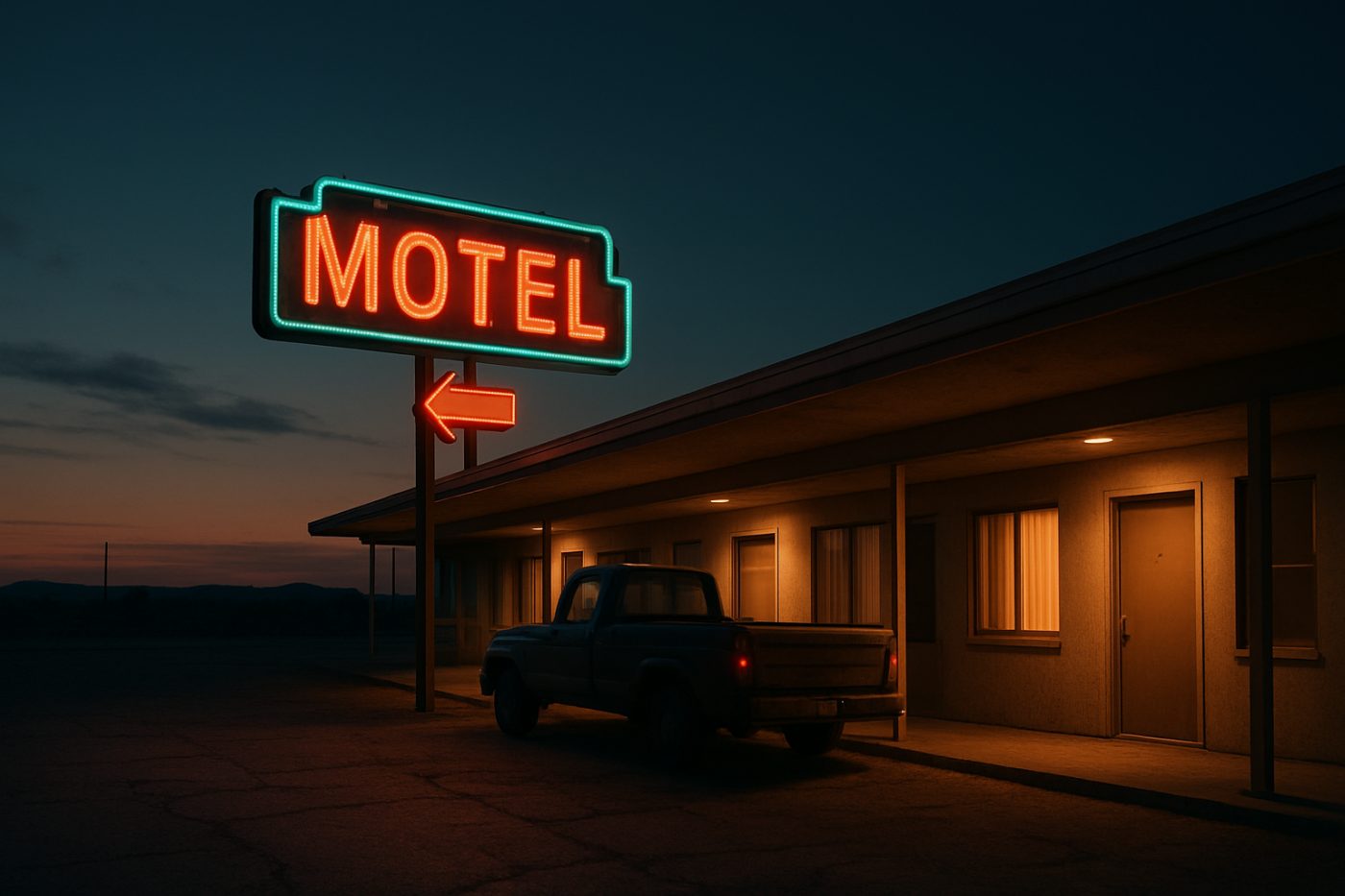
Some moments brush past disaster by inches, and the narrator will tell you flatly that they almost died: a car that should have crashed, a vacation that almost went horribly wrong, a phone call made in the one second that mattered. This tag collects hair’s‑breadth escapes, instinctive split‑second choices, and eerie premonitions that seemed meaningless until later. Every story here is told in the first person, straight from people who believe they sidestepped catastrophe by chance, fate, intuition, or a loyal animal at just the right time. None of these accounts are fact-checked; they’re presented exactly as the storyteller remembers them.
On this page, you are the jury. As you move through these brushes with the worst‑case scenario—on the road, at home, in crowds, in the quiet hours of the night—you decide what feels authentic and what sounds invented. Dive in, follow each narrow escape to its last second, and cast your vote on whether it really happened.
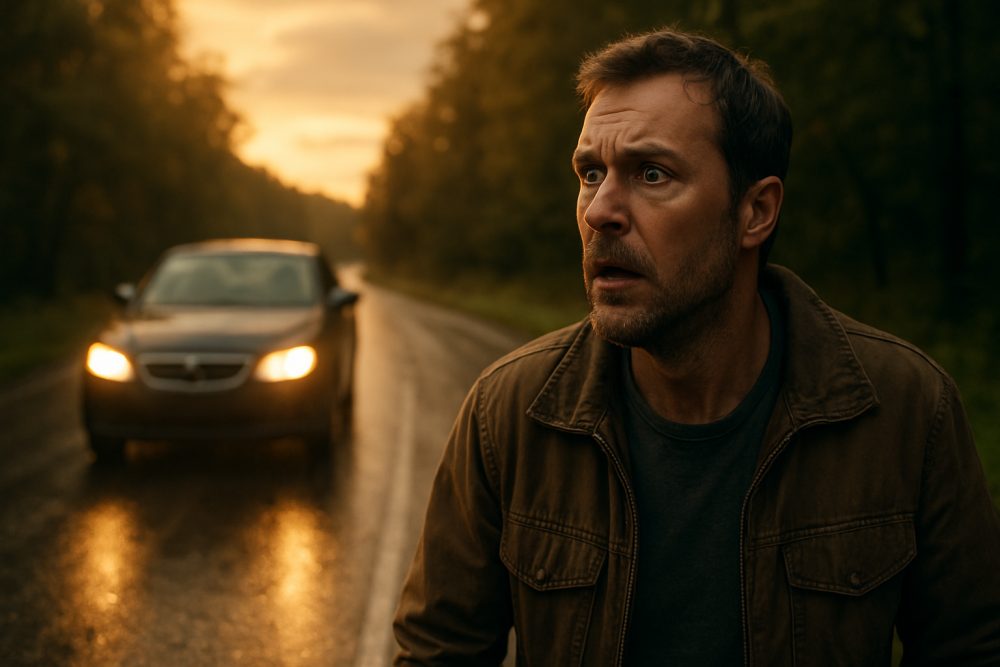
Three isolated nights turn terrifying when strangers stalk a motel guest, a young woman, and a solo camper.
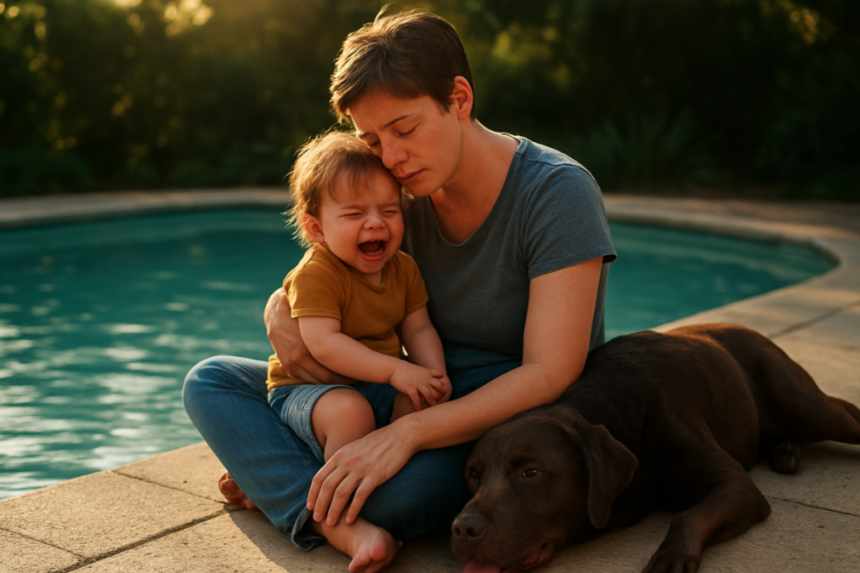
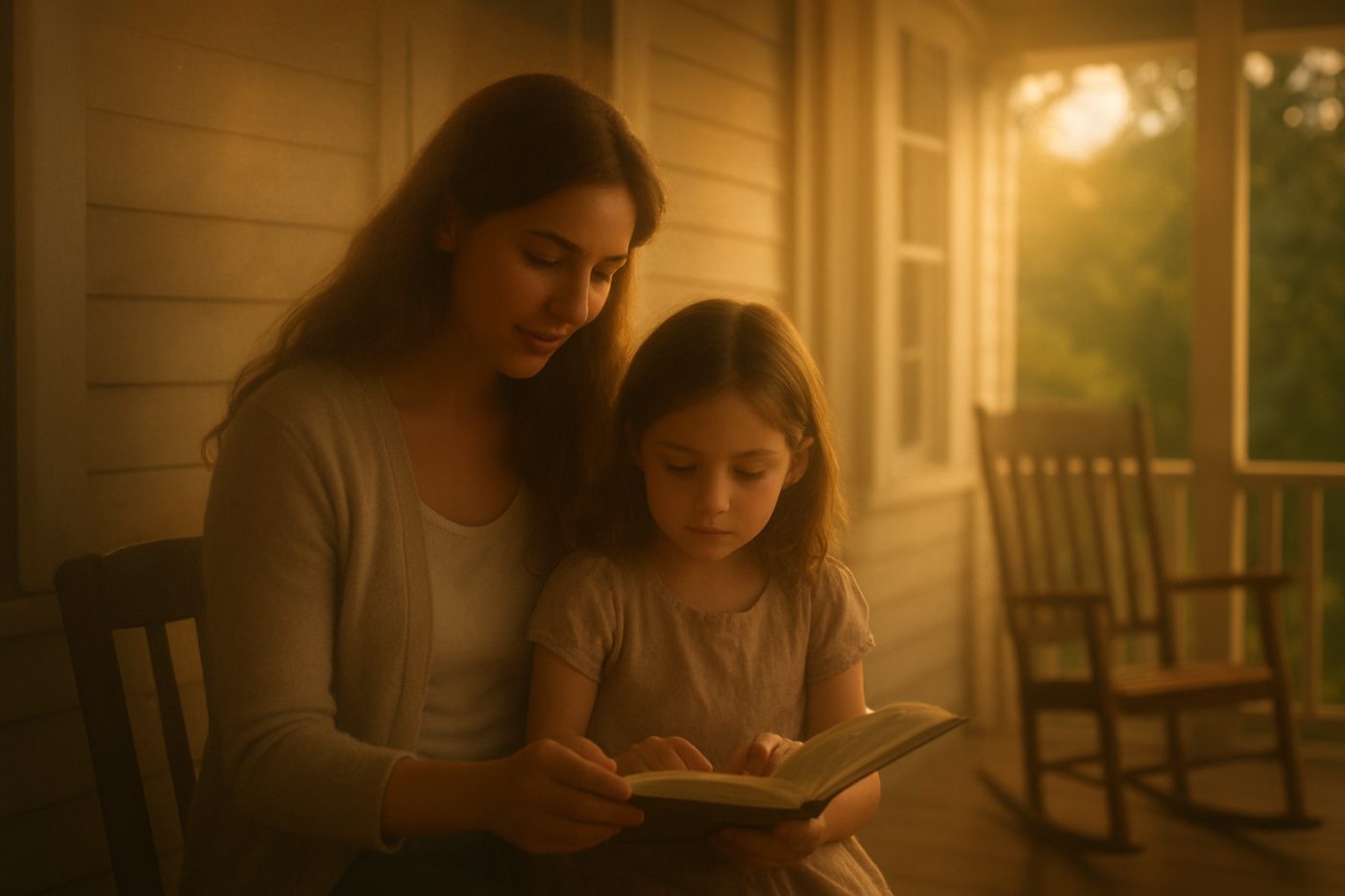
I looked away for fifteen seconds. In that time my two-year-old made it to the deep end. Our old lab, who could barely walk anymore, got there before the water did.
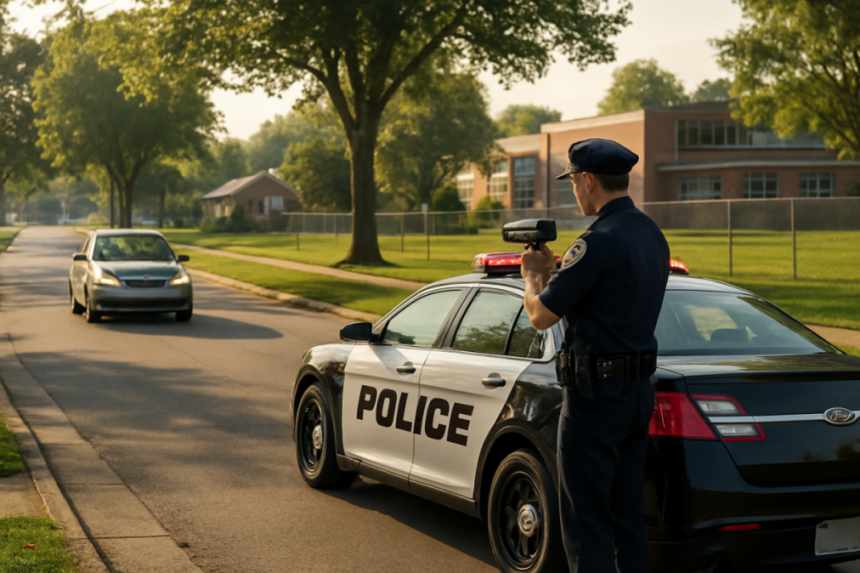
A driver roared through the crosswalk where I walk kids to school, laughing at the crossing guard. He did it every morning. He did not know the guard had started writing down the plate.
One sting in the garden and my throat closed in minutes. As my body shut down, my whole life opened up in front of me, and I was gently shown the good I had not finished doing.
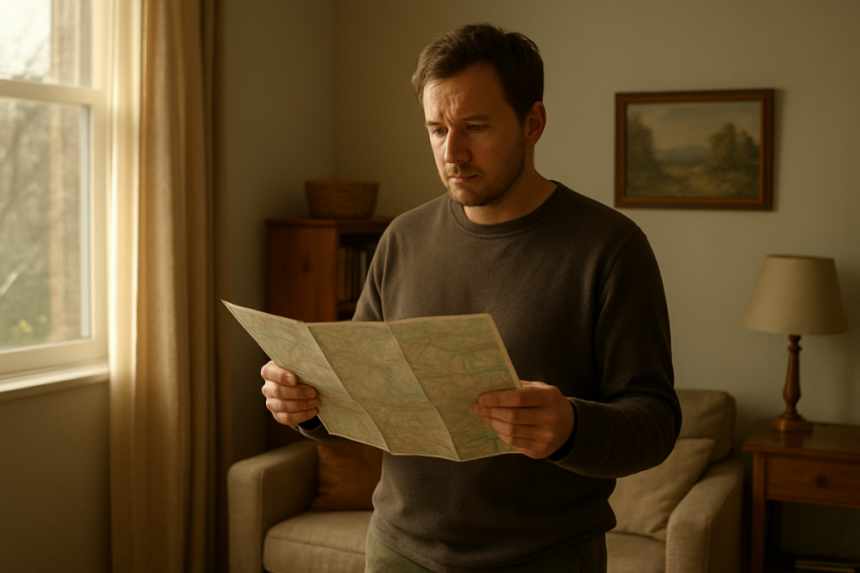
I had a long-planned trip and woke the day before certain I must not go. I could not say why. I cancelled everything. The tour I would have joined was caught in a landslide that closed the road for a week.
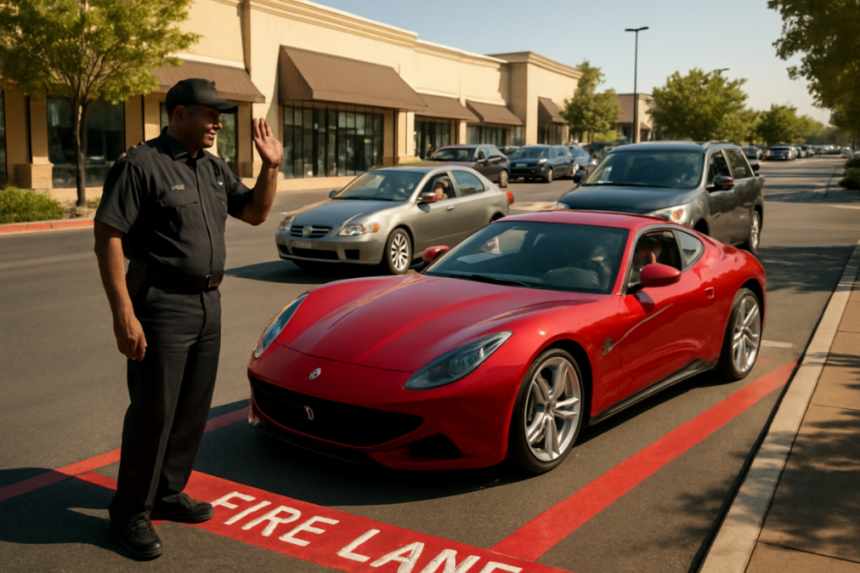
A man ignored the painted fire lane and the honking to park right at the store doors. He came out to find a fire truck had needed that exact spot, and had treated his car accordingly.
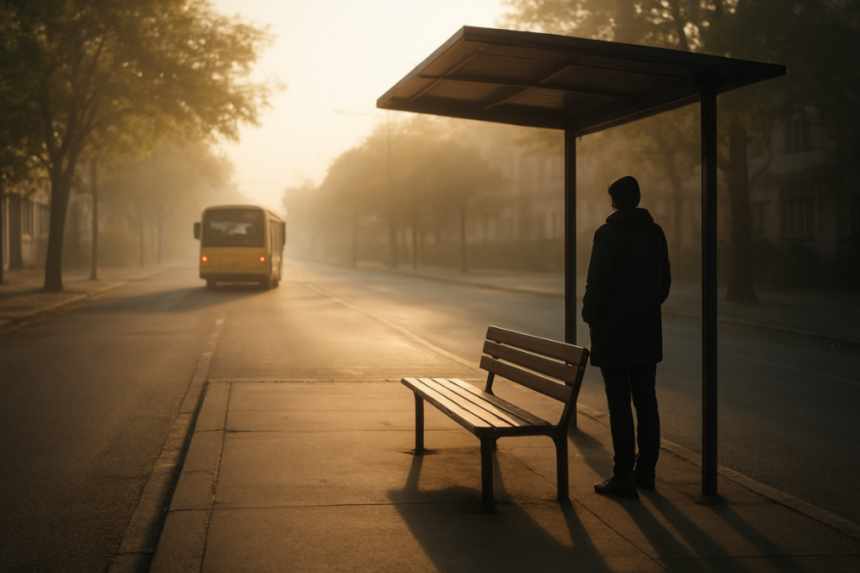
I dreamed a calm voice told me not to take the early bus, three times. I skipped it and took the next one. The early bus I would have been on was in a bad crash that morning.
A man waved me down on an empty night road, friendly and normal. Something in me refused to slow. In the mirror I watched him drop the smile the instant I passed, and start running after the car.
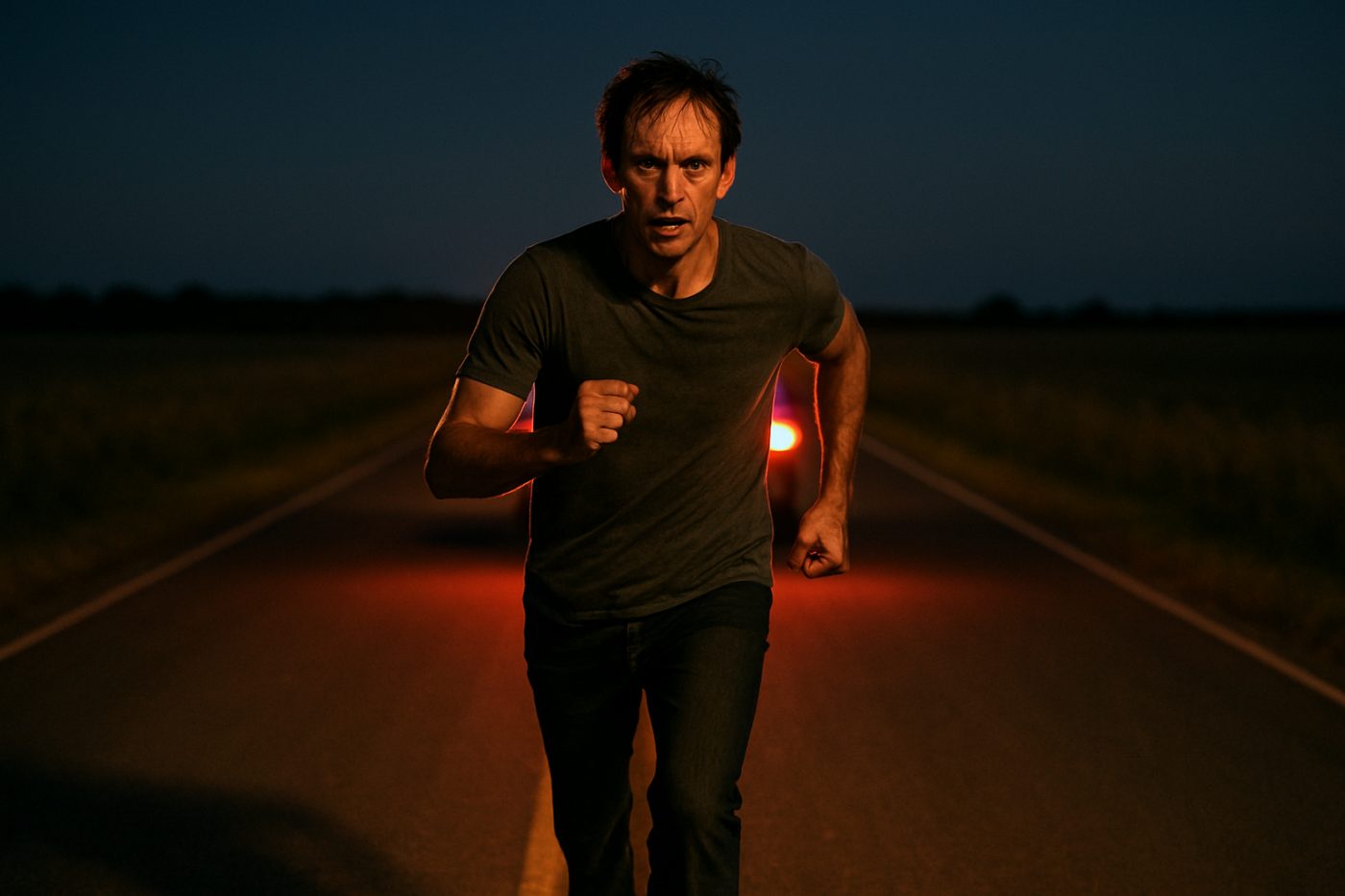
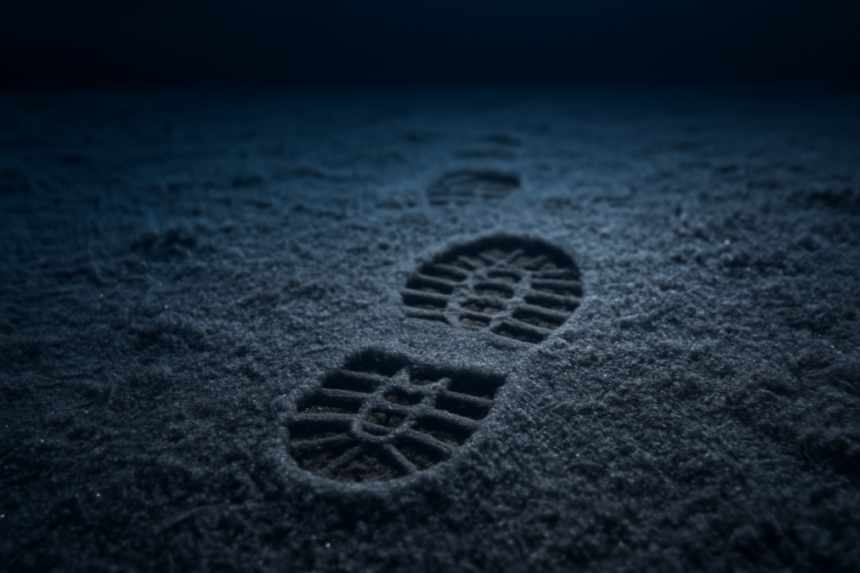
On a quiet base at two in the morning I challenged a man in an old uniform walking the perimeter. He did not answer, did not stop, and left no tracks in the frost.
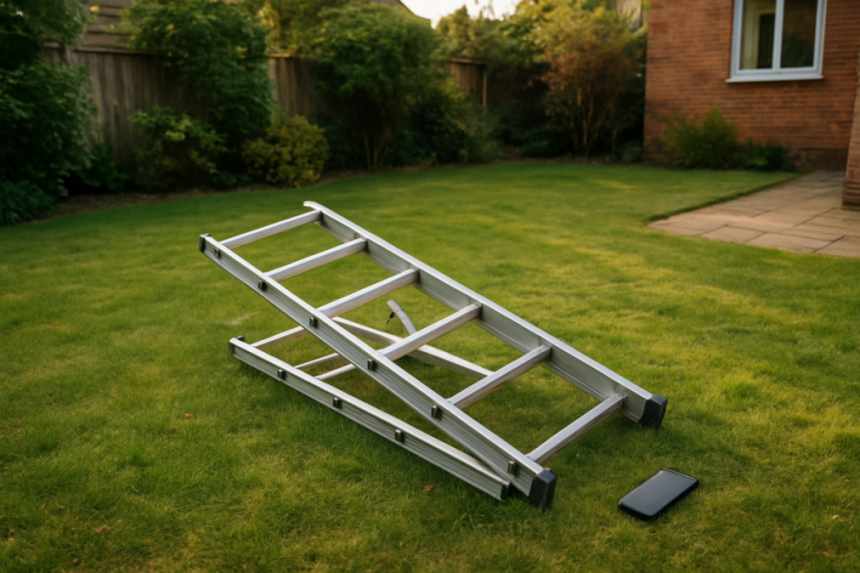
A wave of dread hit me at my desk so hard I called my brother without knowing why. He answered mid-fall from a ladder. My call is the only reason he was not alone at the bottom of it.
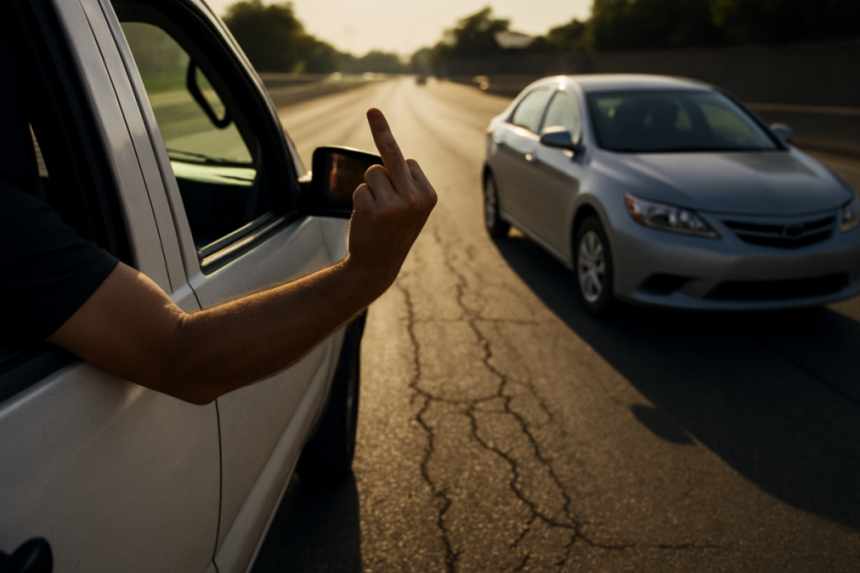
A guy rode my bumper for miles, flashing his lights, laid on the horn, and finally roared past me flipping me off — directly into the mirror of the unmarked police car I had been letting merge.
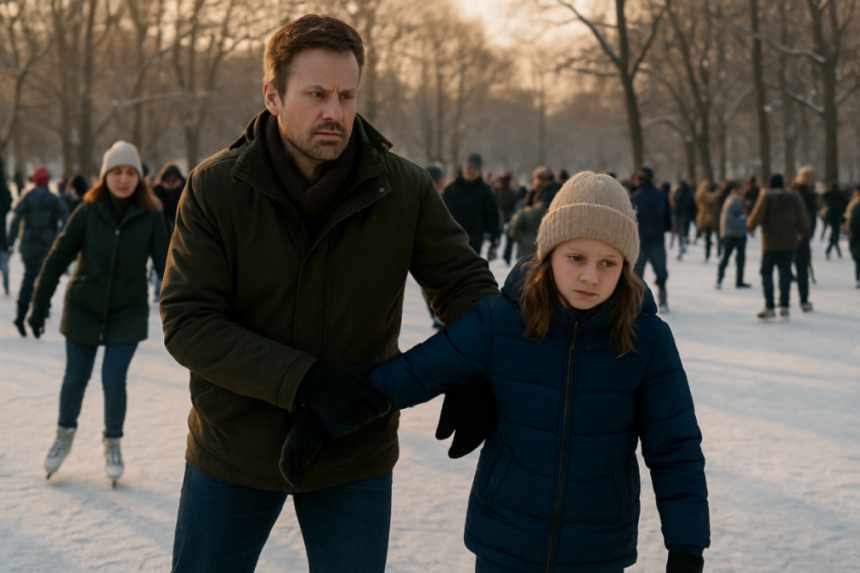
The pond was frozen solid and every kid was out on it. A cold certainty told me to get my daughter off, now. I did. Ninety seconds later the ice cracked open exactly where she had been standing.
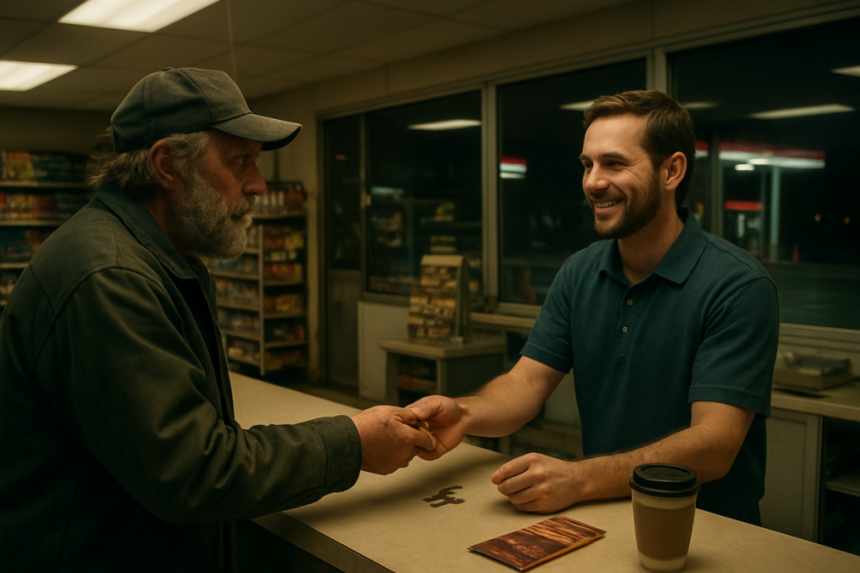
Working the overnight at a gas station, a trucker paid, then paused and said quietly, "Lock your door. There is a man crouched behind your ice machine." He had been there, watching me, for an hour.
An asymmetry sits at the heart of these near miss stories, and its writers are usually first to point it out: nothing happened. The lorry passed, the step held, the phone rang before the door opened. No report exists, no photograph, and the only evidence is a person who has replayed the same fifteen seconds every week since. Statisticians would say the archive is built entirely on survivorship, and they would be right — the equivalent misses that ended badly are not here to be written up. What the accounts capture unusually well is the flatness afterwards, and how long it takes before anyone says it out loud.
Where the incident did land, the accounts continue under survival stories, and the warning-beforehand cases have their own tag in gut feeling. Close call stories read best short: the road, the weather, what the writer happened to be thinking about. The jury splits hardest over whether a narrator claims to have chosen or simply to have been lucky.
Many close-call stories are based on real events, but memory, stress, and hindsight can make details feel more dramatic. On our site, readers look at how specific, consistent, and plausible a story is before voting on whether they think it really happened. Exploring the jury votes gives you a sense of which accounts feel most credible to others.
Life is full of tiny variables—timing, attention, other people’s choices—that can stack up to create danger or narrowly avoid it. We tend to remember and share the near-disasters because they feel meaningful and shocking. Reading different accounts and seeing how the jury votes can highlight common patterns, like distraction, chance, or gut feelings.
Research suggests that most people can recall at least a few times when they felt they narrowly avoided harm, from traffic incidents to medical scares. We notice these episodes more than routine days because they’re emotional and stand out in memory. The variety of stories and votes on our site shows how often ordinary situations can turn risky without quite becoming tragedies.
What feels like intuition is often your brain picking up subtle cues—odd behavior, unusual sounds, or patterns you’ve seen before—faster than you can explain them. Sometimes that gut feeling lines up with a genuine threat, and sometimes it’s just anxiety. In the stories here, readers often debate in the jury votes whether a “feeling” was insight or coincidence.
If something seems off, it’s usually wise to slow down, step back, or choose the safer option when you can. Pay attention to your surroundings, avoid unnecessary risks, and talk things through with someone you trust. You can also learn from others’ experiences by reading accounts on the site and noticing which choices the jury thinks made a difference.
Outcomes often depend on a mix of timing, environment, equipment, other people’s actions, and sheer luck. Two people can make the same decision and get very different results. Many stories here highlight how tiny differences—a few seconds, a different seat, a changed route—shape what the jury later decides was a miraculous escape versus ordinary life.
Driving combines speed, human error, weather, and distraction, so it naturally produces many “that was almost bad” moments. People often don’t report minor events, but they remember and retell the ones that shook them. The large number of road-related accounts and the jury’s reactions show how common, and varied, these near accidents can be.
Some serious conditions start with vague or mild symptoms that are easy to dismiss or misinterpret. Warning signs can also be masked by normal daily discomforts or stress. Stories on the site about sudden collapses or unexpected diagnoses often spark discussion in the jury about which hints were visible in hindsight and which were realistically impossible to catch earlier.