
The Fifth Man On A Four-Man Observation Post
Four soldiers snowed in on a mountain outpost survived six days on short rations and one broken ankle. Every count afterwards came out to five.
On this page you’ll find crazy survival stories and quietly unforgettable ones: first‑person accounts of close calls, eerie encounters, and split‑second choices in the woods, on the road, at home, and in everyday places that suddenly turned hostile. Some narrators face dangerous landscapes, strange warnings, or impossible coincidences; others confront human systems that threaten their safety in quieter but equally harrowing ways. Every tale is told by the person who says they lived it.
Nothing here is fact‑checked or confirmed; each narrative is presented exactly as submitted, from brush-with-death escapes to chilling near-misses and unexplained moments that still keep the storyteller awake at night. After you read, you become the jury: decide if you believe it, cast your vote, and help shape which true‑story sagas rise to the top.
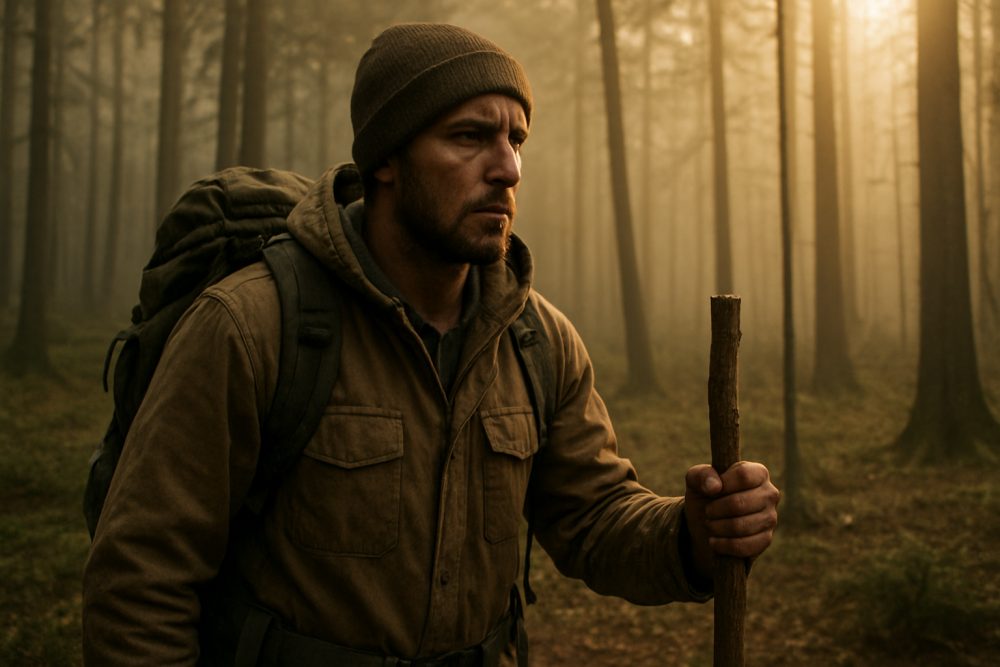
Four soldiers snowed in on a mountain outpost survived six days on short rations and one broken ankle. Every count afterwards came out to five.
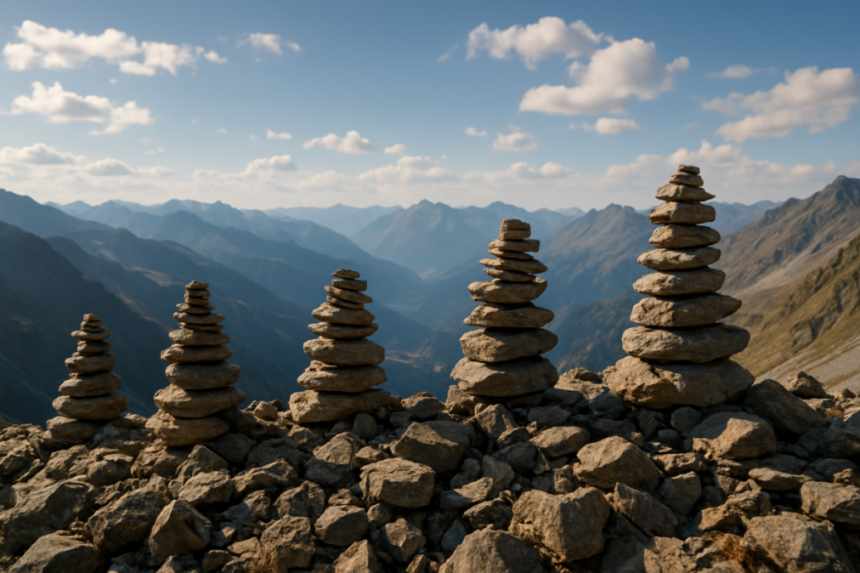
I chart for a living: times, facts, what I did about it. So here is my chart of four days alone in the Winds - the stacked stones that were on nobody's map, the thing that said my name at a normal indoor volume from four feet away, and how I walked out.
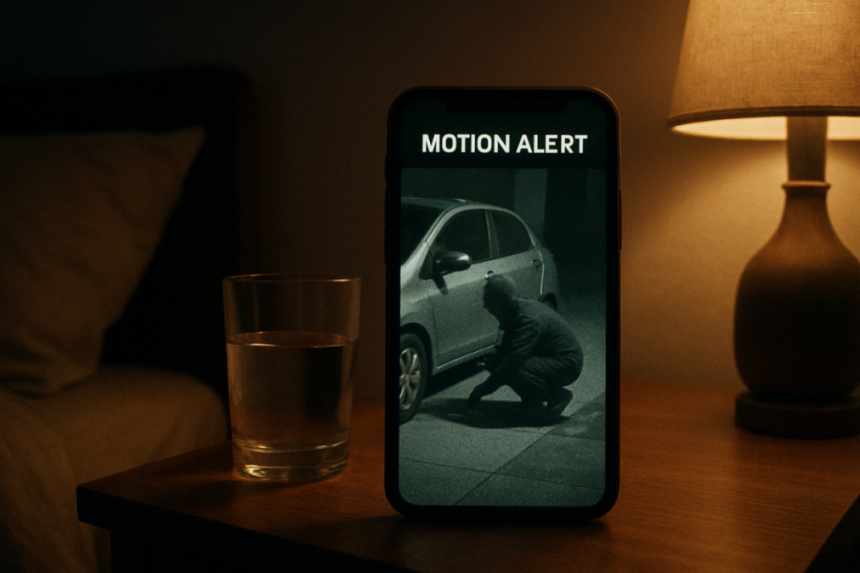
A cheap hidden camera, a bad feeling, and a delayed road trip with my roommates lined up in a way I still cannot explain.
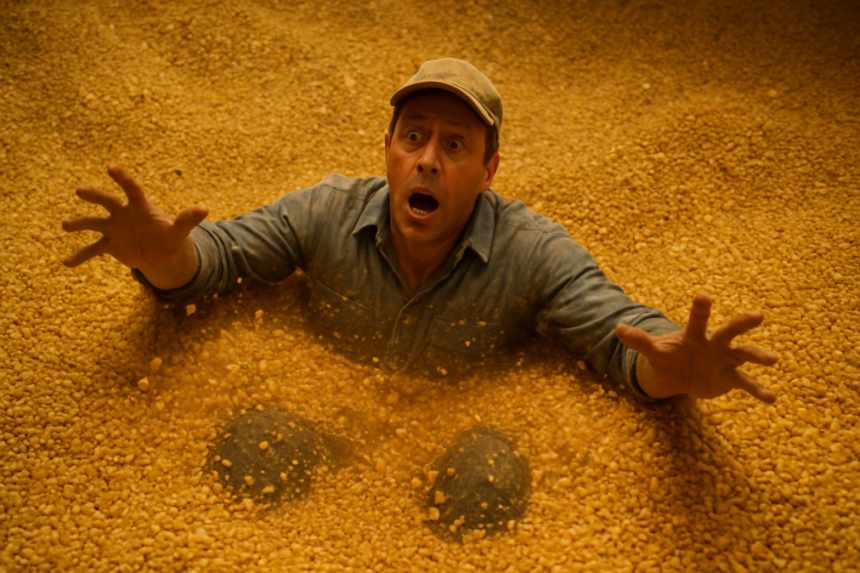
I laughed at the safety rules after a boozy lunch, then needed every one of them to survive.
Three isolated nights turn terrifying when strangers stalk a motel guest, a young woman, and a solo camper.
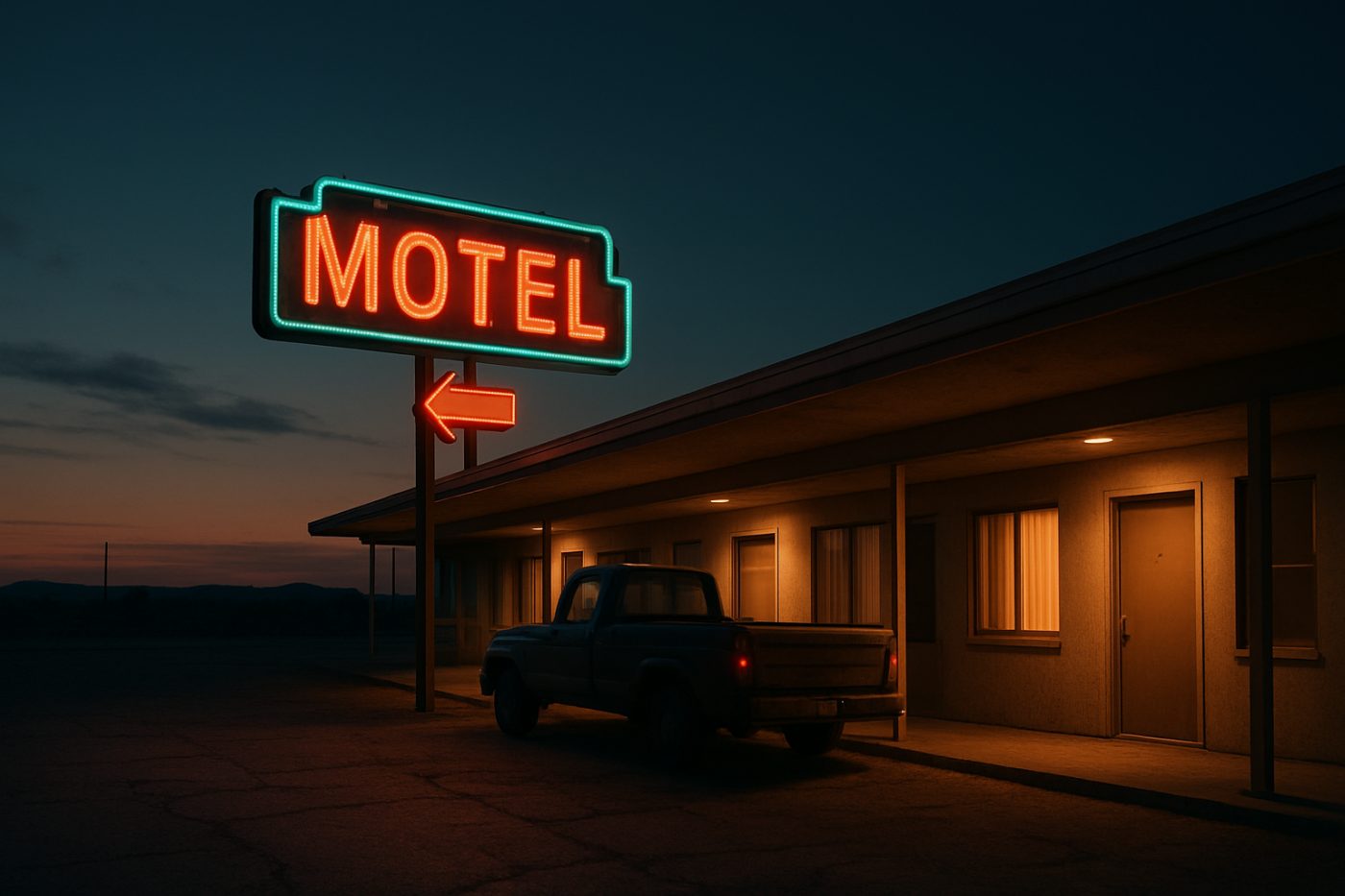
A routine road, a bad feeling, and a driver who trusted his gut over the map. This is the closest I have ever come, and the reason I still call a man I served with every single year on the same date.
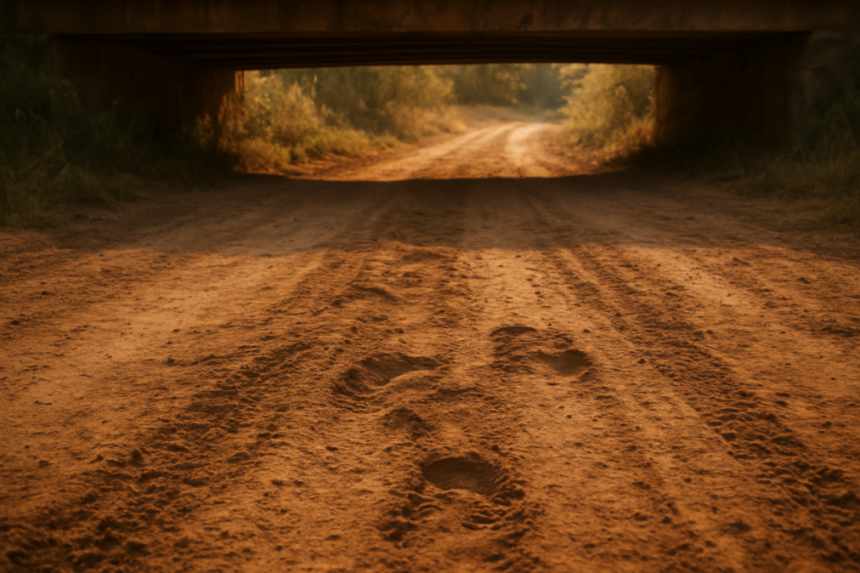
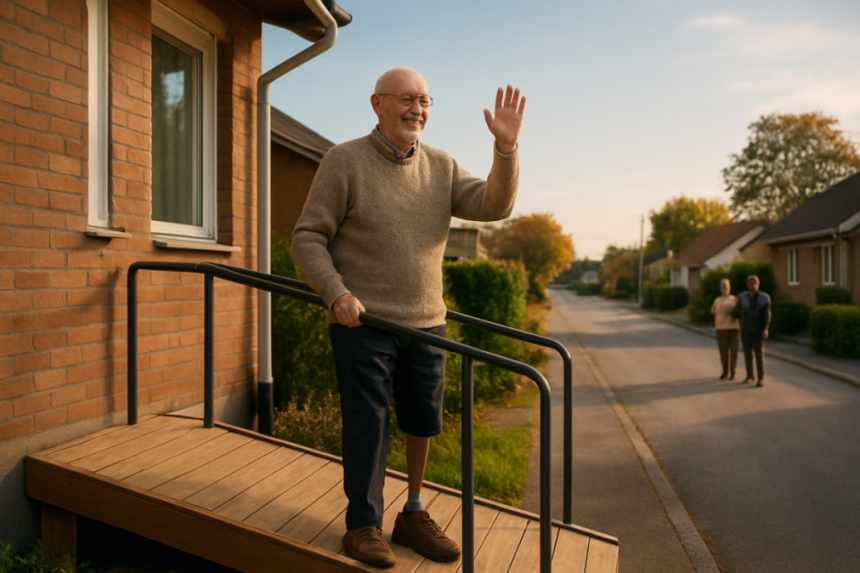
My father lost a leg in March. In June we built a ramp. In July it was a "non-traditional exterior modification" by a vote of 6 to 1.
No birds. No insects. No wind. And a certainty in my legs, before my brain caught up, that I was being looked at.
Two metres long. Moss laid in overlapping layers, like roof tiles. And it was warm.
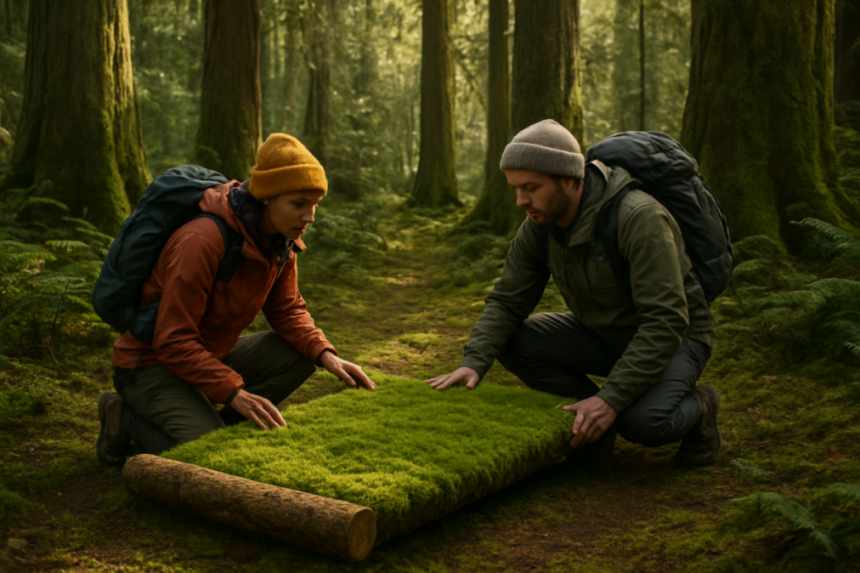
She told me the creek crossing was wrong today. It was. It nearly took me. The car park camera shows me talking to nobody for ninety seconds.
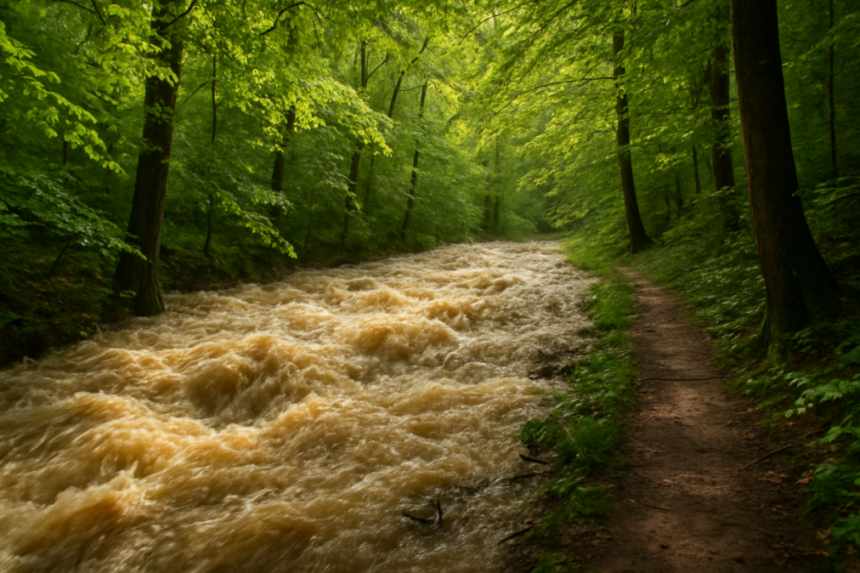
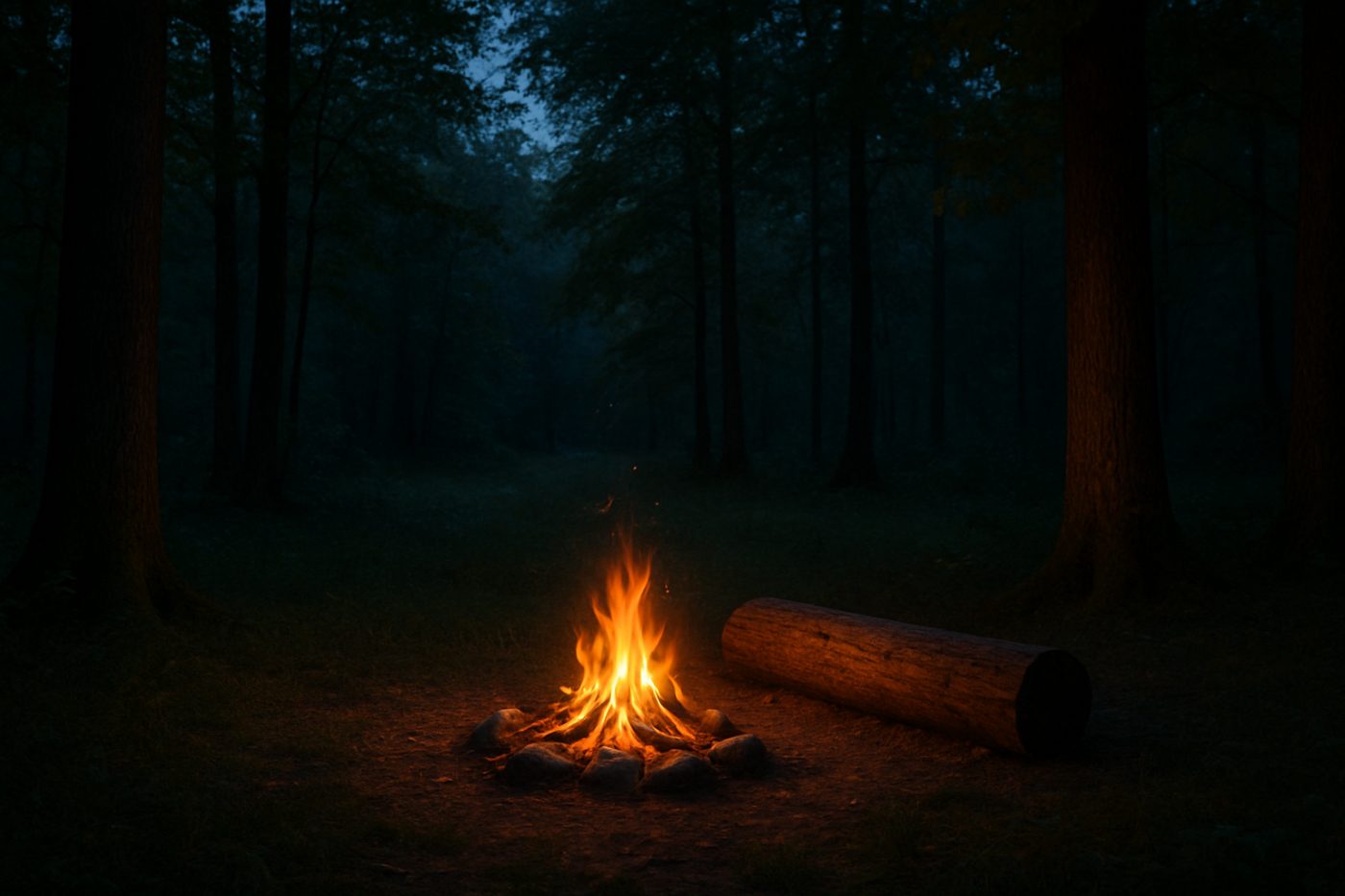
We burned the last of the wood at midnight. At four in the morning the fire was still going, the same size, and the ground around it was cold.
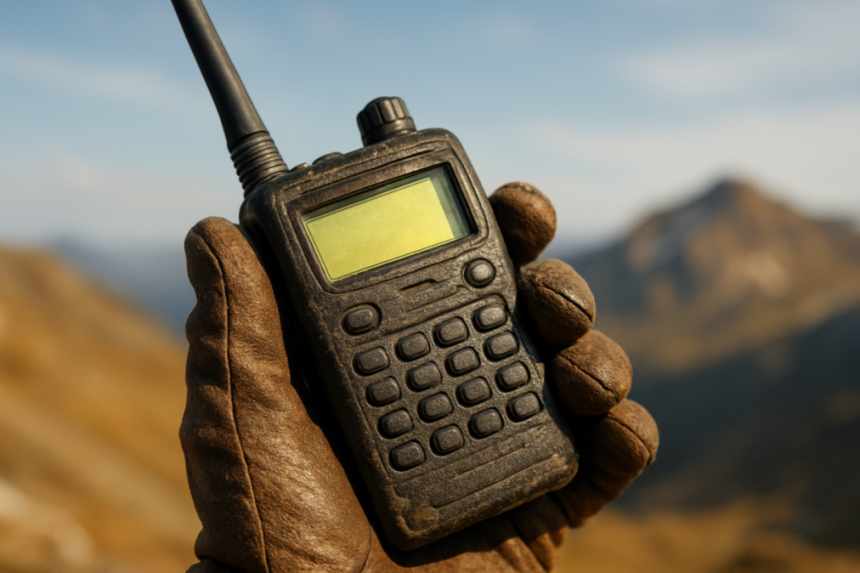
A voice on the handheld said our group name and told us to descend immediately. Forty minutes later the weather turned and the ridge was unsurvivable.
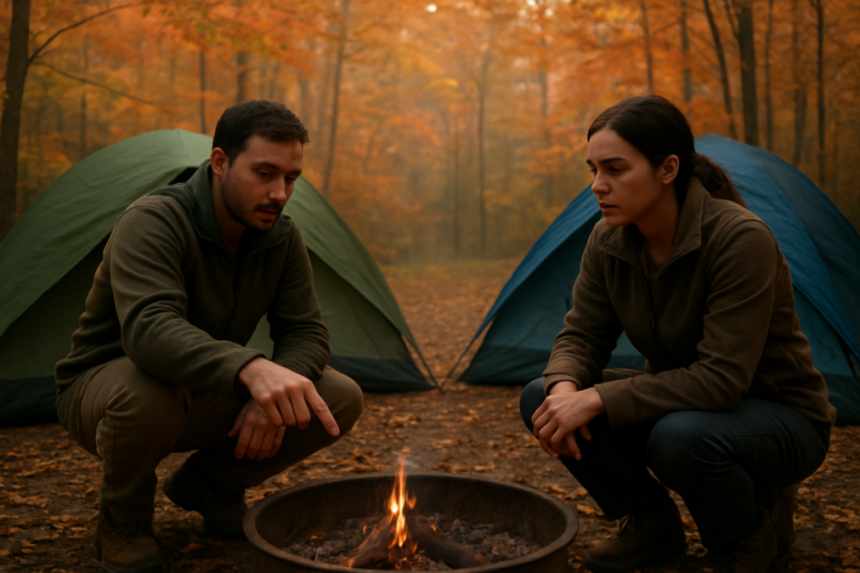
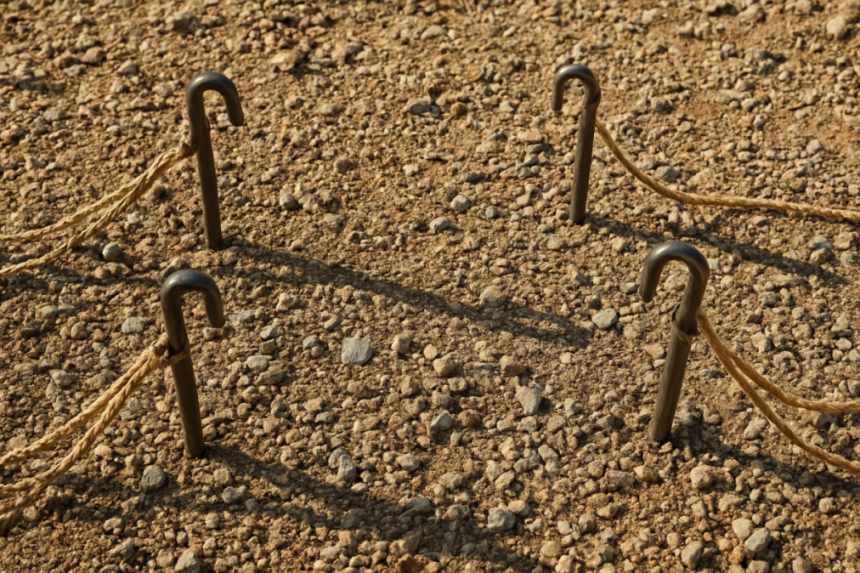
We pegged it on flat gravel. In the morning the pegs were still in the ground, in a neat rectangle, eight feet away from the tent.
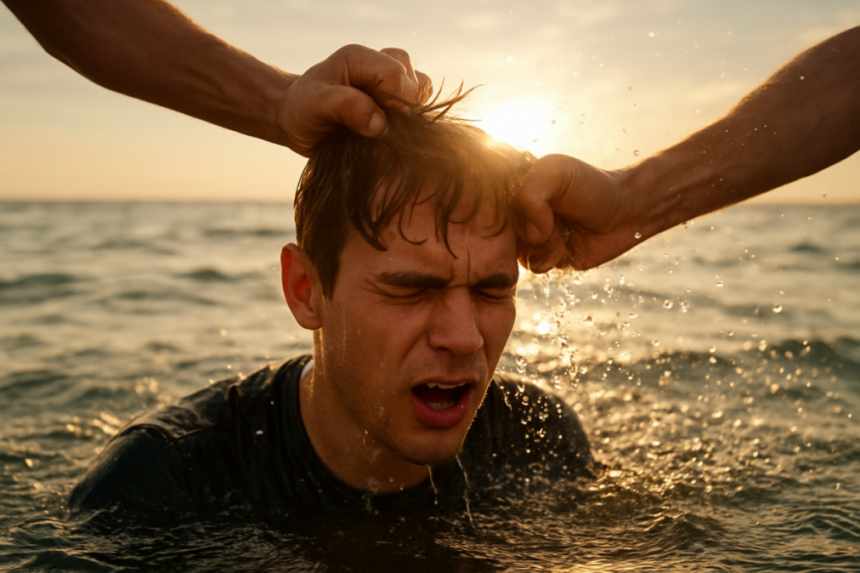
I went under at the reservoir and stopped fighting. There was a dark tunnel and a light, and my grandmother, gone twelve years, told me it was not my turn. Then hands pulled me up.
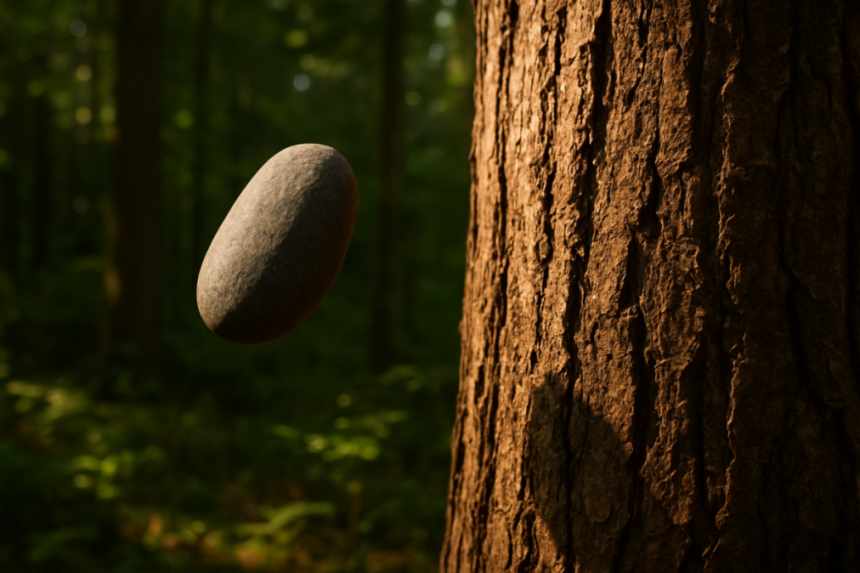
Every time I stepped off the trail, a stone hit a tree ahead of me. Nine hours. Always ahead. Never once behind.
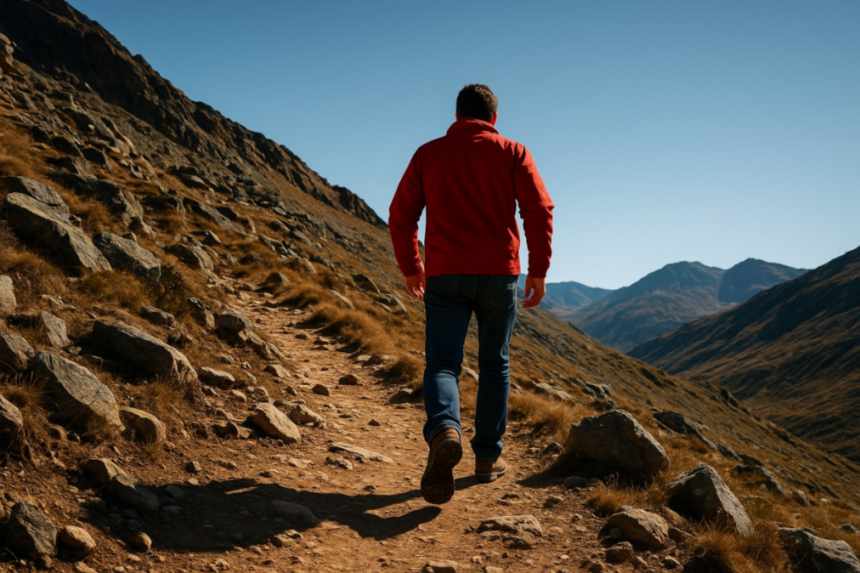
I reported a hiker in a red jacket who had no water and no pack, eleven miles from any road. The ranger wrote nothing down.
You can shoot anything you have a licence for. You do not shoot anything that is standing up. That was the rule, and it was not a joke.
The rescue takes a paragraph; the year afterwards takes everything else. That proportion is the most consistent thing about the true survival stories on this page. Writers handle the event briefly and competently — the water, the road, the diagnosis nobody expected — then spend far longer on what came next: the jumpiness, the changed route to work, the friendship that did not survive being told about it. Clinicians would recognise the shape, and so do most readers by the fourth or fifth account. The pieces that feel invented usually get the ratio backwards, lingering on the danger and finishing at the ambulance door as though nothing followed.
Incidents that stopped just short are collected under near misses, and the accounts that go further still belong with near-death experiences. If you submit a survival story from real life, the persuasive material is unglamorous: what you got wrong first, who found you, how long the paperwork took afterwards. Verdicts here reward writers who do not come out of it as heroes.
Each account is submitted as a first‑person experience, and then the reader jury votes on whether they believe it really happened. Some tales sound unbelievable, some feel mundane-but-real; reading the details and seeing how the votes split is part of the point. The site doesn’t certify anything as proven fact, but it does invite you to weigh plausibility for yourself.
When people believe they’re in danger, their brains often focus intensely on small details, which can make memories feel unusually sharp. That doesn’t guarantee every remembered detail is accurate, but it explains why many narrators describe specific sounds, colors, or seconds on a bridge in such depth. Comparing different writers’ descriptions and how the jury responds can show patterns in how people recall those moments.
Everyday brushes with danger are more common than headline-making disasters, but most never get written down. The site collects those “this could have gone very differently” moments, from strange encounters on trails to house fires that almost spread. Reading multiple accounts and their vote outcomes can give a sense of how often others feel they’ve just slipped past something serious.
Many people share intense memories to process them, to warn others, or simply because the story will not leave them alone. Putting events into words can make a chaotic moment feel more ordered. The jury reactions and comments can also offer a kind of social validation, whether readers vote “this sounds real” or “this seems exaggerated.”
Look for specific, grounded details, consistent timelines, and emotions that match the situation rather than constant shock or heroics. Comparing the story to similar incidents, and seeing how other readers vote, can highlight where something feels off. Ultimately, you may decide some narratives are honest but imperfect memories, while others are more like campfire tales.
Wild places combine unfamiliar terrain, isolation, and changing weather, which can quickly make small mistakes feel life-threatening. Add in darkness, fatigue, and limited information, and ordinary events can take on an eerie edge. The collected trail and camping accounts show how easily a quiet hike can shift into something people still think about years later.
Beyond the chills, they can highlight patterns: ignoring “small” safety rules, pushing past fatigue, or dismissing weird warnings that, in hindsight, mattered. Paying attention to what the narrators wish they’d done differently can quietly improve your own risk sense. The jury votes often underline which choices readers think were smart, lucky, or reckless.
For some writers, organizing events into a coherent story is a step toward making peace with them, though it’s not a replacement for professional care. Readers who’ve been through similar situations sometimes report feeling less alone when they see echoes of their own experiences. The discussion and voting don’t “cure” anything, but they can make the storyteller feel heard.