
We Were Holding Station Off North Sentinel When The Sea Went Flat
A cable ship engineer describes the disc-shaped object he watched at first light off North Sentinel Island in spring 2026, photographed from outside the exclusion zone.
Not every strange brush with the unknown involves flying saucers in the sky; sometimes it’s a man at a bus stop, a delay that makes no sense, a shape in the dark with the wrong kind of silhouette. This tag gathers real alien encounters, close encounters with aliens and first-person brushes with the uncanny, moments when reality seems to tilt sideways: odd meetings with strangers, unsettling presences on lonely roads, time that slips or doubles back, and eerie visitors that might be human, might be something else. Each narrative is told by someone who swears it happened to them, exactly this way.
Here, nothing is officially confirmed, and nothing is dismissed out of hand. The stories are submitted as personal experiences, and the truth of every weird encounter is left to the site’s reader jury. Read, decide what you believe, and cast your vote.
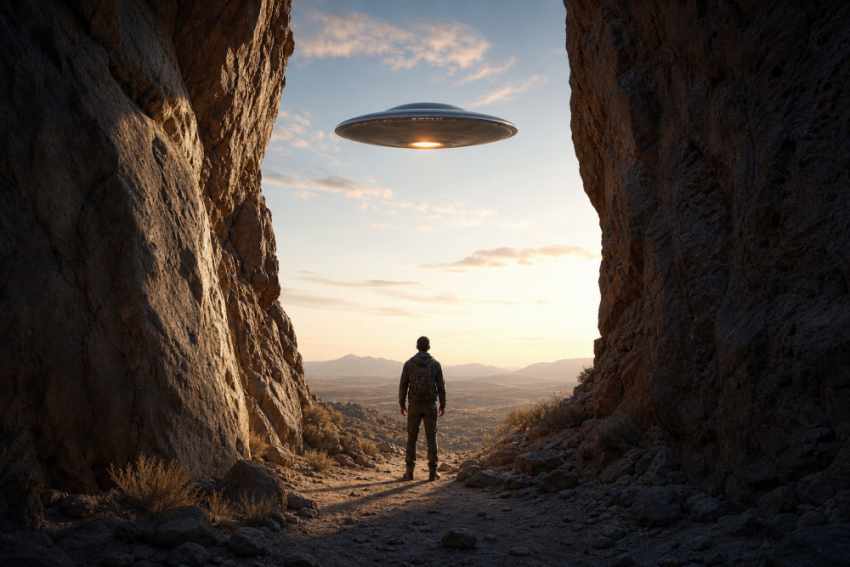
A cable ship engineer describes the disc-shaped object he watched at first light off North Sentinel Island in spring 2026, photographed from outside the exclusion zone.
I work a parts counter in a small Maine town. A man came in asking directions. Two nights later he asked again: same words, same pauses, same wrong way of standing. The store camera saw all of it, and the DVR overwrote itself before I showed one single person.
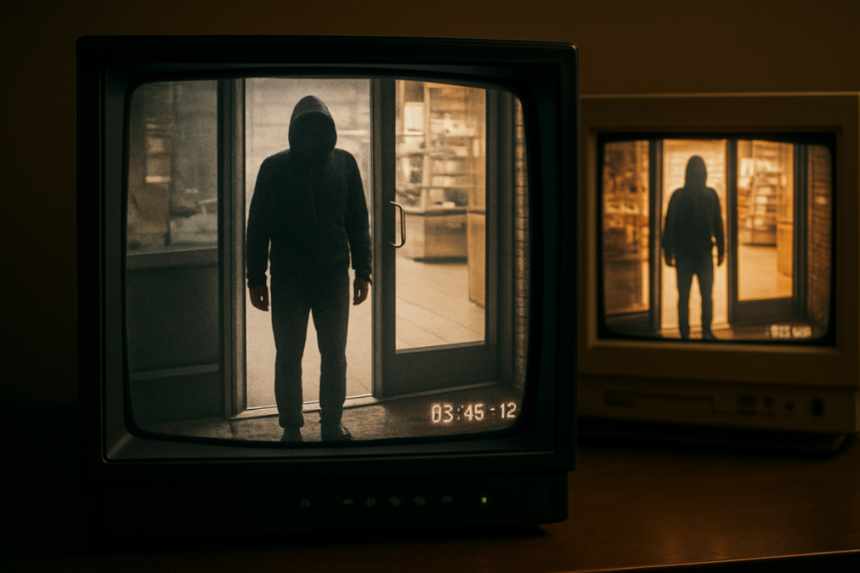
He was ordinary, tired, in a supermarket fleece. He said it kindly, like a nurse warning you the injection will sting later.
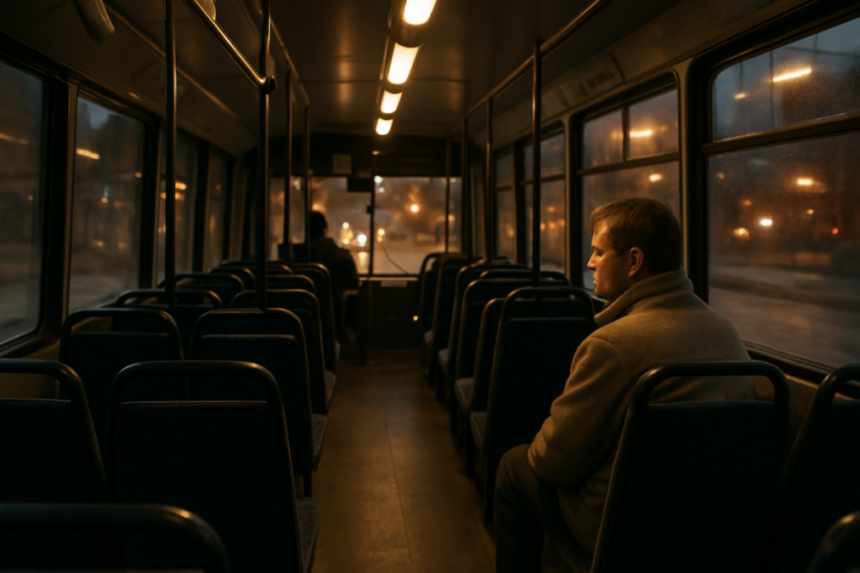
She was a practical woman who bargained hard at market. Every Thursday she left a plate on the step for what she called the neighbours, and would not explain.
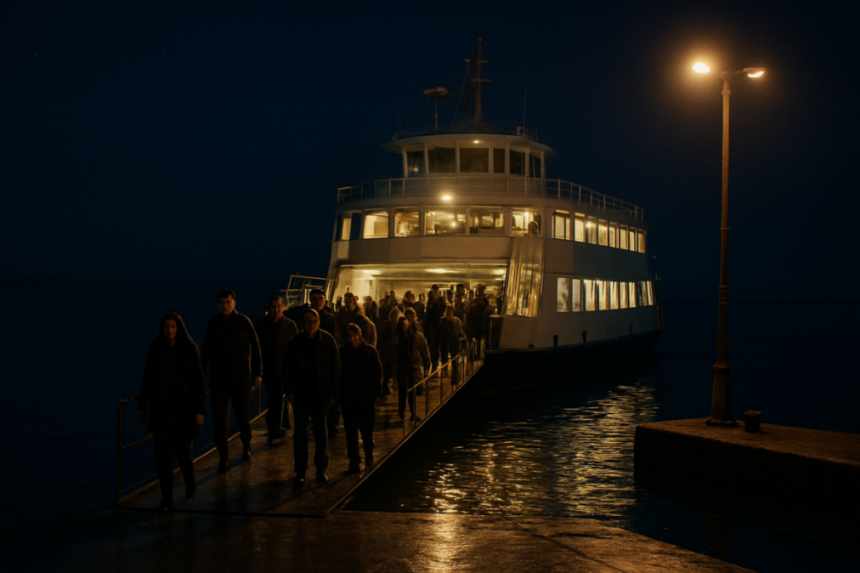
I work the night ferry. On 3 November we docked twenty minutes late with full fuel, a calm sea, and thirty-one passengers who all remember a different crossing.
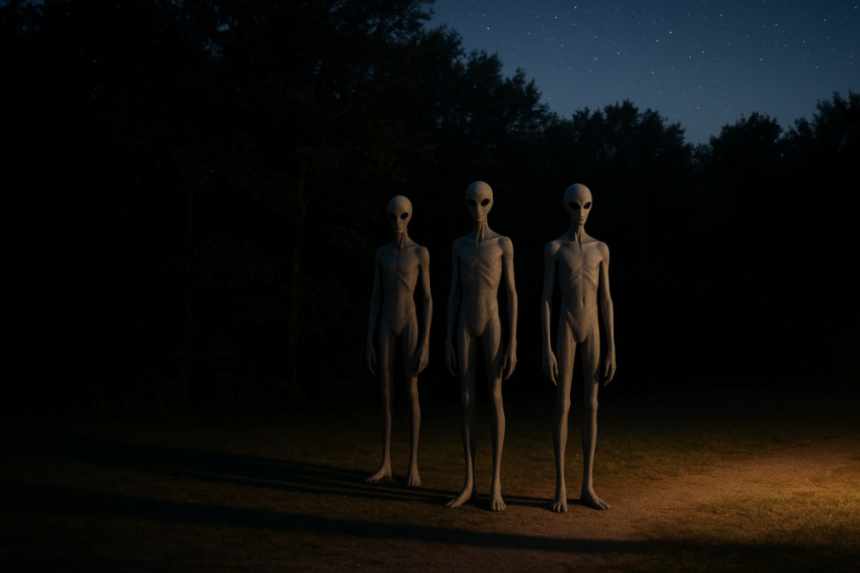
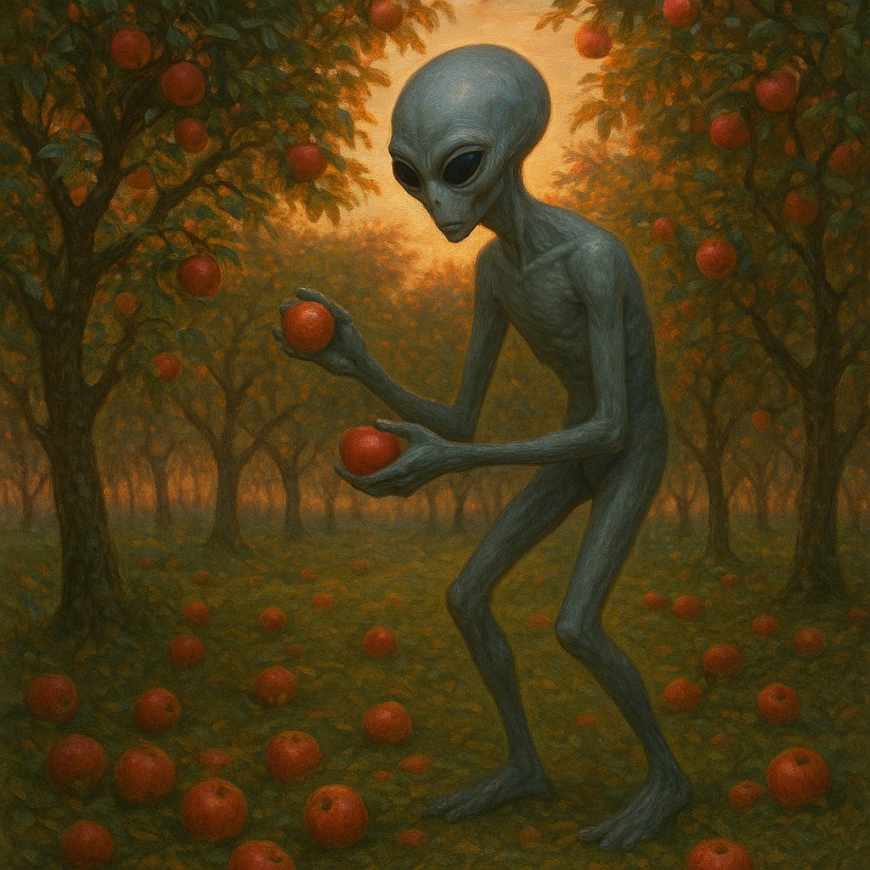
It was too tall and too thin and it was collecting our windfall apples, one at a time, with terrible politeness.
I hit the cattle guard at 11:04 and the next thing I knew it was 11:26, my hazard lights were on, and my truck was facing the way I had come.
The material collected here sits in an awkward middle. The witness was close enough to describe posture, gait and clothing, and not close enough to rule out a man in a long coat, which is exactly what makes the accounts worth reading. Writers keep returning to proportion: an arm slightly too long for its sleeve, a head held at an angle nobody holds a head at, a figure standing in a field a considerable distance from any gate. Sceptics have the easier job here and know it. The counterweight is that a great many of these narrators went hunting for the ordinary explanation first and describe their disappointment at not finding one.
Encounters where the figure was almost certainly human belong in creepy strangers stories, and anything that went further sits with the alien stories. Alien encounter stories are assessed on distance and duration before anything else, and readers want both within the first few lines. Vagueness about how far away something stood is the quickest way to lose the room.
Some people believe their strange experiences are completely real, while others see them as misinterpretations, dreams, or creative storytelling. On this site, writers present their accounts as true, and the reader jury votes on whether each one feels genuine, a hoax, or something in between. Reading the patterns across many stories can help you decide how seriously to take them.
Unusual events can come from many sources: stress, sleep issues, psychological factors, rare natural phenomena, or simple gaps in what we notice and remember. Humans are very good at finding patterns and meaning, even in random or unclear situations. When you compare different accounts and how the jury votes, you can see how often similar explanations are suggested.
Reports of odd figures, mysterious lights, time slips, or eerie coincidences appear in many cultures and time periods, but there’s no reliable count of how often they truly occur. What is clear is that a lot of people feel they’ve had at least one moment that defies their normal understanding of the world. Browsing multiple stories and their reader verdicts gives a sense of how frequently these claims turn up, at least among people willing to share them.
Some episodes, especially ones involving immobility, shadowy figures, or waking up terrified, match known patterns like sleep paralysis or certain anxiety and mood conditions. Others are better explained by memory quirks, suggestion, or being in a heightened emotional state. The jury comments and votes often bring up these possibilities, but only the person involved and qualified professionals can explore them in depth.
First, focus on your immediate safety and basic needs: calm yourself, get to a familiar place, and talk to someone you trust. Once you feel stable, you might write down exactly what you remember, then compare your experience to similar accounts and the jury discussions to see what explanations others suggest. If the event leaves you very distressed or interferes with your life, consider talking to a professional listener such as a counselor.
Memory is not a perfect recording; it’s a reconstruction that can be shaped by stress, expectations, and later conversations. During unsettling events, people may focus on different details or even forget key moments, so their later stories can conflict without anyone lying. Reading multiple accounts and how the jury responds can highlight just how varied human perception can be.
Physics allows for complex ideas about time, but everyday “lost time” is usually linked to attention lapses, routine tasks done on autopilot, or altered states of consciousness. People who report sudden gaps often genuinely feel something impossible happened, even if there’s a mundane explanation. When you compare these narratives with jury reactions, you’ll see that many readers look first to psychological or situational causes.
Isolated or transitional spaces tend to heighten our alertness, especially at night or in bad weather, so odd sights and sounds feel more intense and significant. These in-between places also make good settings for storytelling, blurring the line between the everyday world and something unknown. The stories on this site often lean into those locations, and the jury’s votes reflect how convincing each setting and event combination feels.