
Forty Minutes in the Waiting Line, Two Hours Gone
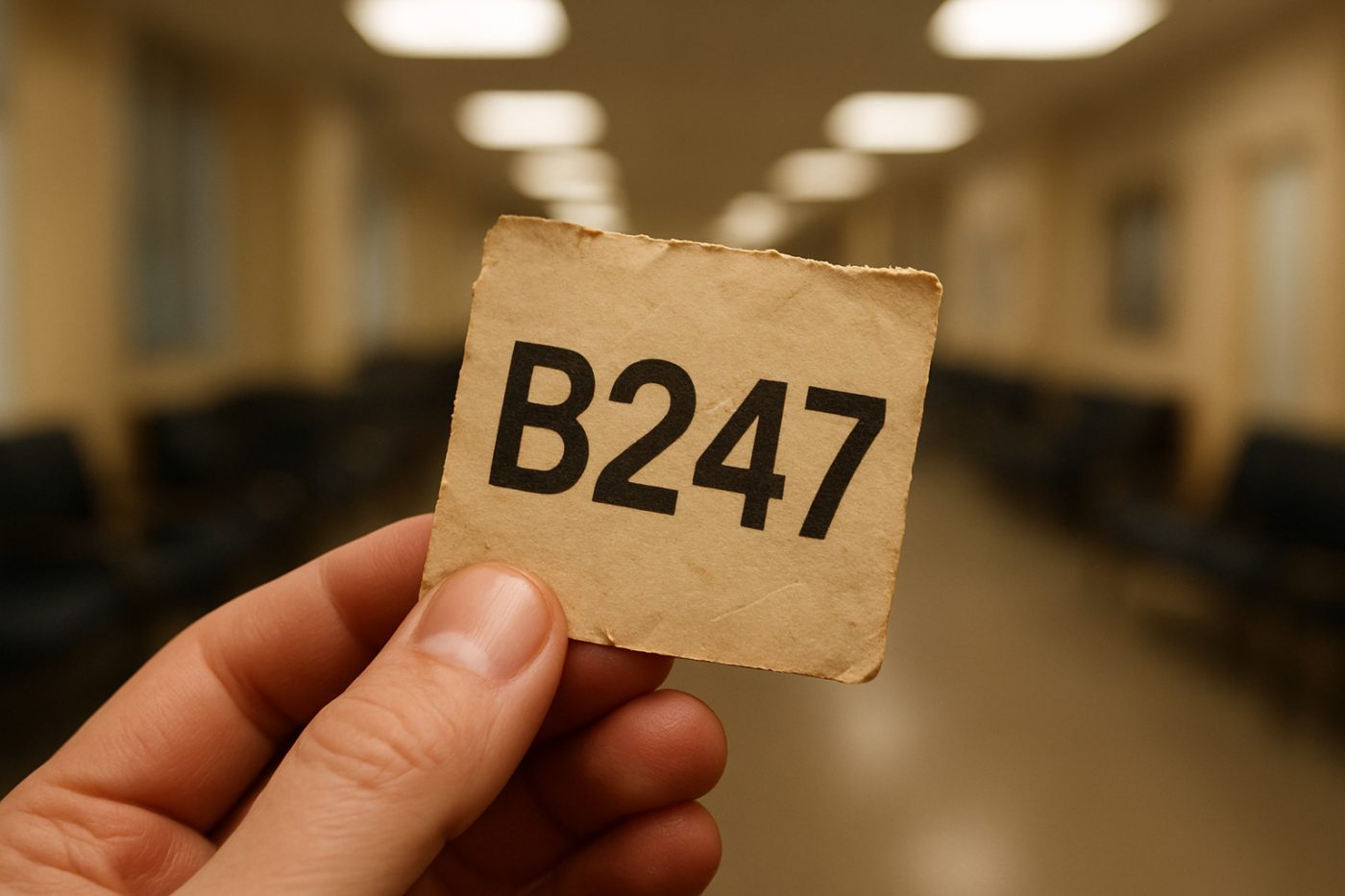
I queued forty minutes for a passport appointment. When I reached the desk the office had closed hours ago and the security guard swore he'd watched the empty hall the whole time.
A time slip rarely announces itself. You leave at noon, drive a route you know by heart, and arrive long after dark with no traffic, no detour and no memory gap you can point to. Or you turn a corner and the shopfronts, the cars, even the smell of the street belong to another era.
This section collects such reports of temporal displacement from ordinary people: commuters, hikers, night-shift workers. Read these missing time stories, vote on the ones that convince you, and if a stretch of your own day ever went missing, tell us exactly how it felt.
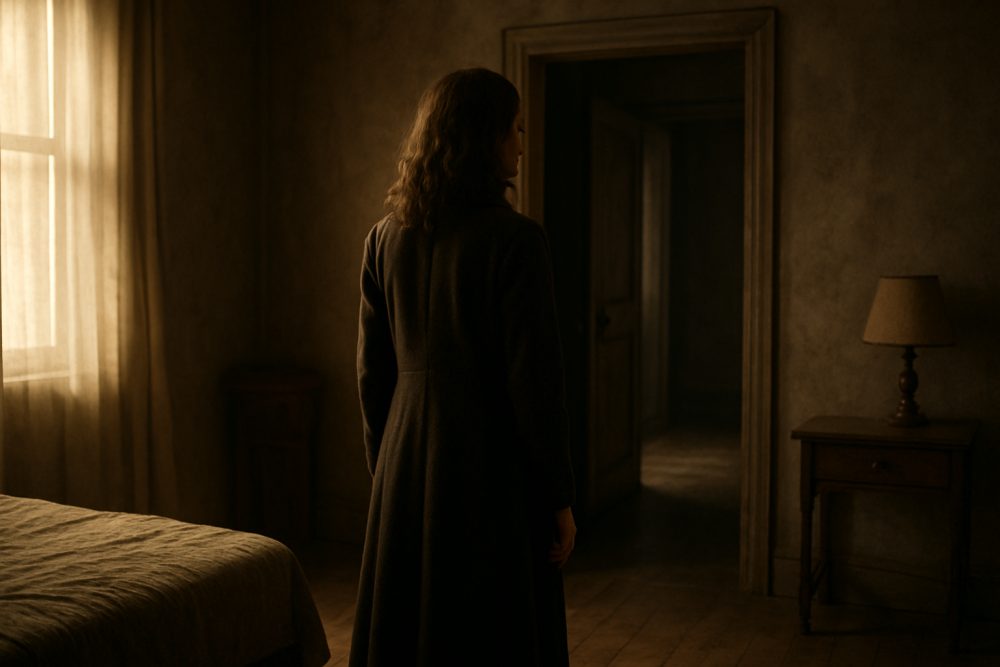
I queued forty minutes for a passport appointment. When I reached the desk the office had closed hours ago and the security guard swore he'd watched the empty hall the whole time.
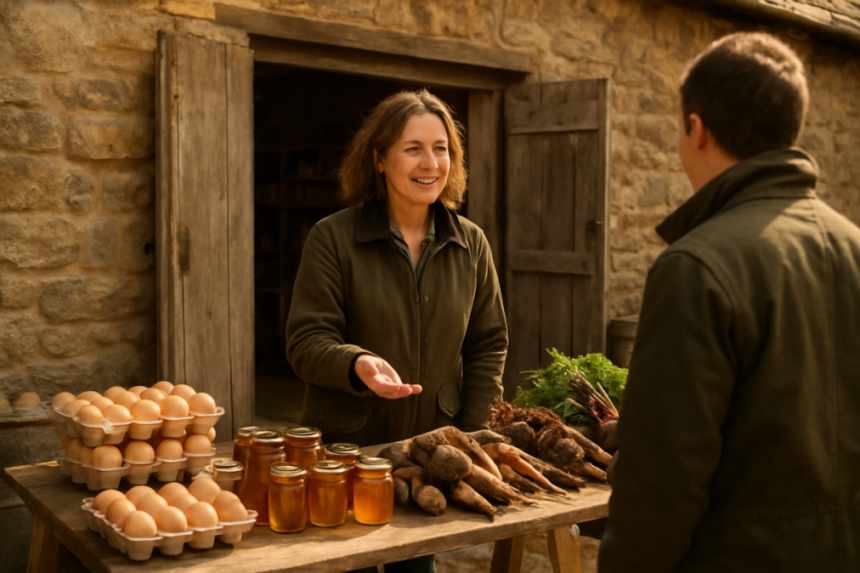
Lost on a country road, I stopped at a farm shop that sold me eggs in old money and waved off my card. The bypass replaced that whole valley in 1998.
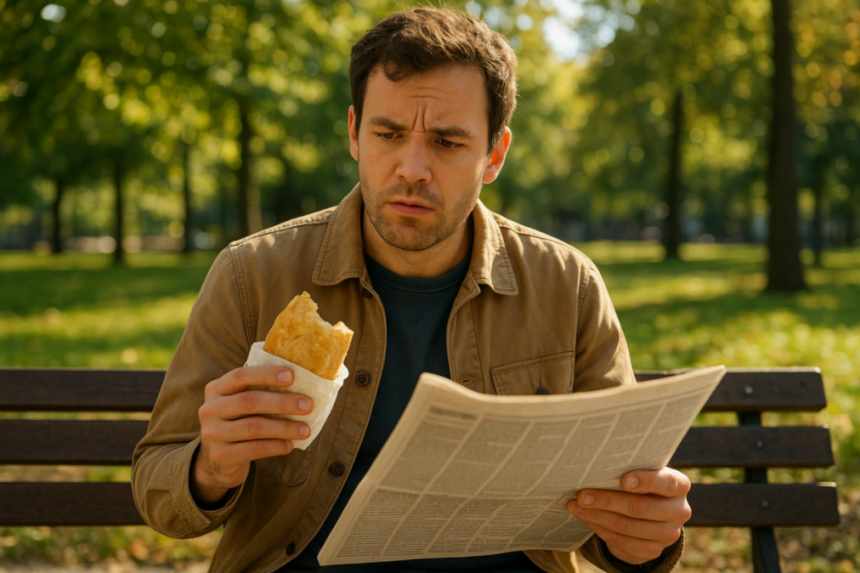
I read it on a bench. The football results were wrong. Eight days later they were right.
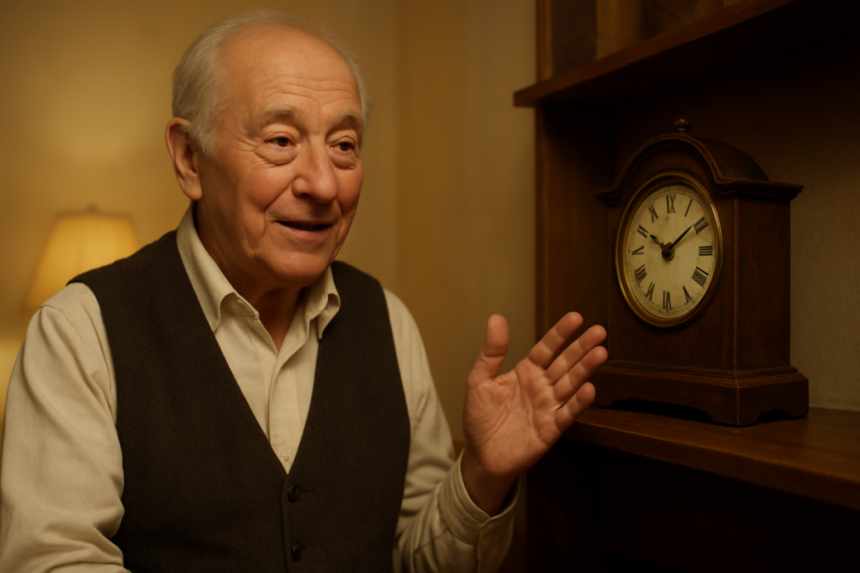
I spent an hour in a cluttered antique shop and chatted with the old owner. The next day I went back for a clock I liked. There was no shop — just a bricked-up doorway that looked decades old.
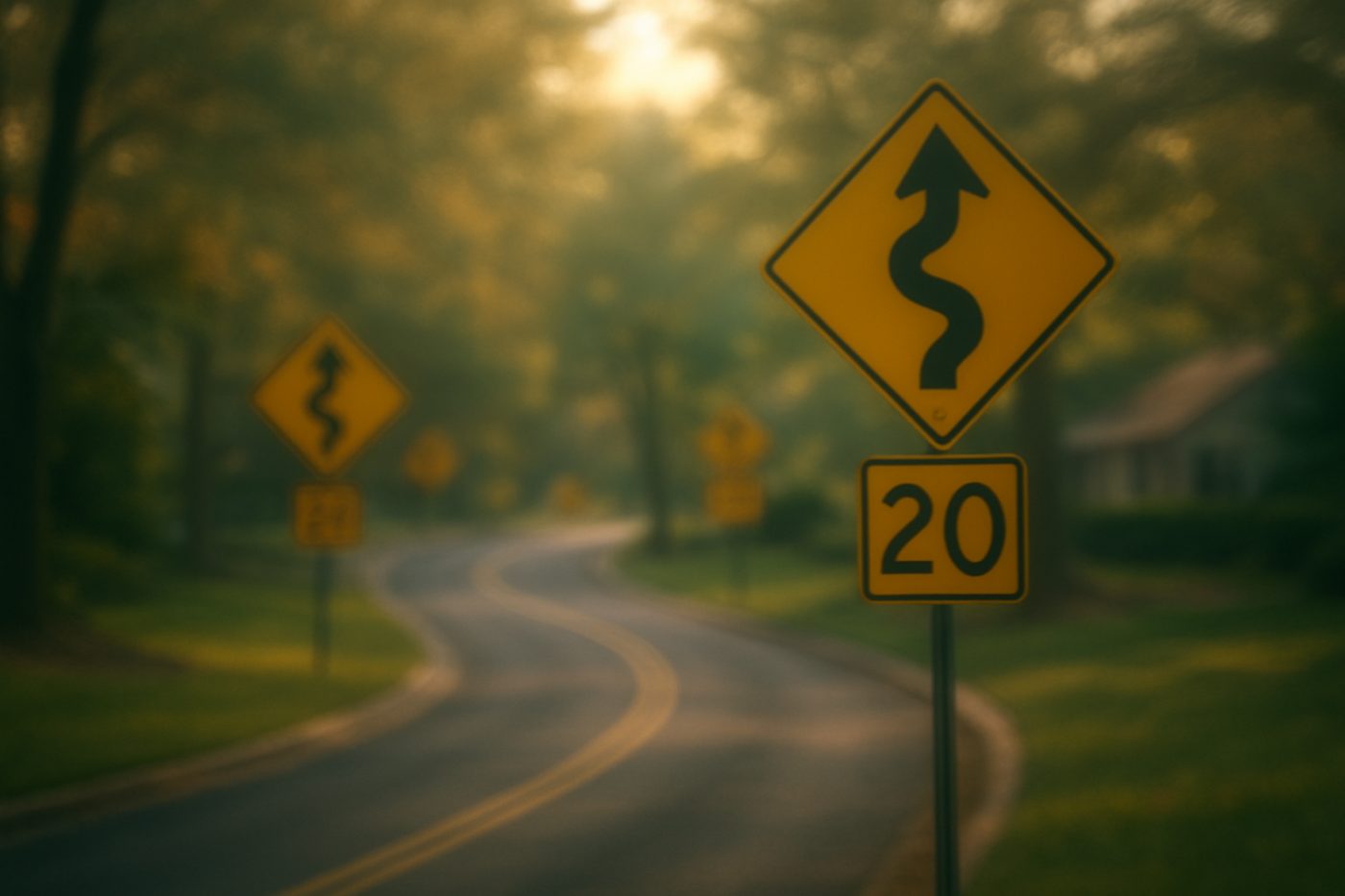
The drive home from work takes ten minutes. One ordinary evening it took fifty, and I remember every second of it, driving a road that would not end while the clock refused to move.
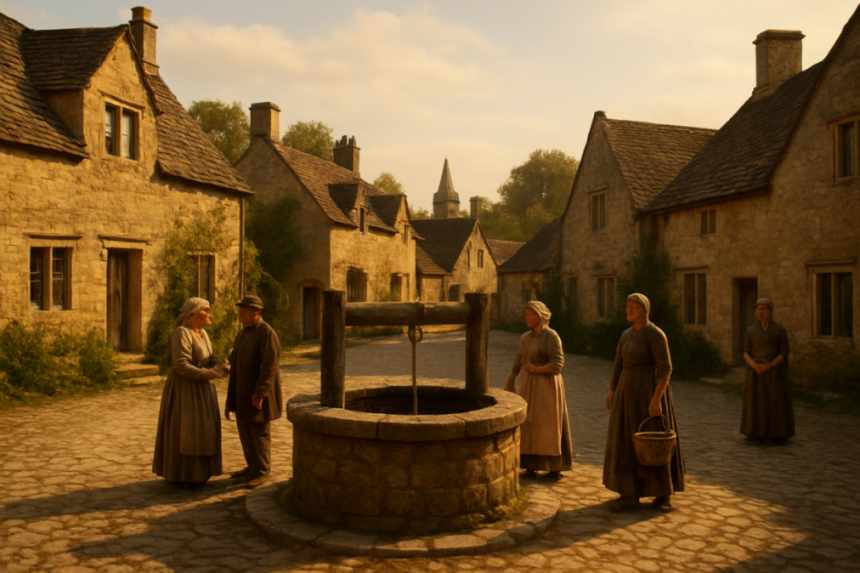
Lost on a country drive, I passed through a small stone village where the people dressed oddly and no one had a phone. I could never find it again, and it is on no map I have checked.
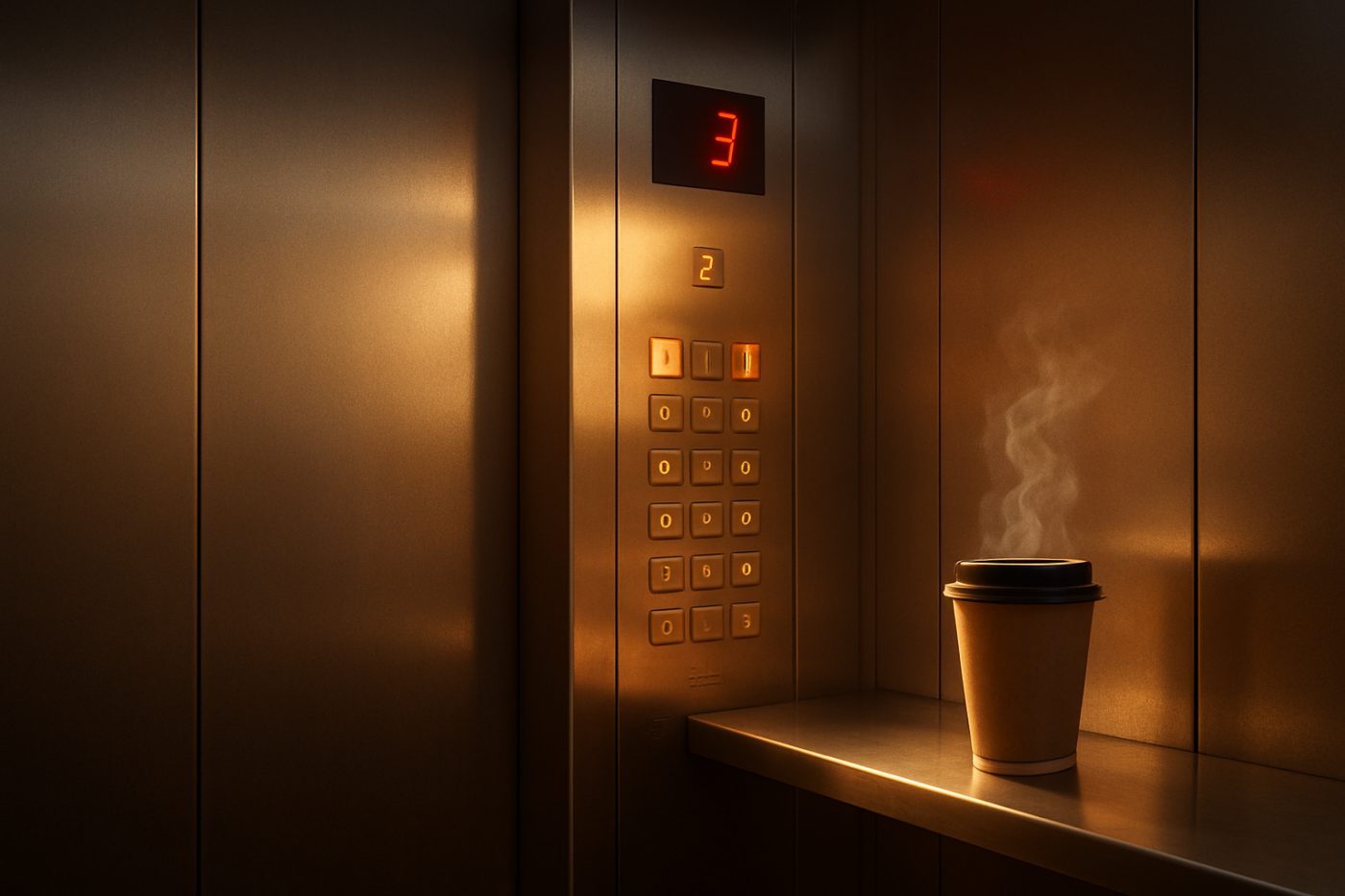
I stepped into my building's lift after breakfast and stepped out into mid-afternoon: meetings missed, calls unanswered, and eleven floors that somehow held five hours.
Half the factory floor watched dawn break at 4:50, punch clocks agreeing — then the dark came back like a curtain, and the real sunrise arrived an hour later on schedule.
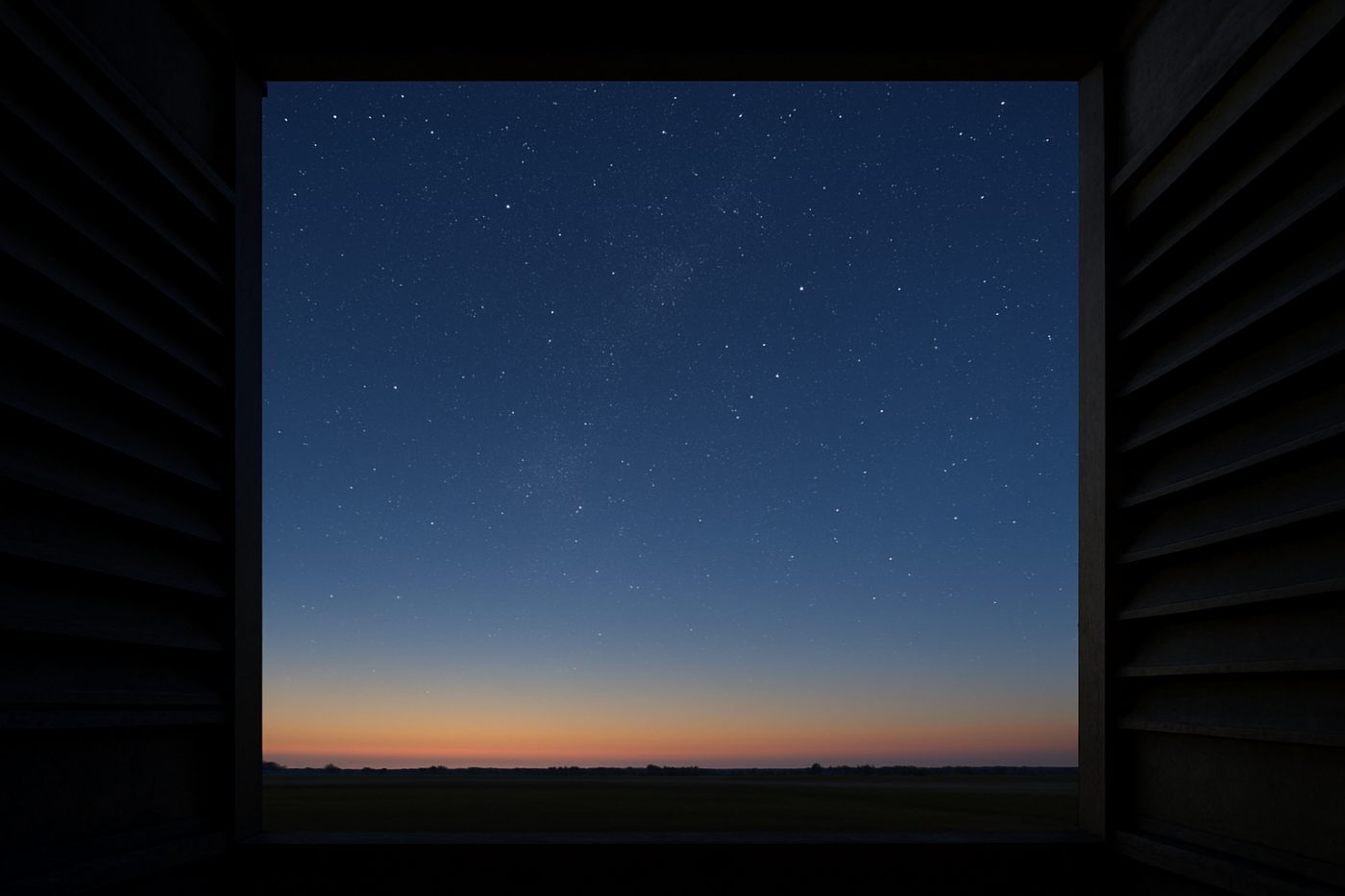
We spent an evening at a village harvest fair — rides, cider, a band — and returned next morning to an empty field and neighbours who said the fair ended years ago.

I read two pages at my dentist's and stood up to a dark street, a furious phone and a receptionist certain she had reminded me twice — three hours I simply do not own.

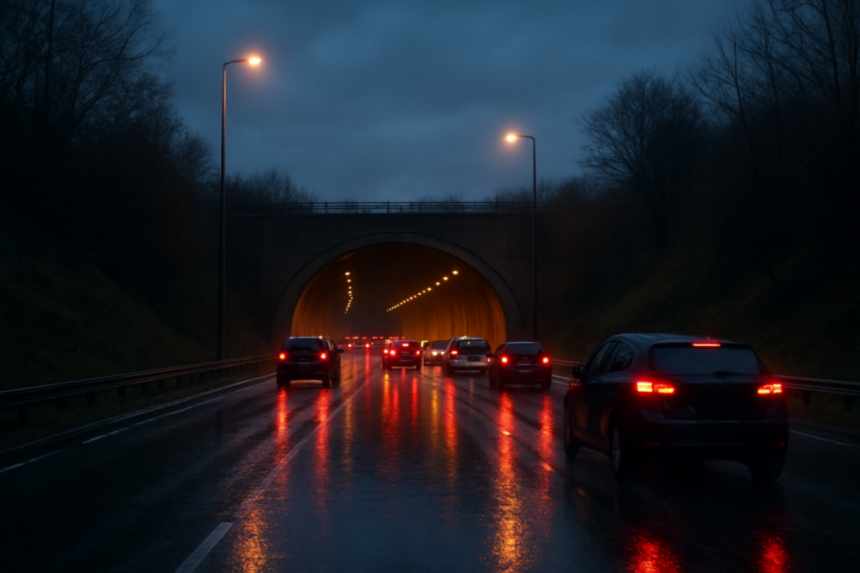
A forty-second motorway tunnel spat me out nine minutes late by every clock except my wristwatch — and the car behind me at the entrance never came out at all.
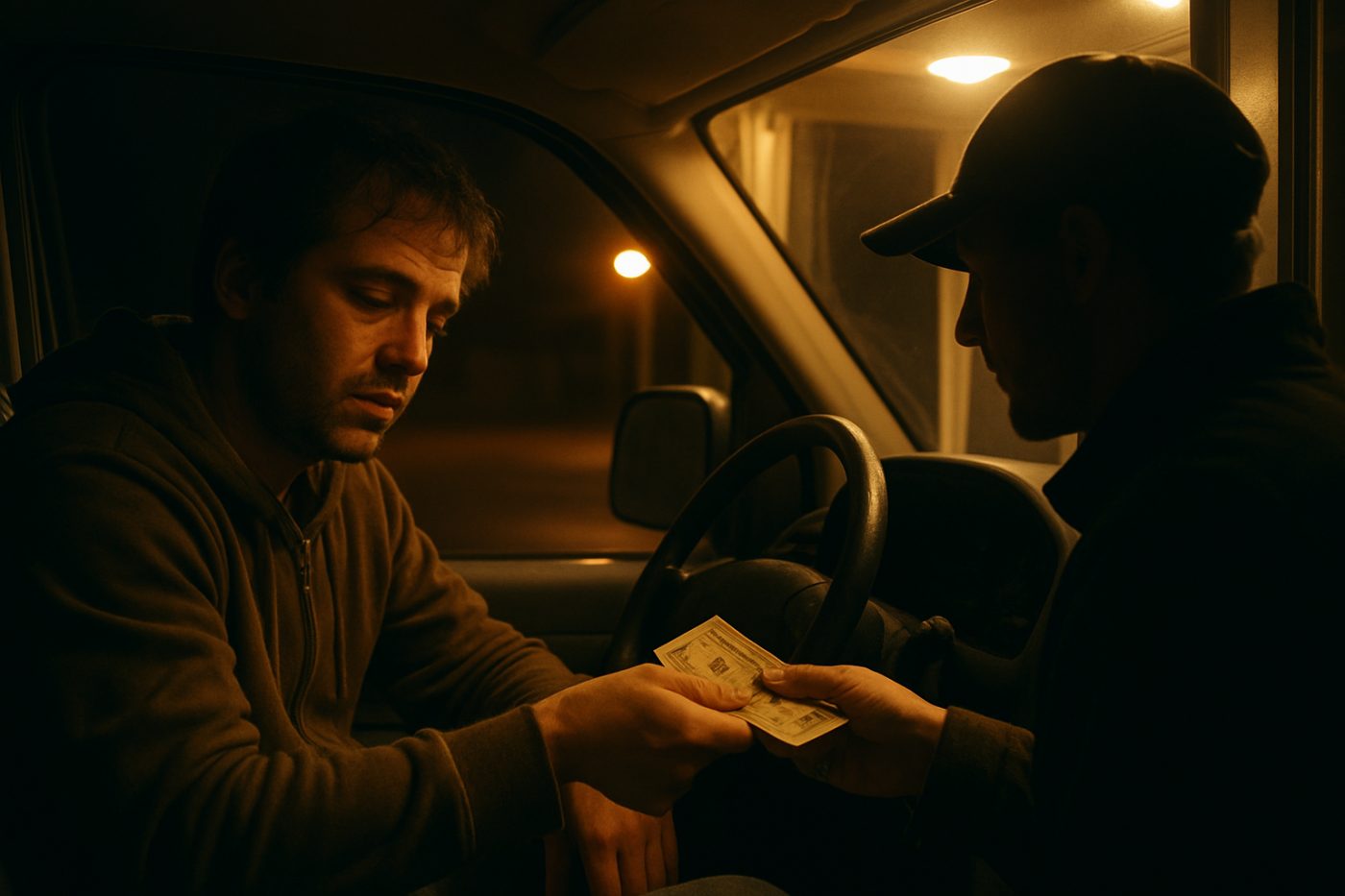
At 3 a.m. I fuelled up at a station with pump prices from another decade and an attendant who waved off my card — daylight found no station on that stretch at all.
The hotel's system, the card machine and the housekeeper all agree I left on Thursday. My memory contains a full, detailed Friday in that room, and the receipts to contradict everyone.

On a marked forest loop I know well, the light jumped from noon to dusk between two familiar trail posts, and my fitness tracker recorded five motionless hours I never lived.

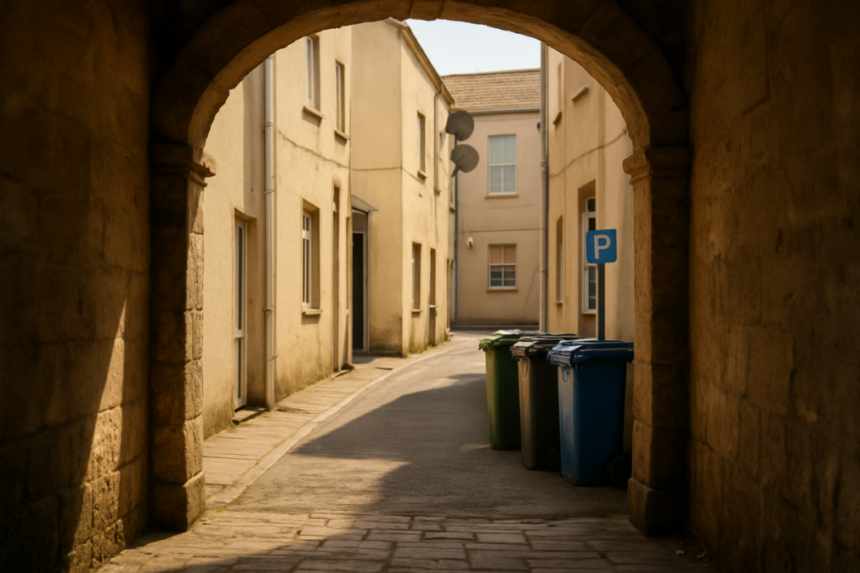
Chasing a shortcut through an old quarter, I spent ten minutes on a street of coal smoke, enamel signs and staring pedestrians — a street that maps say was demolished decades ago.
A drive I've done a thousand times — one road, no stops — began just after noon and ended in the dark, with a full tank, one podcast episode, and no missing memory.
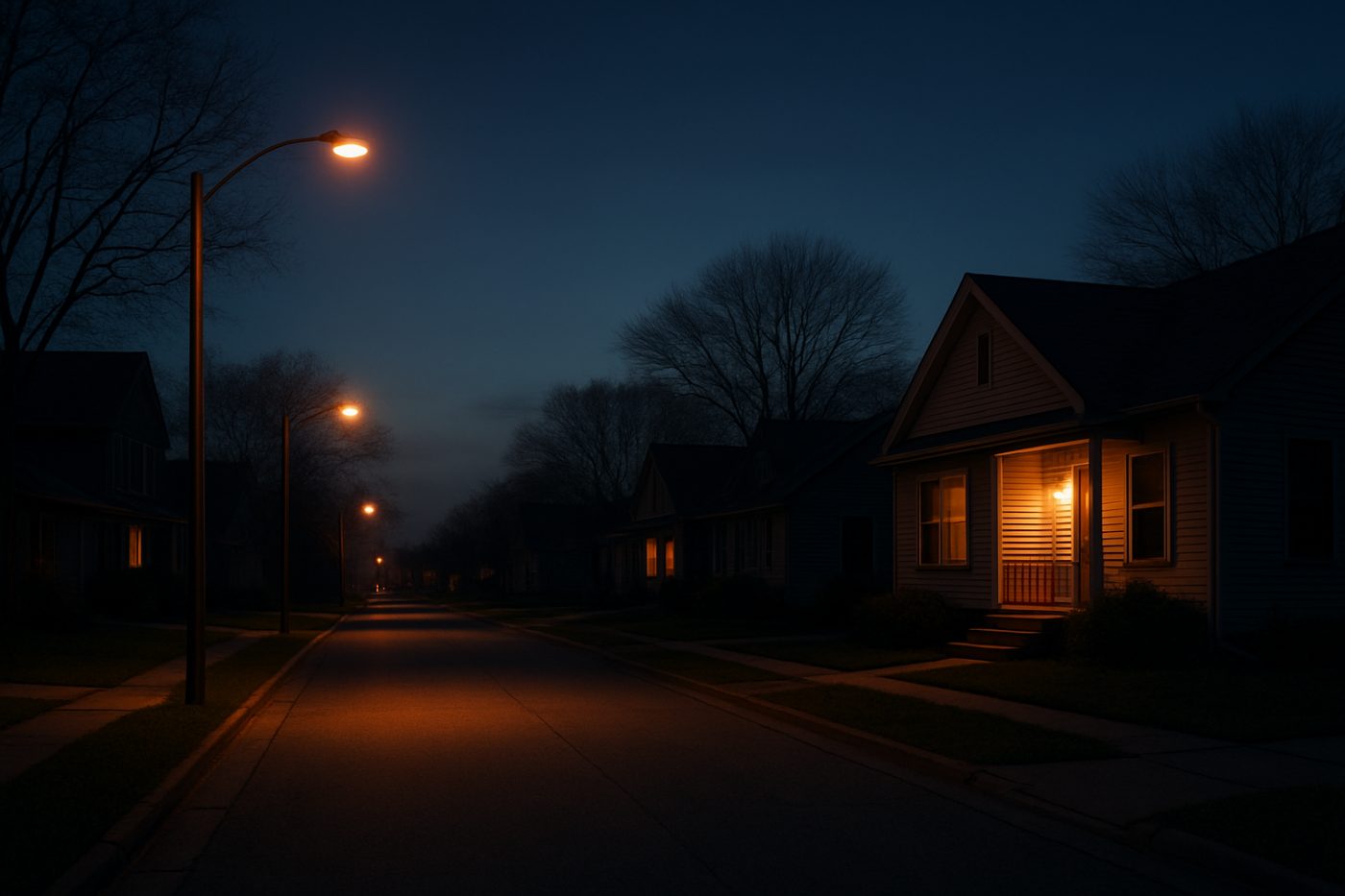
The hall of fame: the best Time Slips Stories of all time
Accounts of lost hours and impossible clocks share a few signatures: a drive that took far longer than the road allows, a conversation that somehow swallowed an afternoon, or a street that looked decades out of date until the narrator blinked. Researchers file most of it under absorption and faulty time perception; the people who lived through a time slip rarely accept that answer. Read a few of these testimonies back to back and you'll notice how consistent the small details are — the silence, the odd light, the feeling of walking through someone else's moment.
Cases involving missing time get their own tag, and the believe score under every story shows how the jury split. If your own afternoon ever disappeared without a receipt, tell the court.
Some readers think they are genuine first-person accounts, while others see them as mistaken memory, stress, or coincidence. On a reader-jury site, the vote reflects how convincing each account feels rather than proving what happened. Reading several stories side by side can help you see the patterns people point to.
Common explanations include fatigue, anxiety, disorientation, and unusual settings that make time feel distorted. Some people also describe events that seem too specific to dismiss, which is why these accounts remain so debated. The jury votes often show a split between paranormal, psychological, and skeptical views.
They appear often enough to be a recurring theme in folklore and online first-person accounts, but there is no easy way to measure how common they really are. Many stories involve everyday places like roads, shops, tunnels, and waiting rooms, which makes them especially striking. The collection format lets readers compare similar experiences and judge them for themselves.
It can help to write down the details while they are fresh, including the place, time, and anything unusual you noticed. If you want context, compare your experience with other stories on the site and see how the jury responded to them. Keeping an open but grounded mind is usually the best approach.
Often, yes. Misread clocks, travel confusion, memory gaps, and environmental factors can all make an experience seem stranger than it was. At the same time, some accounts contain details that readers find hard to explain, which is why the votes can be so divided.
People often describe shops, roads, tunnels, villages, and other ordinary locations where something suddenly feels out of place. Those settings make the stories relatable because they sound like places anyone could pass through. The collection’s jury discussion often focuses on whether the setting makes the account more believable or more doubtful.
Yes, stress, exhaustion, and distraction can affect how people perceive time and memory. That does not automatically explain every account, but it is one of the most common reasons readers consider. When you read multiple versions, you can often see how different people interpret the same kind of experience.