
We Were Holding Station Off North Sentinel When The Sea Went Flat
A cable ship engineer describes the disc-shaped object he watched at first light off North Sentinel Island in spring 2026, photographed from outside the exclusion zone.
The missing time phenomenon is at its strangest on an ordinary afternoon, and the true missing time stories collected here all begin exactly there. The defining feature of these reports is the gap itself: no memory, no fatigue, no explanation — just a stretch of the day that is simply gone. Compare the circumstances across entries; the patterns are part of the mystery.
A cable ship engineer describes the disc-shaped object he watched at first light off North Sentinel Island in spring 2026, photographed from outside the exclusion zone.
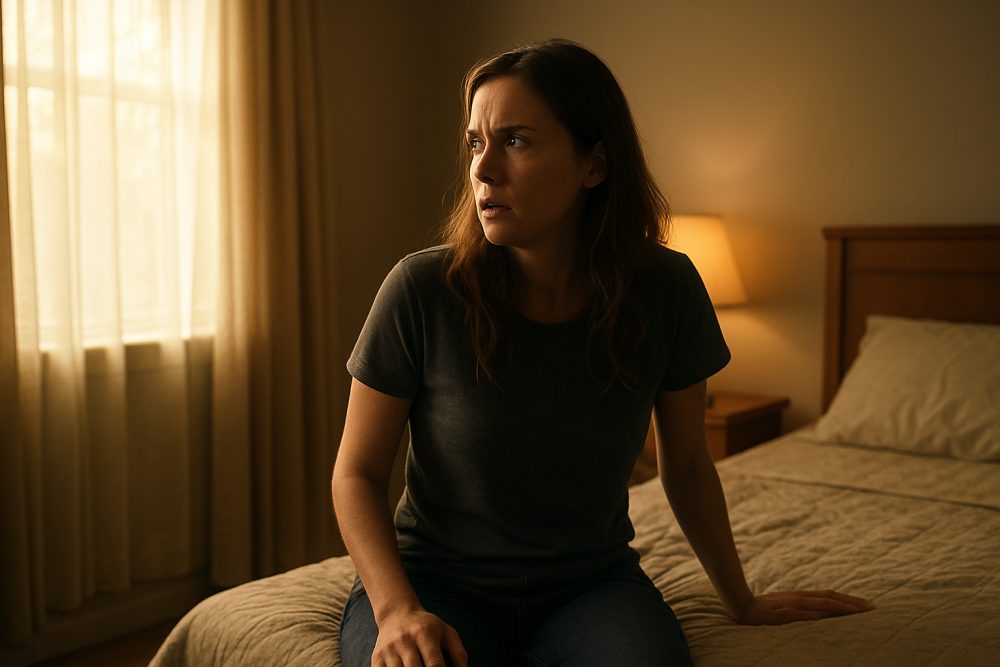
Pharmacy tech, sixteen years. My car died on US-97 at 9:40 on a clear November night, and twenty-some minutes stopped agreeing with every clock I own. I don't remember a thing. What I got instead is worse: I know my way around a room I've never been in.

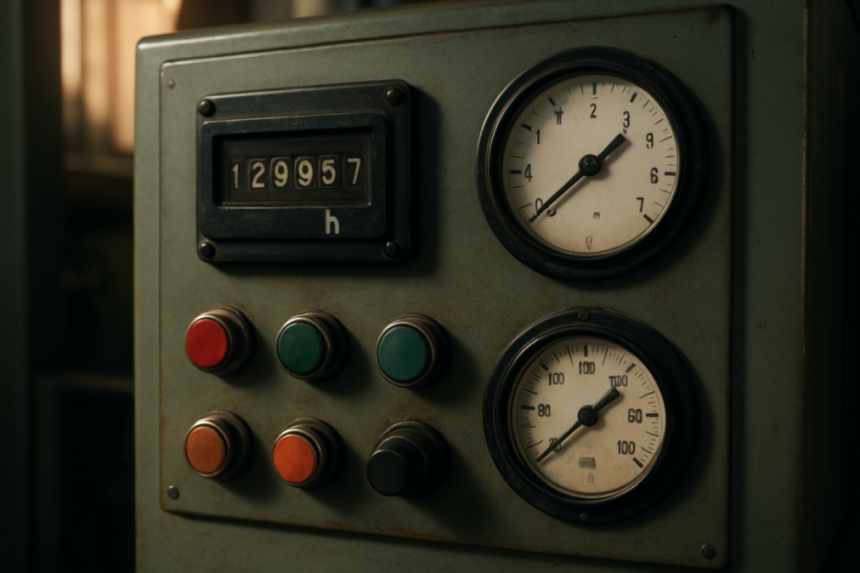
Thirty years running a Nebraska grain elevator, third shift. Then the power started sagging for four minutes at a time, my punch card came back stamped with an hour I don't remember, and my own signature turned up on a log I never signed.
Stuck at a rural crossing, I watched a steam train thunder past, packed with passengers in overcoats, on a line the maps say was lifted for scrap sixty years ago.

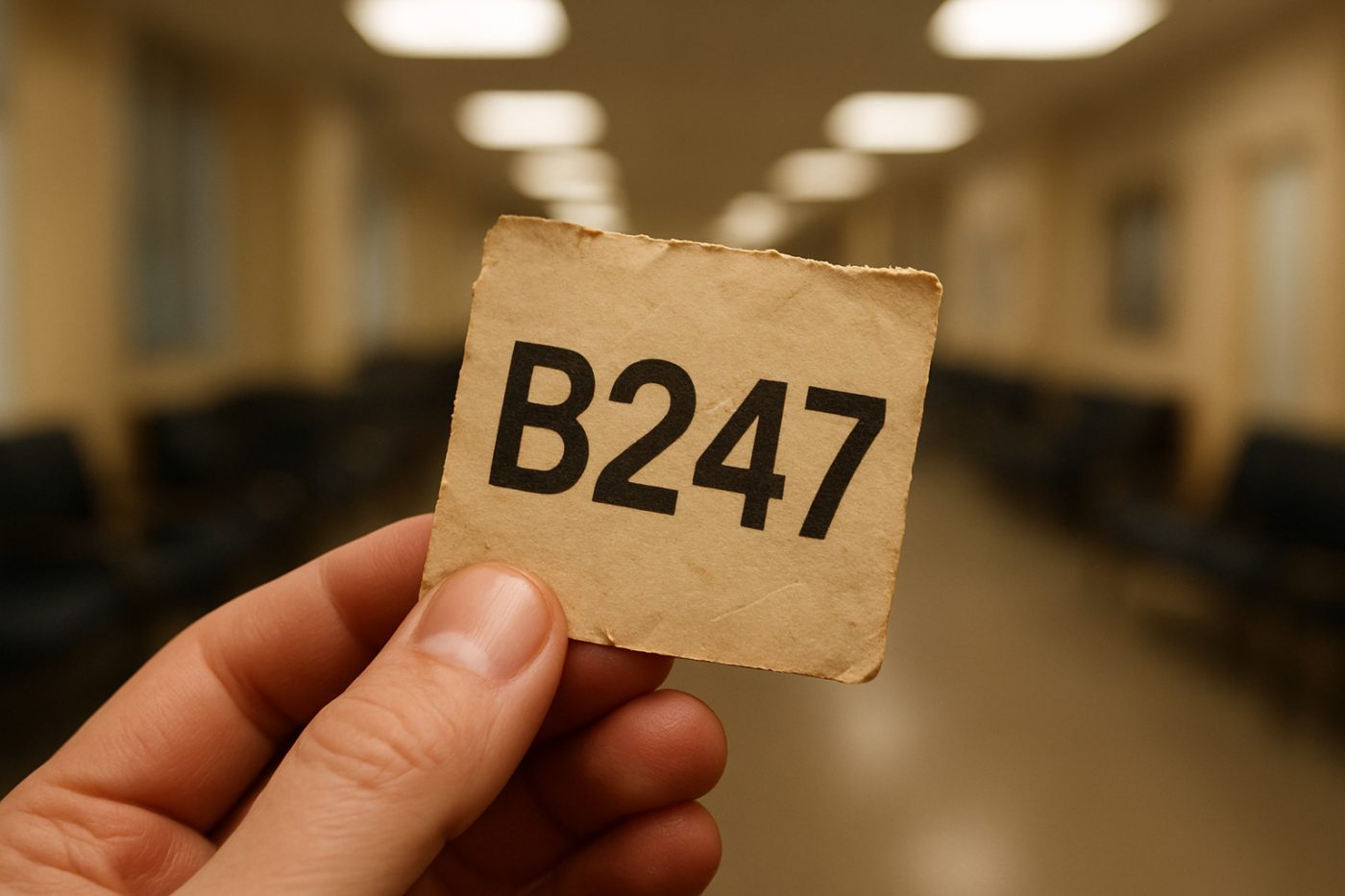
I queued forty minutes for a passport appointment. When I reached the desk the office had closed hours ago and the security guard swore he'd watched the empty hall the whole time.
Mid-journey, an itch became a command: move one carriage back. Ninety seconds later, a container crane's cable did what cables should never do — to the seats I'd left.

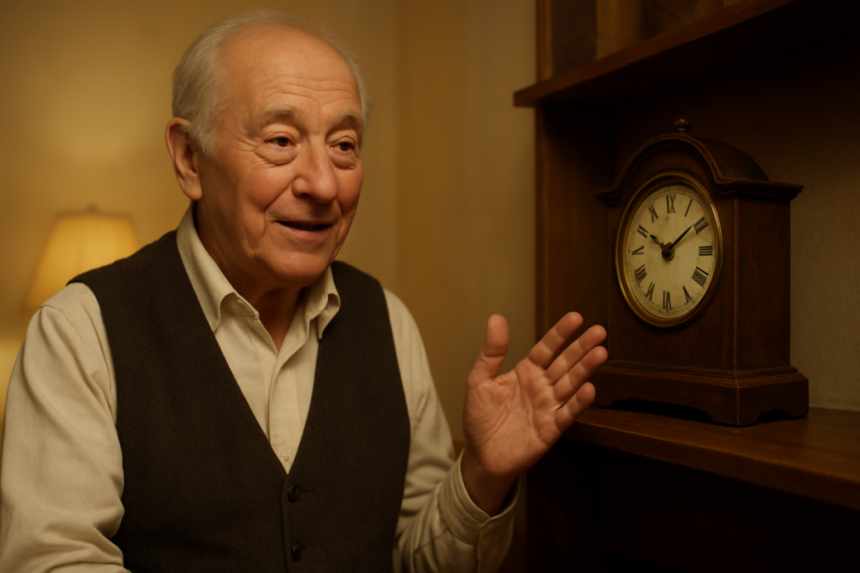
I spent an hour in a cluttered antique shop and chatted with the old owner. The next day I went back for a clock I liked. There was no shop — just a bricked-up doorway that looked decades old.
The drive home from work takes ten minutes. One ordinary evening it took fifty, and I remember every second of it, driving a road that would not end while the clock refused to move.

I have walked the same block to the bus for eleven years. One Monday there was a brick house between two homes I knew by heart, in a gap where there had never been room for one.
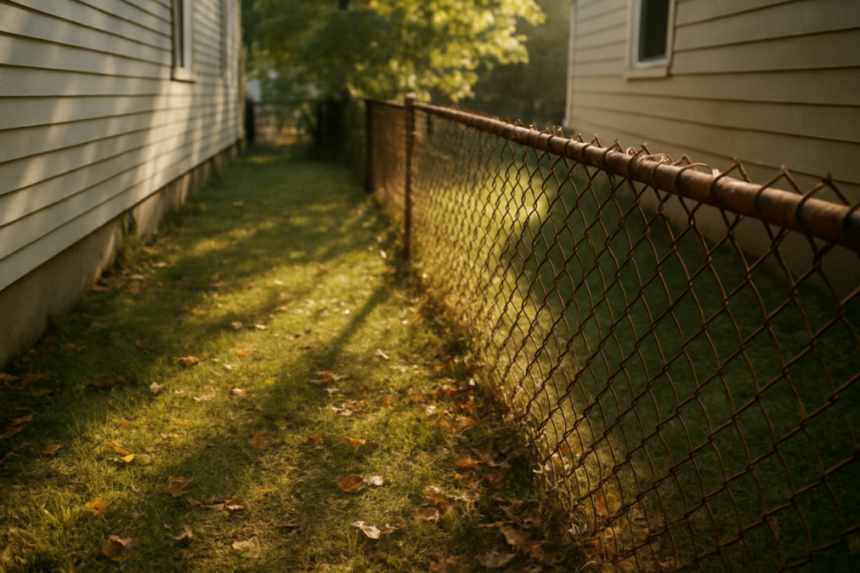
Thirty-one entries. Dates, times, and one word each. The last entry is in a different handwriting and says: THEY ARE FINE ABOUT IT.

The weighbridge logs every load. On the night of my missing hour it logged my truck twice, four minutes apart, with the same weight.

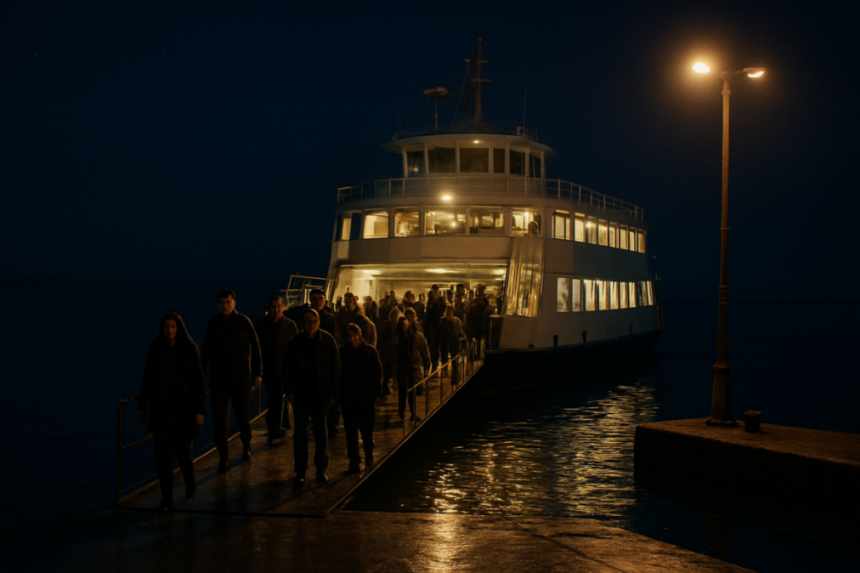
I work the night ferry. On 3 November we docked twenty minutes late with full fuel, a calm sea, and thirty-one passengers who all remember a different crossing.
I hit the cattle guard at 11:04 and the next thing I knew it was 11:26, my hazard lights were on, and my truck was facing the way I had come.

Lost on a country drive, I passed through a small stone village where the people dressed oddly and no one had a phone. I could never find it again, and it is on no map I have checked.

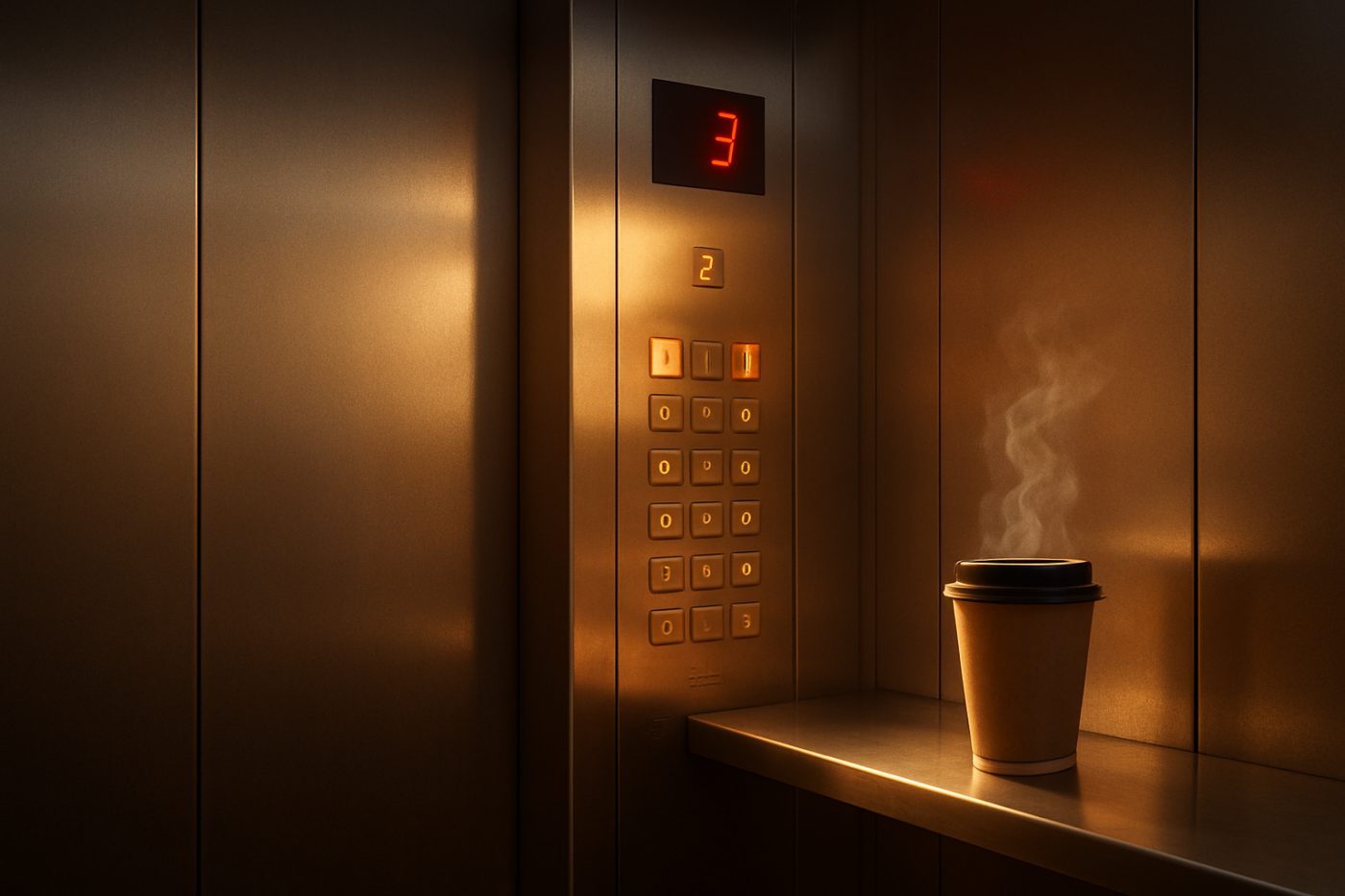
I stepped into my building's lift after breakfast and stepped out into mid-afternoon: meetings missed, calls unanswered, and eleven floors that somehow held five hours.
I read two pages at my dentist's and stood up to a dark street, a furious phone and a receptionist certain she had reminded me twice — three hours I simply do not own.

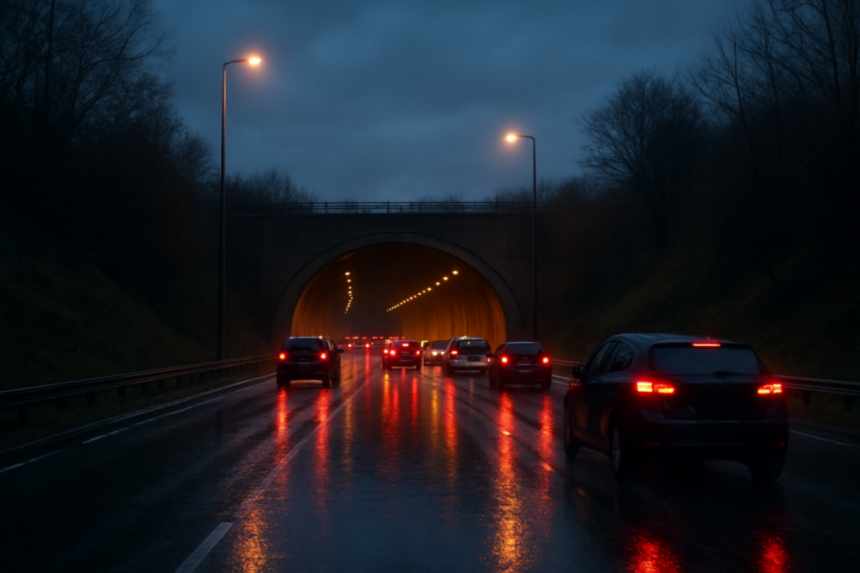
A forty-second motorway tunnel spat me out nine minutes late by every clock except my wristwatch — and the car behind me at the entrance never came out at all.
The hotel's system, the card machine and the housekeeper all agree I left on Thursday. My memory contains a full, detailed Friday in that room, and the receipts to contradict everyone.

On a marked forest loop I know well, the light jumped from noon to dusk between two familiar trail posts, and my fitness tracker recorded five motionless hours I never lived.

A drive I've done a thousand times — one road, no stops — began just after noon and ended in the dark, with a full tank, one podcast episode, and no missing memory.
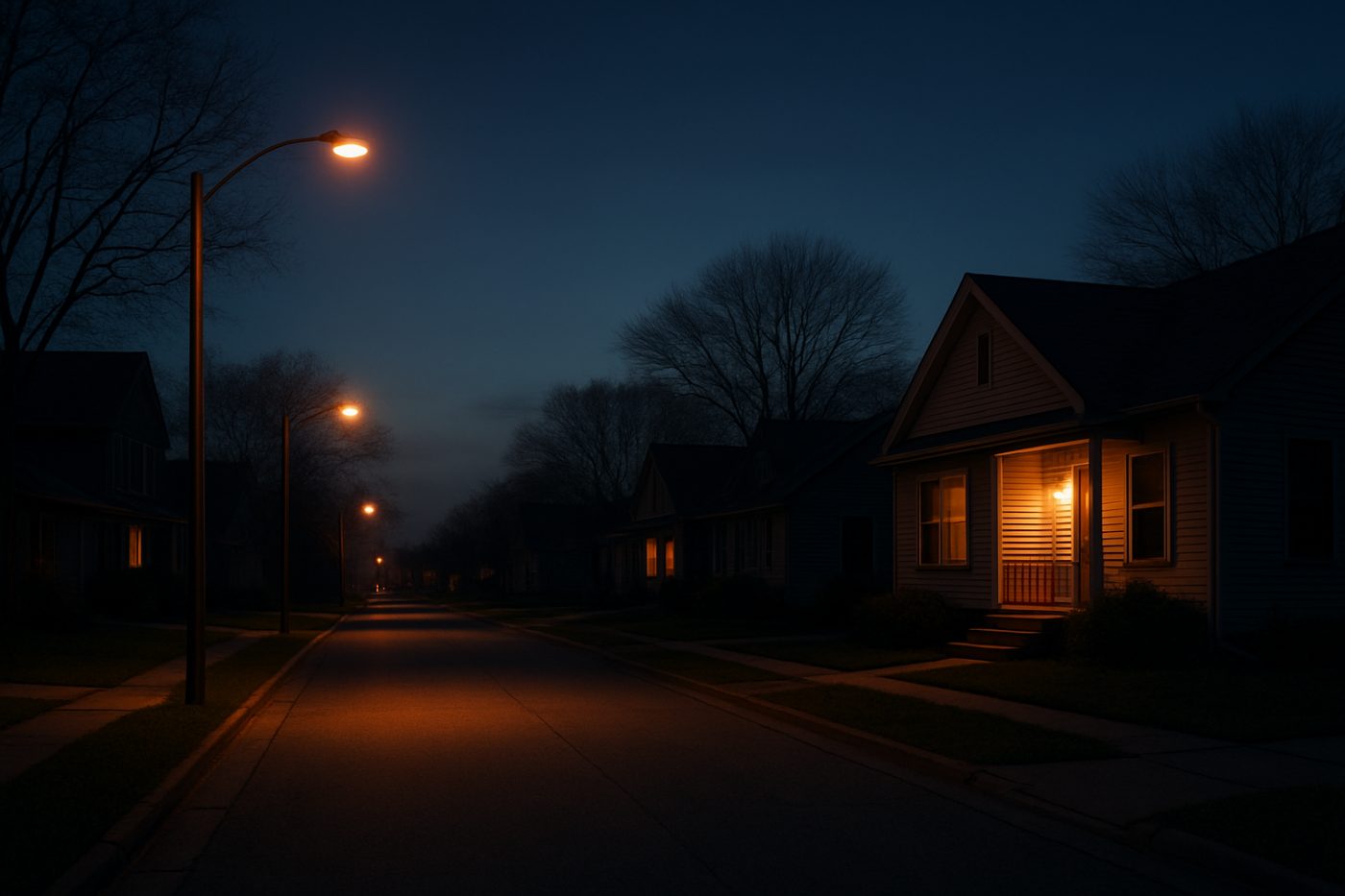
Missing time stories rarely end when the clock finally catches up. Read enough of these missing time reports and the aftermath starts to look stranger than the event. People describe checking the mileage, the fuel gauge, the receipts in a coat pocket — anything that might anchor the hours to something physical. A few find evidence they cannot square: a full tank on a route that should have emptied it, a phone holding photographs nobody remembers taking. Others find nothing at all, which unsettles them more. Sceptics point out that we rarely notice how loosely we track an ordinary afternoon, and that the mind is happy to supply a tidy version afterwards. The accounts that hold up best are the ones with a second person in them.
Neighbouring cases sit under time slip stories, where the hours don't vanish so much as land in the wrong decade, and the long night drives collected under road trips overlap more than you would expect. Jurors here reward specifics: the weather, the petrol station, the name of the road. Vague awe, on its own, tends to get voted down fast.
Many time-slip reports can be explained by distraction, memory glitches, or simply not checking the clock as carefully as we think we did. Others are harder to pin down and stay in that grey area between unusual perception and the unexplained. On this site, you can read detailed first‑person accounts and see how the reader jury votes on whether each one feels genuine.
Short gaps in your awareness are often linked to being deeply absorbed, stressed, tired, or on “autopilot” during routine tasks. People typically backfill these gaps with assumptions about what they must have done. The stories here explore what it feels like when that gap is so large or strange that it doesn’t fit everyday explanations, and readers weigh in with their verdicts.
Mild time distortion is very common: most people have zoned out on a commute or in a waiting room and been surprised by the clock. Longer or more dramatic gaps without alcohol, drugs, or obvious medical causes are reported less often, and mostly as personal anecdotes. Our jury-voted stories give a sense of how varied and unusual these reports can be.
High stress, anxiety, and certain psychological conditions can definitely affect how you perceive and remember time. They can make moments feel much shorter or longer than they are, or blur sequences of events. When you read accounts on this site, you’ll see that some jurors lean toward psychological explanations while others think something stranger might be going on.
Research suggests that attention, emotion, and expectation strongly shape how our brains track time, which can lead to big subjective distortions. Fatigue, repetitive environments, and even how often we check a clock all play a role. The narratives here show how extreme these distortions can feel, and the jury votes reflect how convincing people find non-mystical explanations.
It can help to keep a simple log of what you’re doing and when, to see patterns and rule out ordinary forgetfulness. If you’re concerned about safety, blackouts, or big chunks of your day vanishing on a regular basis, it’s wise to talk to a qualified professional rather than relying on online stories alone. The experiences shared here can be interesting points of comparison, but they aren’t a substitute for personal advice.
The accounts are submitted as true first‑person experiences by the writers themselves. We don’t claim to prove or disprove them; instead, we present the details as given and let readers form their own opinions. The running jury vote on each story shows how believable other people found it.
When something doesn’t fit ordinary explanations, people often reach for frameworks they already know, including folklore, paranormal ideas, or beliefs about altered realities. Time loss shows up in many traditions, from old legends to modern UFO lore, so it’s easy to interpret a strange experience through those lenses. The stories here span that full range, and the jury responses show how divided readers are about those interpretations.