
The HOA Voted To Ban My Wheelchair Ramp As "Non-Traditional" Certified True by readers
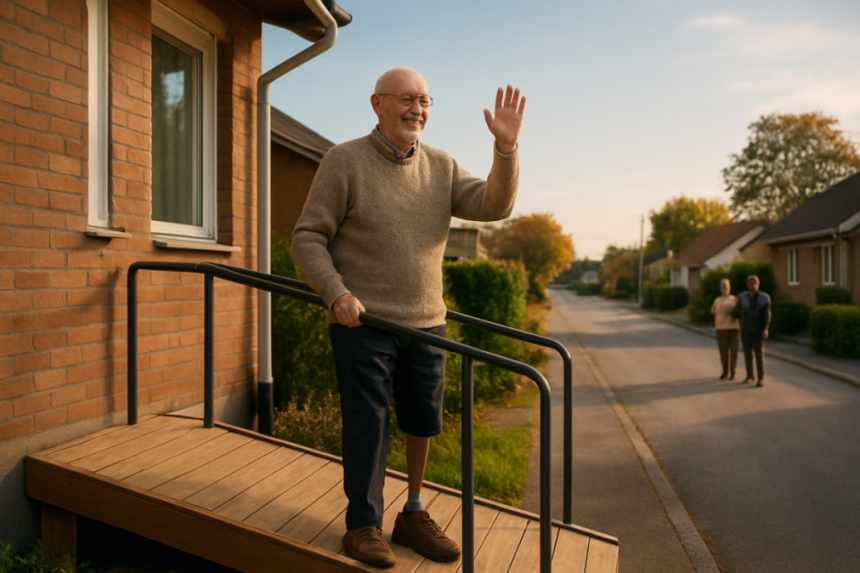
My father lost a leg in March. In June we built a ramp. In July it was a "non-traditional exterior modification" by a vote of 6 to 1.
Welcome to our entitled people stories page, where karen stories and everyday encounters with over-the-top behavior take center stage. Here you’ll find first-person accounts of homeowners’ associations overreaching, pushy parents melting down over kids’ activities, audacious travelers demanding special treatment, boundary-stomping in-laws, and neighbors who think the rules never apply to them. From petty power trips to jaw-dropping nerve, these narratives showcase real people describing how they handled arrogance, selfishness, and sheer gall.
Every confession here is submitted by readers, not investigated reports, and the community acts as the jury. After each dramatic tale of brazen demands or staggering self-importance, you decide: did it really happen, or is it too wild to be true? Dive in, trust your instincts, and cast your vote on every story.

My father lost a leg in March. In June we built a ramp. In July it was a "non-traditional exterior modification" by a vote of 6 to 1.
Three notices. Photographs attached. The dog in the photographs is standing in my drive, and the dog belongs to a board member.
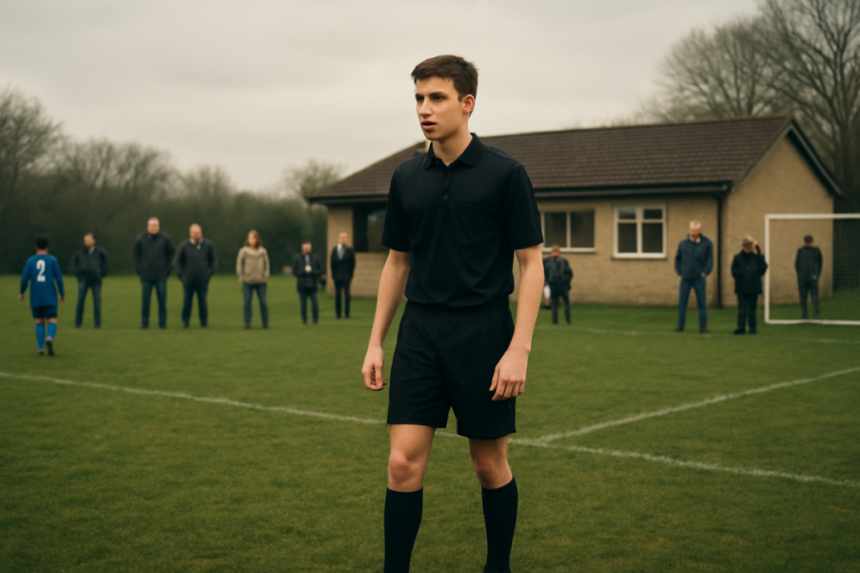
The referee was fifteen. He was doing it for six pounds and a sausage roll. The dad wrote a two-page letter to the county FA.
She was my mother-in-law. My actual mother had died in February. The nurse did what nurses do, which is check.

He had a lanyard from a maritime trade show. He wore it for the entire crossing. He got very drunk and very specific about my failings.

She rang the company pretending to be me. She had my name from the group chat and my slot from watching my drive.

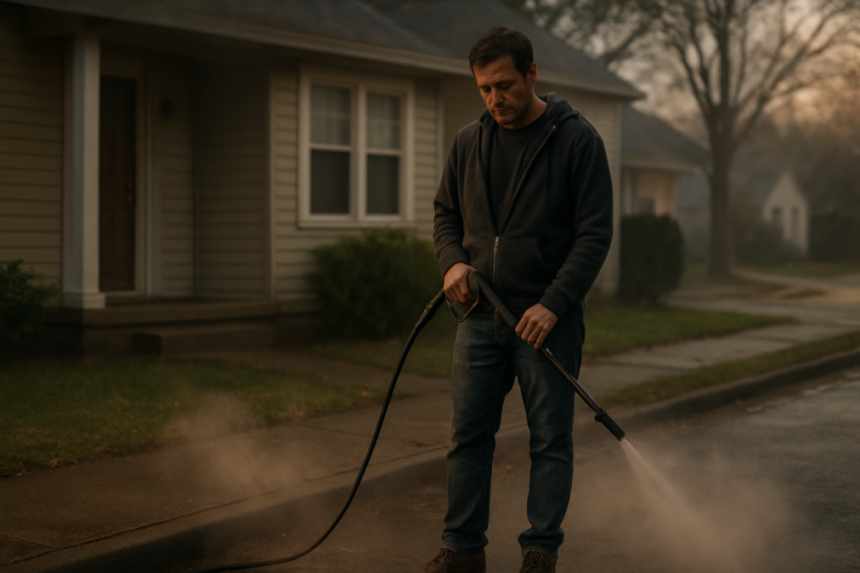
Rule 14(c): no "temporary surface markings" on shared paths. Enforcement: a man with a pressure washer and a grudge, at 7am, on a Saturday.
She meant to send it to her sisters. She sent it to the group with me, my mother, and the dressmaker in it.
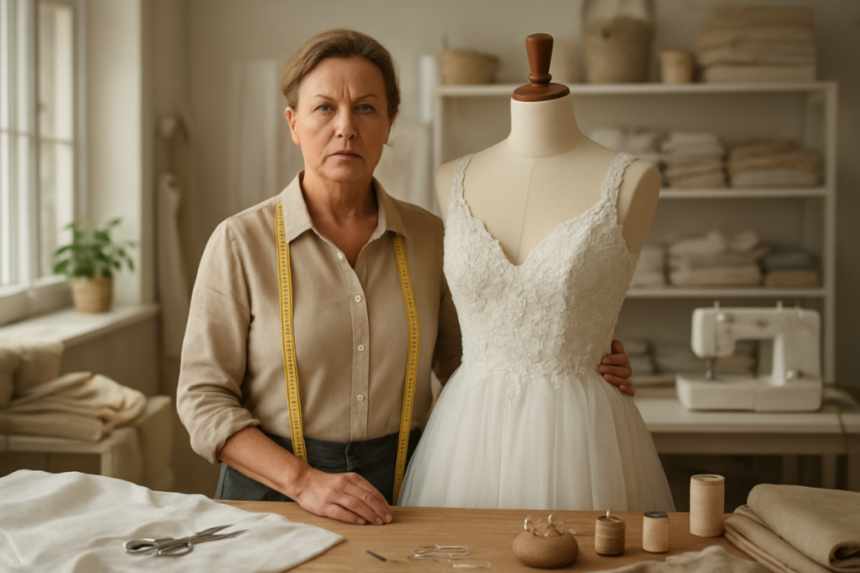
She posted on the neighbourhood page that "the girl at number 12 does Fridays". I had never met her, and I do not do Fridays.
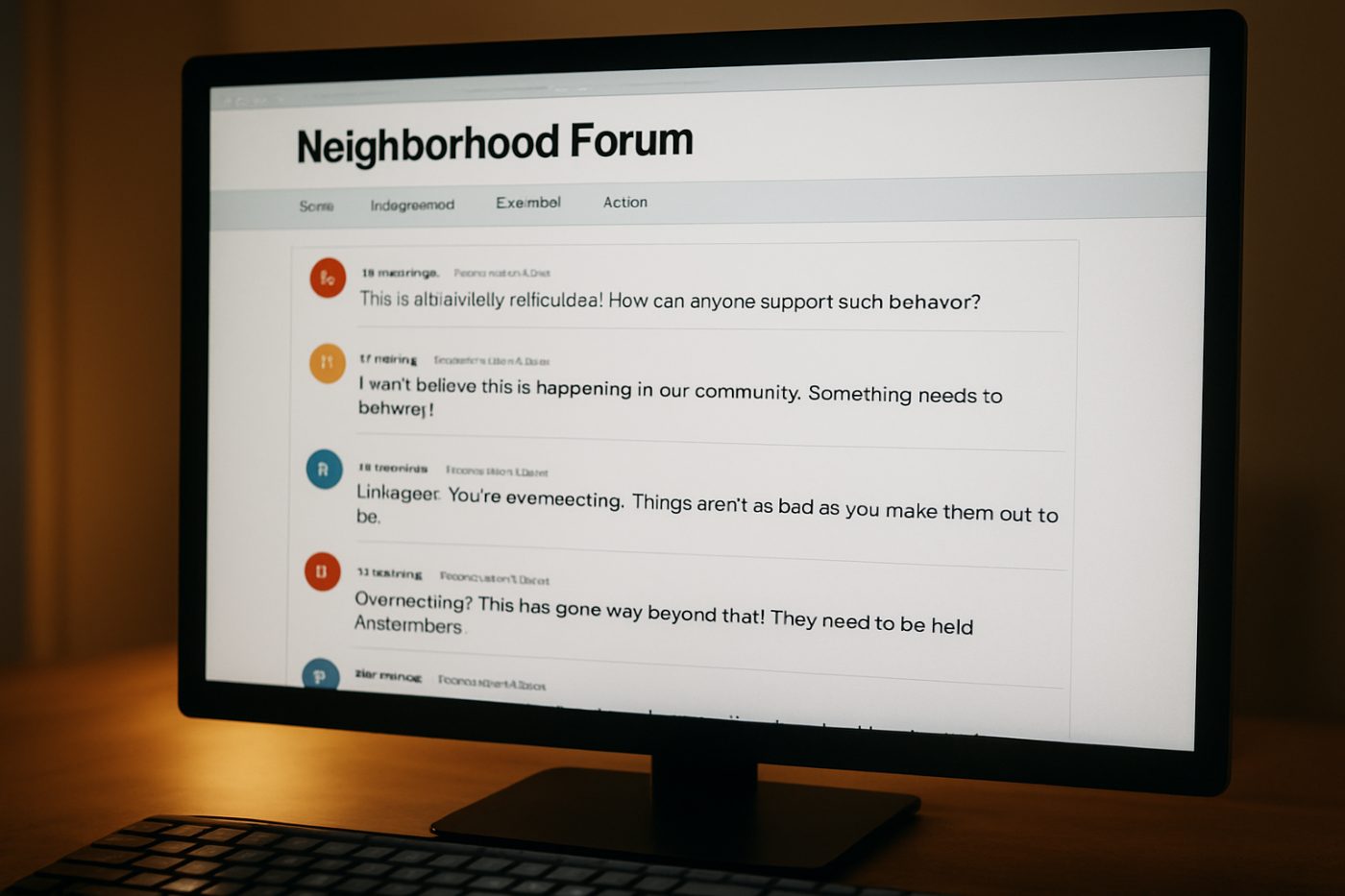
She did not ask. She did not have a key. She had, apparently, a colour she preferred, and a contractor, and my invoice.

The boy was nineteen. He was mortified. She was not.

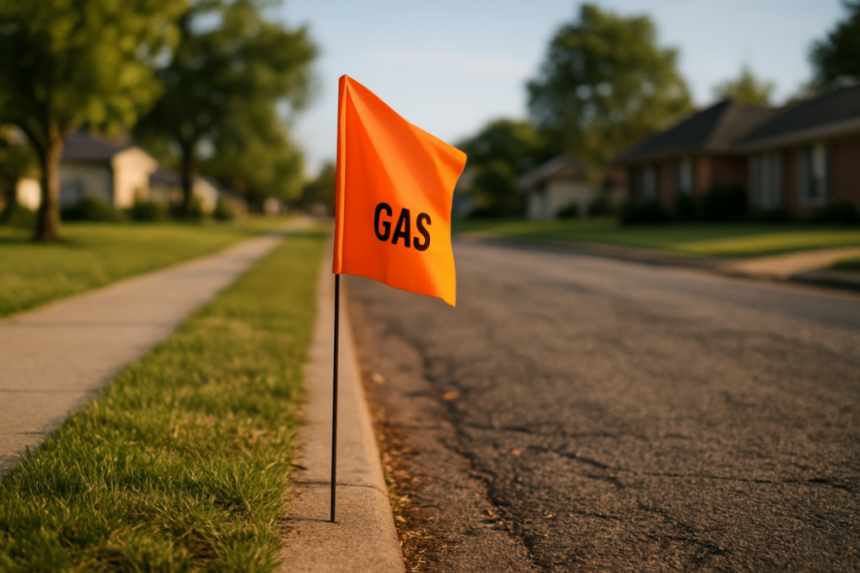
Ninety dollars a day for a "non-conforming decorative item" — which was the gas company's locate marker, put there by law, before they dug up my street.
The hall of fame: the best Entitled People Stories of all time
One thing you notice quickly in this archive: the narrator is never the difficult person. That is not a criticism, it is simply how first-person telling works, and the sharper readers here account for it. The recurring machinery is familiar — a small request that was never really a request, a raised voice pitched at an audience rather than at the person being addressed, and a manager summoned like a weapon. What varies is the setting: a car park, a queue, the residents' meeting where the HOA horror stories start, a family kitchen. What almost never varies is the moment the demand meets someone who simply says no.
The karen encounters tag holds the loudest of them, while HOA nightmares collects the slower, more bureaucratic kind, where the weapon is a letter rather than a shout. Believability tends to hinge on one thing: whether the closing line sounds like something a person actually said, or something the writer thought of on the drive home. Stories about entitled people rarely fail on the outrage; they fail on that last sentence.
They are written as first-person accounts, and the point of the site is that readers decide whether they seem believable. Some stories may feel obviously true, while others are more questionable or surprising. Reading the story and the jury votes is the best way to see how other readers judged it.
People can become entitled for many reasons, including habit, stress, status, or simply getting used to pushing boundaries. In these stories, that behavior often shows up around shared spaces, service jobs, family events, and everyday favors. The accounts are useful because they show how quickly small requests can turn into unreasonable demands.
The safest first step is usually to stay calm and be clear about your boundaries. If the situation is at work, in housing, or in another formal setting, it can help to document what happened and follow the proper process. Reading similar stories can also help you recognize the pattern before it escalates.
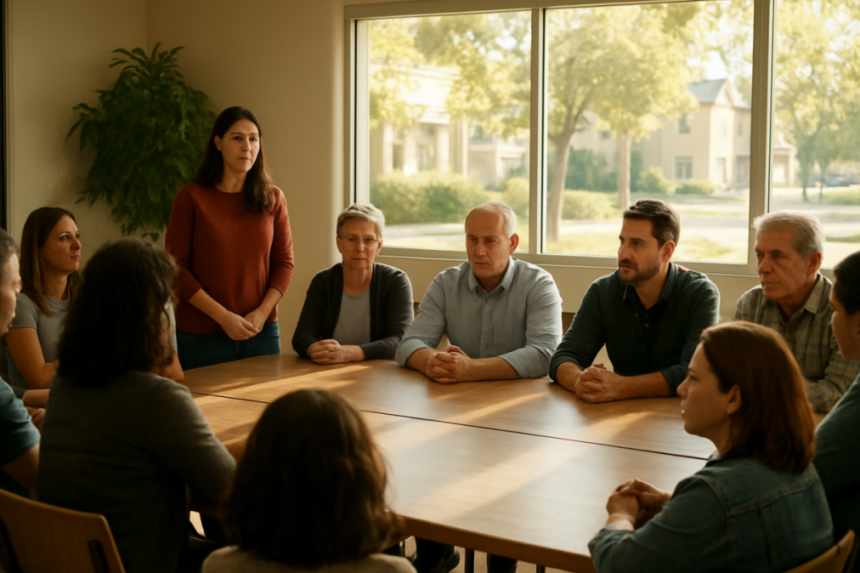
HOA disputes are popular because they involve rules, property, and neighbors, which can create a lot of friction. Even minor things like paint, chalk, ramps, or flags can become major arguments when someone insists on control. That is one reason these neighborhood stories often get strong reactions from the reader jury.
Readers look at how detailed, consistent, and plausible the account feels. They may also compare it with similar submissions on the page and decide whether the behavior sounds realistic. The votes do not prove anything, but they show how convincing the story was to the audience.
They combine conflict, everyday settings, and a clear sense of right versus wrong, which makes them easy to follow. Many readers enjoy seeing how a small request turns into a dramatic situation, especially when the person pushing too far gets challenged. The jury votes add another layer because they turn each story into a group judgment, not just a single account.
Some may be exaggerated, misunderstood, or told from one side only, which is common in personal storytelling. That does not mean they are fake, but it does mean readers should judge them carefully. On this site, the mix of story text and jury voting is what helps people weigh how believable each one feels.