
The Fence War That Exposed the Whole HOA
It started with six inches of cedar in the wrong place. It ended with a resignation, a restraining order, and a group chat nobody could ever un-read. All over a fence.
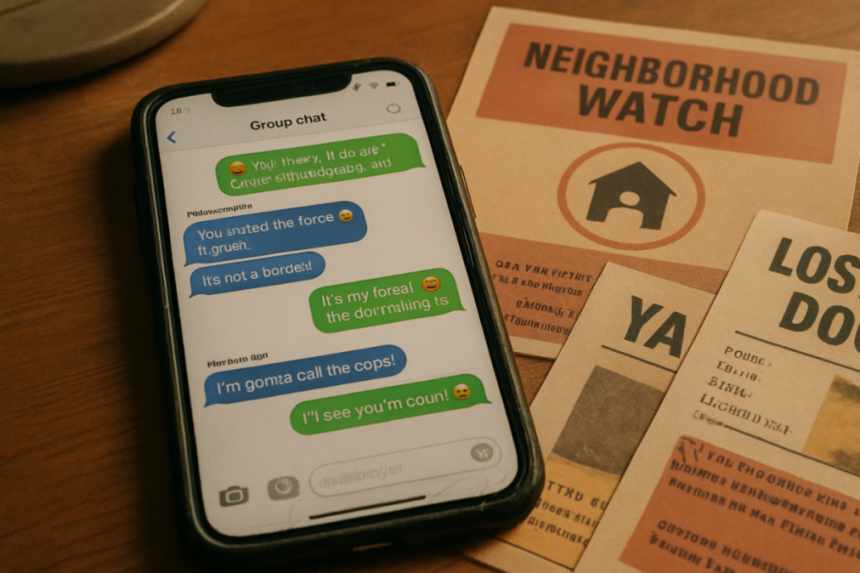
From petty power trips to life-altering disputes, this collection of HOA stories gathers first-person accounts of life under aggressive neighborhood associations, overreaching community boards, and overzealous covenant enforcers. You’ll find stories of bizarre rule violations, questionable fines, and board members who treat shared property like their private kingdom, all told by the residents who say they lived through the drama. Every account is submitted as a personal experience, not checked like a news report or legal record.
On this page, you’re the jury. For each tale of condo-association chaos, homeowners’ board drama, or neighborhood-rule meltdown, readers weigh in on whether they believe it really happened. Dive into the most outrageous conflicts, read the evidence as the storyteller presents it, and cast your vote.
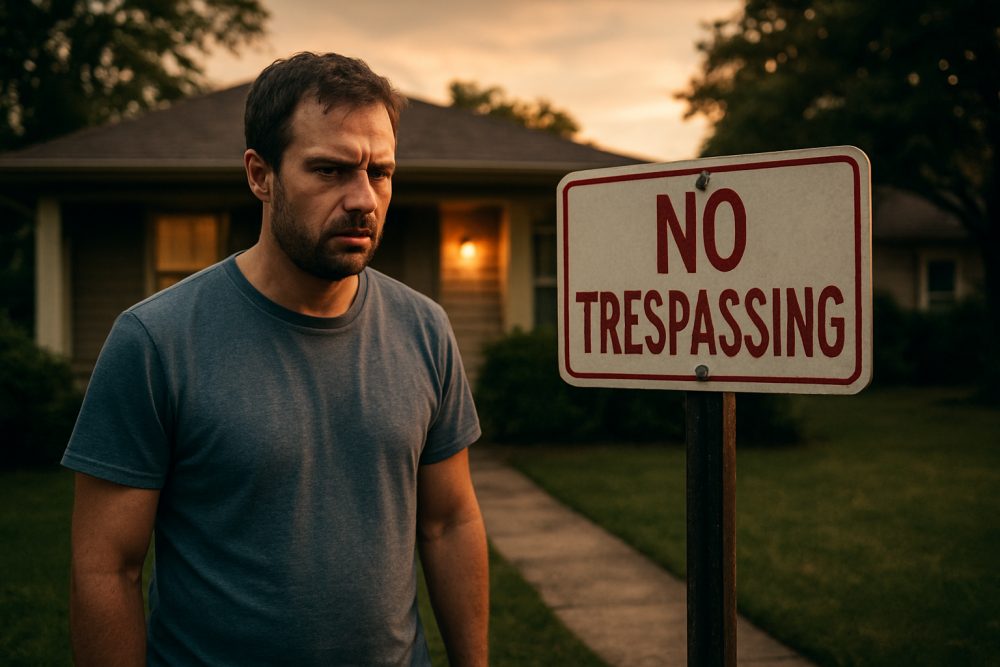
It started with six inches of cedar in the wrong place. It ended with a resignation, a restraining order, and a group chat nobody could ever un-read. All over a fence.
My father lost a leg in March. In June we built a ramp. In July it was a "non-traditional exterior modification" by a vote of 6 to 1.

Three notices. Photographs attached. The dog in the photographs is standing in my drive, and the dog belongs to a board member.

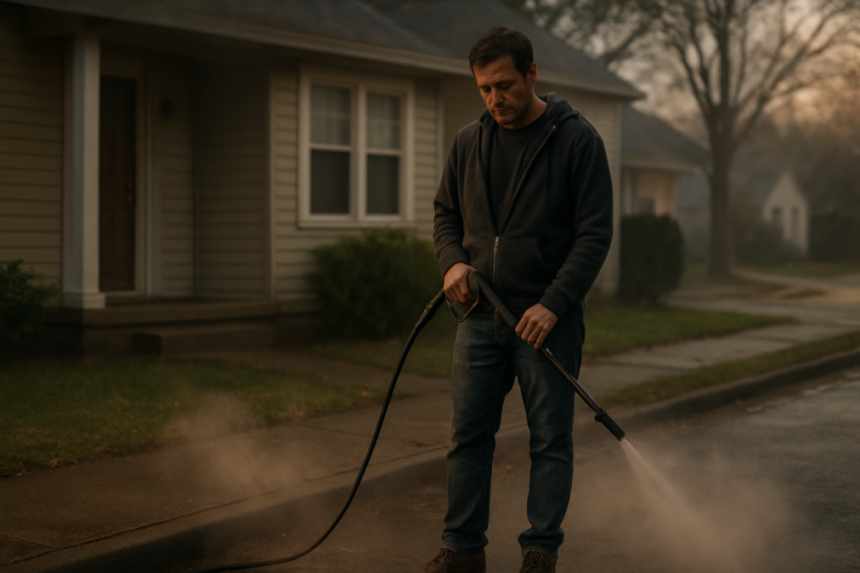
Rule 14(c): no "temporary surface markings" on shared paths. Enforcement: a man with a pressure washer and a grudge, at 7am, on a Saturday.
She did not ask. She did not have a key. She had, apparently, a colour she preferred, and a contractor, and my invoice.

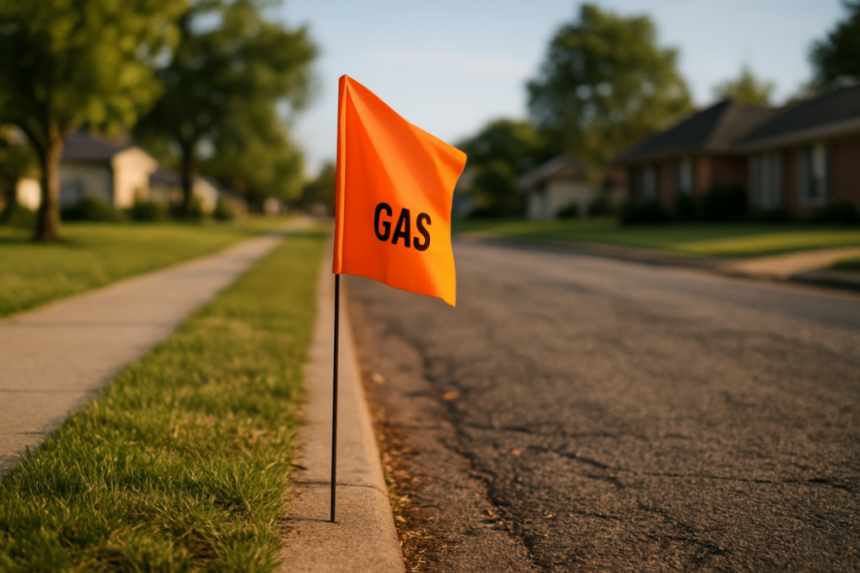
Ninety dollars a day for a "non-conforming decorative item" — which was the gas company's locate marker, put there by law, before they dug up my street.
Very little in these HOA horror stories happens quickly. The characteristic account covers three or four years and arrives with attachments: a letter about a bin store, a fine for the wrong shade of paint, a survey commissioned to establish whether a fence sits four inches inside a line. Boards are staffed by volunteers, which cuts both ways — nobody is being paid to be petty, and nobody is being trained either. What readers find most convincing is rarely the outrageous rule itself but the selective enforcement around it, the neighbour with identical shrubbery who never received a letter. That detail surfaces in a surprising proportion of these accounts.
Conflicts without a committee behind them are collected in neighbor stories, with the more public falling-outs under neighborhood scandals. An HOA nightmare persuades on paperwork: the clause quoted, the sum demanded, the date of the hearing, and the wording of the covenant as it was actually written rather than as it was later enforced. Readers are notably unimpressed by writers who had never once attended a meeting before the trouble started.
Many wild-sounding HOA conflicts are based on real disputes, but details can sometimes be exaggerated or misunderstood. On this site, each story is presented as a first-person account, and the reader jury votes on whether they believe it really happened. Reading the comments and verdicts can help you judge what feels realistic versus over-the-top.
Power imbalances, vague rules, and personal grudges can turn a normal neighborhood association into a source of drama. Some boards are just trying (clumsily) to protect property values, while others get too strict or petty. The stories here show a range of situations, and the jury votes often reflect how reasonable or unreasonable readers think each board was.
Most associations operate quietly, and many homeowners never have a major issue. That said, when things do go wrong, they can feel intense, personal, and memorable, which is why you see so many dramatic anecdotes online. Browsing the stories and how the jury rules on them gives a sense of the kinds of problems that crop up often enough to feel familiar to many readers.
The calm first step is usually to document what’s happening, read your governing documents carefully, and communicate in writing. Some people in these stories escalate too fast and regret it; others show how persistence and clear records helped them. The jury reactions can be useful for seeing how outsiders view different approaches to handling a dispute.
Associations typically have rules about appearance, structures, and sometimes even landscaping, which owners agree to when they buy. The issue is whether those rules are applied consistently and reasonably. Many of the accounts here are about boards pushing those limits, and the reader votes often reflect whether people think that authority was abused.
In small communities, a board member with a strong personality can start treating shared authority like personal power, especially if no one pushes back. Lack of participation from other residents can make it even easier for one person or a small group to dominate decisions. The stories and jury verdicts often highlight how important it is when neighbors stay engaged and hold leadership accountable.
Some conflicts are bad luck, like inheriting a rigid rule or a difficult neighbor, but others come from unclear expectations on both sides. Learning how a community is run, reading its rules, and noticing how disputes get handled can reduce surprises. The patterns you see across different stories and jury outcomes can help you spot red flags before problems escalate.
Look for specific details about rules, timelines, and communication, not just emotional reactions. Compare it to other accounts you’ve read and see how the jury here votes on plausibility, since many readers recognize what feels authentic from their own experiences. Over time, you’ll get a sense for which conflicts seem typical and which feel exaggerated.