
She Talks to the Corner About the Fire
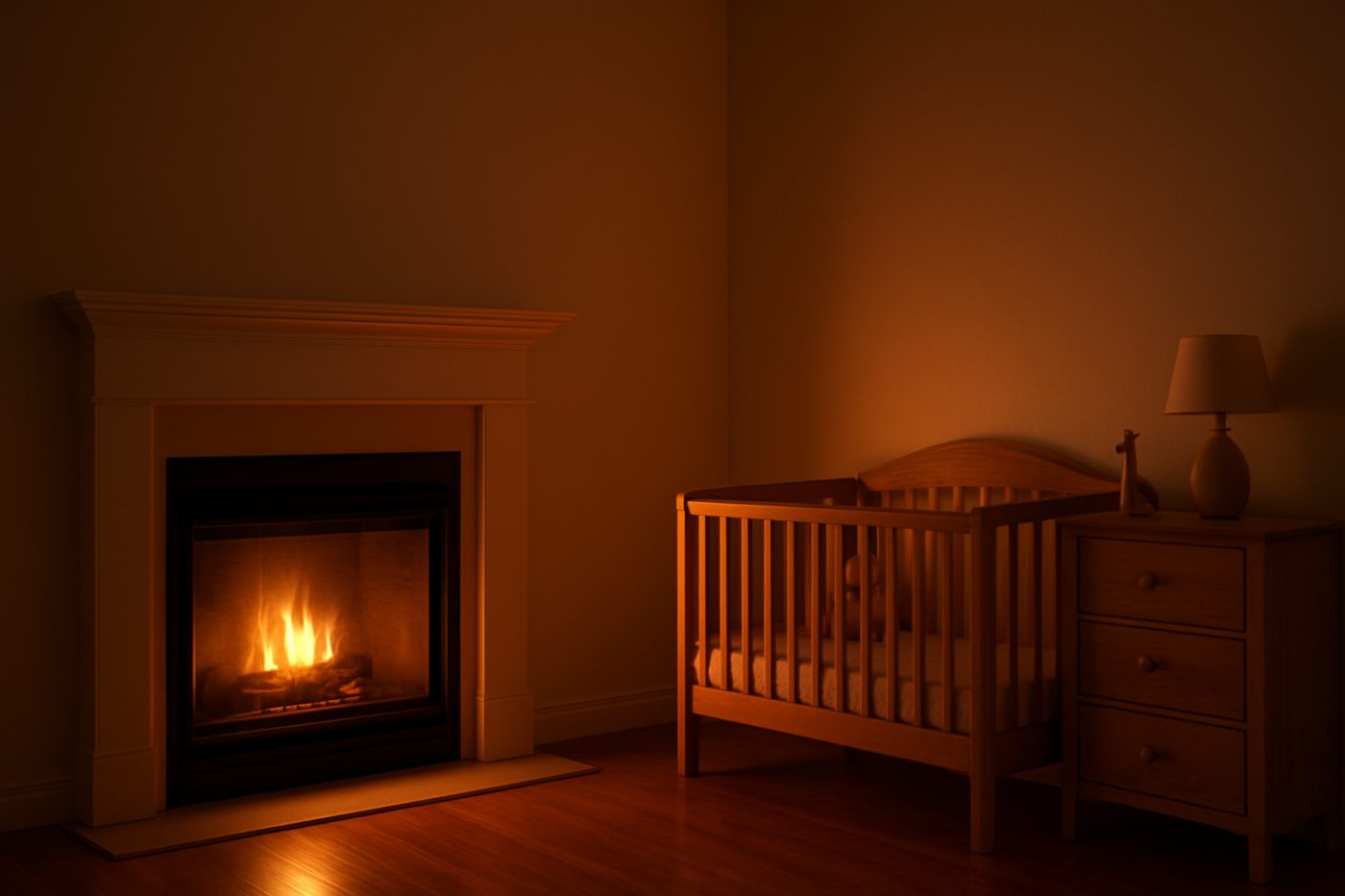
Our two-year-old chats happily to an empty corner of the nursery — a nursery that, we learned only after buying the house, was the room a child died in, in a fire, in 1931.
Children who know too much, invisible playmates with rules of their own, toddlers calmly describing “before” and “elsewhere” as if they just stepped out for a moment—this category gathers first‑person tales of unnerving little ones and their impossible conversations. Here you’ll find eerie babysitting experiences, unsettling nursery moments, inexplicable drawings, and late‑night whispers about guests no adult can see, all told by the people who swear they lived through them. Every one of these creepy kids stories is a personal narrative, not a confirmed case or documented incident.
On this page, the reader community acts as the jury. For each unsettling childhood encounter, paranormal‑tinged bedtime memory, or spine‑tingling moment in a playroom or hallway, you decide whether it feels authentic, exaggerated, or pure invention. Read, react, and cast your vote on what really happened.
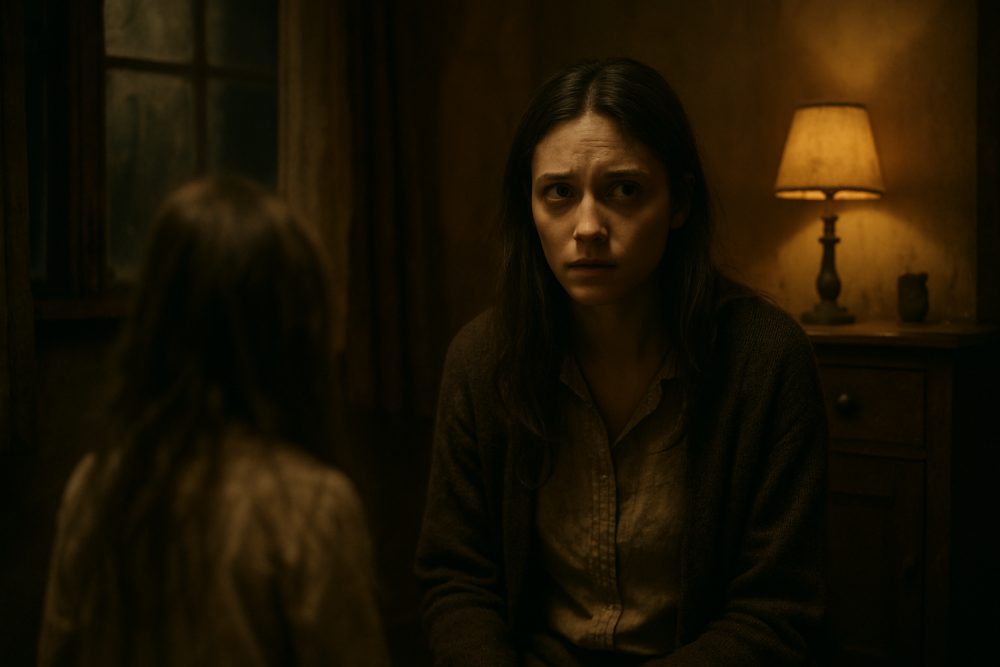
Our two-year-old chats happily to an empty corner of the nursery — a nursery that, we learned only after buying the house, was the room a child died in, in a fire, in 1931.
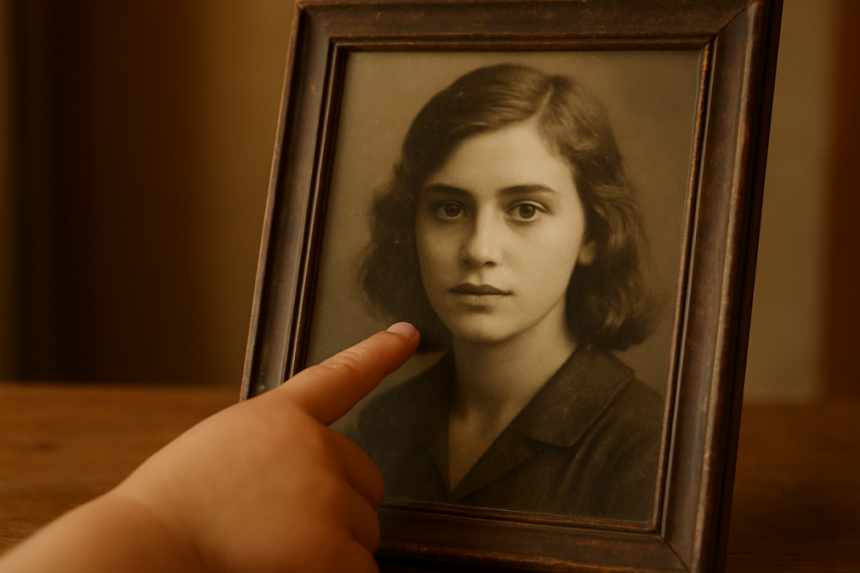
My four-year-old flips through the family album naming people correctly — including relatives who died before he was born, whom we've never named to him, in one case using a nickname lost for fifty years.
I timed it because I did not know what else to do with my hands. Eleven minutes. Proper belly laughs. At a doorway.
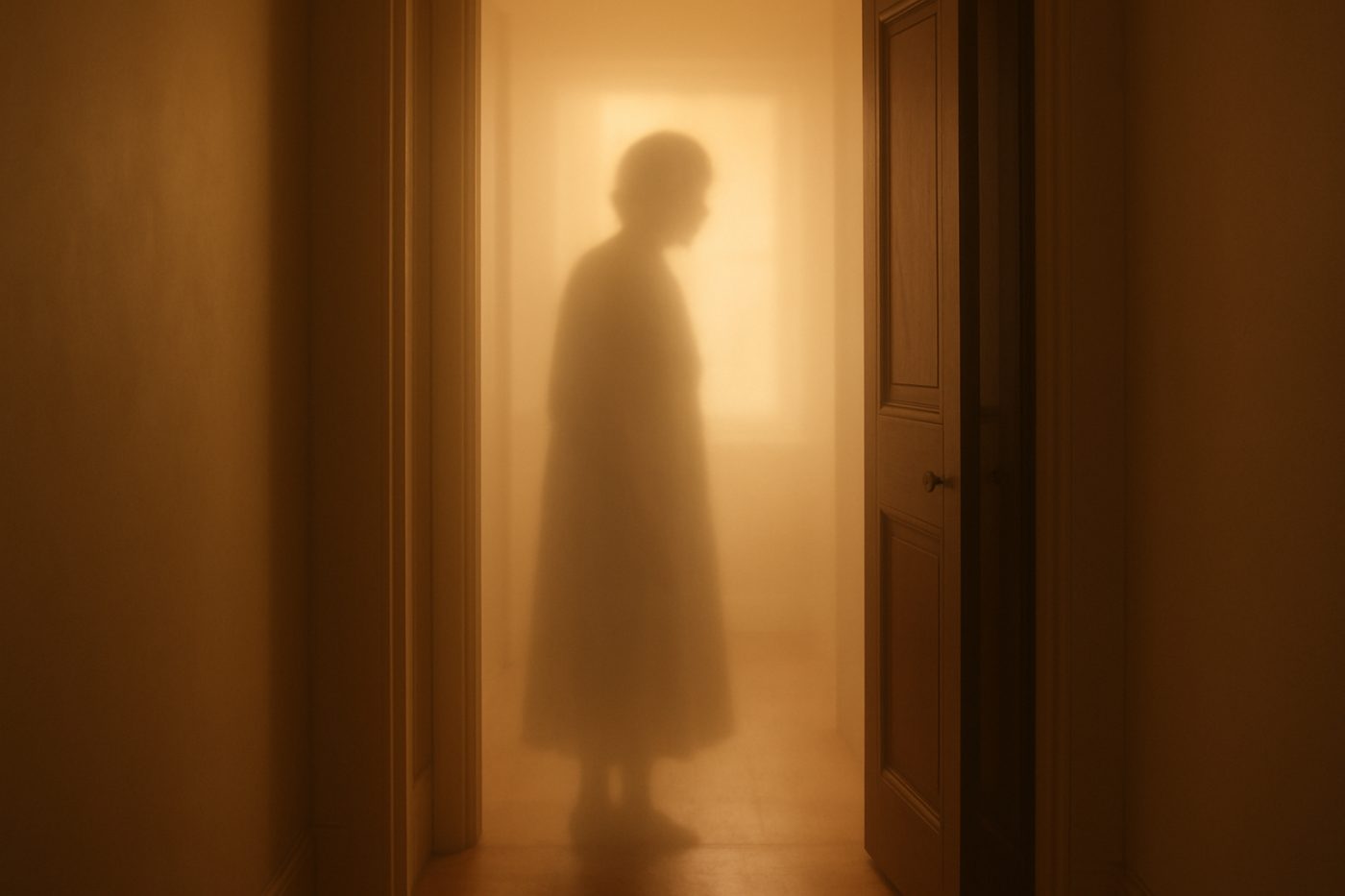
He was four. He said "occupied", which is not a four-year-old word, and he said it the way a hotel receptionist says it.
Between number 14 and number 16 there is a garage. In her drawing there is a house, with a red door, and a woman in the window.
It lasted six weeks. Their mother thought it was a game. On the last night, one of them cried and said, "I want to go back."
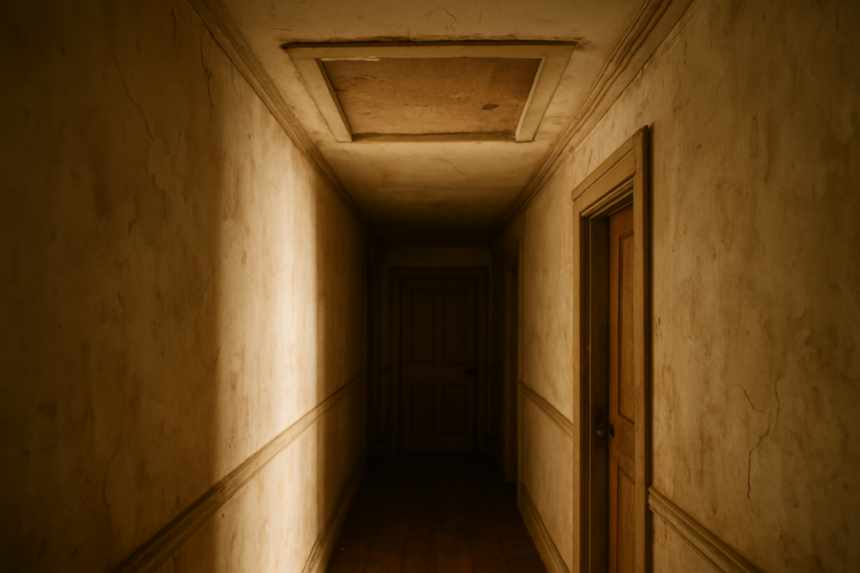
My four-year-old refused to sleep, saying the man in the attic was waiting to be let down. We had no attic access in her room. When we finally opened the old sealed hatch, we found a small chair facing it.
Our twins shared one invisible friend, 'Old Pete', who lived 'behind the fence lady's house' — and both announced his departure, separately, the night our elderly neighbour died.
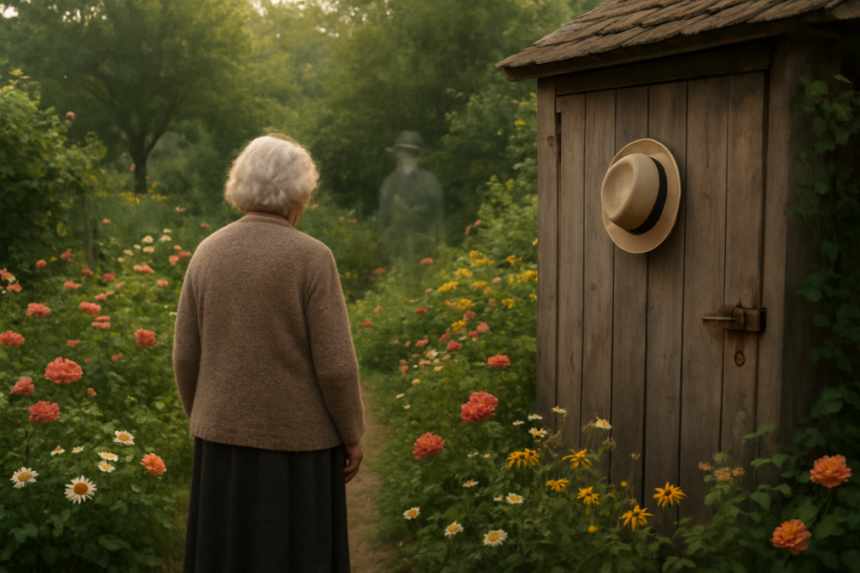
My three-year-old calmly told me about his other mother, the one from before, who had different hair and a different kitchen and who cried when the car went into the water. We had never told him anything.
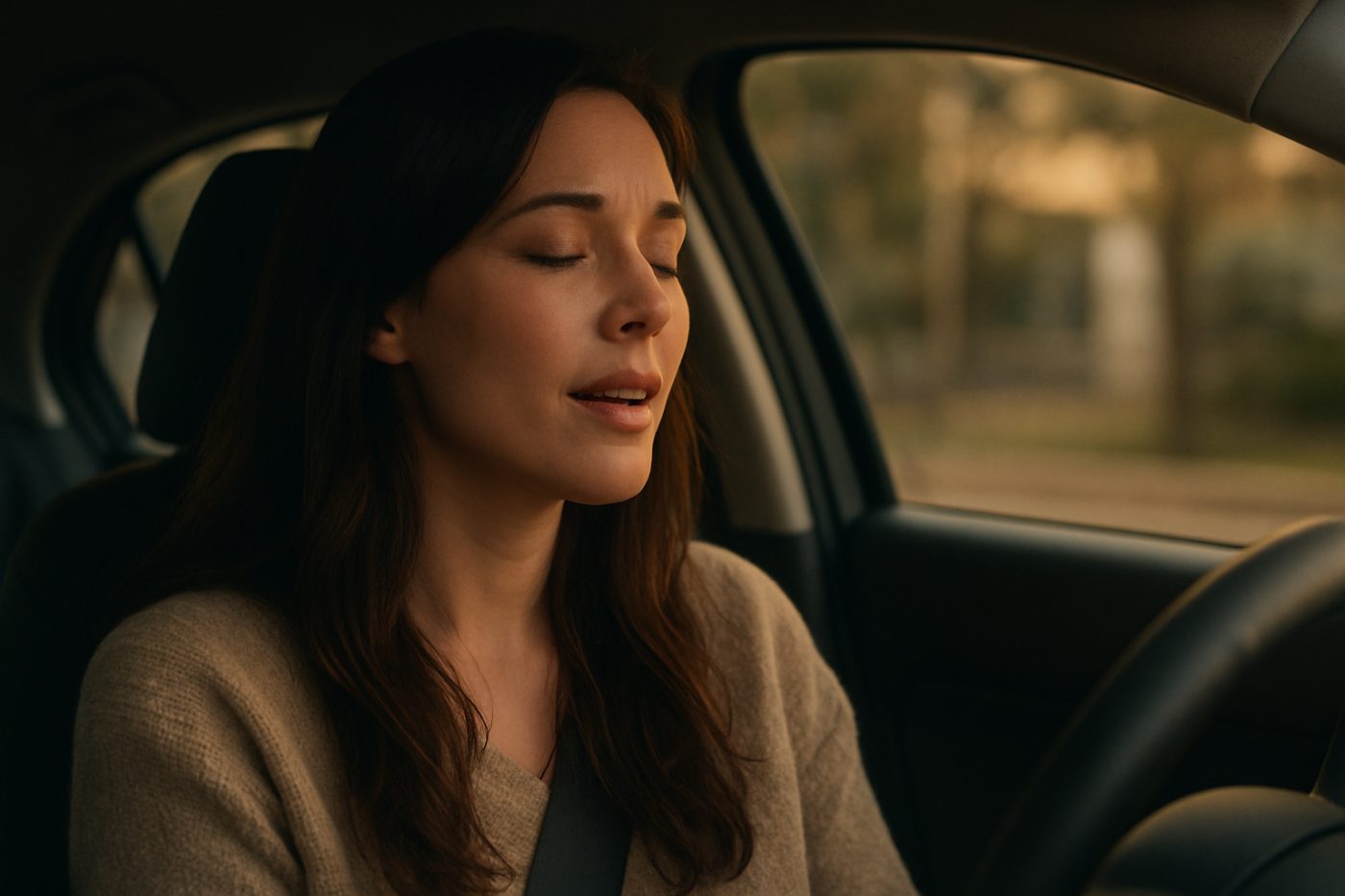
My cheerful, water-loving son screams at one specific lake — and once, gripping the car door, he told us why: 'That's where I went under, when I was big.'
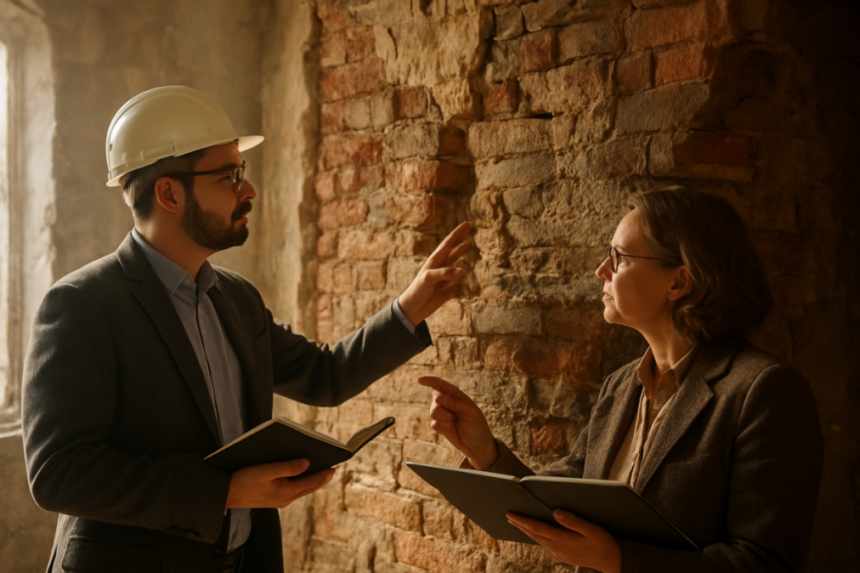
Our daughter's invisible friend lived 'where the house goes down' — a spot that made no sense until renovations uncovered a sealed staircase, and Tilly stopped coming.
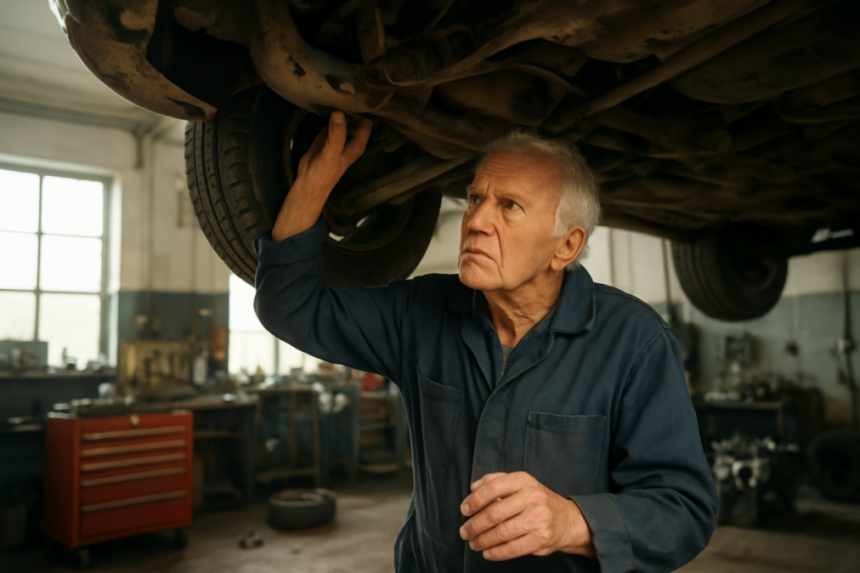
For three days my son repeated one sentence like a chore he'd been assigned: 'Tell Grandpa the car is wrong for Sunday.' We humoured him. The mechanic didn't.
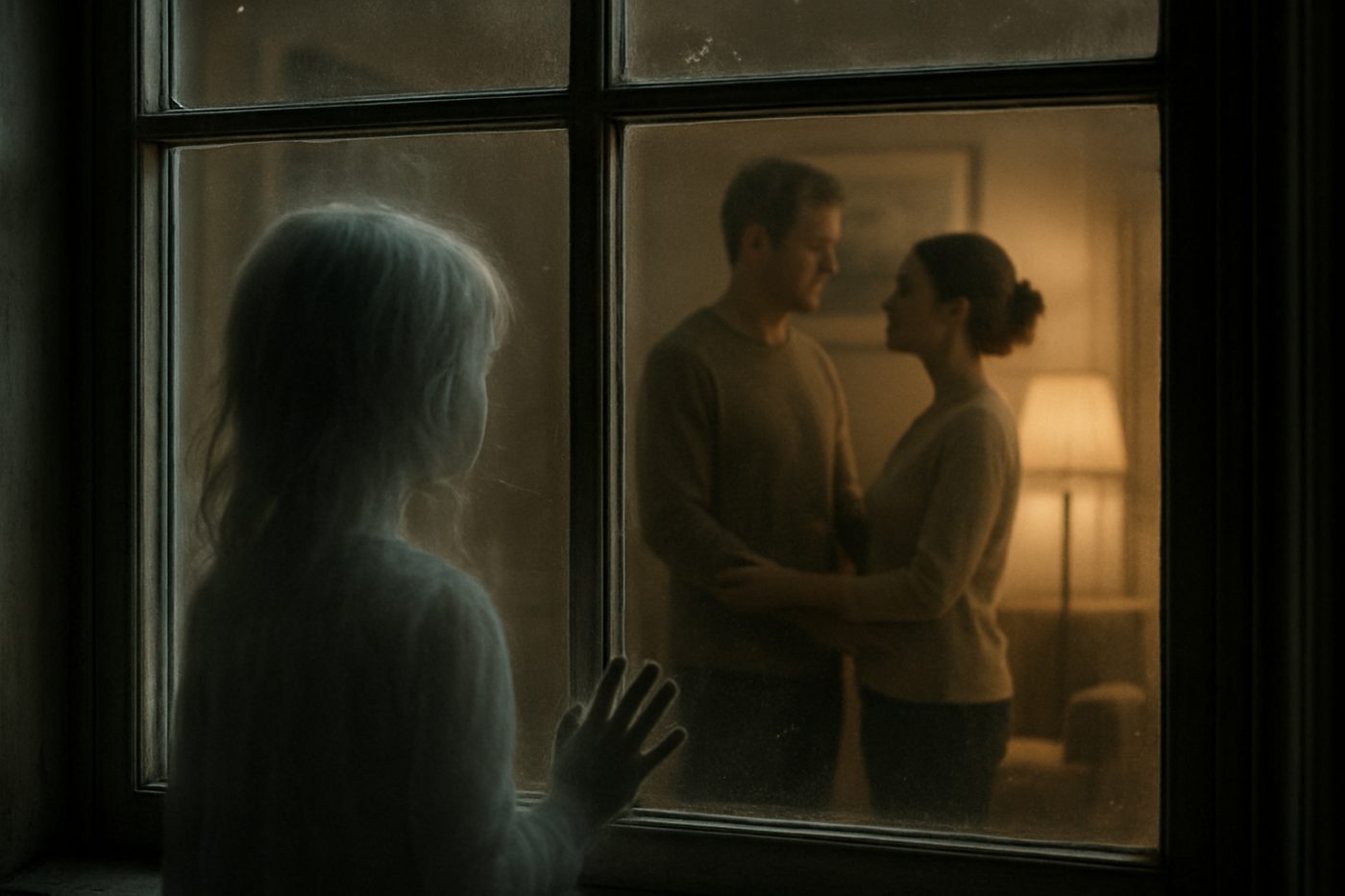
My daughter says she chose us — that she watched from 'the waiting window' while we painted the nursery the wrong colour, and describes the day with details that predate her birth.
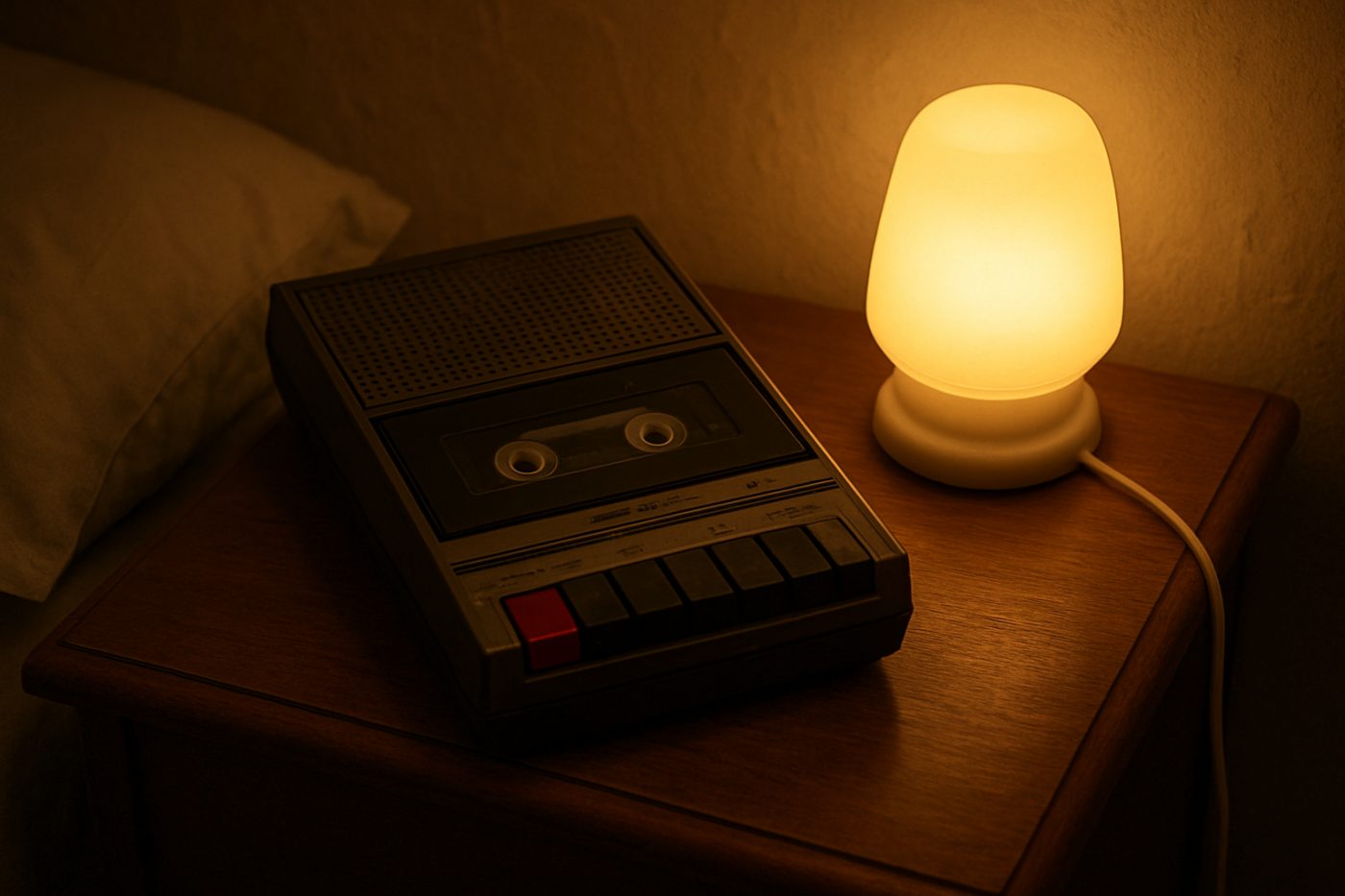
Our son sang his teddy to sleep with a lullaby in a language neither of us speaks — our neighbour translated, went pale, and asked which grandmother taught him THAT version.
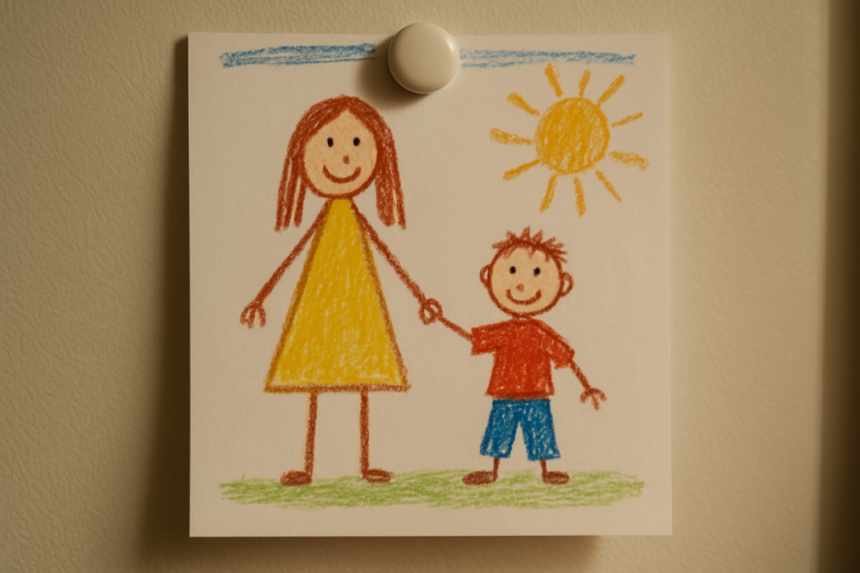
Every family drawing my daughter made had one extra girl in it — always older, always in yellow. When her teacher asked who it was, my daughter's answer sent me to my mother.
My son told us matter-of-factly that 'the man in the ceiling counts us while we sleep.' We laughed — until he said the count was wrong now, and got to why.
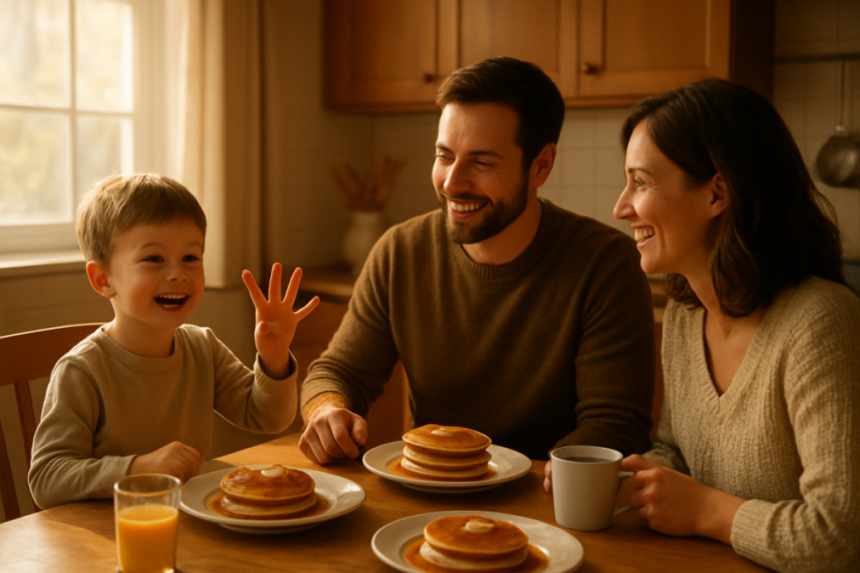
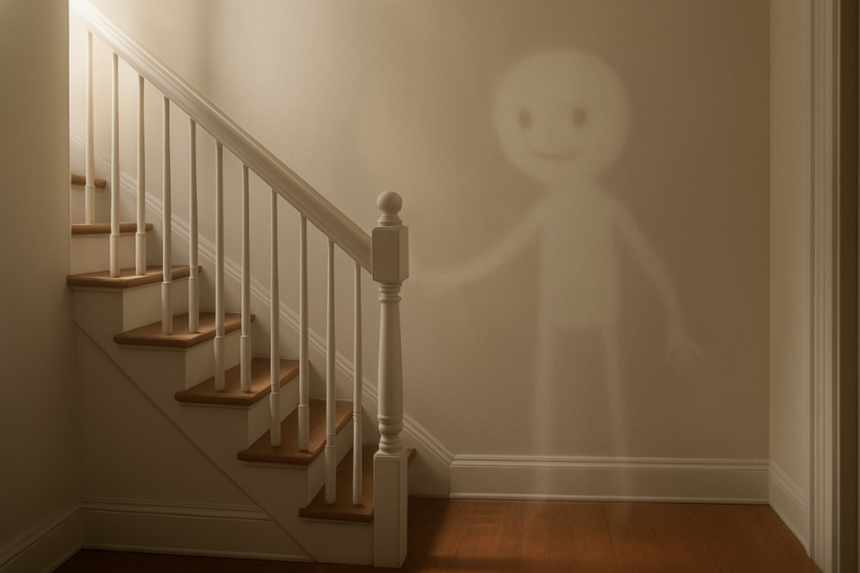
My daughter's invisible friend gave her one piece of practical advice: 'tell your dad not to drill the wall by the stairs.' The electrician's face when he opened it explained everything.
My three-year-old, buckled into his car seat, asked why I looked so much younger 'than when we drove the green truck' — then described my grandfather's logging routes.
The hall of fame: the best Creepy Kids Stories of all time
Almost every account here is really a story about an adult listening. A remark drops into an ordinary evening — a name nobody uses, a mention of a room that was never in the house — and the grown-up in the room spends the next decade turning it over. Read enough of them and the pattern becomes clear: the unsettling part is almost never what was said, but the silence afterwards, when a parent or a babysitter decides whether to laugh. Developmental researchers point to overheard conversations, half-formed language and the way small minds fill gaps. The narrators know all that. They still remember the exact wording.
The imaginary friend stories that turn up again and again have their own shelf under imaginary friends, and the evening-job accounts sit under babysitting, where the narrator is usually seventeen and underpaid. If you have kept one of these remarks in your head for years without ever repeating it out loud, this is the place to set it down and let other readers argue about it.
It can be either. On a true-stories site, some first-person accounts are presented as genuine experiences, while others may be embellished, mistaken, or impossible to verify. Reading the stories and checking how the reader jury votes can help you see which ones feel most believable to other readers.
Kids can say eerie-sounding things for many ordinary reasons, including imagination, dreams, memory mix-ups, or repeating something they heard. Sometimes an adult’s own stress or expectations make a moment feel stranger than it was. The stories in this category often work because they sit right on that uneasy edge between explanation and mystery.
They’re common enough to be a lasting storytelling theme, but that doesn’t mean every account is literally paranormal. People are drawn to the same kinds of moments: odd drawings, unseen friends, strange names, or comments about “waiting” and “other” people. That shared pattern is part of why readers enjoy comparing their own interpretations in the jury.
Start by staying calm and asking simple, open questions so you can understand what they mean. Many unsettling comments turn out to be play, confusion, or a creative explanation for something ordinary. If you’re reading similar accounts online, it can help to notice how often an apparently creepy moment has a mundane cause.
They often include everyday details that make them feel grounded, like a chair being “occupied” or a drawing placing a house where none exists. Those small details can make a first-person account feel vivid even when the meaning is unclear. That’s also why readers tend to argue passionately in the voting section about what feels authentic.
Sometimes children notice details adults overlook, but that doesn’t automatically mean anything supernatural is happening. A child may be more observant in one moment and more imaginative in another, and both can sound eerie in hindsight. The best creepy-household stories usually leave just enough ambiguity for the jury to debate.
Specific, ordinary details and a natural timeline often make an account feel more believable. Vague “something was off” stories are less convincing than ones with a clear setting, a strange line of dialogue, or a concrete object like a monitor, photo, or drawing. That’s why many readers judge these stories based on tone, consistency, and small details rather than the scare factor alone.