She Talks to the Corner About the Fire
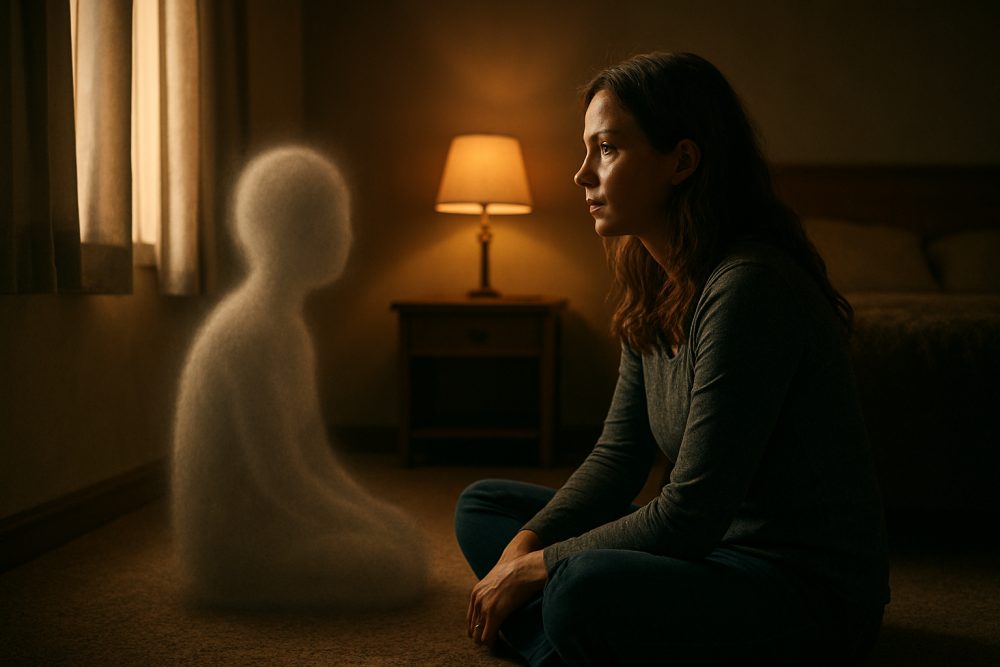
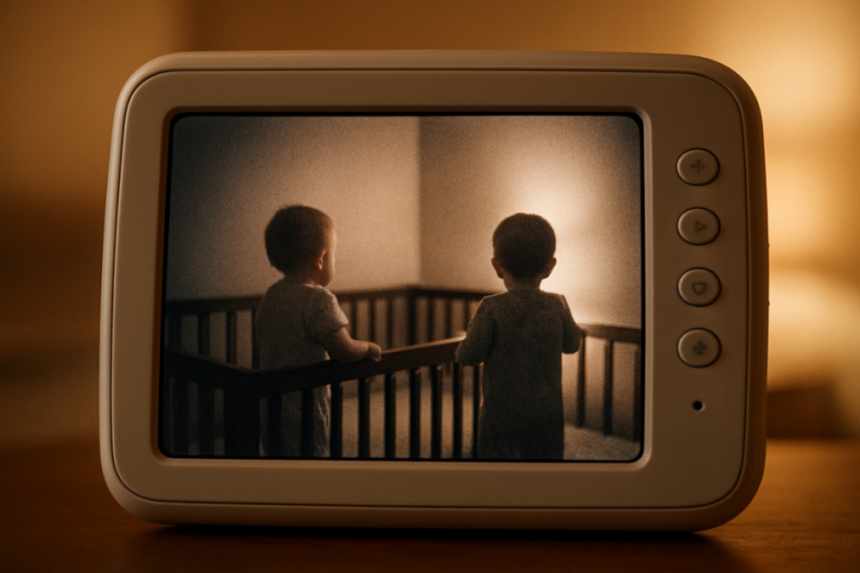
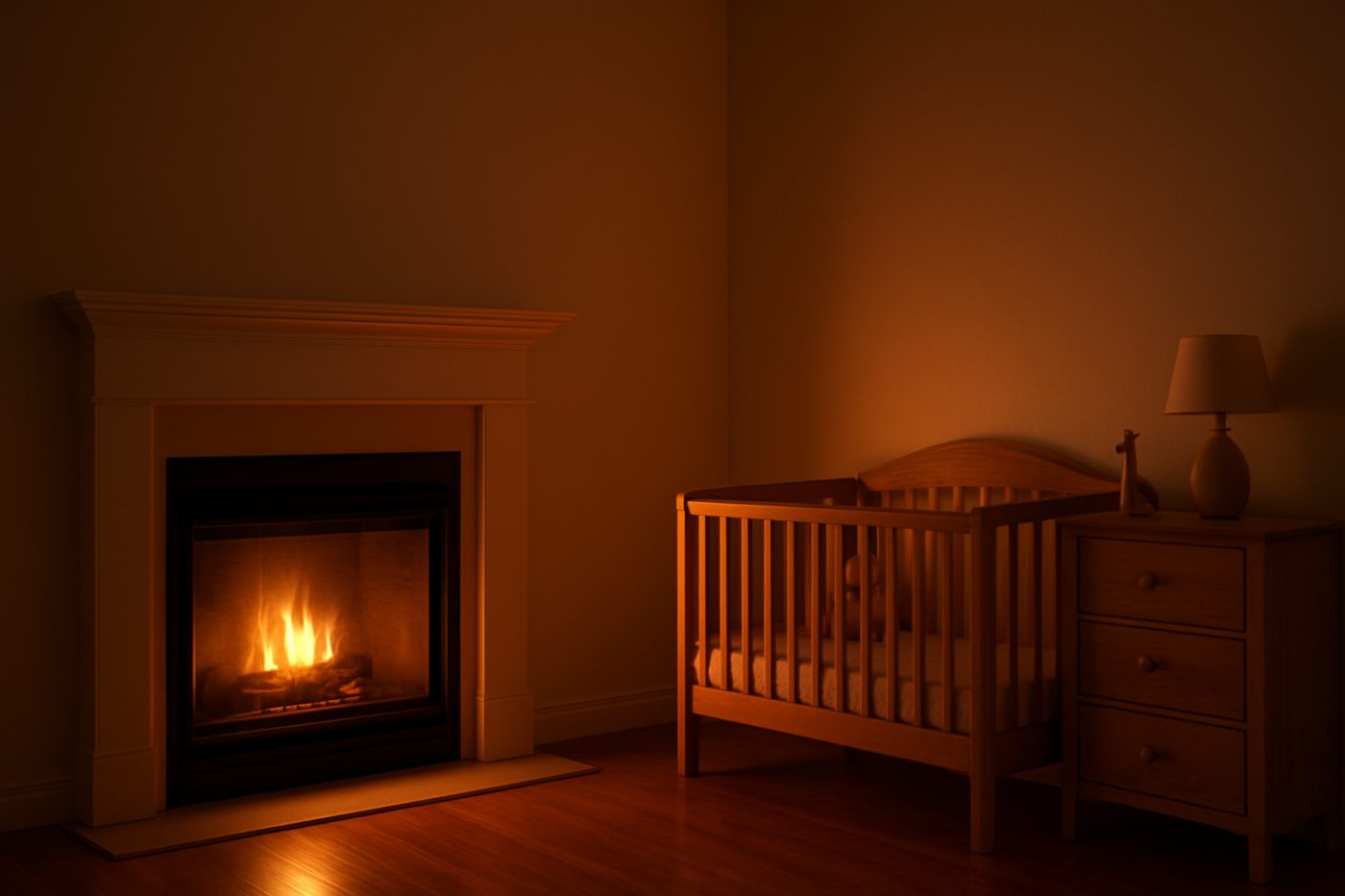
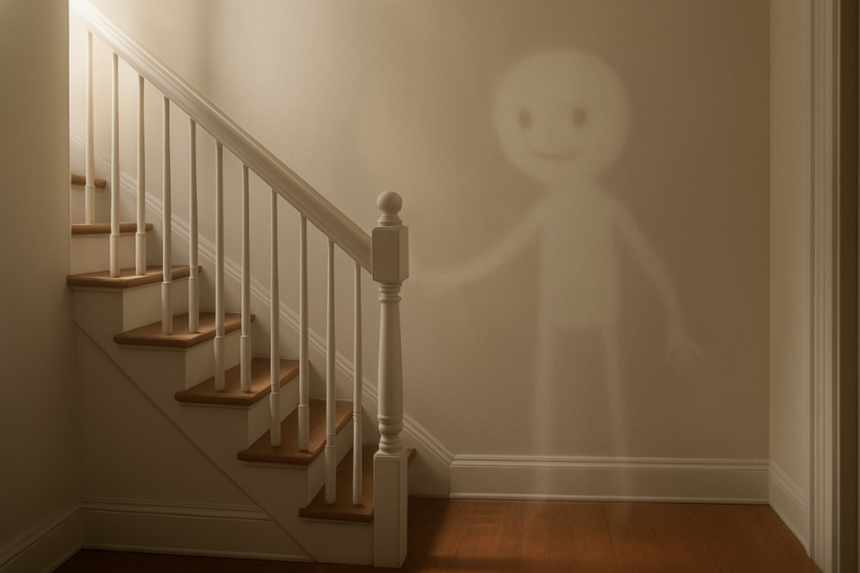
Our two-year-old chats happily to an empty corner of the nursery — a nursery that, we learned only after buying the house, was the room a child died in, in a fire, in 1931.
A creepy imaginary friend is the one that knows something: parents write in asking whether the imaginary friend was real, and readers here decide. Some children outgrow their companions in the corner; others seem to be sharing the house with something that remembers more than they do. In this collection of true-style encounters with Imaginary Friends, you’ll find late-night conversations with unseen playmates, eerie details about “before I was born,” and games that cross the line from cute to chilling. Parents, babysitters, siblings and kids themselves send in these first‑person accounts, where a harmless-seeming pal suddenly knows too much, appears in drawings, or lives in places no one should be.
Every tale here is submitted by readers and judged by a community jury that votes on whether each experience really happened or is just a perfectly told story. None of these narratives are verified, but all of them invite you to decide what you believe. Start reading, and cast your vote on every story.

Our two-year-old chats happily to an empty corner of the nursery — a nursery that, we learned only after buying the house, was the room a child died in, in a fire, in 1931.
He was four. He said "occupied", which is not a four-year-old word, and he said it the way a hotel receptionist says it.
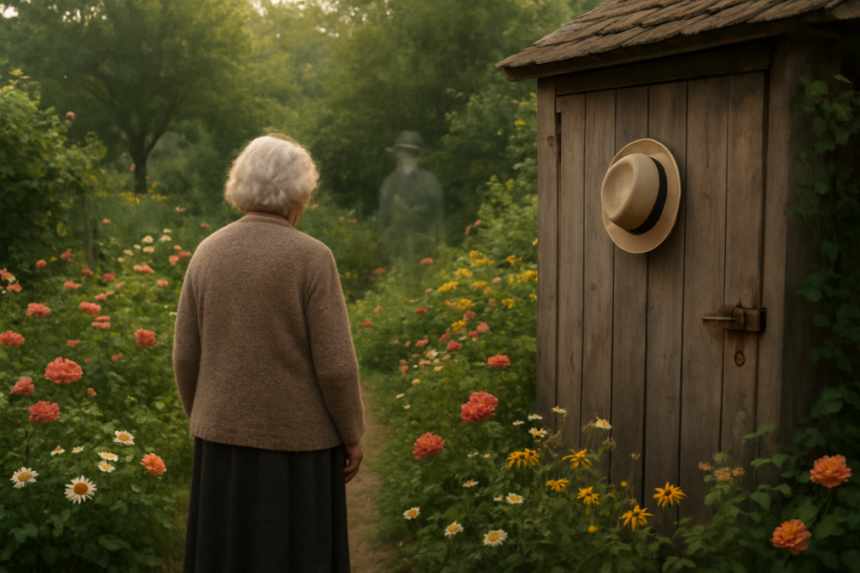
A field, a gate, and a horse that will not look at you. She described it before I ever said a word about it.
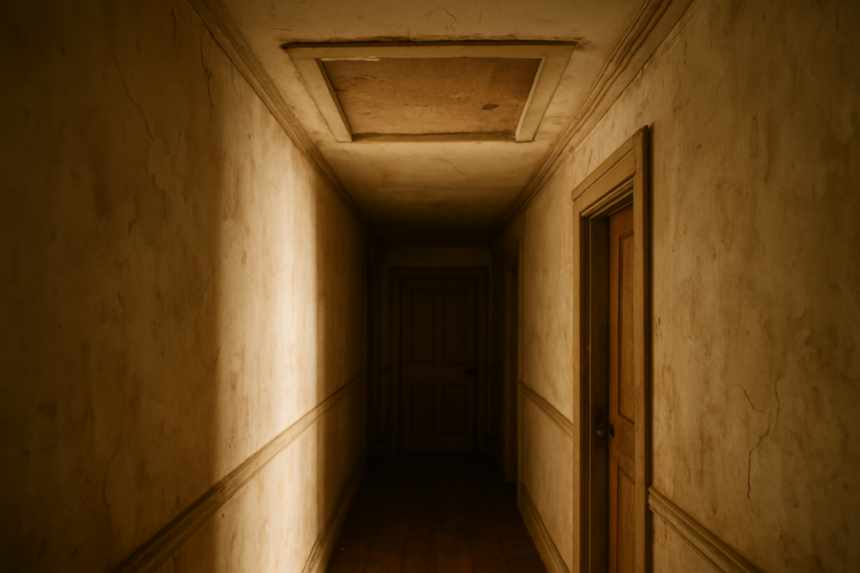
My four-year-old refused to sleep, saying the man in the attic was waiting to be let down. We had no attic access in her room. When we finally opened the old sealed hatch, we found a small chair facing it.
Our twins shared one invisible friend, 'Old Pete', who lived 'behind the fence lady's house' — and both announced his departure, separately, the night our elderly neighbour died.
My three-year-old calmly told me about his other mother, the one from before, who had different hair and a different kitchen and who cried when the car went into the water. We had never told him anything.
Our daughter's invisible friend lived 'where the house goes down' — a spot that made no sense until renovations uncovered a sealed staircase, and Tilly stopped coming.
For three days my son repeated one sentence like a chore he'd been assigned: 'Tell Grandpa the car is wrong for Sunday.' We humoured him. The mechanic didn't.
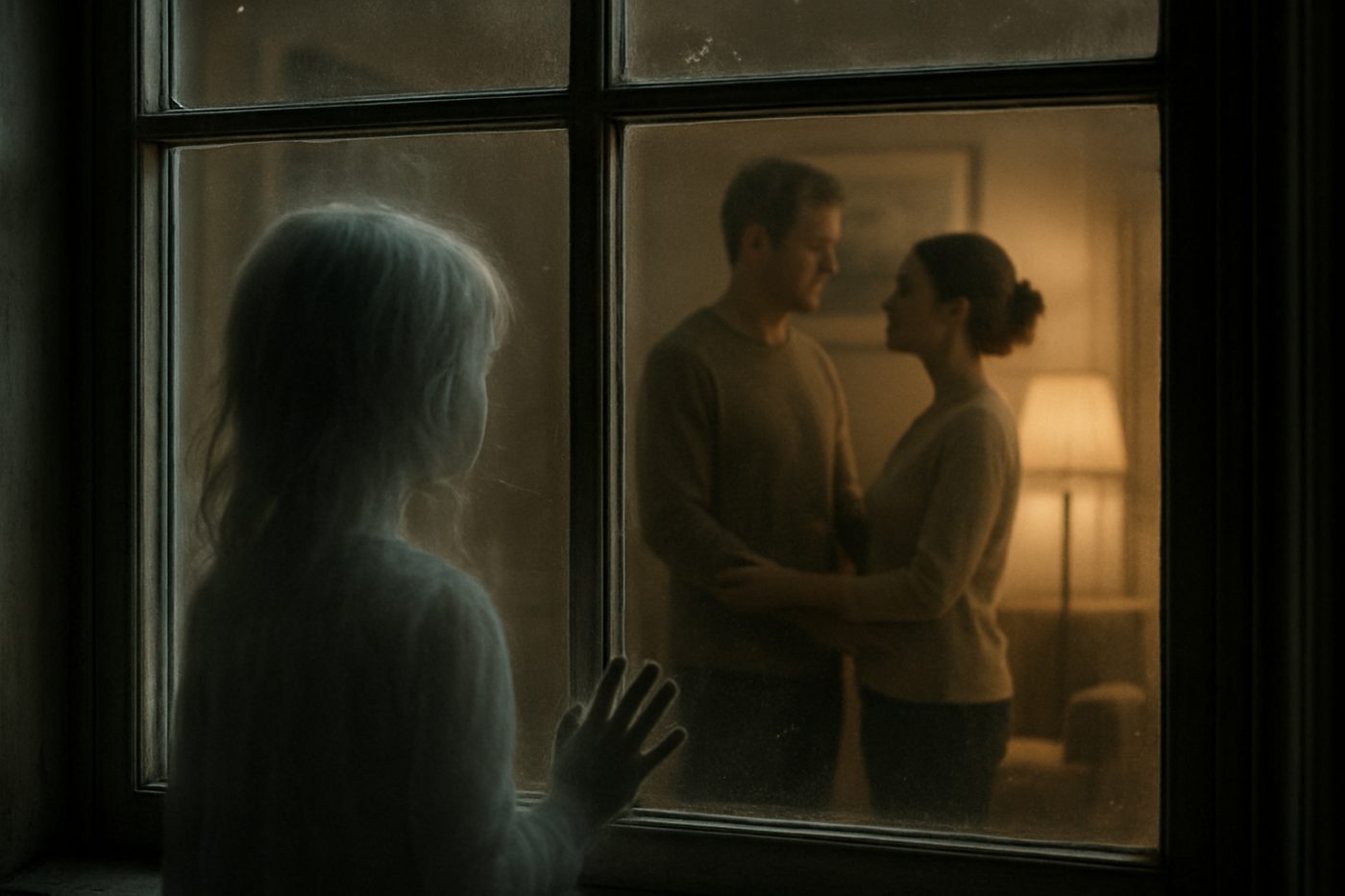
My daughter says she chose us — that she watched from 'the waiting window' while we painted the nursery the wrong colour, and describes the day with details that predate her birth.
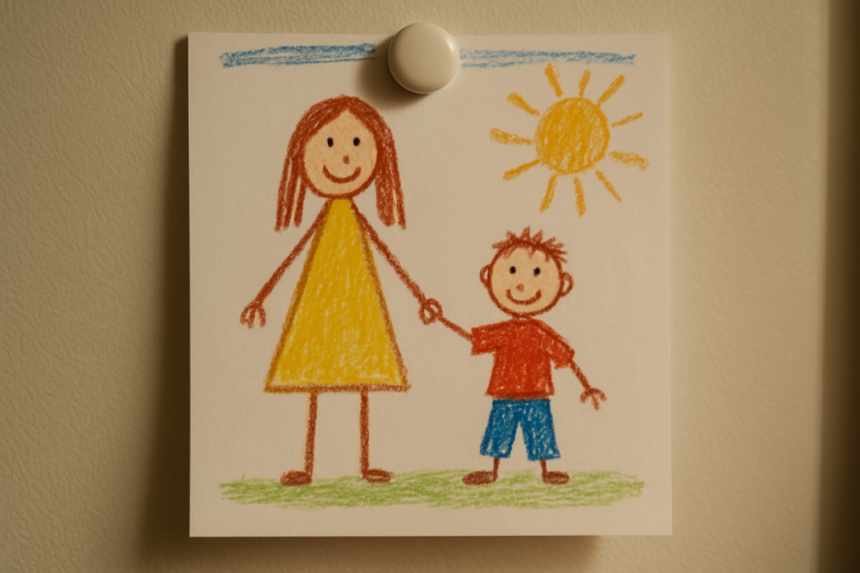
Every family drawing my daughter made had one extra girl in it — always older, always in yellow. When her teacher asked who it was, my daughter's answer sent me to my mother.
My son told us matter-of-factly that 'the man in the ceiling counts us while we sleep.' We laughed — until he said the count was wrong now, and got to why.
My daughter's invisible friend gave her one piece of practical advice: 'tell your dad not to drill the wall by the stairs.' The electrician's face when he opened it explained everything.
Most companions are harmless; the creepy imaginary friend is the exception people remember. Most of what turns up here is unremarkable and thoroughly documented by developmental psychology: an invented companion, a fixed name, a chair that has to stay empty until tea. Parents write in mainly because the phase ran longer or was better organised than they expected — the friend had a job, a birthday, firm opinions about the shopping. The accounts that get argued over are the small minority in which a detail seems to arrive from outside the household: a name matching a previous occupant, a layout of rooms described before the family had moved in. Sceptics point reasonably at overheard conversation, and narrators are usually first to concede it.
Related material sits in creepy kids stories, and the accounts that shade into claimed earlier lives under born remembering. What readers reward in imaginary friends submissions is restraint: report what was said, note what you found out afterwards, and resist supplying an ending the household never actually had. Readers vote down a tidy conclusion faster than they vote down a strange one.
Most psychologists see pretend companions as a normal part of development and imagination, not proof of the paranormal. That said, many parents feel unsettled when details match things the child “shouldn’t” know, which is why first‑person accounts like ours are so compelling to read. On this site, the reader jury votes give you a sense of how others interpret each story—supernatural, psychological, or something in between.
Research suggests it’s fairly common for young kids, especially between preschool and early school age, to talk about unseen playmates. It can be a way to practice social skills, explore fears, or cope with loneliness. When you read through the real-life stories here and see the jury responses, you’ll notice how often these experiences echo each other.
Some children weave very elaborate narratives about previous lives, “other mothers,” or families that feel real to them. Explanations range from active imagination and overheard information to cultural beliefs about reincarnation. Our collection of first-person accounts, along with how the jury votes on their believability, shows the wide range of interpretations people bring to these claims.
On its own, a made-up companion is usually considered a normal and even healthy phase. It’s generally more important to watch your child’s overall mood, behavior, sleep, and functioning than the presence of a pretend pal. If the unseen friend seems to be causing intense fear or distress, that’s when many caregivers choose to talk to a trusted professional, just as some storytellers on our site describe doing.
Many families find it helpful to stay calm, listen seriously, and reassure the child that they’re safe, rather than dismissing what they’re saying as “just silly.” Some parents set gentle boundaries (like where the friend is allowed) or use comforting rituals, which you’ll see echoed in some of the narratives here. The jury votes often reflect how convincing or unsettling readers find those coping strategies.
Adults can also report feeling watched, sensing a presence, or even holding conversations with someone who isn’t visibly there. Explanations range from stress, grief, sleep-related phenomena, and psychological factors to spiritual or paranormal beliefs. On this site, adults share their own encounters, and the community’s votes indicate whether readers think those events sound like memory quirks, emotional coping, or something otherworldly.
From the outside, it’s almost impossible to be certain about any personal account, since you weren’t there. You can look for internal consistency, specific sensory details, and how the storyteller handles doubt, but those aren’t foolproof tests. Here, you can also compare your impression with the reader jury’s verdict to see how others judged each story’s plausibility.