
I Was Just a Row in the Catfish's Spreadsheet
The dog was cute, the job sounded real, and he texted every day. Then I spotted a spreadsheet in the background of a photo, with my misspelled name in a grid of women. I was just a row.

Think you could never be fooled by an online charmer? This tag is a collection of first‑person catfishing stories in all their messy, modern forms: fake profiles, pretend careers, stolen selfies, and elaborate digital disguises that unravel in the most unexpected ways. From invented romances to bogus friendships and sham “perfect matches,” every story here explores how easy it is to fall for a carefully crafted persona on apps, social media, and dating sites.
Each confession is submitted by a storyteller and presented exactly as they tell it—no fact‑checking, no guarantees, just raw experiences of deception, discovery, and emotional whiplash. Your role is the jury: read closely, weigh the clues, and cast your vote on whether you believe each account is true or totally made‑up. Dive in and start deciding.

The dog was cute, the job sounded real, and he texted every day. Then I spotted a spreadsheet in the background of a photo, with my misspelled name in a grid of women. I was just a row.
My grandmother swore he was a tall young doctor. The man at the steakhouse was seventy, a retired dentist, and the scrubs photo was from a costume party. At least the steak was excellent.

She was the most beautiful woman who ever messaged me, and her camera was always mysteriously broken. Turns out her photos belonged to a married weather reporter in Toledo named Sharon.
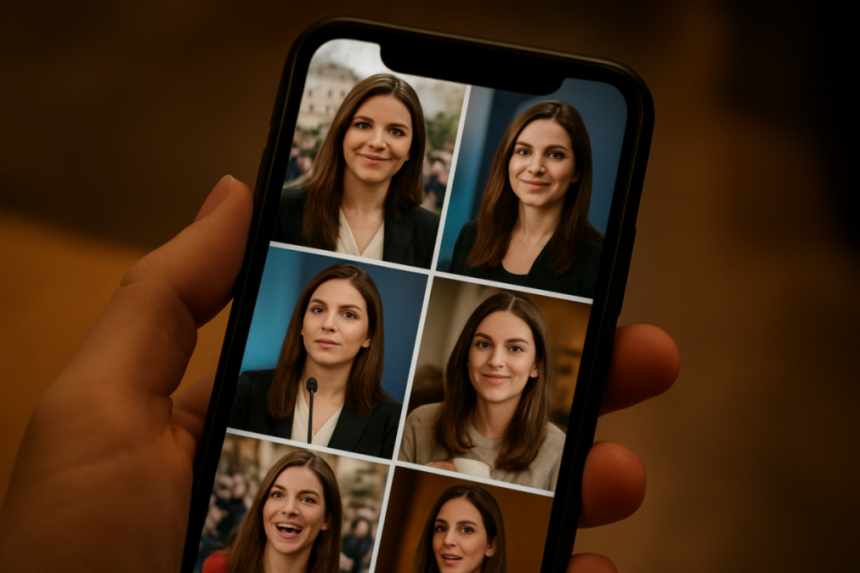
Two-for-one wine made me brave enough to tell my date he was not the man in the photos. He confessed the face belonged to his cousin. Then the catfish ghosted me before I could ghost him.

His profile said airline captain, six foot two, flies to Tokyo weekly. The man who stood up was five foot six, fifteen years older, and wearing a sunglasses kiosk polo. His name was Gary.

Deception on the scale these catfishing stories describe takes enormous administrative effort, and that is usually where it fails. The accounts here rarely turn on a dramatic confrontation. They turn on a hotel that closed in 2015, a sibling who is mentioned twice with two different names, a photograph containing a road sign in the wrong country. Narrators describe knowing for weeks before acting, which is the part readers find hardest to accept and which fraud investigators would recognise immediately — sunk cost applies to feelings as reliably as to money. A striking number of these reports end without confrontation at all. The account is deleted, nothing is said, and both people continue as if nothing happened.
The abrupt exits are gathered at ghosted, and the platforms that make all of it possible under online dating. Jurors are markedly less forgiving of catfishing accounts in which the narrator comes out of it looking clever. The ones that get believed are the ones where the writer says plainly how much they wanted it to be true.
Some deception stories come straight from real experiences, while others get embellished in retelling. On this site, you can read first‑person accounts and then see how the reader jury votes on whether they believe each one really happened. That crowd reaction helps you gauge how plausible a story feels without claiming any official verification.
People fake identities for many reasons: boredom, loneliness, insecurity, revenge, or to get money or gifts. Some like the control or fantasy of living as another person. When you read the stories here and see how the jury responds, you’ll notice patterns in motives and behavior that come up again and again.
It’s common enough that most dating platforms warn users about impersonation and scams. Many people experience mild forms, like edited photos or age lies, while a smaller number encounter full-blown, long-term deceptions. The volume of tales on this site—and how the jury weighs in—shows that it’s not rare, even if each situation is unique.
Red flags include refusing video calls, giving excuses to avoid meeting, inconsistent details about their life, and photos that look too perfect or are hard to verify. Overly intense declarations of love or emergencies that suddenly require money are also common signs. As you read the narratives here, pay attention to the early clues the storytellers missed, and how the jury reacts to those.
Start by slowing down the conversation and asking for simple, verifiable proof like a live video chat or a photo doing something specific. Avoid sending money, gifts, or sensitive information, and consider blocking or reporting the account if the person dodges basic verification. Comparing your situation with the stories and jury comments here can also help you sanity‑check what you’re seeing.
Emotional investment can make people ignore red flags, especially if they’re feeling lonely or finally “seen” by someone. The fear of being wrong, embarrassment, or hope that the person will turn out to be real often keeps them engaged. Many storytellers here describe exactly that tug-of-war, and jury votes sometimes split over whether they should have walked away sooner.
Yes, not every deceptive profile starts as a deliberate long con. Some people begin by using old photos, changing small details, or hiding key facts, and the situation slowly escalates into a bigger lie. Stories like that appear on this site, and the reader jury often debates where the line is between insecurity, mistaken choices, and outright manipulation.
Real accounts show you concrete patterns: how the first messages sounded, which details didn’t add up, and what finally exposed the lie. When you see how the jury evaluates each story, you get a sense of which behaviors most readers now recognize as suspicious. That pattern recognition can make you more cautious and confident in your own digital relationships.