
When My First Date Turned Into a Comedy of Errors and Instant Karma
A first date with all the wrong moves, messy drinks, and unexpected surprises—proving sometimes instant karma delivers its funniest lessons.
These are the most embarrassing moments people finally admitted to: cringe stories and embarrassing moments in public, told years after the fact. Everyone has a story they’d rather forget: cringeworthy slip-ups, social slipstreams, workplace blunders, family fiascos, and public slip‑ups that still make people wince years later. On this tag/embarrassing page, you’ll find first-person confessions of awkward encounters, social misfires, epic fails, and sheer facepalm chaos, all told by the people who swear they lived through them. Romantic disasters, party mishaps, neighbor drama, wedding slip-ups, and everyday mortification pile up into a bingeable archive of human oops‑moments and second‑hand shame.
Each story here is a personal tale, not a verified report, and every account is put to the test by the reader jury. After you read, you decide: does it sound like a real-life cringe story, or is it too over-the-top to be believed? Dive in, cast your vote, and see how your verdict compares.
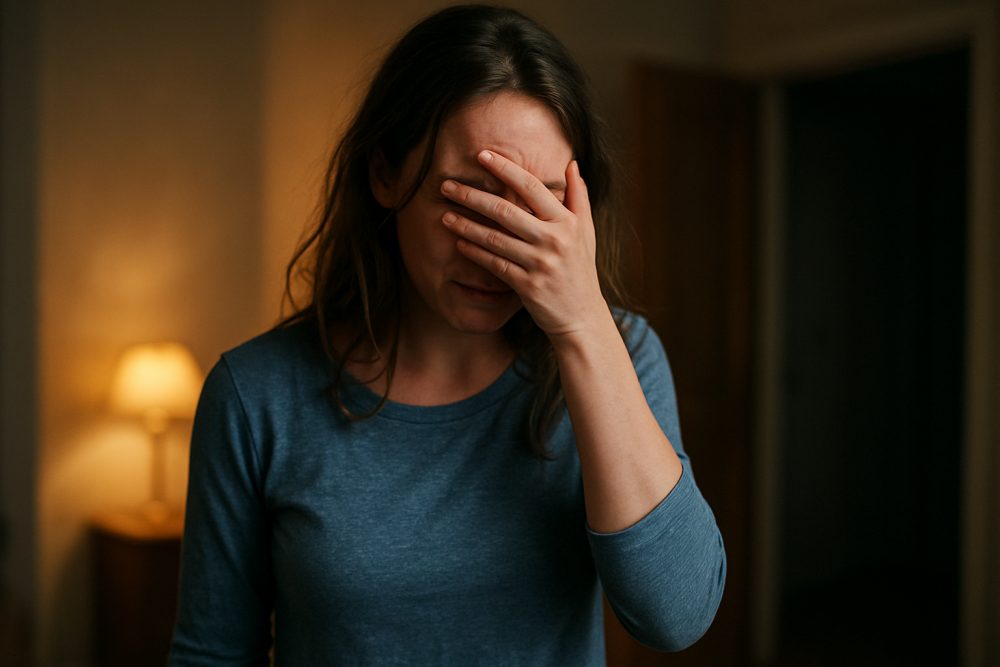
A first date with all the wrong moves, messy drinks, and unexpected surprises—proving sometimes instant karma delivers its funniest lessons.
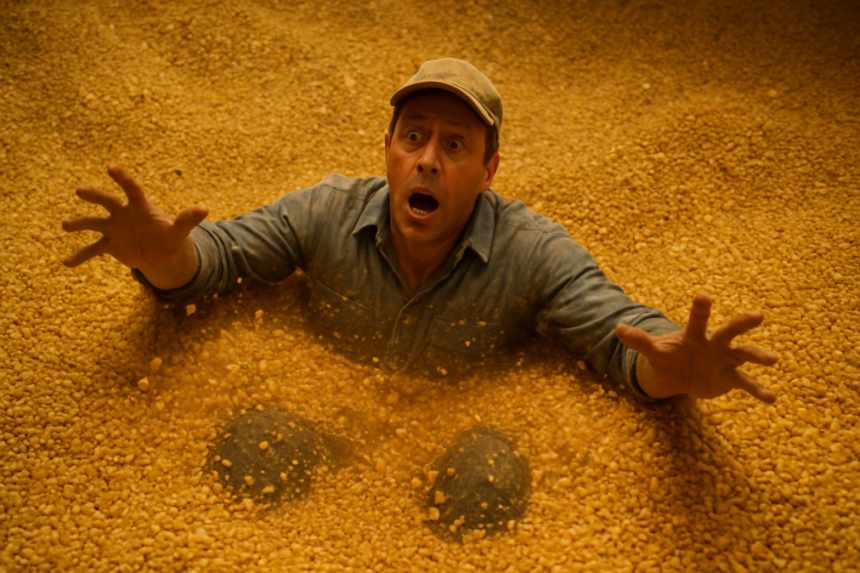
I laughed at the safety rules after a boozy lunch, then needed every one of them to survive.
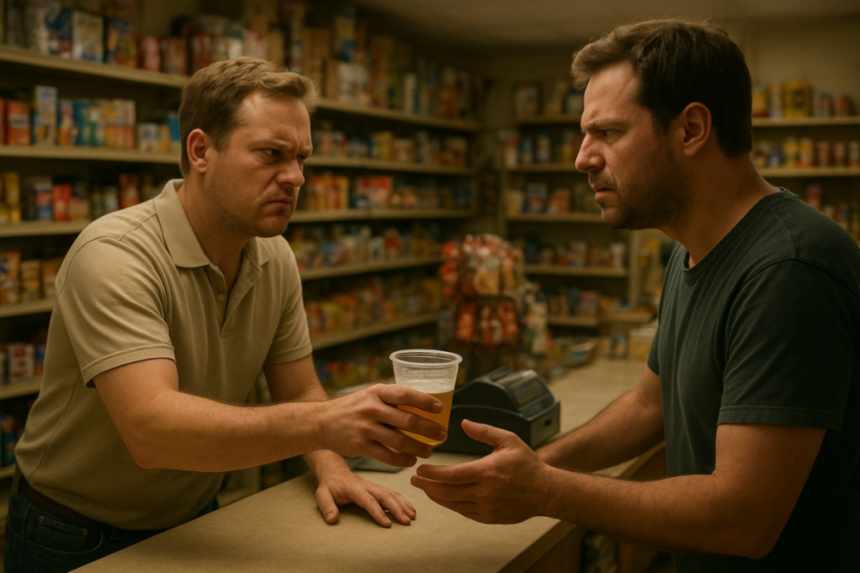
A pushy customer kept underpaying and demanding full service, sparking a string of absurd counter arguments at the register that turned into pure chaos.
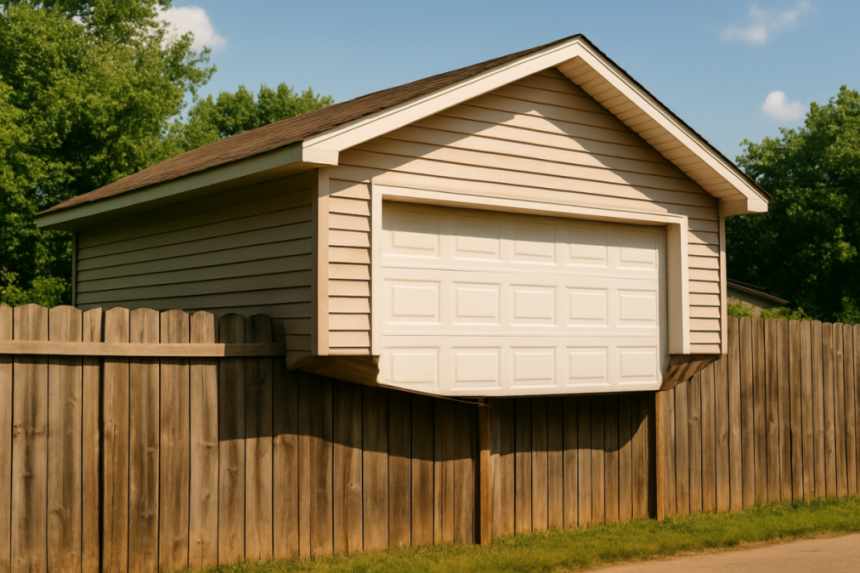
A neighbor reported my brand-new fence as six inches over the property line to force me to tear it down. The survey he demanded found that his own garage had been on my land for years.
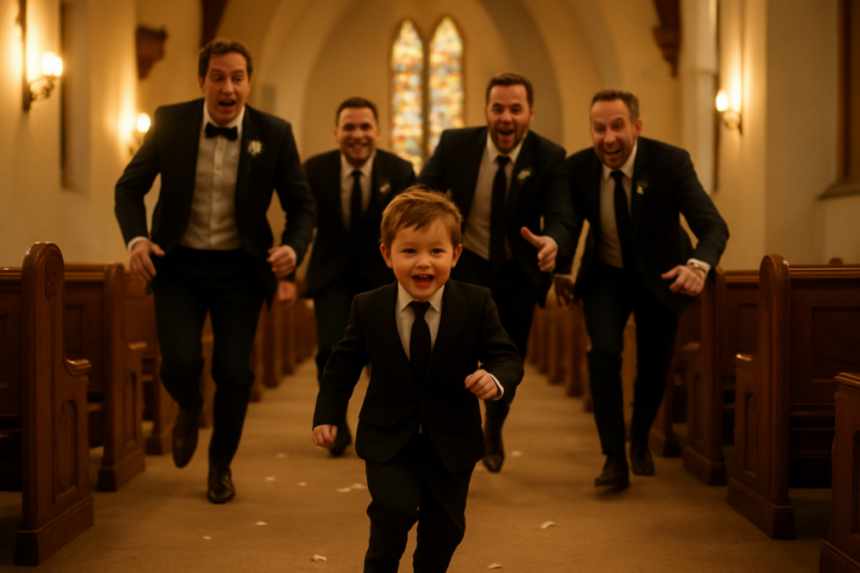
My four-year-old nephew had one job: carry the rings down the aisle. Instead he spotted the cake, changed course at full speed, and held an entire wedding hostage for the rings.
On my first week I raised my hand in the all-hands, thanked my manager for her help, and finished with "thanks, Mom." Forty people heard it. She has never let it go, lovingly.

I had a bad night, a few too many drinks, and a phone. I woke up to forty pizzas arriving at my door in waves and a very confused, very patient delivery driver.

My roommate ate my labeled groceries for a year and denied it every time. So I made him one special batch of very clearly labeled leftovers, and let his own confidence do the rest.

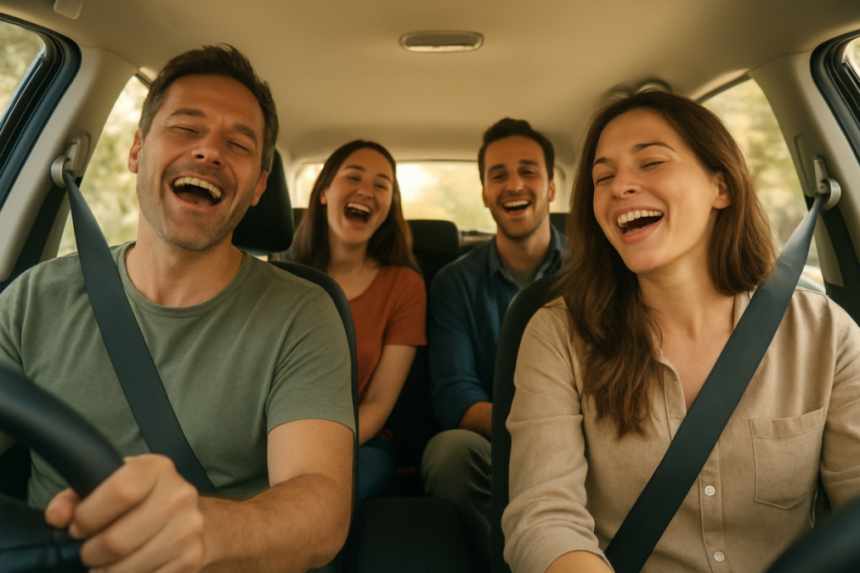
On a big family road trip we stopped for gas, everyone shuffled seats, and we pulled back onto the highway. Ninety miles later a very calm phone call asked where everybody went.
New in town, I took a babysitting gig, walked into the unlocked house at the right address, and looked after two kids for thirty minutes before the actual parents came home.
I was the new agronomist. It was my first farm visit. I had polished shoes and a clipboard and an opinion.
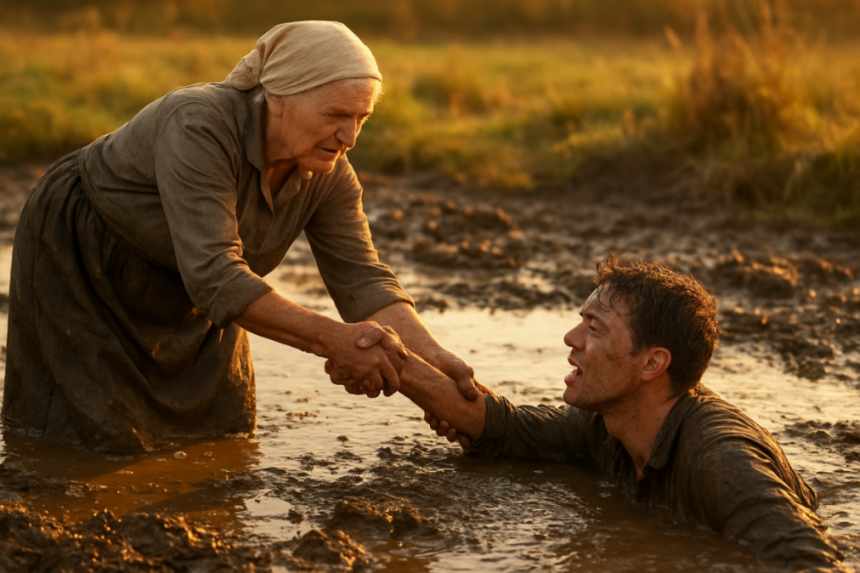
I was in a supermarket in another country. I stood in the frozen aisle for nine minutes listening to my best friend get married.
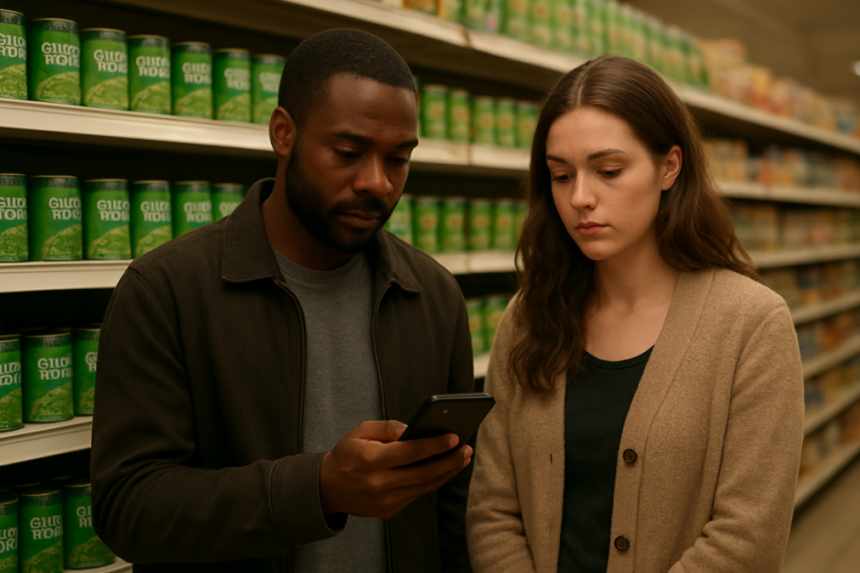
By a system. A good system. Nobody could find anything for two days, and then we kept it.
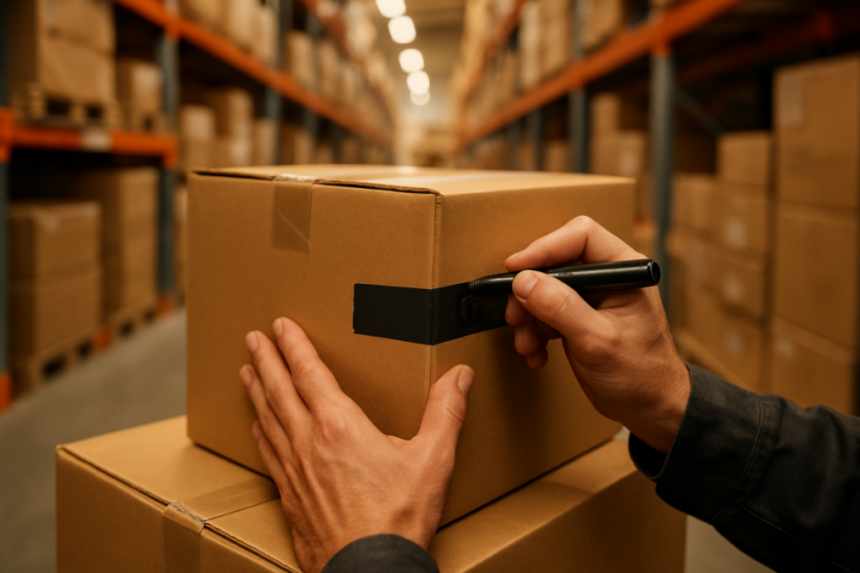
I told them in year one. They kept sending it. Last year the photo had an empty chair, and I cried at a bus stop.

It was meant for my sister. It went to Derek, 58, in operations, who has a moustache and a fishing boat.
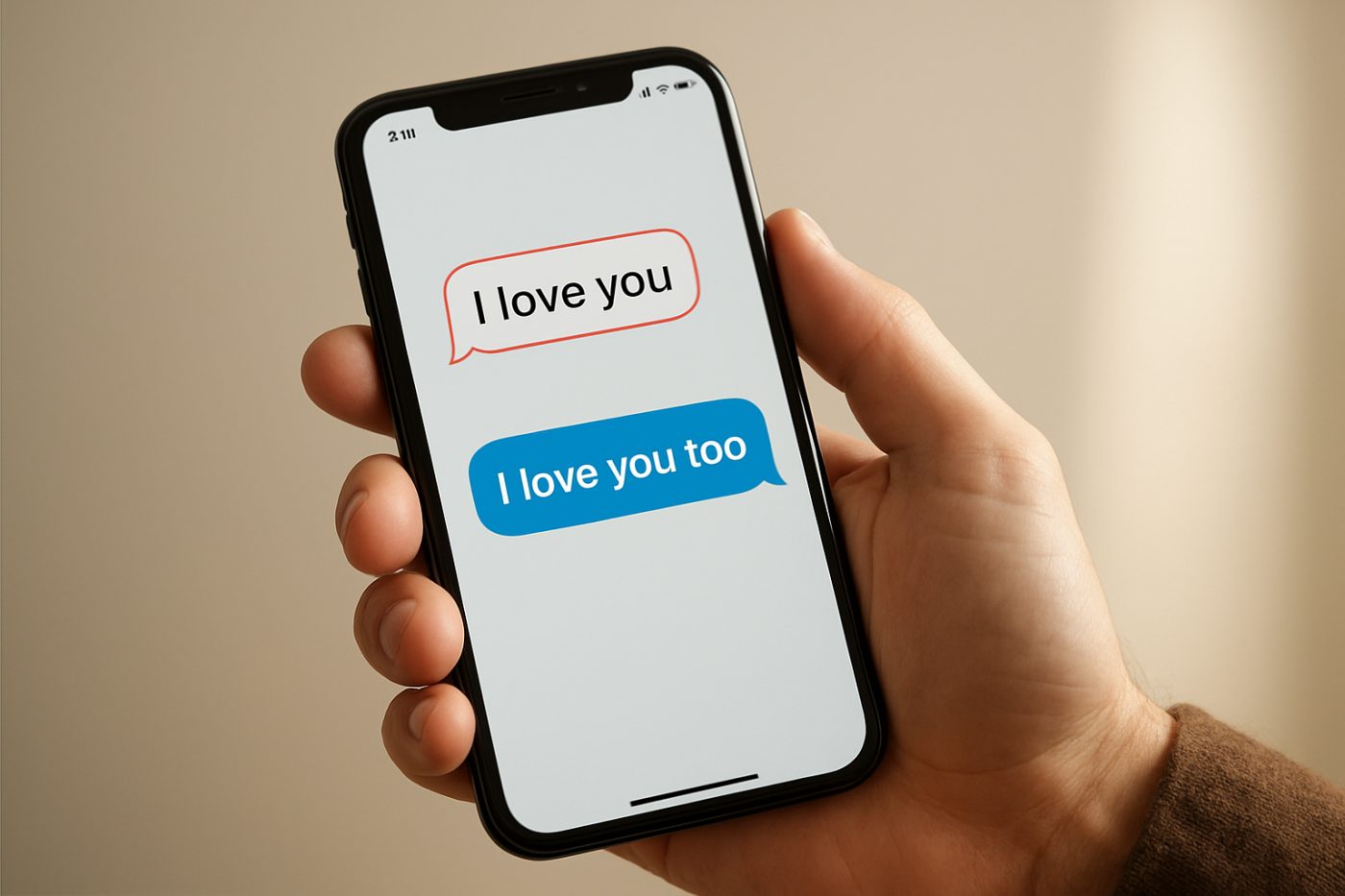
I meant to text one friend privately to complain about a plan. I sent it to the group chat that contained every single person the complaint was about. Then I watched the typing dots.
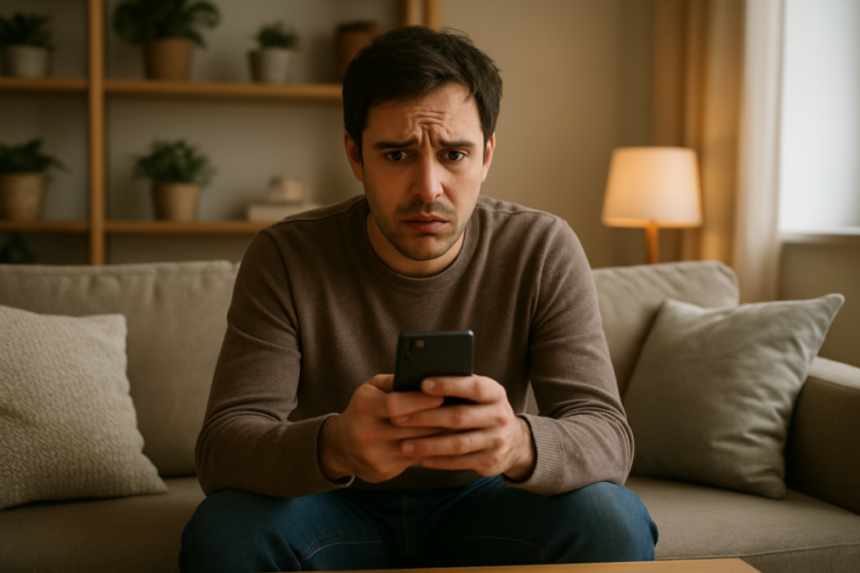
A colleague copied my entire analysis, put his name on it, and presented it to the executives as his own. He did not know I had left one deliberate mistake in the version I shared with him.

I thought my camera was off during the big video call, so I did some things you do when you think nobody is watching. Ninety people were watching. In grid view.
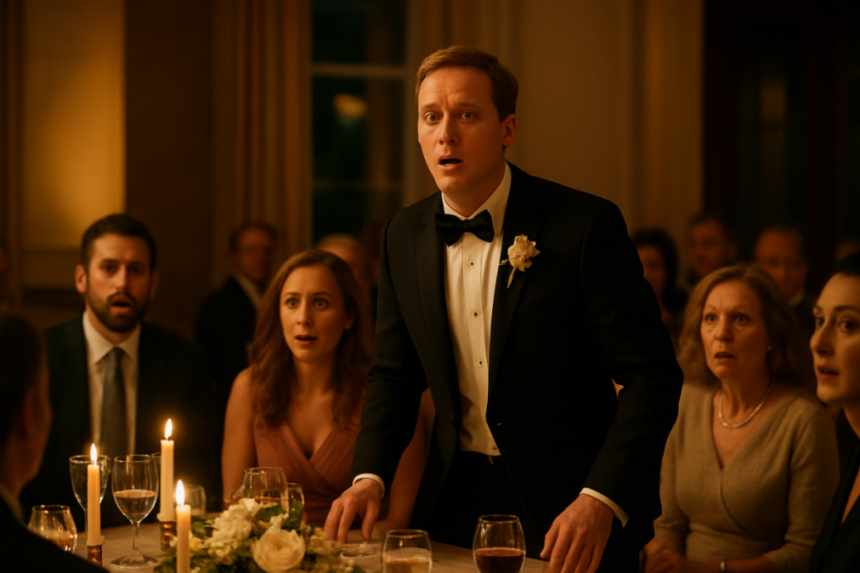
The maid of honor stood up, raised her glass, and confessed, into the microphone, that she and the groom had been together three weeks earlier. The couple was not yet legally married. They never became so.
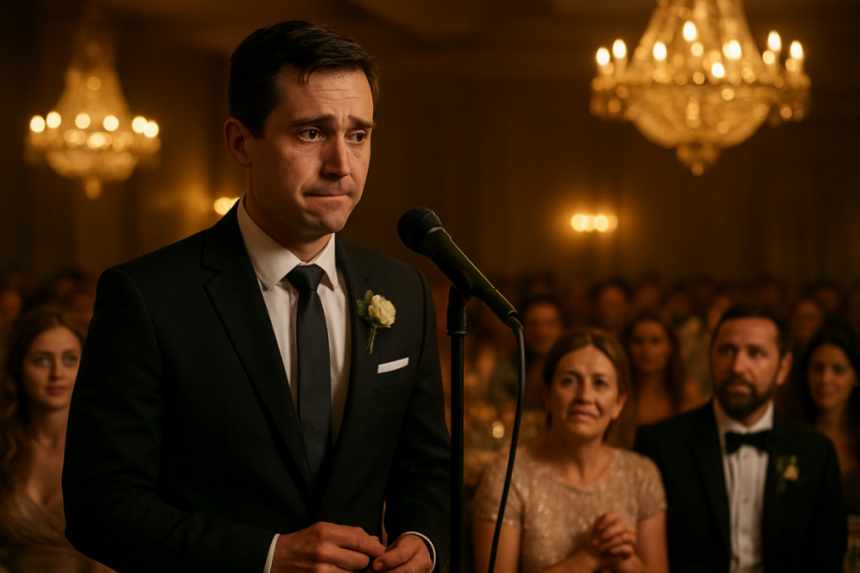
At my cousin's wedding the best man gave a beautiful, tearful toast to the groom and his lovely bride, and used the name of the groom's ex-girlfriend. Twice. Into the microphone.
Cringe stories need distance before anybody is willing to write them down. Very little here is fresh. The average submission describes something that happened between five and fifteen years ago, which is roughly how long it takes for a memory to stop being a wound and start being a story. You can hear the transition in the prose — the pacing gets better, the self-deprecation gets sharper, and the narrator starts including the detail that makes them look worst. What none of them can tell you is whether anybody else remembers. Psychologists call this the spotlight effect, and it is the quiet subject of nearly every account on this page: the writer has carried something for a decade that four other people forgot by Friday.
The full category sits at funny and embarrassing stories, and the subset that unfolded in front of colleagues is filed under work fails. Jurors here are not really voting on the supernatural, so the test changes: they are asking whether a real person would have said that sentence, in that room, at that speed. Too neat a punchline and the whole thing goes down as invented.
On this site, every story is written in the first person and presented as something the author says actually happened to them. The reader jury then votes on whether they believe it’s true or not, so you can see how convincing each account feels to others. No one can verify every detail, but the voting gives a good sense of how believable the community finds each tale.
Most cringe-worthy episodes come from normal things like miscommunication, bad timing, or nerves getting the better of us. Because daily life is full of other people, noise, and distractions, mistakes and misunderstandings are inevitable. Reading user stories and seeing how the jury responds can show how common these slip-ups really are.
Yes, it’s very common to ruminate on social slip-ups, because our brains are wired to care about how others see us. Over time, the sharpness of the memory usually fades, especially when nothing truly serious came from it. Seeing similar stories here (and how often the jury believes them) can help you realize almost everyone has their own version of that moment.
It can help to remind yourself that other people tend to forget your mishaps much faster than you do. Reframing it as an amusing story you might someday share—and comparing it to the wild situations you see on this site—can reduce its emotional sting. If it still feels overwhelming for a long time, talking it through with someone you trust is a good next step.
Many writers find that turning a mortifying event into a narrative gives them a sense of control and even pride. Sharing with strangers can feel safer than telling people you know, and seeing the jury respond, comment, and vote can be validating. It also helps others feel less alone about their own social disasters.
Usually they feel worse than they actually are because we focus on ourselves more than others do. In most of the stories here, life goes on quickly after the incident, and the main “consequence” is just a funny tale to tell later. The jury votes often reflect that readers see these as human, relatable blunders rather than life-ruining events.
Those kinds of slip-ups are extremely common; most people can name at least one similar story from their own lives. The variety of submissions on this page—from workplace mix-ups to family chaos—shows how often these things crop up in everyday situations. When you see how many such tales get posted and judged by the jury, it’s clear you’re far from alone.