
The Steamer Trunk in the Attic Had a False Bottom
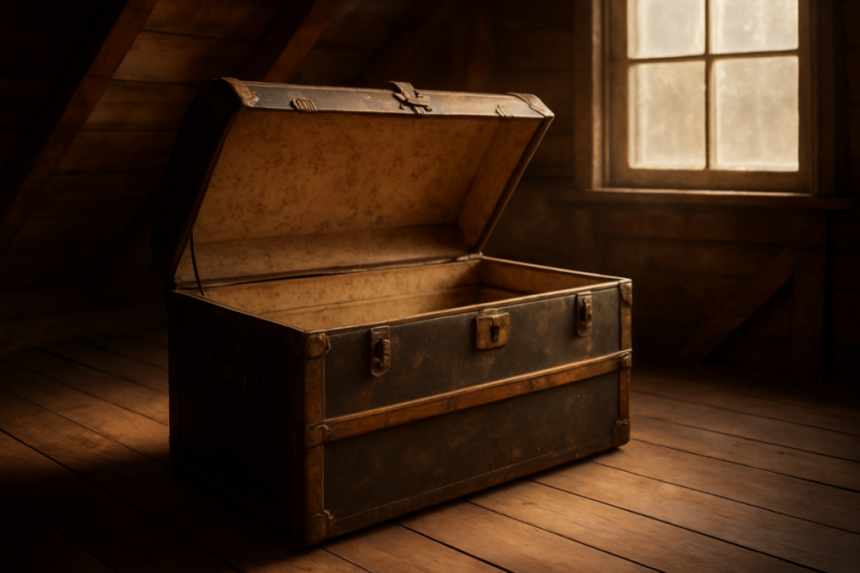
The old trunk had been in our family for a century and everyone said it was empty. It was not empty. Under a false floor were letters that explained the thing we never spoke about.
In this corner of the archive, family secrets, old letters found years too late, long-buried notes and timeworn correspondence collide with eerie coincidences and impossible timing. You’ll find true-sounding first-person accounts sparked by a yellowed envelope in a trunk, a hidden message stitched into a coat, a postcard that arrives decades late, and heirlooms that seem to carry a memory — or a warning. Each narrator swears their story is real, but nothing here has been fact-checked or confirmed beyond their word.
Every narrative on this page is put before a reader jury, and your job is to decide: convincing confession from the past, or crafted fiction dressed up as a found letter? Read the stories, follow the clues tucked between the lines, and cast your vote on what you believe really happened.
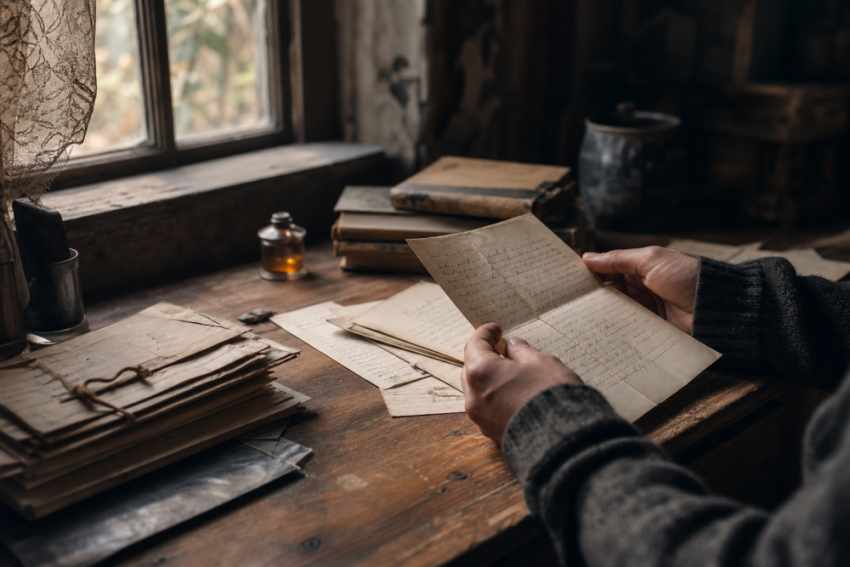
The old trunk had been in our family for a century and everyone said it was empty. It was not empty. Under a false floor were letters that explained the thing we never spoke about.
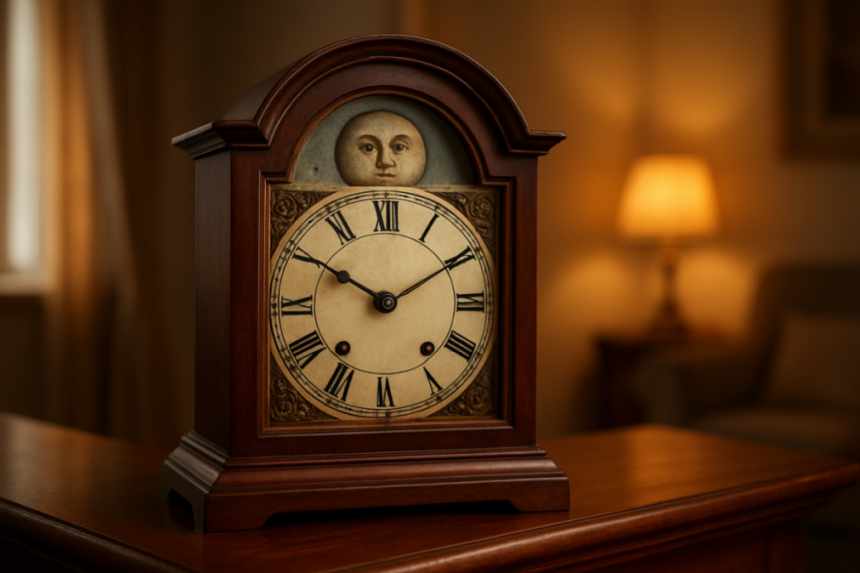
Our family clock has stopped four times in my life. Each time, someone died within a day. I found the maker's note tucked behind the face and now I understand less than before.
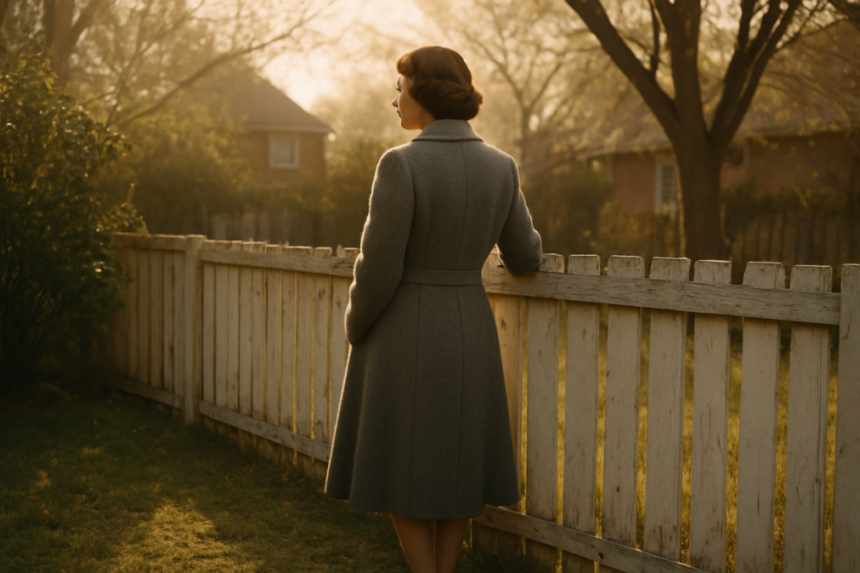
For eighty years my grandmother wore the same gray wool coat and never let anyone take it to the cleaners. When she died we found out why -- there was a letter stitched inside the hem.
Four generations of brides in my family have lost their wedding rings within a year. My mother thought it was carelessness. An old letter suggested it was a promise being kept.
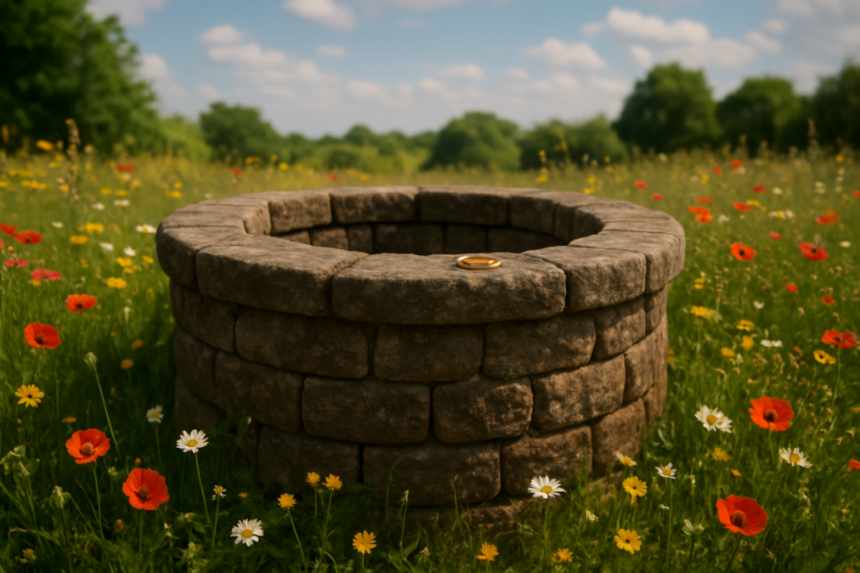
Grandma insisted our old farmhouse kept its own accounts -- that it was kind to some of us and cruel to others for reasons going back generations. An old letter in the wall proved her half right.
A postcard mailed in 1939 turned up in my mailbox last spring, my exact name on it, decades before I was born. My grandmother is the only one who was not surprised.
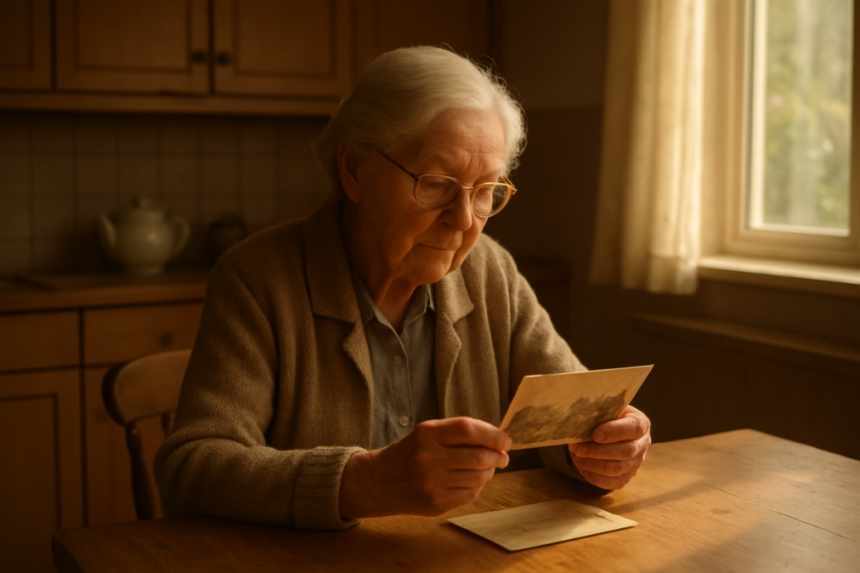
What makes old letters found in a trunk difficult is that almost every find is one half of a conversation. The replies are gone. A narrator is left with four pages in which somebody thanks a person for something unnamed and refers twice to an arrangement that is never described. Most of the accounts here are really about that gap, and about the two or three days spent deciding whether to show the pages to anyone still living. Archivists deal in this constantly and would say the omissions are ordinary — people writing to each other rarely explain what both of them already know. The families reading them afterwards seldom find that reassuring.
Papers that turn up in somebody else's house are filed under estate sale finds, and the cases where a letter turned out to be right about a parent are collected in family secrets. Transcribe the awkward bits when you submit one of these. A story that quotes a sentence it does not understand reads far truer than one that has worked everything out.
Each story is told as a first‑person account, and the site doesn’t guarantee that any particular tale is true. Instead, a reader jury votes on how believable each one feels. Reading the comments and vote breakdown can help you decide what you personally accept as real or embellished.
It’s not universal, but it’s common enough that many families have at least one story about a note tucked into a book, a trunk, or clothing. People used to rely more on handwritten messages and sometimes hid them for privacy or sentiment. The stories here collect those moments, and the jury reactions show how often readers recognize something similar from their own families.
Letters are often kept because they capture a moment in time, a relationship, or a voice that would otherwise disappear. Older generations especially tended to save important or emotional exchanges. When you read the narratives on this page, you can see how those saved pages become anchors for family memory, whether or not every detail is literally true.
Delayed mail does happen, usually because something was misplaced in a building, stuck in equipment, or misfiled and later rediscovered. A delivery many decades late is unusual but not impossible. The jury votes on stories like that can give you a sense of how plausible other readers find each explanation.
First, store it safely so it doesn’t get damaged, and take clear photos or scans. Then decide whether sharing it might hurt anyone who’s still living; you can talk it over with a trusted family member if you’re unsure. Reading how storytellers here handle sensitive revelations—and seeing how the jury responds—may help you think through your own choices.
Most have sentimental rather than financial value, unless they involve a historically notable person or event. Collectors may be interested in certain eras, locations, or topics, but everyday private letters are usually more meaningful to descendants than to the market. The accounts on this site focus on emotional impact, not appraisal, and the jury evaluates believability rather than monetary worth.
Humans are good at spotting patterns, especially around emotional events like deaths, weddings, or moves. When a letter, clock, or ring lines up with something major, we remember it and forget the many times nothing happened. The stories here often highlight those striking coincidences, and the jury’s mixed votes reflect that some readers see fate while others see chance.
Look at the paper, ink, and handwriting style—older materials often age in ways that are hard to fake, like consistent yellowing, fading, and wear. Comparing the writing to dated documents from the same person or period can help. While the site’s jury only judges narrative credibility, archivists and historians use these kinds of clues to assess authenticity.