The Compass Points at Something That Follows
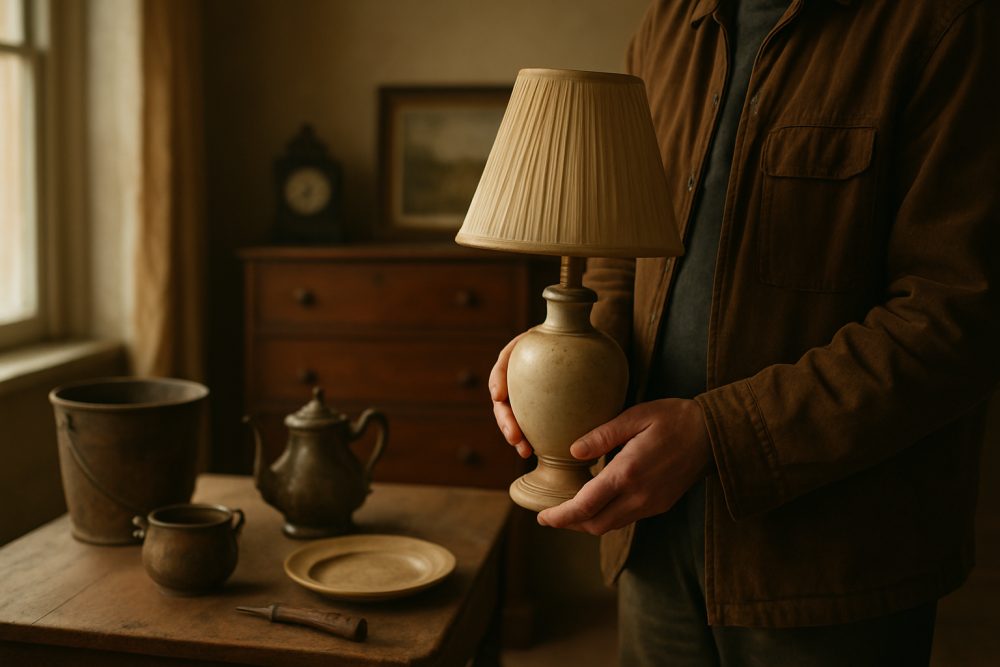
An antique compass from a boot sale doesn't point north. It points at a fixed spot in every room — and when I move, the spot moves with me, always about six feet away, always at my back.
Estate sale finds come out of houses whose owners are gone, and the estate sale horror stories here begin the evening the box is opened at home. Every tale in this corner of the site starts the same way: with someone picking up a secondhand treasure and bringing home far more than they bargained for. From dusty auction box lots and thrift-store shelves to yard-sale bargains and inherited heirlooms, these first‑person accounts follow ordinary people who discover that old objects can carry stubborn memories, shifting reflections, and unnerving patterns that refuse to stay in the past.
Here you’ll find intimate narratives about mysterious antiques, haunted hand‑me‑downs, and vintage pieces that seem oddly aware of their new owners. None of these stories are confirmed or debunked; they’re simply told as they were experienced, and the verdict is up to you. Our reader jury weighs in on each eerie acquisition, deciding what feels believable and what sounds impossible. Dive in, read closely, and cast your vote on every strange find.

An antique compass from a boot sale doesn't point north. It points at a fixed spot in every room — and when I move, the spot moves with me, always about six feet away, always at my back.
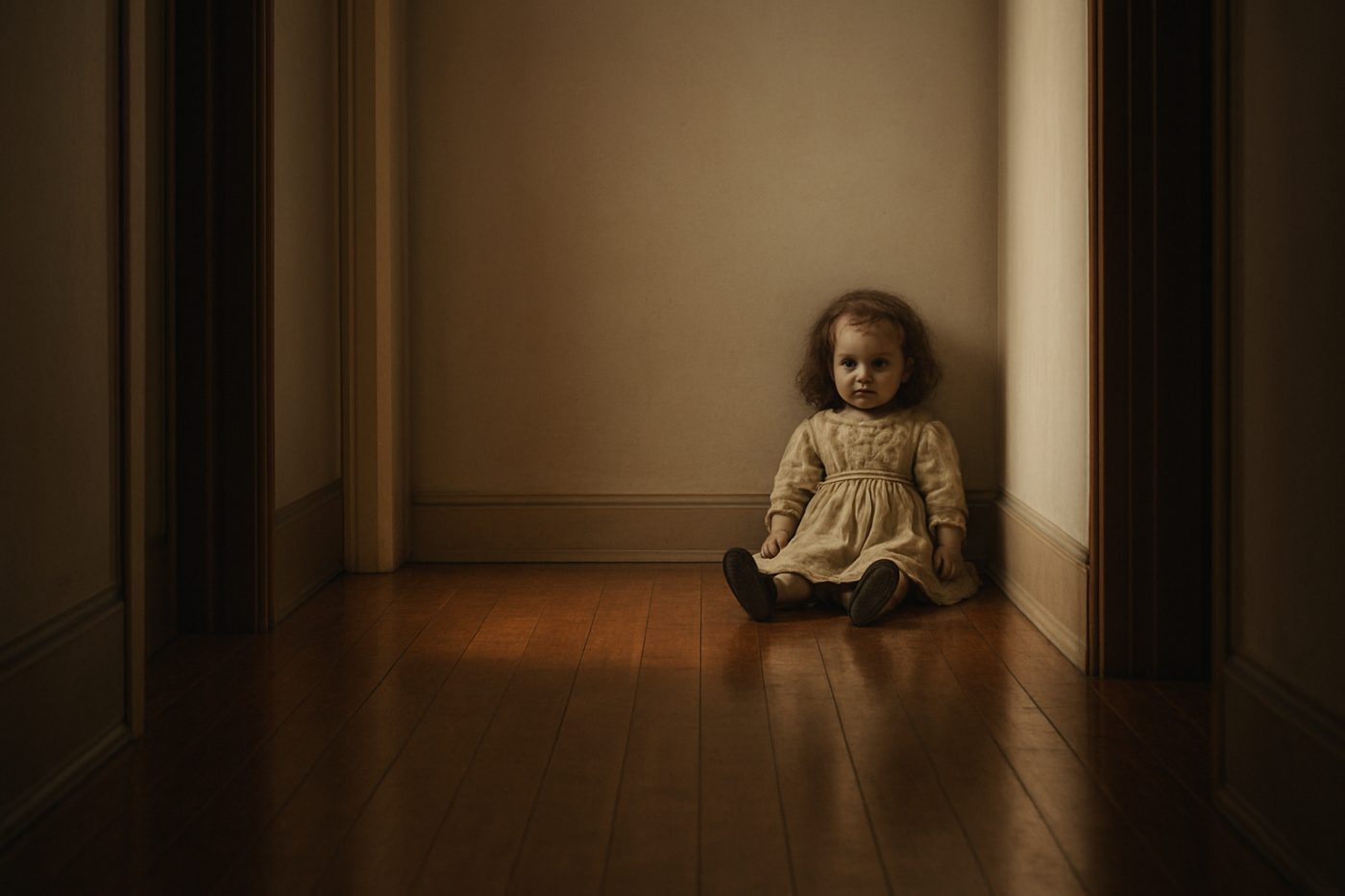
An heirloom doll sits in my mother's hall. At every family gathering it ends up facing one person. We laughed about it for years. We've stopped, because the doll has never once been wrong.
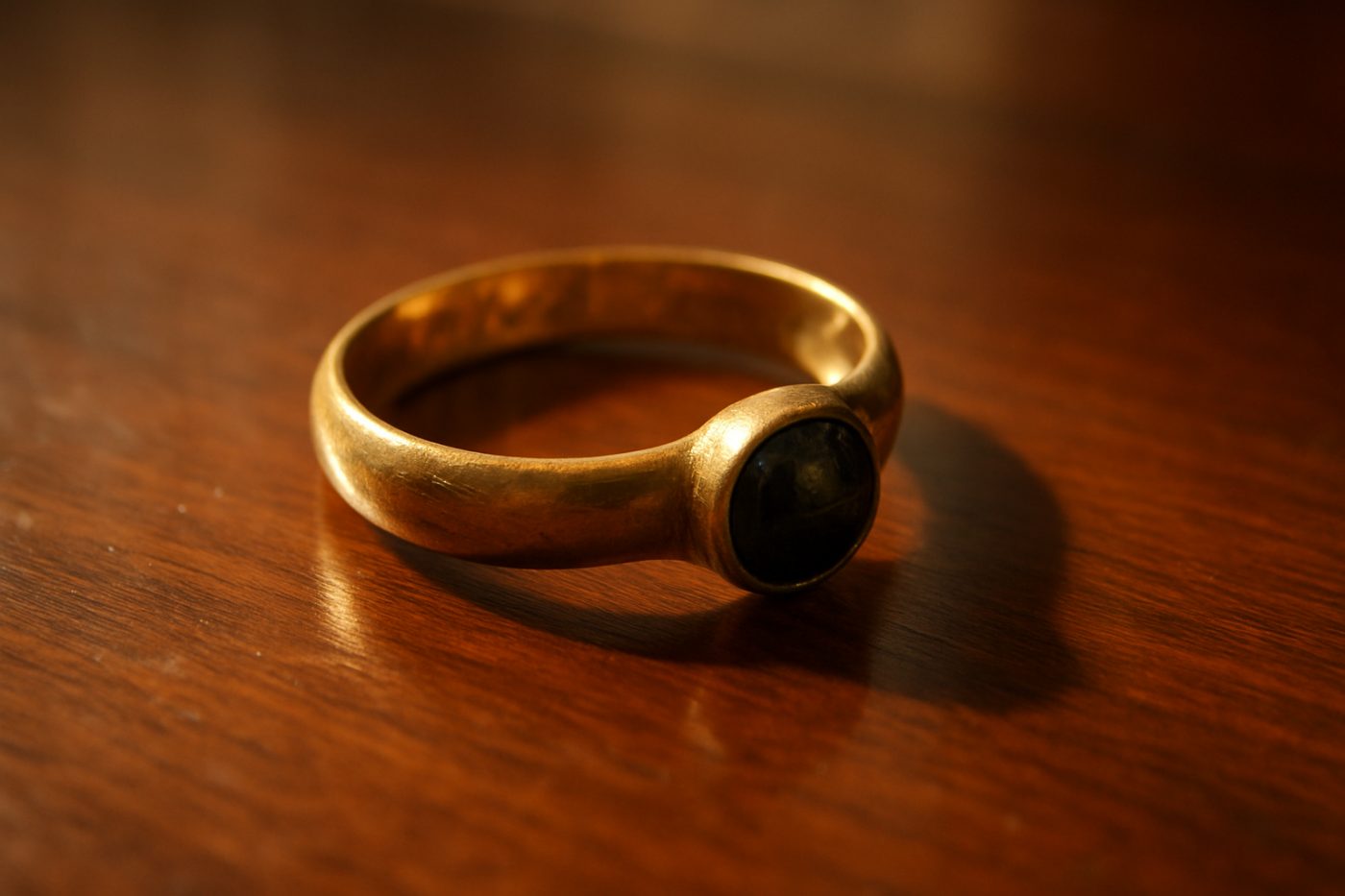
I bought a lovely old ring cheap. I started dreaming of a house I had never seen, more detail each night. Awake, I found myself driving toward it. The ring was engraved inside with an address. Someone was waiting.
Our inherited family Bible lists births and deaths in generations of handwriting. A new entry appeared last month, in ink, in no hand we know — recording a death that hadn't happened yet. It has now.
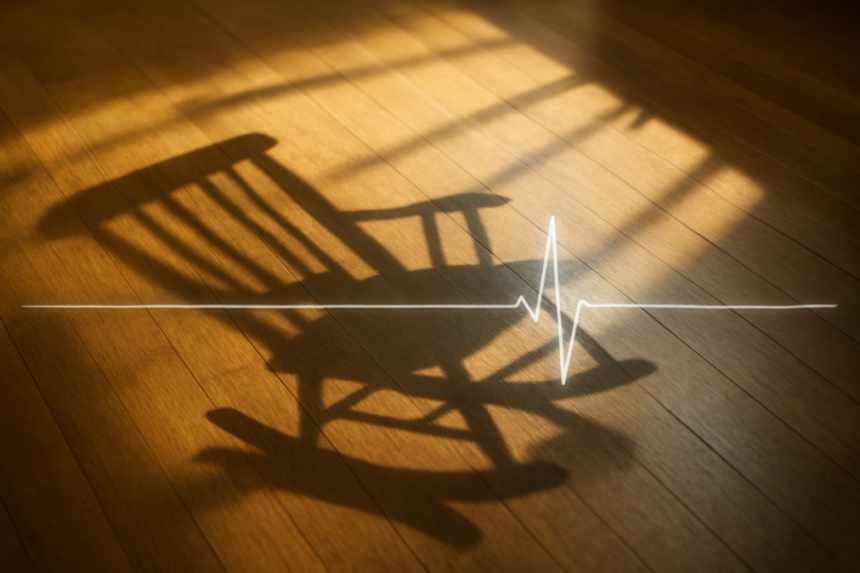
An estate-sale rocking chair rocks by itself — but only gently, only in the evenings, and only, we realised after months, at the exact pace of a heartbeat. A slow, resting, dying heartbeat.
An inherited landscape hangs in my study. Its painted sky changes — clear when it's clear out, storming when it storms — and once, a small painted figure appeared on the road, walking toward the house.
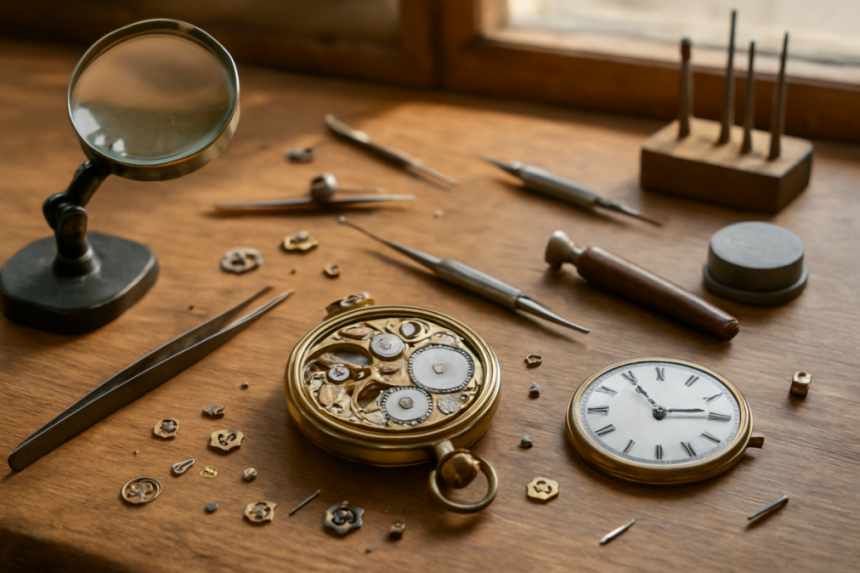
I inherited my grandfather's pocket watch, stopped at his death for forty years. It started when I wore it — and every night at 4 a.m., for exactly one minute, the hands run backward.
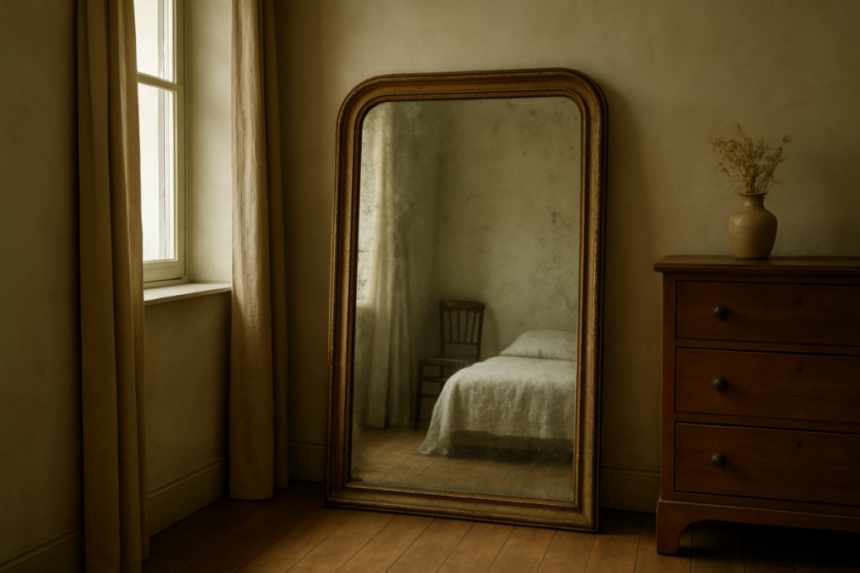
I bought a foxed antique mirror at an estate sale. In certain light it reflects a version of my hallway with different wallpaper — and, twice now, a woman's shape hurrying past a door that isn't there.
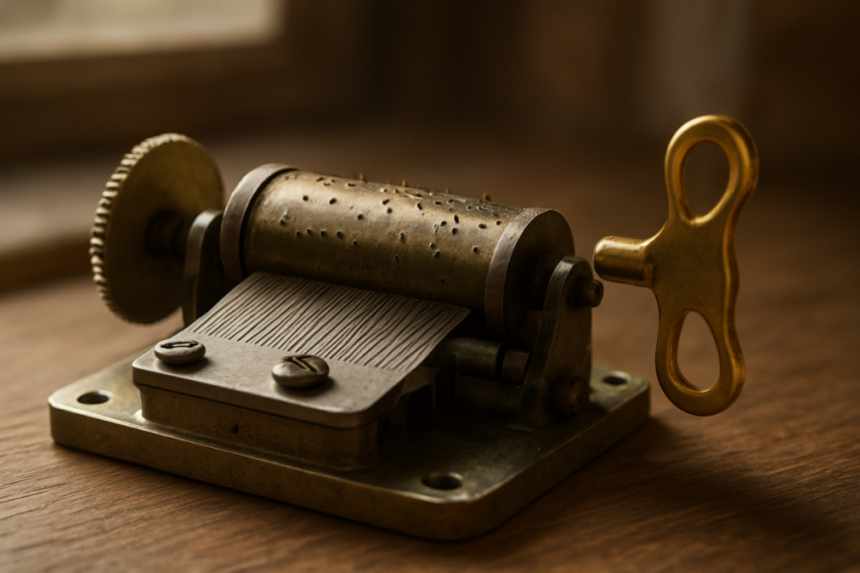
My aunt left me a music box she warned me never to let finish its song. I laughed. It began playing on its own at night, from a locked drawer, always stopping one note before the end, as if waiting for me to let it.
I bought a beautiful old mirror at an estate sale. Movement in it lagged, a heartbeat behind the real room. One night my reflection stayed still after I turned away. I covered it. I still hear it under the sheet.
Estate sale stories are the only shopping accounts on this site that frighten people. What separates this tag from ordinary secondhand shopping is that the seller is absent by definition. You are standing in a hallway with numbered stickers on the furniture, and the person who chose that wallpaper is the reason the sale is happening. Nearly every account registers that discomfort in the first few lines before anything strange occurs at all. Then comes the find: a name written inside a book, a receipt still folded in a coat pocket, a photograph used as a bookmark and never removed. Half the entries here would work perfectly well as ordinary essays about intrusion. The other half take a turn somewhere around the third night.
Items that went on to cause genuine trouble are filed with the cursed objects stories, and the cheaper, luckier version of the same hunt runs through thrift store finds. An estate sale find lands better when the writer says what they paid, what they left behind, and whether they ever tried to trace the family. The accounts that skip straight to the haunting tend to read as if the object arrived without a house attached.
Reports of strange activity around secondhand objects go back centuries, but they’re hard to prove or disprove in a scientific way. Some people attribute odd events to coincidence, suggestion, or the power of a good story, while others are convinced certain belongings hold emotional or spiritual residue. On this site you can read first‑person accounts and check the jury votes to see how many readers believed each one really happened.
Older objects often come with unknown histories, so our minds naturally fill in the blanks, especially when something unexplained happens nearby. Environmental factors, loose parts, drafts, and our own expectations can all create eerie impressions. When you read a story here, the jury’s reactions can help you gauge whether others think it was the object, the setting, or simple chance.
It’s uncommon in the sense that most secondhand buys never cause any issues beyond squeaks or quirks. Still, plenty of people share tales of unsettling feelings, recurring dreams, or coincidences tied to a particular item. The collection of stories on this tag shows a range of those experiences, and the reader voting hints at how convincing each one feels.
Yes, that’s possible, because expectation, anxiety, and suggestion can strongly shape what we notice and how we interpret it. If you’ve just read a chilling account about a mirror or music box, you may be more likely to notice every creak and shadow in your own home. Comparing your reactions to the jury votes and comments can highlight how differently people interpret the same kind of event.
First, rule out mundane explanations: check for mechanical issues, drafts, reflections, or anything that could cause the effect you’re seeing. If it still bothers you, you can store it away, give it back to the seller, donate it, or dispose of it in whatever way feels respectful to you. Some readers here also describe personal rituals or blessings, but those are about comfort and belief rather than proven necessity.
These objects already play with time, reflection, or sound, so any glitch or delay can feel meaningful or supernatural. A mirror that seems “off” or a clock that behaves strangely is easier to notice and narrate than a random chair. That’s why you’ll see them show up over and over in the stories, and why the reader jury often debates whether the item was truly odd or just doing what old mechanisms do.
Immersing yourself in eerie narratives can prime you to notice patterns and anomalies you’d normally ignore, like a ticking that seems louder at night or a draft that moves a door. This doesn’t mean anything new is happening, just that your attention is heightened. If you compare your reactions with how the jury voted on similar accounts, you may see how much mood and mindset can color what we experience.