
The Locket Holds a Photo That Ages
In one sentence: A mysterious Victorian locket reveals a tiny photograph that seems to change as if the woman inside is silently aging over time.
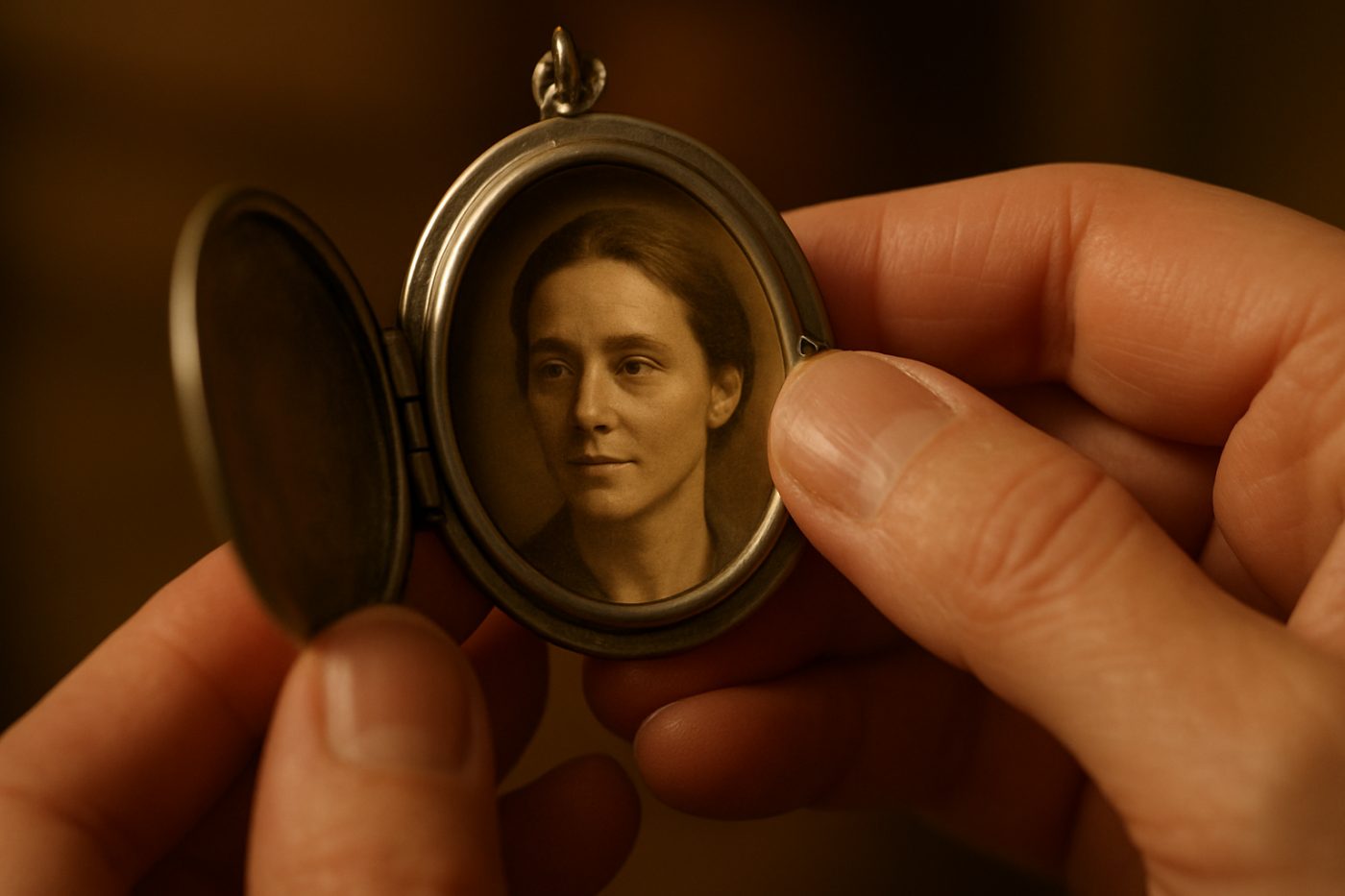
A Victorian mourning locket from a junk shop holds a tiny photograph of a young woman. Over the year I've owned it, the photograph has aged — she is now old, and looking, in the latest change, directly out at me.
* AI Illustration
First impression: judge by the title and the picture alone — you get the real verdict after reading.
Swear It Happened — CASE FILE #194
JURY PENDING
COLD CASE — this file never got enough jurors. Your verdict counts double here (morally).
She was young when I bought it. I want to establish that clearly, because it's the whole of the strangeness. A young woman, early twenties, looking away.
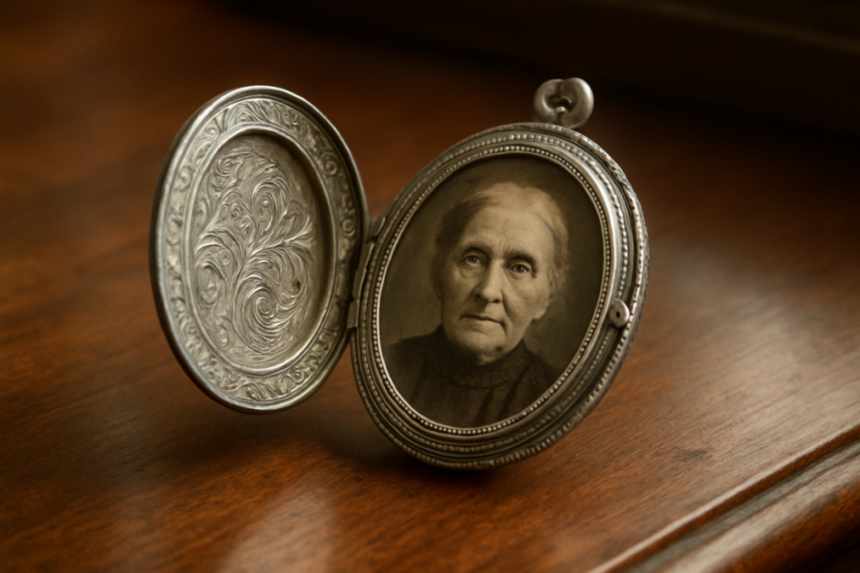
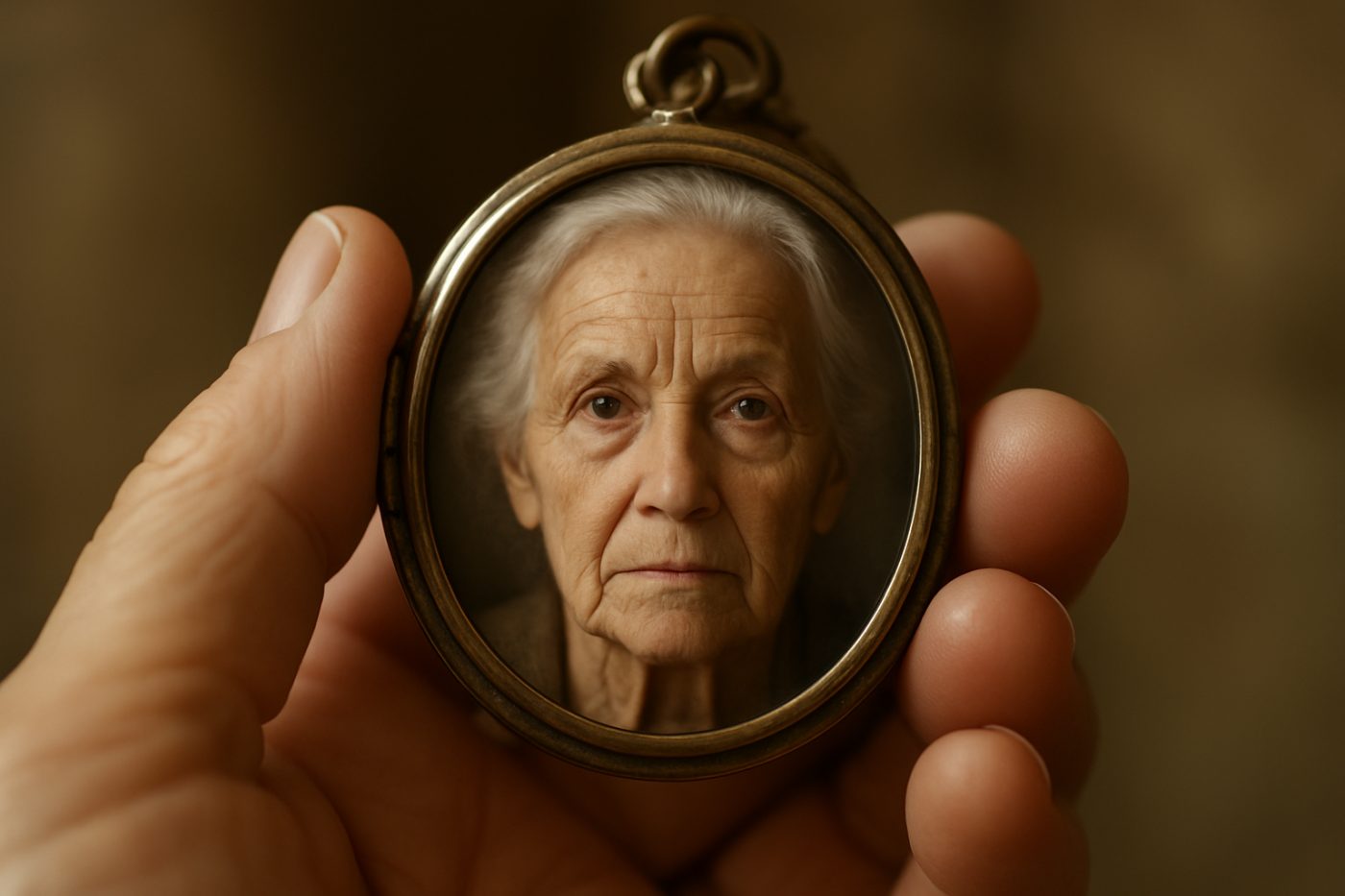
Over the year I've owned the locket, the photograph has changed. Slowly — I only noticed because I looked at it often, drawn to it, opening the locket to consider the sad little face. She aged. The young woman in the tiny photograph grew older, month by month, imperceptibly at any single glance but undeniably over time: her face fuller, then lined; her hair, dark at first, greying; the stiff youthful pose softening into the settledness of middle and then later age. A photograph — a fixed, developed, Victorian photograph, which cannot change, which is chemistry on paper sealed behind glass — showing, over a year, a woman living out her life, aging from twenty toward eighty, in an inch of silver-framed image I keep on my dresser.
I've had it examined, discreetly, by someone who knows old photographs. He confirmed it is a genuine period image, the process consistent with the era, sealed behind its glass in a way that hasn't been disturbed. He could not, of course, explain how a fixed image shows a different, older face than it showed when I brought it in, because that is not a thing photographs do, and he handed it back rather quickly and did not want to see it again.
She is old now. In the year I've owned her, the young woman has aged into an elderly one, and the changes have been coming faster lately, as though her life is running down toward something. And in the most recent change — the one that made me finally write this — she has, for the first time, stopped looking off to the side. She is looking, now, out of the tiny photograph, directly forward, directly, it feels exactly, at me. An old woman where there was a young one, meeting my eyes, from a locket made to mourn a death, and I find I am very afraid of what the next change will be, of what an aged face looks like in the last photograph of a life, of what it means that a mourning locket is showing me a woman age all the way to the end while looking straight at the person holding her.
I've thought about getting rid of it. I can't, quite — it feels like abandoning her at the end of something, like closing a book on a face that's finally looking up. So I keep it, and I look at it less often now, and each time I'm afraid she'll be older, and afraid of the day I open it and the little glass holds not an aged woman looking out at me but an empty chair, or a shrouded shape, or a grave, or nothing at all — the mourning locket, at last, mourning, the way it was always made to.

AI illustrations. Please judge the story itself. About AI images.
Filed by AI — launch archive.
Before you peek: what share of readers believes this story?
50%
No votes yet
Total verdict votes: 0
Guess first! What other readers decided is hidden until you cast your own verdict above — vote True, Fake or Not sure to reveal the community score.
Changed your mind? Read the strongest arguments of the other camp below. If they convinced you — change your verdict (once).
Your new verdict:
Why did you vote that way? Pick up to two:
Noted — thank you, detective.
My case notes (private — stored only in this browser)
Saved in this browser.
True or Fake? — play the detective
How it works: cast your True/Fake verdict above and see whether you matched the reader majority. Then hit "Next case" for a random story and keep your streak going. Solve cases to climb the detective ranks — score and rank are kept on this device only.
Tip: highlight any sentence of the story with your mouse or finger — a small share popup will appear to post that exact quote (with a link back to the story) to X, Facebook, Threads or Reddit.
Something similar happened to you? Tell your version — the jury is waiting. Tell your story
Keep investigating
- More Unexplained Events cases
- More Estate Sale Finds cases
- A case the jury believes: The Music Box Winds Itself the Night Before Bad News
- A case the jury believes: The Doll Faces Whoever Will Die Next
- A case the jury believes: Grandfather's Watch Runs Backward at 4 A.M.
- The full Cursed Objects Stories archive
- Cases the jury cannot settle
Comments (0)
Comments here are case materials: pick a role — ask the author a question, or file your evidence FOR or AGAINST the story — and it lands in the right column. Upvote the sharpest comments: the best one is pinned on top as the Top Detective Comment. Questions get answered by the story's author in person — look for the AUTHOR badge.
No comments yet. Be the first!