
We Were Holding Station Off North Sentinel When The Sea Went Flat
A cable ship engineer describes the disc-shaped object he watched at first light off North Sentinel Island in spring 2026, photographed from outside the exclusion zone.
Unexplained events are the hardest thing on this site to file, and the strange but true stories gathered under this tag are the proof. Not every strange experience comes with a label. This tag collects the orphans — single anomalous moments that their witnesses could never classify, only describe. Sometimes a commenter finally names what happened; sometimes nobody can.

A cable ship engineer describes the disc-shaped object he watched at first light off North Sentinel Island in spring 2026, photographed from outside the exclusion zone.
Three ecologists on a night bat survey watched a soundless object cross the moor. Their instruments recorded eleven minutes of complete silence.
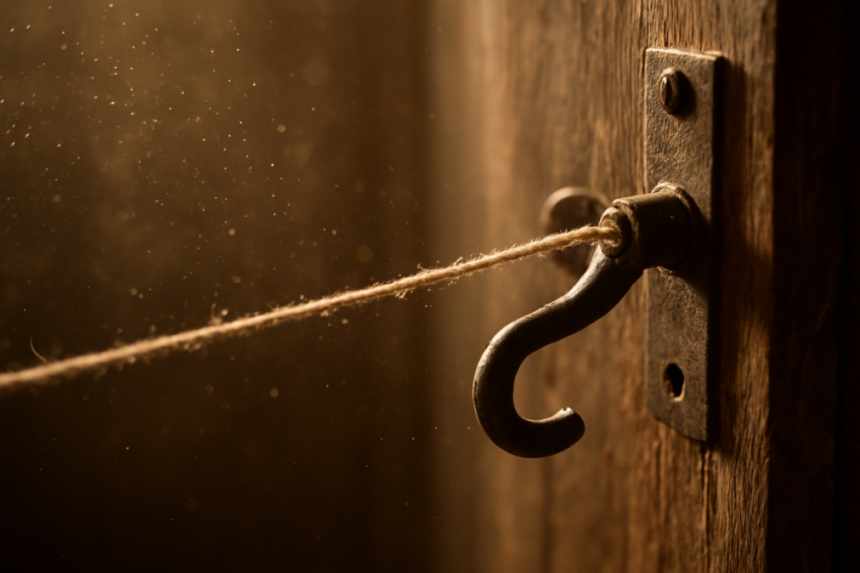
The math said I couldn't afford to move, so I stayed and ran experiments instead: flour on the floor, thread on the latch, a cheap camera on the doorframe. My landlord never once came in while I was out. The marks measuring my height went up anyway.
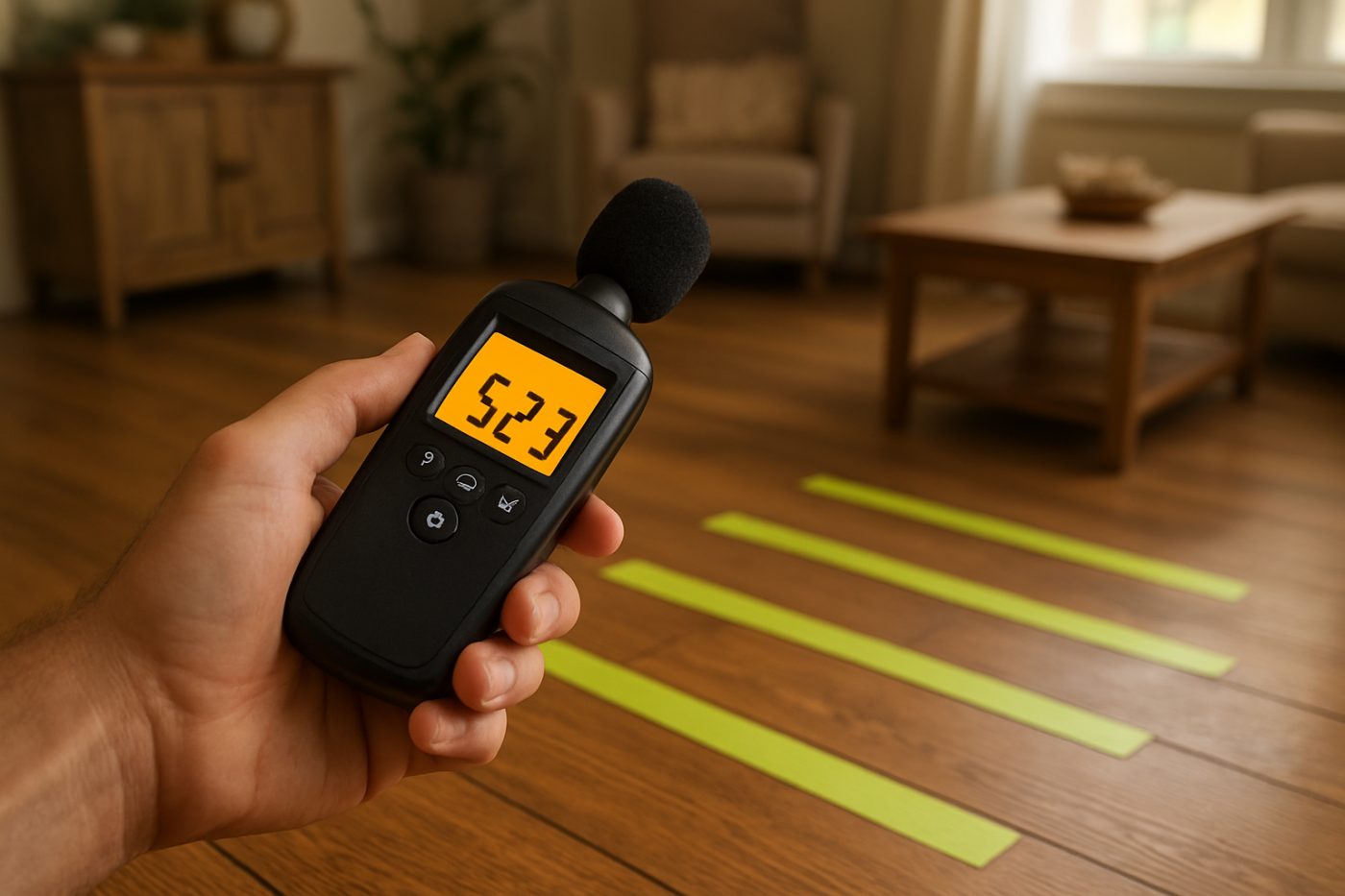
We bought a 1911 Michigan farmhouse and I renovated it with a spreadsheet in one hand. Then rooms started eating sound mid-sentence. I mapped the dead spots with painter's tape and a borrowed decibel meter, and the map drew a floor plan that isn't ours.
A charity-shop wind-up radio only receives one thing: news bulletins from the day before. I laughed it off until it reported, yesterday-dated, an accident on my road — and I kept my son home from the school run.

For months something in our flat threw things and slammed doors — until the week we decided, in private, to move out. Then it changed: it started, gently and unmistakably, helping us pack.

Night shift on a modern motorway toll. A car paid with an old paper ticket from the original bridge — the one that collapsed, with cars on it, the year I was born. The driver thanked me by a name I've never used.

Every morning for a week after my sister died, the same three words appeared in the steam on my bathroom mirror as I showered — in her handwriting, which loops the way mine never has.

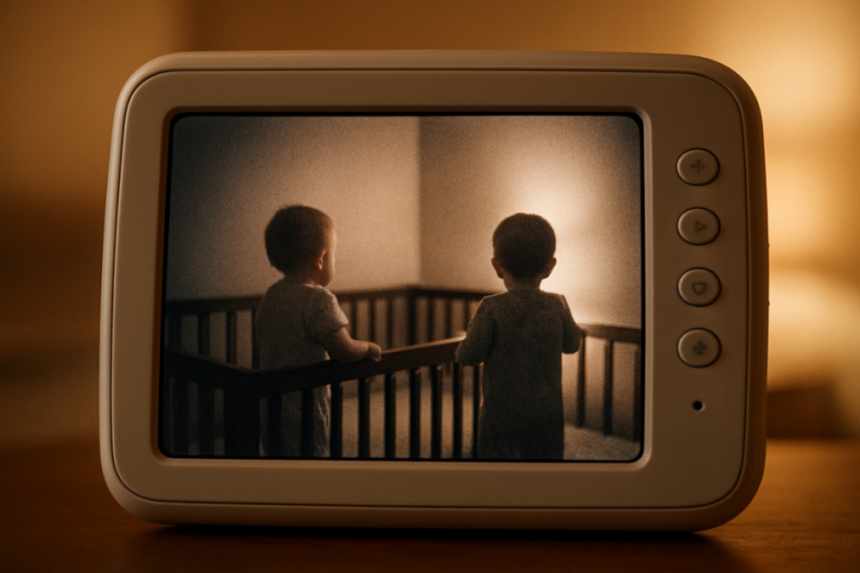
Our twins invented a private language, as twins do. But the baby monitor caught them using it at night to talk to a third voice — an adult voice, in the same language, from the empty half of the room.
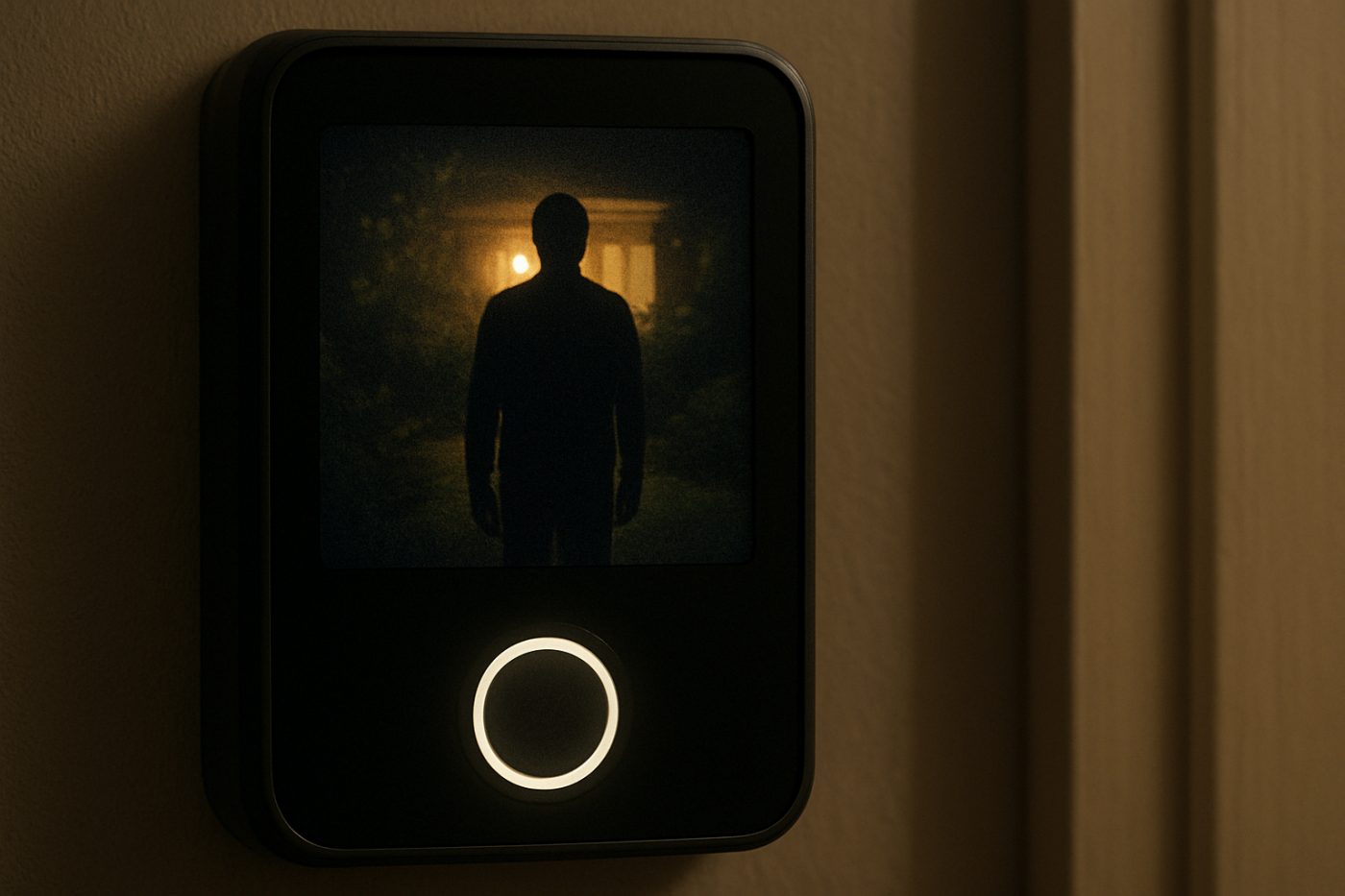
Reviewing my own doorbell camera after a bad feeling, I found six nights of footage: a man standing motionless in my garden at 3 a.m., facing the house — and on two nights, facing the bedroom I was in.
Reviewing the professional wedding film, the couple counted a figure at the back of every wide shot — a woman in grey, in every scene, whom no guest, no family member, and no photographer can identify.
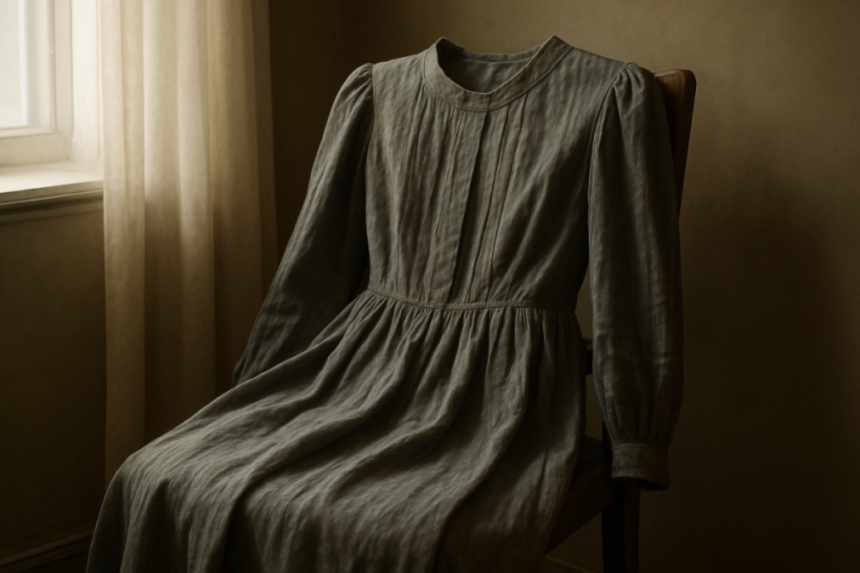
A man tapped my shoulder in a foreign airport, held out my late father's watch, and said 'you dropped this in Rome.' I had not been to Rome. I checked my wrist. The watch was on it.
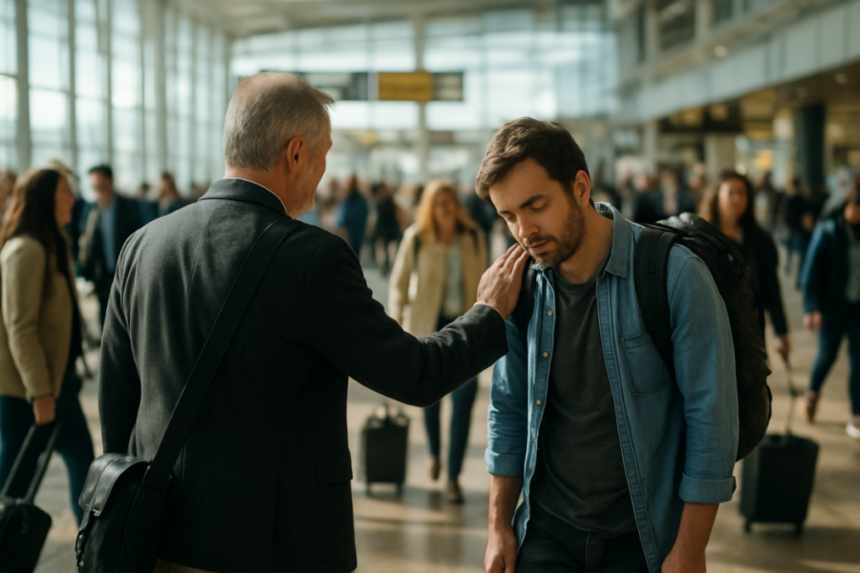
In a routine work meeting, I realised I'd sat through it before — every point, every interruption, Priyanka's spilled coffee. So I tested it: I predicted, in a note, the last thing my boss would say. Exactly right.
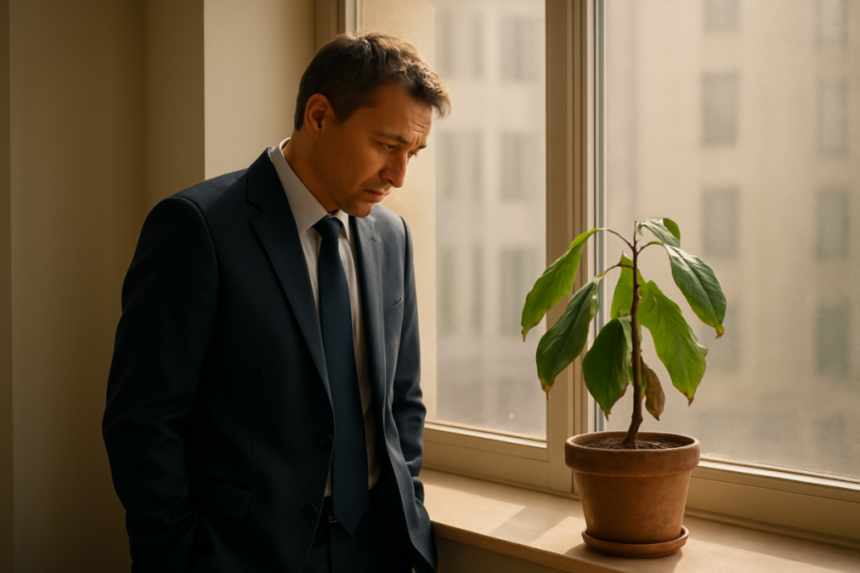
Stuck at a rural crossing, I watched a steam train thunder past, packed with passengers in overcoats, on a line the maps say was lifted for scrap sixty years ago.
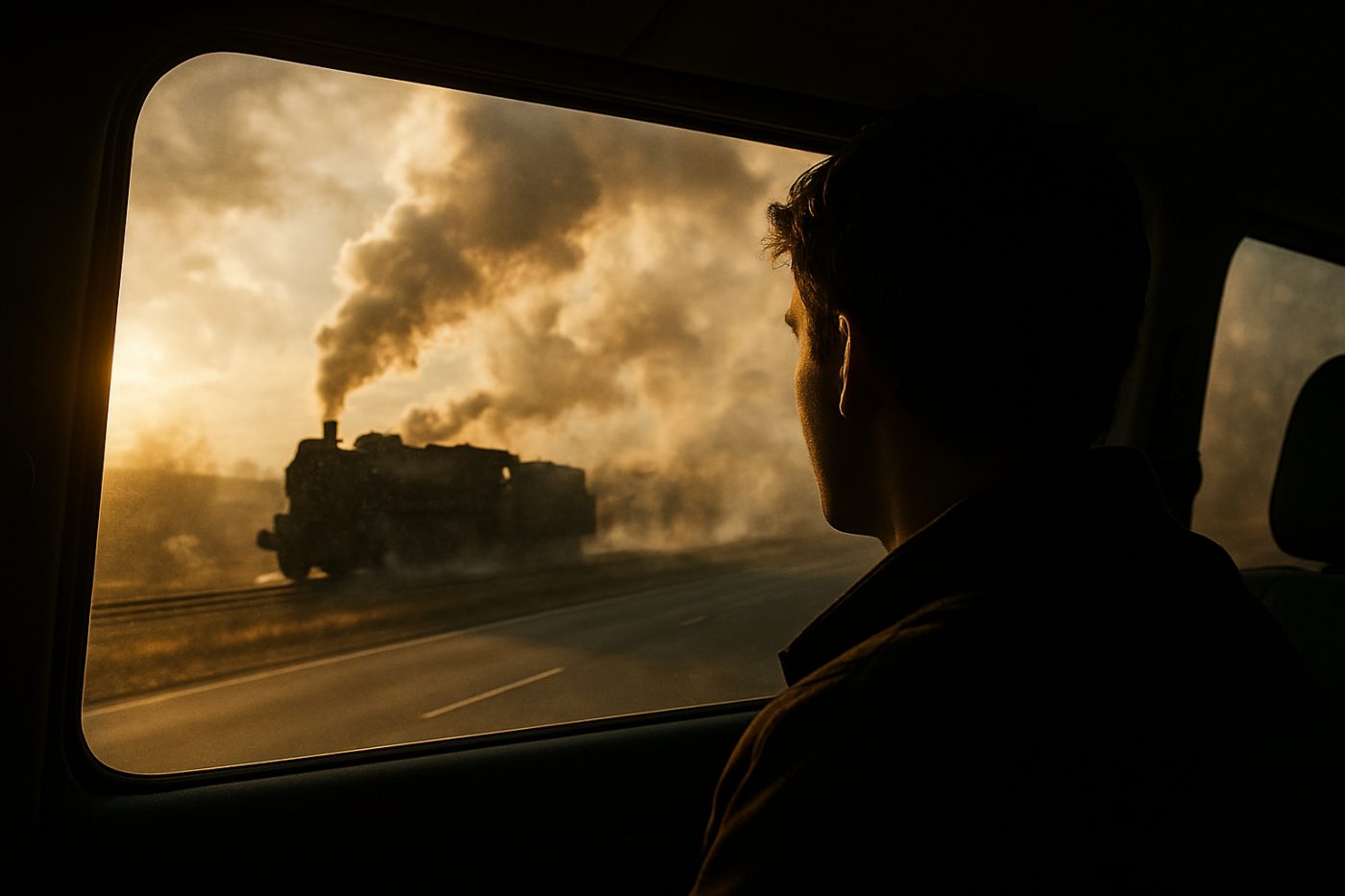
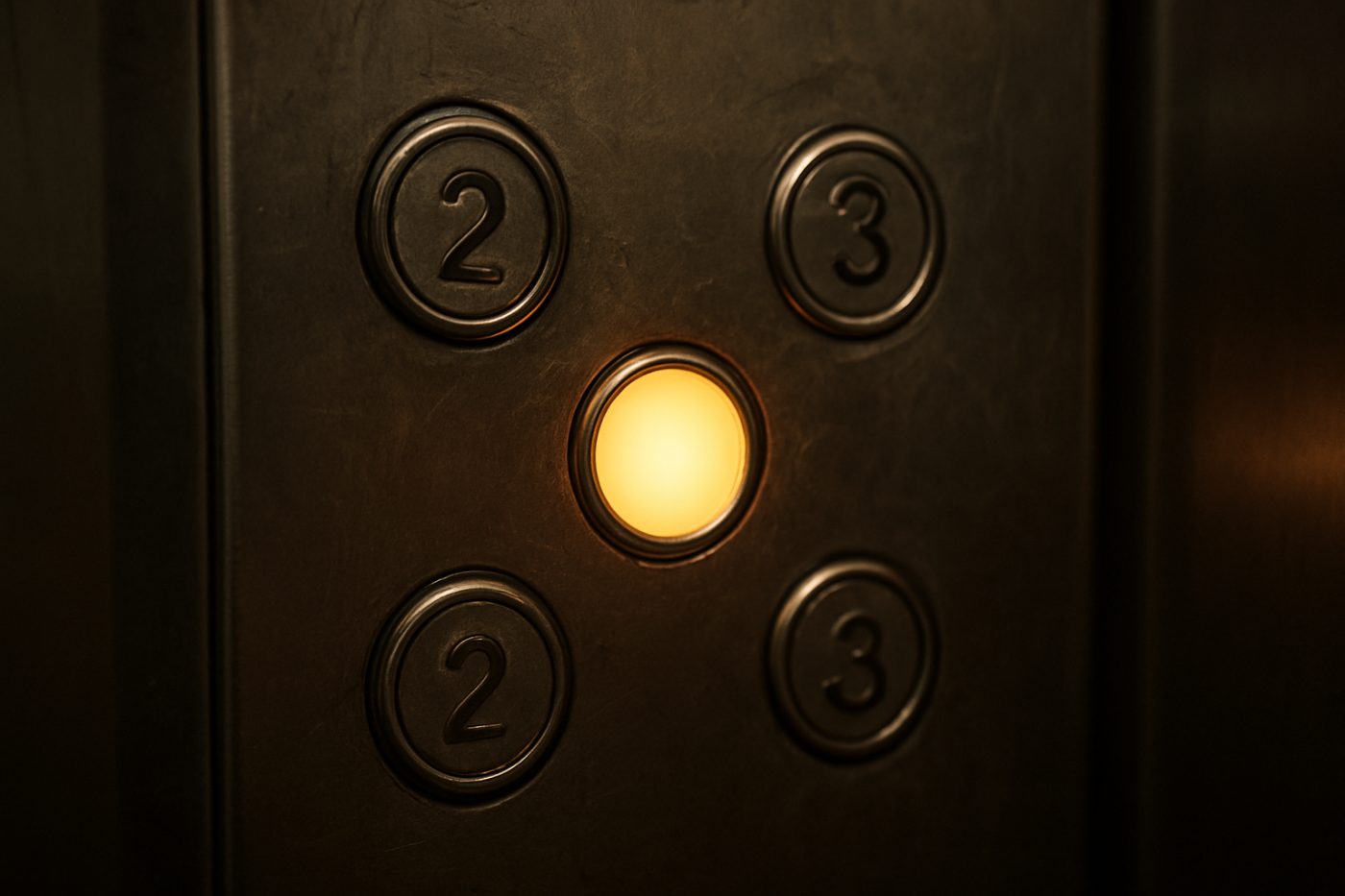
In a car park lift a blank button appeared between 2 and 3. I pressed it. The doors opened on a level of parked cars that were all, every one, mine.
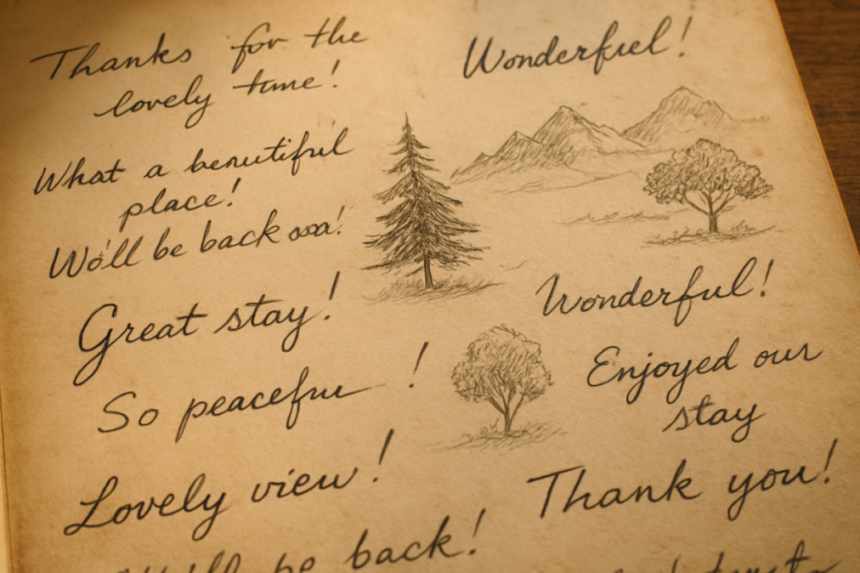
The remote cabin's guestbook went back years, entry after cheerful entry — except the dates. Every seventh booking was missing. No entry, a gap, and then the guests after them never mentioned the week before.
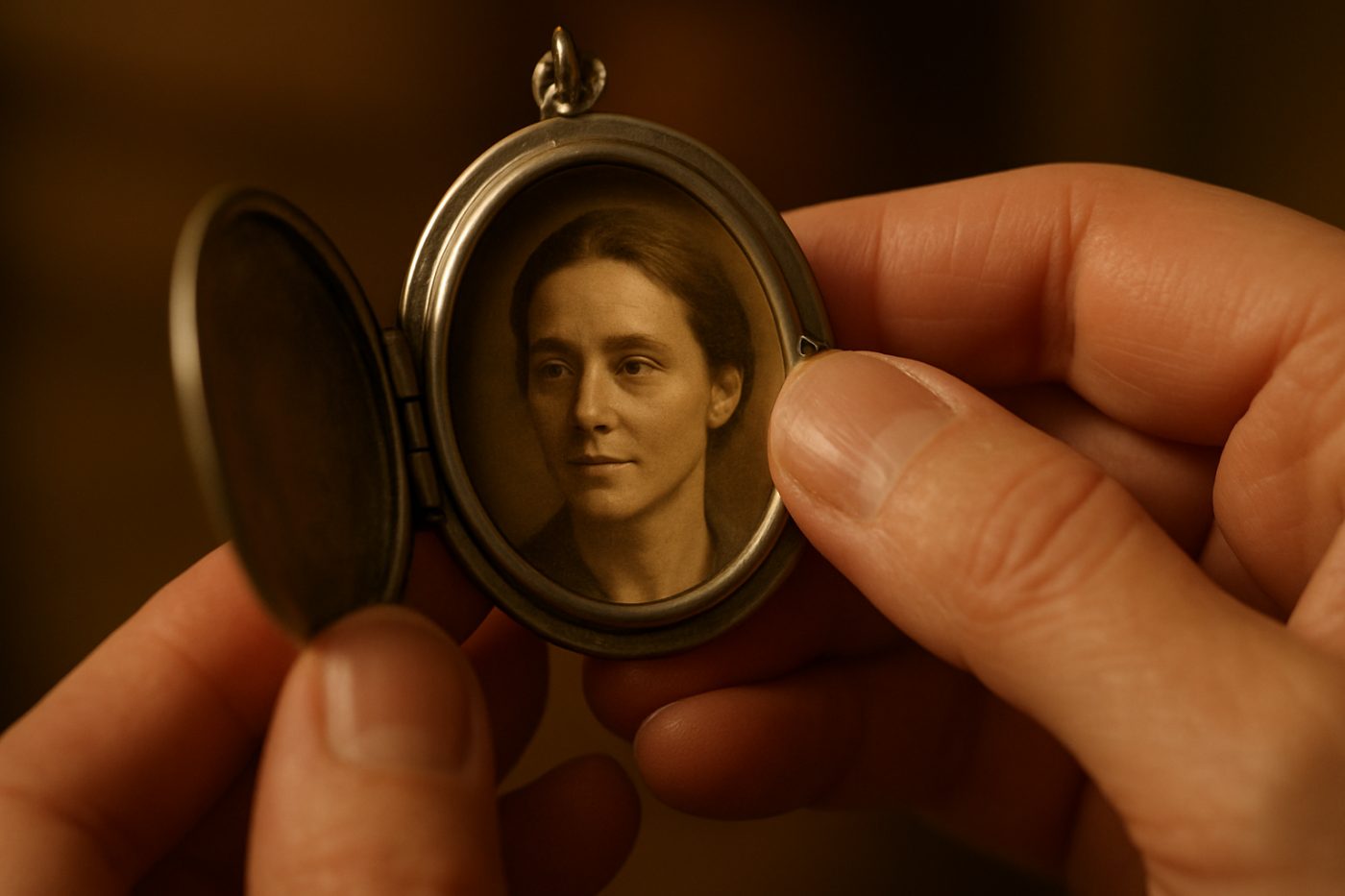
A Victorian mourning locket from a junk shop holds a tiny photograph of a young woman. Over the year I've owned it, the photograph has aged — she is now old, and looking, in the latest change, directly out at me.
Forty households on a two-year-old estate, no history, clean plots. Yet a third of us — comparing notes at a barbecue — have dreamed the same man, in old-fashioned clothes, asking the same question about his orchard.
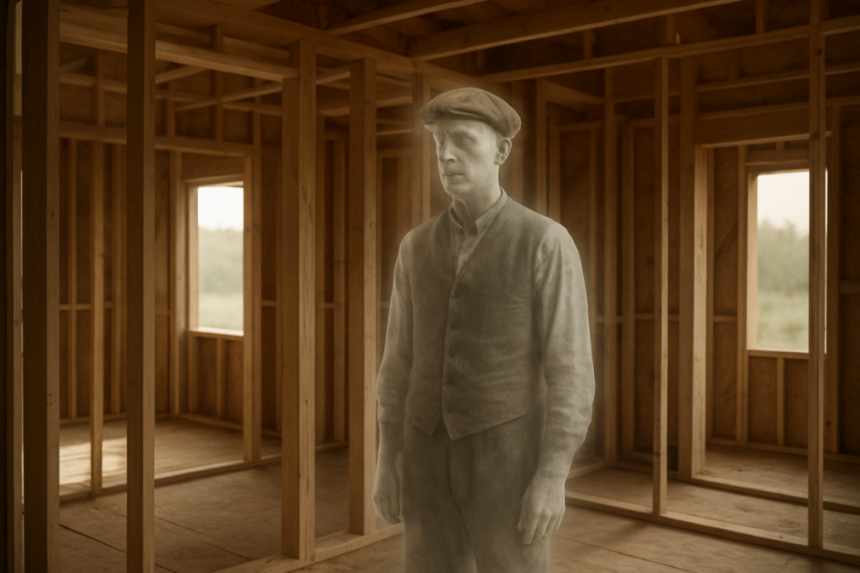
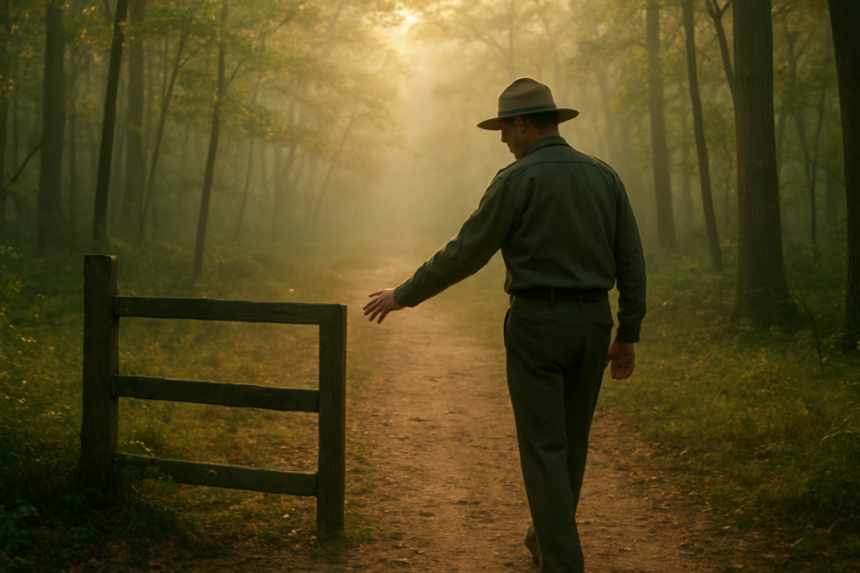
Fitting new wildlife cameras in the park, I reviewed a test clip: a ranger in the old uniform walking the dawn patrol route, checking a gate that was removed thirty years ago. The office had one photo of him. It matched.
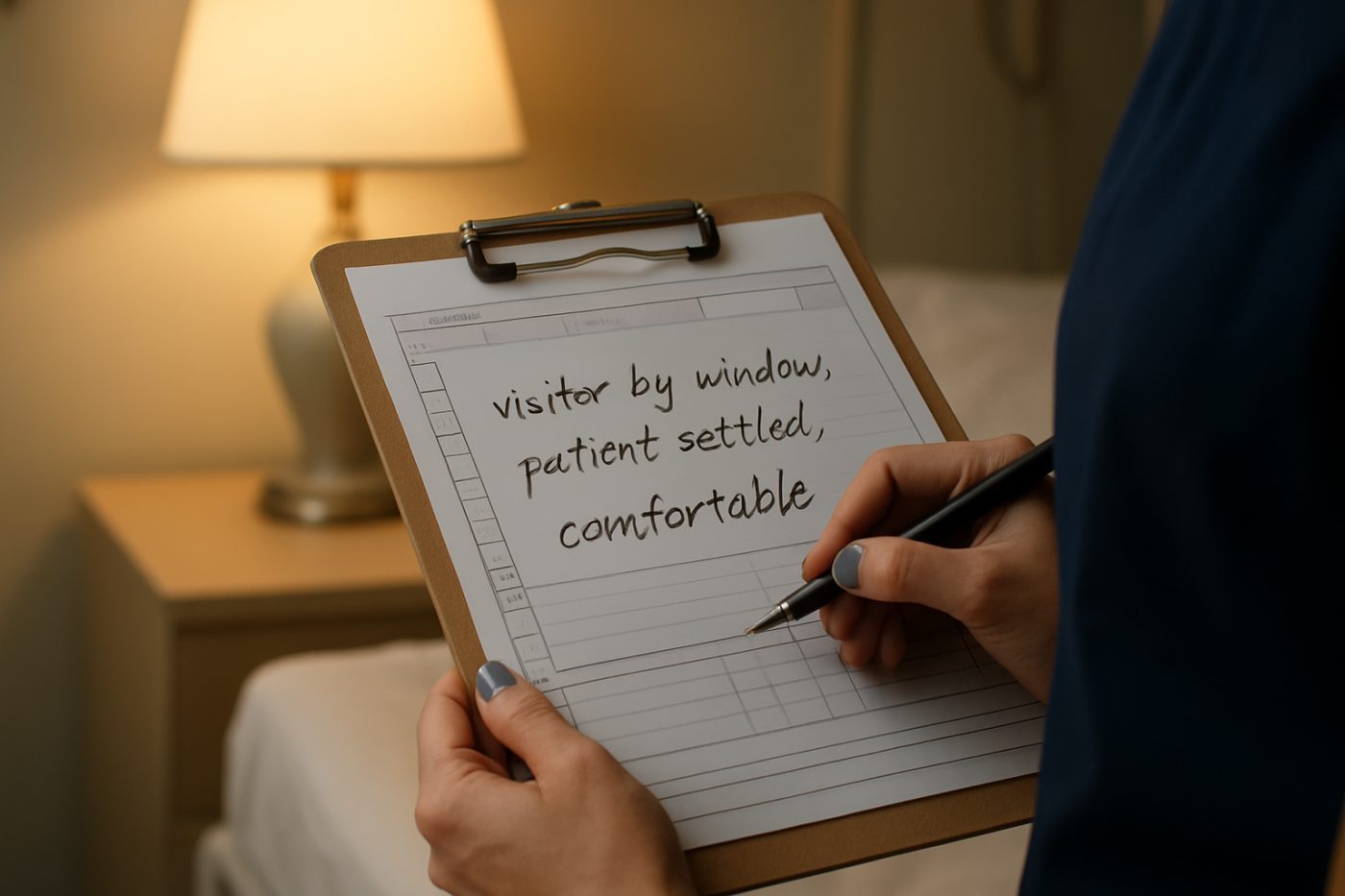
My dying father kept greeting his late wife by the window. To humour him a nurse 'noted the visitor' on his chart — and the ward's motion-activated night light, all week, kept switching on by that window at 3 a.m.
Weird true stories are easiest to judge when you can name the phenomenon; here you usually cannot. Sorting the unexplained events archive is a running argument. A woman hears her own voice from an empty stairwell; a man watches a shop sign change its spelling twice in one afternoon; a family finds a doorway in a wall that was plastered over long before they moved in. None of it fits the usual boxes — not quite a haunting, not quite a hallucination, not quite a prank. Sceptics reach for pareidolia, sleep inertia and plain mischief, and they are frequently right. What keeps the remainder interesting is the reluctance of the narrators themselves, who often spend half the account trying to talk their way out of it.
Anomalies that eventually earn a label tend to move on: the reality-slip cases end up among glitch in the matrix stories, the tall dark figures among shadow people. If your own oddity still has no name, that is not a disqualification. Write what you can defend and leave the rest ragged — the vote is kinder to honest gaps than to neat endings.
Most accounts here are written as true personal experiences, but that doesn’t guarantee they’re objectively verifiable. Memory, emotion, and perspective can all shape how an event is remembered. Reading the stories and checking how the jury has voted can help you decide what feels believable to you.
Some people are more attentive to odd details, more open to unusual explanations, or more likely to remember and share anomalies. Others may dismiss the same events as coincidence or forget them quickly. Comparing different authors’ stories and jury reactions can show how varied these experiences – and interpretations – can be.
Odd coincidences are more common than they feel, because our brains are great at spotting patterns and giving them meaning. Most don’t get written down, so it can seem rare until you read many accounts in one place. The jury votes help highlight which coincidences readers find especially striking or convincing.
Many eerie events have possible mundane causes, such as drafts, building vibrations, faulty wiring, electromagnetic interference, or misperceptions in low light. Psychology also plays a role: expectation, suggestion, and fear can make normal sounds or shadows seem sinister. As you read each story, you can weigh natural explanations against more mysterious ones and see how the jury leans.
Start by ruling out obvious causes: check your environment, talk to others who were there, and consider whether stress, tiredness, or substances could have affected your perception. If it still feels baffling, writing it down clearly can help you think it through and, if you like, share it for others to judge. Seeing how similar stories are received by the reader jury can also give perspective.
People often report uncanny experiences in the dark and in places with history, partly because we’re already primed to feel uneasy there. Limited visibility and creaky, aging structures make it easier to misinterpret sounds and shapes. Many of the stories on this tag play on those settings, and the jury responses show how much atmosphere influences believability.
Visual and auditory misperceptions are part of normal human experience, especially in low light or high stress, but not everyone interprets them the same way. Cultural background, personal beliefs, and prior experiences all shape whether someone labels an odd moment as a ghost, a trick of the eyes, or just nothing. Reading a range of accounts and jury comments reveals how differently similar incidents can be understood.