The Farm Shop From Before the Bypass
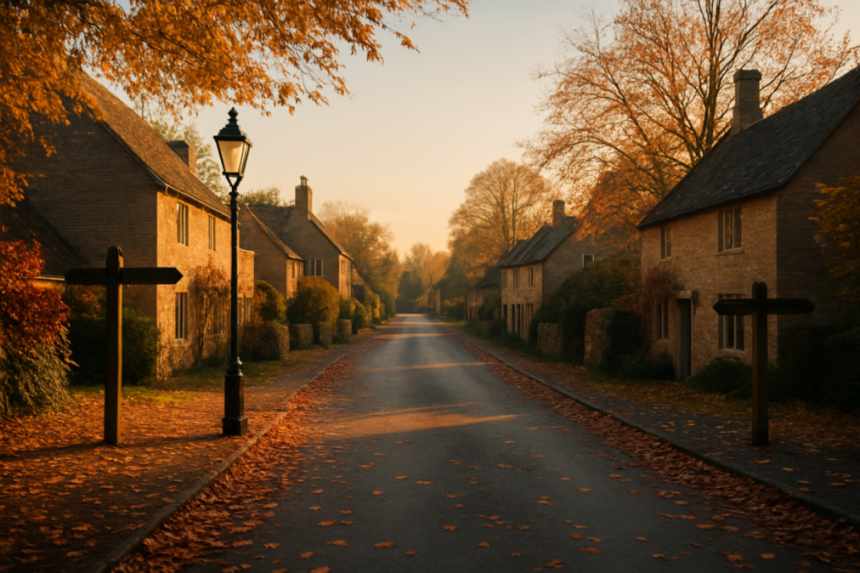
Lost on a country road, I stopped at a farm shop that sold me eggs in old money and waved off my card. The bypass replaced that whole valley in 1998.
For ninety seconds a two-storey shopping-centre escalator kept rising past floors that shouldn't exist, delivering me to a food court I have never found again.
In our barracks there was one empty locker at the end of the row that opened itself every night. We welded it shut. In the morning it was standing open again, the weld cracked clean.
A stranger pressed my wallet into my hands at the market — 'you dropped this' — while my wallet sat at home. That evening I lost it for real, and opened the double.
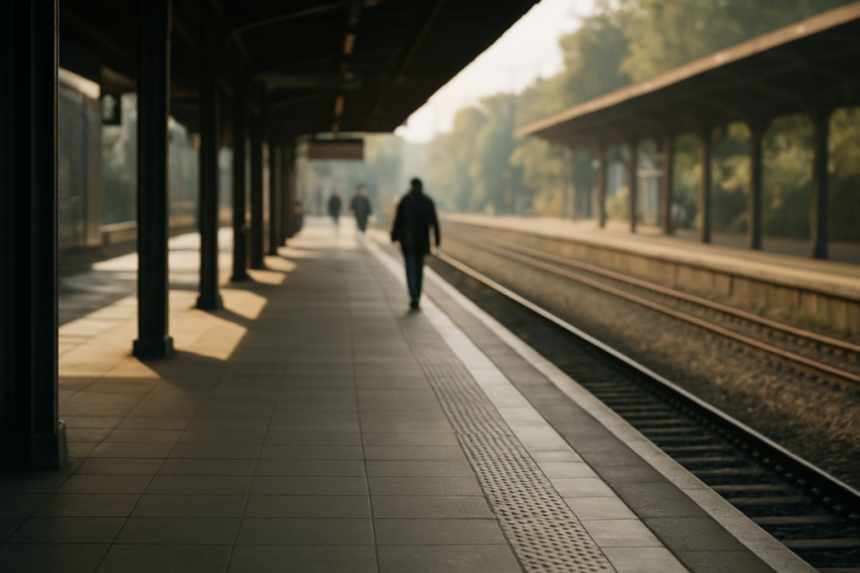
Last train, empty station, and on the opposite platform stood a figure just slightly too tall, too still, wrong in proportions my brain kept refusing to finish measuring.
At a tired seaside motel, the clerk skipped room 6 on the board. I asked. He slid me the old register and pointed at a decades-old page: a guest checked into 6, never checked out, never found. 'We keep it for him,' he said.
A supermarket stranger introduced herself with my full name, my street, my job — pleasantly, as facts about herself — and her loyalty card, the cashier confirmed, agreed with her.
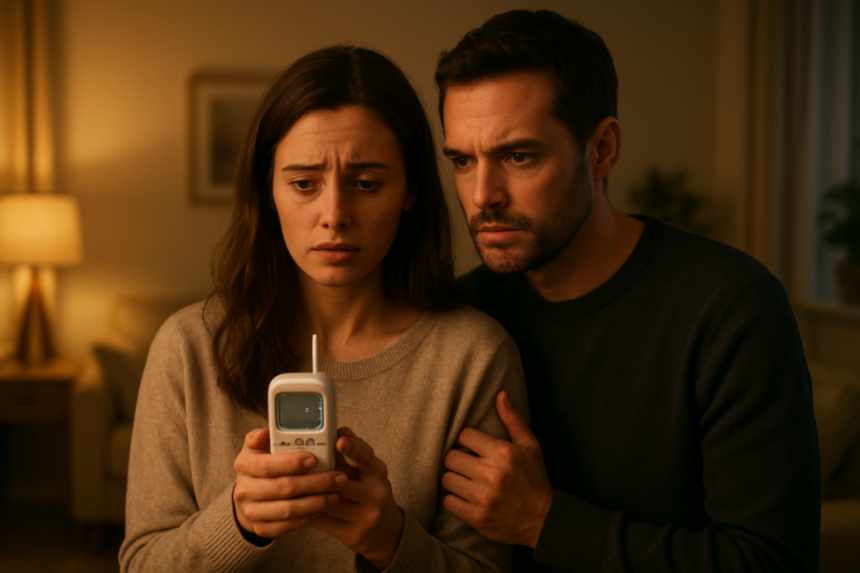
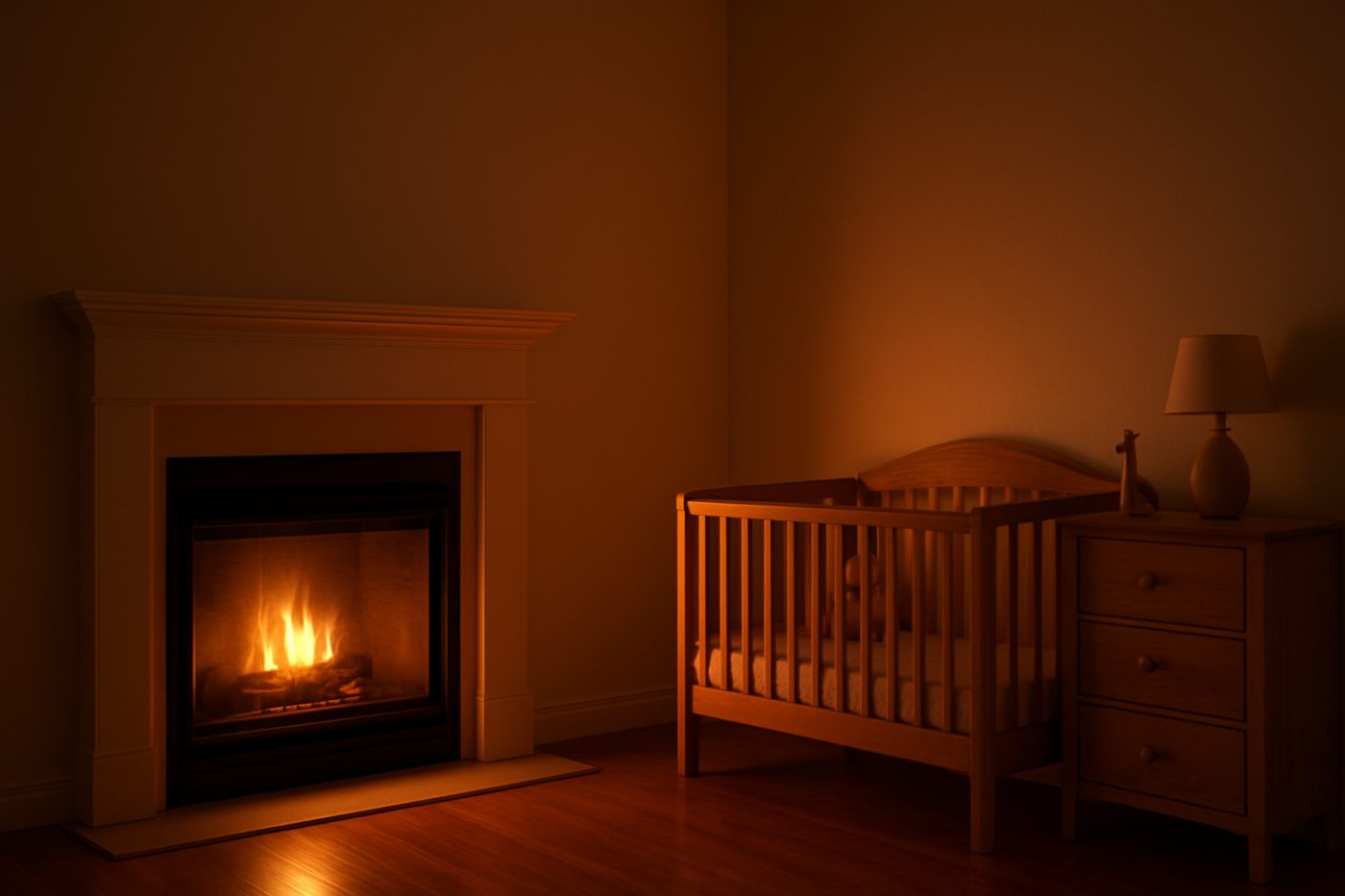
The old house came with a story about a cat. We laughed it off — until our newborn started sleeping through the night, and the motion camera caught a small shape circling her crib.
Someone knocked our family's private pattern — three slow, two quick, the knock my late father invented — on a door he never lived behind, in a city we moved to after he died.
Every morning at 7:40 an elderly man photographed our house with a film camera — and when we finally asked why, his answer emptied the street under our feet.
The night auditor gave me 412. My key worked. The room was dark — and someone was asleep in the bed. The auditor swore 412 had been empty for a week. The name in the system was mine, checked in an hour before I arrived.
He got on at my stop, dressed like me, same bag, same coffee order in the same cup — and every day for a week he corrected one more detail, closing in on being me.
'The one locked door is just my storage, ignore it.' We did — until the third night, when light came from under it, and a floorboard creaked inside a room we'd been told was full of boxes and empty of people.
A stranger at the trailhead — dry in the rain, oddly formal — told us the cliff path 'wasn't taking guests tonight.' We laughed, obeyed anyway, and heard the reason by morning.
For six nights a man stood in our yard between 3:00 and 3:20, smiling at the house — every camera we aimed at that spot recorded grass, birch, and nobody.
A man none of us had ever seen stopped at our table, greeted each of us by name — including the nickname only my late father used — and thanked us 'for Tuesday.'
The listing said 'entire home, host off-site.' On night two I heard a cough beneath the floor. There was a basement, not on the listing, not on the tour — and someone had been living in it, listening.
A cart of covered dishes arrived at my hotel door at 4 a.m. that I never ordered. The front desk had no record of it. Neither did the kitchen, which had been closed for hours.
I collect old typewriters. One, from a house-clearance, types a line of its own after I stop — always continuing my sentence, always in a voice that isn't mine, always about a woman waiting for a letter.
An heirloom doll sits in my mother's hall. At every family gathering it ends up facing one person. We laughed about it for years. We've stopped, because the doll has never once been wrong.