
The Cat That Guards the Nursery Certified True by readers
The old house came with a story about a cat. We laughed it off — until our newborn started sleeping through the night, and the motion camera caught a small shape circling her crib.
Ghost cat stories and ghost dog stories are the gentlest accounts on this site: signs from deceased pets, reported by the people who buried them. Welcome to the strange, tender corner of the paranormal where animals don’t always stay gone. Here you’ll find first‑person encounters with Ghostly Pets: spectral cats curling up on familiar beds, loyal dogs padding down hallways long after they’ve been buried, and phantom companions keeping watch over nurseries, staircases, and lonely midnight kitchens. These aren’t polished legends or official case files, but intimate, personal experiences told exactly as they were lived.
Each eerie visitation, comforting return, or unsettling after‑dark scratching is submitted by a storyteller and put to the test by you, the reader jury. Are these uncanny visitations from beloved creatures beyond the grave, or grief-soaked dreams that feel too real to dismiss? Read each account, decide for yourself whether it truly happened, and cast your vote.
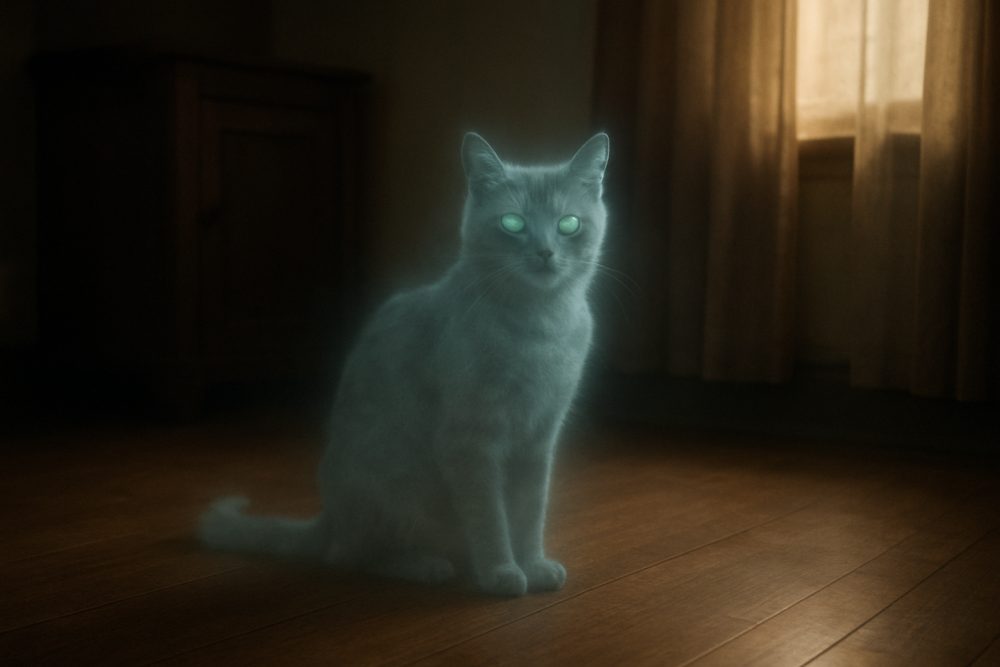
The old house came with a story about a cat. We laughed it off — until our newborn started sleeping through the night, and the motion camera caught a small shape circling her crib.
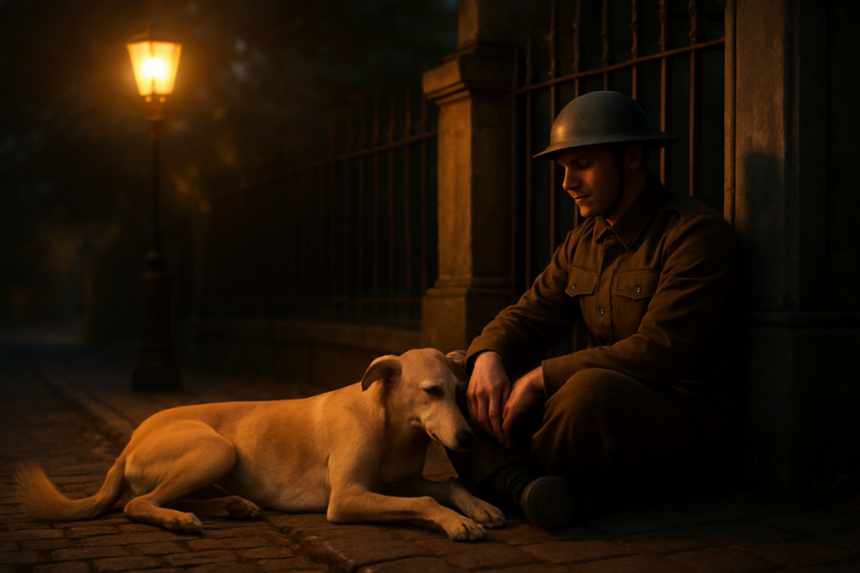
I put the phone down, walked out to lock up, and he was at the gate in his usual place, doing the thing he always did with the bolt.
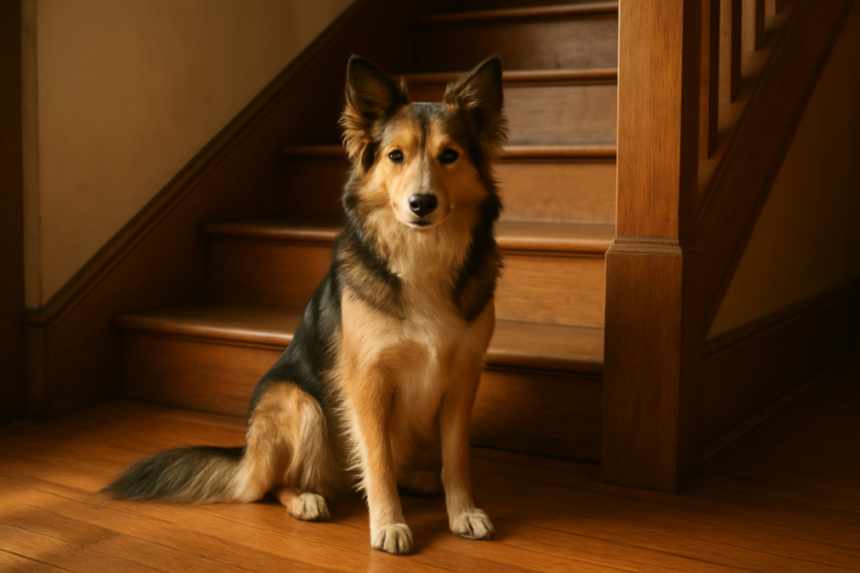
She sits at the bottom, ears up, tail still, facing the fourth step. Every evening at six. She has done it for three years.
The night my grandmother died two states away, her old cat sat facing the front door and cried until dawn. He had never done it before. He never did it again.
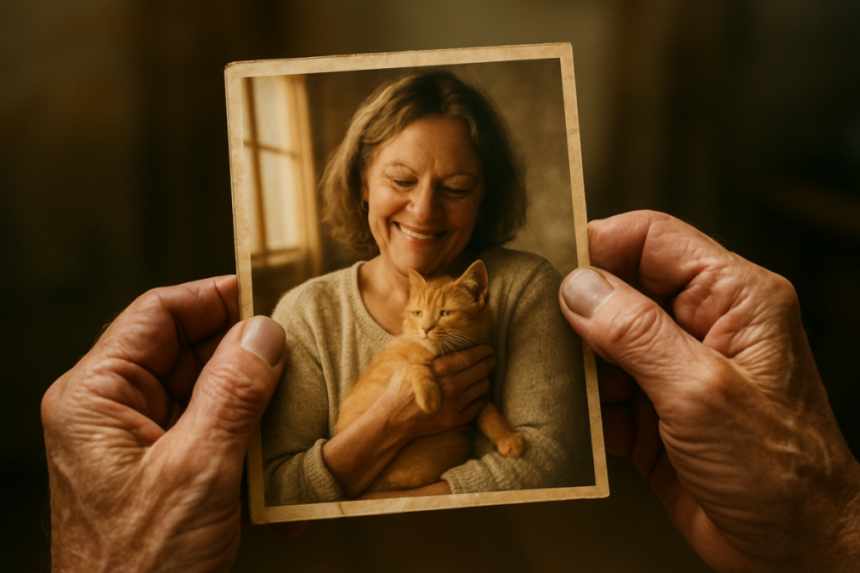
The dip in the duvet. The weight on the feet. The purring, which my wife heard first and which she did not tell me about for a year.

Every guard on that gate for sixty years has heard the same thing at the same hour: claws on concrete, going away from you.
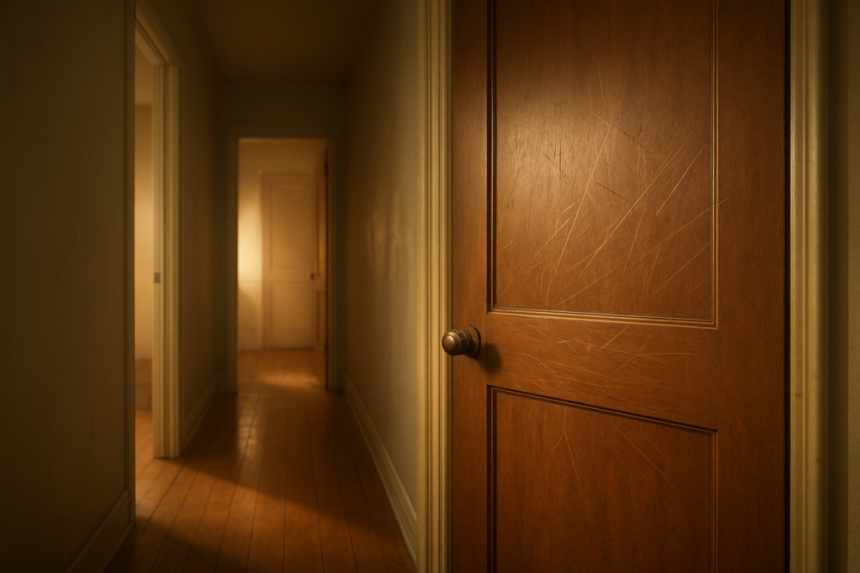
Three scratches, low down, at 05:40. That was his time. He did it for nine years and he did it for six weeks after he was gone.
Two weeks after we buried Rooster, I heard his tags jingle down the hall and felt him jump onto the foot of the bed, exactly the way he had for nine years.
The day after my grandmother's funeral my phone rang from her number, disconnected a week earlier. I answered. There was her kitchen radio, her chair creaking, and one word in her voice before it cut out.
Ghost dog stories arrive with more witnesses than most tags manage. These are the least frightening accounts on the site and, oddly, some of the most detailed. Nobody describes a shape. They describe a sound with a texture: claws on the one loose board by the radiator, the particular double thump of a heavy cat landing badly, the tag on a collar hitting a water bowl. Several narrators mention that a surviving animal reacted first — a dog that stood up and watched a doorway, a second cat that stopped using a chair. That detail is what turns the debate, because a grieving person can misread a house, but it is harder to argue that a spaniel is projecting.
The living version of the same bond fills pet stories, and returns of a more human kind are collected in visits from beyond stories. Believe scores in this tag run higher than almost anywhere else on the site, which probably says as much about readers as about ghost pets. If a dog of yours has kept a routine it had no business keeping, the archive will hear it.
Nobody can prove scientifically that animal spirits are real, but many people report vivid experiences that feel more than imaginary. Psychology explains a lot through grief, memory, and habit, while others are convinced they’ve truly been visited. Reading the first-person accounts here and checking how the reader jury votes can help you see how others interpret these encounters.
After a pet dies, your brain is primed to notice anything that reminds you of them: a creak where they used to jump, a shadow where they used to sleep, even the sound of claws on the floor. Some people interpret these moments as coping and memory; others feel they are genuine after-death visits. Looking at stories on this page and how the jury judges them shows the full range of explanations people lean toward.
Reports of “after-death communication” with animals are very widespread, though hard to count because most people only tell friends or anonymous forums. On sites like this one, you can see that many contributors independently describe similar sounds, sightings, and sensations. The jury votes give a rough sense of how believable other readers find these experiences.
Grief can heighten your awareness of anything that suggests your pet’s presence, and it’s normal to have vivid dreams or to “hear” familiar sounds for a while. That doesn’t necessarily make your experience meaningless, but it’s one well-known psychological explanation. Comparing your own story to those here and seeing how the jury responds might help you decide what feels most true for you.
The first step is to check for ordinary causes: noises in the house, health issues like poor sleep, or anxiety. If the experience is comforting, many people simply accept it as part of their grieving process or as a sign of ongoing connection. If it feels frightening or overwhelming, talking to a trusted friend, counselor, or spiritual advisor is usually more helpful than trying rituals you’re uncomfortable with, and you can always share your story here and see how the jury reacts.
Different religions and spiritual traditions answer this in very different ways, from “all creatures have souls” to “only humans continue after death.” Modern science doesn’t take a position on an animal afterlife, it just studies behavior and brain function. The stories on this site, and how readers vote on them, show how many people intuitively feel their pets have some kind of continuing presence.
There’s no test that can definitively separate a genuine haunting from misinterpretation or chance. People usually look at patterns: repeated events, intelligent responses, or things that would be hard to fake or predict. Reading detailed accounts here and seeing which ones the jury judges “true” or “not true” may help you think through your own evidence more critically.
It can be healthy if the belief comforts you, doesn’t stop you from living your life, and you still recognize that the animal has physically died. Problems tend to arise only if the belief fuels constant fear, guilt, or stops you engaging with the living. Many writers here use their experiences as a gentle way to process loss, and the jury discussion can show you a range of perspectives without telling you what you must believe.