
The Headstones Past the Tree Line
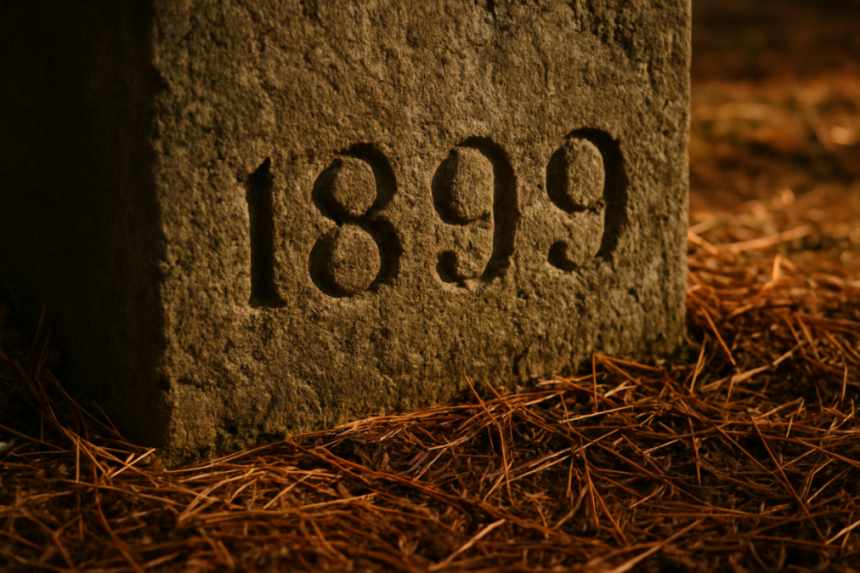
A gravel road runs to a trailhead nobody uses. Past the tree line there is a graveyard on no map, and every stone has the same year, and one of them had my grandmother's maiden name before she was ever born.
This is where haunted roads take a turn into the uncanny: midnight highways, lonely backroads, and forgotten country lanes. Here you’ll find first-person accounts of late-night drives gone wrong, isolated dirt tracks that seem to shift, and desolate stretches of asphalt where something waits just beyond the high beams. Every tale unfolds in motion: a steering wheel, a dark horizon, and that moment when the ordinary route home becomes a place you’ll never forget.
All stories in this section are personal experiences told by drivers, passengers, and wanderers, presented exactly as they remember them—no investigations, no guarantees, only their words and your judgment. Some describe ghostly hitchhikers, others eerie roadside farmhouses or strange figures in the treeline, but every account ends the same way: with you deciding if it really happened. Start reading, and cast your vote on each one.
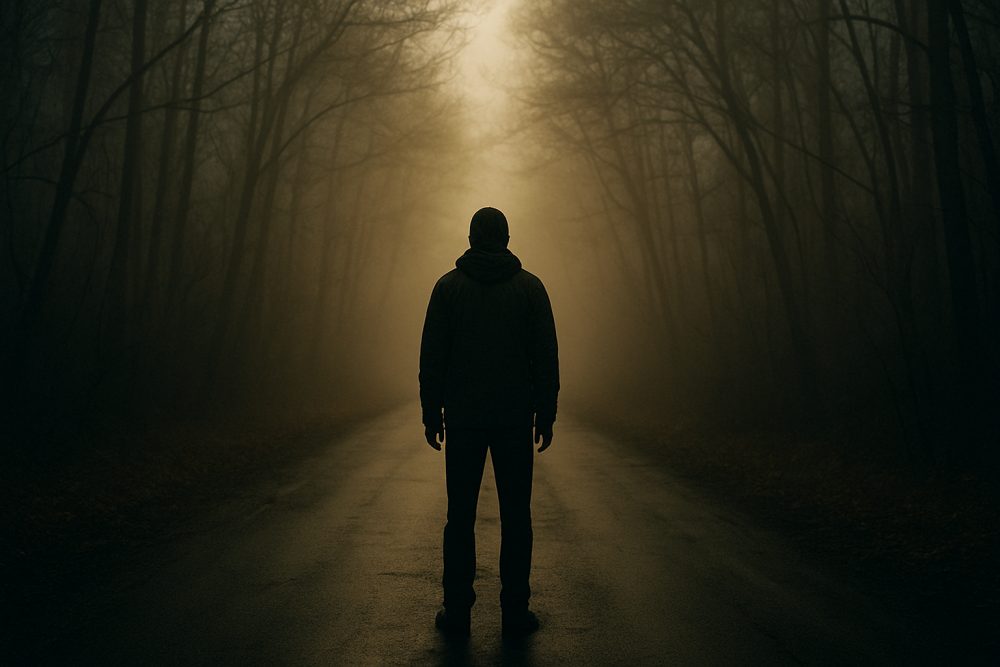
A gravel road runs to a trailhead nobody uses. Past the tree line there is a graveyard on no map, and every stone has the same year, and one of them had my grandmother's maiden name before she was ever born.
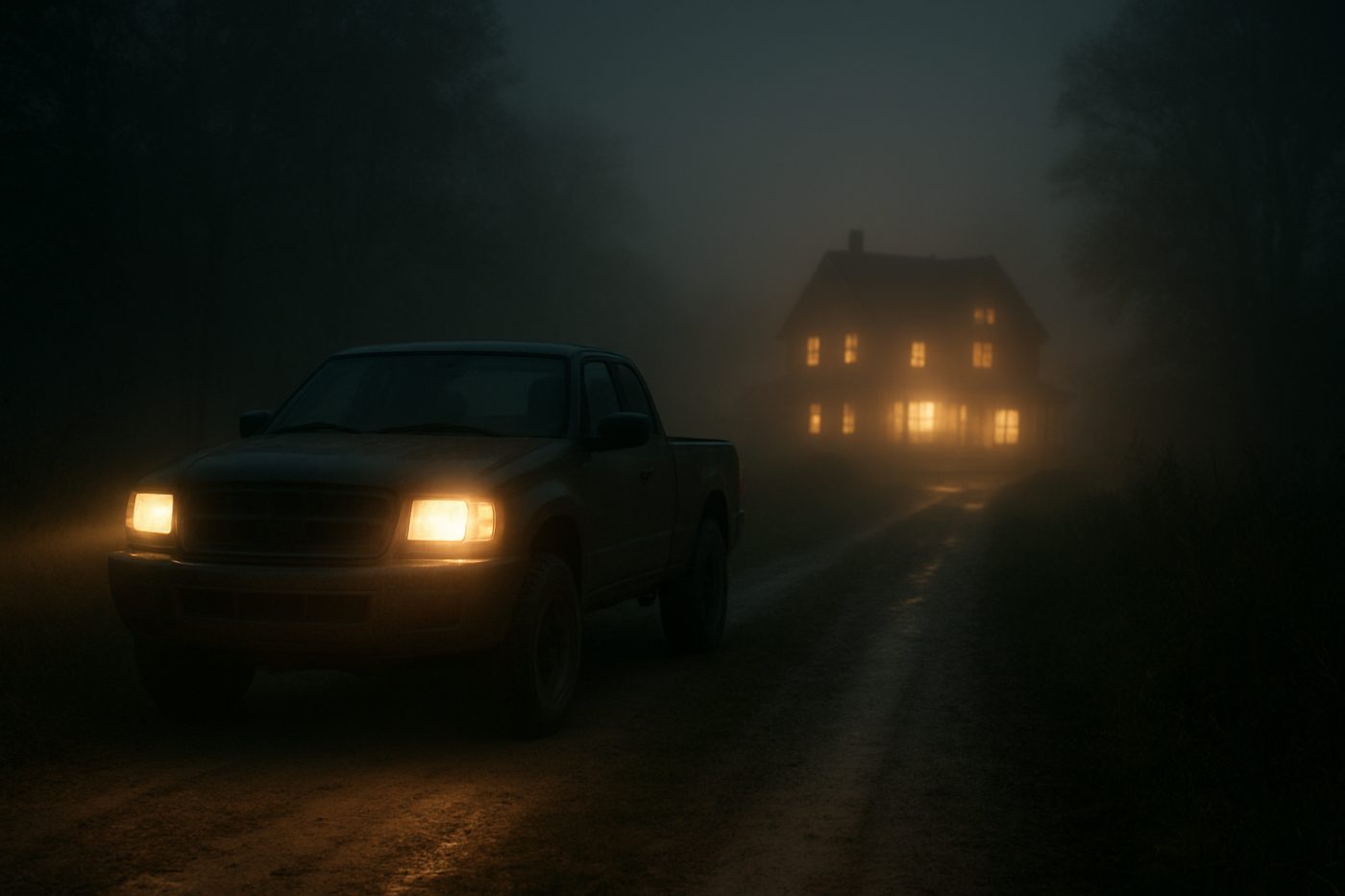
Miller Lane is a dead-end dirt track off the county road with one house at the end, abandoned since before I was born. The night my headlights swept its windows, every one of them was lit, and a light was coming down the lane to meet me.
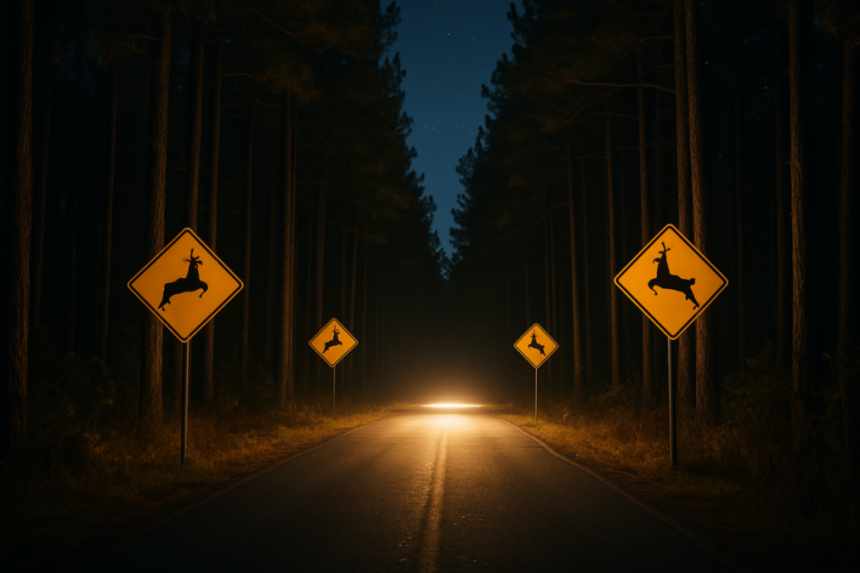
The forest road home has a hundred deer crossing signs. I have hit exactly zero deer in fifteen years. What stepped into my headlights that November night stood up on two legs and was too tall for the signs to warn me about.
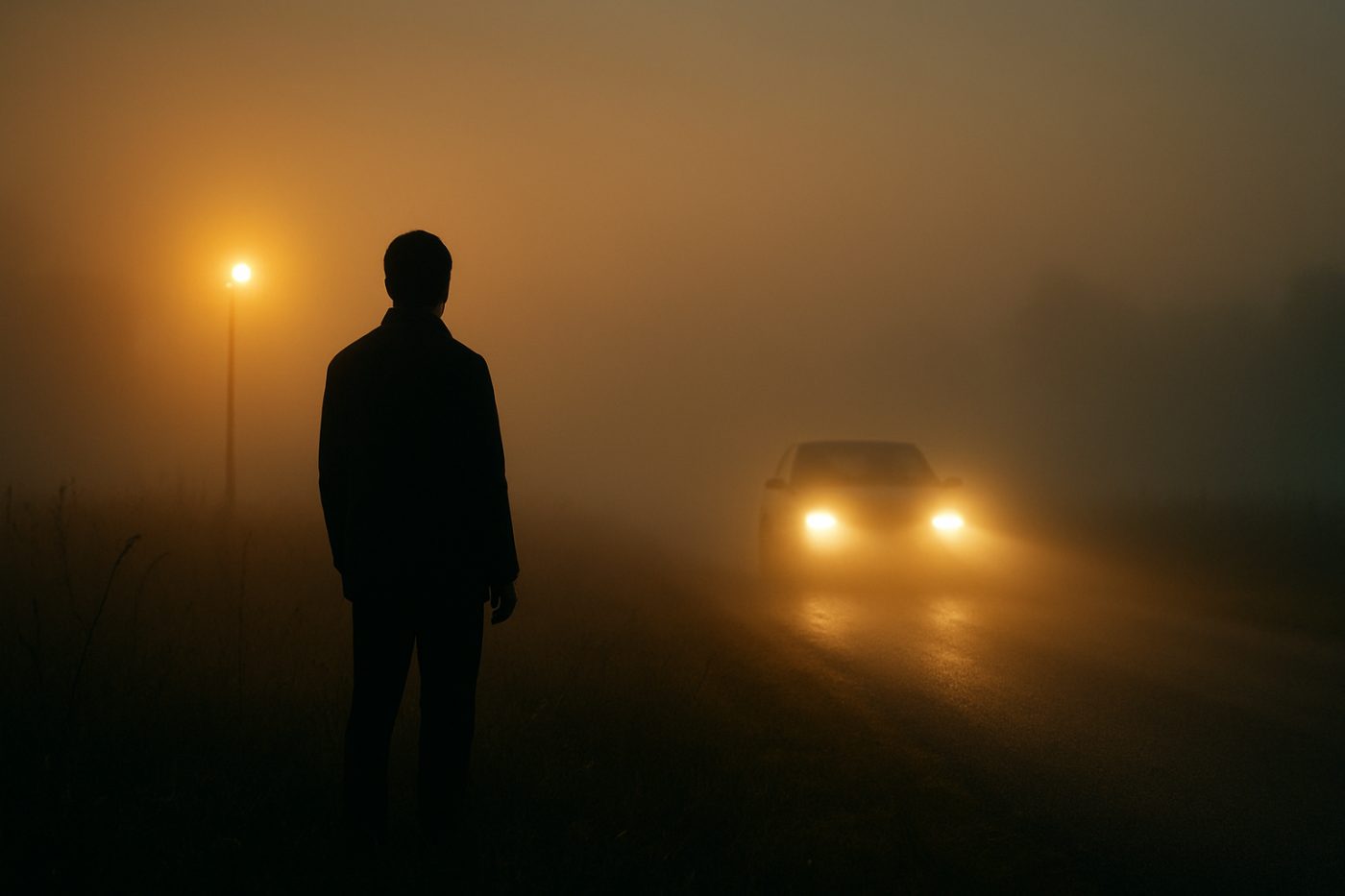
The stretch between the two towns is nineteen miles with nothing on it. I have driven it a hundred times at night. Only once did the same porch light appear three separate times, each time farther ahead of me.
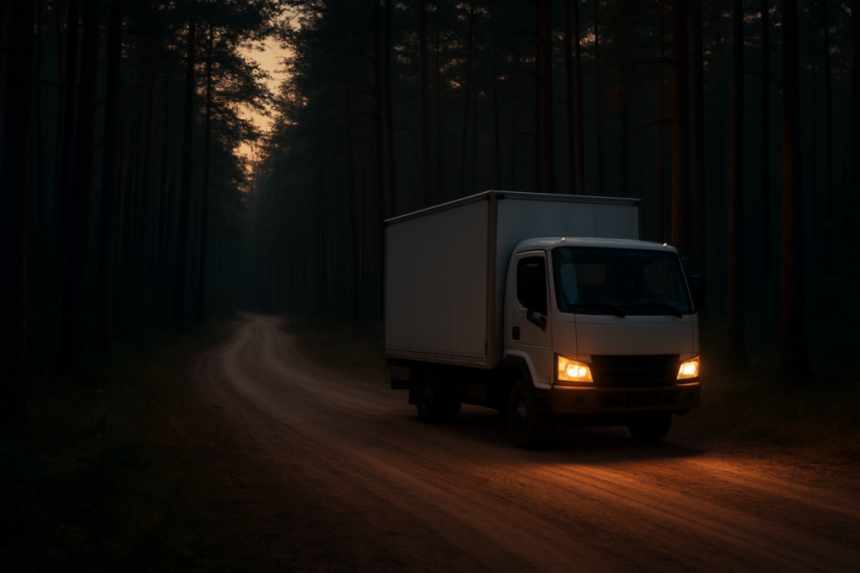
The Blackpine Cutoff saves twenty minutes if you do not mind six miles of dirt through the woods at night. Locals do mind. After what kept pace with my truck outside the passenger window, I mind too.
Drivers on these haunted roads almost never stop. Whatever appears at the verge, in the mirror or in the middle of the carriageway, the car keeps going, and the narrator spends the rest of the account explaining that decision to themselves. The passenger, when there is one, is usually asleep and no help at all. Sceptics have a strong case here — long stretches of unvarying road produce microsleeps, and headlights make poor witnesses of anything beyond thirty metres. What the better reports do is give the road a number and the night a date, so anyone who knows that stretch can say whether the bend is where the narrator says it is.
Figures who ask for a lift and then are not there have their own file under hitchhiker, while the longer journeys with several people in the car are collected as road trips. The jury is harsh on anything that resolves too neatly — a ghost identified by name, a grave conveniently found the next morning. Uncertainty, oddly, is what gets voted true.
Every story here is submitted as a first-person account, claimed as true by the writer. The reader jury then votes on whether they believe it actually happened, so you’ll see both skeptical and convinced reactions beneath each tale.
Isolated routes mix darkness, unfamiliar surroundings, and genuine danger, which makes our senses hyper-alert and our brains more likely to misinterpret shapes and sounds. That same atmosphere also makes these locations perfect settings for eerie personal accounts like the ones you’ll find on this page, whether readers ultimately vote them “real” or not.
There’s no solid data on how often people see “something weird” on the road, but reports range from simple optical illusions to intense paranormal claims. Reading through the stories and their jury results can give you a sense of how varied, and how frequently reported, these nighttime drive experiences can be.
Yes, many such encounters can be explained by fatigue, poor lighting, weather conditions, or expectations shaped by local stories. The tension in these accounts often comes from that uncertainty: the author is sure something happened, while jurors weigh in on whether it sounds like perception, imagination, or something truly unexplained.
First, prioritize safety: slow down if needed, stay in your lane, and avoid sudden swerves or stopping in dangerous spots. Afterward, you can write down what you remember in detail—much like the storytellers here—then compare your experience with similar accounts and see how others on the jury interpret them.
A place where accidents, disappearances, or eerie stories cluster will often gather a folklore of its own. Once a road has a sinister reputation, new experiences—like those shared here—tend to be interpreted through that lens, and the jury votes show how powerful that reputation can be.
Look for consistent details, realistic reactions, and whether the narrator admits uncertainty where appropriate, rather than explaining everything neatly. The reader jury’s comments and votes can help highlight which accounts feel grounded and which sound more like crafted campfire tales.