
We Were Holding Station Off North Sentinel When The Sea Went Flat
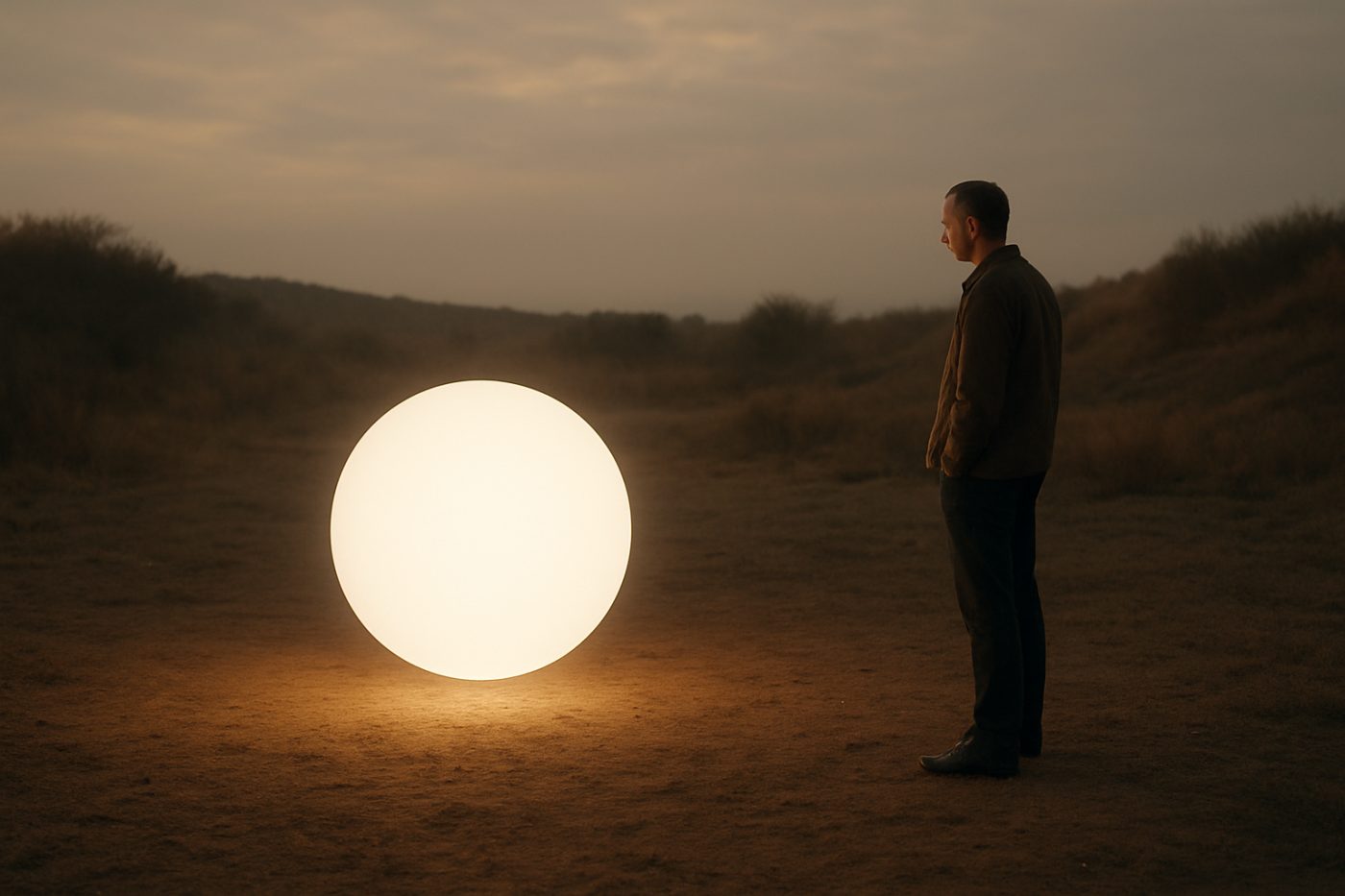
A cable ship engineer describes the disc-shaped object he watched at first light off North Sentinel Island in spring 2026, photographed from outside the exclusion zone.
Strange lights over quiet fields, impossible objects above freeways, silent shapes hovering over small towns at closing time—this tag collects first‑person UFO experiences from people who insist they saw something they can’t explain. From eerie glows returning on the same date every year to unexplained craft slipping into family photos and security footage, these are intimate UFO encounters told in the voices of the people who were there, not official case files or proved incidents. Every account is unverified, offered exactly as the witness remembers it.
Here, the community becomes the investigation. For each close encounter, mystery object, or unexplained aerial phenomenon, readers act as the jury—voting on whether they believe the story really happened. Read, weigh the details, trust your instincts, and cast your vote.
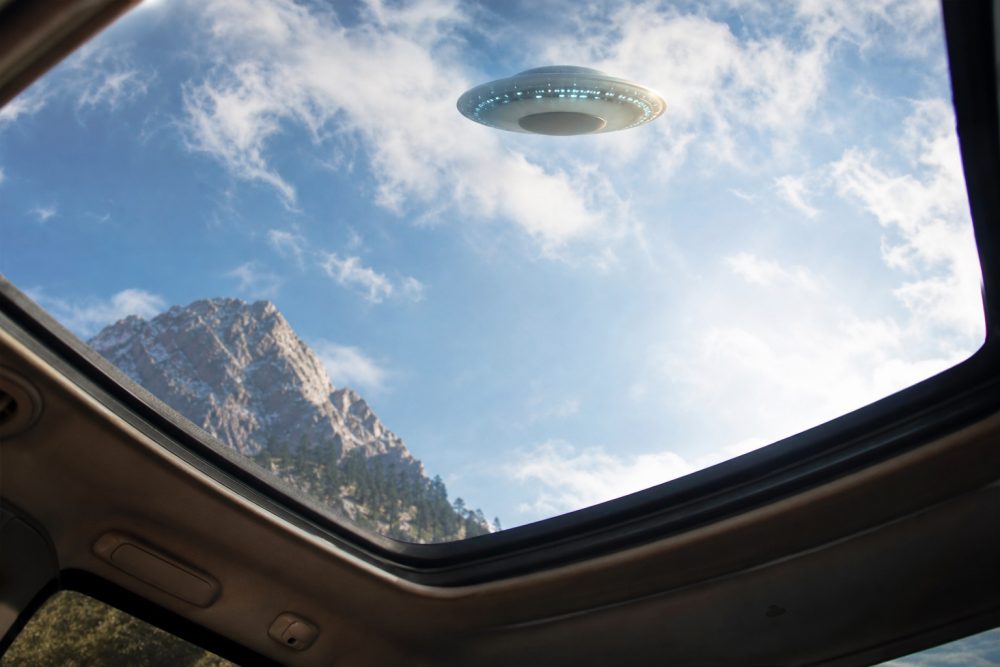
A cable ship engineer describes the disc-shaped object he watched at first light off North Sentinel Island in spring 2026, photographed from outside the exclusion zone.
Three ecologists on a night bat survey watched a soundless object cross the moor. Their instruments recorded eleven minutes of complete silence.
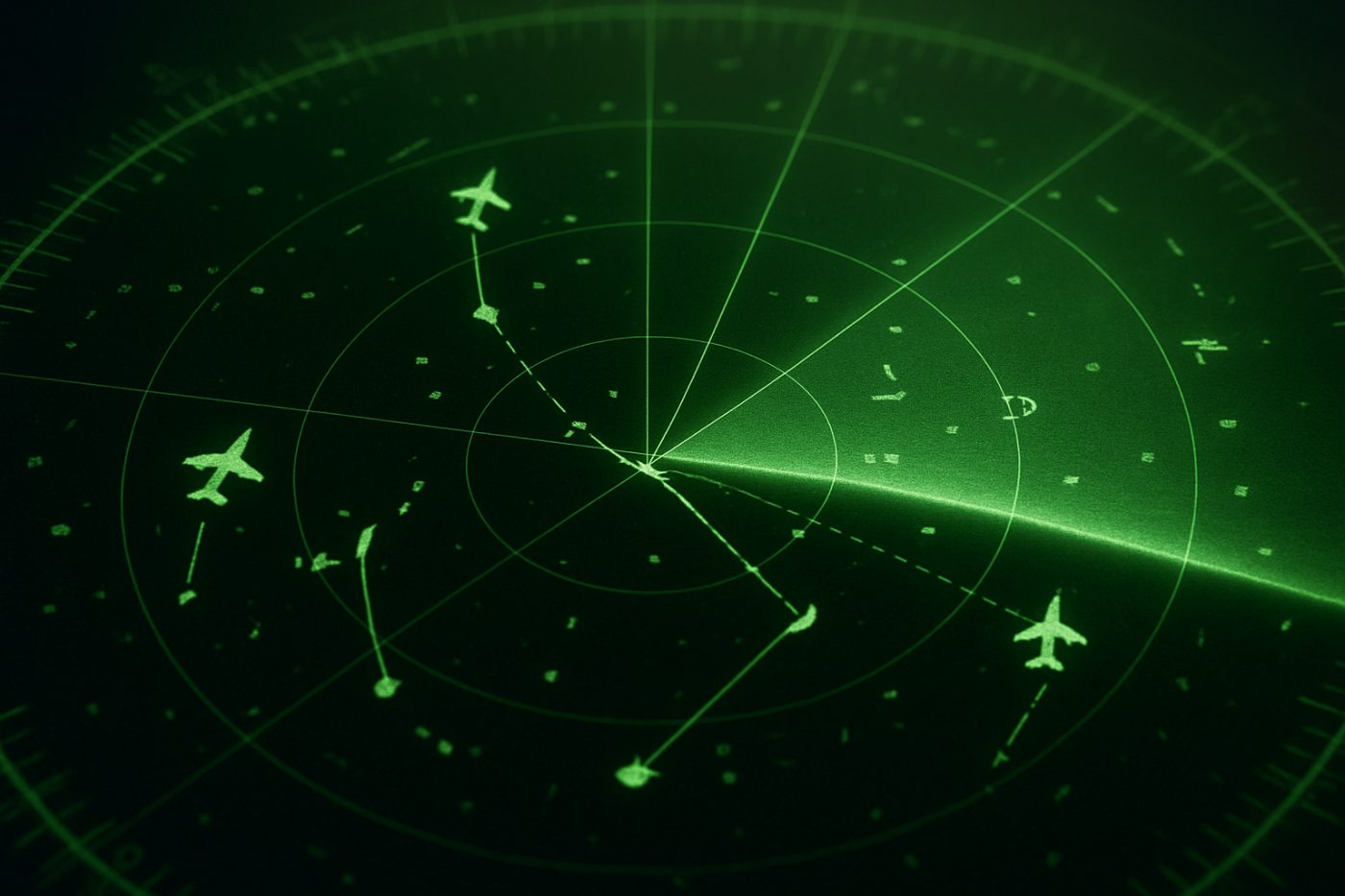
Twenty-one years Navy, radar. One midwatch our scopes tracked returns dropping forty thousand feet in a sweep, three consoles agreeing with each other and with nothing else on earth. The order came down to reclassify them as weather, and I was the one who typed it.
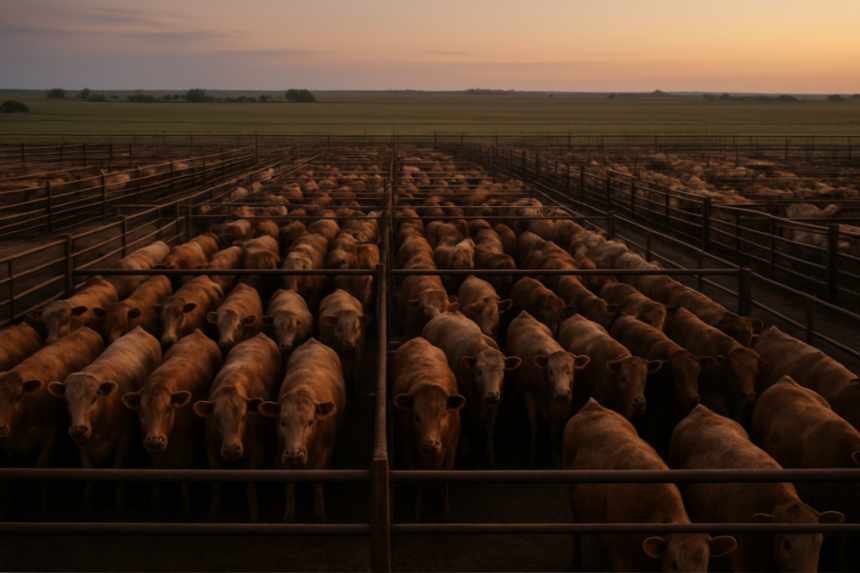
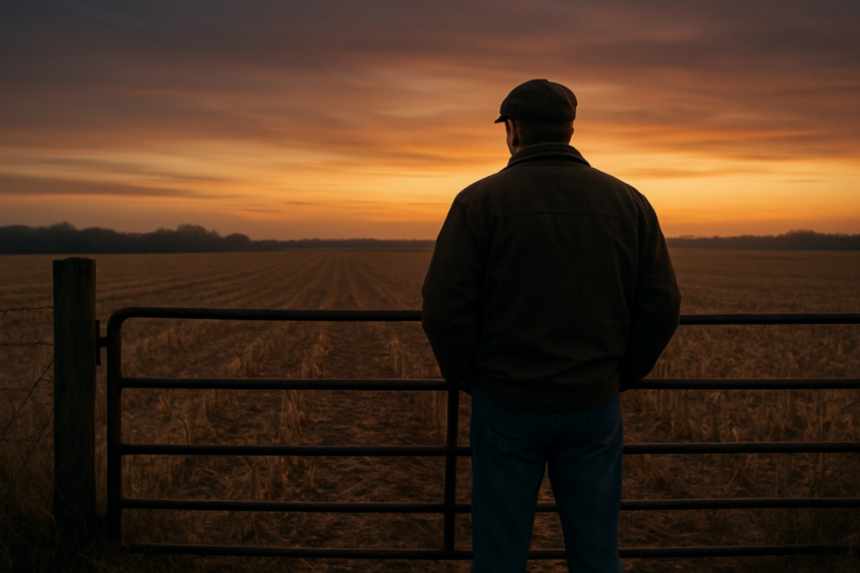
I've ridden pens at a Texas Panhandle feedyard for thirty years. I know every light a night can make. On three nights in October 2016, forty thousand head of cattle went silent and faced the east pens, and what hung there wasn't any of them.
I saw a silent craft over our irrigation pond, lost nearly an hour, and found three grey figures standing where no one could have been.

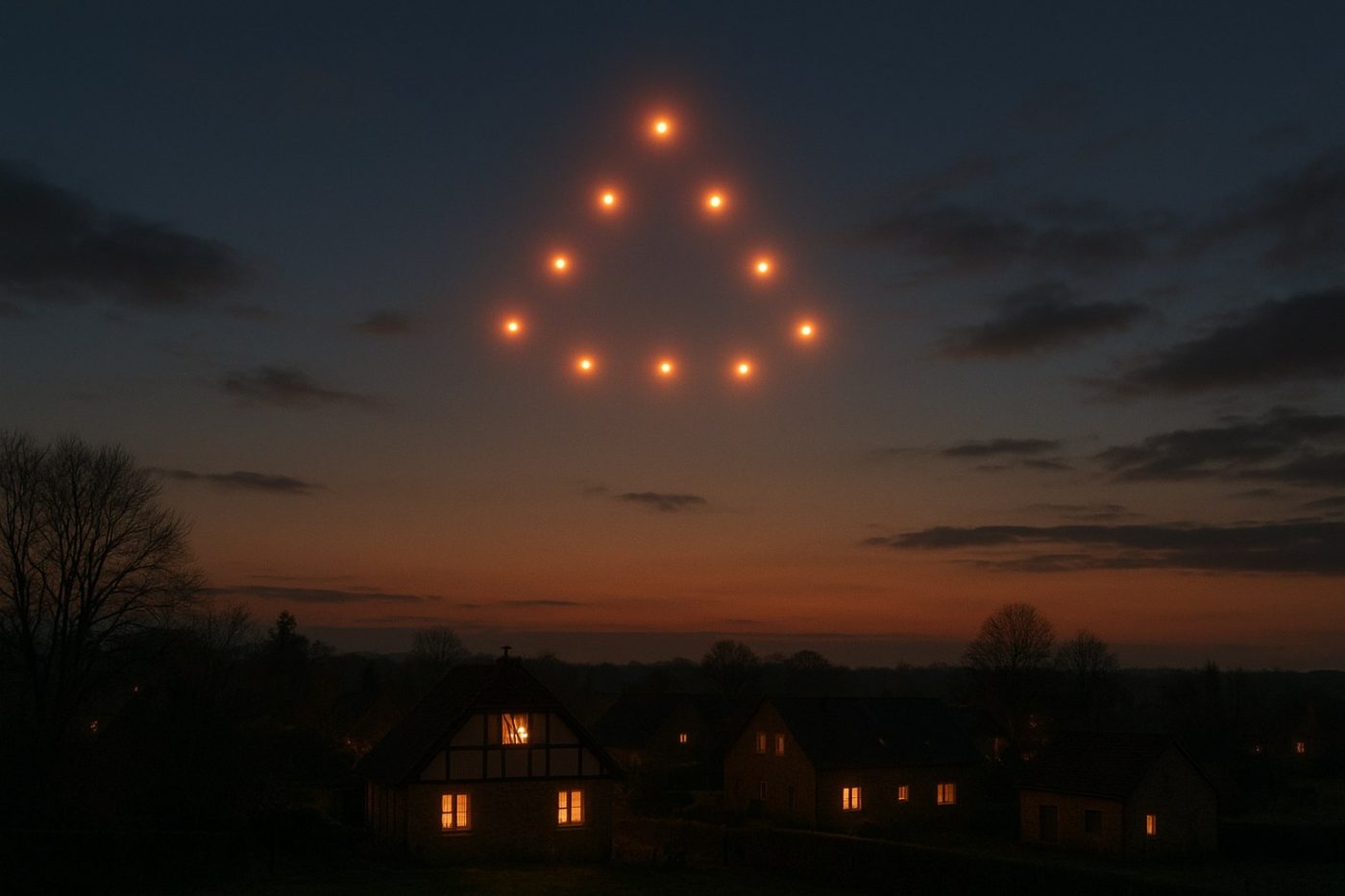
I only noticed because I visit my mother on her birthday, and the light was there all three times, doing the same slow circuit.
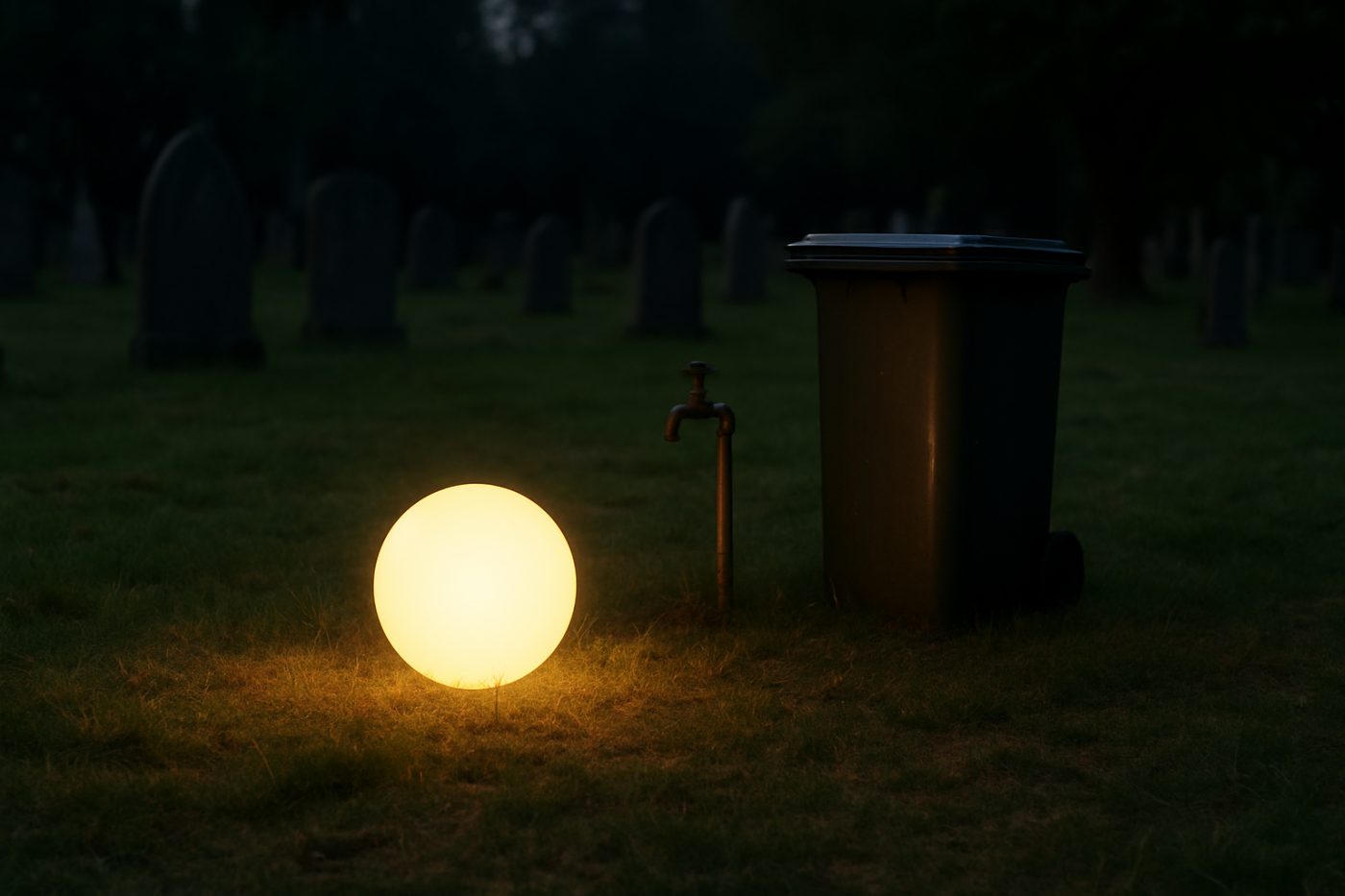
She showed me the shot once, on the back of the camera, at 11pm behind the marquee. Then she deleted it and told me she needed the review.
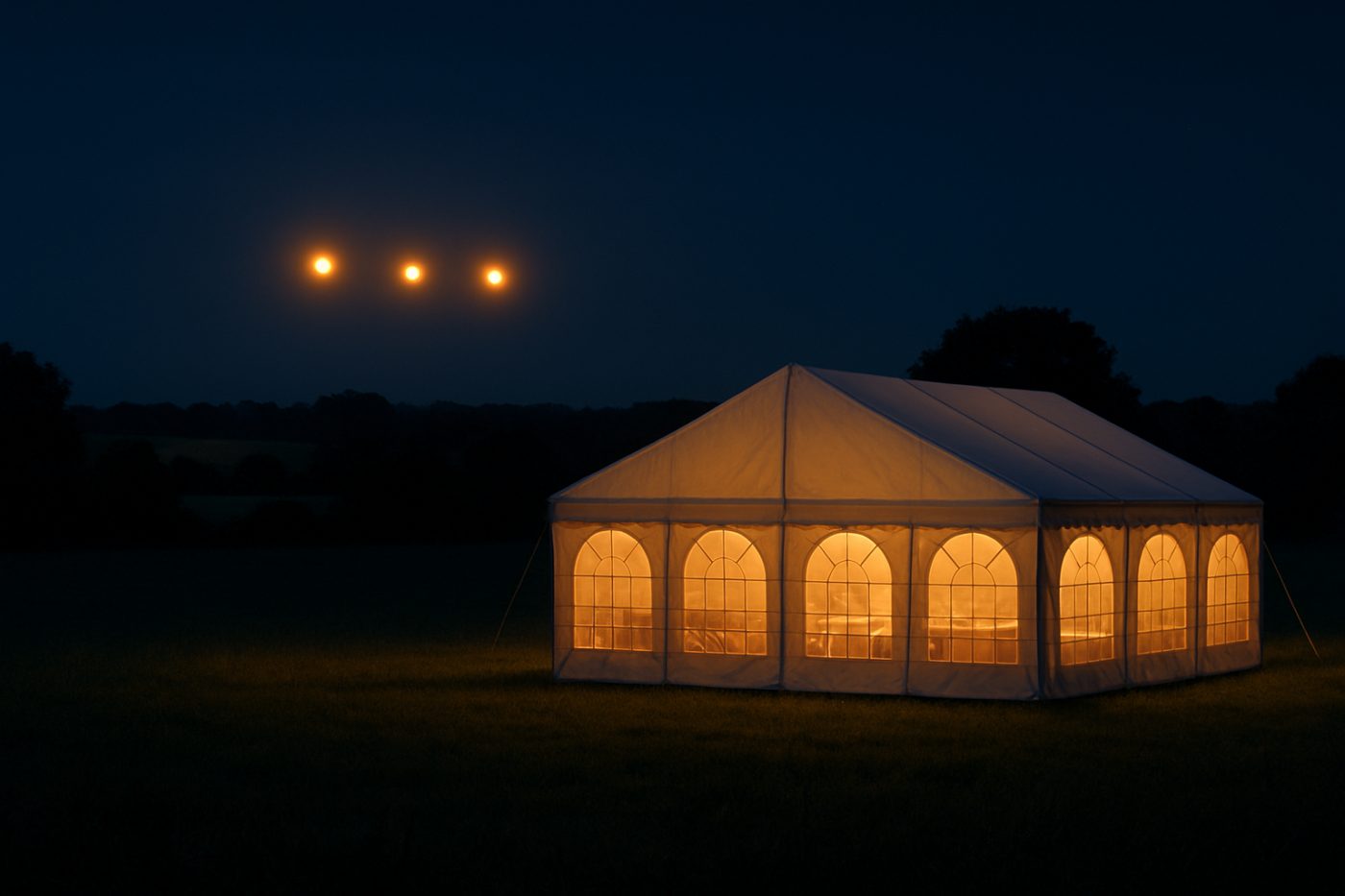
A quarter of a million pounds of machinery went dead in a field at 01:20, and my father would not talk about it for the rest of his life.
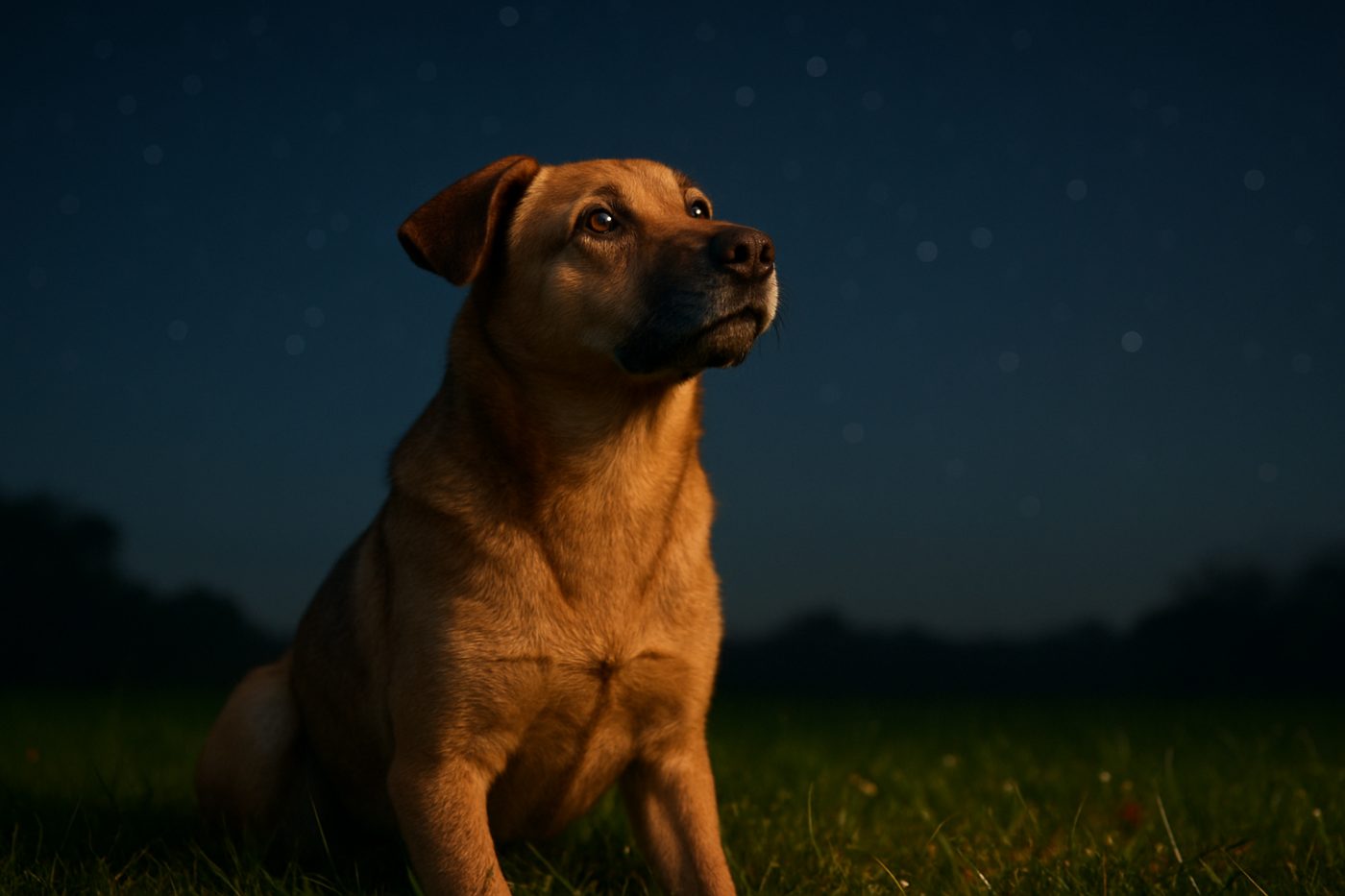
She barks at bin lorries, hot air balloons and the moon. That night she sat down in the wet grass and simply watched.
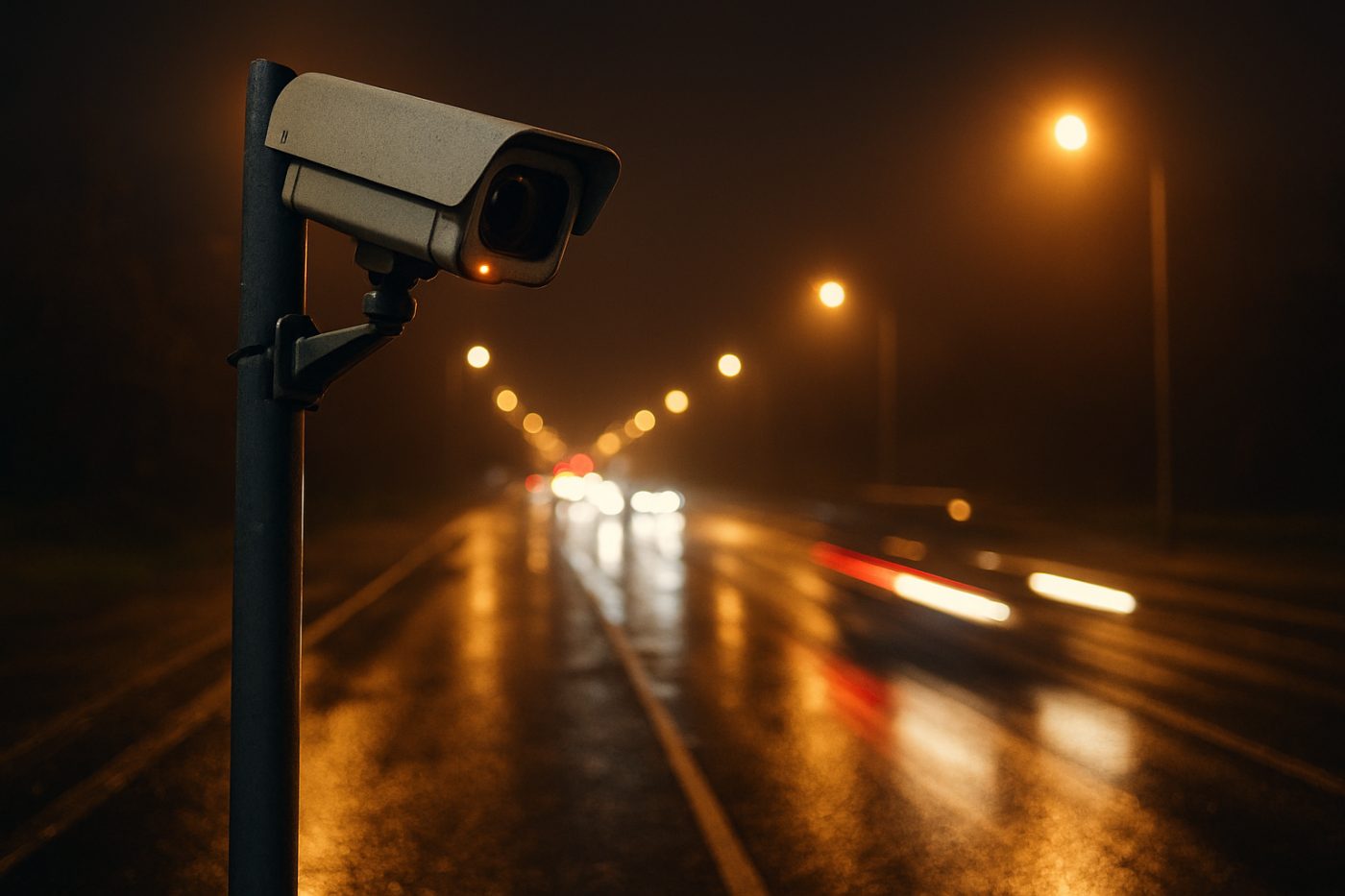
I FOI-ed the footage after twelve drivers reported the same thing on the same night. Then the FOI came back with a gap.
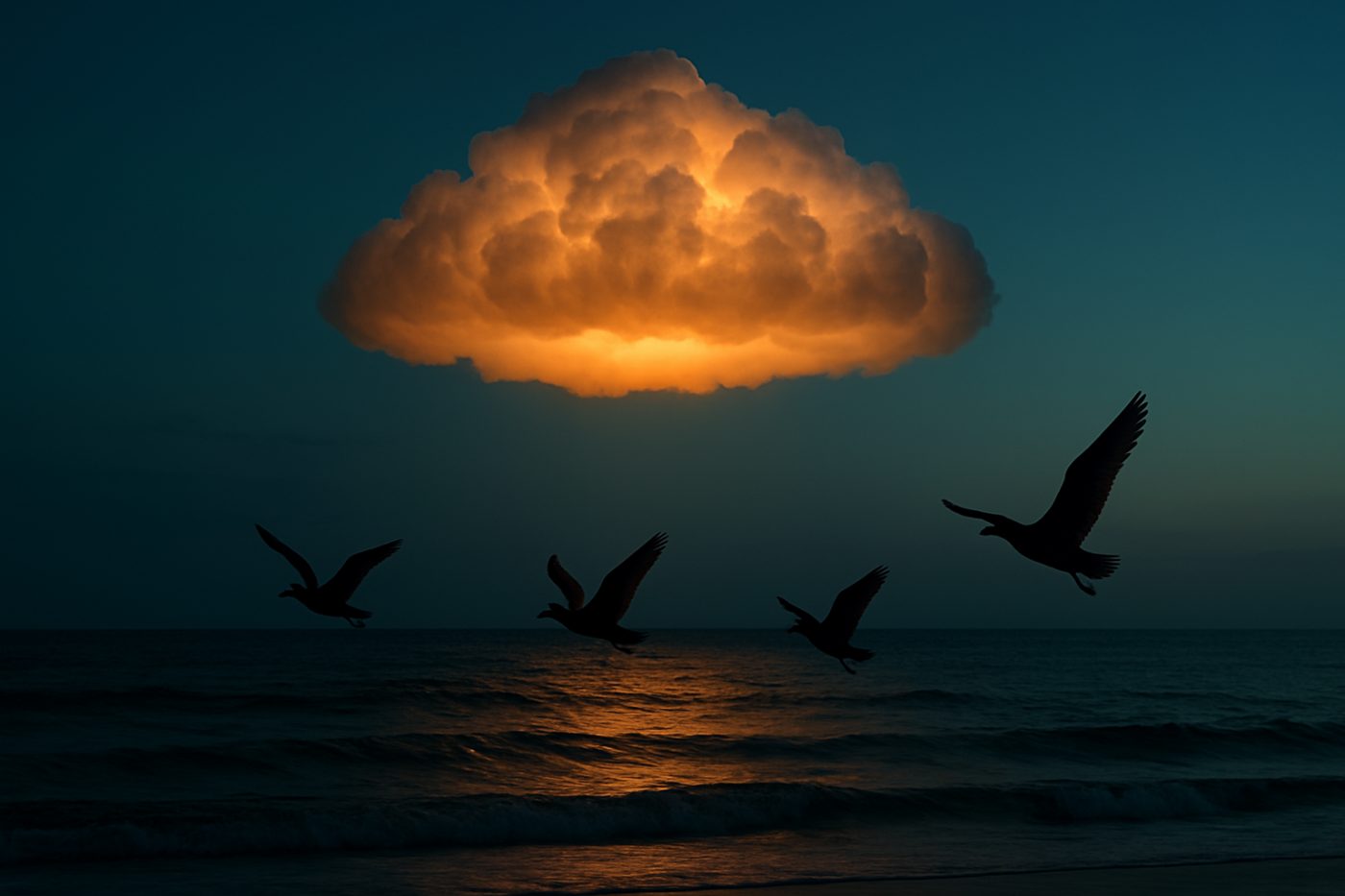
The light came out of the water, not down into it. That is the detail we agreed, in a boat shed, never to give to the newspaper.
He was not drunk and he was not joking. He said: "Whatever you think you saw over the ranges, you did not see it, and I did not see it on my screen for eleven minutes."
Forty of us were outside for the fireworks. Everybody saw it. By Monday it was a weather balloon, by Christmas it had never happened.
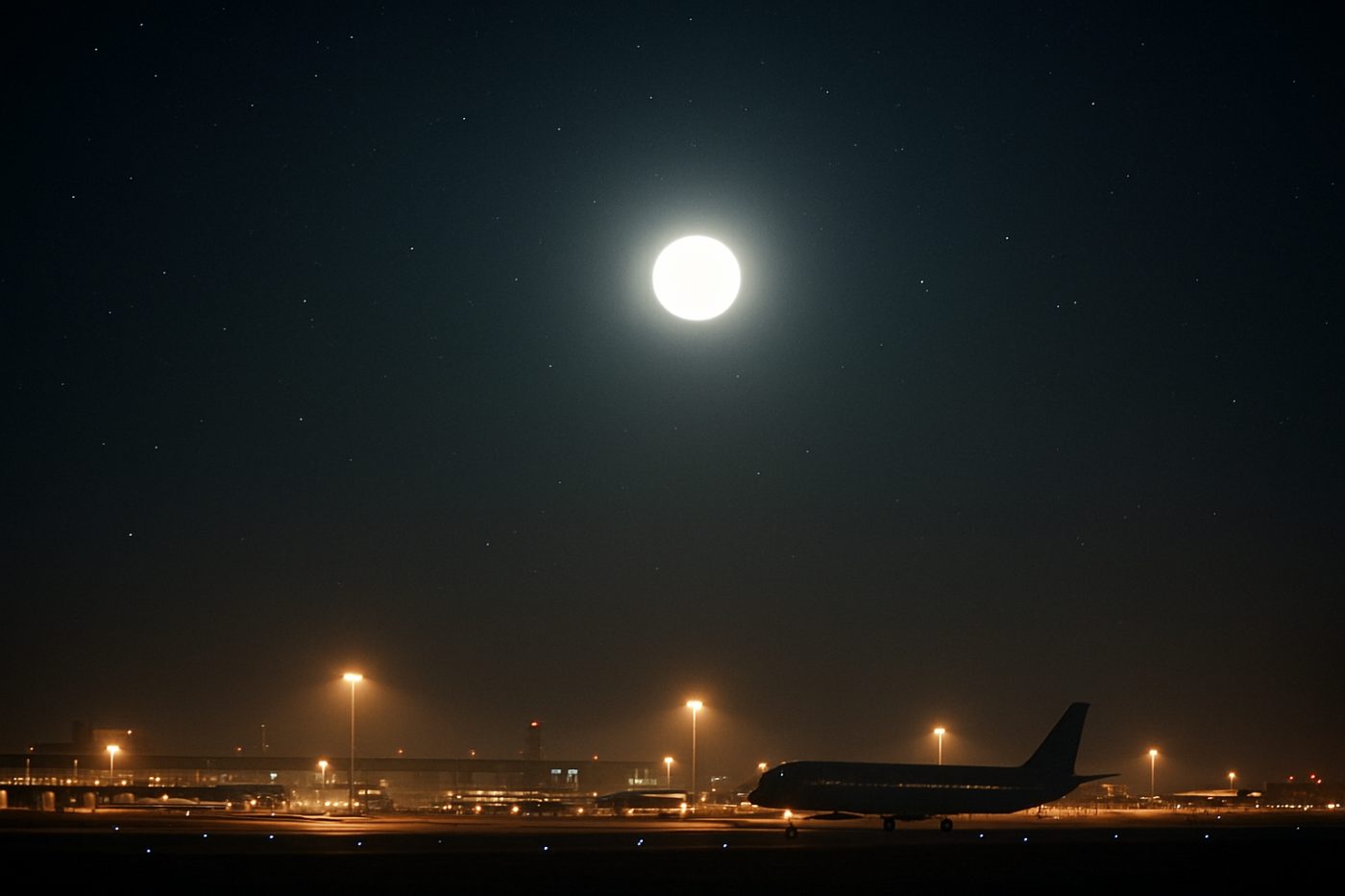
I am not a controller. I clean the tower. But I was in the room, and I heard three professional pilots take turns being polite about something that was not on the screen.
One habit separates the accounts on this page from most of the archive: people go and look things up. Narrators describe trawling flight trackers, satellite pass predictors and aerodrome schedules, often before telling anyone what they saw. A fair number talk themselves out of it entirely and submit the story anyway, which is why this file contains so many pieces that end without a claim attached. Pilots, hauliers and night-shift workers are heavily over-represented, presumably because they are outdoors and looking upwards more than the rest of us. Sceptics say that also makes them likelier to misjudge a familiar object under unfamiliar conditions, and several writers concede the point.
The full archive across every category sits in UFO stories, and anything that came closer than a silhouette moves next door to close encounters. What lifts a UFO experience in the voting is elimination work — what the writer ruled out, and how. Bare wonder does poorly; a witness who lists three ordinary explanations and dismantles two of them does considerably better.
Many reports turn out to be aircraft, planets, drones, or atmospheric effects seen under strange conditions, but a small number remain unexplained even after careful checking. Reading first‑person stories and seeing how the reader jury votes can help you notice patterns, possible explanations, and which details feel credible or not.
Human perception is easily tricked in the dark: distance, speed, and size are hard to judge against a black sky. Lights from planes, satellites, flares, stars, or reflections can look eerie or impossible, especially when you’re already on edge. Comparing your experience with similar accounts and how the jury evaluates them can shed light on what might really be going on.
Reports of odd things overhead are fairly frequent, but most never make it into official records or the news. Many people only talk about them in anonymous stories or with close friends, worried they’ll be dismissed. A site that collects detailed accounts and lets a jury vote gives a rare glimpse into how often people feel they’ve seen something they can’t explain.
First, stay calm and observe carefully: note the time, location, weather, direction, shape, color, and any sounds. If it feels safe, take photos or video, but avoid chasing or approaching anything unknown. Later, compare what you saw with other witnesses’ stories and how readers judged them; you may find a down‑to‑earth explanation or realize yours fits a recurring pattern.
Some strange objects may be classified aircraft, drones, or tests that governments don’t publicly acknowledge, which can explain unusual movements or silence from officials. However, not every case fits that explanation, especially when multiple independent witnesses describe the same weird behavior. The stories and jury votes often reflect this tension between plausible tech theories and truly puzzling details.
Authorities often default to ordinary explanations because they don’t want to fuel panic or conspiracy theories, and sometimes they genuinely think it was a reflection, a balloon, or a data glitch. Witnesses, on the other hand, can feel dismissed when their experience doesn’t match those simple answers. You’ll see that clash in many accounts and in how readers vote on whether the quiet explanations really fit.
No method is perfect, but honest reports usually include small, boring details, uncertainty, and even things that don’t make the storyteller look good, like fear or confusion. Fabricated tales often lean on clichés, perfect memory, or dramatic twists that tie up too neatly. Watching how the jury responds to different narratives can sharpen your own sense for what sounds genuine.