
The Message in the Steam on the Mirror
Every morning for a week after my sister died, the same three words appeared in the steam on my bathroom mirror as I showered — in her handwriting, which loops the way mine never has.

Deathbed visions are reported far more often than they are discussed, and the end of life visions here come from families keeping vigil and from hospice nurse stories sent in anonymously. In this corner of our archive, you’ll find firsthand tales of Deathbed Visions and other liminal encounters at the edge of life and death. Readers share personal experiences of final farewells, uncanny hospital nights, last goodbyes in dreams, and eerie signs that seem to arrive only when someone is close to passing. Expect bedside apparitions, quiet moments in hospice rooms, unsettling calm in intensive care, and strange coincidences that circle the moment of dying.
Every account here is submitted by individuals telling their own story, and none are investigated or treated as proven truth. Instead, each narrative lives or dies by what you, the audience, decide. Read the experiences, weigh the possibility of afterlife messages or end-of-life visitations for yourself, and cast your vote on which ones you believe really happened.
Every morning for a week after my sister died, the same three words appeared in the steam on my bathroom mirror as I showered — in her handwriting, which loops the way mine never has.
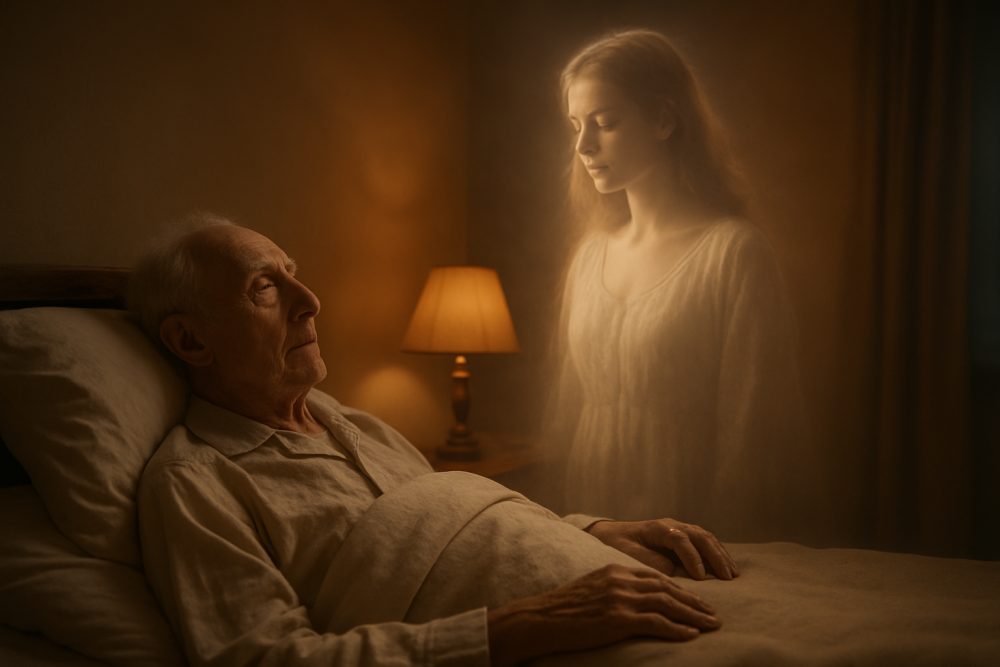
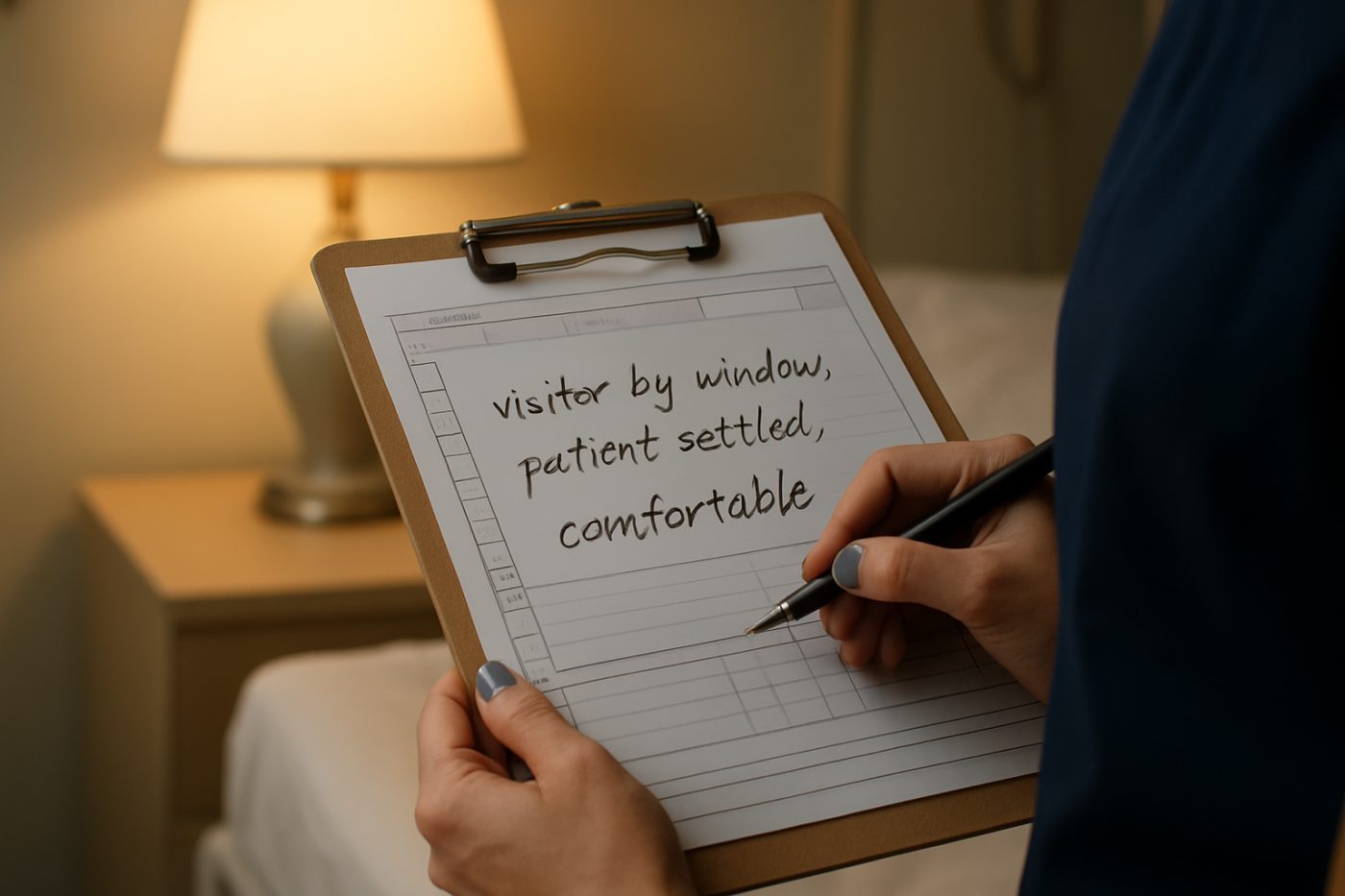
My dying father kept greeting his late wife by the window. To humour him a nurse 'noted the visitor' on his chart — and the ward's motion-activated night light, all week, kept switching on by that window at 3 a.m.
Night nurse, quiet ward. I chatted with the gentle old man in bed 9 through the small hours — until the 6 a.m. handover told me bed 9's patient had died before my shift began, and been moved at midnight.
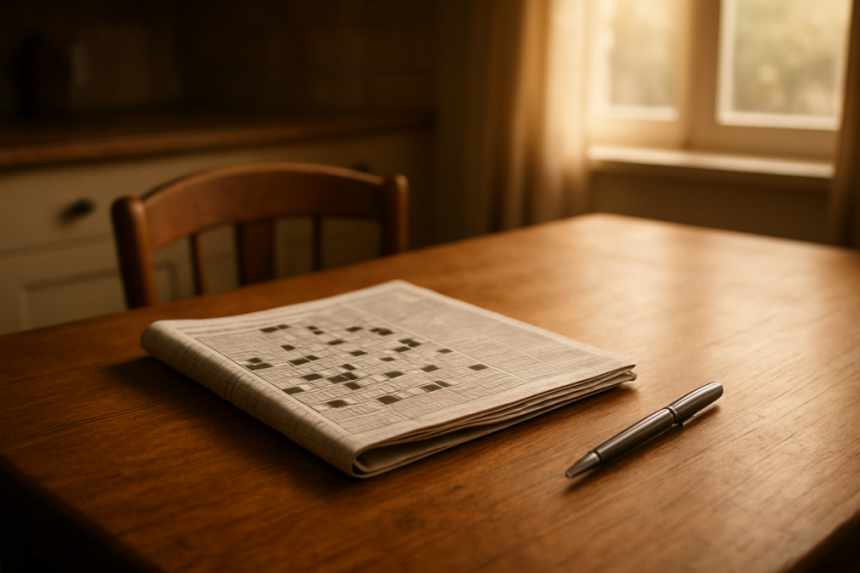
My grandfather and I did the newspaper crossword together every Sunday. The Sunday after he died, the paper on his kitchen table had three answers filled in — in his hand — that hadn't been there the night he passed.
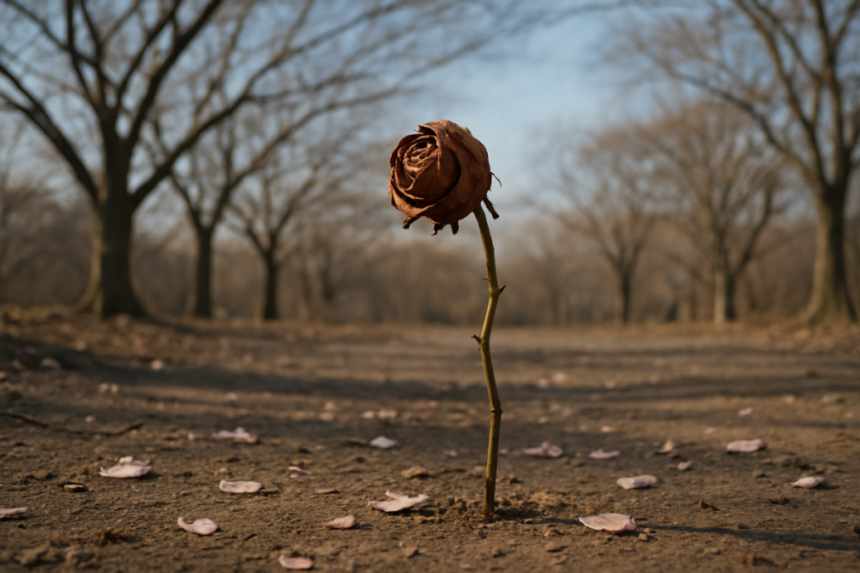
My mother's rose, dead and brown for two winters, opened a single perfect flower on the morning of her funeral — and closed, and browned again, the day after we scattered her ashes there.
I put the phone down, walked out to lock up, and he was at the gate in his usual place, doing the thing he always did with the bolt.
I timed it because I did not know what else to do with my hands. Eleven minutes. Proper belly laughs. At a doorway.
It came each afternoon and tapped the glass by her deathbed with its beak, patient and unhurried. On the day she died it tapped once and flew off, and never returned.
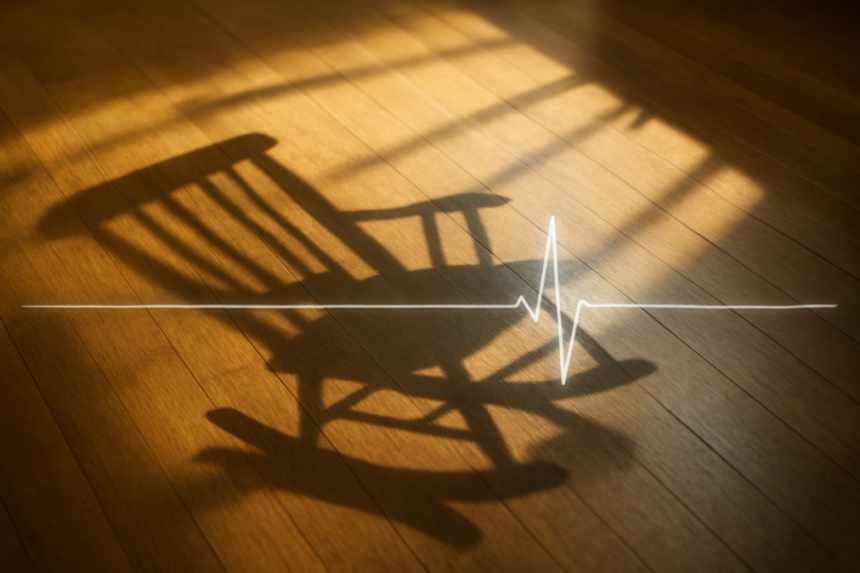
An estate-sale rocking chair rocks by itself — but only gently, only in the evenings, and only, we realised after months, at the exact pace of a heartbeat. A slow, resting, dying heartbeat.
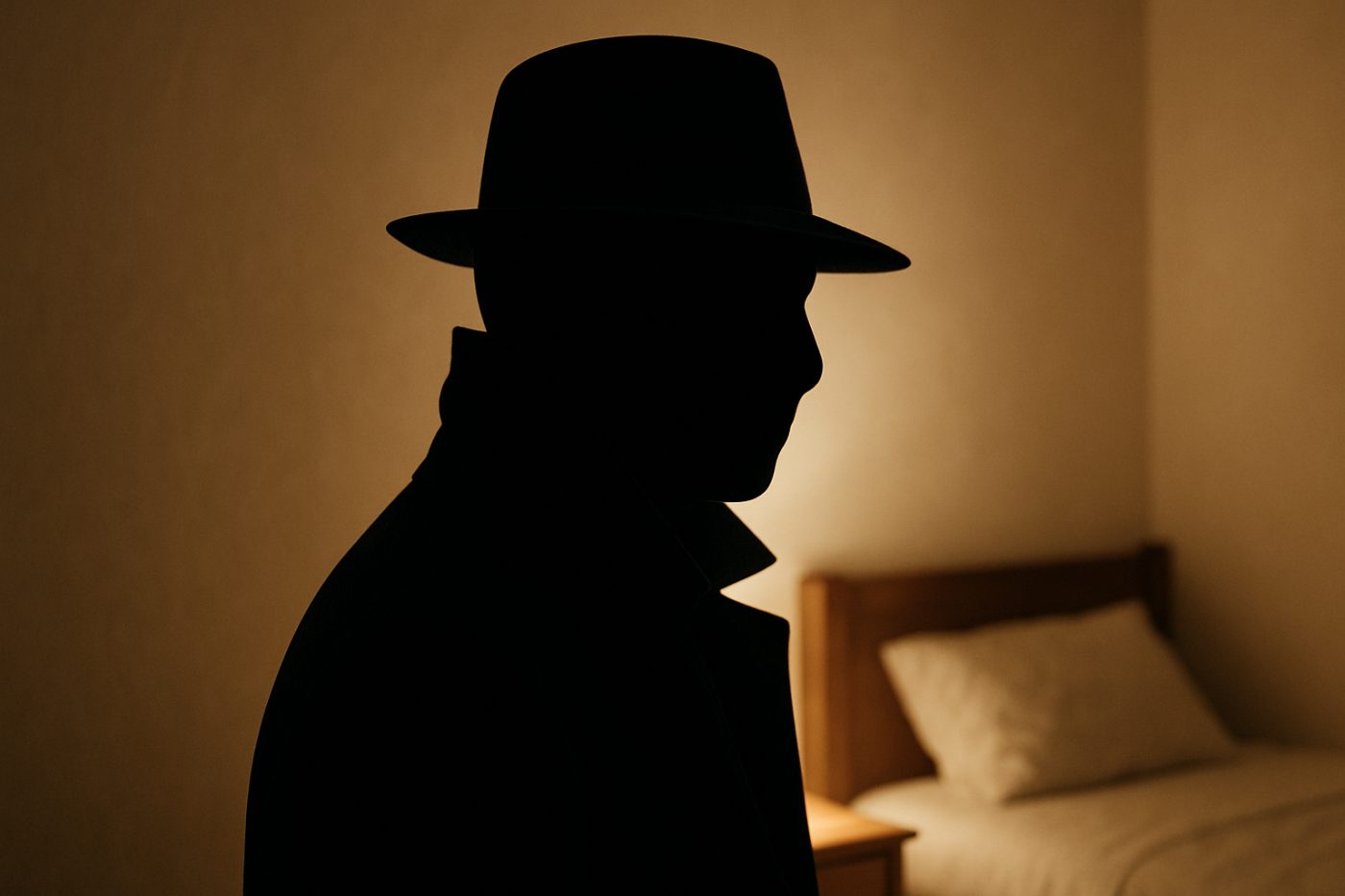
I was nine. I told my mother a man in a hat came at night. She went white and asked what kind of hat. I have never forgotten her face.
After my mother died we sold her house. On the final walkthrough, in the stripped and empty living room, the whole family stopped at once: her perfume, thick in the air, in a house with nothing left in it.

The night my grandmother died two time zones away, she visited me in a dream, sat on the edge of my bed, told me she was proud of me, and said not to be sad. The call came at dawn.
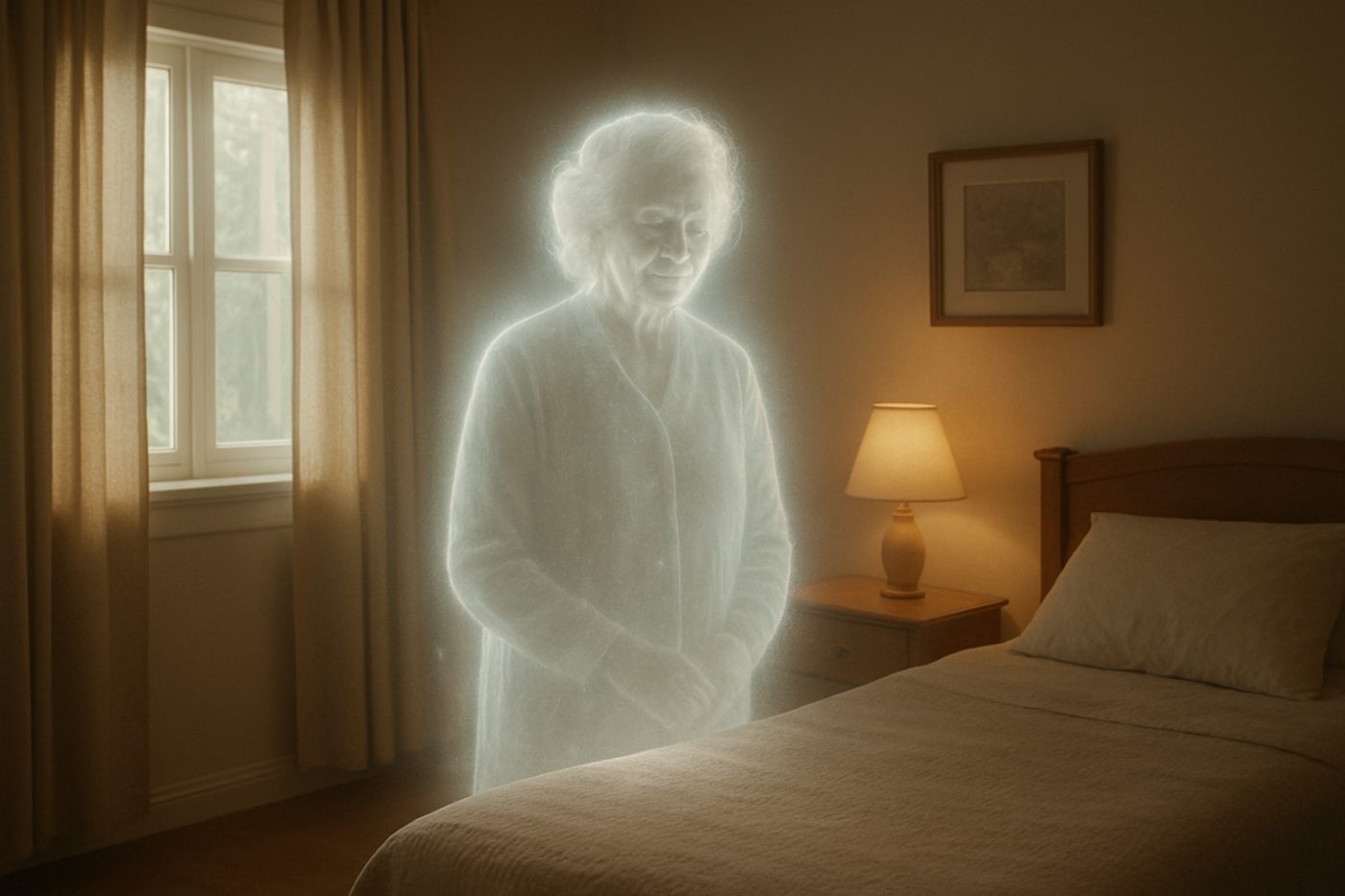
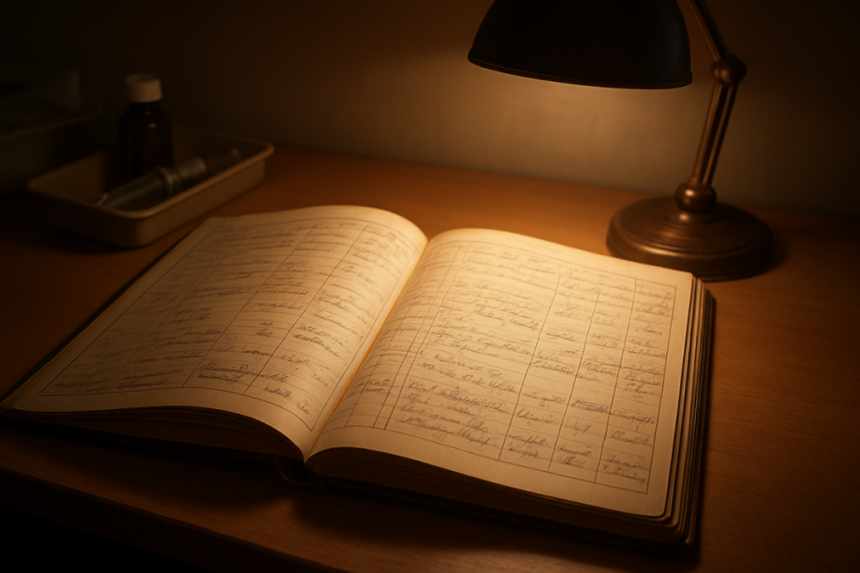
On night rounds I heard talking from room 4, a room closed for renovation, no bed, no patient. A voice thanked me for coming. I checked the log: the last patient in room 4 had died there years before.
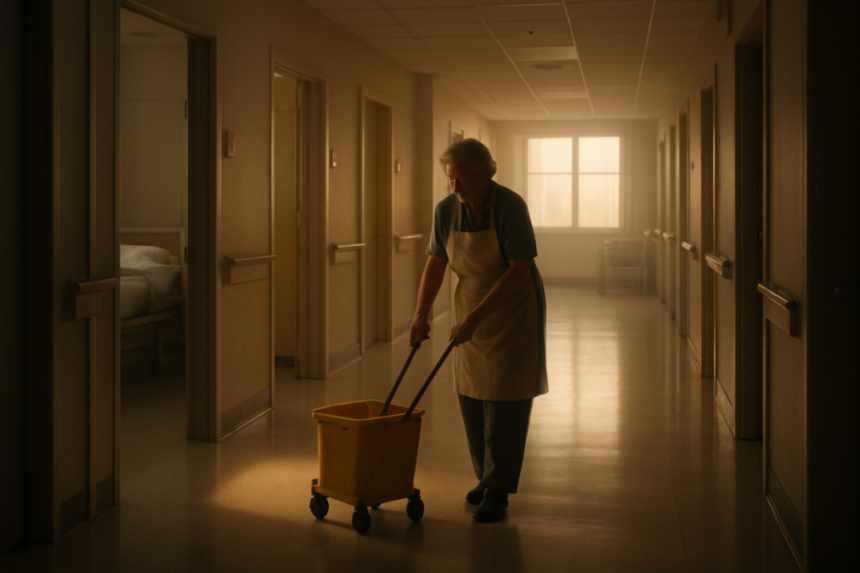
Hospital nights, I'd chat to a cleaner named Agnes on the geriatric ward — until HR told me nobody named Agnes had worked there in eleven years, and showed me a photo I recognised.
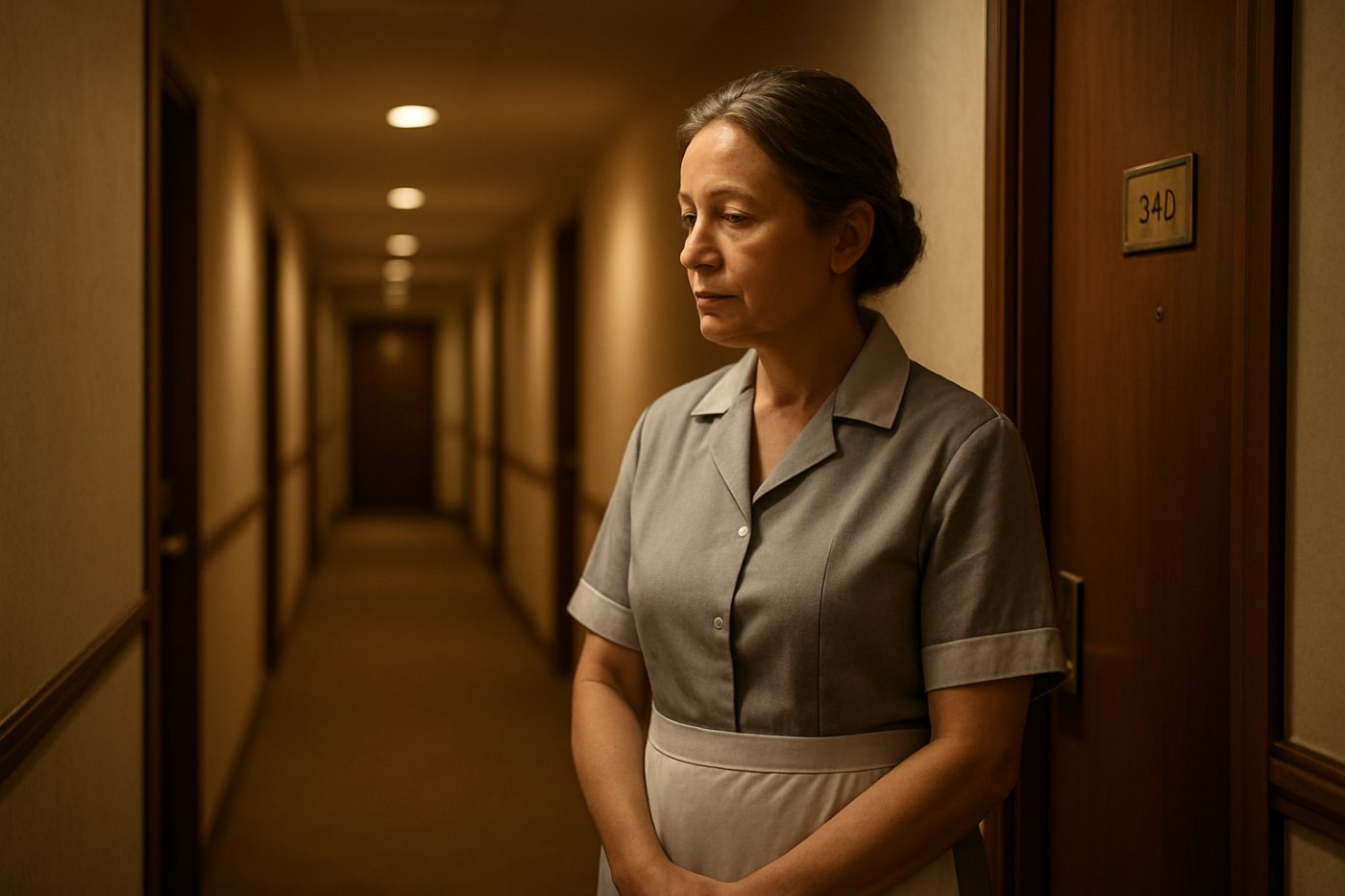
Night auditor at a hotel: the system logs a breakfast order from room 340 at 3:11 a.m. nightly. Room 340 has been out of service, locked and gutted, since a guest died there.
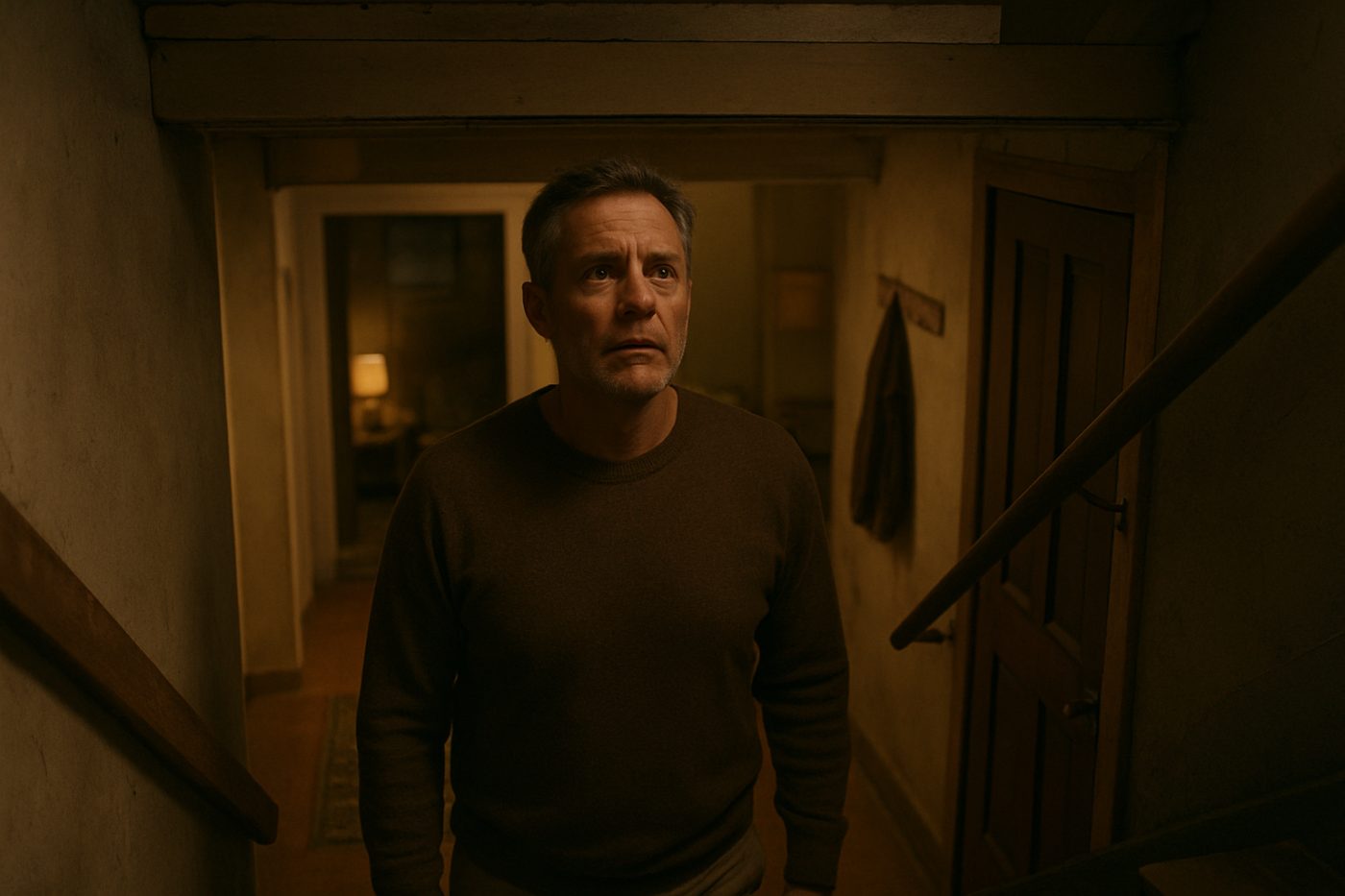
A year after my dad passed, I dreamed him standing at the bottom of the basement stairs, saying "not tonight, not those stairs." I skipped them the next morning. The top step had come loose overnight.
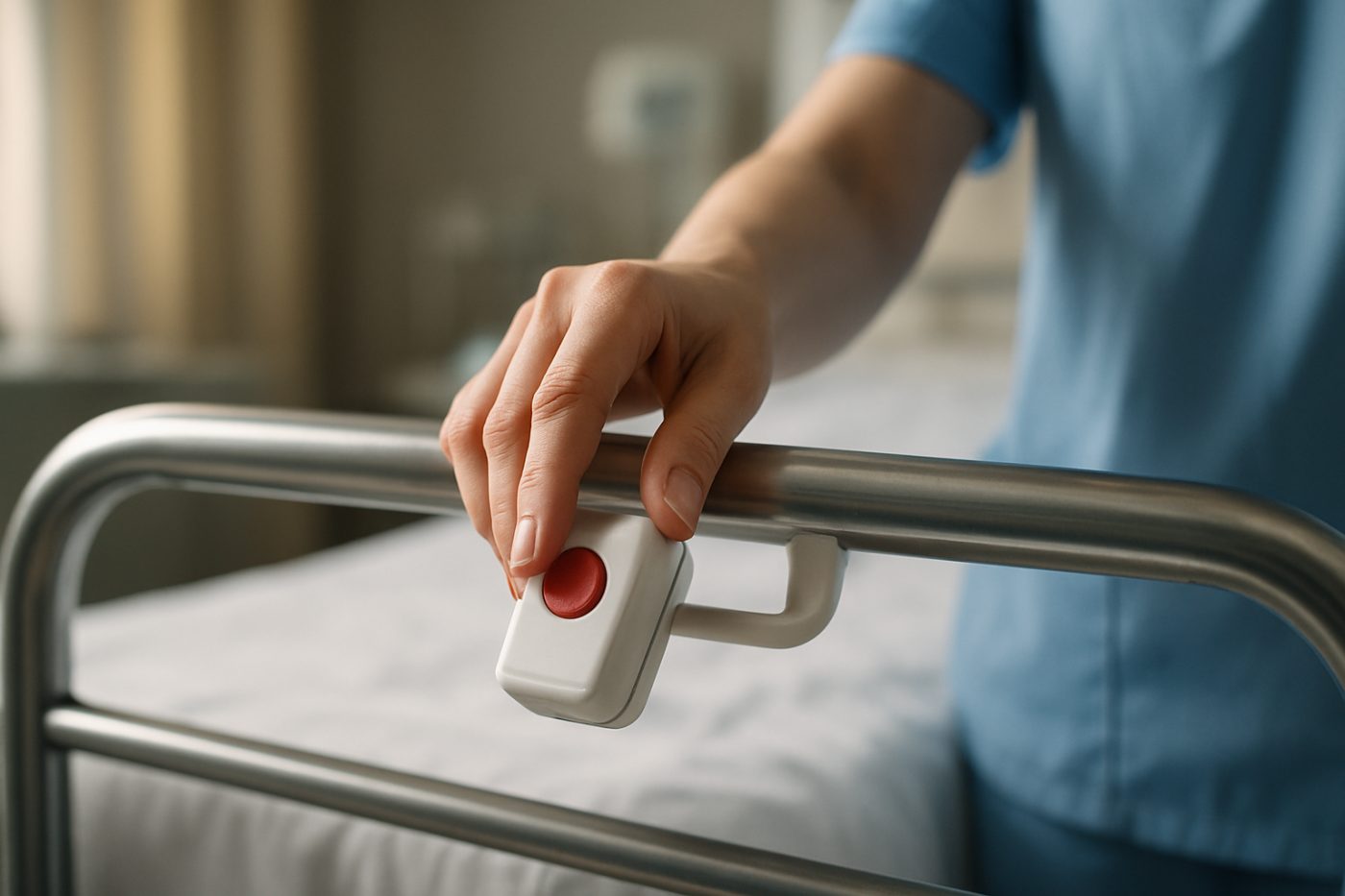
Night shift on the ward, bed 12's call bell rings — but bed 12 was discharged that afternoon, stripped and empty. It rang every night that week, always at 3:40, always empty.
As a new night nurse I was told: 'when they reach up with both hands, call the family.' I've now seen the reach eleven times. It has never once been wrong.
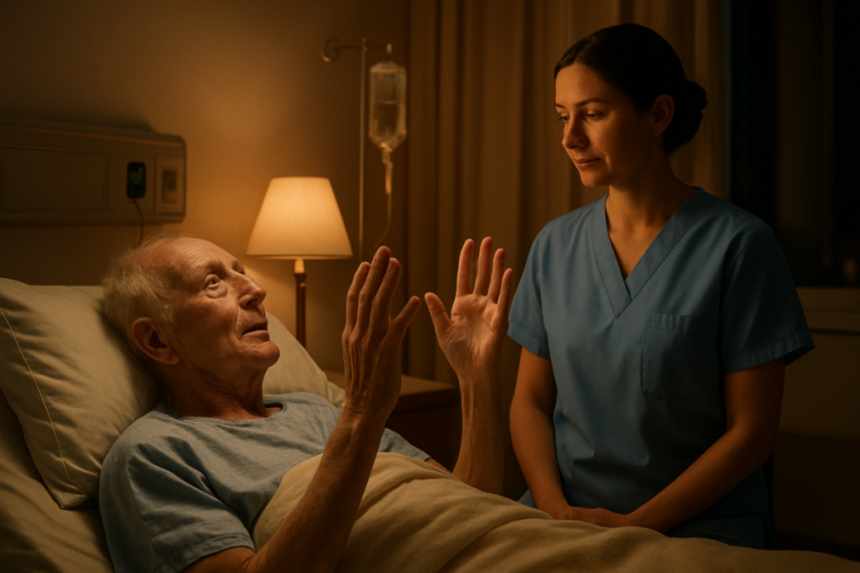
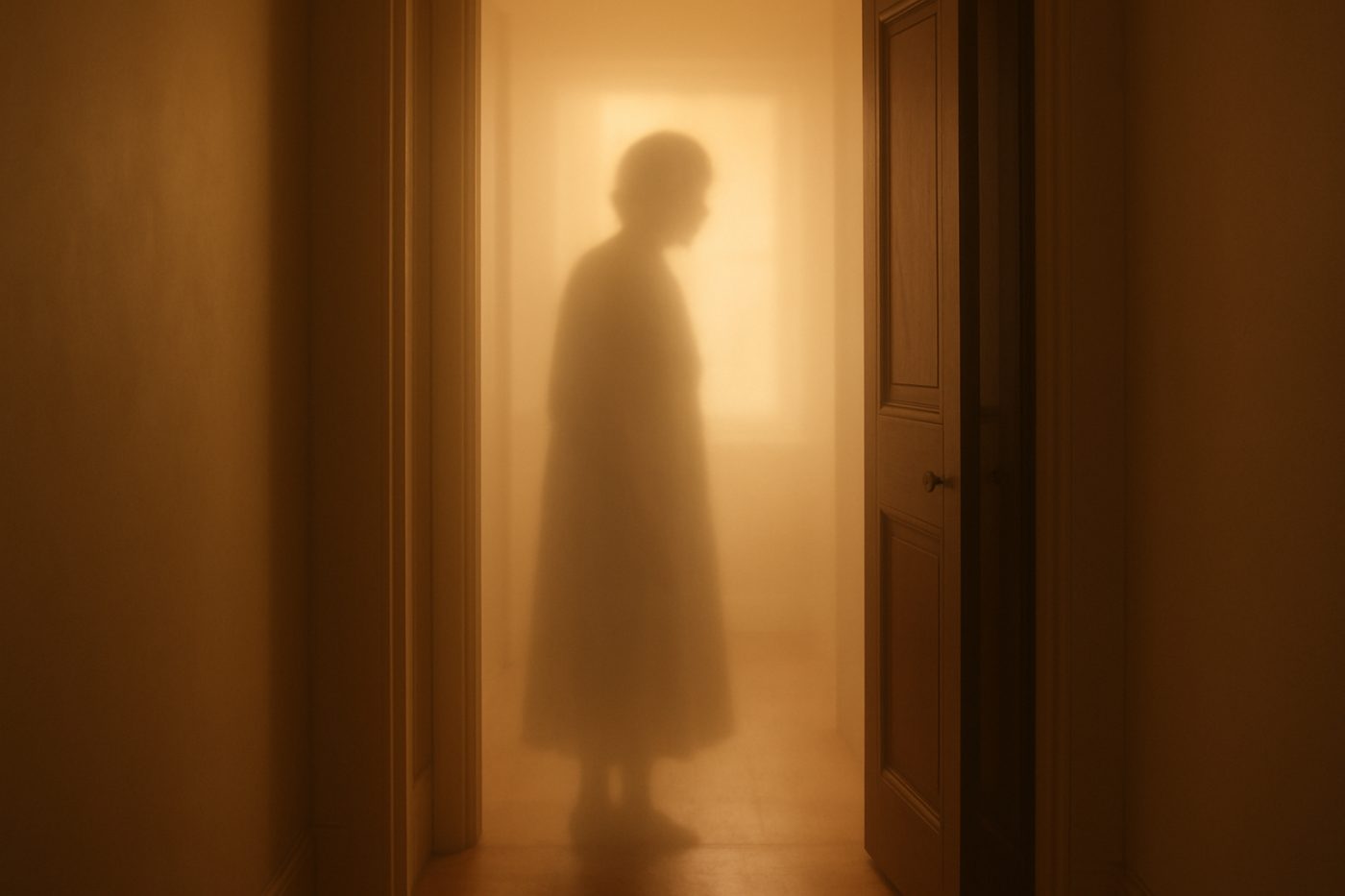
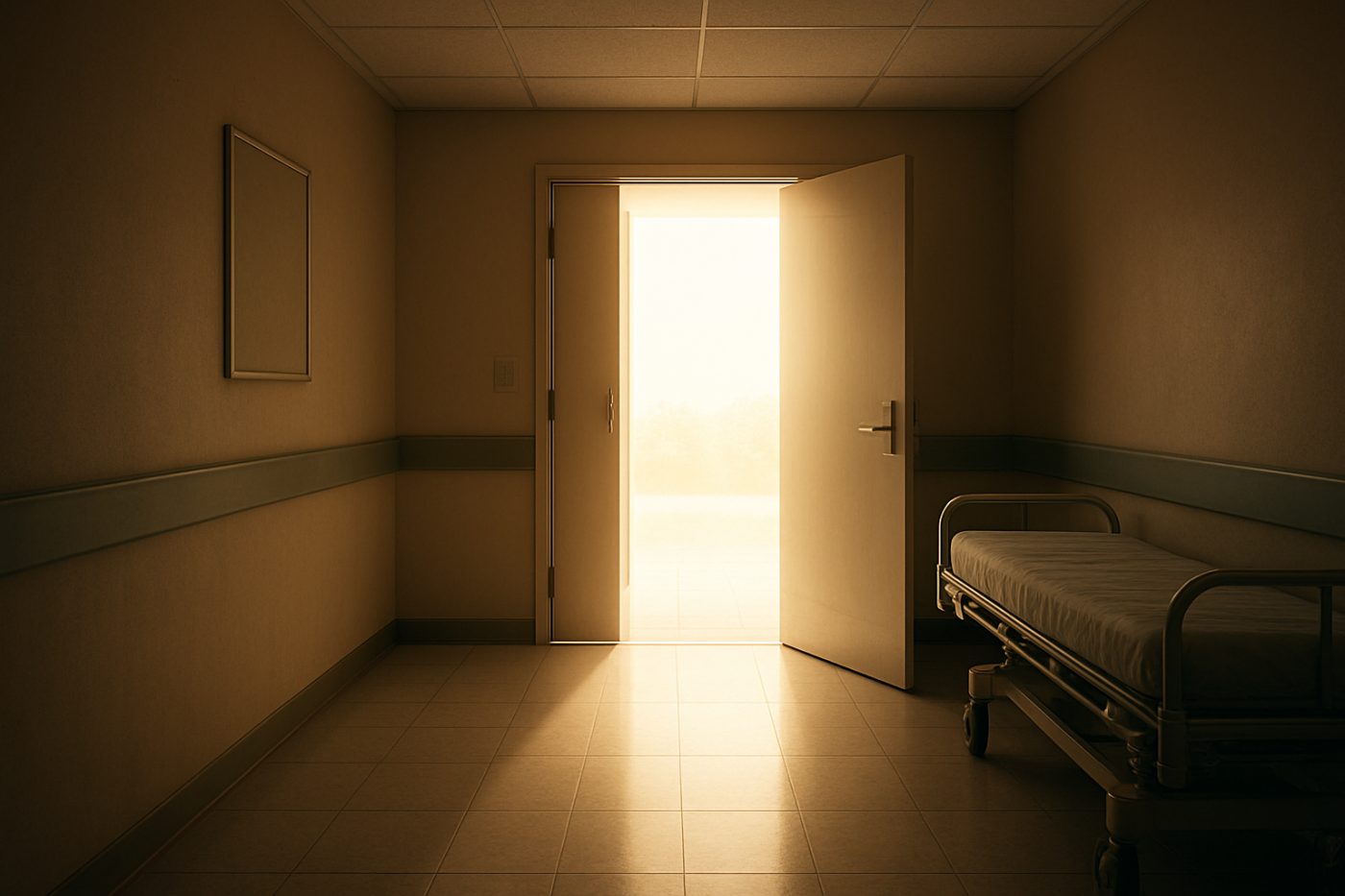
My father, lucid to the end, spent his last morning talking to the doorway — and greeted, by name, the brother we hadn't yet told him had died two days earlier.
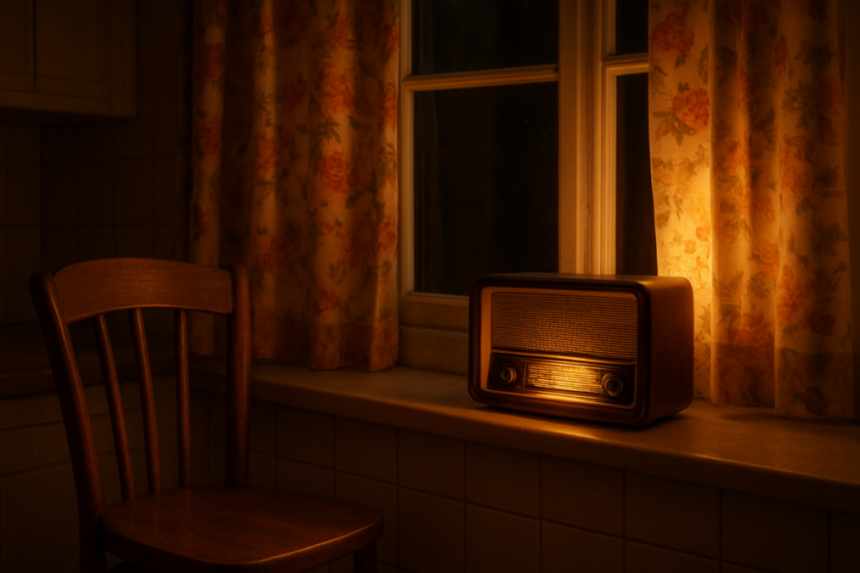
The day after my grandmother's funeral my phone rang from her number, disconnected a week earlier. I answered. There was her kitchen radio, her chair creaking, and one word in her voice before it cut out.
Hospice nurse stories make up a quiet majority of this tag. Read a run of these accounts and the vocabulary narrows sharply. People at the end are reported talking about travel — a train, a case that needs packing, somebody waiting outside — far more often than about light or tunnels. Relatives get named, and the names are usually of the dead rather than the living. Hospice staff have described the same pattern for decades and largely treat it as a familiar part of dying rather than a mystery; the medical reading points to low oxygen, medication and a brain doing its last housekeeping. Families who have sat through it tend to accept every word of that and remain unsatisfied.
Signs that arrive after the funeral rather than before it are gathered in visits from beyond stories, and accounts told from the patient's own side sit under life review. Deathbed visions are one of the few subjects where the jury votes gently, and where the most convincing submissions are the plainest — no interpretation offered, only what was said and when.
No one can say for sure, because these experiences are reported in very personal, subjective ways. Some people frame them as the mind coping with dying, others as genuine contact with something beyond. Reading first-person accounts and seeing how the reader jury votes on them can help you explore how believable different explanations feel to you.
End-of-life hallucinations or visitations are often explained by medicine as the effects of illness, medication, or lack of oxygen, but many families feel there is a deeper meaning. The same patterns show up across cultures: familiar faces, comforting figures, or mysterious visitors at the bedside. Our stories let you compare different cases and the jury’s verdicts, so you can weigh psychological versus spiritual interpretations.
Reports are common anecdotally, especially among hospice workers and relatives who’ve sat with someone in their final days, but there’s no exact, trustworthy percentage. What we do know is that similar themes—messages, visitors, warnings—recur again and again. On our site, you can see just how often these motifs appear and how readers judge their plausibility.
They might be, or they might not—these stories are powerful but they don’t count as scientific evidence. For some, they reinforce existing spiritual beliefs; for others, they’re better explained by brain chemistry and memory. The reader jury’s split decisions on many accounts reflect that uncertainty.
Many caregivers suggest responding calmly and respectfully, without arguing about what is or isn’t “really” there. You can ask gentle questions, listen, and offer comfort, focusing on what the experience means to them. Reading through bedside experience stories and the comments behind the jury votes can give you a sense of how others have handled similar moments.
They can be both. Many people describe comforting presences, light, or loved ones, but there are also unsettling reports of shadows, warnings, or figures that feel wrong. On our site, you’ll find a range—from gentle goodbyes to disturbing encounters—and the jury votes often reflect how eerie or reassuring each one feels.
No, people with all kinds of beliefs, including skeptics and non-religious folks, report strange phenomena near death. The interpretation tends to follow the person’s worldview, but the raw experiences—visions, sounds, meaningful coincidences—are described across belief systems. Comparing stories and jury reactions can highlight how much perspective shapes the meaning we give these events.
Some accounts describe “shared” experiences, where a relative or nurse senses or sees something at the same time as the dying person, though these are even harder to verify. They’re rare in the literature but very striking when they occur. When such stories appear on the site, the reader jury often debates them intensely, precisely because of that shared-witness claim.