
Room 4 at Three in the Morning I Left My Body
Recovering from pneumonia, my heart went into an arrest at 3 a.m. I rose to the corner of the ward, watched them work, moved through a tunnel of light, and saw the whole shape of my life.
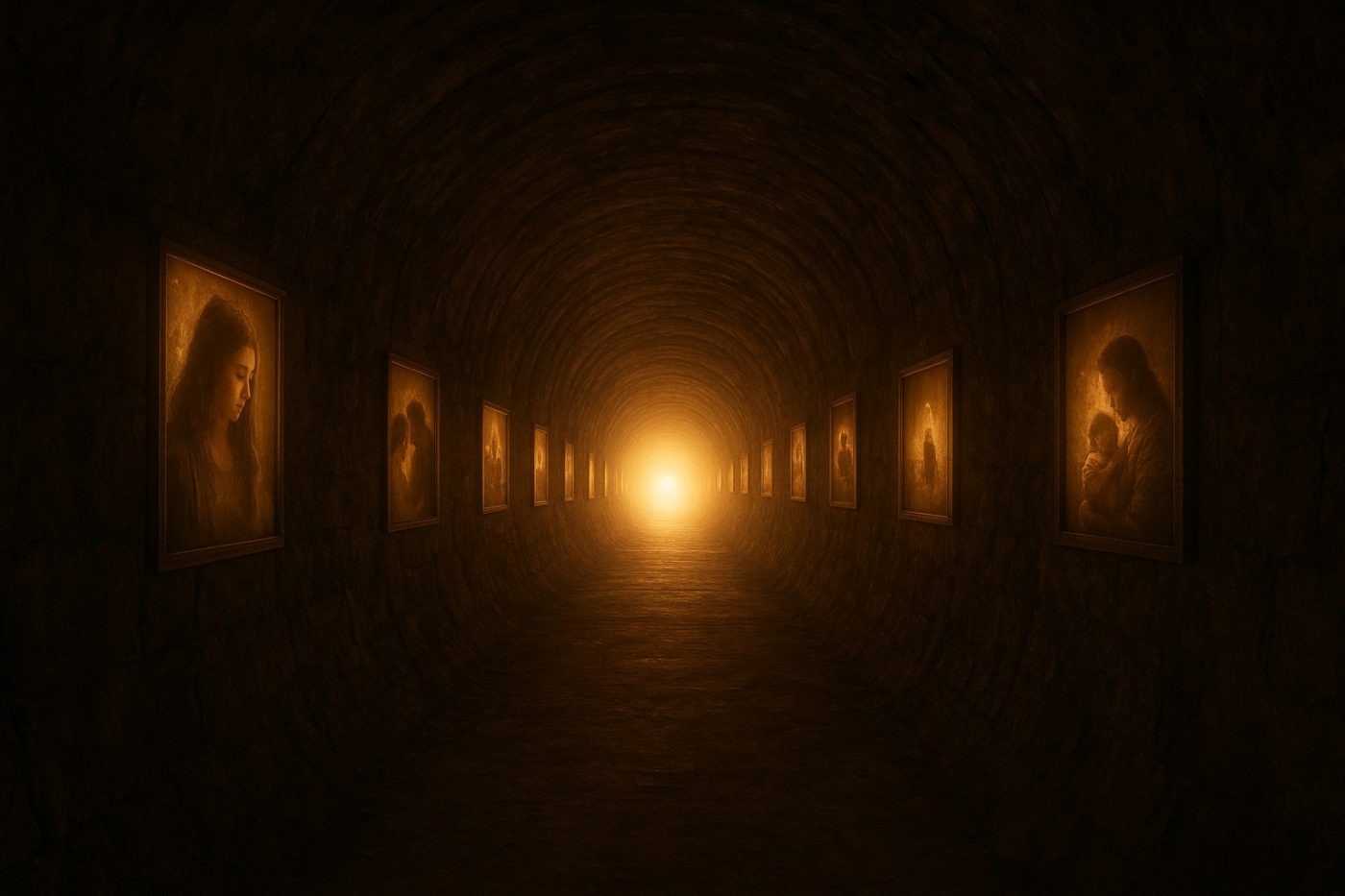
In this Life Review collection, you’ll find intense first‑person turning points told from the brink: near‑death recollections, out‑of‑body memories, and the flashbacks of people who say my life flashed before my eyes, a whole existence compressed into seconds. These narrators describe medical emergencies, freak accidents, and quiet domestic moments that suddenly open into radiance, tunnels, presences, and panoramic replays of everything they’ve ever done, loved, or regretted.
Every narrative here is a personal testimony, not an authenticated report; the truth of each experience is shaped by the storyteller alone. That’s where you come in. As part of our reader jury, you weigh the plausibility of these existential flash‑cuts and decide whether each account reads as authentic recollection, embellished confession, or pure invention. Start reading, follow each journey to its threshold, and cast your vote.
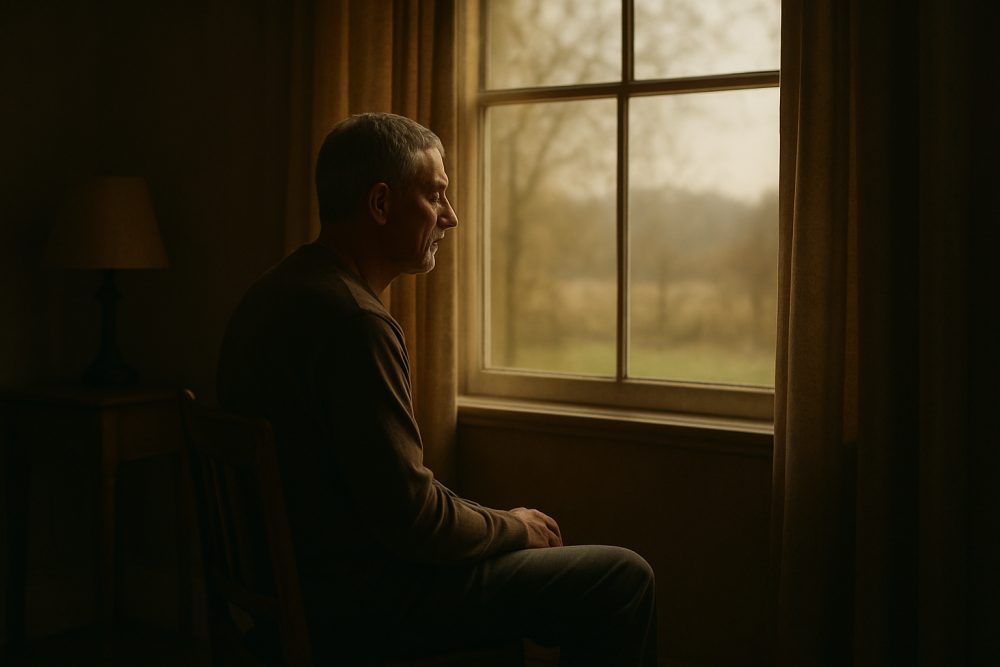
Recovering from pneumonia, my heart went into an arrest at 3 a.m. I rose to the corner of the ward, watched them work, moved through a tunnel of light, and saw the whole shape of my life.
I fell through a frozen pond and was under for forty minutes. There was a tunnel, a light, a full reckoning of my life, and then, against every medical odd, a warm hand pulling me back.
A routine gallbladder surgery went wrong and my heart quit on the table. I felt myself lifted out, and then every year of my life unfolded at once, and I was asked, kindly, what I had learned.

One sting in the garden and my throat closed in minutes. As my body shut down, my whole life opened up in front of me, and I was gently shown the good I had not finished doing.

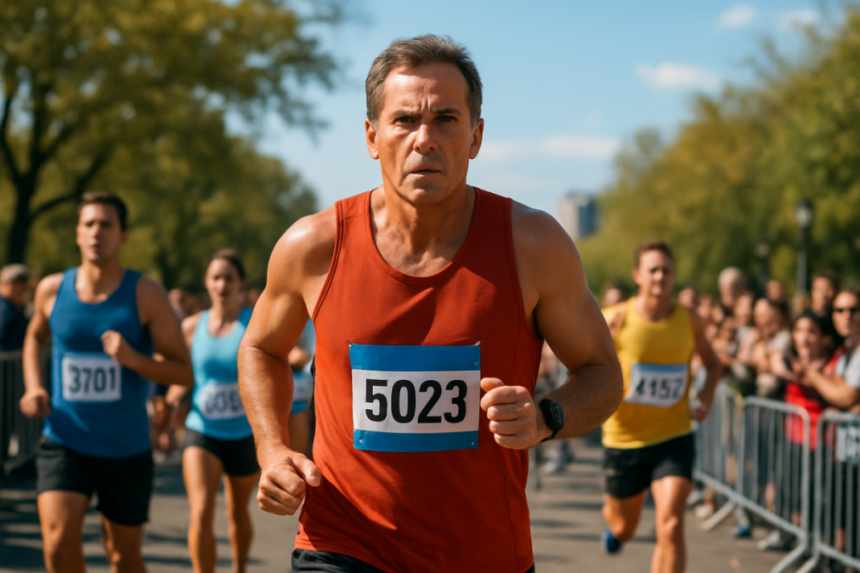
I trained a year for that marathon. At mile twenty my heart quit and I fell on the course. What I found in the dark was a tunnel, a light, and a review of a life I thought I understood.
My heart stopped over a sink of dirty dishes. What came next was a tunnel, a warmth I have no words for, and a review of every small kindness I had forgotten I ever gave.

A live wire knocked me flat on a job site and my heart stopped. In the stillness that followed, my whole life unfolded, and my grandfather, gone fifteen years, told me to go back.
One detail recurs so often it has become the signature of the NDE life review: almost nobody reports the big scenes. Weddings and funerals are skipped. What comes back is a queue at a post office, a sentence said to a sibling in 1987, the face of a person served badly in a shop. Narrators also describe a change of vantage — feeling the moment from the other person's side rather than their own, which is the part they find hardest to explain later. Neurologists talk about mass memory retrieval under extreme stress, a system searching everything at once. The accounts that persuade tend to name one scene and stay in it.
The passage that usually precedes it has its own tag, the tunnel, while the wider category of near-death experiences holds the full-length versions of the same nights. A life review near death, written as a tidy moral summary, rarely convinces anybody on this site. One written as an inventory of small, embarrassing, unfinished business — the letter never sent, the apology never made — almost always does.
No one can say for sure what causes them, and scientists and experiencers disagree. Some think it’s the brain reacting to extreme stress; others feel they truly glimpsed something beyond death. On this site you can read first-hand accounts and see how the reader jury votes on whether each narrator’s story feels genuinely lived or not.
One theory is that intense danger triggers rapid-fire memory processing as the brain searches for past experiences to guide survival. Another view is that people are touching something spiritual and reviewing their choices. The stories here explore both angles, and the jury votes reflect how convincing each explanation seems to other readers.
Researchers have collected many such reports, but we don’t know how frequent they truly are because not everyone talks about them or survives to tell the tale. Among those who do share, vivid memory panoramas are one of the more often described features. Browsing multiple accounts together can give you a sense of how often this theme shows up, at least among people willing to submit their stories.
People describe it in very different ways: for some it’s like watching a movie of their life, for others it’s more like instantly knowing every scene at once, often with strong emotions attached. Many talk about understanding how their actions affected others, sometimes with intense love or regret. The first-person narratives and the comments on this site give a wide range of personal descriptions.
These episodes are powerful and meaningful to those who have them, but by themselves they don’t prove what happens after we die. They can be interpreted as spiritual evidence or as a natural brain phenomenon during extreme stress or oxygen changes. Reading different accounts and seeing how the jury assesses their credibility can help you explore both possibilities.
Yes, many people report similar memory rushes or reflective visions during surgery, accidents, or medical crises where they were close to, but not beyond, clinical death. The boundary between “near-death experience” and “extreme crisis experience” can be fuzzy. Stories on this page include both types, and the voting lets you see how plausible other readers find each version.
Many people find these events deeply emotional and sometimes unsettling, especially if they highlight regrets or painful choices. It can help to talk with a trusted friend, counselor, or spiritual adviser about what it meant to you. Reading similar accounts on this site, and seeing which ones other readers judge as authentic, may reassure you that you’re not alone in having something like this happen.