
Giving Birth I Floated to the Ceiling and Nearly Stayed
A hemorrhage after my daughter was born nearly took me. I rose to the ceiling and watched them fight for me, then a tunnel of light offered peace -- but I could not leave her behind.

On this page you’ll find intense first-person accounts from people who died and came back to life, crossed the threshold and then came back. These are near-death brushes, medical emergencies, accidents, drownings, and other razor’s-edge moments where storytellers insist they briefly left this world, glimpsed something beyond, and then were returned. Expect vivid memories from the brink: floating above hospital beds, hearing voices under water, seeing lives flash by, and feeling unseen forces push them home.
Every narrative here is submitted by individuals telling what they believe happened to them—raw, subjective, and never independently confirmed. After each survival tale, readers become the jury, weighing in on whether they think it really occurred or is crafted fiction. Dive into these close calls, decide what you believe, and cast your vote.
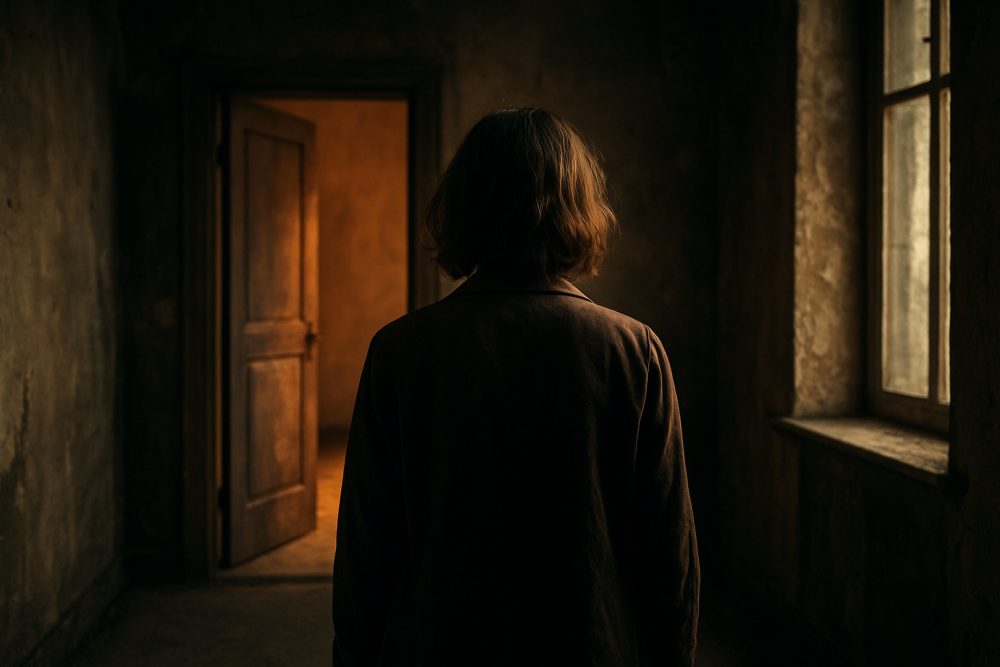
A hemorrhage after my daughter was born nearly took me. I rose to the ceiling and watched them fight for me, then a tunnel of light offered peace -- but I could not leave her behind.
I fell through a frozen pond and was under for forty minutes. There was a tunnel, a light, a full reckoning of my life, and then, against every medical odd, a warm hand pulling me back.
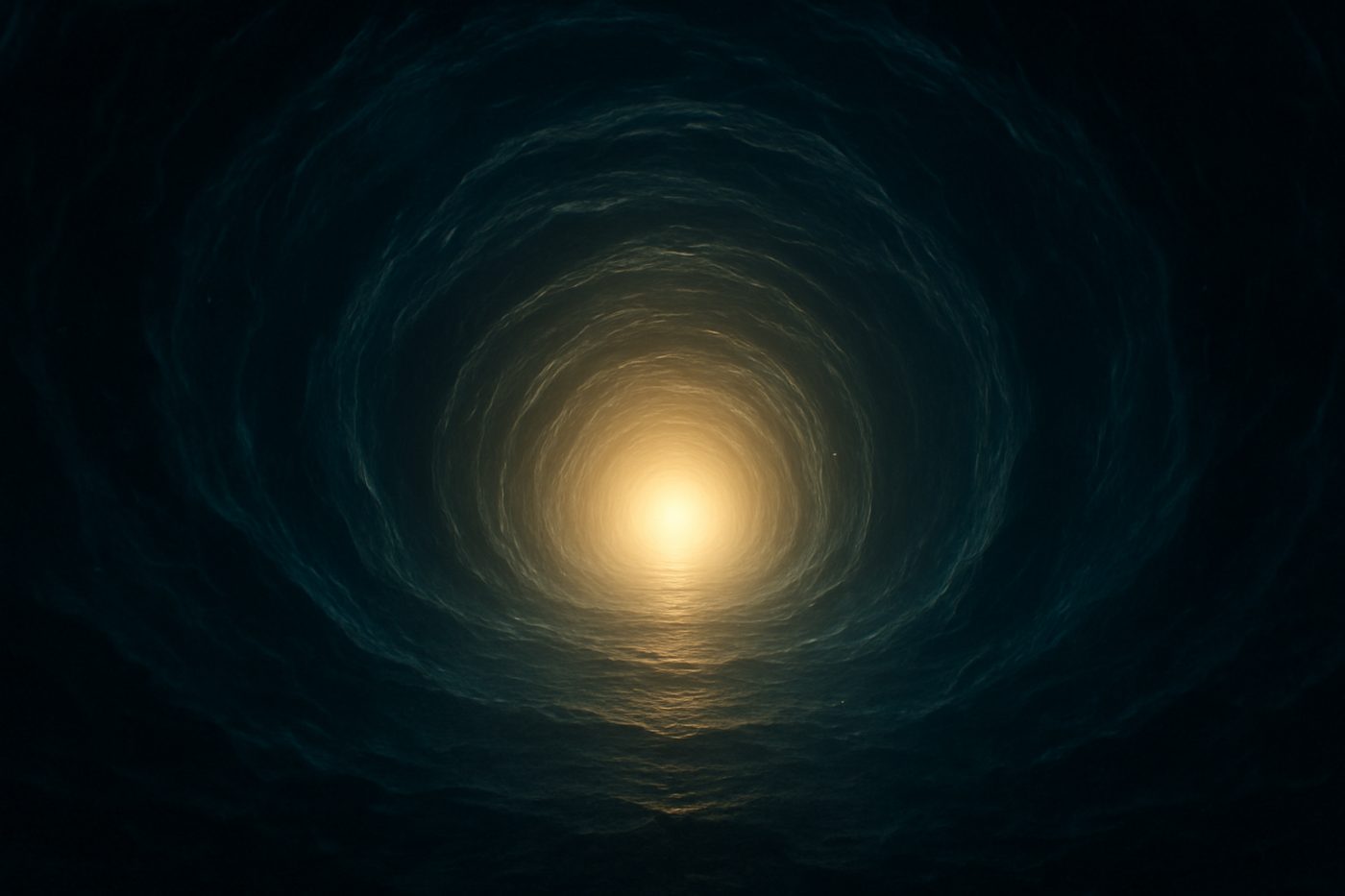
A routine gallbladder surgery went wrong and my heart quit on the table. I felt myself lifted out, and then every year of my life unfolded at once, and I was asked, kindly, what I had learned.

One sting in the garden and my throat closed in minutes. As my body shut down, my whole life opened up in front of me, and I was gently shown the good I had not finished doing.

I went under at the reservoir and stopped fighting. There was a dark tunnel and a light, and my grandmother, gone twelve years, told me it was not my turn. Then hands pulled me up.
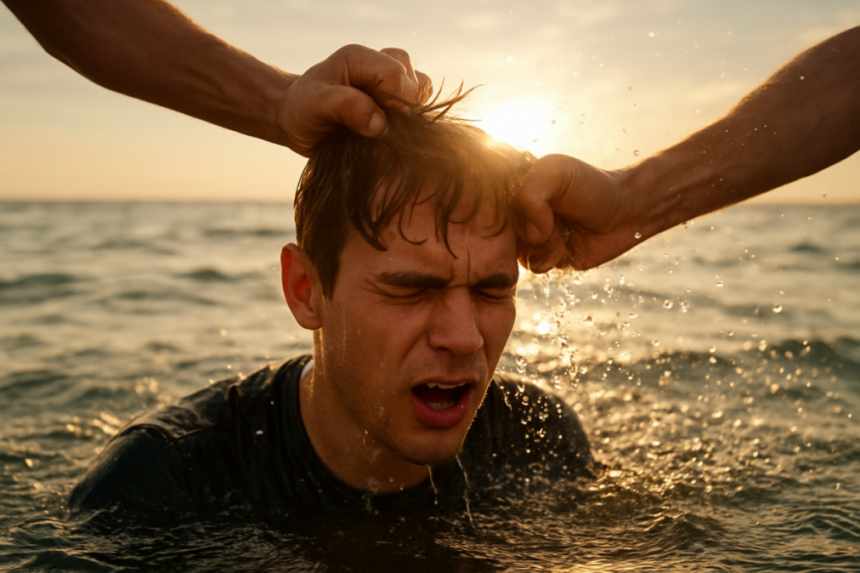
A truck ran the light and my car was gone in an instant. I found myself in a warm tunnel with no pain at all, and a presence turned me around and told me my son still needed me here.
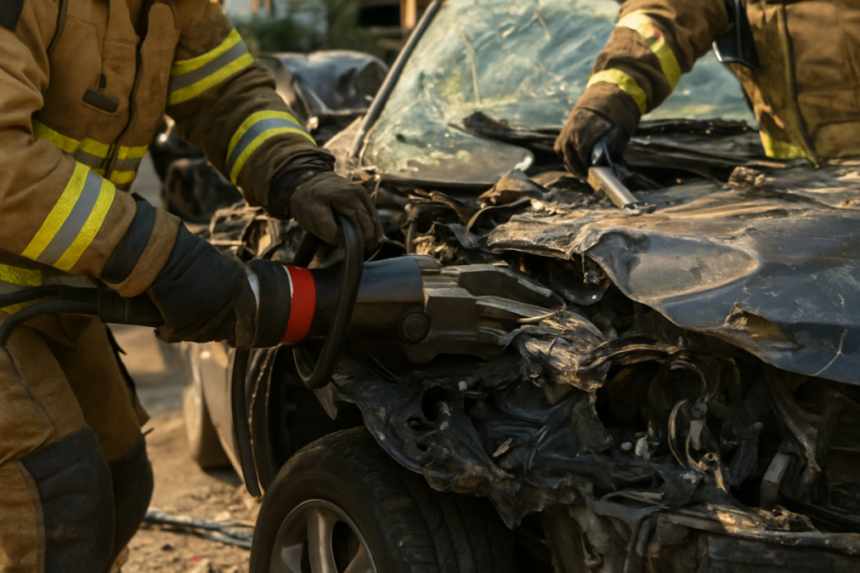
A live wire knocked me flat on a job site and my heart stopped. In the stillness that followed, my whole life unfolded, and my grandfather, gone fifteen years, told me to go back.
Curiously, being brought back to life is the part most narrators resent. Whatever they describe on the other side — warmth, a figure, a flat calm — the coming back is reported as cold, loud and physically horrible: cracked ribs, a tube, strip lighting, somebody shouting a name. Several say they argued about it, or were told to go back by someone they will not name, and a few are still annoyed twenty years later. Intensive care staff would describe the same minutes in entirely different vocabulary, and some of these writers have since read their own notes. The interesting submissions are the ones that put both accounts side by side.
The passage people describe before any of this has its own tag, the tunnel, and the accounts that stop short of a flatline are gathered under survival stories. Nothing here settles the question, and the site does not pretend otherwise. What the archive can offer is a hundred people who came back from the dead describing the same twenty minutes without having compared notes first.
Doctors and researchers disagree on what causes these events, but most agree they feel absolutely real to the people who report them. Some explanations focus on brain chemistry and lack of oxygen, while others point to spiritual or paranormal interpretations. Reading different first-person stories and seeing how the jury votes can show you how varied these experiences are and how people judge their believability.
Common elements like tunnels, lights, or floating above the scene show up across many cultures and situations. Some scientists link them to how the brain reacts under extreme stress, while others see them as signs of something beyond physical life. The accounts on this site let you compare these patterns and watch jurors decide which ones feel convincing.
Reports of brushing up against death in accidents, surgeries, or sudden illness are more widespread than formal studies can fully measure. Many people never tell anyone, while others feel compelled to write detailed narratives like the ones here. The voting jury offers a rough sense of how familiar or rare these descriptions seem to different readers.
Some episodes share features with vivid dreams, anesthesia awareness, or hallucinations triggered by trauma or medication. At the same time, many storytellers insist the clarity, emotions, and lasting impact feel very different from ordinary sleep or drug experiences. By reading the accounts and checking how the jury responds, you can weigh those possibilities for yourself.
Many claim long-term shifts, such as less fear of death, stronger relationships, or a new sense of purpose. Not everyone reports dramatic transformation, but it’s a common theme in personal narratives here. The stories and votes together highlight how some readers find these changes credible while others remain skeptical.
It can help to write it down in detail while it’s fresh, then decide whether you want to share it with trusted people or a community that collects true accounts. Some find comfort in comparing their memories with other narratives and seeing how a jury reacts to similar claims. For emotional or health concerns, talking with qualified professionals is important.
There are theories involving how the brain builds a sense of where the body is, and how that map can break down under anesthesia, trauma, or extreme stress. None of the current explanations account neatly for every reported detail, especially when people say they observed things they couldn’t normally see. The mix of stories and jury evaluations here shows how unsettled the question still is.
Many cultures have traditions of ancestors or loved ones appearing at the threshold of death, and those images can surface in intense moments. Psychologists often see this as the mind using familiar figures to cope, while others view it as a genuine encounter. Reading how different narrators describe these meetings, and how the jury judges them, reveals the range of interpretations.