
Giving Birth I Floated to the Ceiling and Nearly Stayed
A hemorrhage after my daughter was born nearly took me. I rose to the ceiling and watched them fight for me, then a tunnel of light offered peace -- but I could not leave her behind.
The NDE tunnel is where first-person brushes with the edge of life and death gather in one unnerving, mesmerizing place. Here you’ll find intimate near-death confessions, people describing that tunnel of light and the passageway toward brilliance, drifting out-of-body during childbirth, surgery, crashes, or medical emergencies, and encounters with luminous thresholds that seem to separate this world from whatever comes next. These are intensely personal narratives of slipping away, seeing radiant openings, feeling pulled toward a peaceful glow, and then somehow returning.
Every account is submitted by an individual telling their own story in their own words, and nothing here is vetted as literal fact. Instead, the audience serves as the jury, voting on whether each experience feels authentic, imagined, misremembered, or something in between. Read, decide what you believe, and cast your vote.
A hemorrhage after my daughter was born nearly took me. I rose to the ceiling and watched them fight for me, then a tunnel of light offered peace -- but I could not leave her behind.
Recovering from pneumonia, my heart went into an arrest at 3 a.m. I rose to the corner of the ward, watched them work, moved through a tunnel of light, and saw the whole shape of my life.
I fell through a frozen pond and was under for forty minutes. There was a tunnel, a light, a full reckoning of my life, and then, against every medical odd, a warm hand pulling me back.
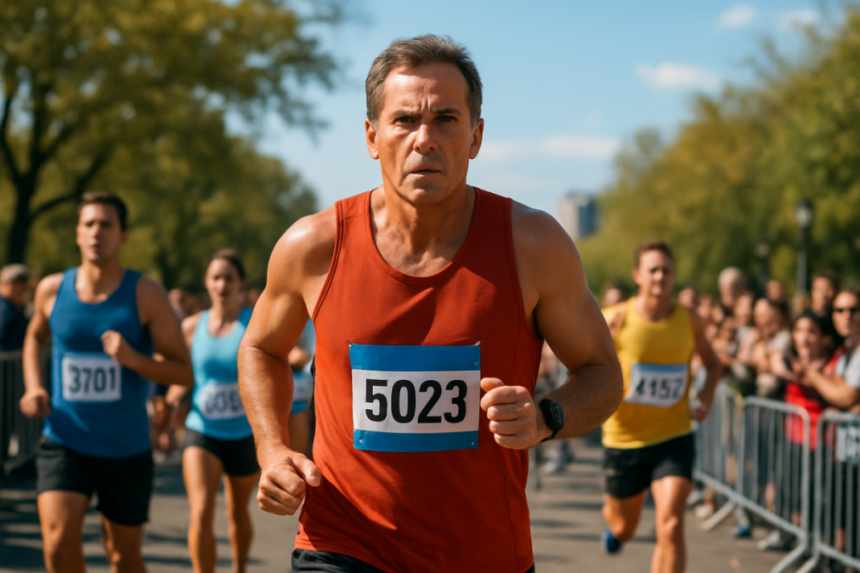
I trained a year for that marathon. At mile twenty my heart quit and I fell on the course. What I found in the dark was a tunnel, a light, and a review of a life I thought I understood.
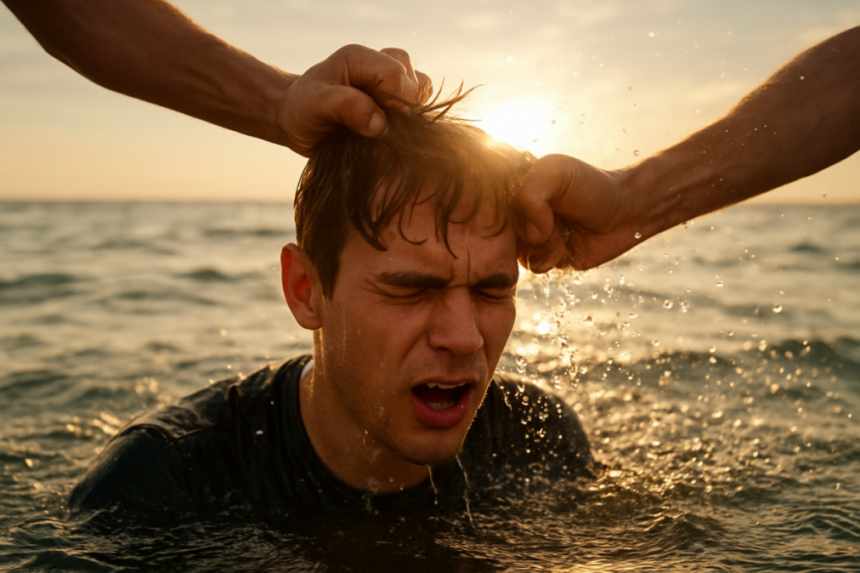
I went under at the reservoir and stopped fighting. There was a dark tunnel and a light, and my grandmother, gone twelve years, told me it was not my turn. Then hands pulled me up.
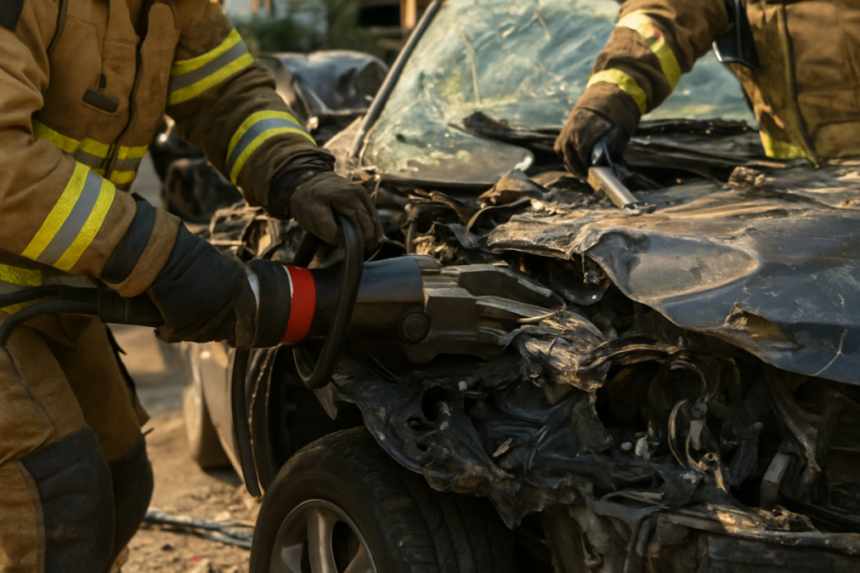
A truck ran the light and my car was gone in an instant. I found myself in a warm tunnel with no pain at all, and a presence turned me around and told me my son still needed me here.
My heart stopped over a sink of dirty dishes. What came next was a tunnel, a warmth I have no words for, and a review of every small kindness I had forgotten I ever gave.

Something that shows up again and again here is a failure of vocabulary. Narrators reach the NDE tunnel of dark and light, then stop and apologise for the comparison they are about to make — a train window, a drain, a lift shaft, the inside of a camera. Several say plainly that the words available are wrong and that the experience was not visual in the ordinary sense. Physiologists have their own account involving oxygen, pressure and the way the visual field collapses from the edges inward. The stronger submissions do not argue with that. They give the surgery, the time on the ward clock, and the first sentence somebody said to them afterwards.
What people report seeing at the far end is filed separately as life review, and the longer accounts of coming round in an ambulance are collected under came back. The vote here splits along a predictable line: readers who have been anaesthetised tend to believe the account, readers who have not tend to call it a well-read dream. Both leave comments explaining themselves, which is half the interest.
Many researchers think tunnel-and-light visions may be linked to how the brain behaves under extreme stress, lack of oxygen, or anesthesia, but people who report them often describe them as more vivid and “real” than waking life. On this site you can read first‑person accounts and see how the reader jury votes on whether each writer’s experience really happened as described.
Theories include changes in blood flow and electrical activity in the visual parts of the brain, as well as psychological factors like expectation and culture. Still, it’s striking how similar many reports are, whether it happens in a hospital, a crash, under ice, or during childbirth, which is why our readers closely weigh and vote on each story.
Nobody knows the true frequency, because many people never talk about what they went through and formal studies are limited. On this site, only a small subset of submitted stories involve leaving the body, and the jury voting helps highlight which of those accounts feel most convincing to other readers.
Yes, lack of oxygen is one of the leading scientific explanations, along with certain drugs, anesthesia, or neurological events. That doesn’t stop survivors from interpreting what they saw as deeply meaningful, and the contrast between medical ideas and personal conviction is part of what the jury considers when they vote.
Many claim lasting changes like less fear of death, stronger spiritual beliefs, or a new sense of purpose, but others return to life that feels mostly normal after a while. If you read across the stories here, you’ll see a range of reactions, and jury comments often focus on whether the emotional aftermath feels authentic.
They’re powerful personal experiences, but they’re not scientific proof of anything beyond the person’s perception. Some readers here see them as glimpses of something beyond, while others vote based on whether the account fits known brain science; the jury results reflect that ongoing debate.
It can help to write your story down, talk with someone you trust, or look for others’ accounts so you don’t feel alone. This site lets you see how a wide audience responds and votes, but for personal distress or health questions it’s important to speak with a qualified professional, not rely only on stories.
Some scholars think our brains may share a common way of reacting under extreme threat, which could produce similar images like movement through darkness, lights, or meeting figures. Others argue that stories, films, and beliefs spread these images around the world; the mix of familiar patterns and unique details is something our jury looks at when judging each account.